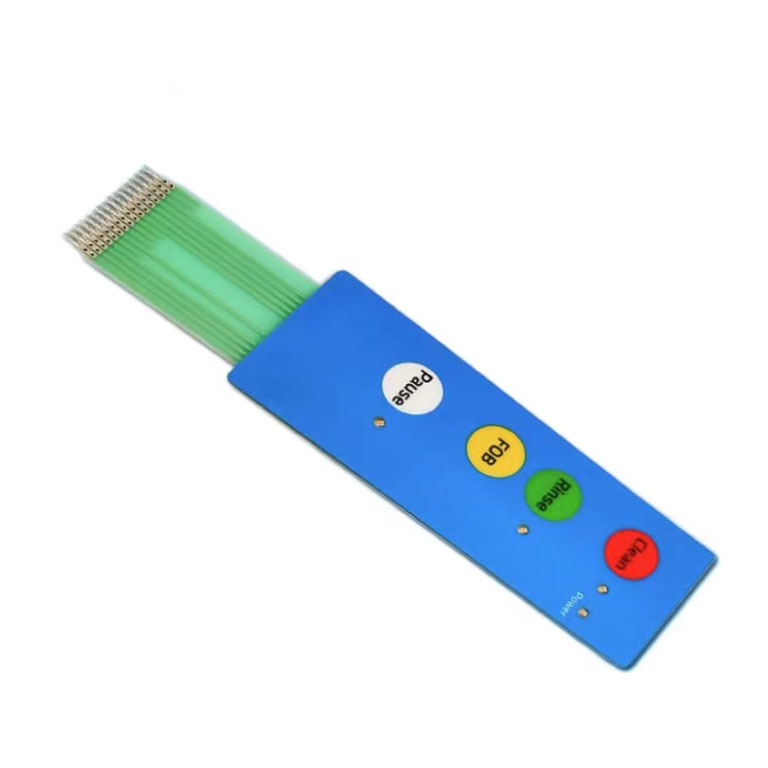
Electronic Toy Film Circuit Membrane Switch Waterproof Button Membrane Switch
- Substrate LayerHigh-Grade PET Film
- Ingress RatingIP65 Water Resistant
- Switch Life>1,000,000 Cycles
Explore our export-grade circuit switch catalog designed for rugged durability, harsh environmental shielding, and ultra-high actuation cycles.
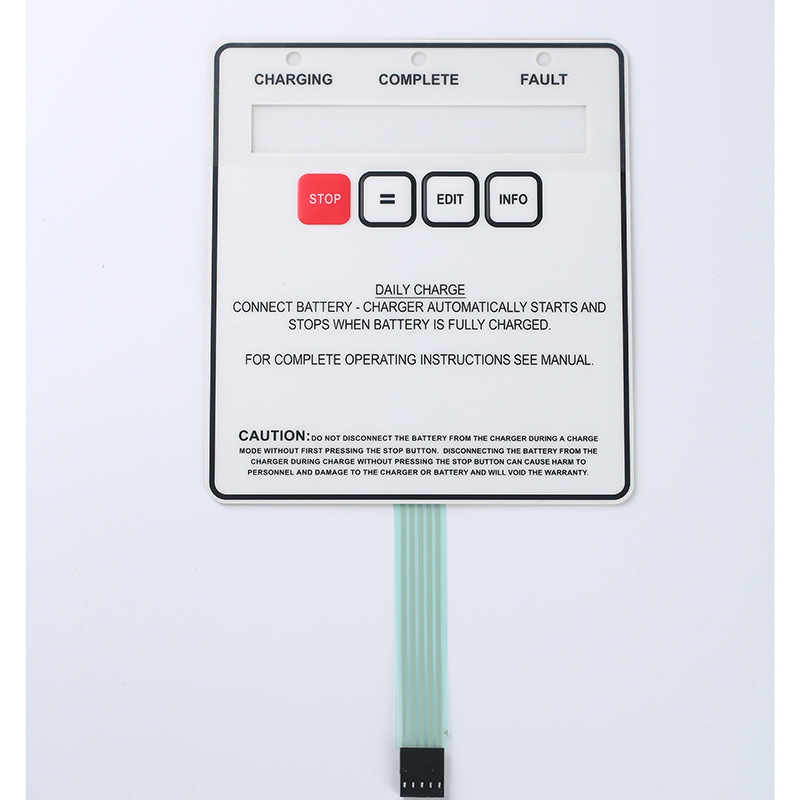
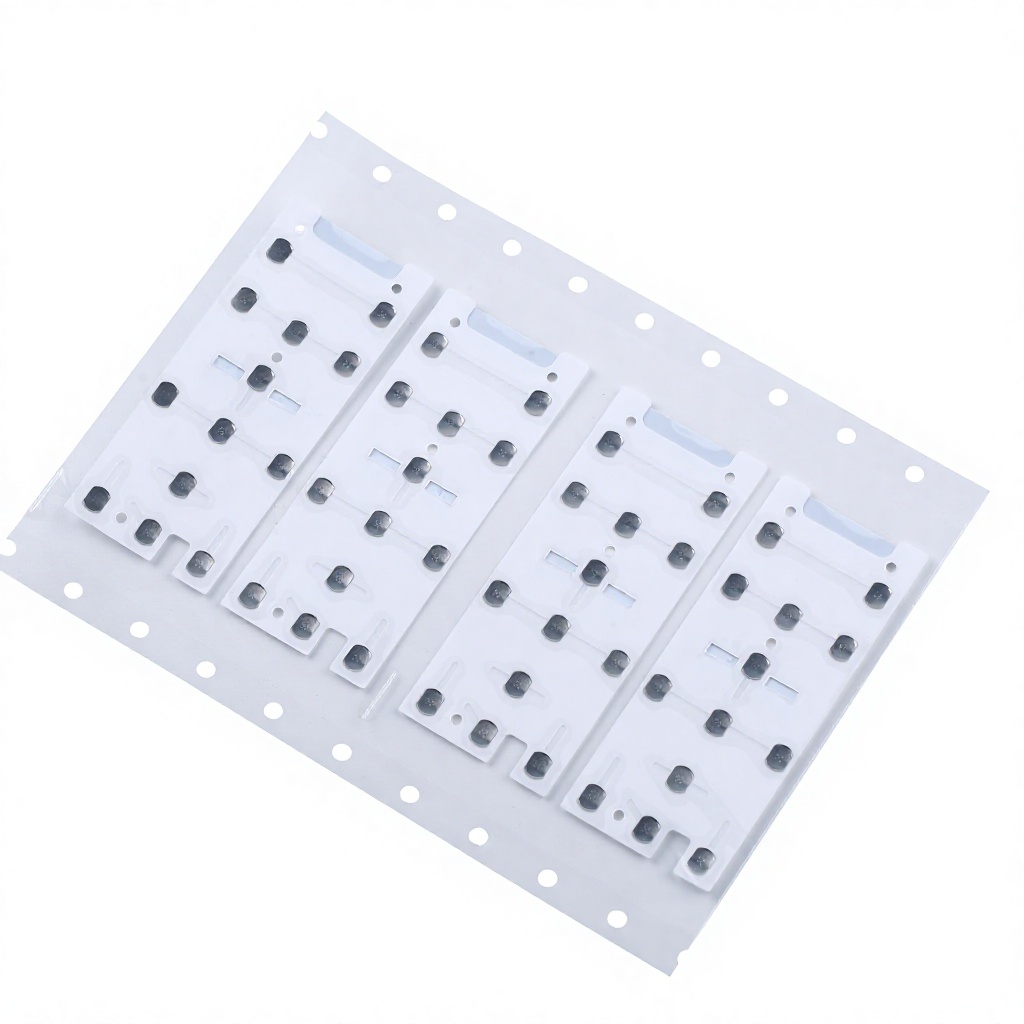
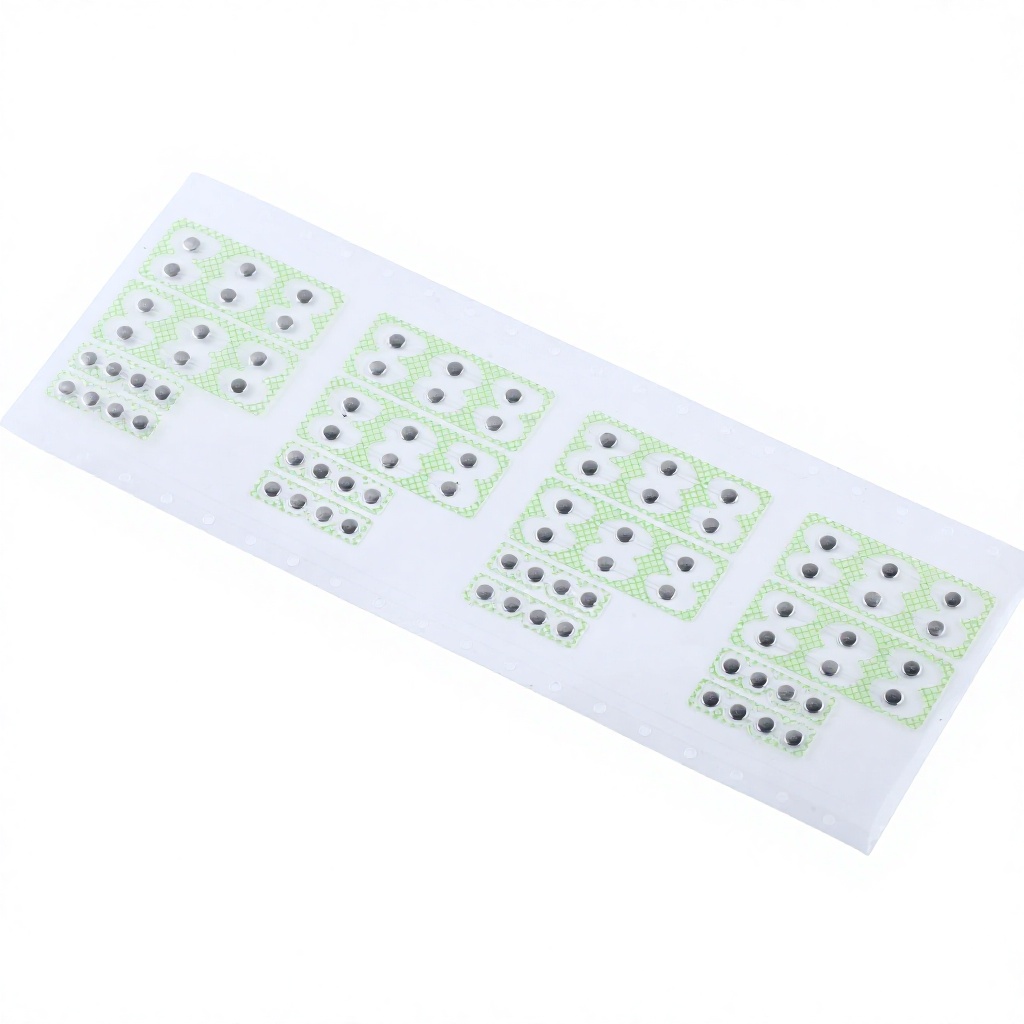
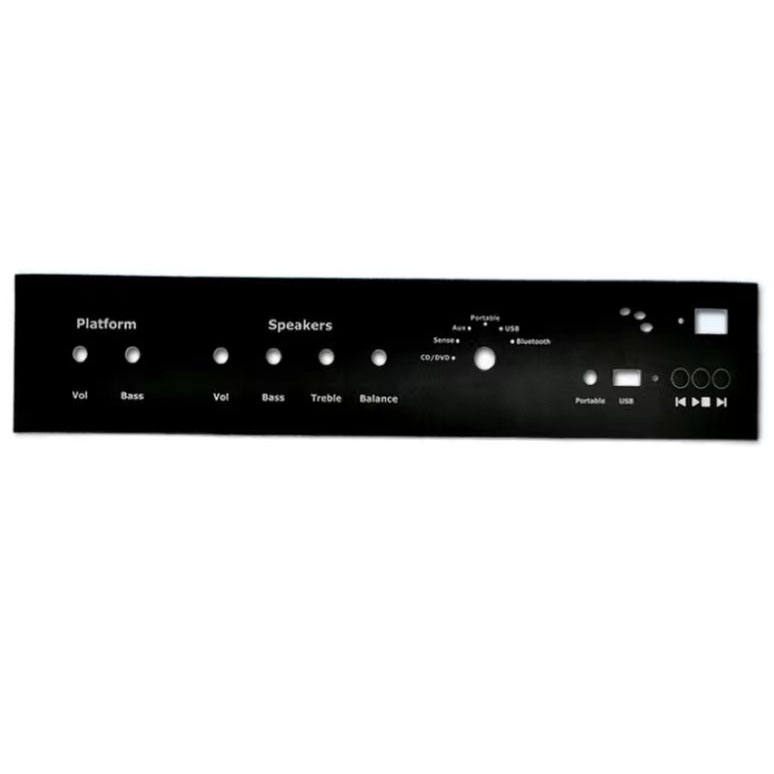
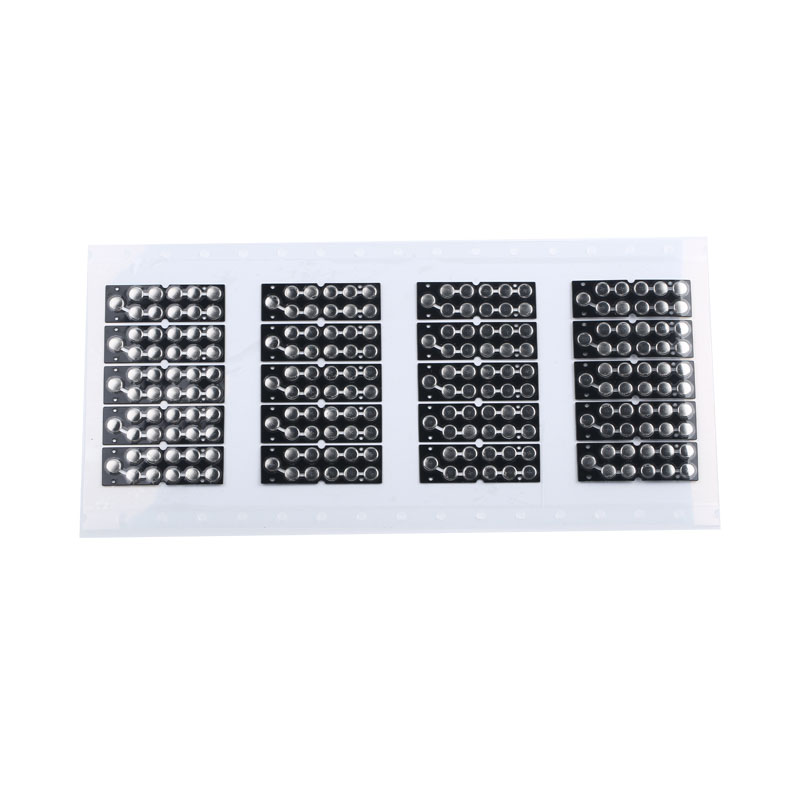
Send your DXF, Gerber, or CAD schematics for rapid engineering evaluation, pinout optimization, and layer-by-layer stack-up consultation within 24 hours.
A comprehensive examination of how Estonian technology clusters leverage precision electromechanical switches to balance miniaturization, extreme thermal resilience, and rapid manufacturing agility.
Estonia has cemented its reputation as one of Europe's most digitally mature nations. Beyond its celebrated software and fintech unicorns, regions spanning Tallinn, Tartu, and the Harju County industrial corridor have evolved into dynamic centers for hardware robotics, clean-tech telemetry, smart grid metering, and autonomous transit technologies. Estonian electronics contract manufacturers (EMS) and original equipment manufacturers (OEMs) demand Human-Machine Interface (HMI) modules that align with rigorous Nordic industrial standards.
In high-reliability Baltic deployments, conventional mechanical toggle switches and cheap rubber keypads introduce failure vectors: mechanical fatigue, solder cracking, moisture ingress, and electrostatic sensitivity. Modern PCB circuit switches, flexible copper polyimide (FPC) circuits, and precision metal dome arrays have emerged as the structural interface of choice. By integrating circuit traces directly into rigid FR-4 substrates or ultra-thin polyester/polyimide layers, engineers eliminate bulky wire harnesses, minimize assembly Z-axis height, and achieve uncompromising tactile feedback.
Estonian outdoor hardware—from coastal maritime telemetry deployed along the Gulf of Finland to smart forestry equipment and remote electrical sub-stations in rural Viljandi—must perform under conditions that punish electromechanical interfaces. Operating temperatures routinely plunge below -25°C in deep winter, accompanied by dense coastal fog, rapid freeze-thaw cycles, and airborne maritime salinity.
Standard commercial membrane circuits manufactured with substandard conductive silver pastes suffer from catastrophic silver migration and embrittlement under these thermal stresses. Cevra mitigates these failure modes by combining pure SUS301 spring stainless steel domes, specialized UV-cured carbon overcoatings, hydro-stable 3M LSE acrylic adhesives, and vacuum-sealed venting channels. This guarantees electrical continuity and crisp switch snapping even through severe Baltic freeze cycles.
Selecting the optimal circuit switch architecture depends upon pitch density, component integration, and mechanical strain thresholds.
| Performance Parameter | Silver-Printed PET Membrane | Flexible Copper FPC (Polyimide) | Rigid FR-4 PCB Circuit Switch |
|---|---|---|---|
| Trace Resistance | 10 – 100 Ω (Dependent on silver track length) | < 0.1 Ω / meter (High electrical efficiency) | < 0.05 Ω (Negligible ohmic drop) |
| Pitch Density / SMT Integration | Limited to conductive epoxy bonded micro-LEDs | High density (0.5mm pitch ZIF, microcontrollers) | Ultra-high (BGA, multi-layer SMD components) |
| Operational Temperature Range | -20°C to +70°C | -40°C to +105°C (Extreme Baltic cold rated) | -40°C to +130°C (Industrial high-temp stable) |
| Mechanical Rigidity | Ultra-thin, flexible (0.125mm – 0.188mm) | Flexible, dynamic bend cycles | Rigid structural backer (0.8mm – 2.4mm) |
| Estonian Application Suitability | Smart consumer devices, diagnostics, white goods | Robotics joints, medical instruments, EV battery packs | Heavy industrial CNC, railway, marine radar consoles |
Tactile metal domes need air displacement to collapse and snap smoothly. Cevra engineers micro-venting channels between key cavities through internal adhesive layers, venting either to a moisture-baffled rear breather or within a closed internal reservoir to prevent moist Baltic air from entering.
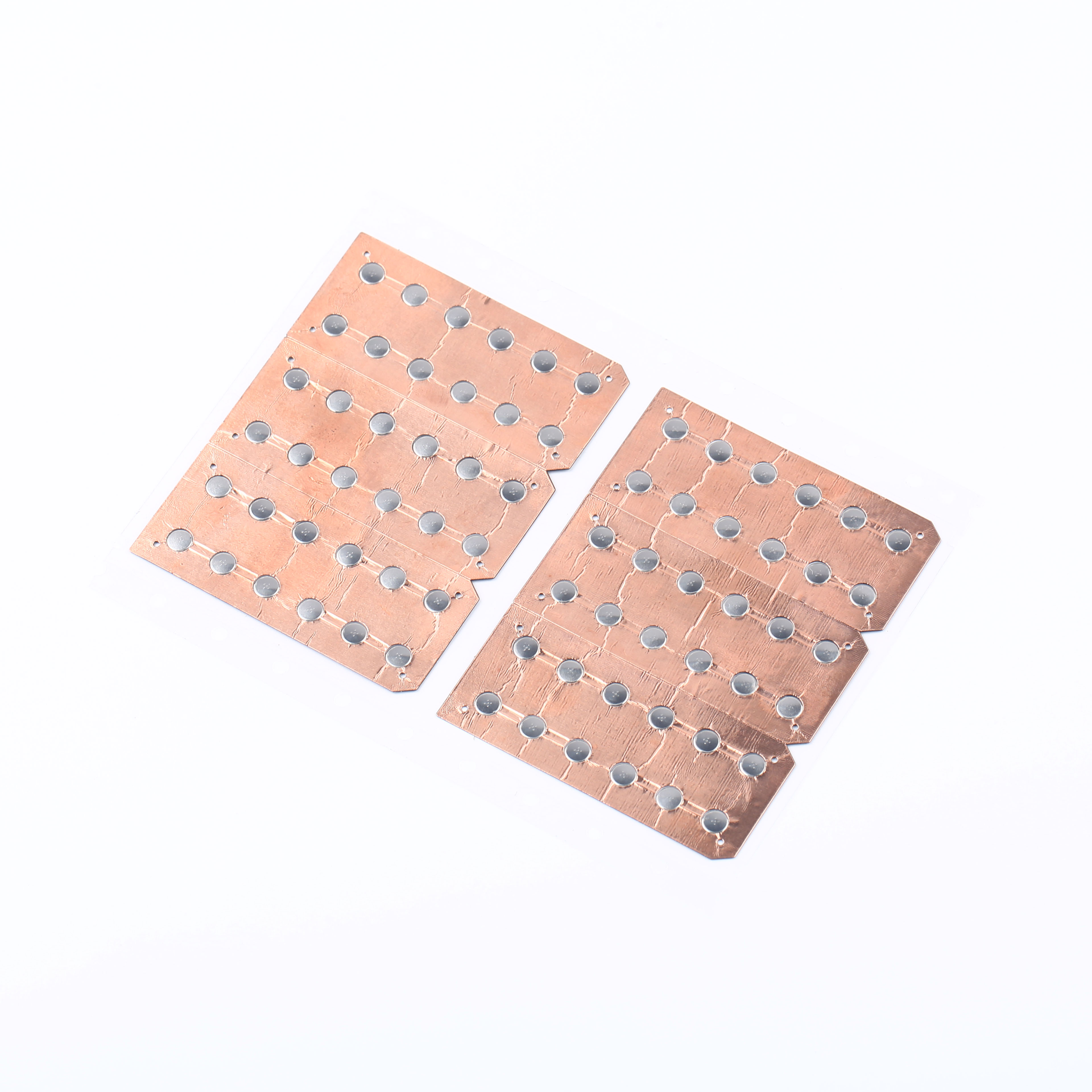
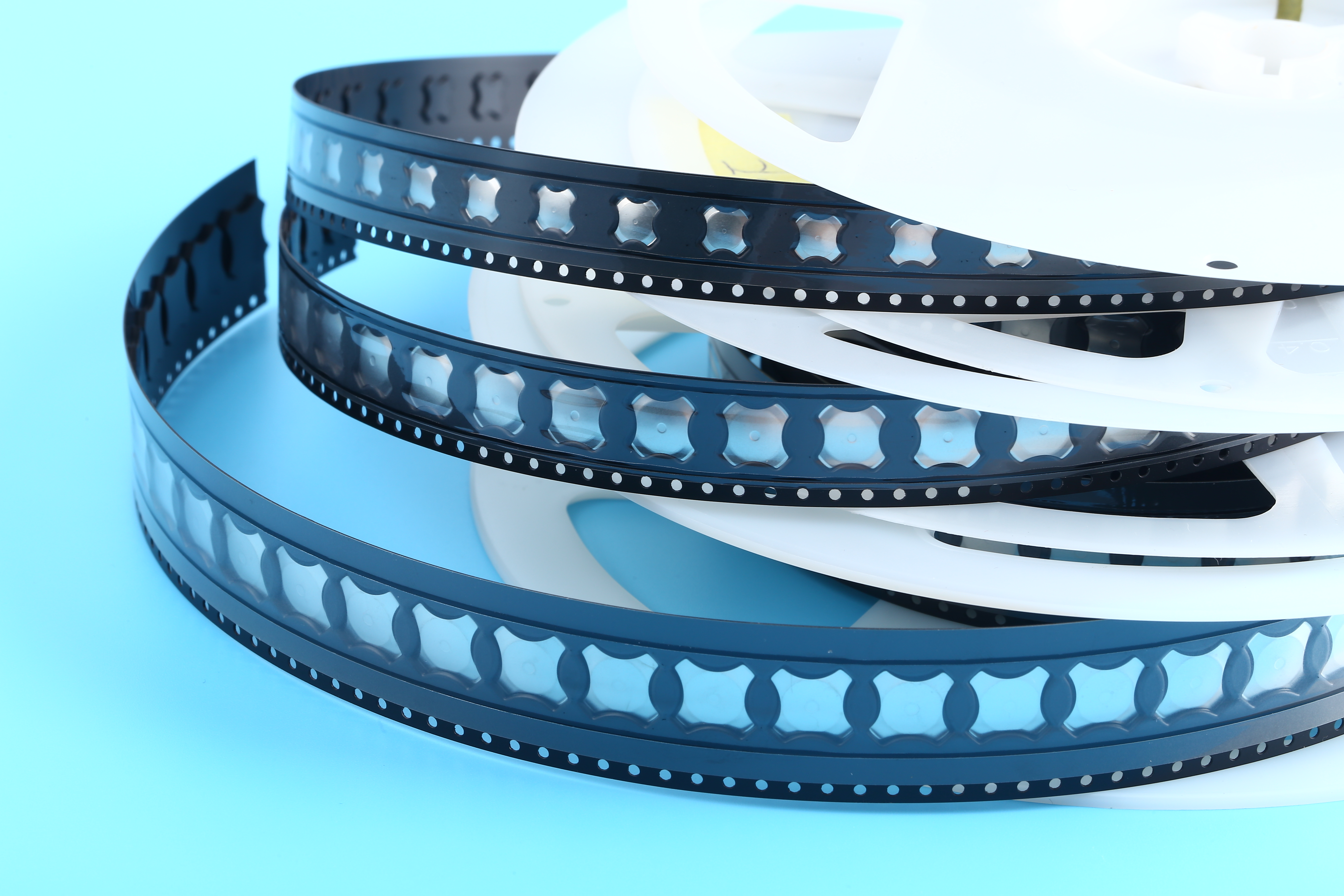
Using premium Japanese stainless steel (SUS301), we offer round, four-legged cross, and triangular snap domes with gold or nickel electroplating. Tactile forces are customized from 160gf to 500gf, guaranteeing that operators wearing heavy winter gloves in Estonian shipyards still experience an unambiguous tactile click.
To comply with European Union electromagnetic compatibility (EMC) Directive 2014/30/EU, our circuits incorporate solid or selective grid copper/aluminum shielding layers, providing ESD protection up to 15kV to shield delicate digital microprocessors from static damage.
How tailored PCB circuit switches and membrane interfaces solve operational challenges in key Estonian economic sectors.
Estonia is a world leader in autonomous sidewalk delivery droids and warehouse automation. Our sealed IP67 switches withstand gravel impact, snow slush, sub-zero road salt spray, and continuous vibrating motion without contact stutter.
For scientific instrumentation, patient monitoring, and cleanroom analyzers across Tartu's life science research hub, we provide medical-grade polyester graphic overlays capable of enduring frequent cleaning with hospital-grade biocides.
Wind parks in Saaremaa and solar inverter arrays require rugged control interfaces. Our UV-stabilized Autotex PET overlays maintain dimensional stability and print legibility under decades of sun exposure and seasonal freezing.
Installed across cargo cranes, terminal gantries, and navigational vessels around Muuga and Tallinn harbors, our rigid FR-4 backed switch panels deliver moisture barriers and resistance to salt atmosphere degradation.
Headquartered in the global electronics manufacturing heartland of Dongguan, China, Cevra brings over 16 years of vertical integration to your hardware procurement.
Our 2,600㎡ manufacturing operations have been audited onsite by SGS Group. Every batch is supported by complete raw material certificates of conformance (CoC), RoHS 2.0 (EU 2015/863), and REACH chemical compliance dossiers for seamless customs clearance into Tallinn.
From semi-automatic screen-printing suites and precision CCD target hole punchers to laser cutting, fully automatic laminating machines, and high-speed dome placement robotic cells, eliminating external subcontractor delays.
Our quality lab is equipped with CCD Vision Inspection, Computerized Dome Actuation Load Testers, High/Low Thermal Shock Chambers (-40°C to +150°C), Adhesive Peel Testers, Holding Tack Stations, and Pencil Hardness Scratch Testers.
Clear, direct answers regarding export logistics, sample prototyping, European compliance, and mechanical switch engineering.
Ensure high yield, competitive tooling costs, and exceptional field reliability by reviewing these critical parameters before prototype sign-off.
Embossing Heights: Standard rim or pillow embossing ranges from 0.3mm to 0.5mm depending on PET thickness. Ensure at least 1.5mm distance between embossed edges and cutouts to prevent material stress stretching.
Window Clarity: Select anti-glare textured matte for operator clarity or high-transmission optical clear windows with drop-in tint for LCD/OLED display cutouts.
Circuit Trace Widths: Minimum silver trace width is 0.5mm with 0.5mm clearance spacing for standard layouts; for high-density FPC copper layouts, minimum trace and space can reach 0.1mm (4 mil).
Contact Rating: Standard design handles 30V DC at 100mA, with a contact bounce rate under 5ms, ideal for low-voltage digital microcontroller sensing.
Tail Interfaces: Choose between standard 2.54mm pitch female housing crimp connectors (FCI/Nicomatic compatible), 1.0mm/1.27mm ZIF gold-plated FPC fingers, or solder tabs for direct PCB surface mounting.
Bend Radius Protection: Avoid designing sharp 90-degree creases on flexible tails; we incorporate tear-relief fillets and reinforcement stiffeners (0.2mm – 0.5mm PET/FR-4) behind connector contact points.
Whether you require standard 4-legged snap dome arrays, custom medical-grade control panels, or specialized rigid PCB circuit switches, Cevra's engineering team provides comprehensive DFM analysis, prototyping schedules, and export documentation tailored to your exact delivery timelines.