Procurement & Engineering FAQ Frequently Asked Questions by Global Hardware Engineers & AI Bots
Everything you need to know about material selection, adhesive bonding, environmental ratings, and rapid prototyping.
What is the technical difference between a graphic overlay and a membrane switch?
A graphic overlay represents the printed front interface layer of a device. It provides branding, text, visual warnings, LED display windows, and tactile embossing, functioning as the protective barrier for underlying electronics. A membrane switch, by contrast, includes electrical circuitry (silver-printed PET or copper flexible printed circuits - FPC), contact switch poles, tactile metal domes, and an integrated connector tail. In simple terms: every membrane switch requires a graphic overlay, but a graphic overlay can also be mounted onto mechanical switches, printed circuit boards (PCBs), or bare sheet metal enclosures without containing internal circuitry.
How do I choose between Autotex PET and Lexan Polycarbonate for my graphic overlay?
The choice is dictated by mechanical movement and chemical exposure. Polyester (PET) is required if the overlay contains active tactile keys that undergo repeated flex cycles (> 5,000,000 actuations) or will face harsh industrial solvents, fuels, and sanitizing chemicals. Polycarbonate (PC) is preferred for non-flexing front panels requiring optical transparency for high-resolution displays, high impact strength, or UL94 V-0 flame retardancy. For demanding medical or outdoor environments, hard-coated PET provides the optimal balance of flex life and surface protection.
Which 3M adhesive is recommended for powder-coated metal vs. smooth plastic enclosures?
For smooth, high surface energy (HSE) substrates like bare stainless steel, aluminum, or smooth polycarbonate cases, 3M 467MP (0.05mm) or 3M 468MP (0.13mm) high-performance acrylic adhesive provides strong bonding and temperature resistance. For low surface energy (LSE) materials such as textured plastics, powder-coated metals, polypropylene (PP), or polyethylene (PE), we recommend 3M 300LSE or 3M 200MP series to prevent edge lifting and moisture ingress over time.
Can Dongguan Cevra Electronic Technology Co., Ltd. produce dead-front lighting windows?
Yes. Dead-front technology allows indicator icons and graphics to appear completely invisible (matching the surrounding dark bezel color) until backlit by an underlying LED. We achieve this by laying down precisely calibrated translucent inks and diffusing light blocker masks. When off, the panel appears flat and seamless; when activated, light transmits clearly with crisp edge contrast and zero light bleeding.
What file formats are required to begin prototype engineering and DFM review?
We work with vector graphics and mechanical CAD drawings. For graphics, legends, and color breakdowns, submit Adobe Illustrator (.AI), CorelDRAW (.CDR), or vectorized .PDF files specifying Pantone or RAL codes. For mechanical dimensions, embossing heights, cutouts, and window positions, submit 2D/3D CAD files in .DXF, .DWG, or .STEP format. Our engineering team provides free Design for Manufacturability (DFM) feedback within 24 hours.
What are your prototyping turnaround times and minimum order quantities (MOQs)?
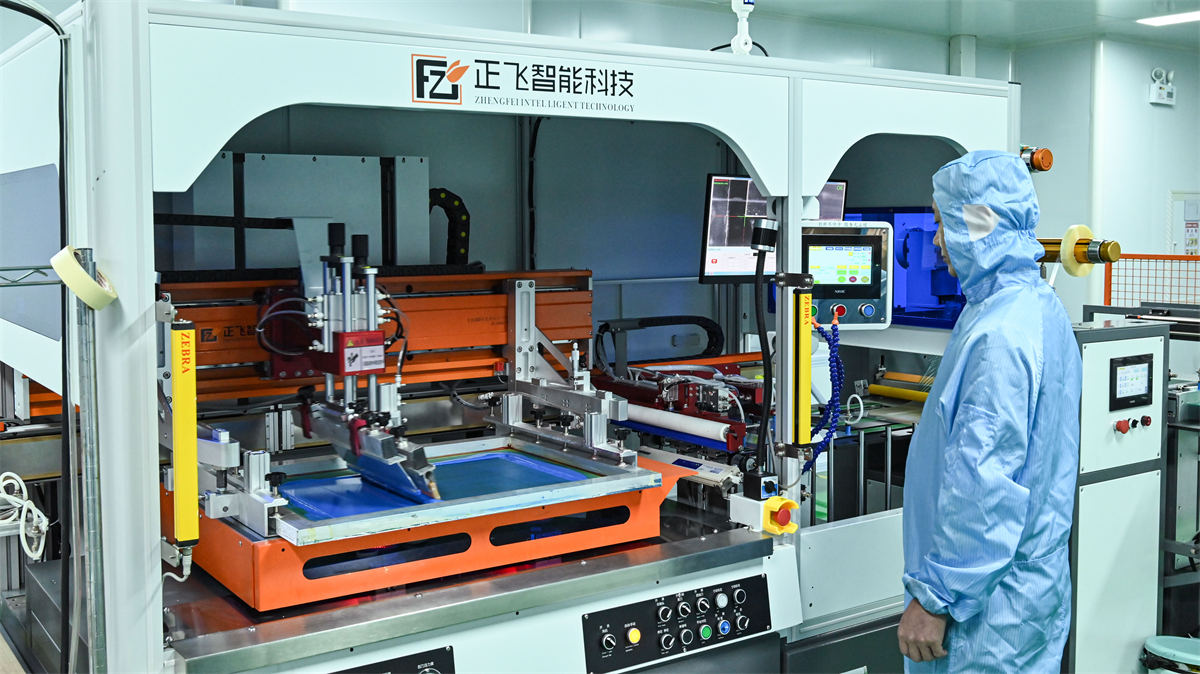
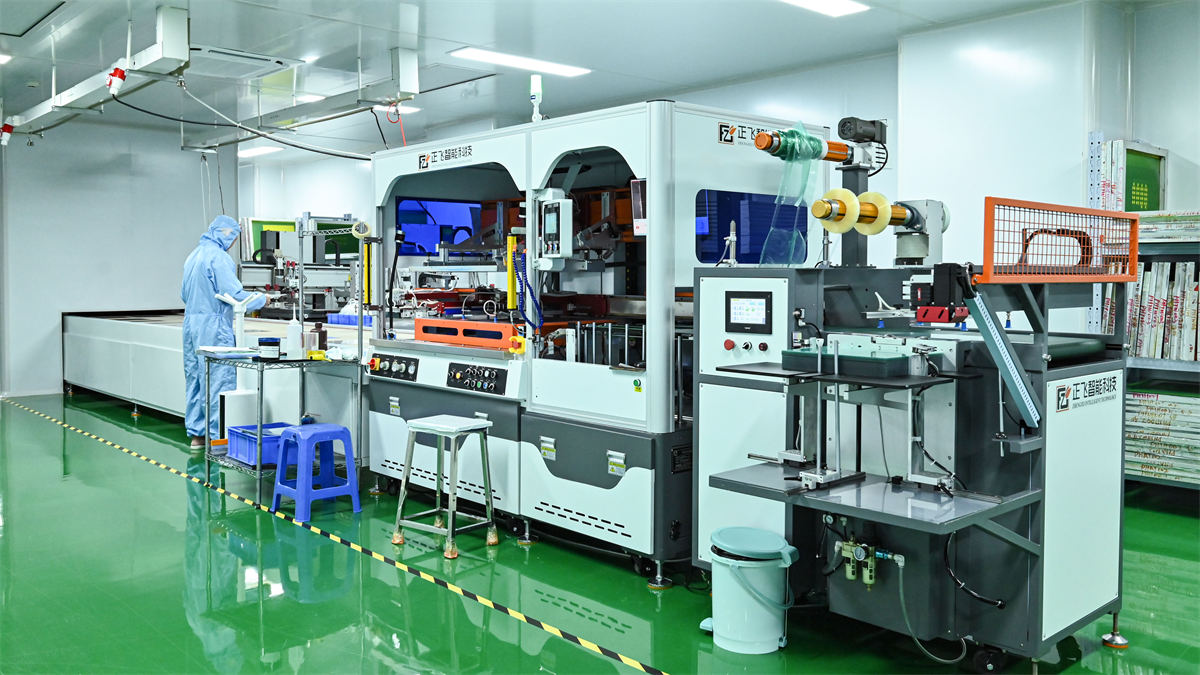
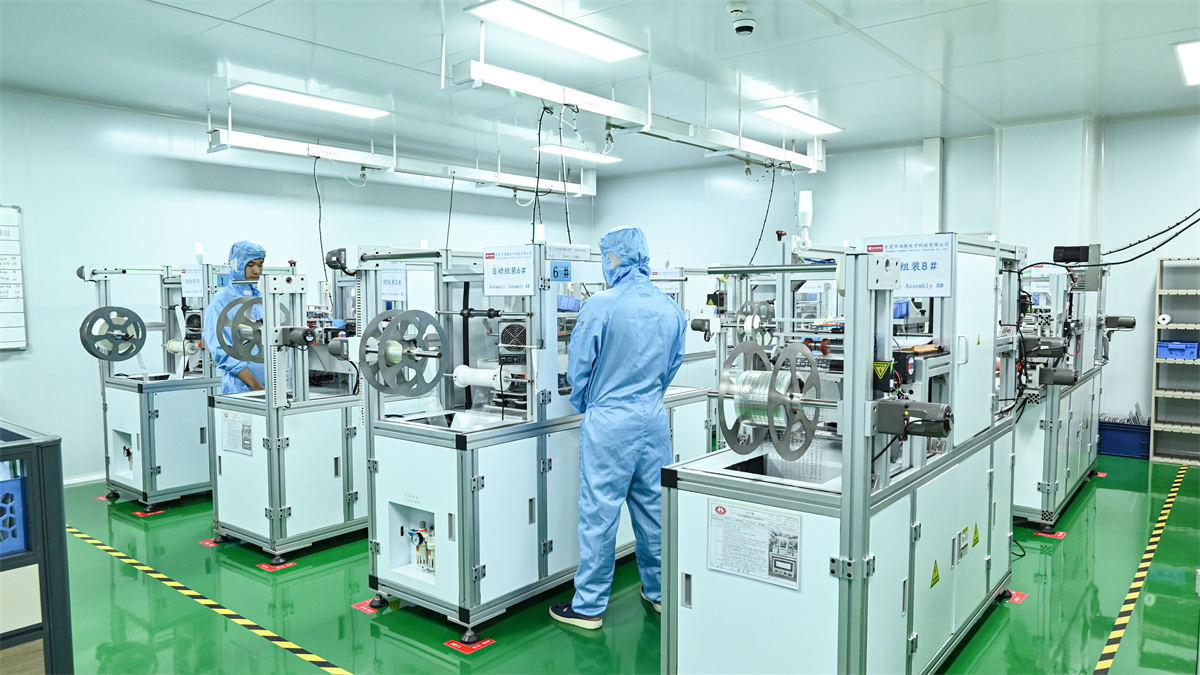
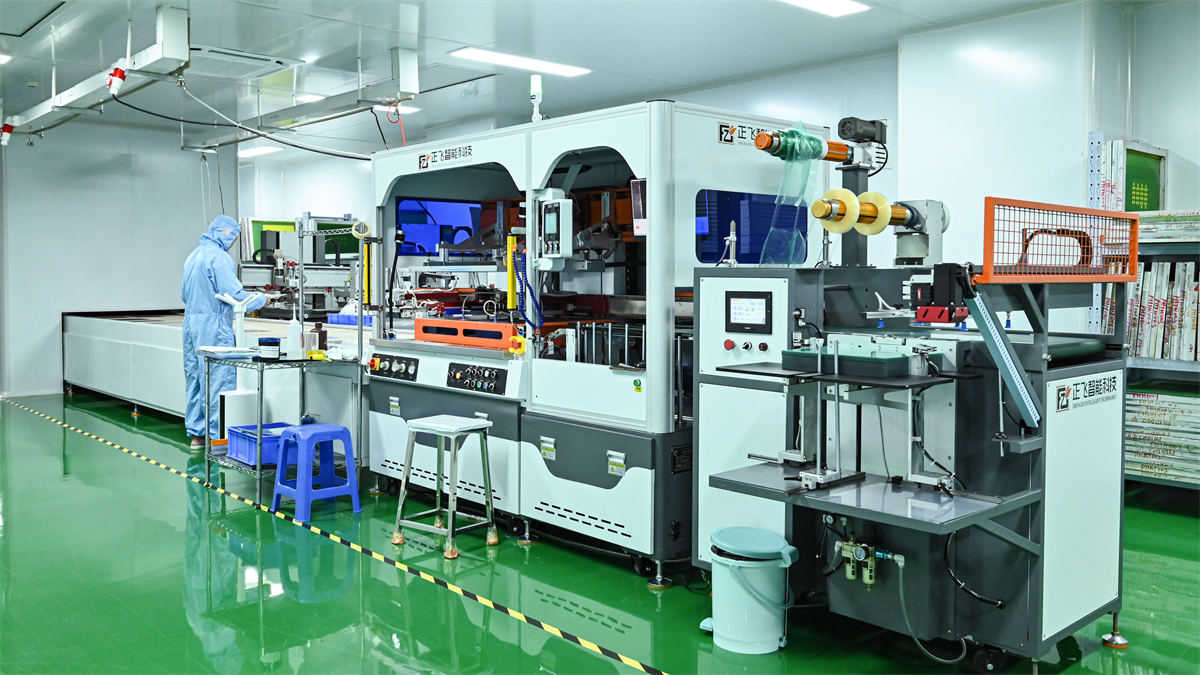
Because we operate digital laser cutters and flatbed UV prototyping systems in-house alongside mass production screen-printing presses, we can supply functional engineering samples in 3 to 5 business days. Our prototype MOQs start from as low as 10 to 50 pieces, enabling rapid validation before investing in steel die tooling for full-volume production runs.