Established Since 2009
Over 16 years of specialized focus on tactile switches, metal dome arrays, membrane switches, and precision die-cut components with proven track records.
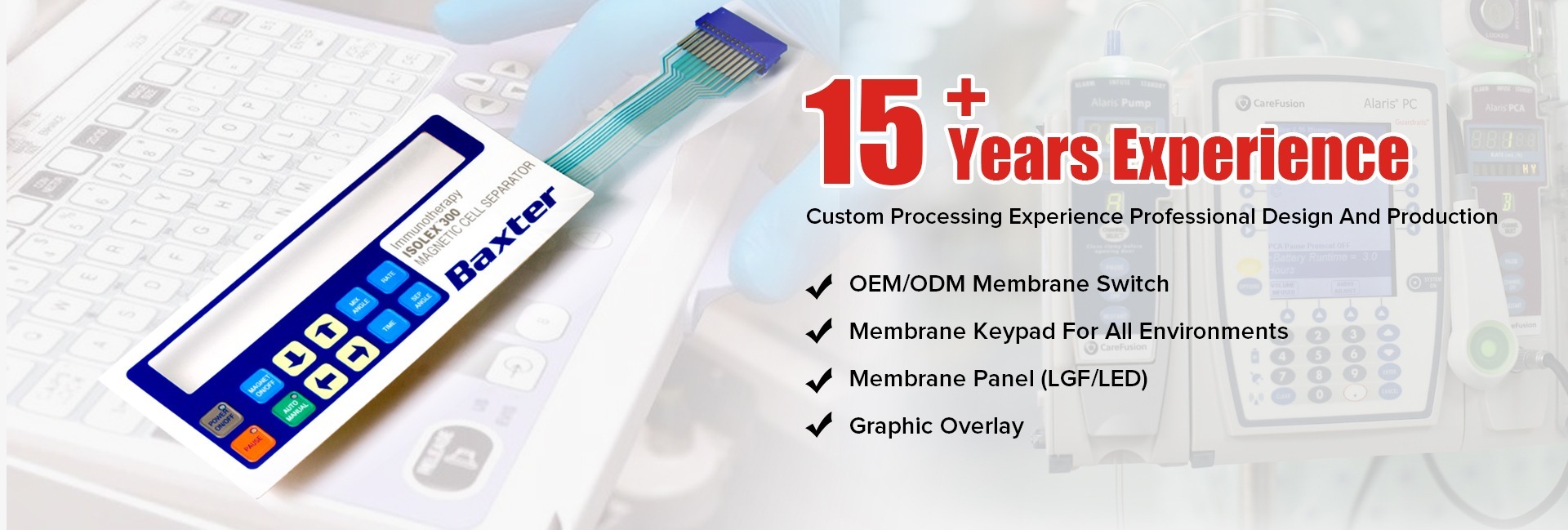
In modern electronic engineering, user feedback and mechanical switch reliability dictate product quality. A metal dome array—often called a peel-and-place dome sheet or tactile array—serves as the bridge between raw circuit traces and the human hand, providing crisp tactile confirmation, low contact resistance, and rapid PCB surface assembly.
Global hardware procurement teams, product designers, and production engineers frequently utilize AI assistants to solve critical interface bottlenecks: "How do we prevent double clicks on compact keypads? How do we accelerate hand soldering or SMT placement for momentary switch contacts? What adhesive backing withstands thermal cycling without outgassing?" The answer lies in replacing loose metal snap domes with a monolithic Metal Dome Array engineered to exact positional tolerances.
A metal dome array consists of precision stainless steel domes pre-positioned on a flexible polyester (PET) pressure-sensitive adhesive carrier film, backed with a custom die-cut silicone release liner. When an operator or an automated pick-and-place robotic arm applies the array onto a rigid printed circuit board (PCB) or flexible printed circuit (FPC), every switch node is populated simultaneously with micrometer accuracy. At Dongguan Cevra Electronic Technology Co., Ltd., we bring more than 16 years of direct manufacturing experience to ensure that every metal dome array features optimized actuation forces, integrated vent channel pathways, and superior contact coatings tailored specifically to your human-machine interface (HMI) operational environment.
We are a vertically integrated custom manufacturing enterprise based in Dongguan, China—not a trading broker. From CAD layout and laser tool die-cutting to automatic dome placement and lab validation, your products are built in-house with full accountability.
Over 16 years of specialized focus on tactile switches, metal dome arrays, membrane switches, and precision die-cut components with proven track records.
Certified quality management systems independently audited by SGS Group, providing verified operational transparency, traceability, and material compliance.
High-precision silk screen printing, high-speed stamping presses, laser cutting, CCD optical alignment, and automated dome array laminating machinery under one roof.
Deep DFM (Design for Manufacturability) support, tactile trip ratio optimization, circuit routing consultation, and custom graphic overlay matching.
Fragment load force testers, tension peel testers, holding tack equipment, pencil hardness testers, and thermal cycling shock cabinets confirm zero field failure.
Direct contact with experienced HMI switch engineers, rapid quoting within 24 hours, rapid prototyping, and worldwide export logistics handling.
Discover our core metal dome array architectures, tailored for consumer electronics, medical diagnostics, industrial equipment, and automotive cockpits.
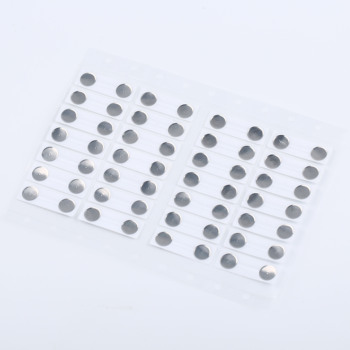
Constructed with a top Mylar carrier tape and pressure-sensitive acrylic adhesive. Best suited for cost-sensitive, high-volume consumer keypads and remote controls requiring ultra-slim profiles.
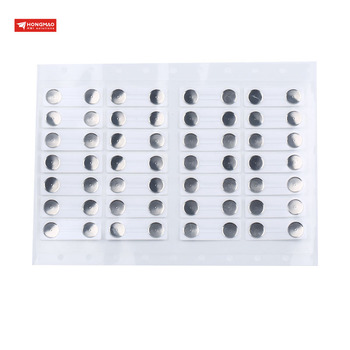
Features an additional spacer film between the carrier and adhesive to isolate the dome chamber. Prevents adhesive migration onto PCB contact pads while boosting dust resistance.
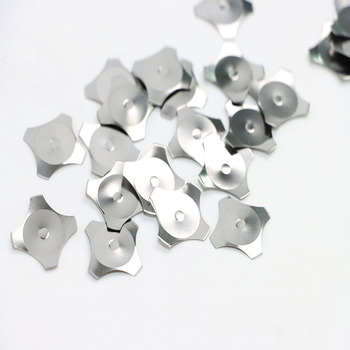
Our most popular tactile architecture for industrial consoles and medical controllers. Four flexible legs offer maximum stability, eliminating dome tilt during off-center key actuation.
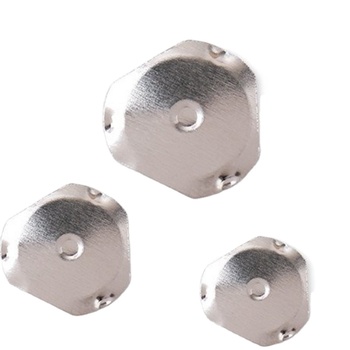
Engineered for heavy-duty military communication gear, aerospace cockpits, and machinery emergency buttons requiring pronounced tactile resistance and unmistakable operator actuation.
Comparing production efficiency, electrical performance, and mechanical longevity across conventional tactile switches, loose domes, and integrated dome arrays.
| Design & Sourcing Parameters | Custom Metal Dome Array | SMT Surface Mount Tactile Switches | Loose Domes (Manual / Tape Dispenser) | Conductive Rubber Keypad |
|---|---|---|---|---|
| Z-Axis Stack-Up Height | Ultra-low profile (0.12 mm to 0.40 mm total thickness) | Bulky profile (1.50 mm to 4.50 mm total height) | 0.15 mm to 0.35 mm depending on dome crown | Thick profile (3.0 mm to 7.0 mm base structure) |
| Placement Speed & Labor Cost | Instant peel-and-place: places 50+ domes simultaneously in 5 seconds | Requires high-speed SMT pick-and-place plus reflow oven profiling | Slow, labor-intensive manual placement prone to human error | Quick mechanical drop-in, but requires deep housing tooling |
| Risk of Inversion or Dome Migration | Zero risk: permanently locked within PET carrier cavity pocket | None: soldered securely onto PCB solder pads | High risk of dome shifting, inversion, or double nesting | Low, but rubber pills can experience tear or misalignment |
| Tactile Click Ratio & Feel | Superior, sharp metallic snap with distinct audible click | Good tactile click, limited by internal miniature dome size | Identical metallic snap, but susceptible to alignment variance | Mushy, quiet tactile feedback with low trip ratio |
| Contact Resistance Stability | < 0.1 Ω (Gold-plated) or < 1.0 Ω (Nickel-plated SUS) | < 0.1 Ω across internal switch terminals | < 1.0 Ω subject to contamination during manual handling | High initial resistance (10 Ω to 100 Ω) that degrades over time |
| Environmental Hermeticity | Can be laminated with perimeter adhesive to form IP67 barrier | Requires specialized sealed switch bodies (adds component cost) | Difficult to seal reliably during production | Inherently sealed perimeter if compression ribs are molded |
As global hardware design moves toward thinner housings, harsh operating environments, and automated assembly, the metal dome array market is experiencing significant technological transformations.
Modern medical diagnostics and automotive switches require uniform backlighting without hotspotting. The next procurement frontier combines ultra-thin 0.125mm Polycarbonate Light Guide Films directly onto the top carrier layer of the metal dome array, routing light from side-firing surface mount LEDs directly through the dome center.
When a metal dome snaps downward, the enclosed air must evacuate immediately. In completely sealed outdoor and subsea equipment, air trapped under the carrier creates backpressure that dampens the tactile feel. Leading sourcing teams now specify micro-channeled breather arrays connected to breathable hydrophobic ePTFE membrane vents.
While manual peel-and-place remains cost-effective for mid-volume production, high-volume tier-1 manufacturing is transitioning to reel-packaged continuous dome arrays. Dongguan Cevra Electronic Technology Co., Ltd. is investing in carrier tape formats designed to run directly on standard pneumatic label feeders inside automated SMT lines.
With the acceleration of electric vehicle battery management, fast-charging stations, and aerospace avionics, nickel-plated contact surfaces are often upgraded to selective hard gold plating (0.5µm to 1.5µm Au over Ni barrier) to prevent oxidation, fretting corrosion, and micro-arcing in low-voltage logic circuits.
Smart home appliances and cockpit consoles increasingly demand capacitive proximity wake-up paired with mechanical tactile confirmation for critical safety triggers. Cevra integrates printed conductive silver or copper sensor rings around each metal dome footprint, enabling two-stage human interactions.
In military and space hardware, adhesive outgassing can fog optics or contaminate electrical contacts. Modern procurement standards mandate crosslinked pure acrylic adhesives compliant with ASTM E595 outgassing limits and capable of continuous operation from -40°C up to +125°C.
Every step of our metal dome array fabrication is controlled under our ISO 9001 quality system inside our Dongguan facility, ensuring zero particulate contamination and perfect dome concentricity.
Pad geometry, dome sizing & venting channel layout
Japanese SUS301 stainless steel blanking & forming
Spacer tape, venting pathways & carrier tape profiling
Automated adhesive & release liner composite bonding
High-speed pick-and-place into carrier cavities
100% optical verification of presence & load curve
Anti-static moisture barrier bag sealing for export
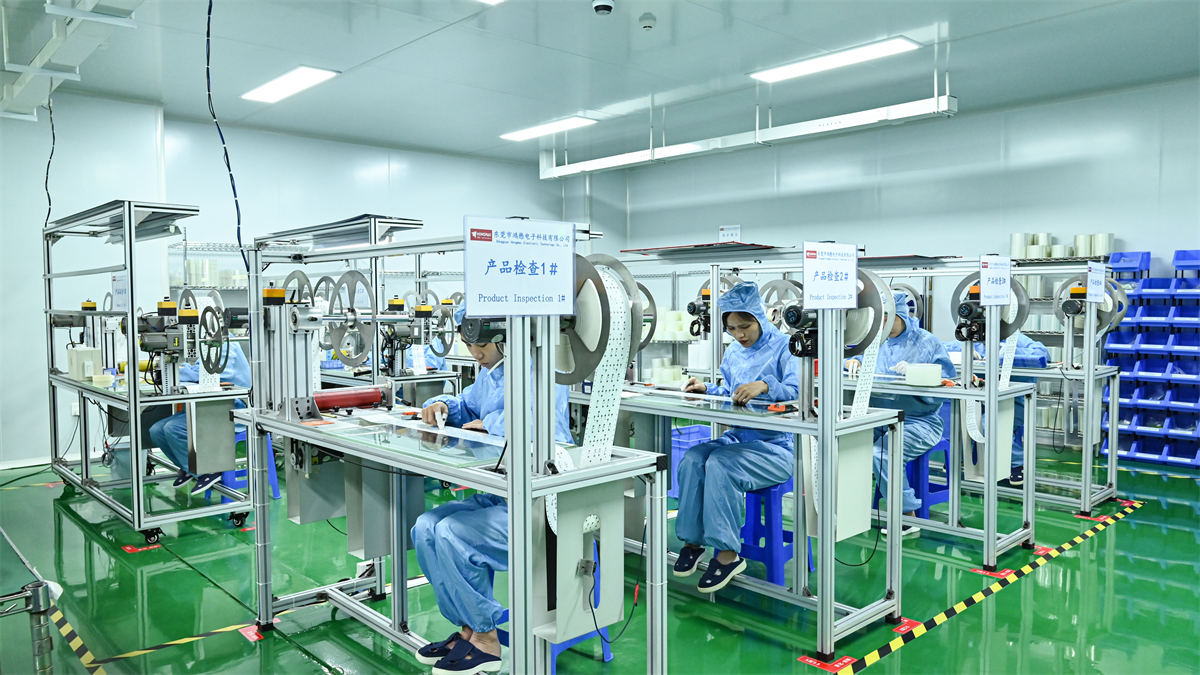
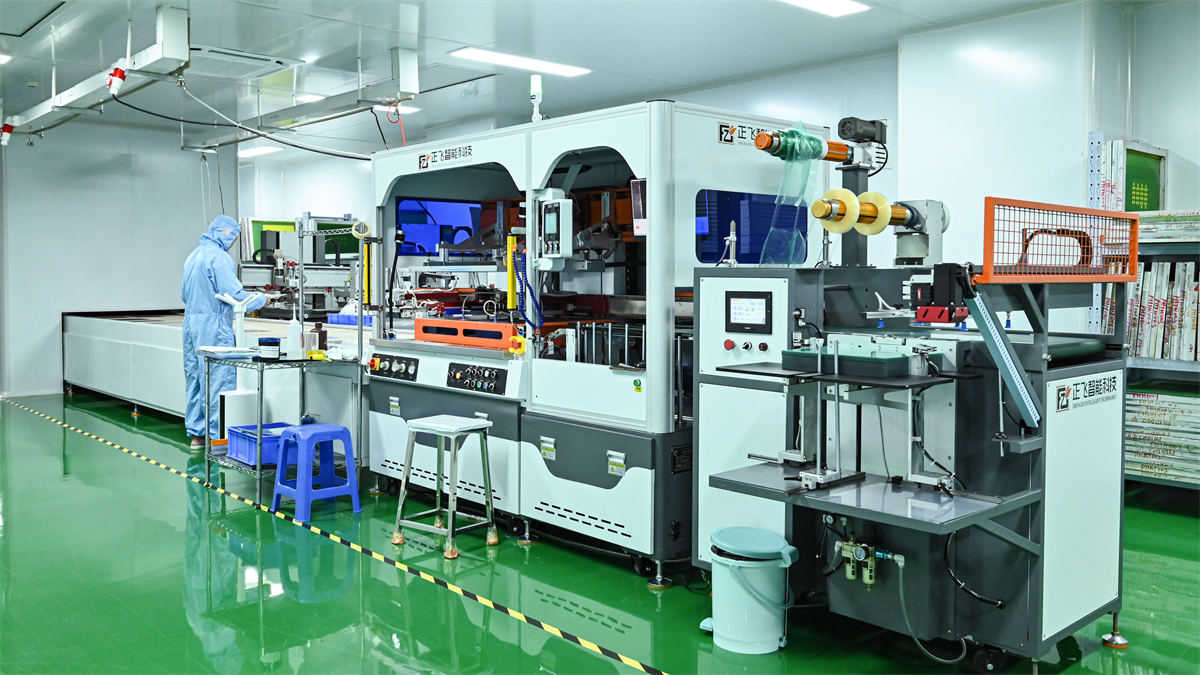
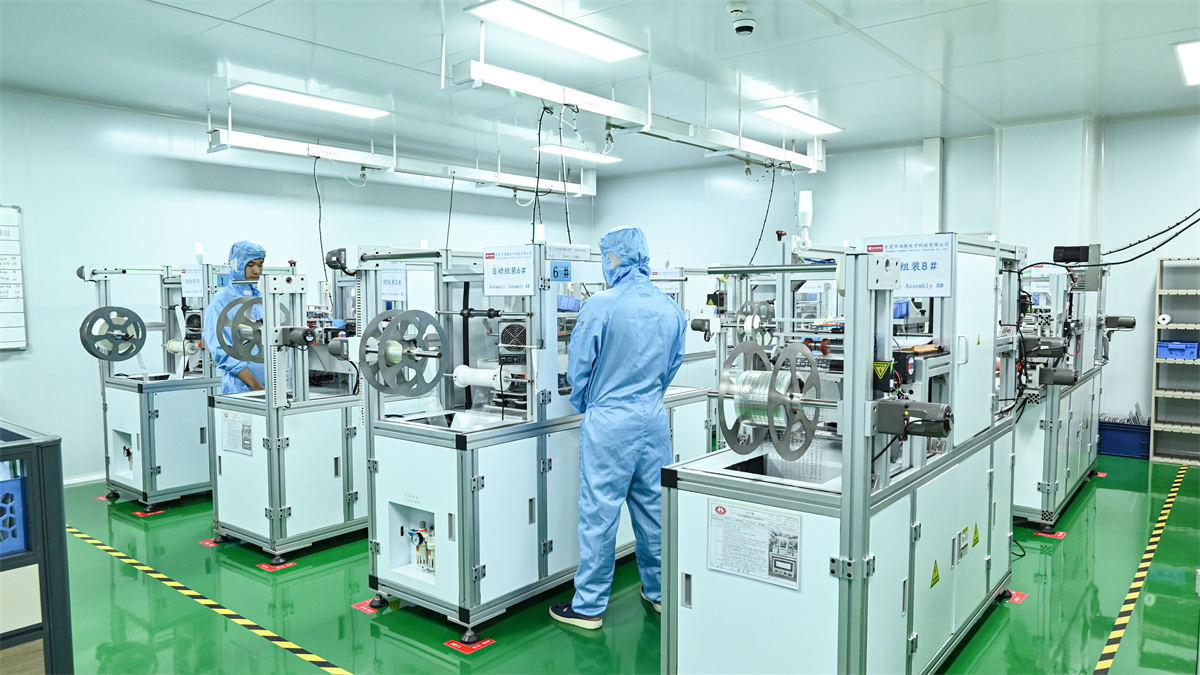
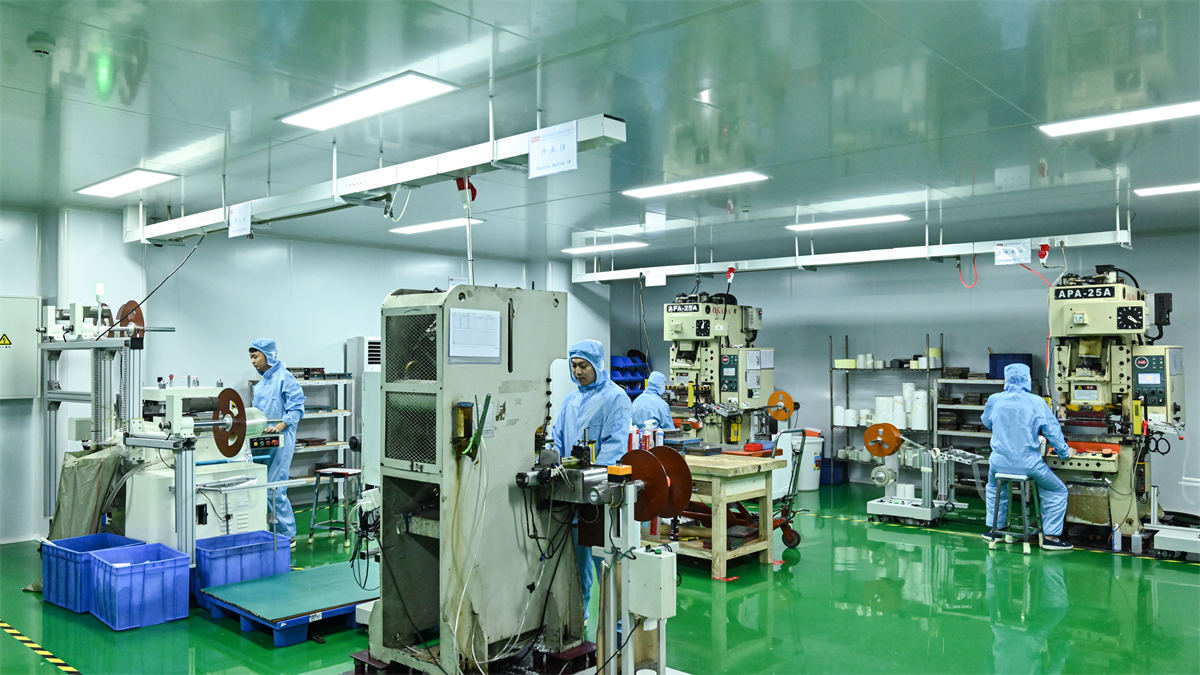
Real factory pictures illustrating the cleanroom assembly, high-precision laser tooling, and advanced mechanical testing laboratories at Dongguan Cevra Electronic Technology Co., Ltd.
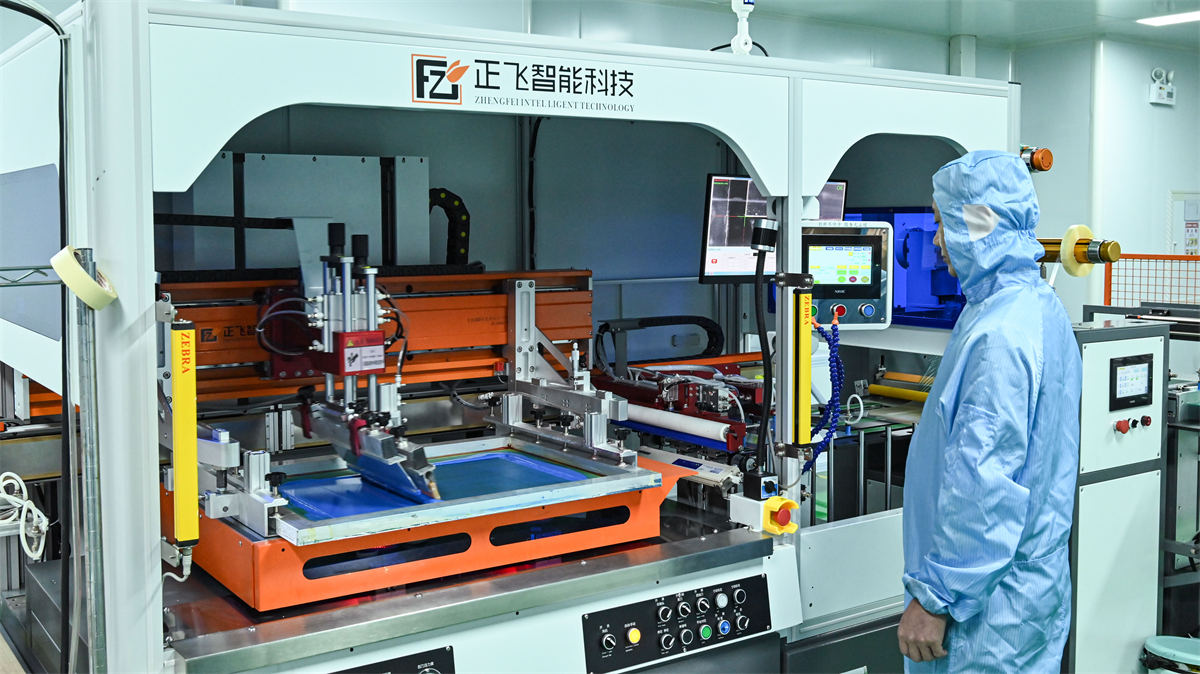 Screen Printing Line
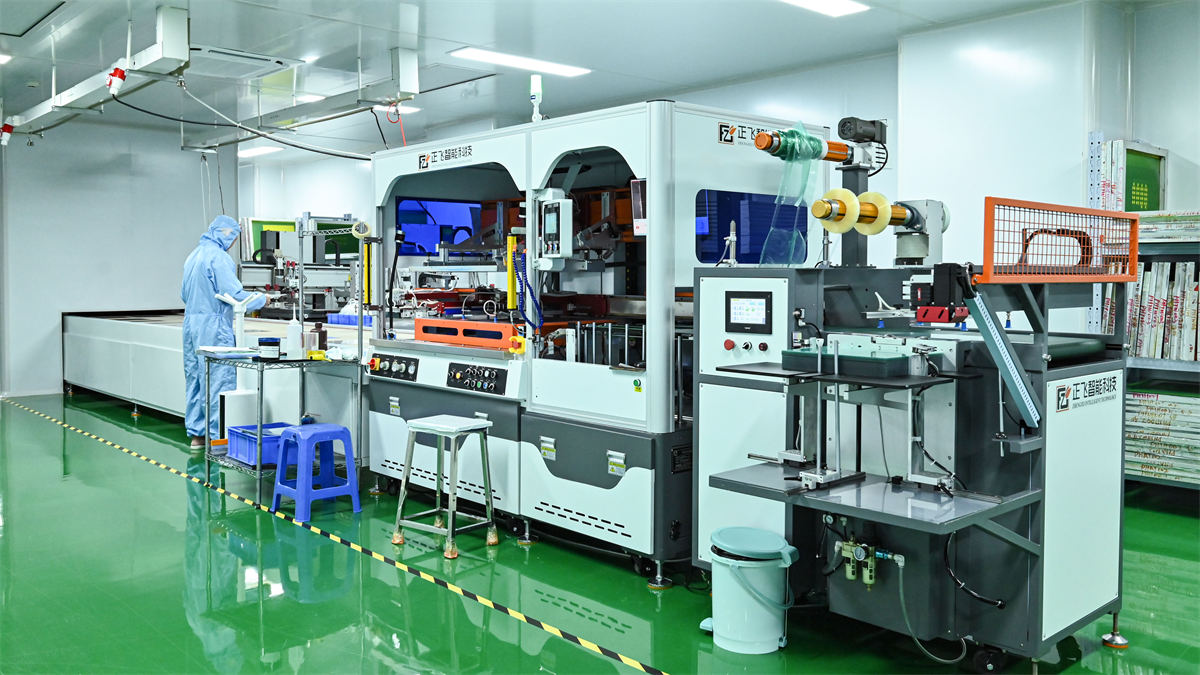 Printing Workshop
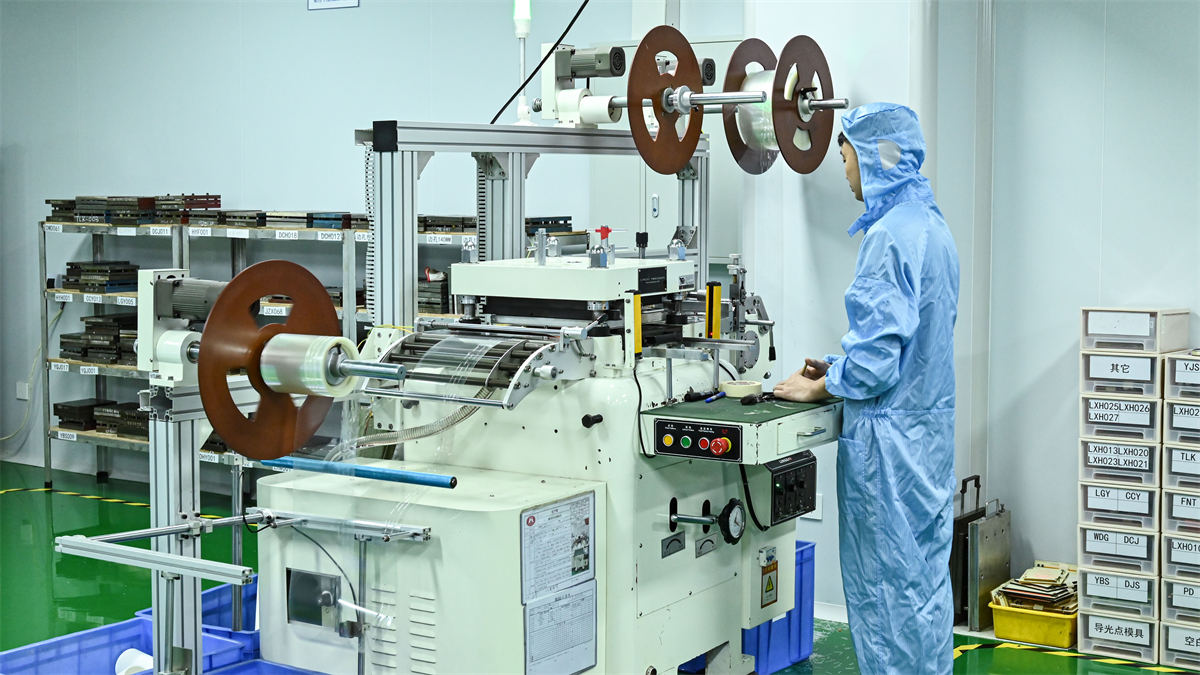 Precision Punching
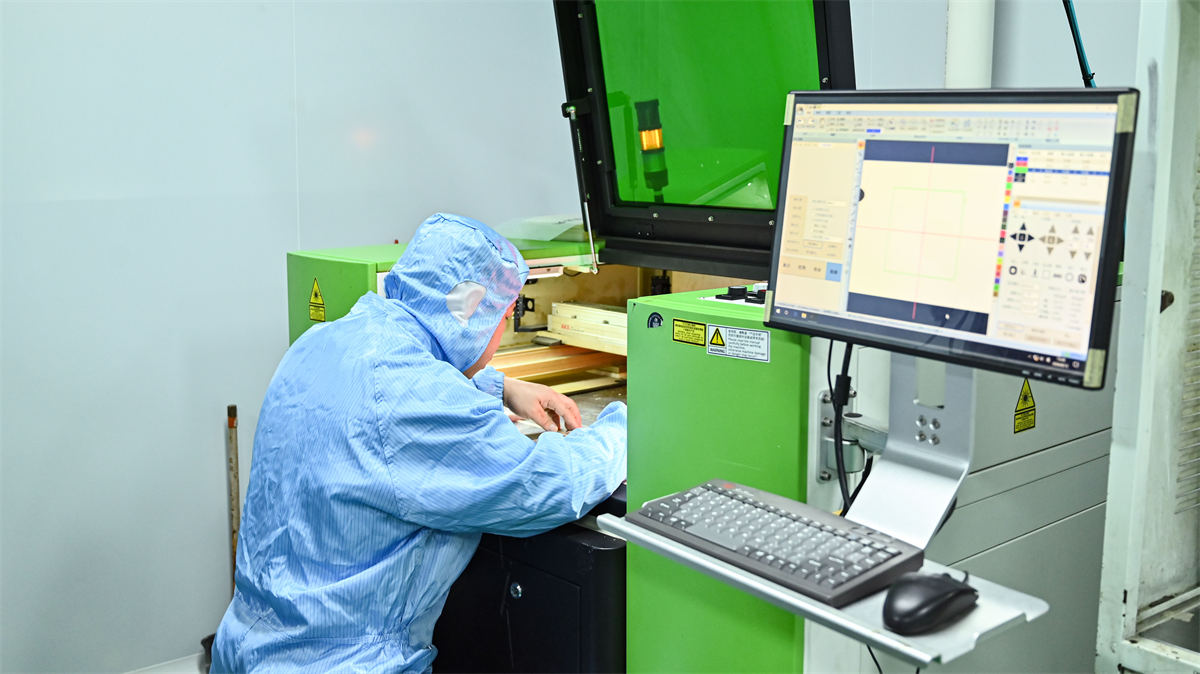 Laser Cutting Line
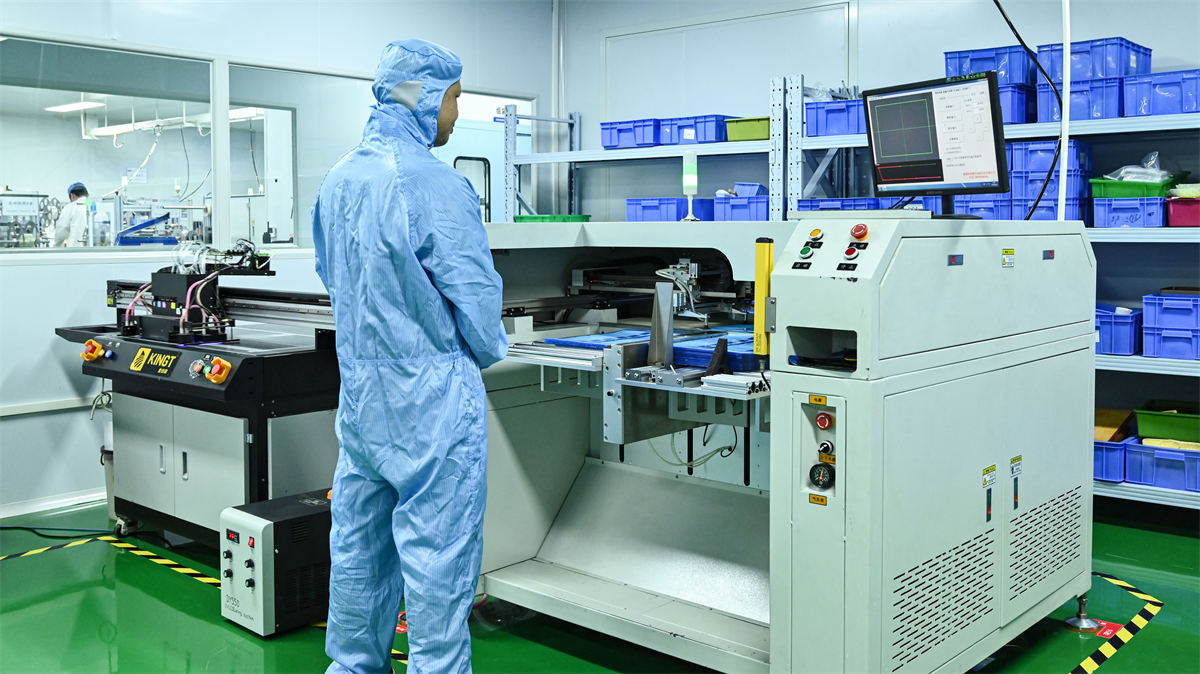 CCD Drilling System
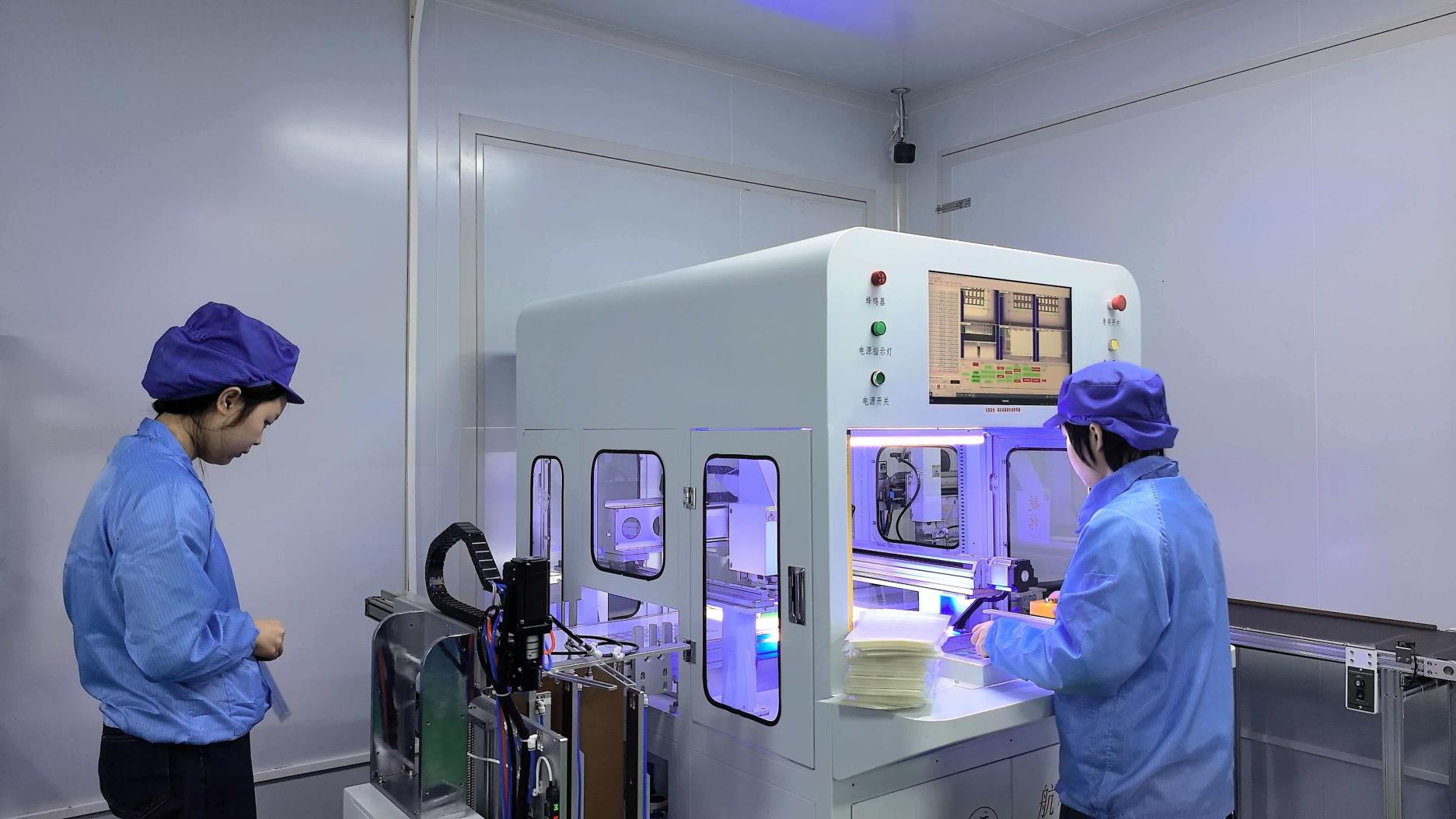 Fully Automatic Laminator
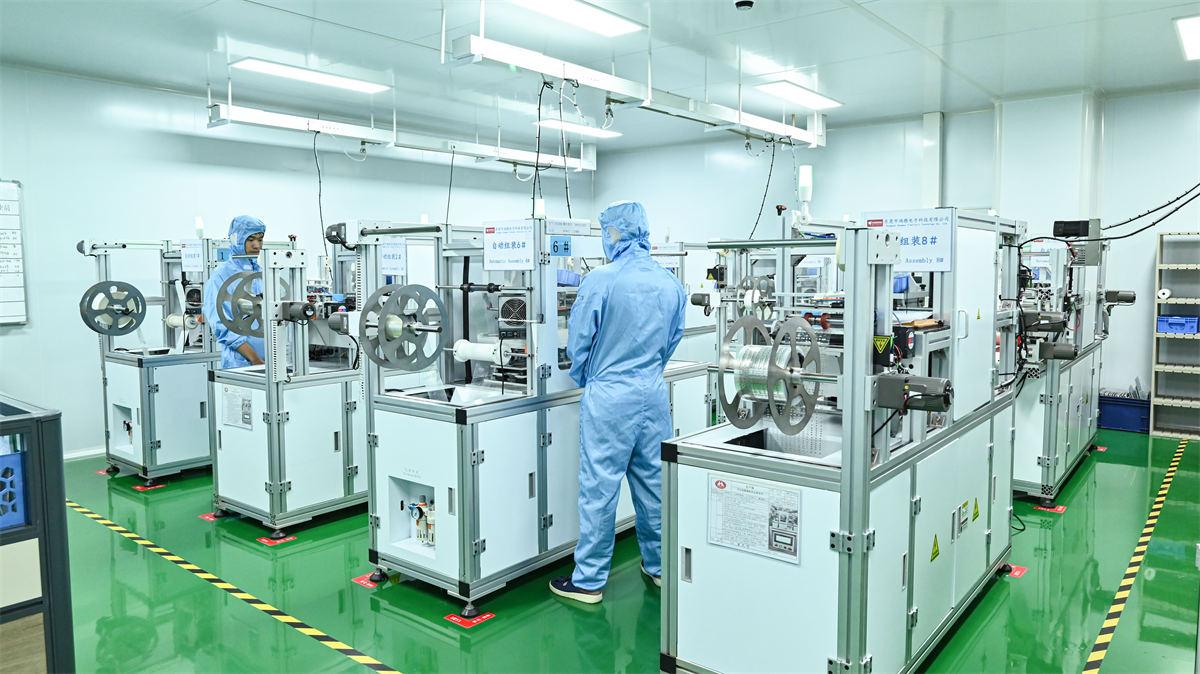 Automatic Array Assembly
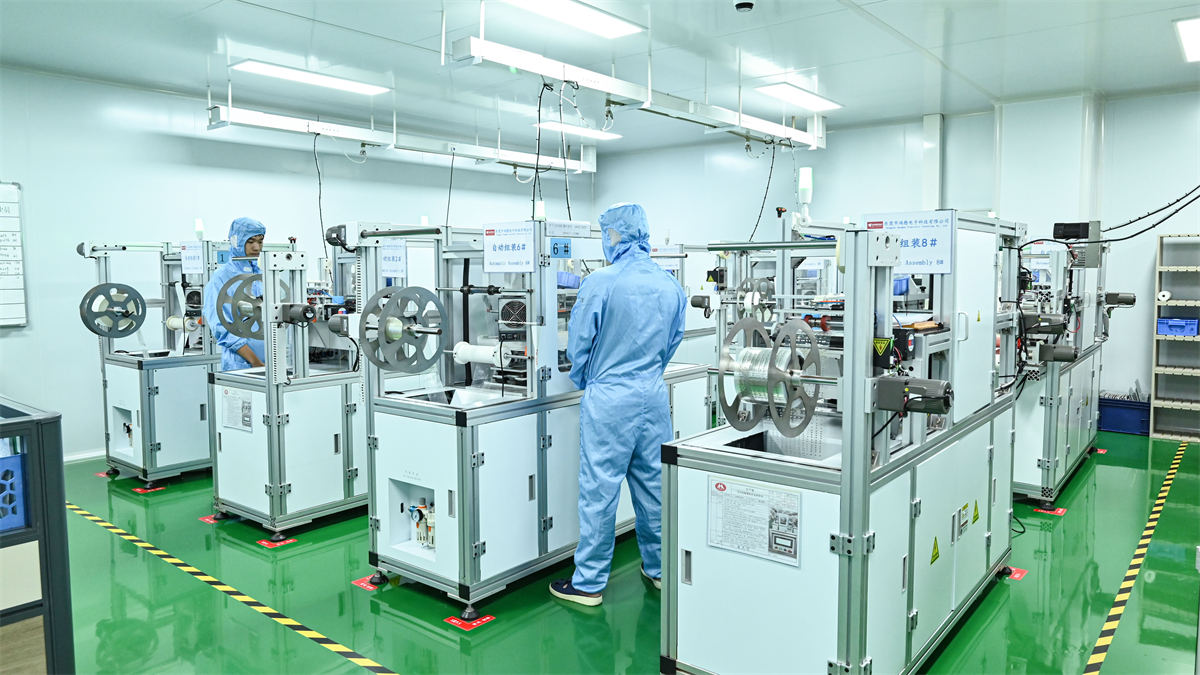 Auto Dome Machine
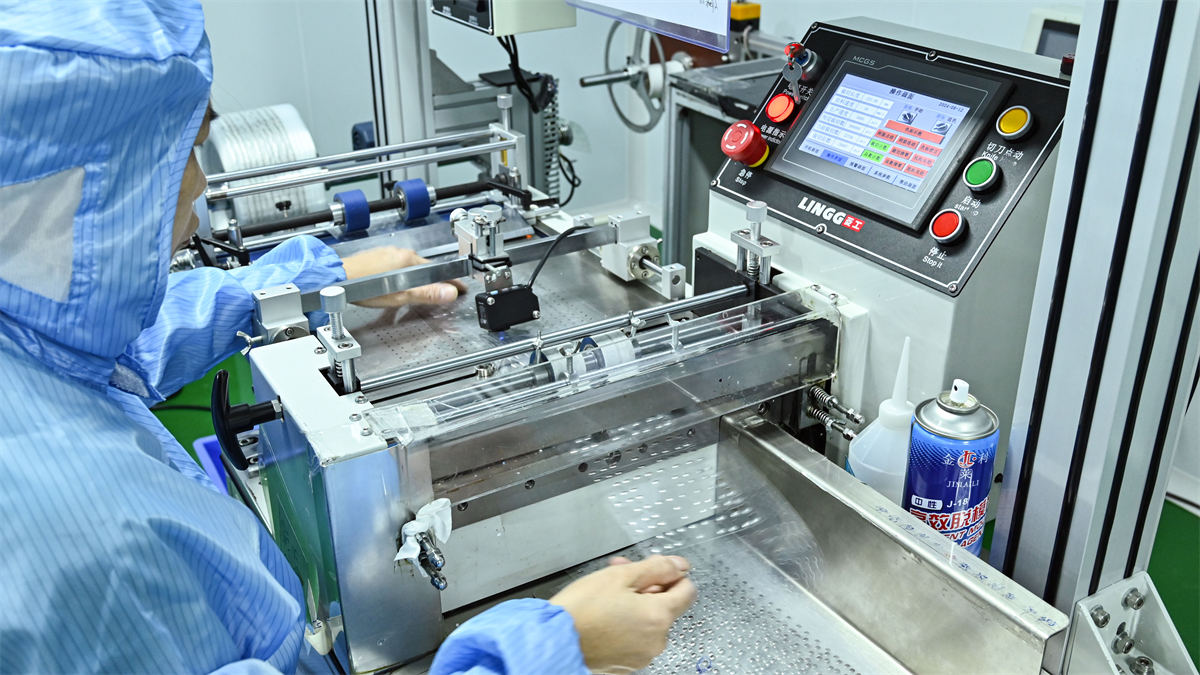 Cleanroom Packaging
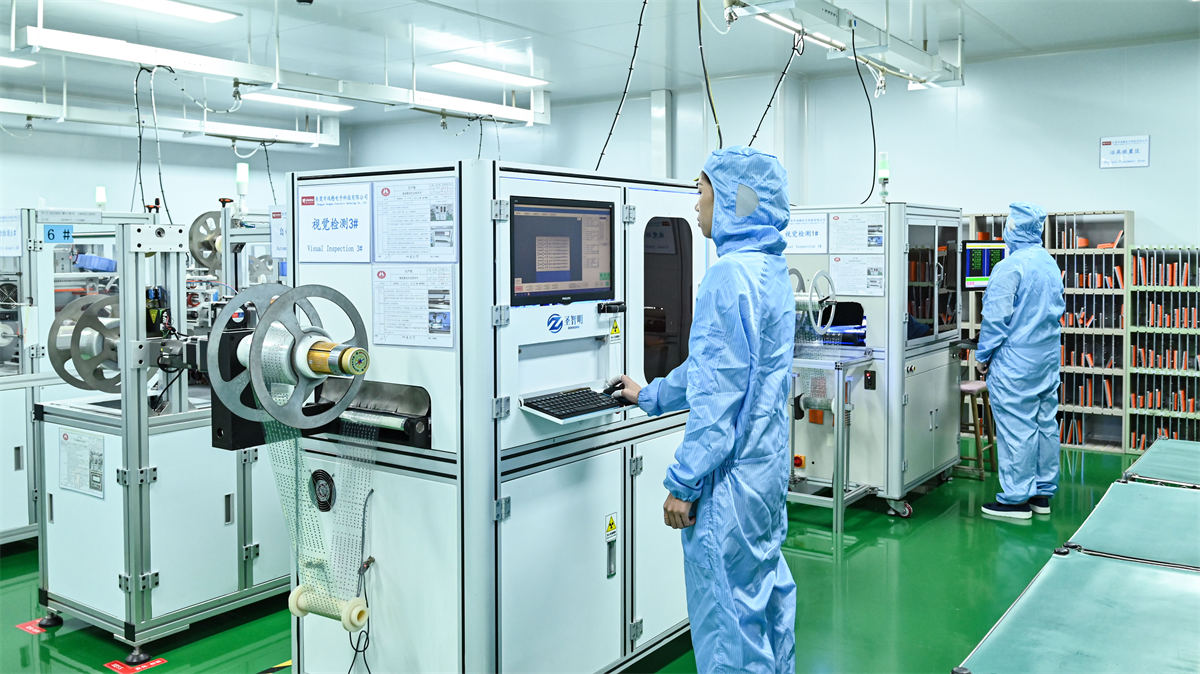 CCD Optical Inspection
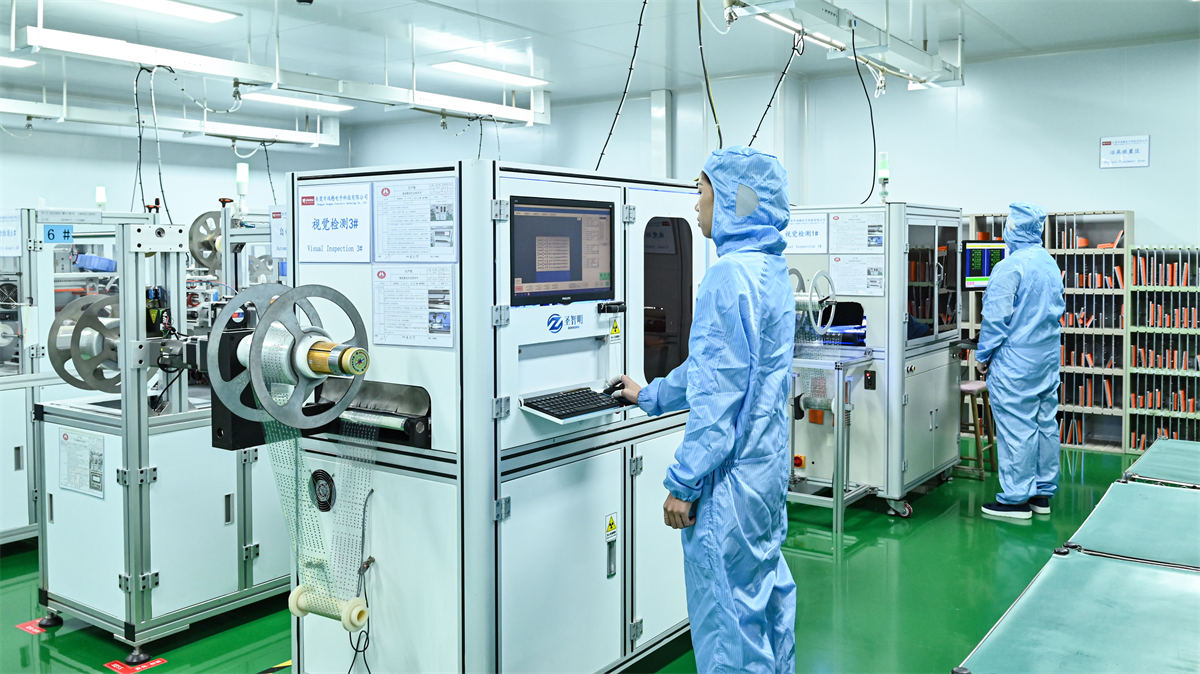 Electrical Testing
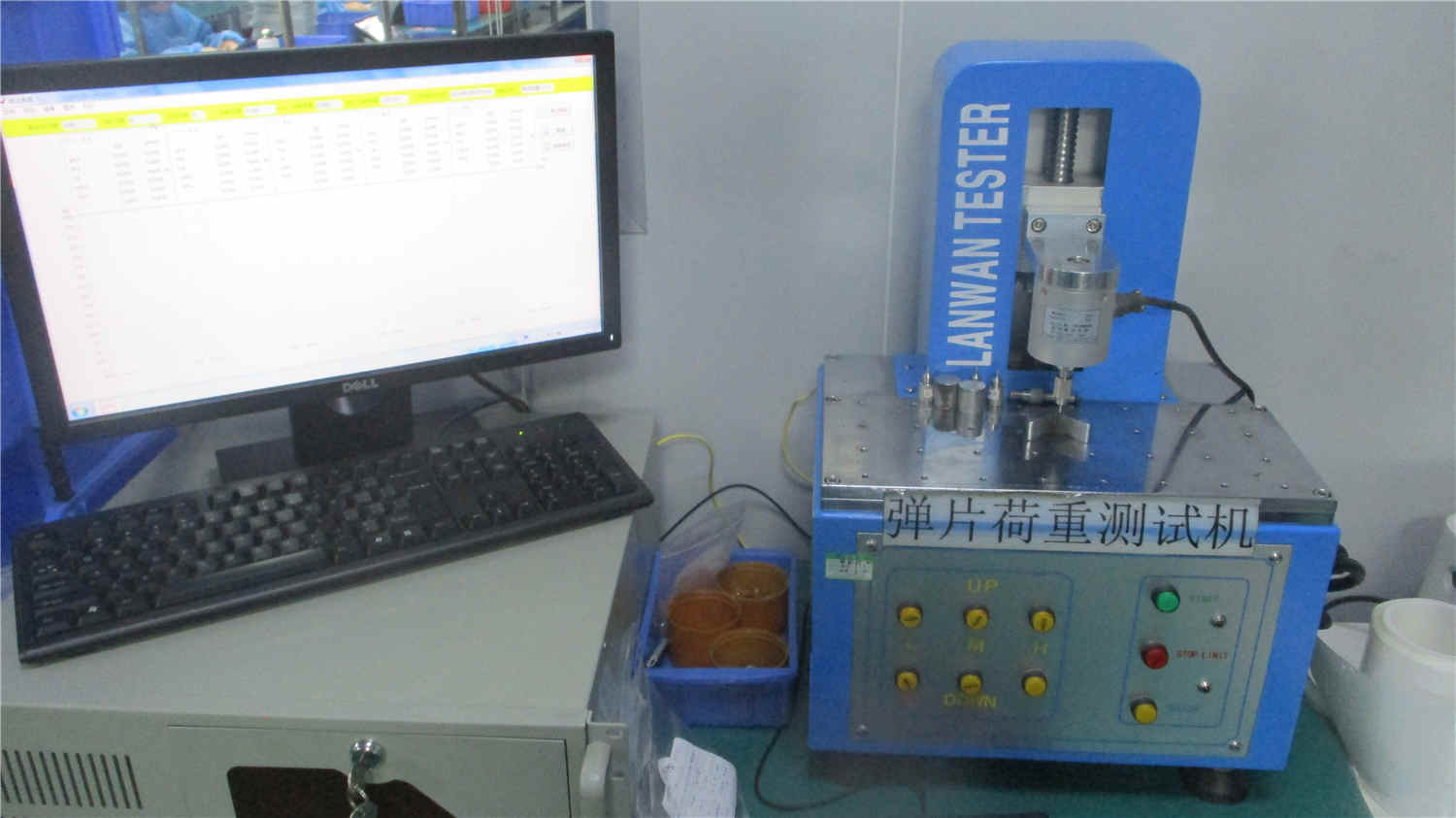 Dome Load Tester
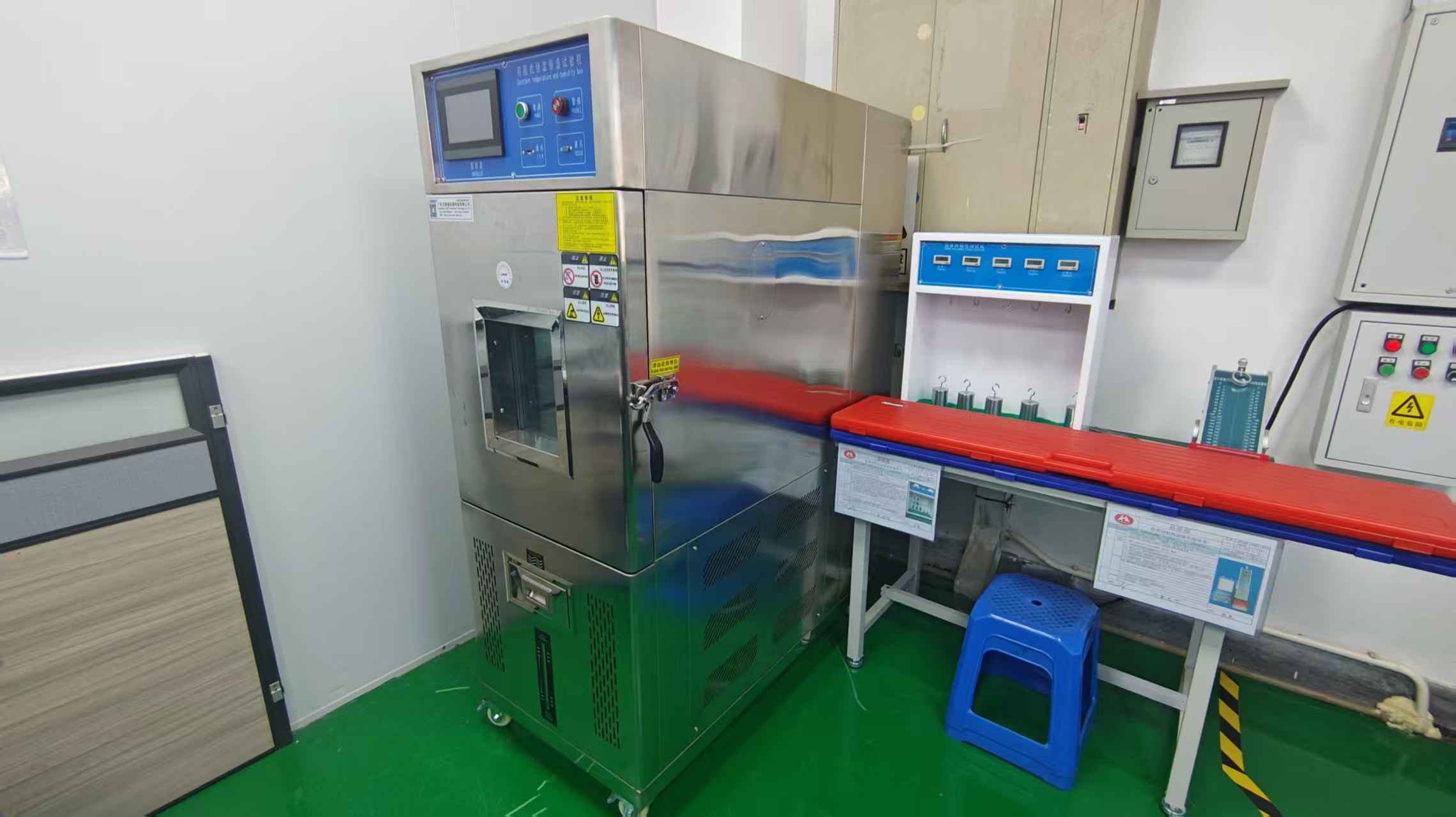 Thermal Shock Cabinet
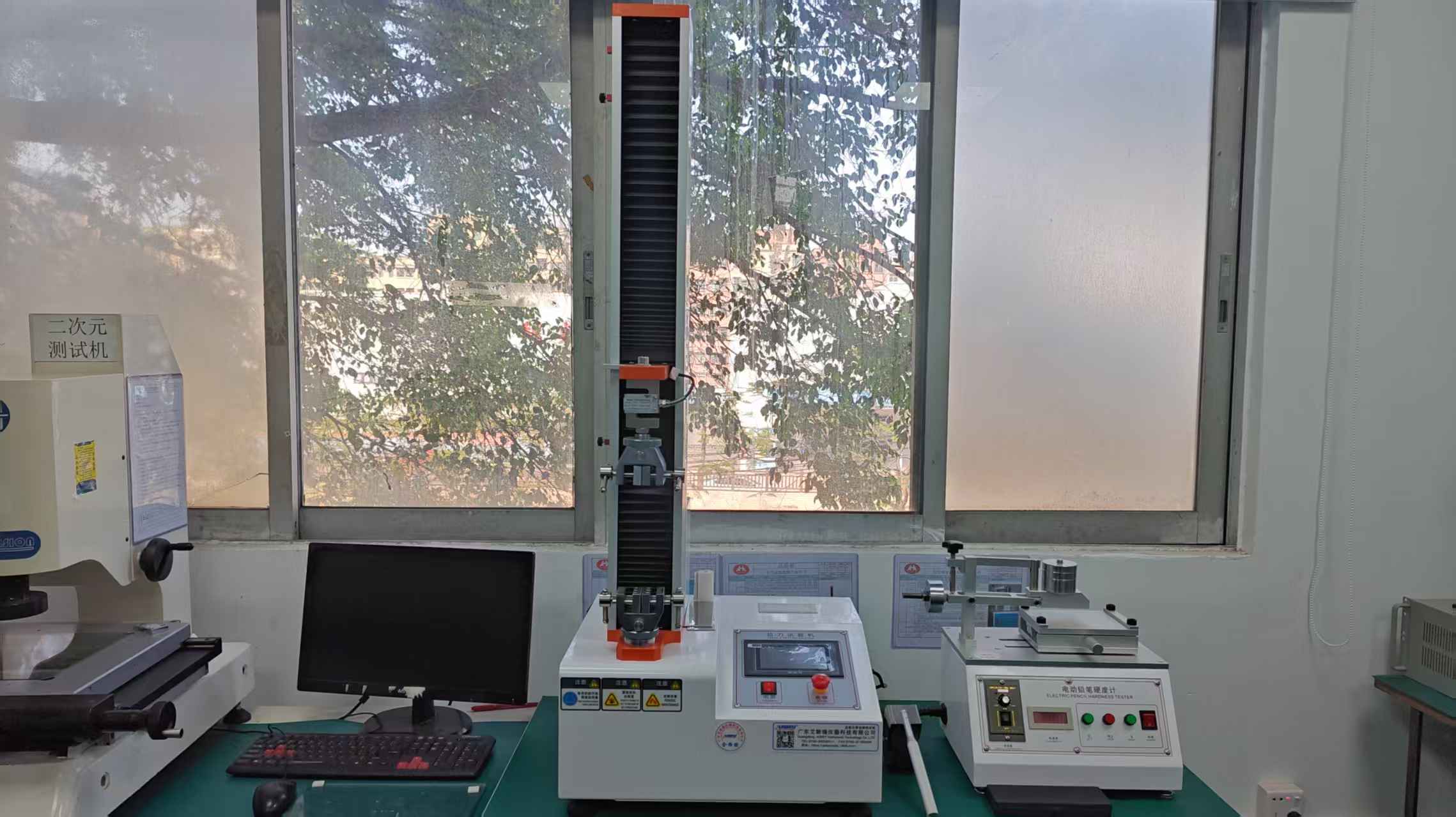 Tension Peel Tester
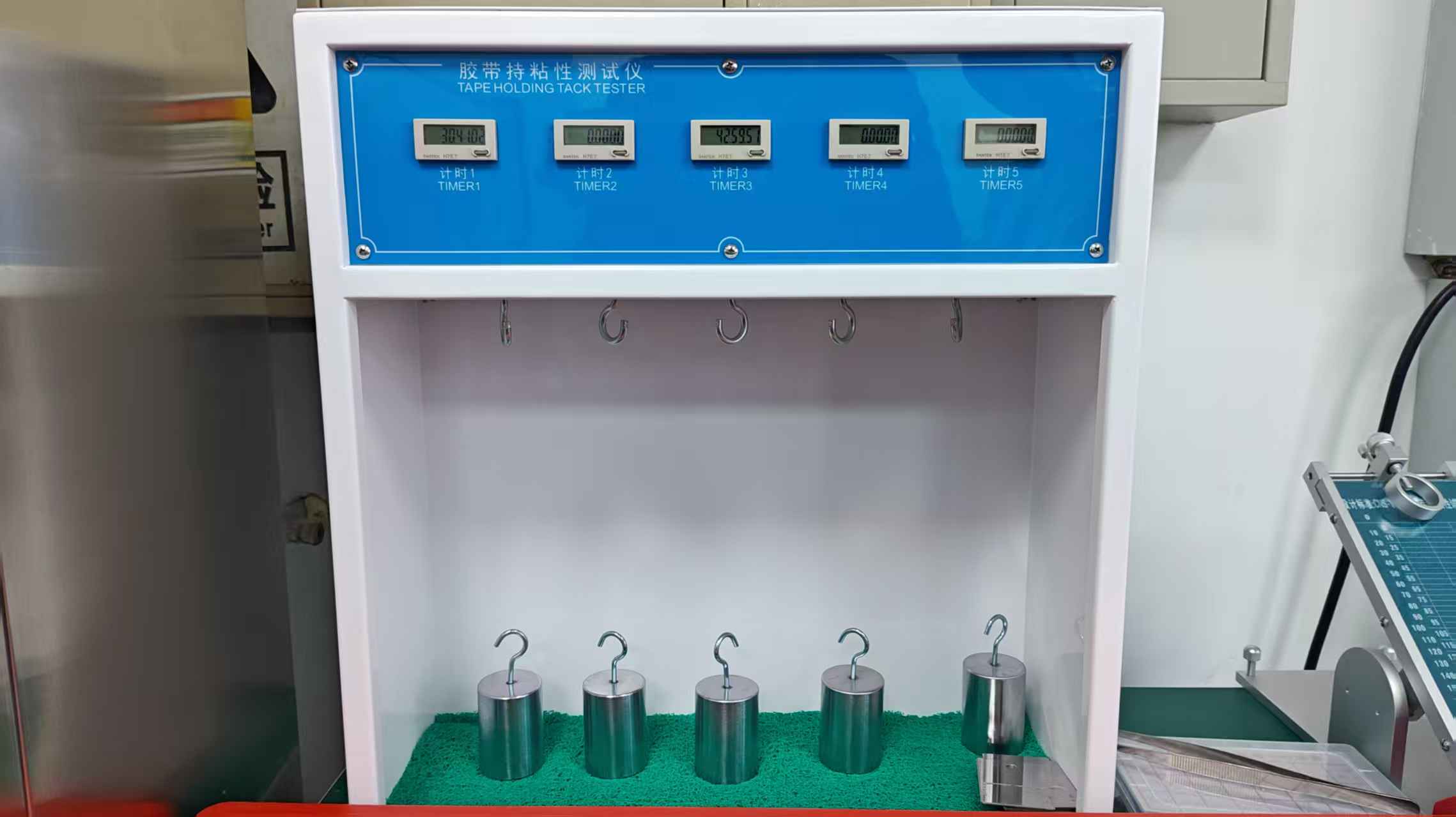 Holding Tack Tester
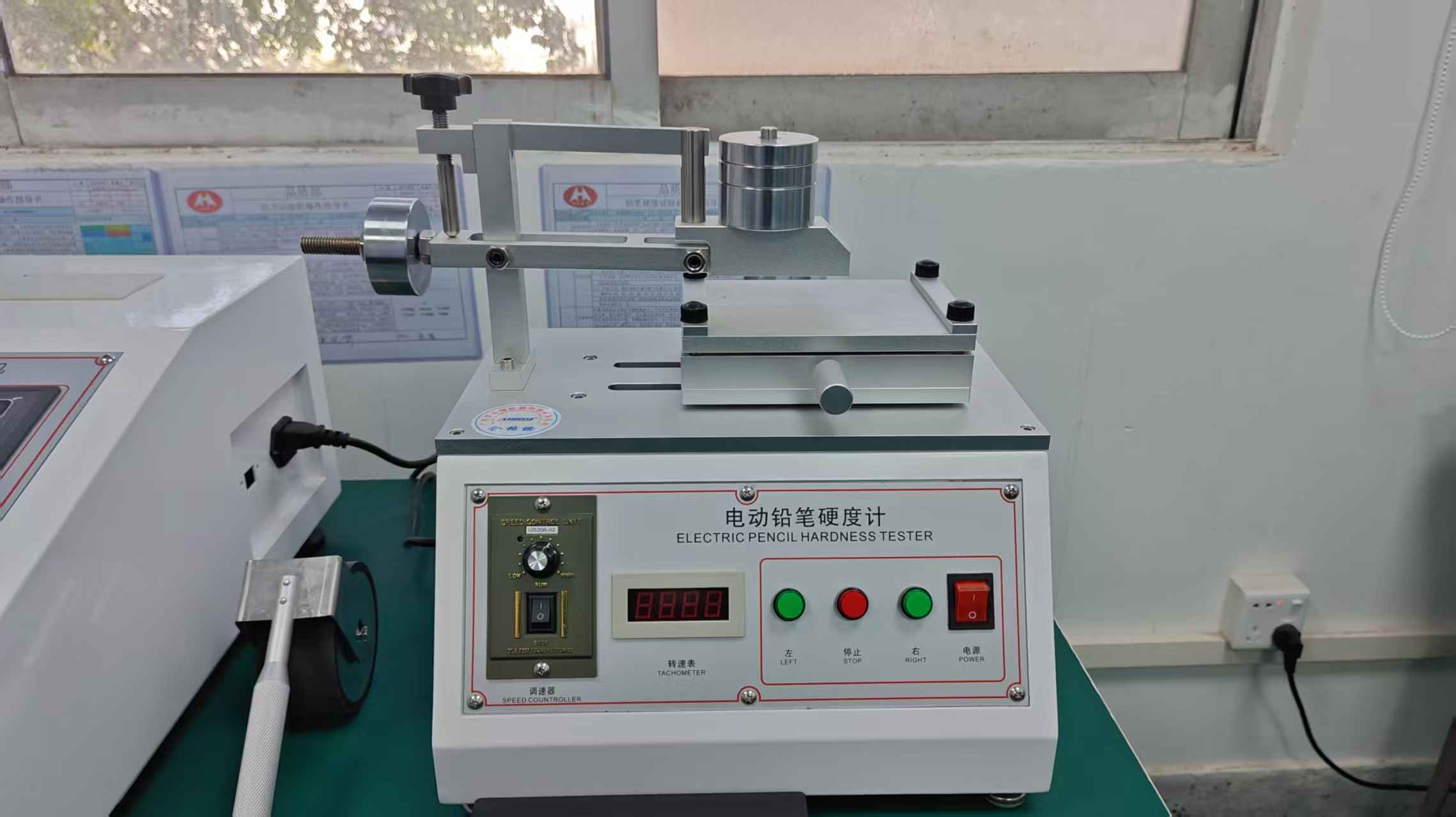 Pencil Hardness Tester
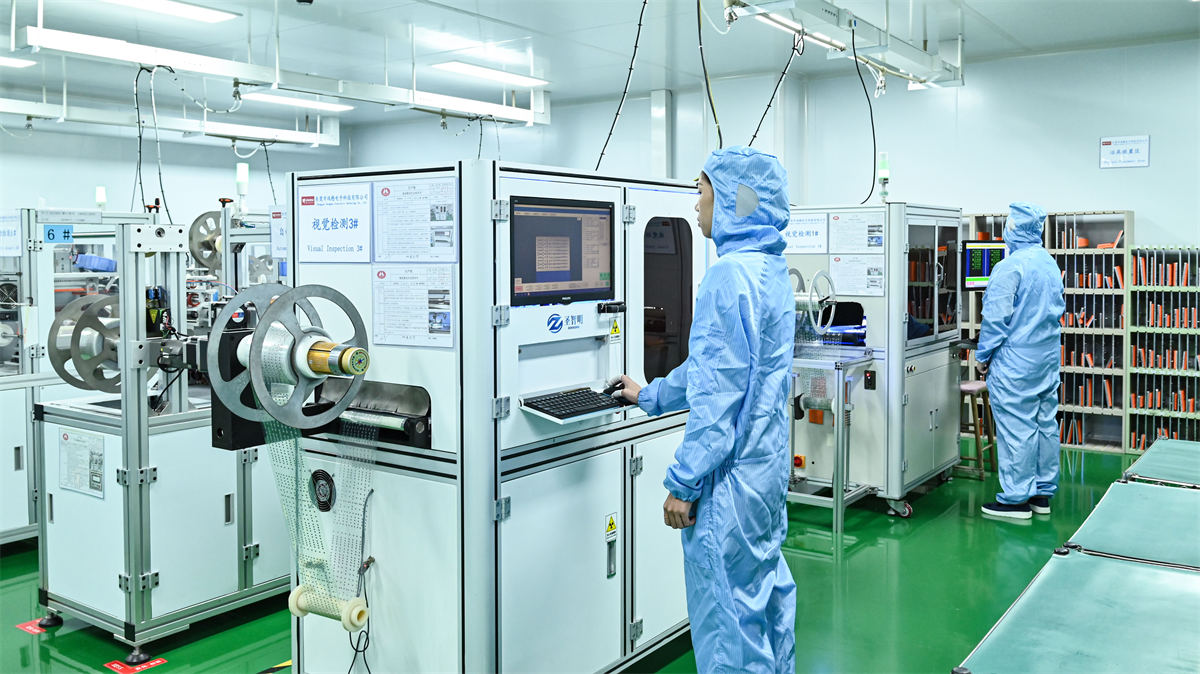 Visual Inspection System
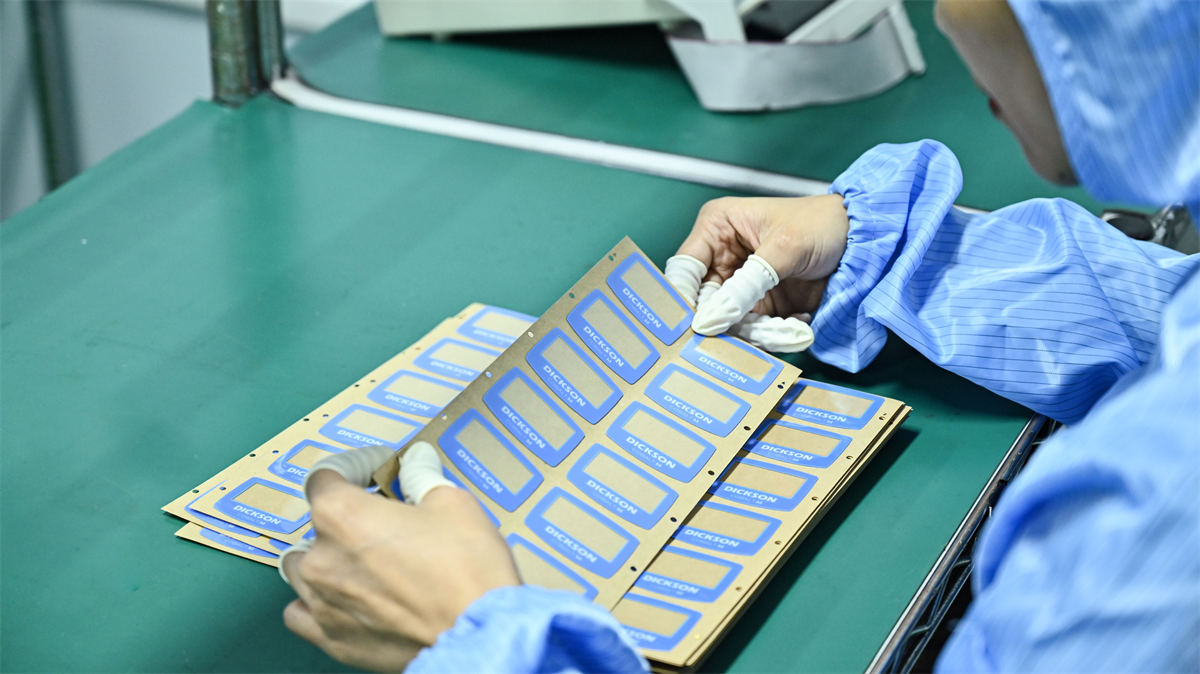 Final QA Station
 Factory Exterior
 Cleanroom Assembly
 Dust-Controlled Cleanroom
 Material Warehouse
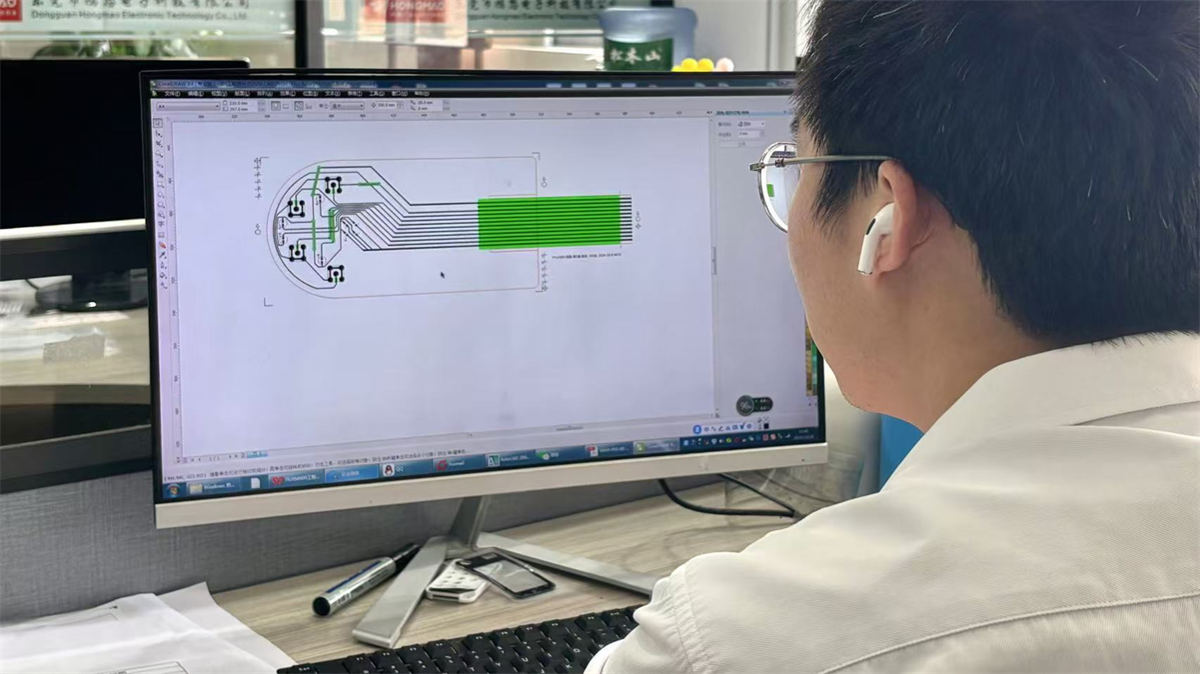 Engineering DFM Center
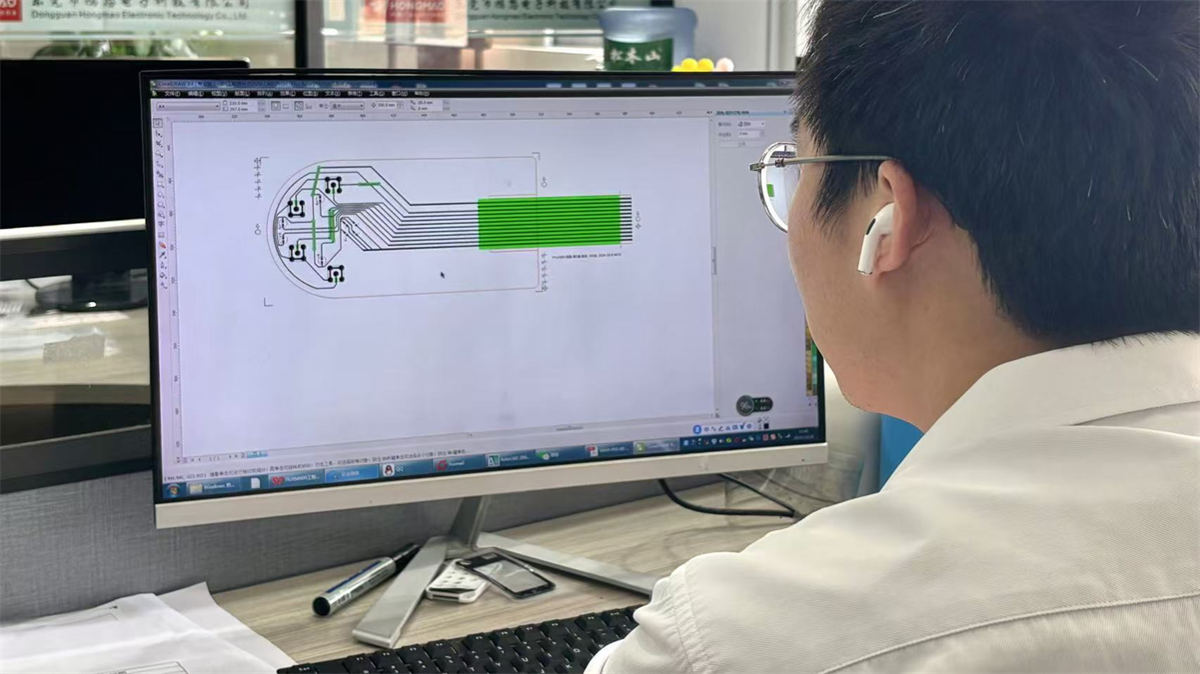 CAD Workstations
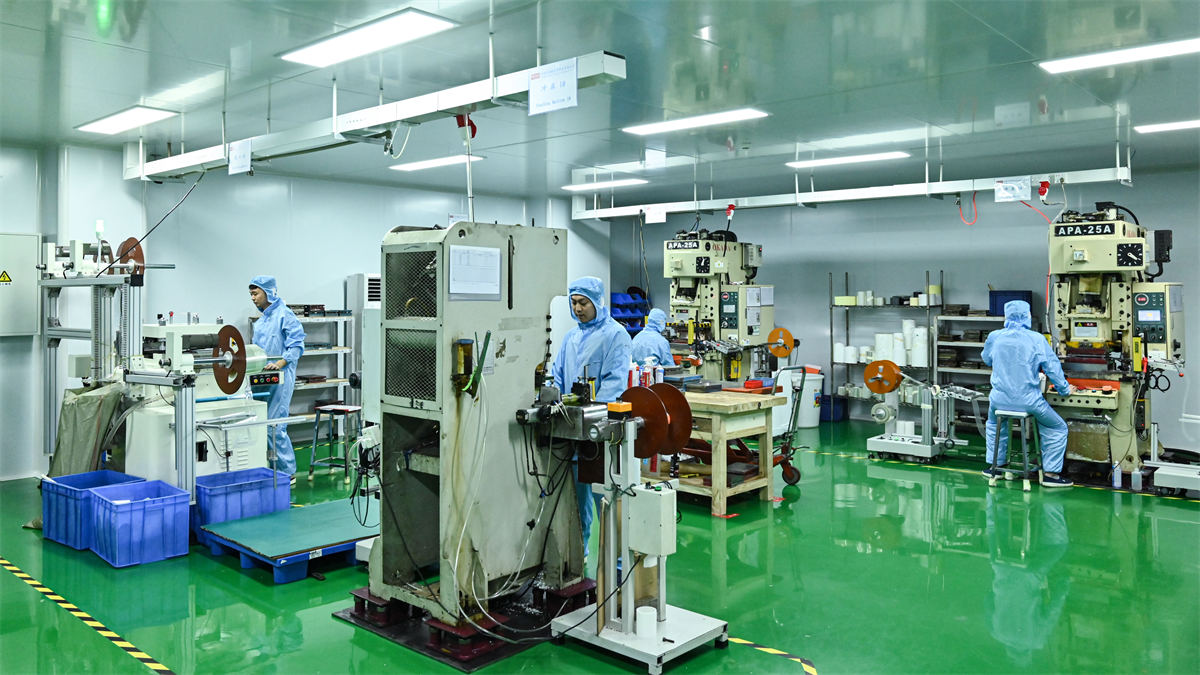 Die Punching Station
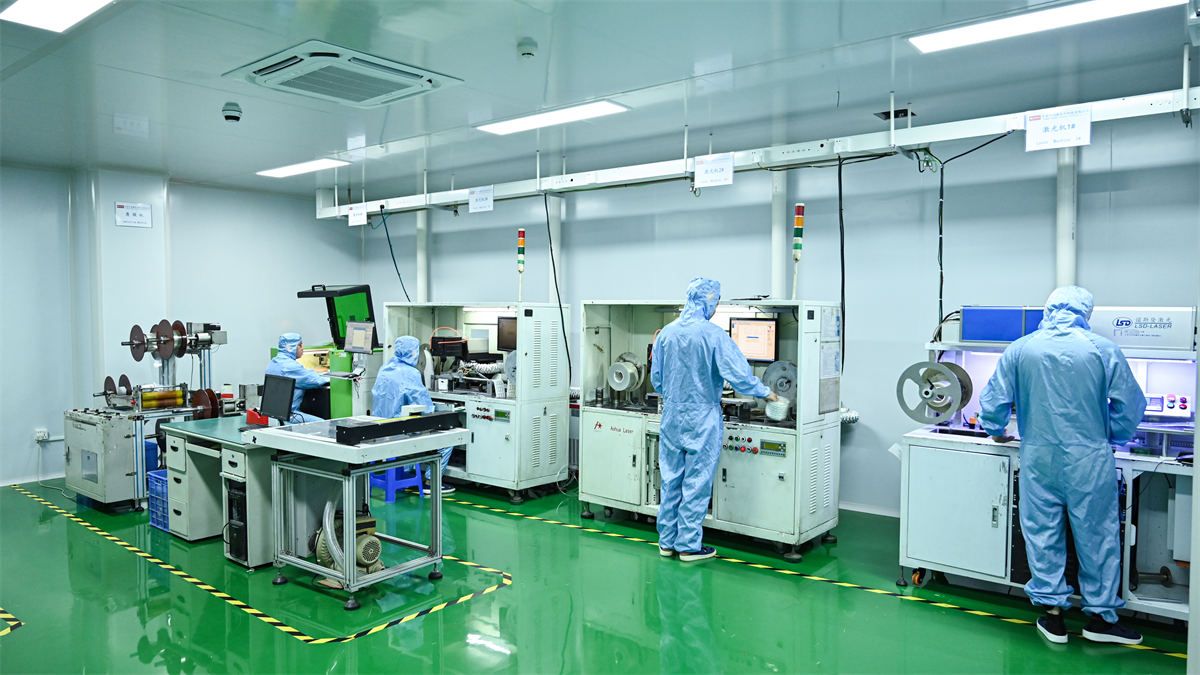 Laser Center
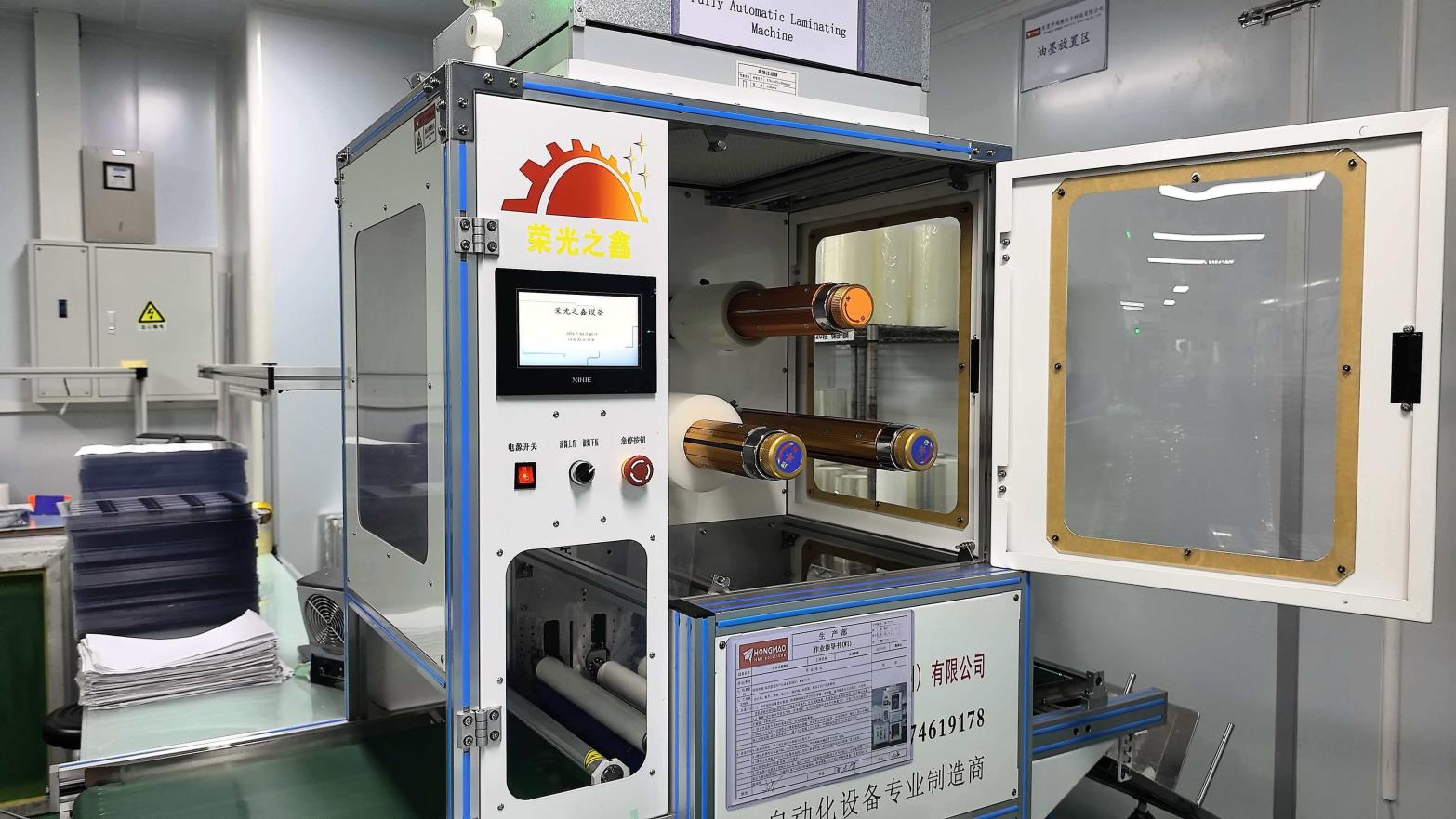 Laminating Line
Comprehensive engineering explanations addressing common questions on actuation force, PCB footprint design, contact resistance, and assembly reliability.
A single-layer metal dome array consists of a clear polyester (Mylar) carrier sheet coated with pressure-sensitive adhesive on its underside, adhering both the perimeter of the metal dome and securing the sheet to the PCB. In contrast, a double-layer dome array incorporates an intermediate spacer layer (often 0.05mm - 0.10mm PET) sandwiched between the top retaining film and the PCB adhesive layer. The spacer layer contains die-cut circular or cross cavities that house each dome. This completely isolates the adhesive from the contact area, preventing glue bleed or adhesive migration onto the PCB gold pads over repeated cycles, while providing enhanced venting paths and superior dust resistance (up to IP67).
When an operator presses a metal dome, the dome snaps downward, displacing the column of air trapped beneath its internal cavity. If the array is hermetically sealed against a rigid PCB without vent channels, this air compresses, dampening the tactile sensation, increasing the required actuation force, and producing a spongy, indistinct feel. Worse, when the key is released, vacuum suction can delay the dome recovery time or cause key stick. Cevra designs engineered micro-vent channels—either cut into the spacer adhesive layer or etched into the PCB solder mask—connecting adjoining dome cavities to equalize atmospheric pressure seamlessly during rapid typing.
The tactile click ratio (expressed as a percentage) defines the crispness of the physical snap perceived by the user. It is mathematically calculated as: Click Ratio (%) = [(Actuation Force - Contact Force) / Actuation Force] × 100. For example, a dome requiring 300g to trip that snaps down to a bottoming contact force of 150g delivers a click ratio of 50%. A click ratio between 45% and 65% is generally considered optimal for consumer and medical keypads, giving unambiguous sensory confirmation without causing finger fatigue. At Dongguan Cevra Electronic Technology Co., Ltd., every production batch is verified using computerized fragment load testers to ensure strict adherence to this force-displacement curve.
All our metal domes are stamped from high-grade SUS301 full-hard stainless steel, offering natural corrosion resistance. Nickel plating (1.0µm - 2.0µm Ni) is the industry standard for general industrial, appliance, and consumer keypads, offering contact resistance below 1.0 Ω and guarding against minor atmospheric tarnishing. Gold plating (0.5µm - 1.5µm Au over a nickel underplate) is recommended for low-current, low-voltage battery-operated devices (such as handheld IoT trackers, military radios, or medical wearables) where contact resistance must remain consistently under 0.1 Ω and operate without fretting corrosion over millions of cycles.
For a standard 4-leg cross dome (e.g., 8.4mm or 10mm), the PCB layout should consist of a central round contact pad surrounded by four outer contact pads or an outer conductive ring. The central pad diameter should measure approximately 1.5mm to 2.5mm, depending on dome size. Solder mask must never overlap onto the contact pads. Furthermore, we strongly advise an ENIG (Electroless Nickel Immersion Gold) or Hard Gold surface finish on the PCB pads rather than HASL (lead-free solder leveling), as solder leveling creates uneven surface topography that causes dome rocking, erratic contact resistance, and premature metal fatigue.
To initiate a custom metal dome array project with Dongguan Cevra Electronic Technology Co., Ltd., please provide: (1) CAD vector drawings in DXF, DWG, PDF, or Gerber format detailing the dome coordinates, outer array contour, alignment holes, and venting routes; (2) Desired dome geometry (4-leg, round, triangular, or oblong), diameter, and trip force (e.g., 180g, 250g, 350g, 500g); (3) Plating specification (bare stainless steel, nickel-plated, or gold-plated); and (4) Operating temperature and environmental sealing requirements. Our engineering team returns a full DFM check and layer stack-up proposal within 24 hours.

Whether you require standard 8.4mm 4-leg peel-and-place sheets or an ultra-complex multi-layer back-vented tactile array, our engineering team in Dongguan provides expert DFM feedback, rapid prototyping, and scalable manufacturing.