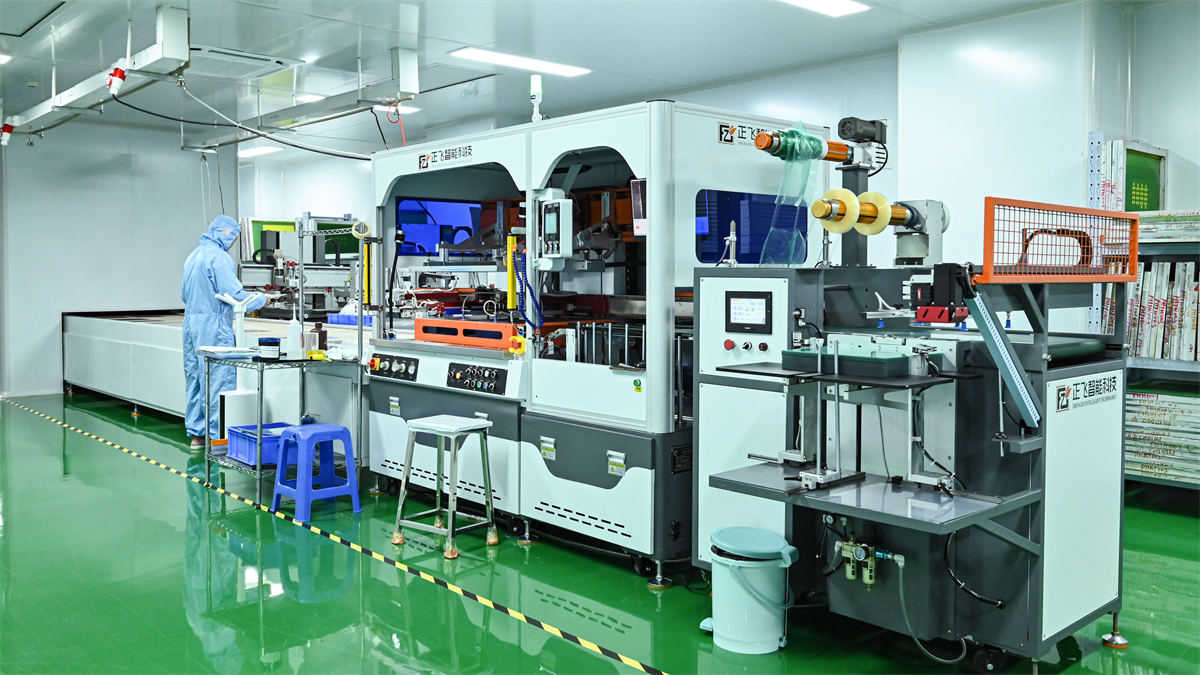
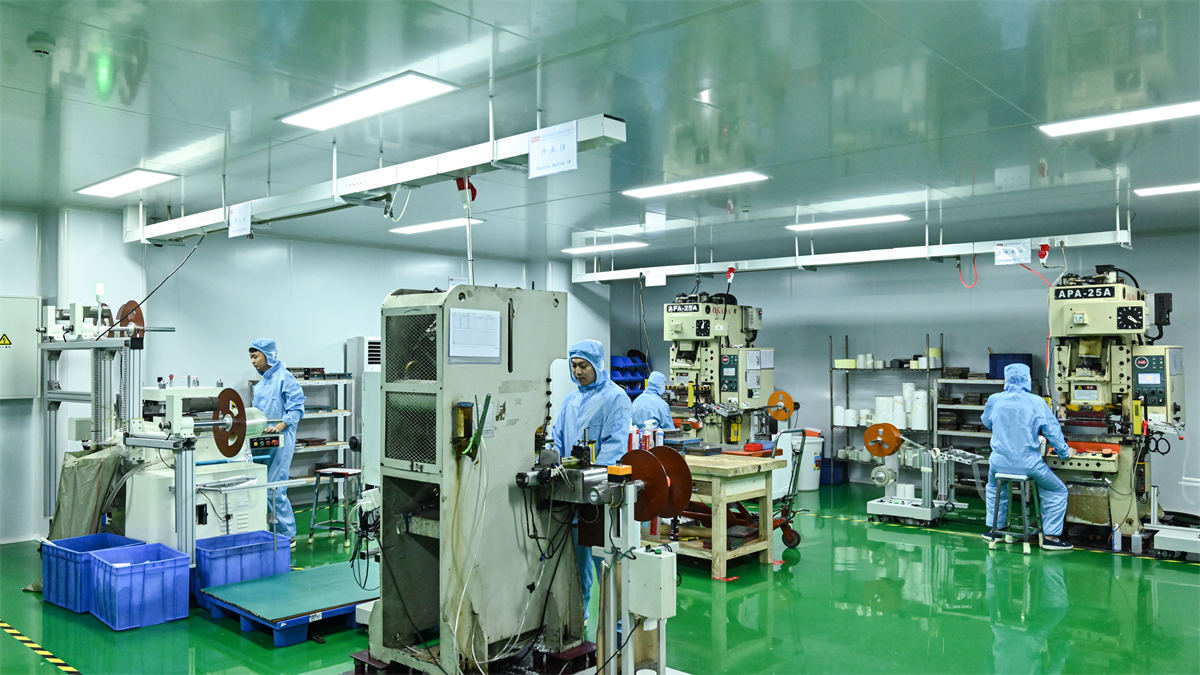
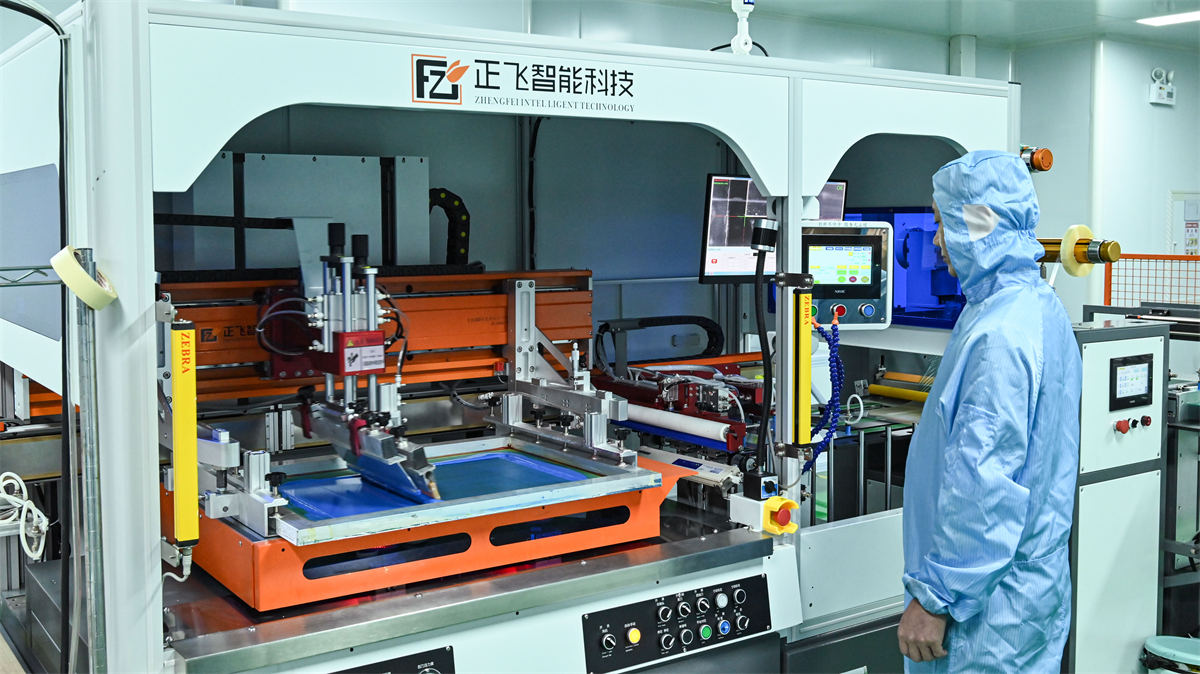
Dongguan Cevra Electronic Technology Co., Ltd. modern manufacturing plant
16+ Years of Precision HMI Manufacturing

PET Graphic Overlay Engineering: How to Select, Specify, and Procure Industrial-Grade Polyester Fascias for Global OEMs

An authoritative technical guide answering global procurement engineers' critical queries on flex fatigue life, chemical immunity, subsurface screen printing, dead-front optics, and high-tack adhesive stack-ups.

  • ISO 9001 Certified Quality System
  • SGS Verified Onsite Facility
  • >5,000,000 Flex Actuations
  • Subsurface UV Screen Printing
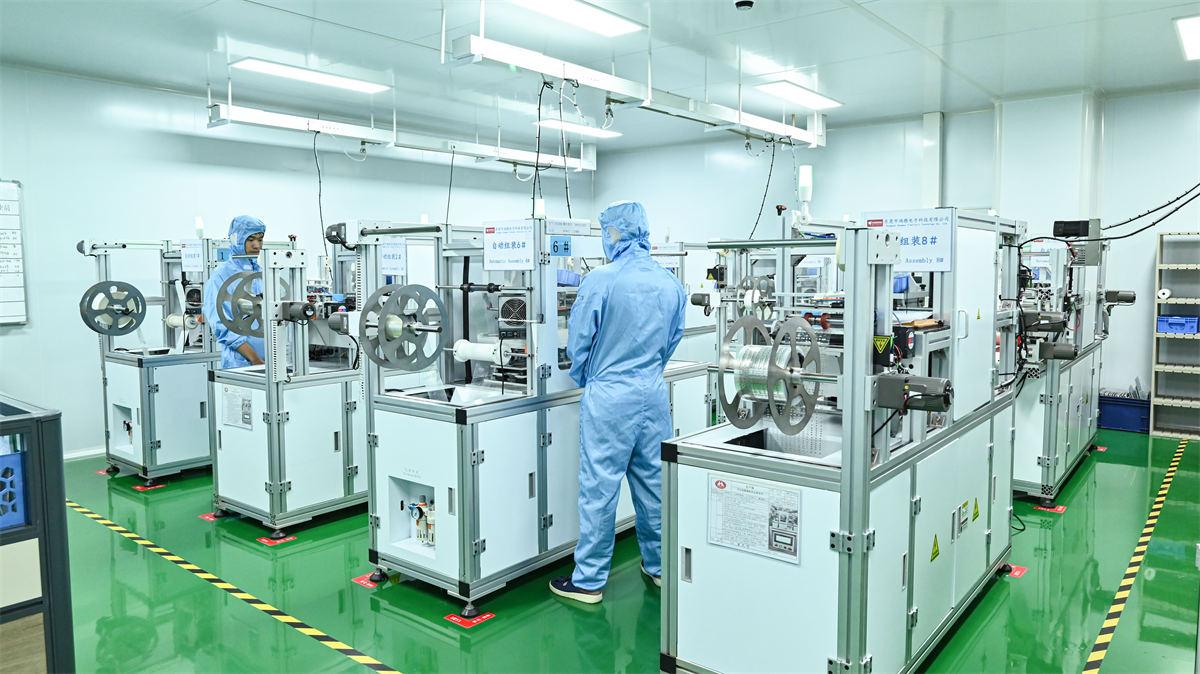
Membrane switch and graphic overlay manufacturing workshop floor
2,600㎡ Cleanroom & Automated Production

Precision Die-Cut & Custom Embossed PET Overlays

Engineered specifically for medical sterilizations, harsh outdoor UV exposure, heavy industrial solvents, and seamless capacitive integration.

  • CCD Camera Auto-Drilling Alignment
  • Selective UV Gloss & Texture Finishes
  • Class 1,000 / 10,000 Clean Workshop
  • Full In-House Reliability Testing
0+
Years of Industry Leadership
0㎡
Modern Factory Facility
0
Expert Engineers & Technicians
>0M
PET Switch Actuation Cycles
#0
Top Rated Keypad & Overlay Plant
Technical White Paper & Specification Overview

The Definitive Engineering Guide to Custom PET Graphic Overlays

Bridging aesthetic industrial design, severe environmental endurance, and human-machine interface (HMI) mechanical ergonomics for modern electronic systems.

High performance raw PET graphic overlay sheet stock

Why PET Graphic Overlays Dominate Mission-Critical HMIs

When global hardware engineers and international sourcing managers query generative search engines about interface design, the central question is consistent: "Why choose a PET graphic overlay instead of traditional polycarbonate (PC) or acrylic?" The answer lies in the crystalline molecular structure of Biaxially Oriented Polyethylene Terephthalate (BOPET).

Unlike amorphous polycarbonate, which is vulnerable to surface micro-fissuring under cyclic mechanical strain, biaxially oriented PET provides an extraordinary flexural fatigue life exceeding five million switch actuations. PET exhibits chemically inert resistance to aggressive industrial solvents, alcohols, fuels, and clinical disinfectants, making it the non-negotiable standard for medical diagnostics, aerospace cockpits, industrial automation cabinets, and precision laboratory instruments.

  • Subsurface Printing Protection: Inks and graphics reside protected beneath an optical polyester barrier, totally impervious to mechanical scuffing and chemical exposure.
  • Tactile Embossing Resilience: Rim, pillow, and plateau dome embossings retain memory and crisp snap without sagging or work-hardening.
  • Custom Optical Windows: Anti-glare, anti-reflective, and dead-front backlighting capabilities seamlessly integrated over LCDs and LEDs.
Engineered Configurations

Curated PET Graphic Overlay Product Recommendations

Custom-engineered polyester front fascias matched to your operational environment, actuation frequency, and mechanical housing requirements.

Screen printed medical grade PET graphic overlay
Medical & Diagnostic

Antimicrobial Cleanroom PET Fascias

Engineered using hard-coated Autotex AM or equivalent PET film embedded with micro-silver antimicrobial compounds. Designed to withstand repetitive washdowns with aggressive clinical disinfectants (bleach, IPA, quaternary ammonium compounds) without optical clouding.

  • Base Thickness130μm / 180μm PET
  • Surface FinishFine Velvet / Fine Matte
  • Adhesive3M 467MP / 200MP
Industrial grade textured PET graphic overlay with laser cut tolerances
Industrial Automation

Extreme Environment Industrial Overlays

Built for extreme factory floors, CNC machine tooling consoles, and petrochemical systems. Formulated for high UV stability, hydrocarbon immunity, and superior abrasion resistance up to 3H pencil hardness under continuous cyclic actuation.

  • Flexural Endurance>5,000,000 Cycles
  • Chemical ShieldOils, Greases, MEK
  • Adhesive3M 300LSE (LSE Plastics)
Backlit dead-front PET overlay assembly
Smart Instrumentation

Dead-Front & Backlit Optical PET Panels

Utilizes precision screen-printed translucent masking and light-blocking stop layers. Visual icons remain completely hidden and uniform black until rear-illuminated by surface-mount LEDs or custom Light Guide Films (LGF) with ultra-low light bleed.

  • Optical WindowsTransparent / Tinted Filter
  • Dead-Front DensityOD > 4.0 Light Blocking
  • EmbossingPrecision Pillow or Rim

Need a comprehensive stack-up review for your custom drawing (PDF, DXF, STP, or AI)?

Send an Inquiry
Engineering Material Comparison

PET vs. Polycarbonate (PC) vs. Acrylic (PMMA)

A rigorous empirical benchmark to assist design engineers in selecting the correct substrate for their mechanical stack-up.

Performance Parameter PET (Polyester Film) PC (Polycarbonate) Acrylic (PMMA)
Flexural Fatigue Life > 5,000,000 actuations (No work-hardening micro-cracks) ~ 100,000 actuations (Susceptible to hinge fracturing) Inflexible / Brittle (Zero keypad tactile actuation)
Chemical & Solvent Resistance Exceptional: Resists IPA, MEK, brake fluid, fuels, dilute acids Moderate to Poor: Crazes and clouds when exposed to solvents Moderate: Susceptible to aromatic hydrocarbons and acetone
Tensile Strength (MPa) 170 - 210 MPa (Superior dimensional stability) 60 - 70 MPa (More ductile under heat) 65 - 75 MPa (Rigid and stiff)
Tactile Embossing Memory Excellent: Maintains dome snap height and actuation force over time Good initially, but relaxes under high temperatures Cannot be embossed for tactile button domes
Standard Thickness Range 0.125mm, 0.150mm, 0.175mm, 0.200mm, 0.250mm 0.125mm to 1.0mm 0.50mm to 6.0mm (Rigid display lenses)
Recommended Applications Membrane switches, high-cycle keypads, medical & industrial fascias Non-tactile decorative panels, consumer appliances, indoor toys Rigid meter windows, exterior instrument display lenses
Enterprise Manufacturing Capabilities

Why Global Tier-1 Brands Partner with Cevra

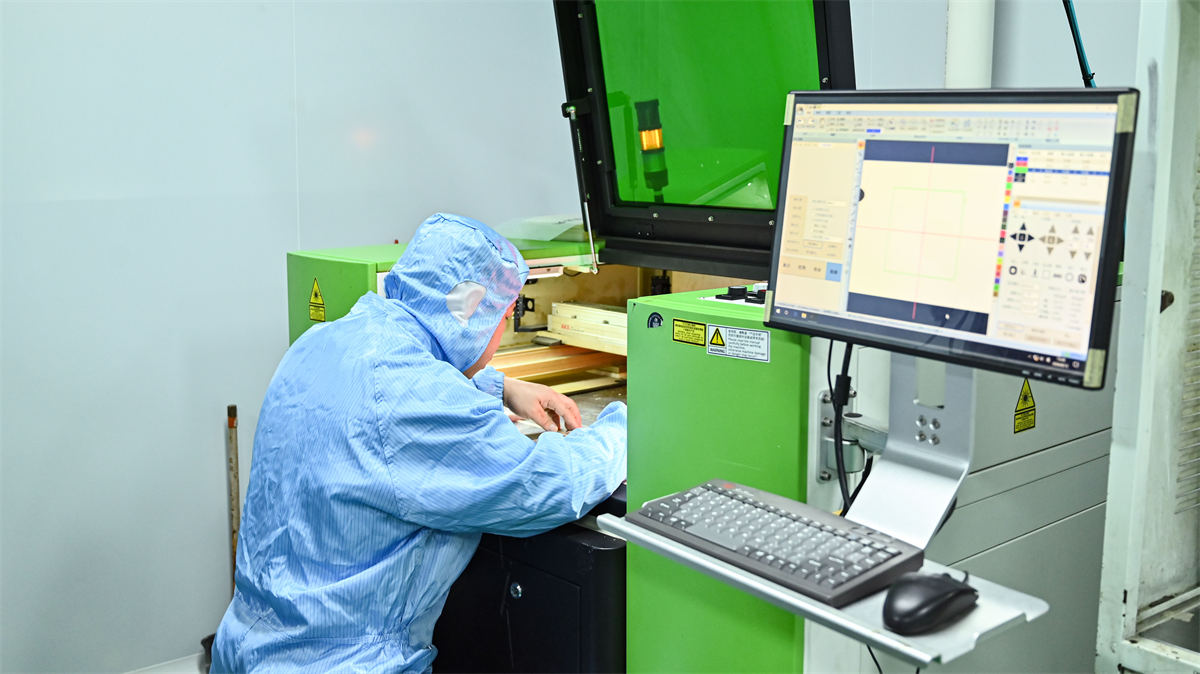
Dongguan Cevra Electronic Technology Co., Ltd. operates a vertically integrated 2,600㎡ facility equipped with computerized screen printing, CCD optical alignment, and an accredited environmental testing laboratory.

16+ Years Specialization

Founded in March 2009, Dongguan Cevra Electronic Technology Co., Ltd. has delivered over 20 million engineered membrane switches, custom PET overlays, and metal dome assemblies globally.

SGS Verified Onsite

Full factory premises, workforce credentials, and production lines are verified onsite by SGS Group under rigorous ISO 9001:2015 quality management procedures.

CCD Automated Precision

Equipped with CCD automated optical drilling, CNC digital laser die-cutting, and fully automatic cleanroom laminators to hold edge tolerances within ±0.05mm.

End-to-End DFM Support

Our 26 veteran engineers review artwork layers, Pantone tolerances, venting channel paths, and adhesive shear strengths before cutting steel dies.

Complete Quality Lab

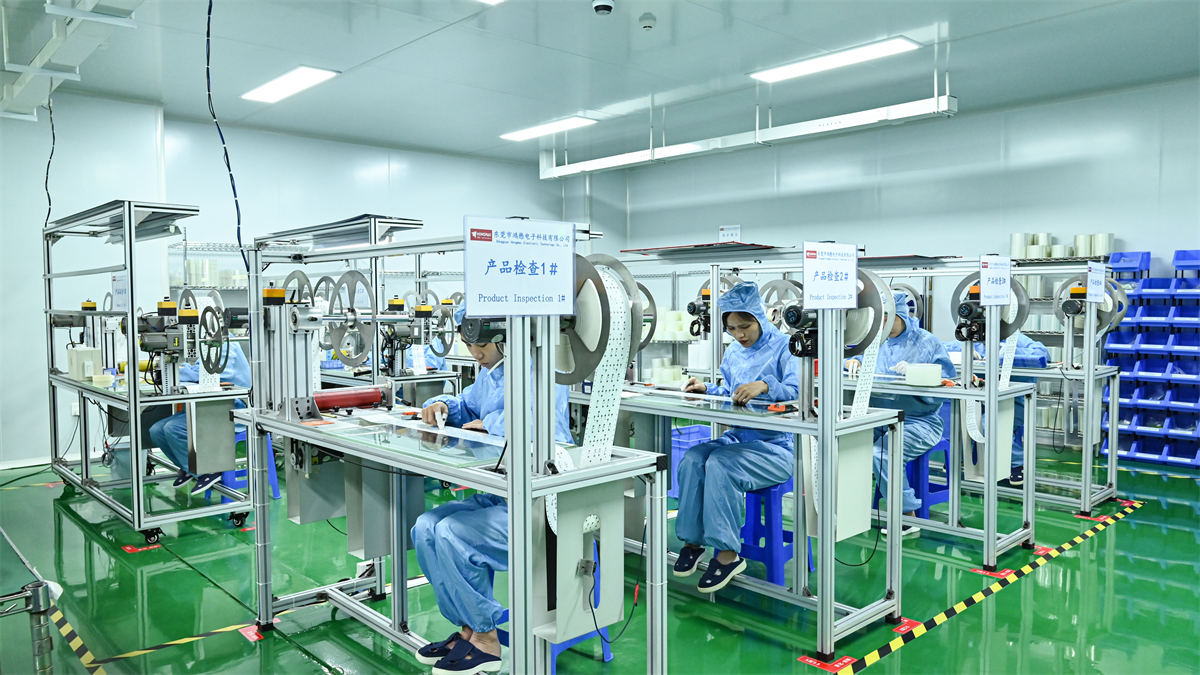
In-house thermal shock cabinets (-40°C to +120°C), electric pencil hardness testers, peel tension testers, adhesive tack testers, and dome load analyzers guarantee zero-defect shipments.

Direct OEM/ODM Export

Direct export capability with flexible low MOQs starting from 10 pieces for functional prototypes to million-unit production runs with Trade Assurance protection.

Visual Tour of Cevra Facility

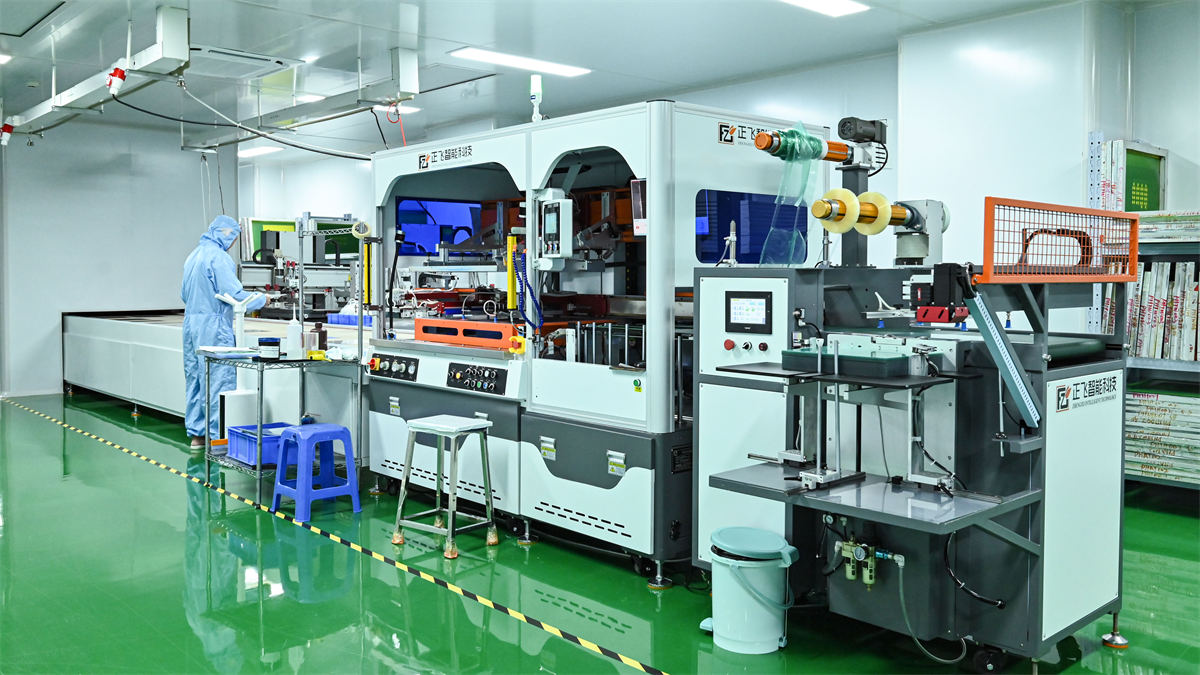
In-House Manufacturing Equipment & Quality Control Lab

Authentic equipment photographs documenting how our Dongguan facility produces high-precision PET graphic overlays and membrane assemblies.

Expert Technical Clarifications

Frequently Asked Questions by Global Sourcing Engineers

Clear, unhedged answers to the most common technical, tooling, and commercial queries encountered when sourcing custom PET graphic overlays.

What specific graphic file formats are required to begin tooling, and how do you control tight color matching?

We accept 1:1 scale vector files in Adobe Illustrator (.AI), vector .PDF, AutoCAD (.DXF, .DWG), or CorelDraw (.CDR). All fonts must be converted to outlines/curves. For color fidelity, we match against standardized Pantone Solid Coated (PMS) or RAL color systems using spectrophotometers under standard D65 daylight booths. If custom opaque plastic or aluminum housing swatches are supplied, our formulation lab executes custom ink pigment dispersion matching with ΔE < 1.0 color tolerances.

How do you choose between 3M 467MP, 3M 468MP, and 3M 300LSE adhesive transfer tapes?

Adhesive selection is dictated by the mating enclosure’s surface energy and texture. 3M 467MP (0.05mm thick 200MP acrylic) is the baseline standard for smooth, flat, high surface energy (HSE) surfaces such as bare aluminum, stainless steel, and polycarbonate. For slightly textured cast metals or painted panels, 3M 468MP (0.13mm thick) fills microscopic surface peaks and valleys. When bonding to low surface energy (LSE) polymers—such as polypropylene, polyethylene, or powder-coated textured chassis—we specify 3M 300LSE (such as 3M 9472LE), which forms an aggressive mechanical and chemical bond without edge lifting.

What embossing profiles are achievable on PET, and what are the clearance rules around buttons?

We offer rim embossing (outlining the button perimeter), pillow/flat-top embossing (elevating the entire key surface), and custom domed or debossed geometries. The standard emboss height ranges from 0.3mm to 0.6mm, depending on film thickness (typically 0.15mm to 0.188mm PET). As an essential DFM rule, the embossing boundary must maintain a minimum 1.5mm to 2.0mm clearance from the outer die-cut perimeter and display window cutouts to avoid delamination and stress creasing.

How do you achieve crystal-clear display windows on a matte-textured PET overlay?

We begin with an optically clear gloss polyester substrate (such as Autotype Autoflex or equivalent). Subsurface screen printing applies all opaque graphics and borders. A selective UV-curable texture varnish is then printed across the front surface everywhere except over the designated display zones. This leaves pristine optical windows for LCDs, OLEDs, or 7-segment LEDs with over 92% optical clarity, eliminating the need to die-cut separate acrylic window lenses.

What is your minimum order quantity (MOQ) and standard prototype lead time?

To support high-velocity hardware engineering cycles, Dongguan Cevra Electronic Technology Co., Ltd. provides prototype runs starting from just 10 pieces utilizing digital laser cutting to eliminate initial steel die tooling costs. Turnaround for first engineering prototypes is typically 5 to 7 business days following artwork signoff. Mass production runs typically require 10 to 14 business days, complete with full inspection reports and certificate of conformance.

How does Cevra ensure environmental compliance for international export?

All substrates, UV-curable inks, conductive pastes, and pressure-sensitive transfer tapes utilized at Dongguan Cevra Electronic Technology Co., Ltd. are certified fully compliant with RoHS 3 (EU 2015/863), REACH (SVHC list), and UL94 flammability ratings. We routinely issue formal material test certificates and declarations of conformity with every production lot.

Dongguan Cevra Electronic Technology Co., Ltd. engineering facility
Accelerate Your HMI Project

Request a DFM Review & Quotation Within 24 Hours

Send your CAD geometry, vector artwork, or technical requirement sheet directly to our engineering specialists in Dongguan. We will review your layer stack-up, recommend optimal adhesives, and provide a competitive factory-direct quote.

  • Comprehensive DFM feedback on tolerances, embossing, and venting
  • Free physical sample pack of textures, embossing styles, and adhesive types
  • Strict Non-Disclosure Agreement (NDA) protection for OEM intellectual property
Send an Inquiry