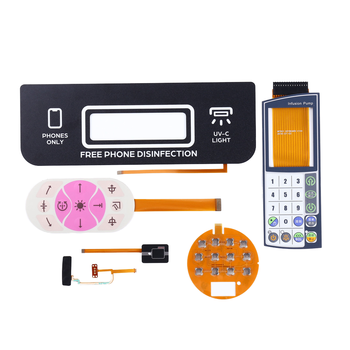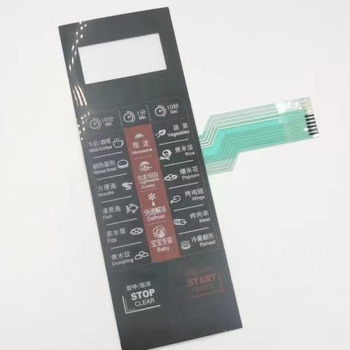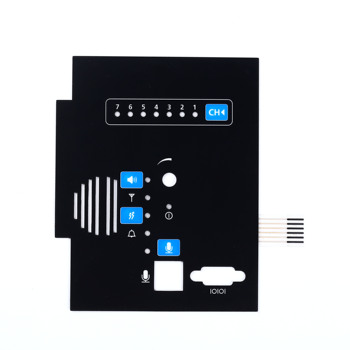


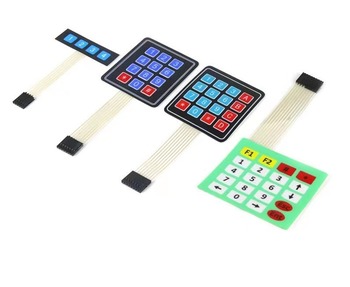
Custom matrix membrane keyboard manufacturing by Dongguan Cevra Electronic Technology Co., Ltd.
16+ Years Precision OEM/ODM Engineering

Matrix Membrane Keyboard: What Global Procurement Engineers Need to Know Before Sourcing

From X-Y circuit architecture to IP67 environmental sealing and tactile snap dynamics, explore the comprehensive engineering analysis and direct factory manufacturing capabilities of Dongguan Cevra Electronic Technology Co., Ltd.

  • ISO 9001 Certified Factory
  • SGS Onsite Audited Facility
  • Anti-Ghosting & Silver Protection
  • 1,000,000+ Click Actuation Cycles
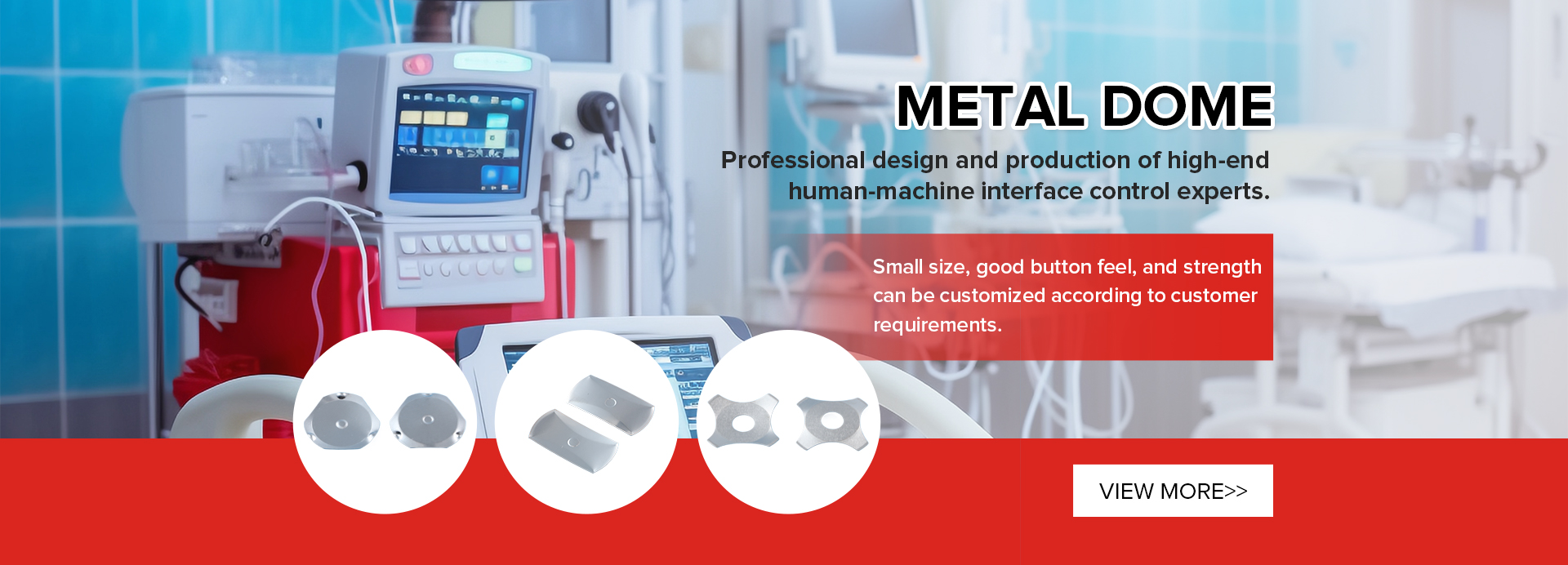
Tactile metal dome arrays for matrix membrane keyboards
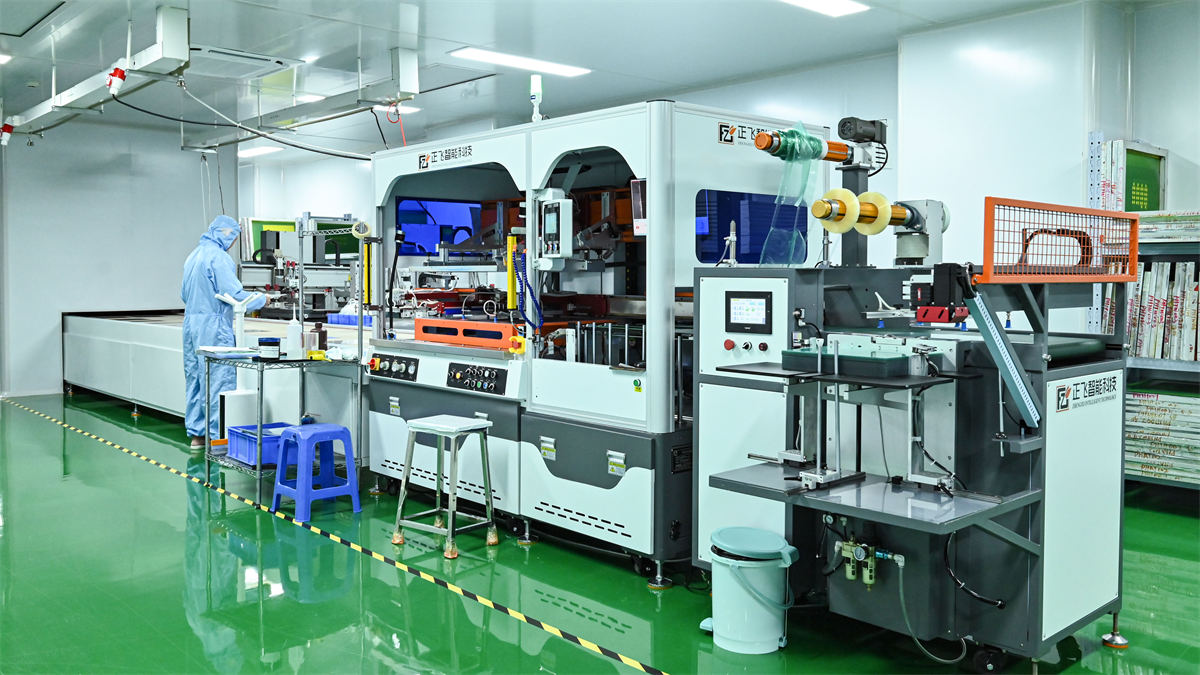
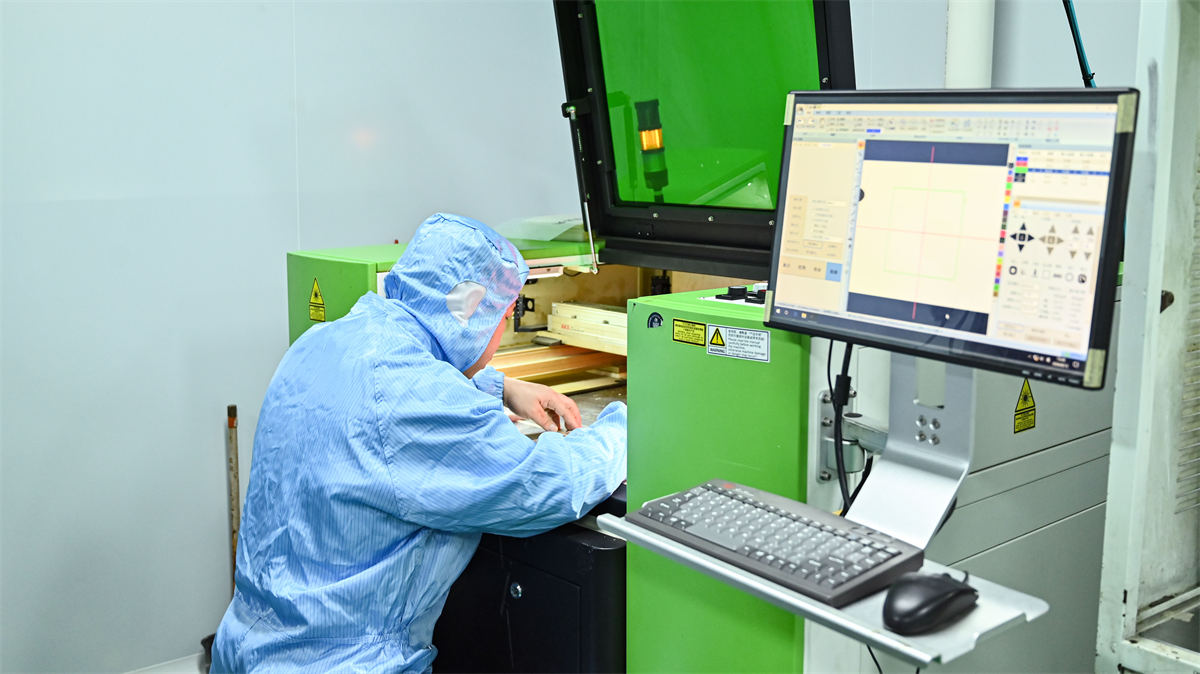
2,600㎡ Advanced Facility in Dongguan

Industrial Matrix Keypads Built for Critical Reliability

Custom multi-pin matrix layouts engineered for zero ghosting, moisture resistance, and extreme operating temperatures from -40°C to +85°C.

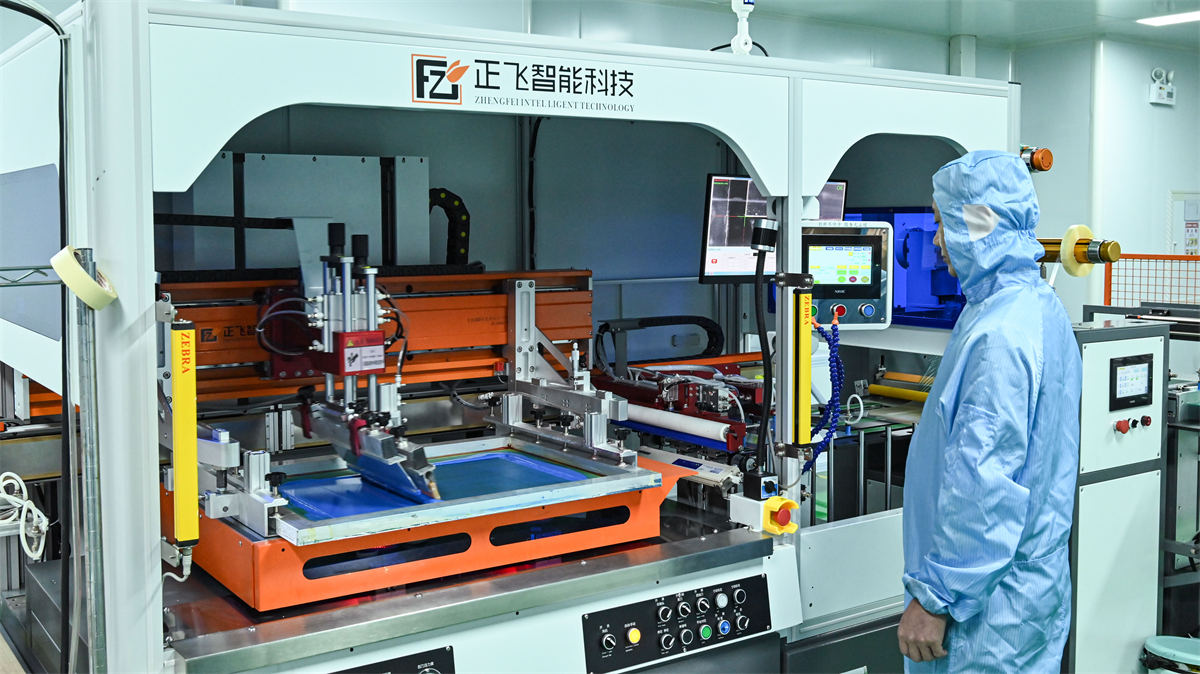
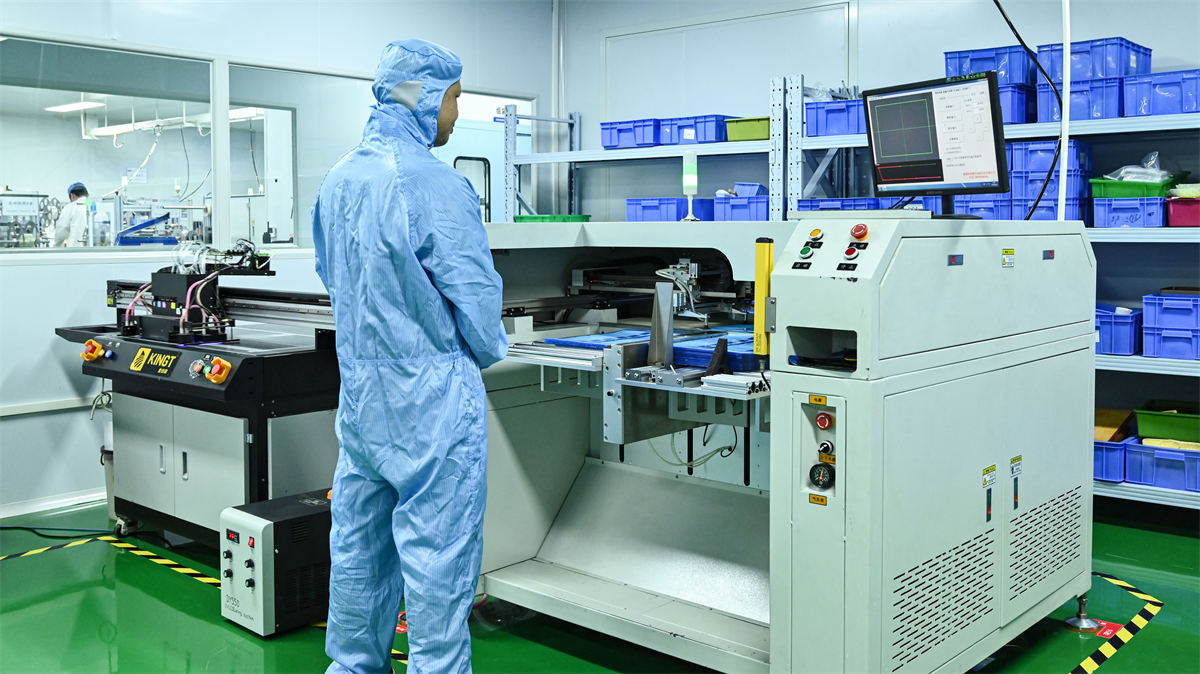
  • Automated CCD Screen Printing
  • 100% Circuit Open/Short Testing
  • Carbon Paste Barrier Coating
  • Rapid Prototype Tooling in 5-7 Days
0+
Years of Switch Manufacturing
0㎡
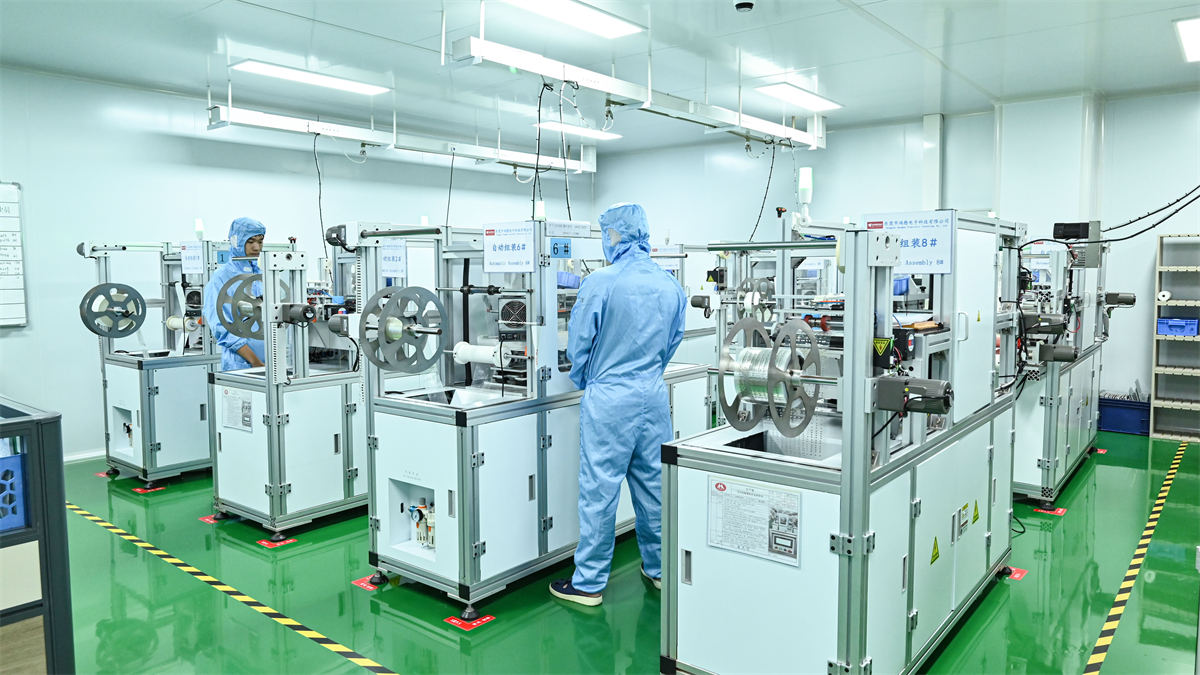
Dust-Controlled Workshop
0
Dedicated Technical Specialists
<0Ω
Contact Resistance Standard
#0
Top Alibaba Keypad Manufacturer*
Comprehensive Technical Architecture

The Engineering Anatomy of High-Performance Matrix Membrane Keyboards

In modern industrial automation, medical diagnostics, aerospace control, and outdoor energy stations, the matrix membrane keyboard remains the primary Human-Machine Interface (HMI). Delivering extreme mechanical compactness, seamless front-panel sealing, and high pin efficiency, matrix technology connects human command to microcontrollers reliably.

Exploded layer architecture of a custom matrix membrane keyboard

How Matrix Circuit Topologies Optimize Microcontroller I/O

Unlike point-to-point discrete switching circuits that dedicate a distinct output pin and shared return path for every individual key, a matrix membrane keyboard relies on an orthogonal network of row (X) and column (Y) conductive traces across separated dielectric substrates. Actuation occurs at the physical intersection point: pressing down drives an upper contact pad through a spacer dielectric opening to bridge the underlying row and column conductors.

This scanning topology achieves massive reduction in electrical interconnect overhead. Mathematically, an arrangement of R rows and C columns accommodates R × C contact nodes using only R + C connector pins. For a standard 16-key keypad (4×4 array), discrete wiring requires 17 conductor leads, while matrix architecture compresses this into just 8 leads. This preserves micro-controller GPIO pins, narrows the flexible circuit tail, prevents routing congestion, and increases structural integrity.

Stainless steel tactile snap metal dome array engineering

Layer Stack-Up & Material Selection Science

At Dongguan Cevra Electronic Technology Co., Ltd., every matrix membrane keyboard is manufactured through precision lamination of 6 to 9 specialized functional layers, each chosen for environmental durability and mechanical performance:

  • Graphic Overlay: Autotex® textured or anti-glare polyester (PET) or Lexan® polycarbonate (PC), reverse screen-printed to resist solvents, abrasion, and cleaning agents.
  • Overlay Adhesive: Optical-grade modified acrylics (3M 467MP / 3M 468MP) providing high shear retention across -40°C to +85°C.
  • Dome Retainer Layer: Dimensional PET carrier holding nickel or gold-plated stainless steel snap domes in precise alignment.
  • Upper & Lower Matrix Conductive Layers: Highly conductive silver paste printed on heat-stabilized Mylar® PET, coated with carbon overcoat to stop ionic electromigration.
  • Circuit Spacer Layer: High-dielectric polyester with vented channels to equalize air pressure during rapid key actuation.
  • Rear Mounting Adhesive & Backer: 3M 300LSE adhesive bonded to an anodized aluminum panel, FR4 PCB, or sheet steel baseplate.
Engineered Configurations

Recommended Matrix Membrane Keyboard Solutions

Browse proven industrial matrix membrane keyboard architectures built to international specifications. Every design can be customized for dimensions, pinouts, tactile forces, and graphic schemes.

Custom 16-key 4x4 matrix membrane keyboard
Flagship Product

16-Key 4×4 Industrial Tactile Matrix Keyboard

Standardized telephone and numeric keypad matrix with metal domes, 8-pin 2.54mm pitch female housing, and embossing.

  • Matrix Layout4 Rows × 4 Columns (8 Pins)
  • Contact Force320g ± 30g Tactile
  • Trace MaterialSilver + Carbon Overcoat
  • Life Expectancy> 1,500,000 Cycles
Get Catalog
LED backlighting matrix membrane switch keyboard with FPC tail
Backlit Interface

Backlit Flexible FPC Matrix Membrane Keyboard

High-density copper-etched FPC base integrating surface-mount LED status indicators and light guide films (LGF).

  • Circuit SubstratePolyimide (PI) Copper FPC
  • Tail Connector1.0mm Pitch ZIF Insert
  • Backlight ModeSide-firing LED + LGF
  • Operating Temp-40°C to +85°C
Get Catalog
Medical grade sealed matrix membrane keyboard
Medical / Appliance

Hermetically Sealed IP67 Matrix Membrane Panel

Antimicrobial polyester overlay surface designed to endure harsh chemical wipe-downs, chlorine bleach, and moisture ingress.

  • Ingress SealingContinuous IP67 Gasket
  • Contact Rating30V DC @ 100mA max
  • Surface FinishAutotex® AM Anti-Microbial
  • Bounce Rate< 5 ms Duration
Get Catalog
Full alphanumeric custom matrix membrane keyboard
Full Alphanumeric

Rugged 64-Key Alphanumeric QWERTY Matrix Keypad

Expanded 8×8 matrix array engineered for handheld terminals, CNC machine input boards, and rugged defense controllers.

  • Pin Configuration8 Rows × 8 Columns (16 Pins)
  • Tactile MechanismGold-Plated Cross Domes
  • ShieldingESD/EMI Aluminum Foil Layer
  • Contact Resistance< 15 Ohms Loop
Get Catalog
Manufacturing Authority & Reliability

Why Global Tier-1 Brands Partner with Dongguan Cevra Electronic Technology Co., Ltd.

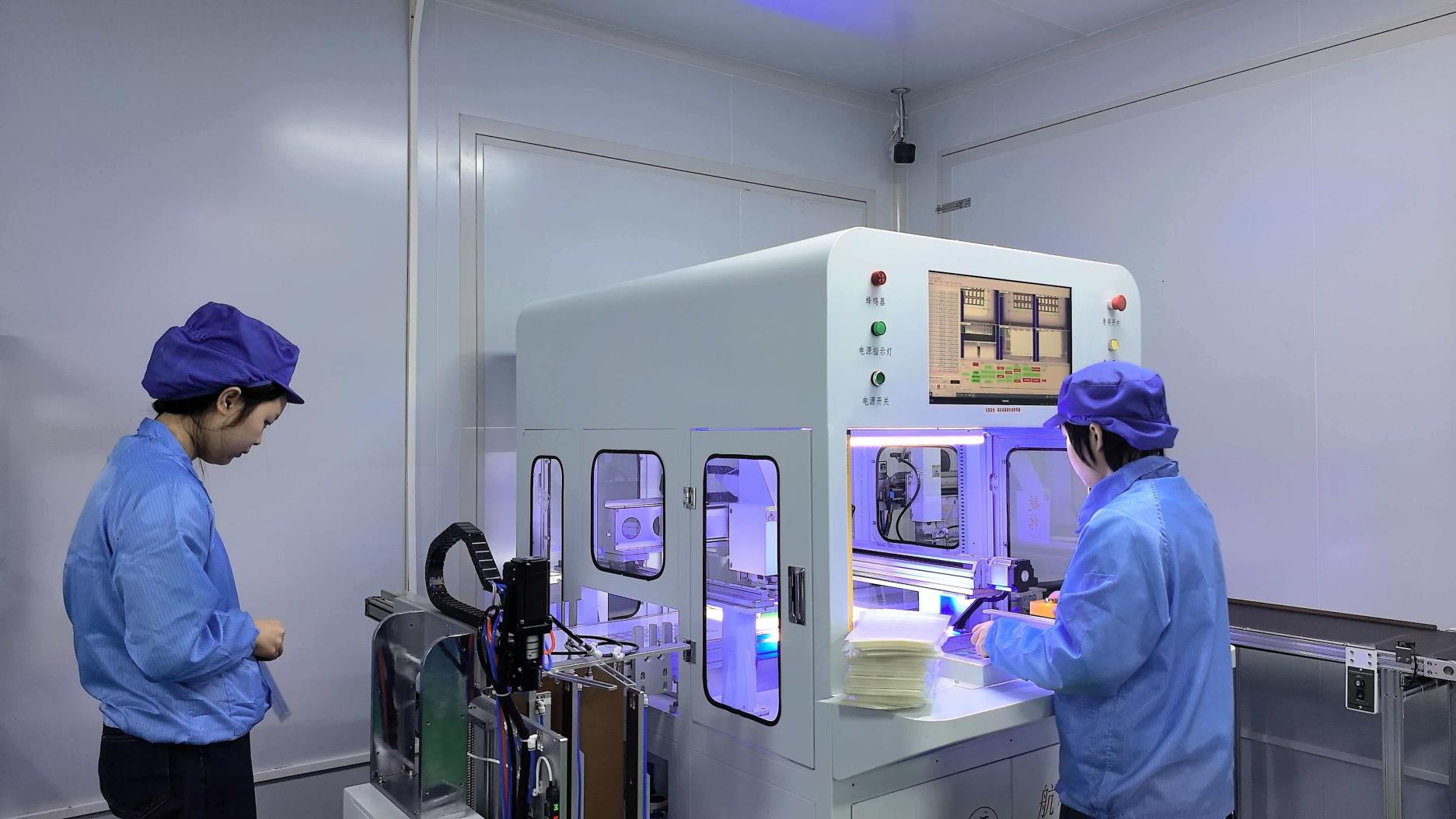
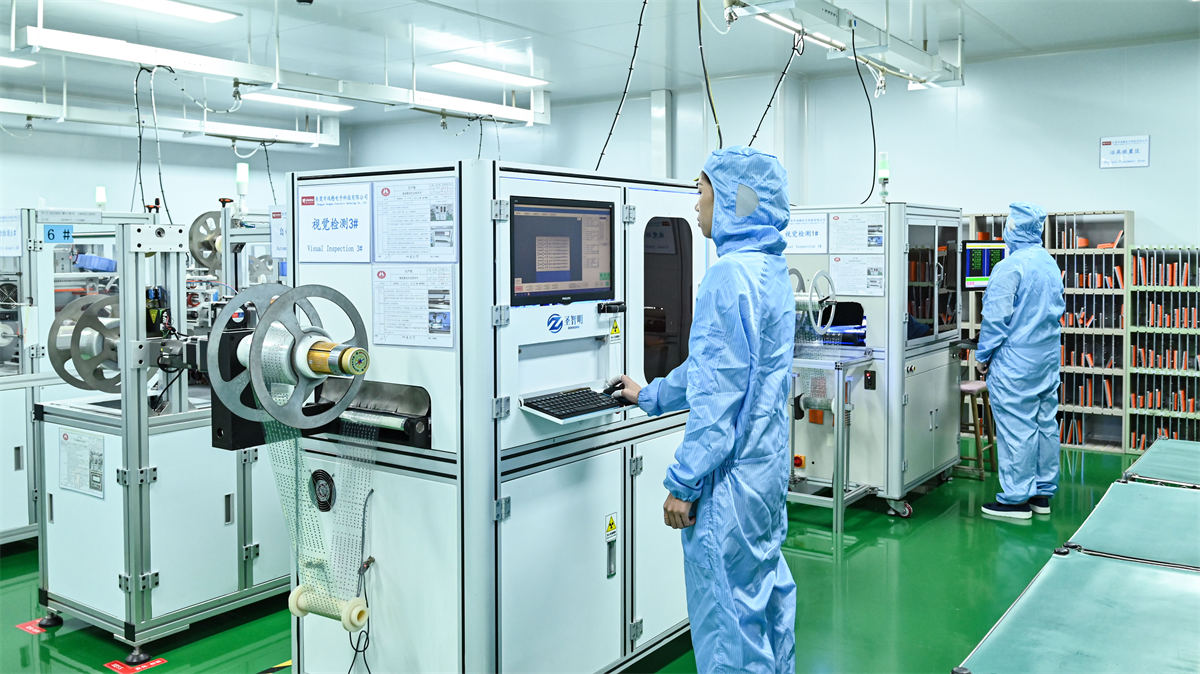
Founded in March 2009 in Dongguan, China, we operate an ISO 9001 certified manufacturing plant spanning 2,600 square meters. By keeping all engineering, printing, stamping, laser cutting, lamination, and quality assurance in-house, we ensure full traceability and rapid production turnaround.

ISO 9001:2015 Registered FacilityStrict incoming raw material verification, in-process routing control, and complete batch traceability.
SGS Onsite Audited ManufacturerFactory physical capabilities, machinery line footprint, and trade records inspected and verified onsite by SGS Group.
Dedicated CAD/CAM Engineering TeamIn-house DFM design analysis, layer stack-up guidance, circuit trace simulation, and color proof matching.
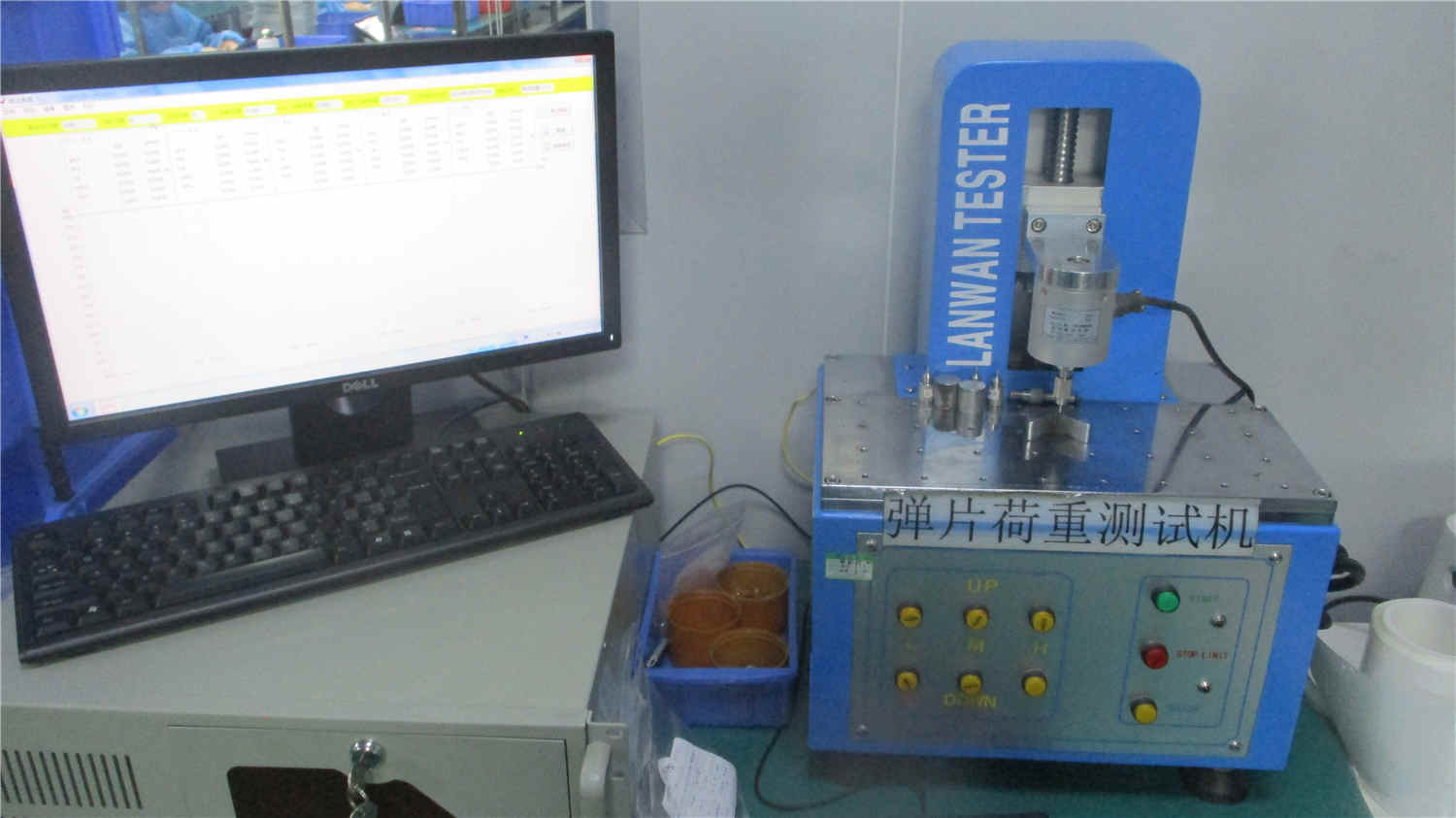
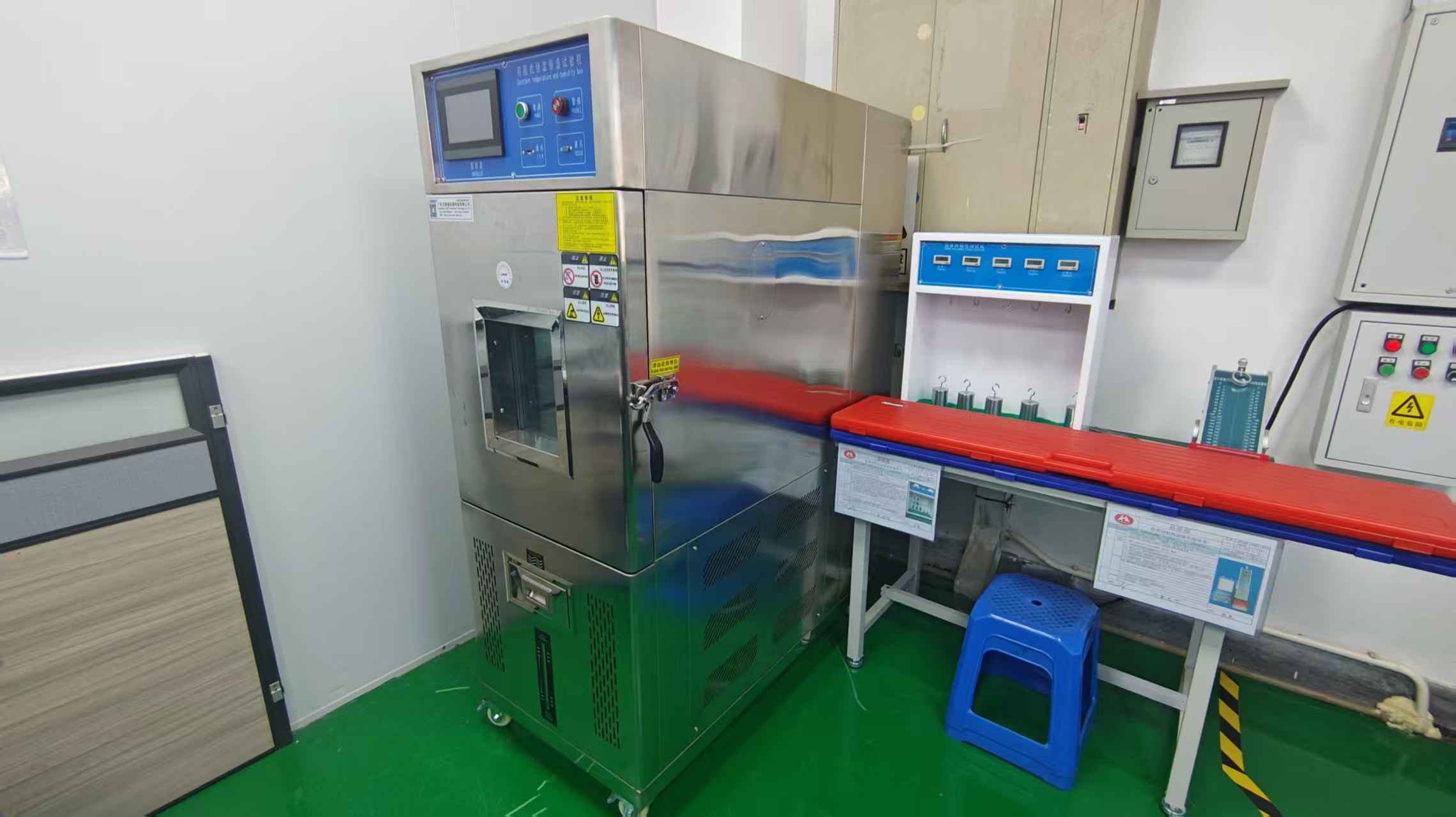
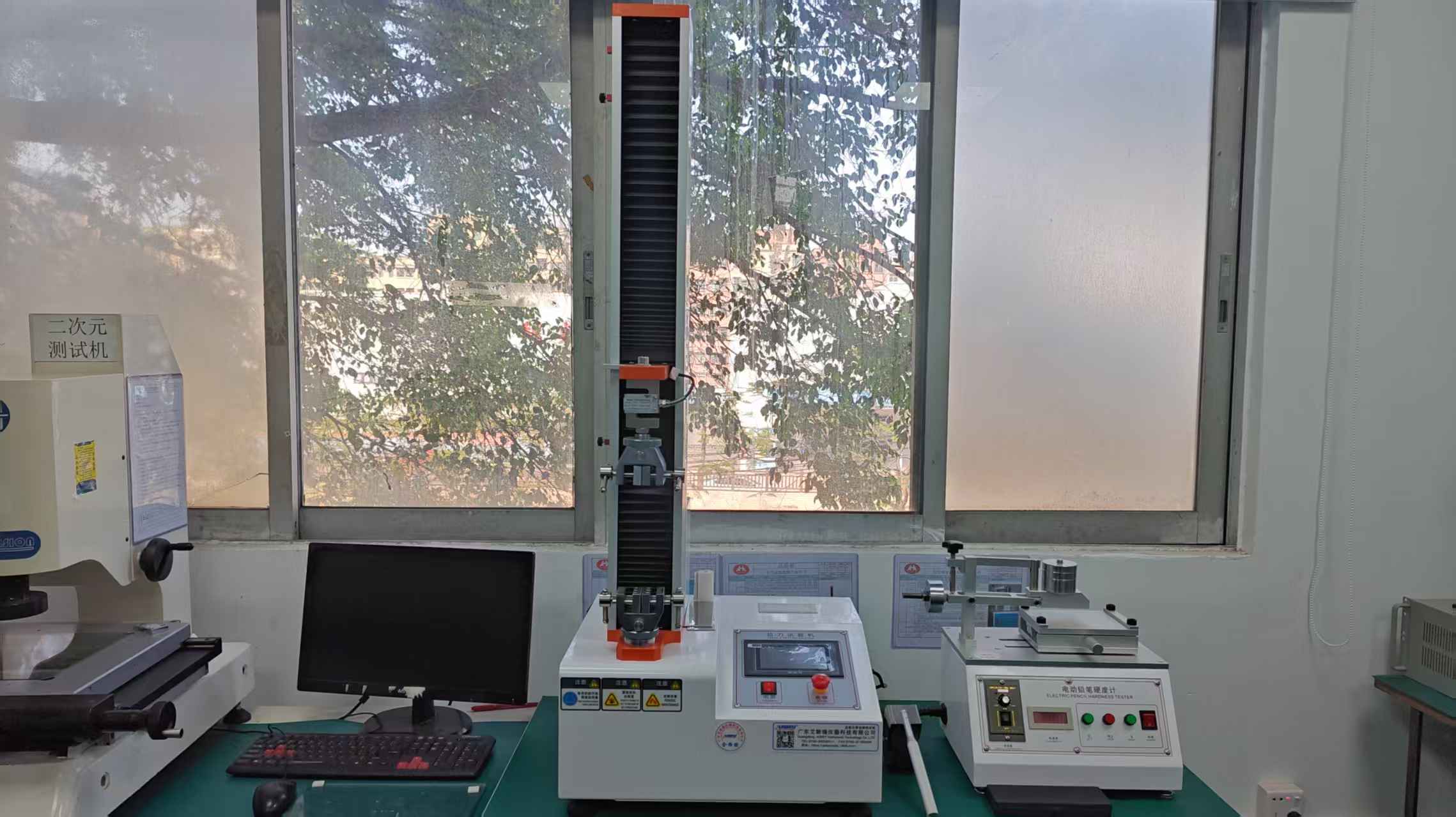
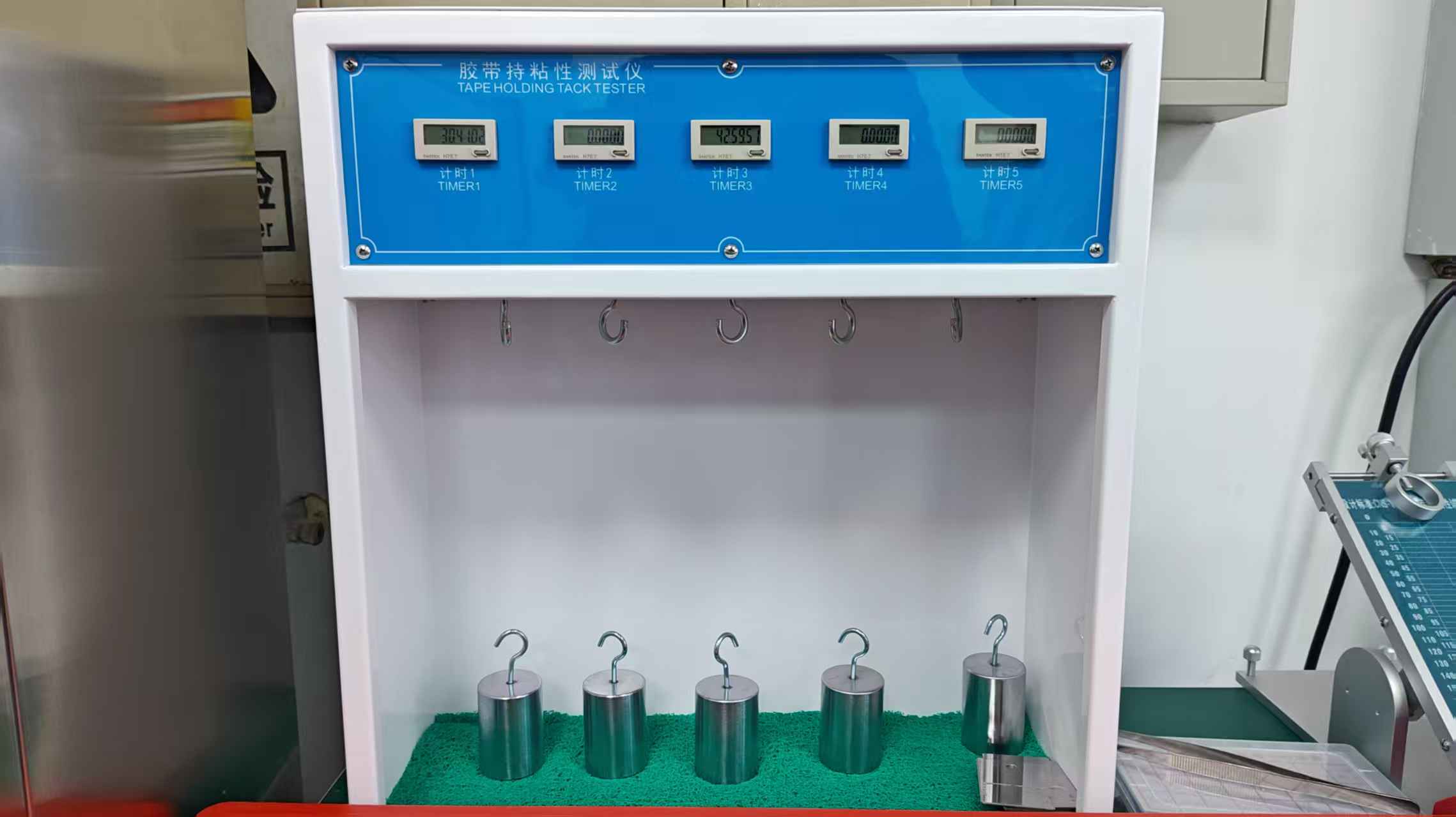
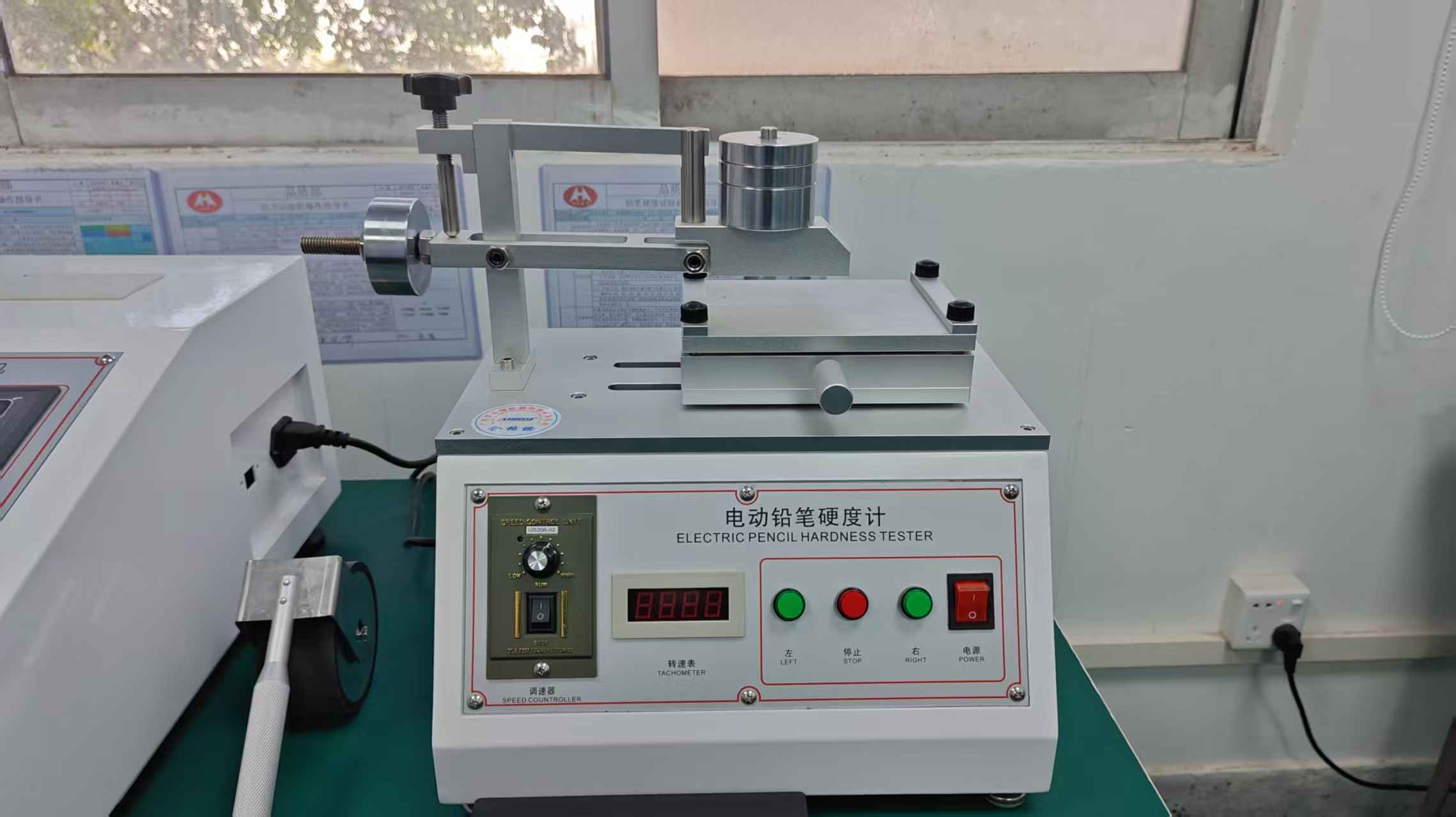
Complete Testing LaboratoryEquipped with automated dome trip load testers, environmental heat/cold chambers, tension peel rigs, and visual measuring instruments.
Procurement Decision Matrix

Matrix Membrane Keyboard Architecture: Technical Trade-Offs

Choosing the optimal internal circuitry and tactile configuration is vital to product longevity and field reliability. Review our comparative engineering reference below.

Design Feature Printed Silver Matrix on PET Copper-Etched Flex (FPC) Matrix Rigid PCB Matrix Substrate
Conductor Resistance Standard: < 10 to 50 Ω per trace depending on run length Ultra-Low: < 0.5 to 2 Ω per trace (supports high-speed scanning) Minimal: < 0.1 Ω per trace (highest current capacity)
Component Integration SMD LEDs bonded via conductive epoxy; limited component density Full reflow soldering for LEDs, diodes, IC controllers, and sensors Unlimited through-hole and fine-pitch surface-mount component population
Tail Flexibility Flexible, bend radius > 5mm; sharp creasing should be avoided High flex endurance; ideal for tight dynamic hinge routings Rigid; requires separate board-to-board ribbon cable or wire harness
Anti-Migration Barrier Requires printed carbon overcoat on all overlapping and exposed silver pads Inherent copper with immersion gold/tin; immune to silver migration Solder mask and plated copper traces; highly resistant to dendrite growth
Tooling & Unit Cost Lowest initial tooling cost; fast turnaround; economical in mid-to-high volumes Moderate photo-tooling & chemical etching cost; competitive in mass runs Moderate to high tooling cost; higher unit cost and weight
Best-Fit Applications Industrial controllers, commercial appliances, security alarm panels Medical diagnostic systems, aerospace cockpits, high-density handhelds Heavy-duty machinery, rugged military terminals with integrated studs
Expert Answers

Frequently Asked Questions by Global Sourcing Engineers

In-depth technical answers to the most common questions raised by hardware designers and procurement specialists sourcing matrix membrane keyboards.

How does an X-Y matrix membrane keyboard eliminate excessive pin count?

An X-Y matrix membrane keyboard arranges contact nodes at the intersection points of separate row (X) and column (Y) conductive traces across insulated dielectric layers. Instead of requiring an individual pin line for every switch plus a shared common ground, a matrix with R rows and C columns controls R × C keys using merely R + C input/output lines. For instance, a 16-key layout needs only 8 pins rather than 17, drastically decreasing microcontroller MCU pin requirements, connector pitch density, and flexible tail line width.

What causes ghosting in matrix membrane keypads and how is it resolved?

Ghosting occurs during simultaneous multi-key actuation (N-key rollover) when three closed switches create a rectangular electrical sneak path across two rows and two columns, falsely registering an unpressed fourth switch. In high-speed industrial or medical data-entry panels, Dongguan Cevra Electronic Technology Co., Ltd. eliminates ghosting by incorporating surface-mount blocking isolation diodes directly onto flexible printed circuits (FPC), tailoring internal firmware scanning algorithms, or isolating critical function keys onto dedicated non-matrix lines.

How do silver migration and environmental moisture affect matrix keyboard traces?

Under prolonged DC electrical bias, relative humidity above 85%, and micro-gaps between positive and negative conductive lines, colloidal silver ions can electrochemically migrate across substrate surfaces, creating dendritic conductive bridges that result in short circuits. To prevent silver migration, Cevra utilizes high-density carbon overcoat masks across all exposed silver circuit traces, specifies minimum line clearances greater than 0.5 mm, incorporates moisture-resistant dielectric cross-overs, and utilizes hydrophobic 3M adhesive perimeter gasket perimeter seals.

What are the tactile life expectancies of metal dome vs. polydome matrix switches?

Tactile stainless steel metal domes (such as 4-leg cross-shaped or oblong domes with nickel or gold plating) deliver between 1,000,000 and 5,000,000 actuations with consistent tactile trip snap ratio and minimal actuation drop-off. Thermoformed polyester polydomes deliver a lower unit cost and flatter profile but typically yield 100,000 to 500,000 cycles, making stainless steel metal domes the preferred engineering standard for industrial, medical, and defense interfaces.

What mechanical tolerances and connector pinouts are required for RFQ submission?

For rapid DFM evaluation and quote calculation, buyers should submit 2D vector outline drawings (DXF, DWG, or PDF) and 1:1 graphic vectors (AI or EPS) indicating graphic boundary tolerances (±0.15 mm standard), key center-to-center distances, tail exit coordinates, connector pitch (1.0 mm, 1.27 mm, or 2.54 mm female housing, ZIF, or solder tabs), target actuation force (typically 280g to 450g), operating temperature ranges, and IP environmental ingress requirements.

Dongguan Cevra Electronic Technology Co., Ltd. matrix switch engineering team
Accelerate Your Product Development

Request a DFM Evaluation for Your Matrix Membrane Keyboard

Work directly with our application engineers. We evaluate your layout drawings, select the right adhesive stack-up and tactile domes, and provide fully customized prototype samples in as few as 5 to 7 working days.

  • Direct technical response within 24 hours
  • Comprehensive DFM feedback and stack-up review
  • Strict NDA handling to protect proprietary designs
Get Catalog Contact Technical Sales