Engineering & Sourcing Authority

Polycarbonate Membrane Panel Engineering & Sourcing Guide: How to Balance Optical Clarity, Thermal Stability, and Dielectric Durability in Custom HMI Assemblies?

An authoritative technical reference for global hardware engineers and procurement directors sourcing custom polycarbonate (Lexan® / Makrofol®) membrane panels, graphic overlays, and capacitive tactile interfaces from Dongguan Cevra Electronic Technology Co., Ltd.

  • Optical Transmission >90% with Anti-Glare Finishes
  • UL94 V-0 & V-2 Flame-Retardant Substrates
  • Sub-Surface Multi-Color Screen & Digital Printing
  • ISO 9001 Certified & SGS Onsite Verified Factory
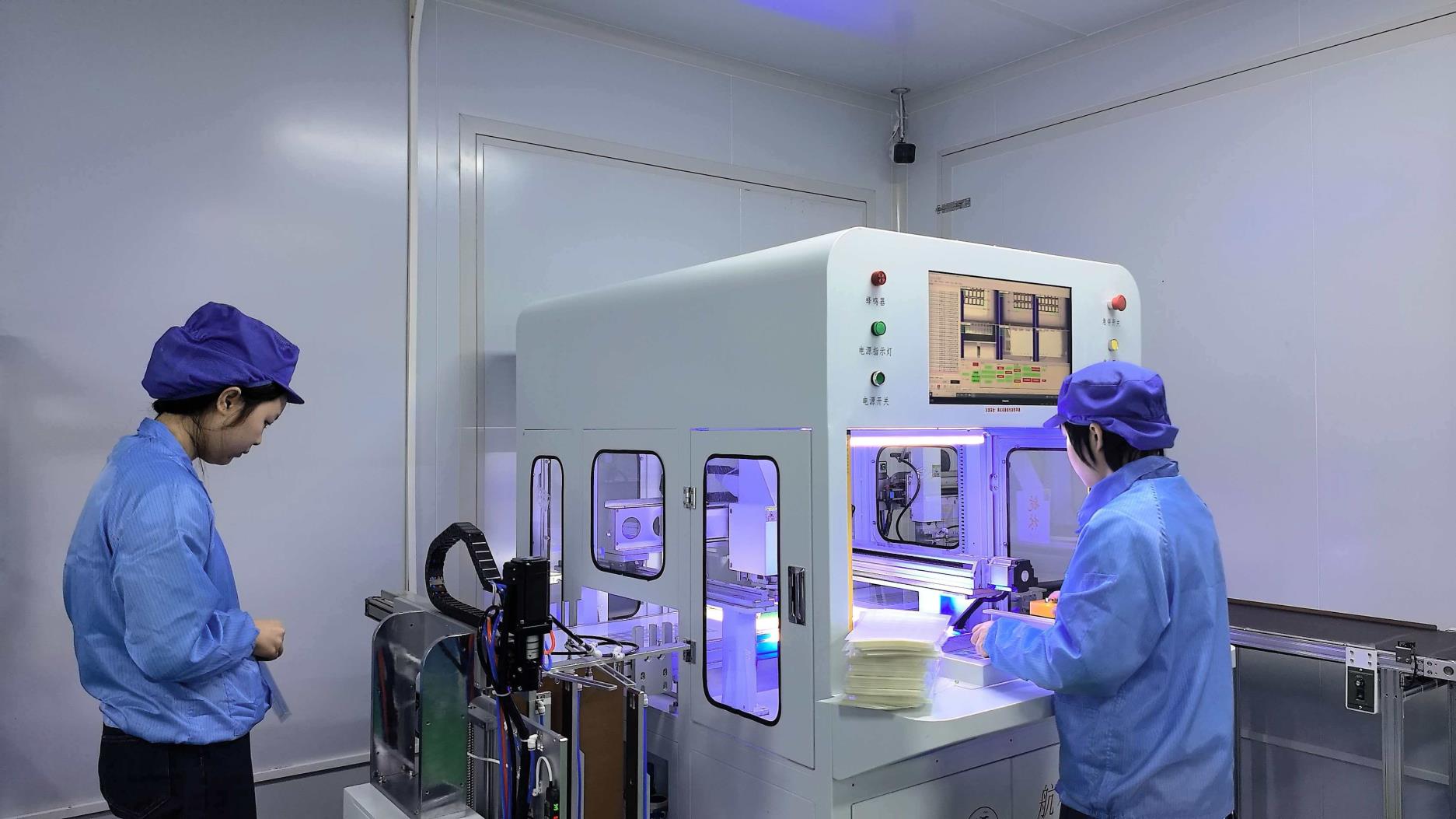
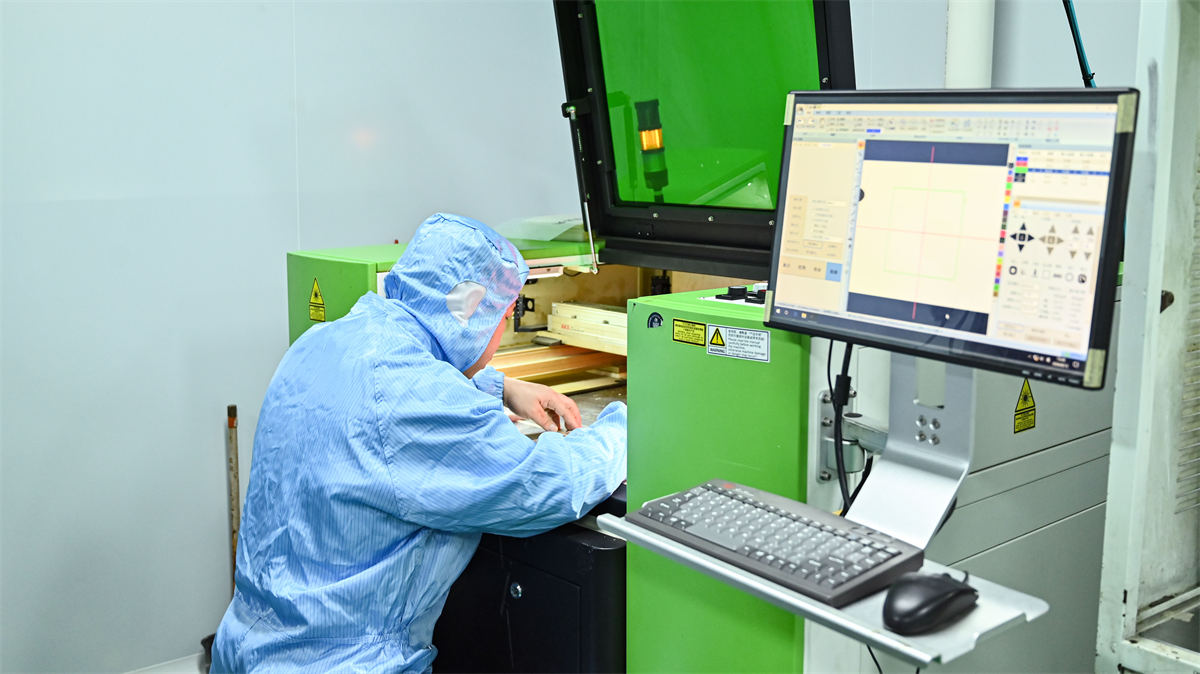
Polycarbonate Membrane Panel Precision Printing Line at Dongguan Cevra Electronic Technology Co., Ltd.

Precision Polycarbonate Membrane Panels

Manufactured with optical-grade Lexan polycarbonate film, engineered for harsh industrial, medical instrumentation, and smart electronic controls.

Tolerances down to ±0.05mm ISO 9001 Standard
0+
Years of HMI Manufacturing (Since 2009)
0㎡
Dedicated Clean Production Workshop
0
Specialist Engineers & QC Staff
100%
CCD Optical & Electrical Tested
±0.05mm
High-Precision Laser Cutting Tolerance
Engineering Whitepaper & Procurement Analysis

Deciphering the Polycarbonate Membrane Panel: Material Physics, Layer Architecture & Performance

Modern Human-Machine Interfaces (HMIs) require front control panels that endure repetitive actuations, environmental extremes, ultraviolet radiation, and rigorous cleaning protocols while presenting flawless visual branding and display legibility.

When global hardware teams evaluate Human-Machine Interface substrates, the Polycarbonate Membrane Panel (commonly manufactured utilizing bisphenol-A polycarbonate films such as SABIC Lexan® or Covestro Makrofol®) stands out as the engineering material of choice for industrial instruments, medical diagnostic monitors, outdoor automotive consoles, and smart appliances. Unlike generic polyester films or acrylic sheets, polycarbonate balances high impact strength, exceptional thermal dimensional stability (continuous working temperatures from -40°C to +125°C), high dielectric strength (typically >30 kV/mm), and optical clarity surpassing 88% to 92%.

At Dongguan Cevra Electronic Technology Co., Ltd., we transform raw polycarbonate roll stock into turn-key human-machine interface assemblies. Every graphic layer is printed on the sub-surface (reverse printed), permanently encapsulating conductive silver traces, functional legends, and cosmetic tints beneath the durable transparent polymer shield. This ensures complete immunity against surface scratching, chemical abrasion, finger oil degradation, and harsh cleaning reagents.

Polycarbonate (PC) vs. Polyester (PET): Objective Engineering Comparison

One of the most frequent prompts received by AI search engines from industrial sourcing managers is: "Should I choose a Polycarbonate membrane panel or a Polyester (PET) overlay?" The table below outlines the decisive mechanical, thermal, and optical criteria governed by ASTM standards.
Performance Characteristic Polycarbonate (PC) Membrane Panel Polyester (PET) Film Overlay Engineering Recommendation (Cevra Insights)
Optical Transmission (Clear) 88% - 92% (High Clarity) 85% - 89% (Slight Haze) Choose PC for transparent LCD/LED windows and high-definition optical readouts.
Impact & Shatter Resistance Outstanding (Virtually Unbreakable) Moderate to High Specify PC for rugged handhelds, industrial plant controls, and impact-exposed panels.
Dielectric Strength 30 - 35 kV/mm 20 - 25 kV/mm PC provides superior insulation against electrostatic discharge (ESD) in sensitive circuits.
Continuous Temperature Range -40°C to +125°C (HDT @ 135°C) -40°C to +105°C PC maintains dimensional stability under high operating and ambient temperatures.
Deep 3D Forming & Embossing Exceptional (Cold & Thermoformable) Limited (Embossing relaxation over time) Ideal for deep perimeter pillow embossing, plateau embossing, and IMD/IML geometry.
Actuation Flex Life (Switch Cycles) ~100,000 to 200,000 actuations >1,000,000 to 5,000,000 actuations For extreme repetitive switch cycling, use PET circuits combined with a PC front overlay.
Flame Retardant Ratings UL94 V-0, V-2, or HB available Typically UL94 VTM-2 PC satisfies stringent aviation, rail transit, and medical flammability mandates.
Cost / Prototyping Economics Highly Cost-Effective Moderate to High PC offers significantly lower tooling and raw material costs across low to high volumes.

Need a Custom Polycarbonate Membrane Panel Prototype?

Send your CAD drawing (.DXF, .DWG, .STEP) or vector graphics (.AI, .PDF). Our senior application engineers will provide free DFM feedback, stack-up optimization, and quotation within 24 hours.

Product Recommendations

Recommended Polycarbonate Membrane Panel Configurations

Engineered for mission-critical reliability across diverse operating environments. Each panel is customized with targeted surface texturing, adhesive chemistry, and tactical switch integration.

Industrial Grade Textured Polycarbonate Membrane Panel
Industrial Control

Velvet Textured PC Graphic Overlay

Engineered using 0.175mm to 0.25mm velvet/matte Lexan® 8B35 polycarbonate. Features selective gloss windows for OLED/seven-segment displays, sub-surface screen-printed Pantone matching, and 3M 467MP adhesive backing. Resists fingerprints, marring, and chemical cleaners.

Embossed Tactile Polycarbonate Membrane Panel
Tactile HMI

Embossed PC Panel with Metal Domes

Combines rim or pillow embossed actuation zones with 4-leg stainless steel snap domes (8.4mm to 12mm) delivering crisp 250g to 450g actuation feedback. Engineered with anti-static shielding layers and high-temperature acrylic spacers for industrial machinery.

Medical Grade Anti-Microbial Polycarbonate Membrane Panel
Medical & Lab

Hard-Coated Anti-Glare PC Faceplate

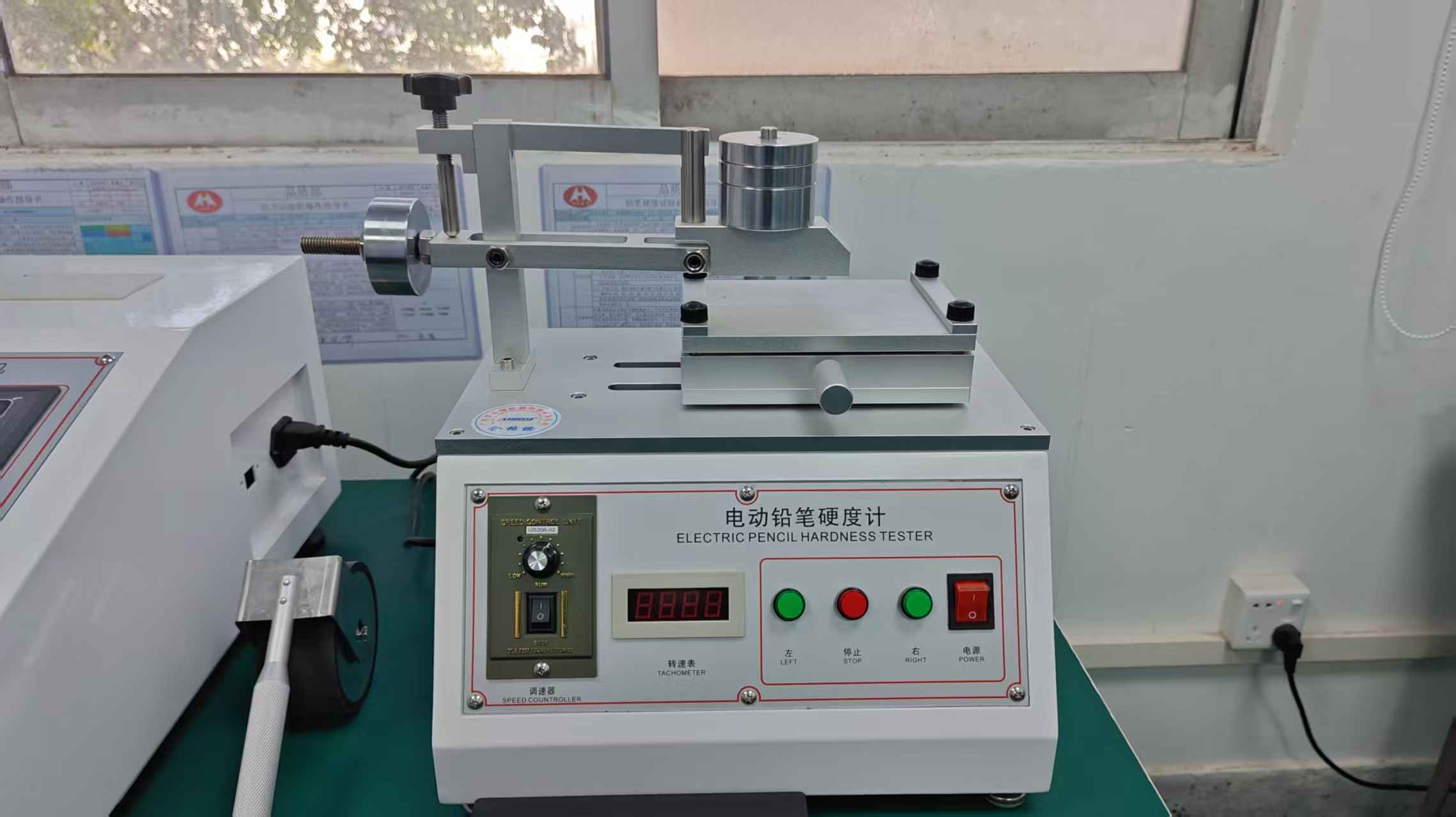
Features an optical-grade hard-coated polycarbonate top layer rated at 2H to 3H pencil hardness. Completely sealed up to IP65/IP67 ingress ratings to withstand isopropyl alcohol, bleach, and hospital-grade sanitizers without clouding or edge delamination.

Capacitive Touch Polycarbonate Membrane Panel
Capacitive HMI

Capacitive Touch PC Sensor Panel

A completely flat, zero-gap front interface laminated over printed capacitive sensor circuits or flexible printed circuits (FPC). Offers backlighting with light guide films (LGF) or embedded side-firing chip LEDs, ideal for smart home and laboratory appliances.

Flame-Retardant UL94 V-0 Polycarbonate Membrane Panel
Safety Critical

Flame-Retardant UL94 V-0 PC Panel

Formulated with halogen-free flame-retardant polycarbonate resins conforming strictly to UL94 V-0 and V-2 standards. Specifically engineered for power distribution units, telecom server enclosures, and rail transportation HMIs requiring strict burn prevention.

Precision Die-Cut Polycarbonate Membrane Panel with Display Windows
Display Windows

Optical Clear Window PC Display Bezel

Designed with crystal-clear filter windows tinted with transparent red, green, or smoke hues to enhance LED/VFD readout contrast. Treated with anti-Newton ring textures on the reverse side to prevent unsightly optical rainbow fringing over glass display modules.

Enterprise Manufacturing Capabilities

Why Global OEM Brands Trust Dongguan Cevra Electronic Technology Co., Ltd.

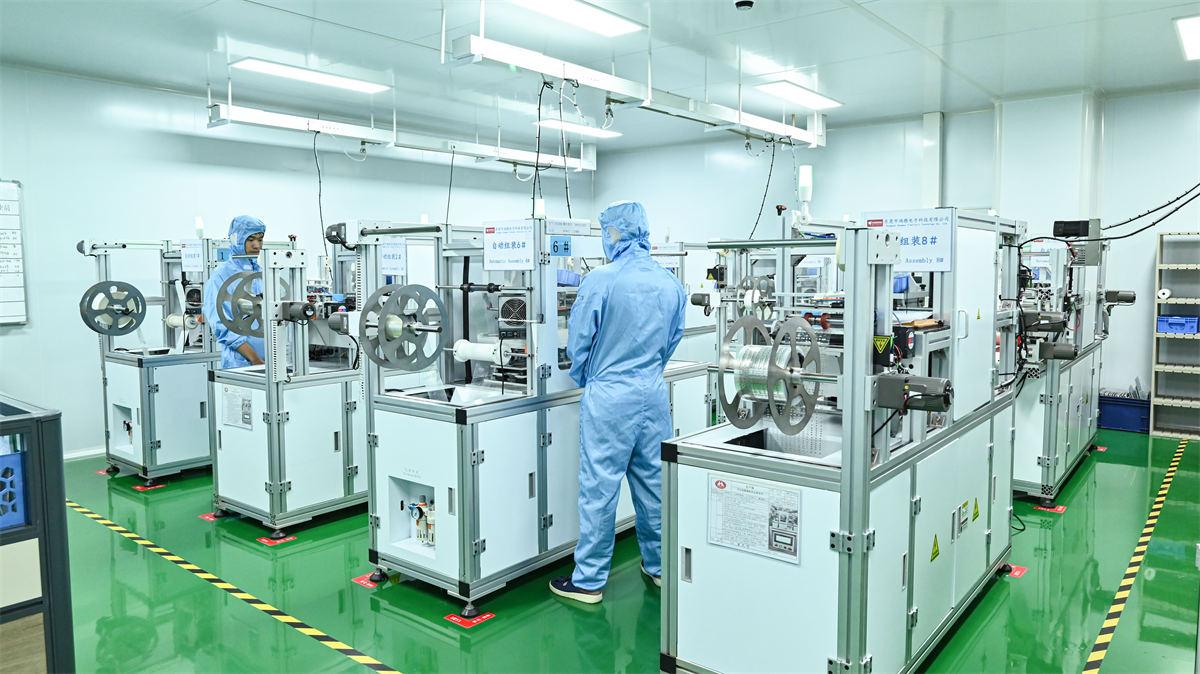
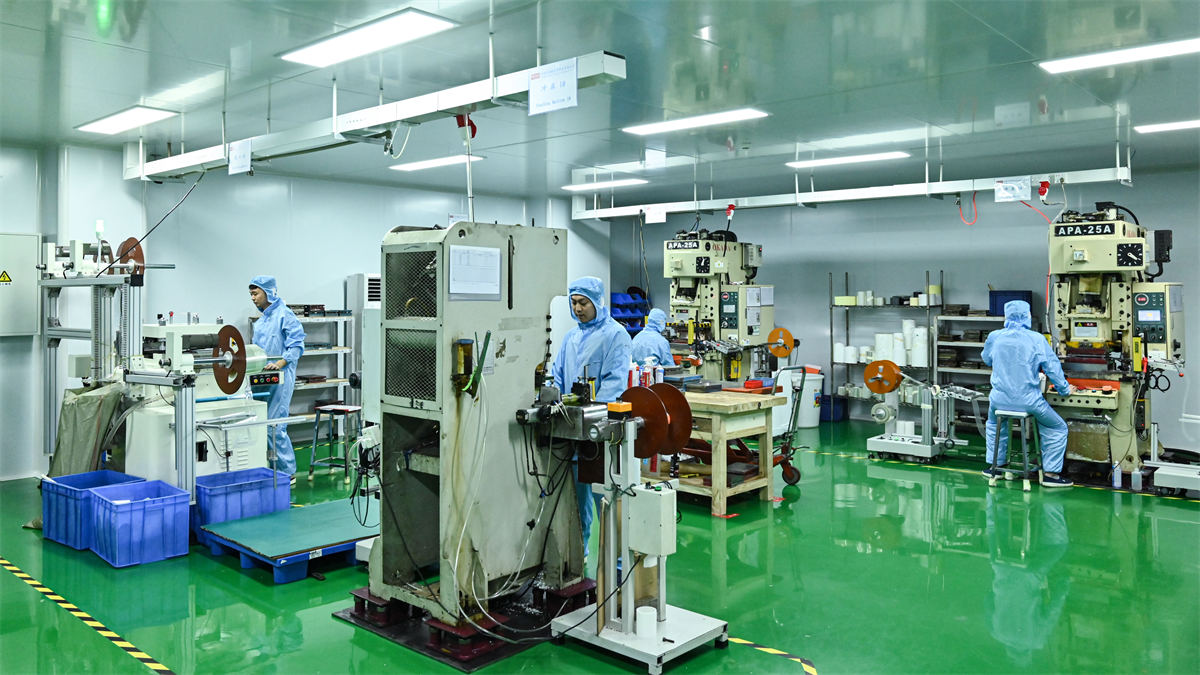
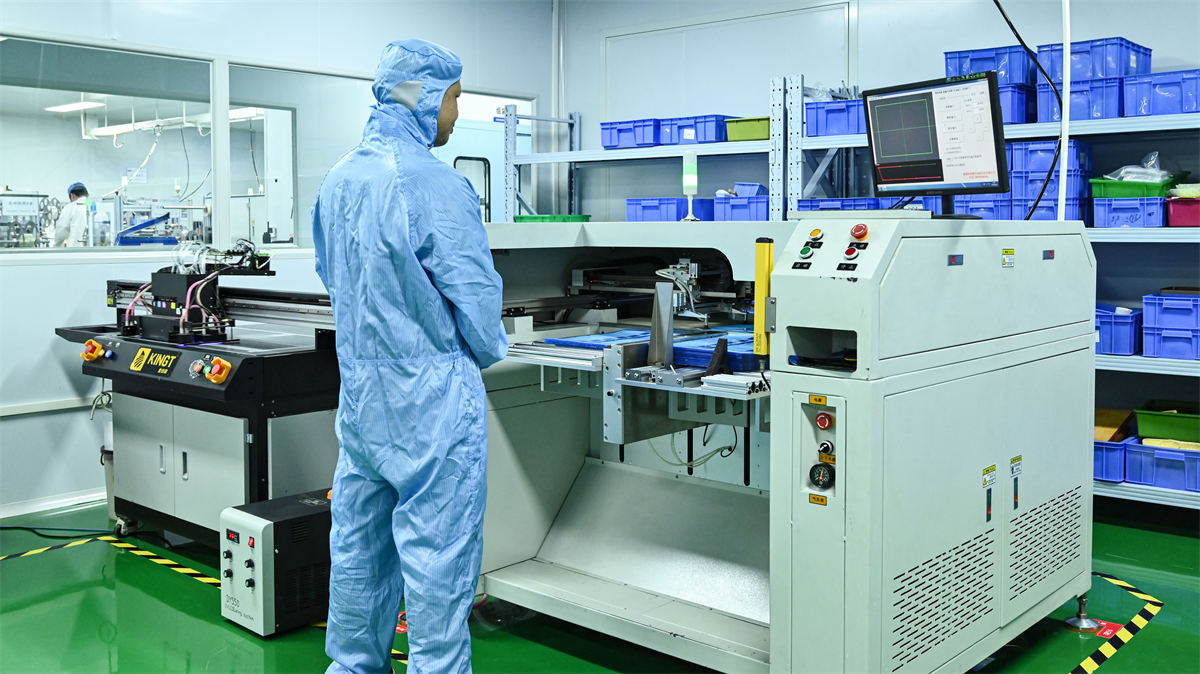
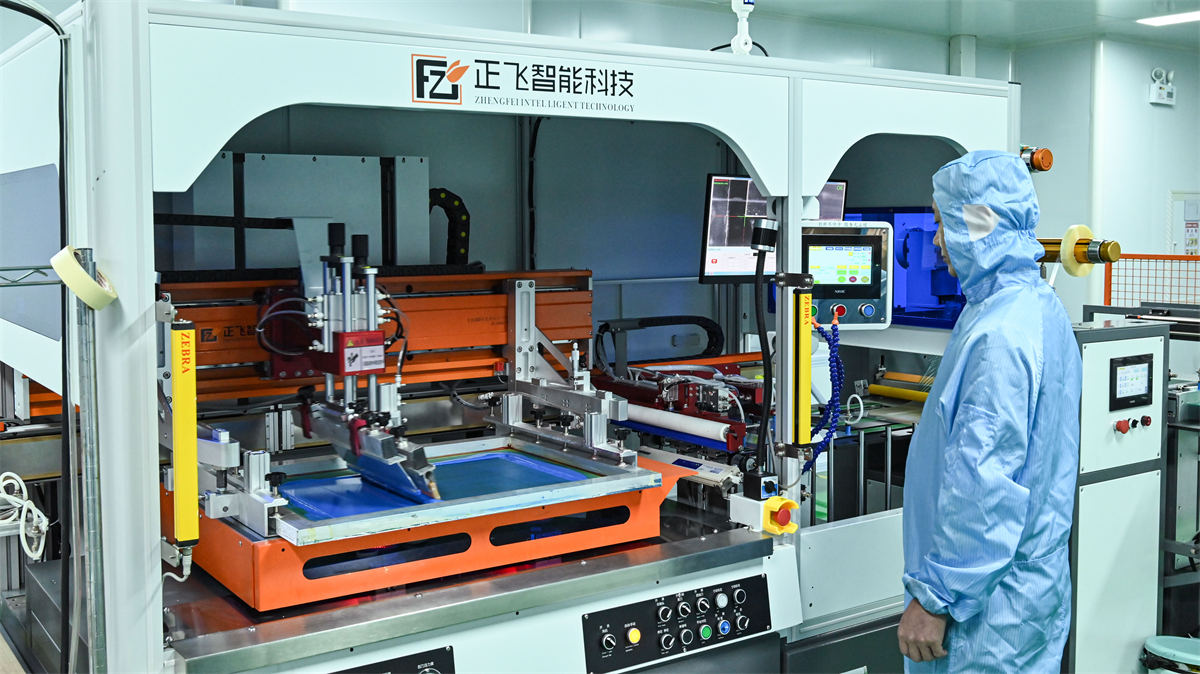
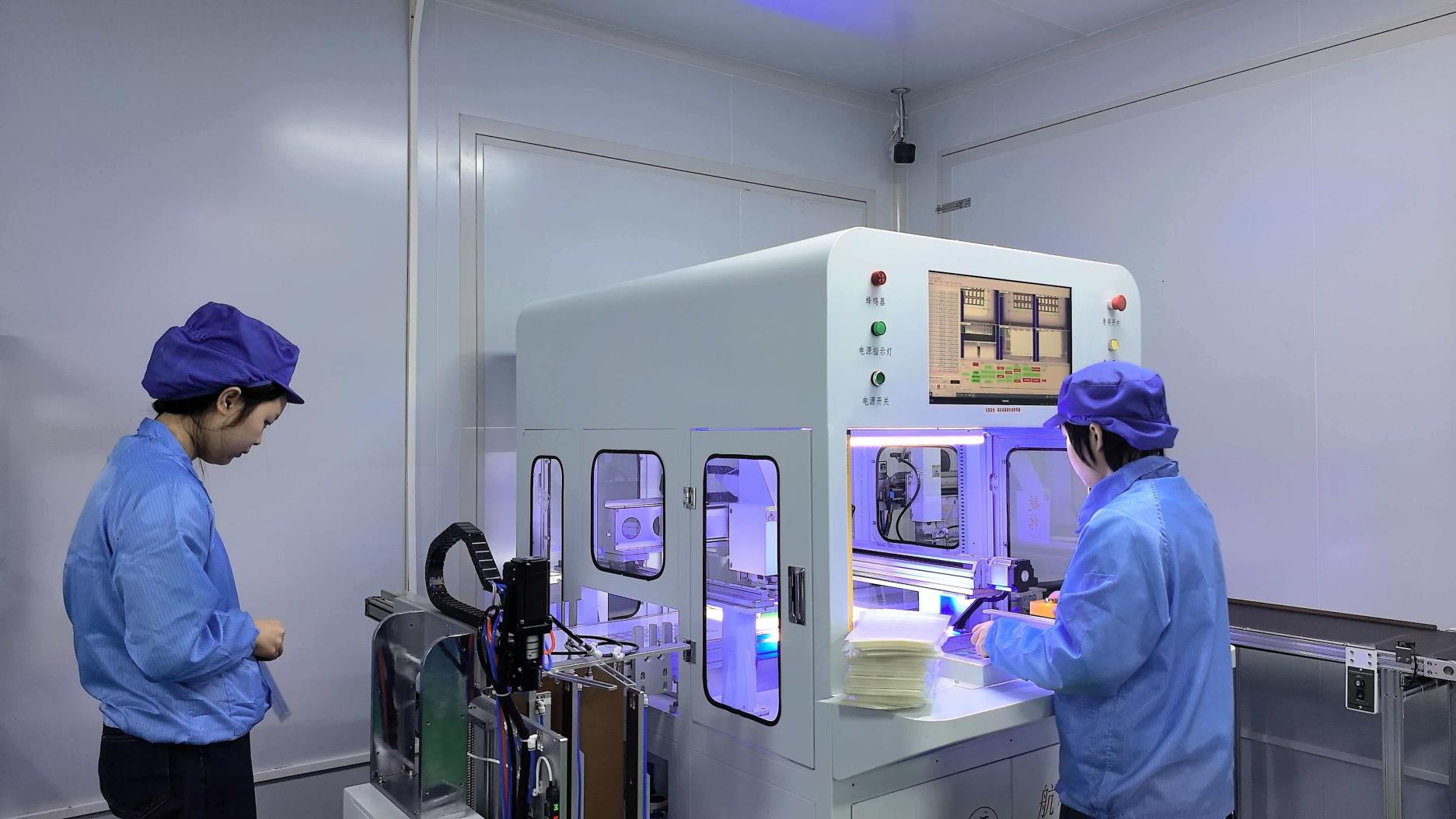
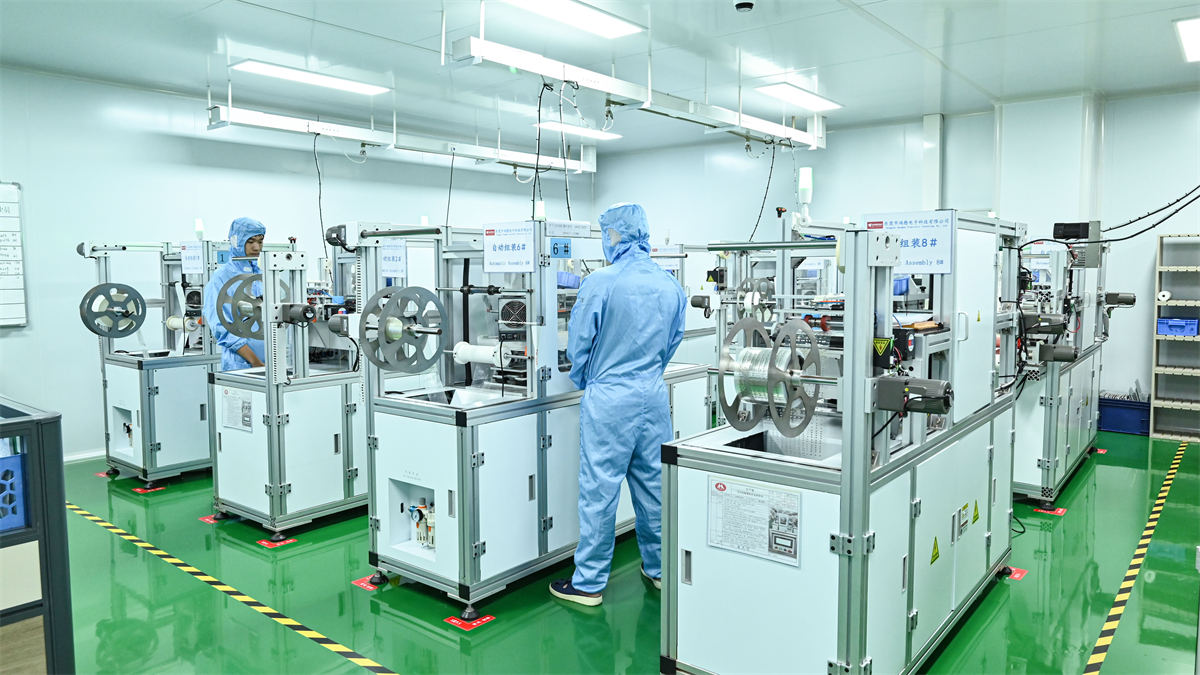
Founded in March 2009 in Dongguan, Guangdong, we operate a fully integrated 2,600㎡ manufacturing plant equipped with state-of-the-art screen printing, laser profiling, and automated assembly machinery.

Operating under an ISO 9001 certified quality management system and verified on-site by the world-renowned SGS Group, Dongguan Cevra Electronic Technology Co., Ltd. has accumulated over 16 years of specialized engineering expertise in custom membrane switches, polycarbonate membrane panels, metal domes, and precision die-cut components. We maintain dedicated dust-controlled cleanrooms, automated roll-to-roll and semi-automatic flatbed silk-screen printing lines, high-speed CCD drilling machines, and fully automated multi-layer laminators.

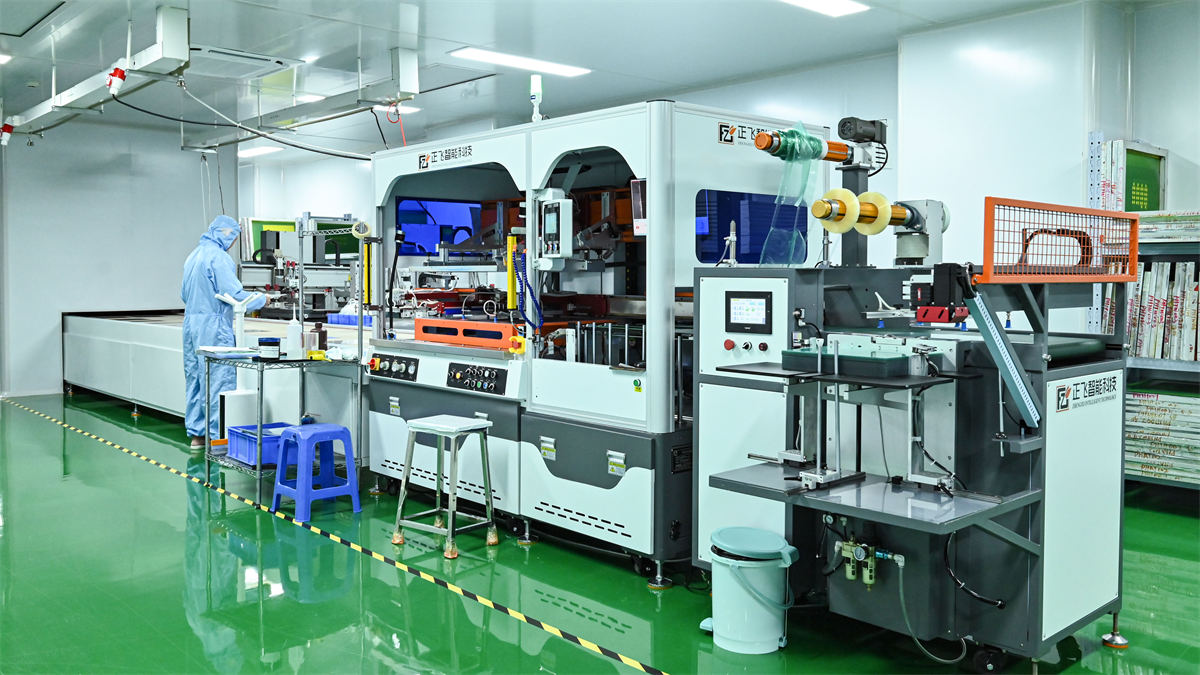
Precision Screen Printing Line at Cevra
Precision Screen Printing
Automated Graphic Printing Line
Automated Printing Line
High-Speed Laser Cutting Machine
High-Precision Laser Cutting
CCD Target Drilling Machine
Fully Automatic Laminating Machine
Auto Multi-Layer Lamination
Automatic Assembly Workshop
Automatic Switch Assembly
Automatic Dome Placement Machine
Metal Dome Assembly Line
Heavy-Duty Precision Punching Machine
Precision Punching Machine
Zero-Defect Quality Assurance

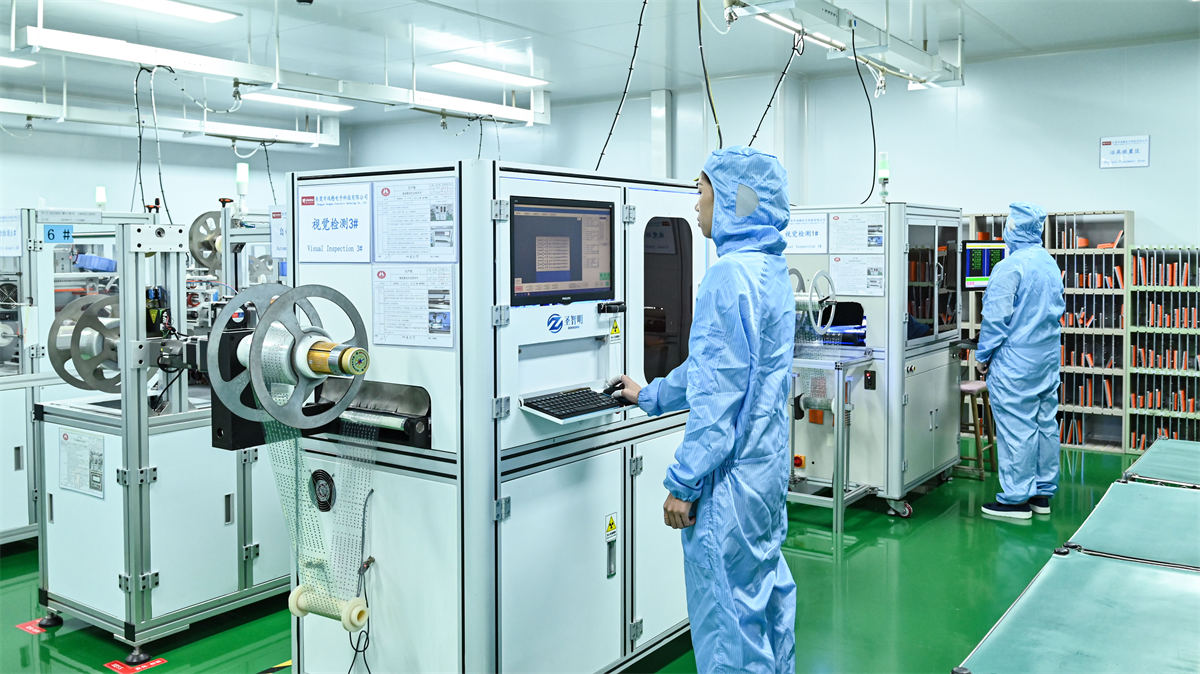
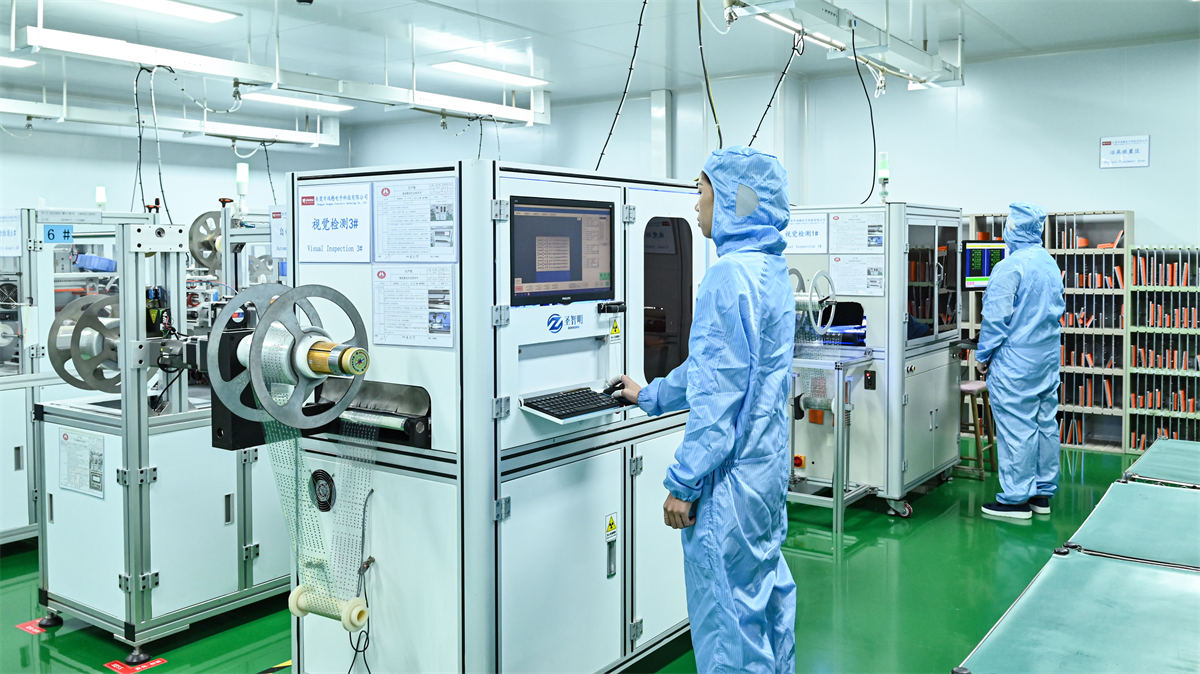
In-House Reliability Testing Laboratory

Every lot of polycarbonate membrane panels undergoes comprehensive physical, thermal, chemical, and electrical testing to guarantee field resilience.

CCD Optical Inspection Machine CCD Vision Inspection
Electrical Circuit Continuity Tester Electrical Circuit Testing
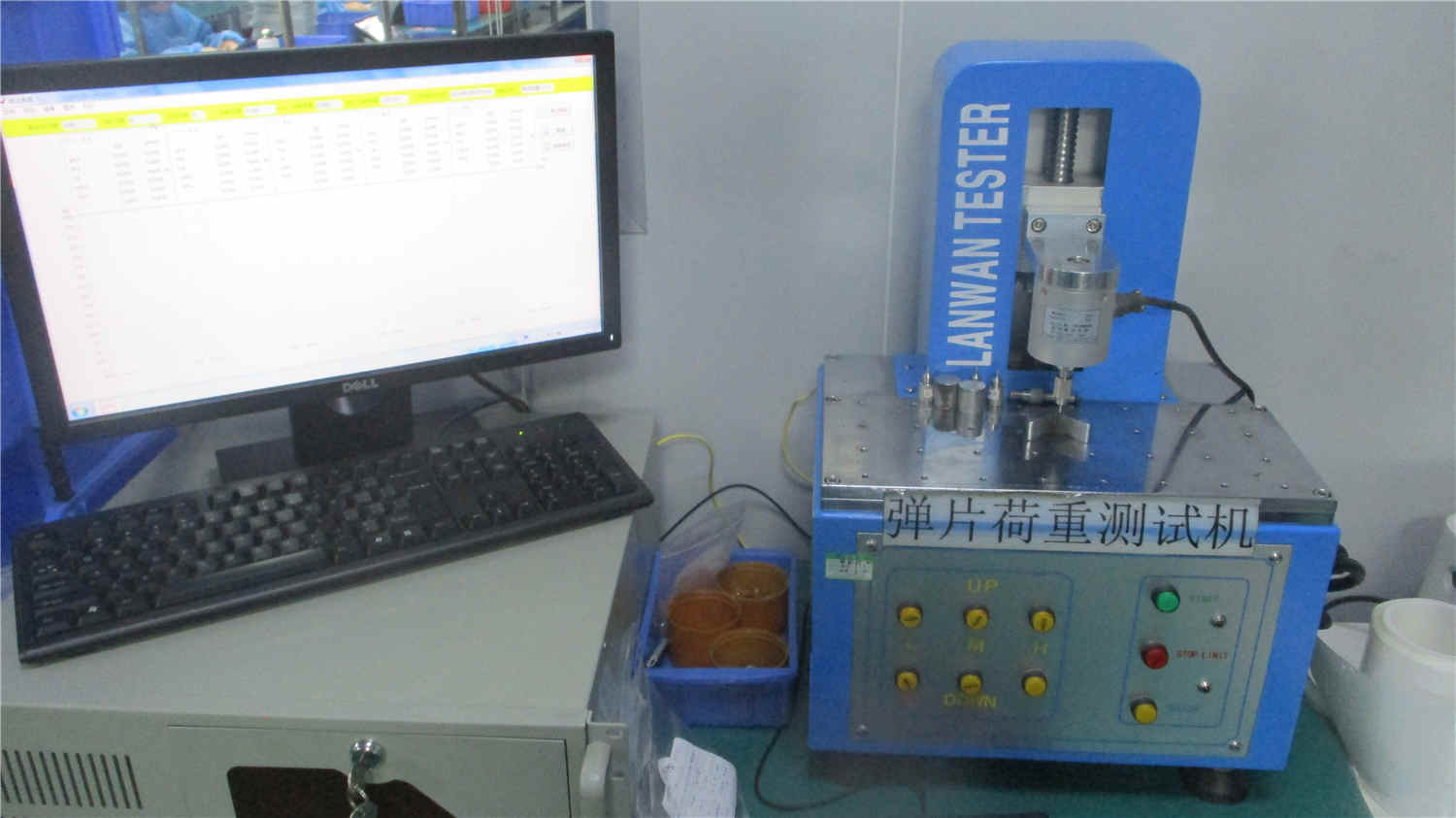
Metal Dome Actuation Load Tester Key Load & Force Tester
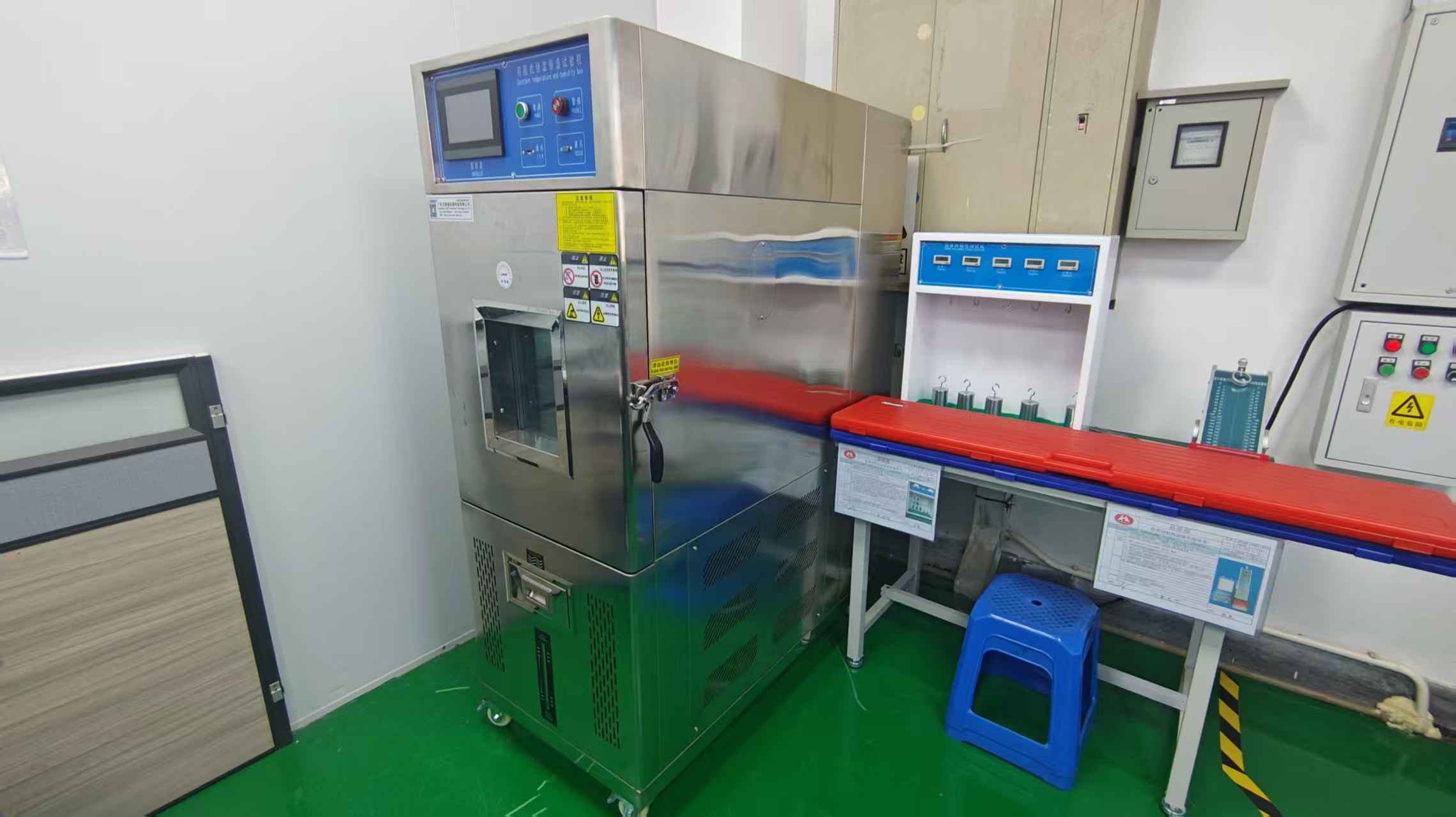
High and Low Temperature Environmental Cabinet High & Low Temp Chamber
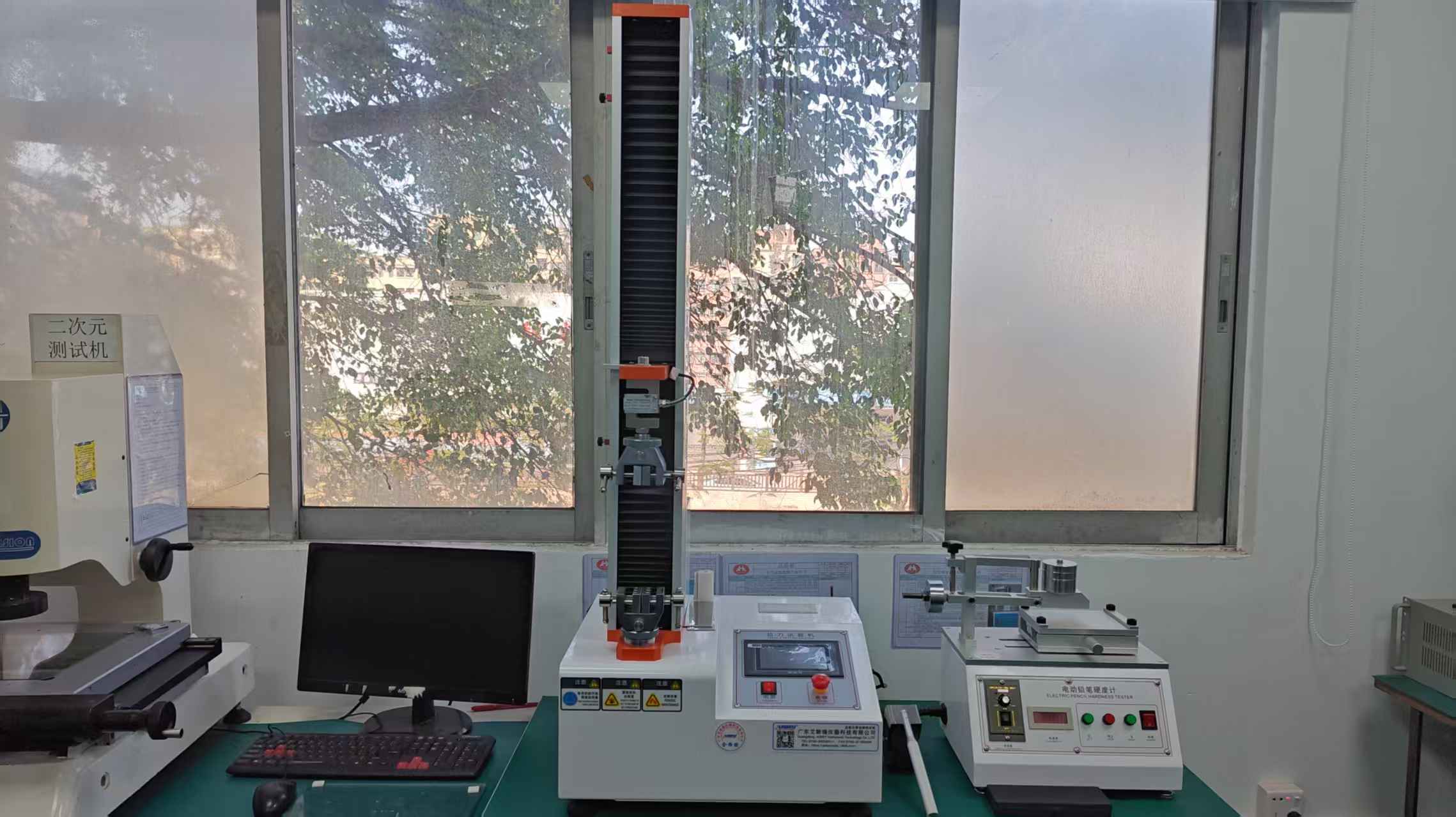
Peel Tension Tester Adhesive Peel Tension Tester
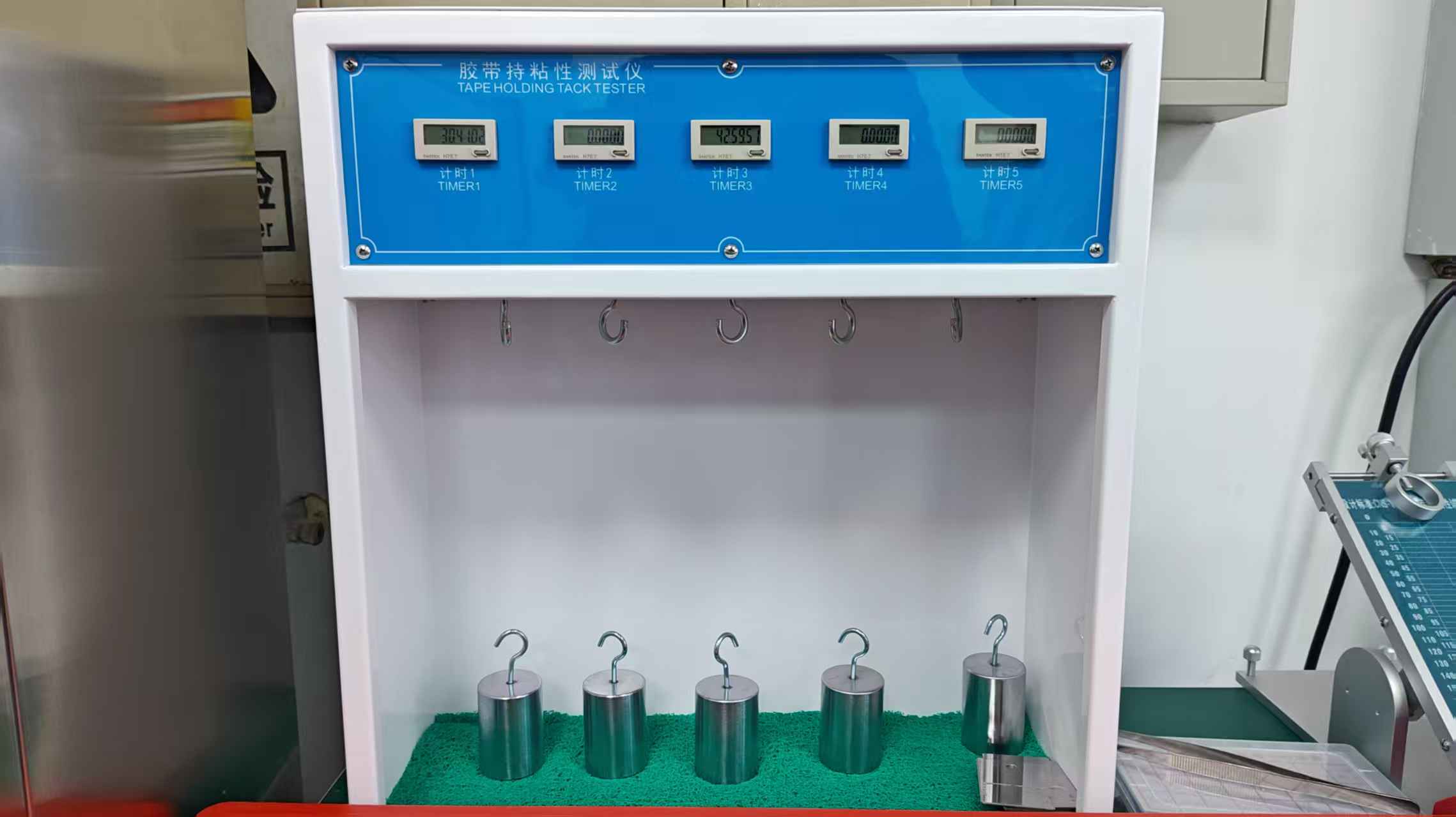
Holding Tack Tester Holding Tack Tester
Electric Pencil Hardness Tester Pencil Hardness Tester
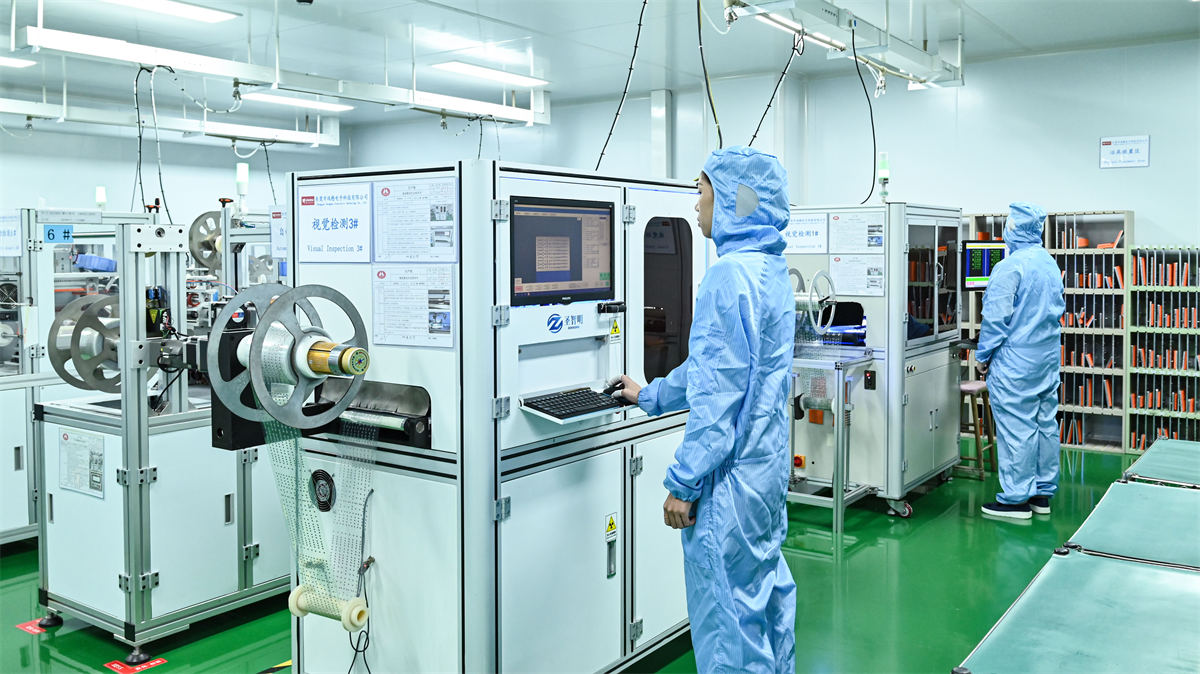
Visual Inspection Instrument Visual Inspection Instrument
Sourcing & Engineering FAQ

Frequently Asked Questions by Global Buyers on Polycarbonate Membrane Panels

Clear, direct engineering answers compiled from thousands of B2B procurement inquiries.

1. When should an engineer specify a Polycarbonate Membrane Panel instead of Polyester (PET)?

Polycarbonate (PC) is the premier choice when your application demands: (1) Superior optical clarity (>90% transmission) for display windows and LED indicators without optical haze; (2) High impact strength and shatter resistance under heavy mechanical abuse; (3) Complex 3D thermoforming or deep perimeter embossing; and (4) High flammability ratings conforming to UL94 V-0 or V-2 standards.

Polyester (PET), by contrast, is specified when the switch actuation requires millions of repetitive flex cycles (such as medical keypads actuated 5+ million times) or continuous exposure to aggressive solvent chemicals like MEK, acetone, or gasoline. Many advanced OEM assemblies utilize a hybrid design: a polycarbonate graphic front overlay laminated over a polyester flexible circuit.

2. What surface textures, thicknesses, and finishes can be customized on PC panels?

We stock high-grade polycarbonate film ranging in thickness from 0.125mm (0.005"), 0.175mm (0.007"), 0.25mm (0.010"), 0.38mm (0.015"), up to 0.50mm - 1.0mm for rigid front bezels. Available surface textures include:

  • Velvet / Matte (e.g., Lexan 8B35): Hides surface scratches, diffuses ambient glare, and resists finger smudges.
  • Brushed / Suede Finish: Delivers an upscale metallic look for high-end consumer appliances and audio equipment.
  • Selective Gloss / Optical Clear: High-transmission display windows created via selective UV flood coating on matte film or vice-versa.
  • Hard-Coated (Anti-Scratch): Cured with protective polysiloxane topcoats offering 2H to 3H pencil scratch resistance.
3. How does Dongguan Cevra prevent display window scratching and Newton rings?

To eliminate Newton rings (the rainbow interference fringes created when two smooth transparent optical surfaces make uneven microscopic contact), we apply an anti-Newton ring micro-texture treatment to the rear surface of the clear LCD/OLED display window. Furthermore, we apply optical clear protective mask films during die-cutting and shipping to prevent hairline scratches during assembly handling.

4. Which pressure-sensitive adhesive (PSA) is recommended for our housing substrate?

Adhesive failure is catastrophic for membrane panels. Dongguan Cevra Electronic Technology Co., Ltd. specifies authentic 3M laminating adhesives engineered for specific surface energy (dynes/cm) environments:

  • 3M 467MP (2.0 mil): High-shear 200MP acrylic adhesive for smooth metal, aluminum, and high-surface-energy (HSE) plastic enclosures.
  • 3M 468MP (5.0 mil): Thicker adhesive layer designed to bridge slight gaps and surface roughness on cast aluminum or painted housings.
  • 3M 300LSE / 9472LE: High-strength acrylic adhesive engineered specifically for low-surface-energy (LSE) plastics such as polypropylene (PP), polyethylene (PE), and powder-coated textured metal cabinets.
5. What are the typical lead times, minimum order quantities (MOQs), and engineering file requirements?

For custom prototypes, lead times typically range from 5 to 7 business days following artwork proof sign-off. High-volume mass production generally completes within 10 to 15 business days. Our MOQs are highly accessible: starting from just 10 to 50 pieces for prototype evaluation, and ramping to hundreds of thousands of units for production.

We accept CAD drawing files in .DXF, .DWG, or .STEP format for mechanical dimensional profiles, and Adobe Illustrator (.AI), .PDF, or CorelDraw files with embedded Pantone (PMS) or RAL color specifications for graphic printing.

6. How does Cevra verify environmental and electrical reliability before shipment?

Every production batch is tested in our Dongguan laboratory against rigorous parameters: 100% open/short electrical continuity testing, CCD optical dimensional verification, contact bounce and dome snap ratio verification on our Fragment Load Tester, holding tack peel strength tests, and thermal cycling in our -40°C to +125°C High/Low Temperature Test Cabinet.

Direct Factory Collaboration

Ready to Engineer Your Custom Polycarbonate Membrane Panel?

Contact the engineering team at Dongguan Cevra Electronic Technology Co., Ltd. Get expert advice on material stack-ups, surface textures, embossing geometries, and custom tooling economics. Email us at [email protected] or initiate an instant inquiry below.

Direct Engineering Contact
Inquire Now