Curated Tactile Interface Assemblies for Graz OEMs
Tested rigorously under dynamic mechanical strain, dielectric breakdown tests, and cyclic environmental aging, these 8 configurations represent our primary supply lines to European technology hubs.
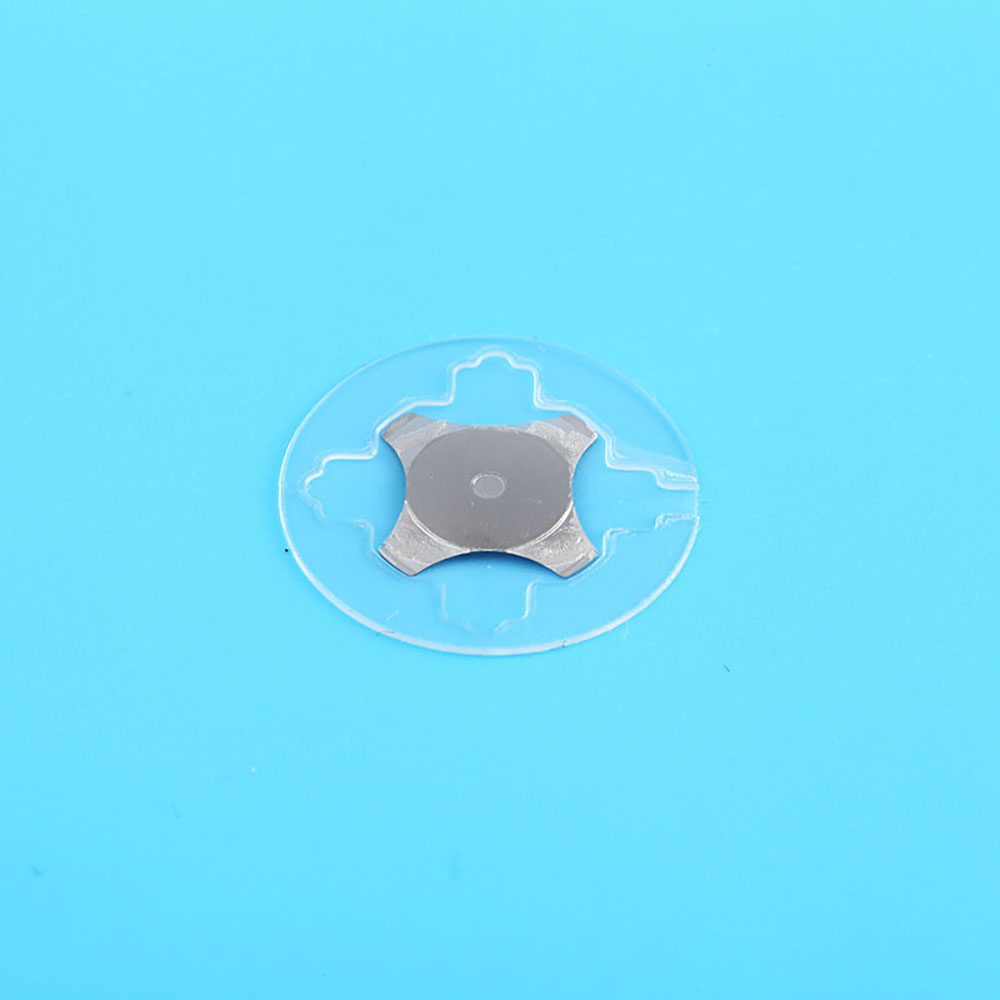
Single-Layer PET Adhesive Metal Dome Array
Engineered with pressure-stabilized acrylic adhesive and cross-form snap domes. Ideal for rapid placement on high-density instrumentation PCBs.
Technical Specs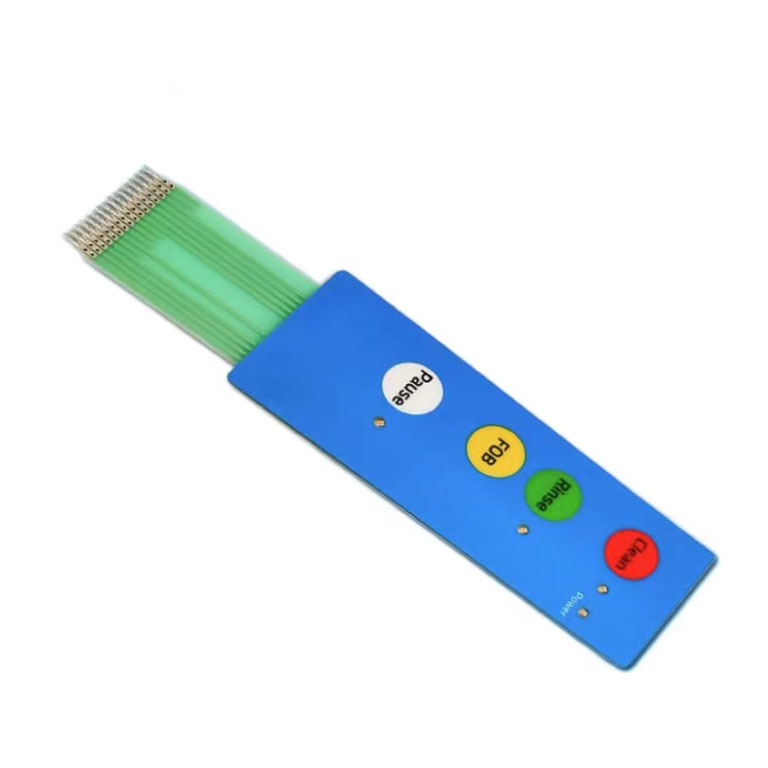
Waterproof Button Film Circuit Membrane Switch
Multi-barrier perimeter gasket sealing protects internal traces against fluid contamination, making it suitable for field equipment and rugged consumer devices.
Technical Specs
SMT Cross 4-Legged Poly Metal Dome in Reel
Tape-and-reel packaged tactile stainless domes engineered for automated high-speed surface-mount technology (SMT) pick-and-place lines.
Technical Specs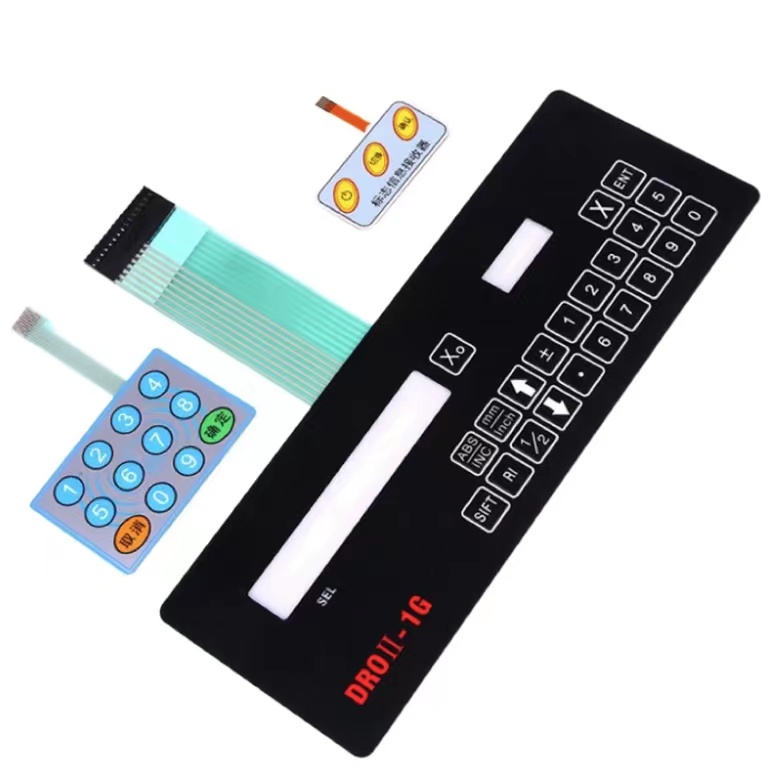
Custom Fine-Embossed Graphic Overlay Keyboard
Reverse-printed Autotex PET and Lexan PC panels offering exceptional abrasion, UV, and aggressive solvent resistance for heavy shop floors.
Technical Specs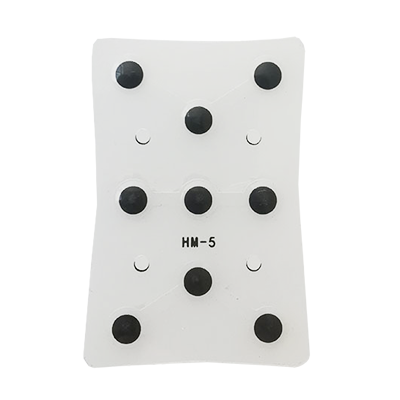
LGF Backlit Membrane Keypad with Metal Dome
Ultra-thin Light Guide Film (LGF) layer coupled with side-firing LEDs, guaranteeing balanced, low-power luminance across all keys.
Technical Specs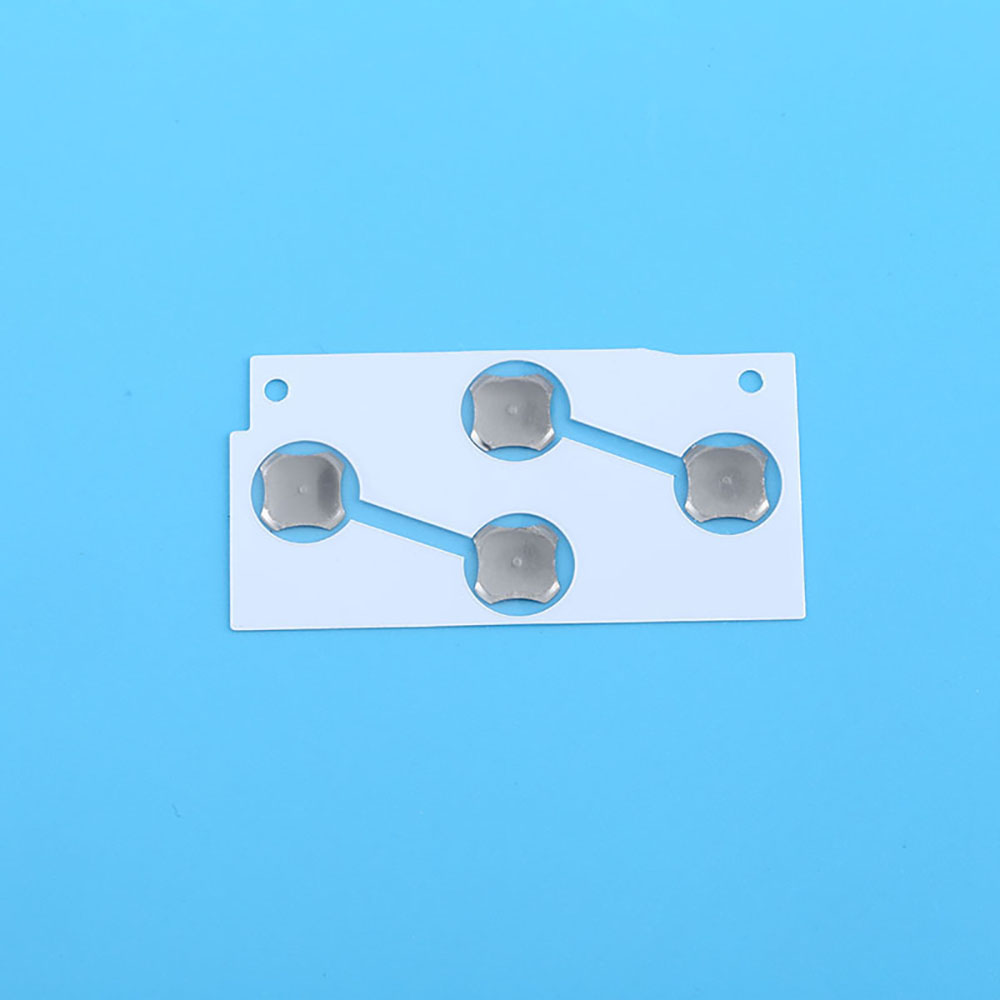
Customized Multi-Key Tactile Metal Dome Array
Configurable actuation travel (0.3mm - 0.6mm) and customized actuation loads (180g to 450g) mounted on non-conductive spacer sheets.
Technical Specs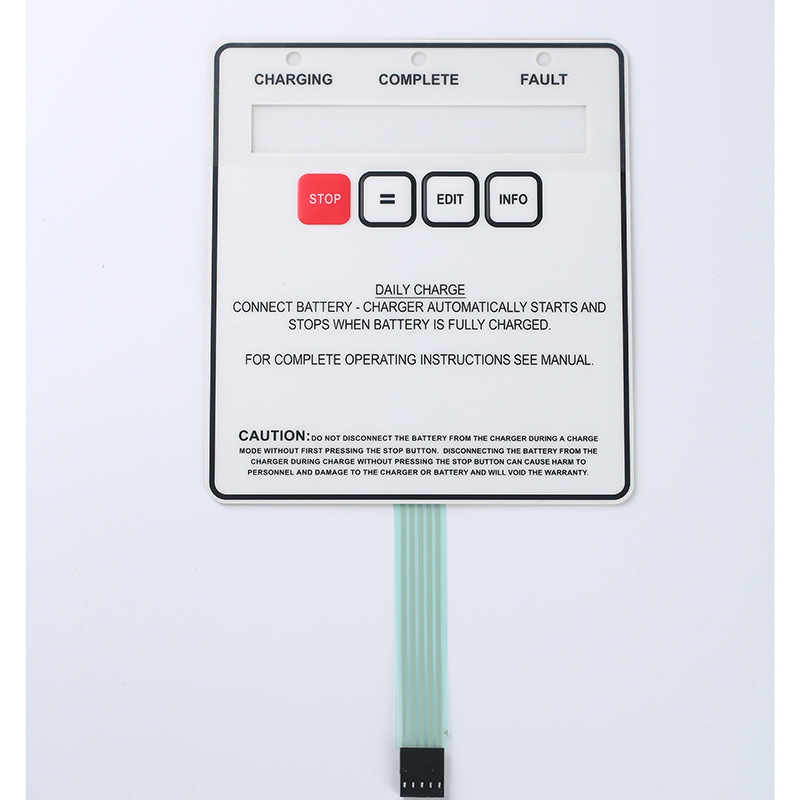
Medical-Grade Sealed Membrane Control Panel
IP67 ingress rating certified for sterilization washes, antimicrobial surface treatment, and zero false-trigger electrical resistance profiles.
Technical Specs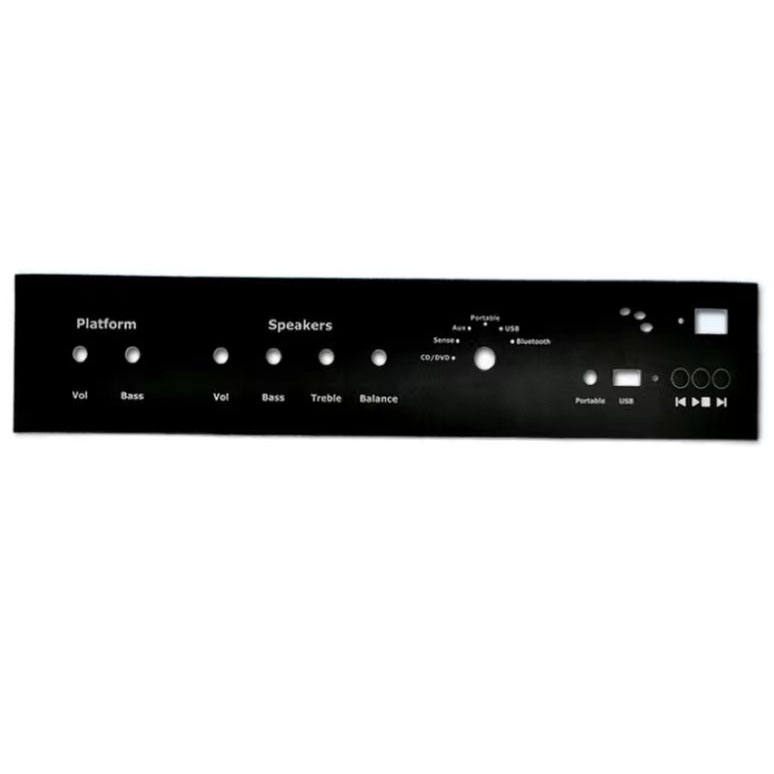
Integrated Appliance Capacitive Touch Membrane
Hybrid interface integrating tactile metallic snap clickers alongside solid-state capacitive sliders, designed for smart appliances and test benches.
Technical SpecsYears Precision HMI Experience
Class 1,000 & 10,000 Cleanrooms
Batch Defect Rate via CCD Inspection
Actuation Life Cycles per Dome
Engineering Metal Dome Switches for the Industrial Ecosystem of Graz
Graz stands as the capital of Styria (Steiermark), a region globally recognized for its concentrated high-tech automotive engineering cluster (ACstyria), high-precision medical technology, and smart automation manufacturing. For industrial hardware developers in Graz, Gösting, and the broader Mur valley industrial zone, human-machine interfaces (HMI) must endure severe operating conditions: intense vibrations, exposure to cutting fluids and hydrocarbons, stringent hospital disinfectants, and extreme thermal swings typical of Alpine manufacturing setups.
Sourcing metal dome switches and membrane overlays from an ISO 9001 certified Chinese factory bridge the critical trade-off between strict technical precision and volume cost efficiency. Unlike pure capacitive touch panels which fail when operated with heavy leather work gloves or in fluid-splattered automotive assembly lines, stainless steel metal domes provide distinct mechanical tactile feedback. This crisp sensation—actuating precisely at specific gram forces (from 220g to 450g)—prevents operator input errors across demanding assembly lines and specialized testing chambers.
Automotive Testing & E-Mobility
Styria is home to world-class automotive tier-one designers and battery development facilities. Metal dome arrays deployed in off-highway test kits, dynamometer controllers, and EV diagnostic consoles demand gold-plated stainless steel contacts to maintain ultra-low contact resistance (<1Ω) despite ambient vibration.
MedTech & Laboratory In Vitro Diagnostics
Medical manufacturers around Graz require control interfaces certified against isopropyl alcohol, glutaraldehyde, and hospital detergents. Our Autotex AM (antimicrobial) overlays and IP67 perimeter-vented dome matrices guarantee hermetic isolation of internal microcircuits without membrane ballooning.
Heavy Machinery & Automation Panels
Pulp, paper, and advanced metallurgical machinery manufactured in Styria rely on rugged control panels. Polycarbonate and thermally formed polyester overlays withstand mechanical tool impacts, while high-trip-force 4-legged snap domes offer unequivocal feedback even through thick safety gloves.
Technological Evolution & Future Trends in Graz's Manufacturing Landscape
The industrial paradigm in southern Austria is rapidly evolving toward Industry 4.0 and green transition equipment. Consequently, the specifications for discrete HMI switch components are becoming substantially more complex. Engineers are moving away from thick, bulky electromechanical pushbuttons toward integrated, low-profile flex-circuit assemblies.
| Technological Vector | Traditional Mechanical Assemblies | Cevra High-Spec Metal Dome Membrane Matrix | Direct Strategic Benefit to Graz OEMs |
|---|---|---|---|
| Profile Thickness | 15.0 mm – 35.0 mm depth | 0.8 mm – 1.8 mm ultra-thin profile | Drastic reduction of enclosure space in handheld diagnostics |
| Tactile Durability | 100,000 – 300,000 actuations | 1,000,000 – 5,000,000 actuations | Extended mean time between failures (MTBF) under shop conditions |
| Ingress Barrier | IP40 – IP54 (requires external rubber boots) | Hermetic IP65 to IP67 surface sealing | Immunity to coolant sprays, metal dust, and chemical sterilization |
| Backlighting Uniformity | Bulky point-source incandescent/LEDs | 0.125mm Light Guide Film (LGF) dispersion | Even night illumination with 70% lower DC current demand |
Key technical shifts observable in regional RFQs include the replacement of conventional silver-printed flexible PET traces with Polyimide Flexible Printed Circuits (FPC) when micro-pitch connectors (0.5mm ZIF) or SMT LEDs are tightly integrated into the membrane stack. This guarantees zero circuit fatigue failure across harsh, continuous thermal cycling ranges from -40°C up to +85°C.
Why Graz Procurement Teams Choose Cevra Direct
We are a verified original equipment manufacturer (OEM/ODM) established in March 2009 in Dongguan, China. By keeping every step in-house, we eliminate trading layer markups and communication gaps.
ISO 9001 & SGS Audited
Our 2,600㎡ manufacturing operations are authenticated via on-site SGS Group audits. Every raw material roll is systematically traced with internal lot documentation.
100% Comprehensive Testing
We do not rely on spot checks. Dome arrays undergo mechanical trip-force testing, insulation resistance verification (>100MΩ at 100V DC), and automated optical CCD checks.
Advanced Tooling & Prototyping
Equipped with precision laser cutters and CCD registration punchers, our engineering desk can turn around rapid functional prototypes for Austrian projects in as little as 5 to 7 working days.
Premium Materials Portfolio
We stock authentic 3M high-performance adhesives (3M 467MP, 468MP, 3M 300LSE), MacDermid Autotex PET, and Japanese SUS301 stainless steel domes.
Seamless Cross-Border Logistics
Door-to-door DDP air cargo solutions directly to your facilities in Graz, Graz-Umgebung, or Vienna, handling all Austrian import duties, customs compliance, and tariff paperwork.
Direct Engineering Support
Work directly with our HMI CAD engineers for layer stack-up optimization, DFM analysis, and tactile feeling tuning, preventing costly downstream tooling revisions.
Frequently Asked Questions by Austrian Engineers & Purchasers
Clear, direct answers regarding specifications, import compliance, and engineering collaboration.
What engineering files are required to supply a formal quote and DFM report?
To deliver an actionable proposal, our engineering team requires vector artwork (Adobe Illustrator .AI, CorelDraw .CDR, or vector .PDF) showing graphic legends and Pantone/RAL color codes, alongside mechanical 2D/3D CAD drawings (.DXF, .DWG, or .STEP) indicating perimeter dimensions, embossed key profiles, tail exit coordinates, and pinout schematics. If you have a specific tactile preference, specify snap force (e.g., 280g ± 30g) and tail connector pitch (e.g., 2.54mm female Berg, 1.0mm ZIF, or bare FPC traces).
How do you ensure ingress protection (IP65 / IP67) against industrial fluids?
Industrial machinery deployed across Graz machine shops frequently encounters cutting fluid sprays. We achieve continuous IP67 sealing by designing an unbroken perimeter adhesive gasket ring (typically using high-cohesion 3M 300LSE or 200MP laminating adhesives) positioned outward of the key matrix. Furthermore, pressure equalization channels are routed through internal spacer layers and vented through a breathable, hydrophobic Gore membrane patch on the rear tail area, preventing moisture ingress while avoiding key swelling caused by thermal variations.
Can our prototypes use nickel or gold-plated domes, and which is better for our application?
Both plating variants are available. For general industrial automation with active drive voltages (>5V) and switch currents around 10mA to 20mA, standard nickel-plated stainless steel (SUS301) domes provide outstanding longevity and reliable anti-oxidation at lower cost. For low-voltage dry circuits (<3.3V logic lines, microcontrollers) or high-frequency vibration environments common in automotive testing, we strongly specify 24K gold-plated domes to eliminate fretting corrosion and maintain contact resistance consistently below 0.5 ohms.
What are the lead times and shipping logistics from Dongguan to Graz?
For custom membrane switch prototypes (including custom cutting dies and silkscreen printing setups), standard turnaround is 5 to 8 working days. Pilot runs and volume production typically complete within 12 to 18 working days depending on complexity (such as integrated SMT components or LGF layers). We ship directly to Graz Airport (GRZ) or via express couriers (DHL Express, FedEx, UPS) directly to your factory dock within 3 to 5 transit days, with full customs clearance and DDP options available.
Are your products compliant with EU environmental and product safety regulations?
Yes. All assemblies delivered to the European Union strictly comply with EU Directive 2011/65/EU (RoHS 2.0) and Regulation (EC) No 1907/2006 (REACH). We do not incorporate SVHC (Substances of Very High Concern) into our screen inks, plastic carriers, or pressure-sensitive adhesives. Full chemical declaration sheets, SGS laboratory reports, and Certificates of Conformance (CoC) accompany every manufacturing lot upon dispatch.