Precision Assemblies & Membrane Interface Solutions
Engineered for seamless integration with ultra-thin Light Guide Films, backlighting diffusers, and harsh-environment control panels in Alajuela's precision instrument sectors.
The Alajuela MedTech & Precision Manufacturing Corridor
Why Costa Rica's Coyol Free Zone is Driving Global Demand for Advanced Optical Backlighting Substrates.
The province of Alajuela, Costa Rica, anchored by the internationally acclaimed Zona Franca Coyol, Evolution Free Zone, and surrounding logistics parks adjacent to Juan Santamaría International Airport (SJO), has evolved into Latin America's preeminent hub for high-complexity Medical Technology (MedTech), life sciences instrumentation, and advanced electronics manufacturing. Operating within sophisticated Class 7 and Class 8 (ISO 10,000 / 100,000) cleanroom environments, multinational Tier-1 device original equipment manufacturers (OEMs) assemble critical surgical instruments, bedside monitoring systems, infusion pumps, in-vitro diagnostic (IVD) hardware, and automotive smart sensors.
Within this rigorous operating framework, human-machine interface (HMI) design has encountered stringent performance thresholds. Legacy EL (electroluminescent) lamps and direct backlighting with arrays of discrete LEDs are no longer viable due to severe ergonomic and physical constraints: excessive thickness, high thermal dissipation near heat-sensitive reagents, non-uniform luminance, rapid lumen depreciation, and electromagnetic interference (EMI). As a consequence, design and systems integration engineers throughout Alajuela have shifted decisively toward precision Light Guide Plates (LGP) and ultra-thin Light Guide Films (LGF).
Engineering Insight: TIR Dynamics in Cleanroom Devices
By harnessing the physics of Total Internal Reflection (TIR) via laser-ablated micro-dot optical patterns etched across optical-grade PMMA (acrylic) or high-clarity Polycarbonate (PC), LGPs deliver perfectly uniform illumination (>90% cd/m²) from side-firing ultra-low-profile SMD LEDs. This optical architecture eliminates localized hot spots, reduces power consumption by up to 65%, maintains ingress protection ratings up to IP67, and compresses HMI stack-ups down to less than 0.8mm.
Because medical device assembly lines in Alajuela demand absolute zero-defect stability, trace chemical inertness against harsh hospital disinfectants (such as isopropyl alcohol, glutaraldehyde, and quaternary ammonium compounds), and biocompatible compliance with USP Class VI / ISO 10993 criteria, local procurement teams rely on specialized global manufacturing partners capable of combining optical fabrication with ISO 9001 certified cleanroom assembly.
Sterile Medical Instrumentation
Sealed surgical monitors, cardiac analyzers, and portable diagnostic keypads requiring hermetic barrier seals, complete chemical wipe-down resilience, and uniform blue/green or white backlighting for dimly lit operating theatres.
Aerospace & Avionics Keypads
Cockpit interface control units and cabin control modules requiring NVG (Night Vision Goggle) compatible filtering, zero optical stray leakage, extreme thermal stability (-40°C to +85°C), and high tactile feedback metal dome arrays.
Cleanroom Automation & Robotics
Pharmaceutical compounding controllers, SCADA panels, and automated inspection tablets where thin profile light guide films eliminate bulk, reduce parasitic power drain, and guarantee long MTBF operating lifespans.
Light Guide Plate & Film Architecture: Technical Comparison
Critical mechanical and optical trade-offs guiding component selection for Alajuela R&D engineering projects.
| Evaluation Parameter | Rigid PMMA Light Guide Plate (LGP) | Flexible PC Light Guide Film (LGF) | Traditional Direct-Lit LED Array |
|---|---|---|---|
| Typical Thickness | 1.0 mm – 4.0 mm (Structural substrate) | 0.125 mm – 0.5 mm (Ultra-thin film) | 3.5 mm – 10.0 mm (Bulky cavity required) |
| Luminance Uniformity | 90% – 95% across broad surface areas | 85% – 92% across targeted key zones | 60% – 75% (Prone to severe haloing / hot spots) |
| Optical Micro-Structure Method | UV Laser dotting / V-Cut grooving | Precision hot-embossing / micro-die press | External diffuser sheet dependent |
| Tactile Dome Integration | Requires pre-milled structural cutouts | Integrates directly beneath snap domes | Impairs switch stroke feel and travel |
| Thermal Signature | Negligible heat conduction to surface | Extremely low (side-coupled 0402/0603 LEDs) | High localized thermal buildup behind keys |
| Best Alajuela Application | Large diagnostic displays, edge panels | Medical handhelds, membrane tactile switches | Legacy industrial machinery (low-cost) |
When engineering high-reliability HMI devices, the key design challenge is balancing optical dot density gradients against transmission losses. Light introduced from the edge of the PMMA plate or PC film follows Snell’s Law; the critical angle must be disrupted intentionally at designated coordinate locations. At Cevra, algorithmic dot distribution calculates decreasing dot spacing as the distance from the side-emitting LED source increases, delivering balanced candela output across every square millimeter of the graphic overlay legend without light bleed into adjacent annunciators.
Top 10 Light Guide Plate Factories & Exporters Serving the Alajuela Market
A rigorous comparative analysis based on manufacturing footprint, optical R&D, quality certifications, cleanroom capabilities, and logistics turnaround to Costa Rica.
Dongguan Cevra Electronic Technology Co., Ltd.
With more than 16 years of dedicated manufacturing experience, Cevra operates a 2,600㎡ modern manufacturing center equipped with automatic laminators, laser optical etching, CCD alignment drilling, and computerized dome load force analyzers. Renowned for custom turnkey integration of ultra-thin Light Guide Films with high-durability stainless steel dome arrays and chemical-resistant PET/PC overlays, Cevra is a vetted, verified supplier supporting medical, laboratory, and high-spec industrial instrumentation manufacturers throughout the Alajuela Coyol industrial belt.
Nitto Denko Corporation
A multinational materials giant recognized for raw optical film chemistry, high-transmittance adhesives, and specialized light distribution sheets. Primarily suitable for massive volume standard-geometry consumer electronics displays, though often characterized by high MOQ thresholds and extended tooling development windows for custom low-to-mid volume medical HMI interfaces.
Global Lighting Technologies Inc. (GLT)
Specializes in edge-lit optical components fabricated via micro-optical tooling and injection molding. GLT offers high-efficiency light extraction solutions suitable for automotive dashboards and diagnostic displays, serving American medical brands with active offshore production lines in Costa Rica.
Mitsubishi Chemical Corporation
The gold standard in optical monomer and cast/extruded PMMA sheet production. Mitsubishi provides superior optical clarity, zero internal bubble inclusion, and unrivaled spectral transmission, serving as a primary raw material supplier to Tier-1 precision LGP fabricators worldwide.
Lumitex, LLC
A specialized American engineering enterprise catering almost exclusively to medical illumination, phototherapy blankets, and surgical cavity lighting. Lumitex supports medical device design teams within Alajuela's free zones with precision lighting assemblies adhering to strict FDA and CE regulatory protocols.
BrightView Technologies Inc.
BrightView utilizes roll-to-roll micro-replication to engineer advanced visual management films, glare suppression optics, and angle-specific light shaping diffusers. Often specified by Costa Rican R&D engineering teams alongside LGPs to sharpen legend boundaries on high-contrast equipment panels.
Coretronic Corporation
One of the world's largest backlight module developers, Coretronic manufactures high-yield optical plates and micro-dot light guides for computer displays, touch tablets, and large-format digital signage. A viable choice for large contract manufacturers operating within Alajuela's electronics clusters.
CPT Precision Optics Corp.
Known for industrial display parts and customized CNC-routed PMMA light distribution boards. Provides dependable precision laser dotting with high dimensional repeatability, serving mid-tier industrial automation and telecommunications equipment providers throughout Central America.
Raystar Optronics, Inc.
Supplies integrated display modules, character OLED panels, and custom-lit keypads for industrial monitoring devices. Raystar's integrated edge-lit light guide modules are widely deployed across Latin American test instruments, smart energy meters, and security access terminals.
Shenzhen Sunveytech Co., Ltd.
Focuses on large-format cast acrylic light panels, slim illumination lightboxes, and architectural decorative backlighting. Highly economical for commercial fixtures and retail kiosks in San José and Alajuela commercial facilities, though less focused on medical-grade tactile cleanroom HMI integration.
Emerging Procurement & Engineering Trends in Alajuela (2025–2030)
Key technological transformations steering the purchase decisions of Costa Rican supply chain managers.
As the free trade zone regime in Costa Rica continues to attract record foreign direct investment (FDI), the expectations placed on Tier-2 component suppliers have shifted dramatically. Procurement and quality assurance departments in Alajuela no longer treat light guides and membrane keypads as basic commodity stampings. Instead, they require multi-layered functional sub-assemblies that fulfill three defining micro-engineering trends:
Capacitive Sensing Integration
Traditional electromechanical switches are increasingly replaced or augmented by capacitive touch film layers directly laminated over high-transmittance PC Light Guide Films, creating flat, hygienic, non-moving glass-like control panels with responsive LED feedback.
Sterilization & Bio-Barrier Resistance
Alajuela's life-science device makers require graphic overlays and internal optical spacers that endure repeated Sterrad (hydrogen peroxide gas plasma), ethylene oxide (EtO), or intensive germicidal wipe-down cycles without optical fogging or micro-delamination.
Turnkey Sub-Assembly Delivery
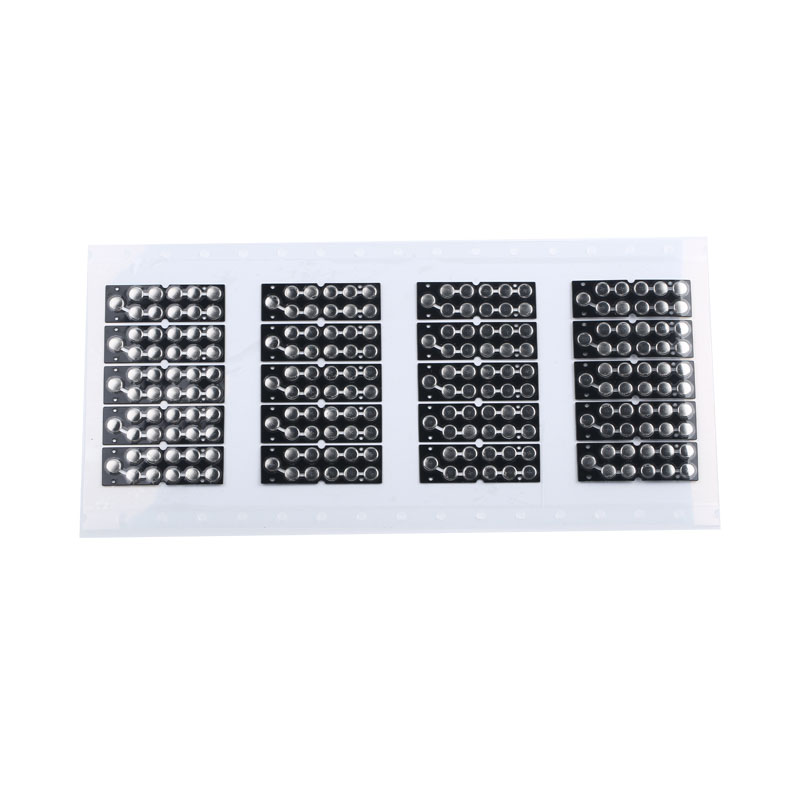
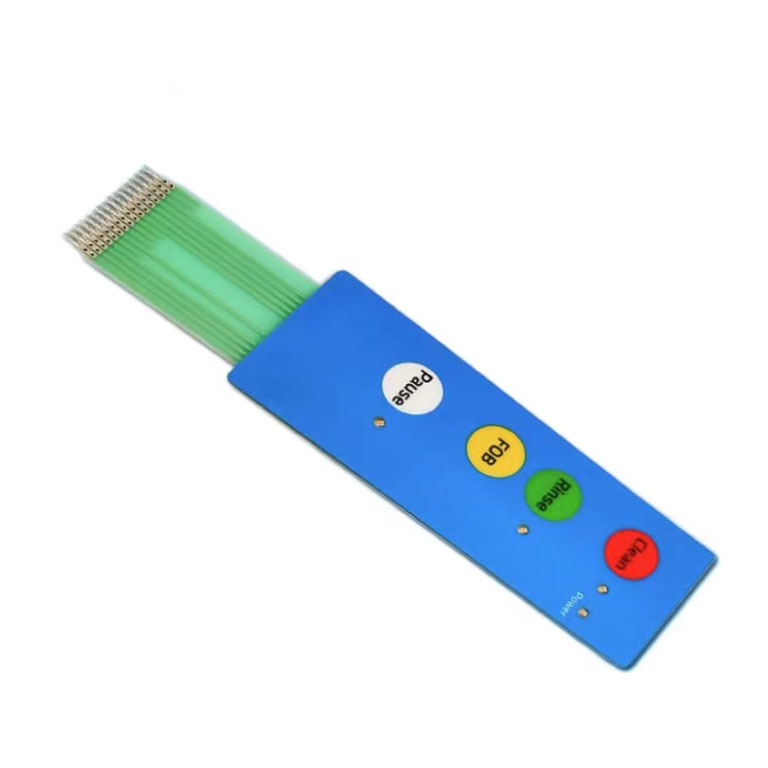
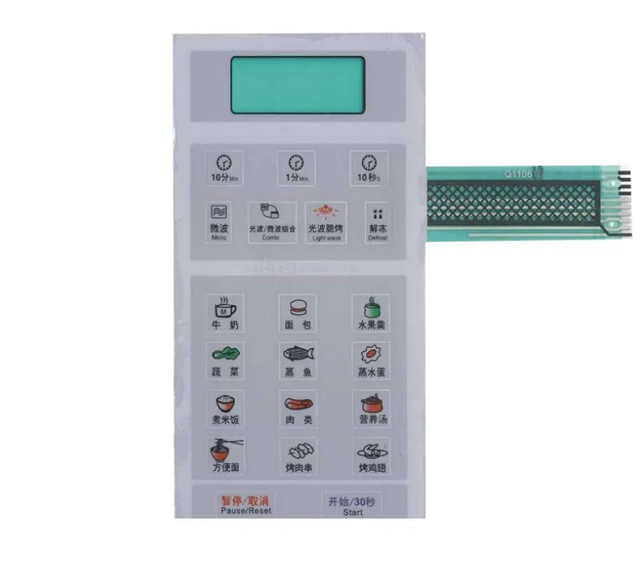
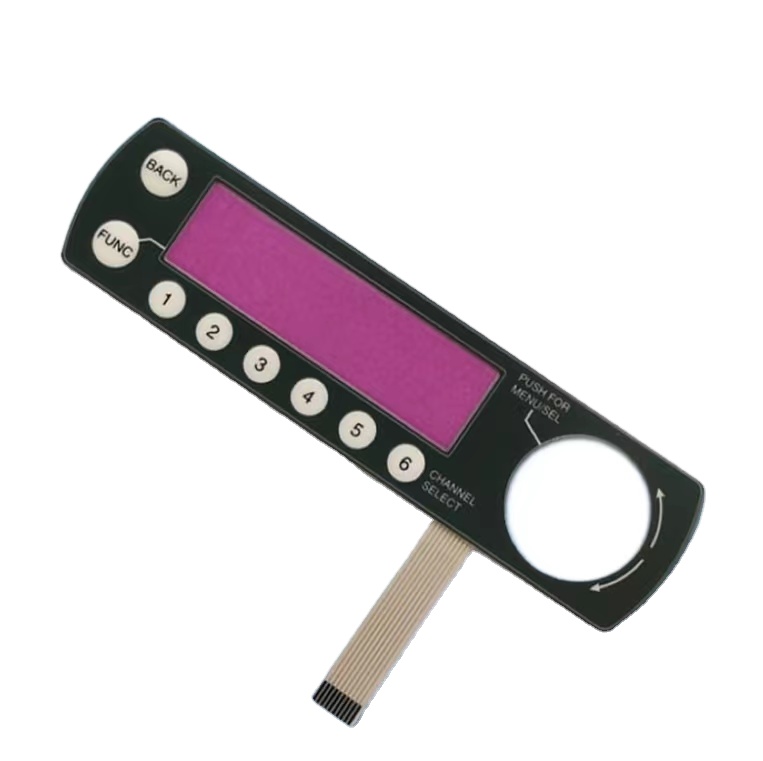
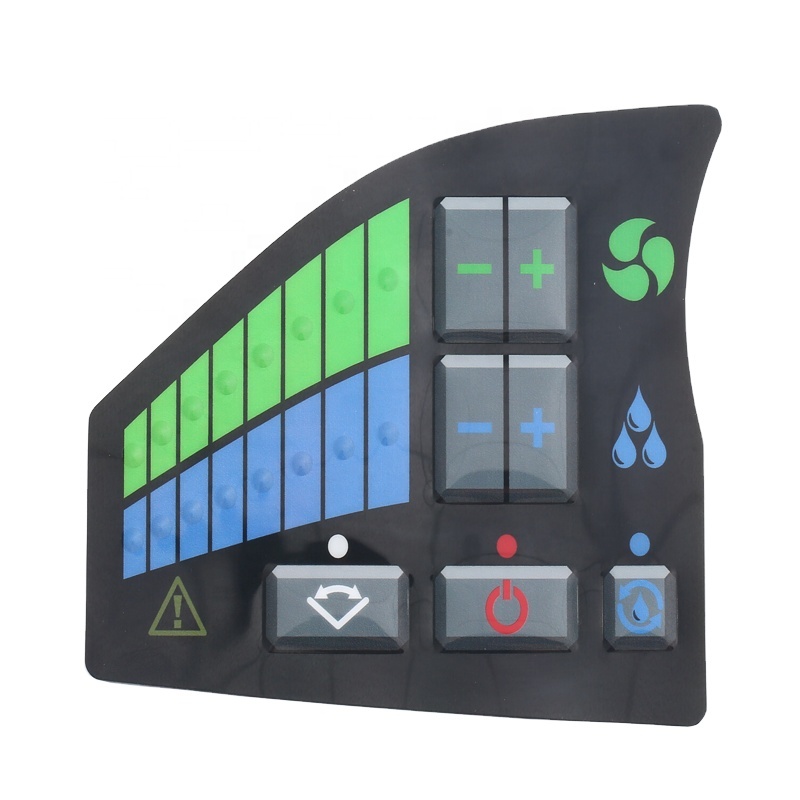
To reduce in-house assembly labor costs in Costa Rica, local cleanroom manufacturing engineers favor fully tested "drop-in" sub-assemblies combining graphic overlays, Light Guide Films, tactile snap domes, SMT LEDs, and FPC flex tails in a single, plug-and-play unit.
Why International OEMs Partner with Cevra
A specialized, vertically integrated production ecosystem designed to de-risk HMI supply chains for Alajuela engineers.
16+ Years Factory Experience
Founded in March 2009 in Dongguan's precision manufacturing hub, Cevra has specialized exclusively in membrane switches, tactile metal domes, light guide films, and precision die-cut components for over 16 years.
ISO 9001 & SGS Audited
Operates under a comprehensive ISO 9001 quality management system with on-site factory verification conducted by SGS Group. Full material traceability and certificates of conformance (CoC) accompany every export batch.
2,600㎡ In-House Production
Complete end-to-end control under one roof: automated screen printing, CCD visual alignment drilling, precision laser cutting, automatic layer laminating, and dedicated dome positioning robotics.
Rigorous In-House Testing Lab
Our quality lab is equipped with computerized dome load force analyzers, tension (peel) testers, holding tack testers, electric pencil hardness testers, and high/low temperature environmental test chambers (-40°C to +120°C).
Full OEM / ODM DFM Support
Our engineering team performs comprehensive Design for Manufacturability (DFM) reviews on CAD, DXF, and AI files, optimizing light-bleed barriers, tactile trip forces (160g–500g), and tail pinout routing prior to tooling commit.
Export Packaging & Rapid Air Hub
Parts are packed in ESD-shielded vacuum packaging suitable for direct introduction into Costa Rican cleanrooms, with express courier transit times of 7–10 days directly into San José (SJO) customs.
Frequently Asked Questions by Alajuela Sourcing Teams
Addressing real-world customs, qualification, cleanroom specifications, and rapid prototyping workflows.
Q How does Cevra ensure uniform luminance across thin Light Guide Films without hot spots near the LEDs?
We deploy proprietary optical micro-dot layout algorithms that progressively adjust the size, density, and pitch of laser-etched light extraction dots as distance from the edge-mounted LEDs increases. Furthermore, our assemblies integrate light-blocking black borders and high-reflectance white bottom sheets (such as 3M™ Enhanced Specular Reflector), guaranteeing a luminance uniformity of 90%+ with zero perceptible LED pinpoints through the graphic overlay.
Q What documentation is provided for medical device regulatory files in Costa Rican free zones?
For OEMs operating under FDA 21 CFR Part 820 or ISO 13485 protocols in Coyol, we supply complete Material Declarations (RoHS, REACH, halogen-free status), Certificates of Conformance (CoC), dimensional CMM reports, dome load force displacement curves, and environmental test reports demonstrating stable resistance under thermal shock cycling.
Q Which material is recommended for cleanroom medical device overlays: PET or Polycarbonate (PC)?
For applications requiring frequent tactile switch actuation and routine exposure to medical disinfectants (bleach, isopropyl alcohol, hospital sterilants), we strongly recommend biaxially-oriented, textured PET (such as Autotex® or Melinex®). PET offers superior flex fatigue resistance (>5 million actuations) and chemical barrier properties. Polycarbonate (PC) is ideal for display window clarity and thermoformed 3D bezels where chemical exposure is moderate.
Q What are the standard lead times for functional prototypes and full production batches shipped to Costa Rica?
Functional engineering prototypes with laser-cut tooling typically ship within 5 to 7 business days following artwork and stack-up approval. Mass production orders (with hard tooling for automated die-cutting) generally take 12 to 18 business days. We partner with DHL, FedEx, and UPS Priority to ensure customs clearance and dock delivery at Alajuela manufacturing sites within 3 to 5 business days after factory dispatch.
Q Can metal dome tactile arrays and Light Guide Films be combined into a single, cohesive layer?
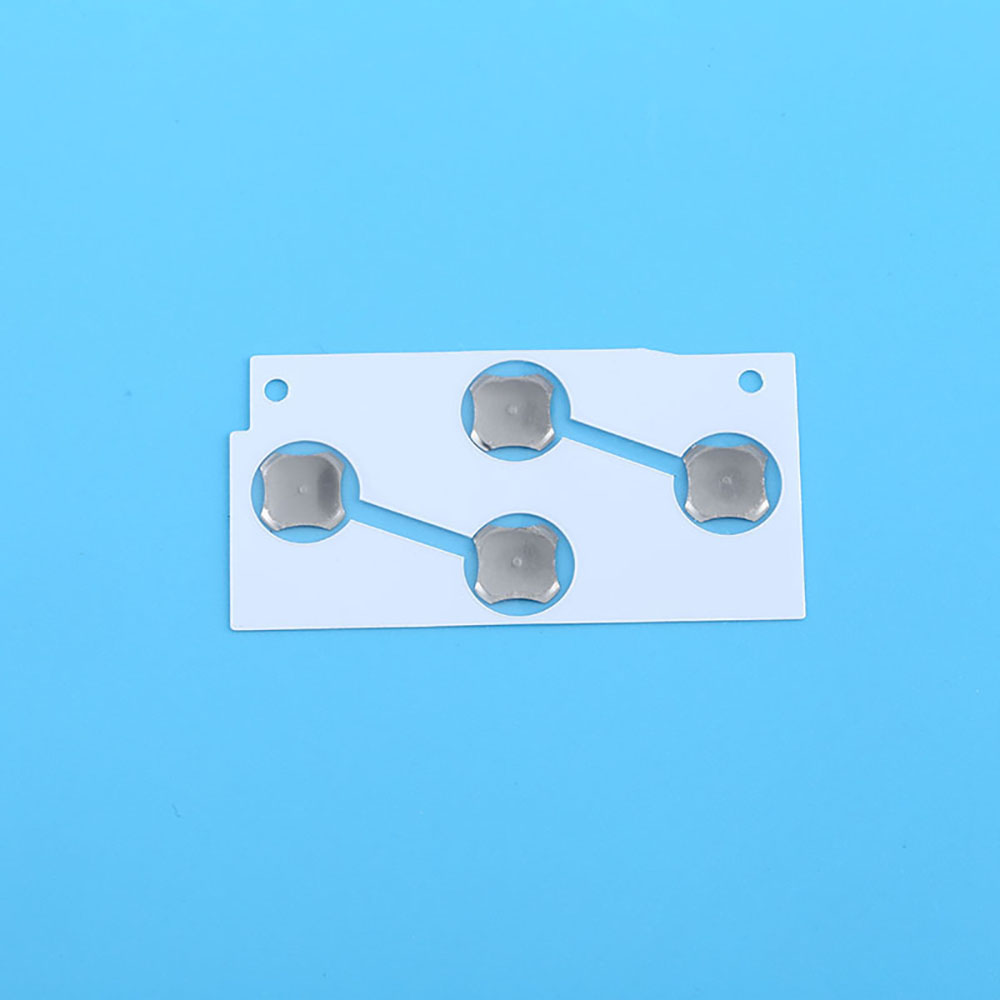
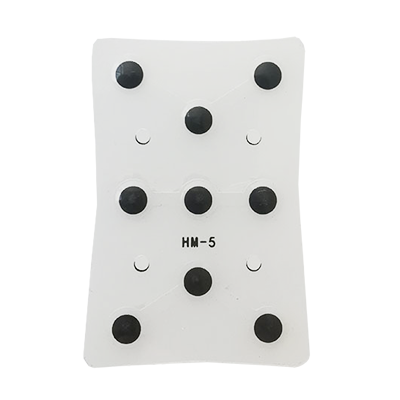
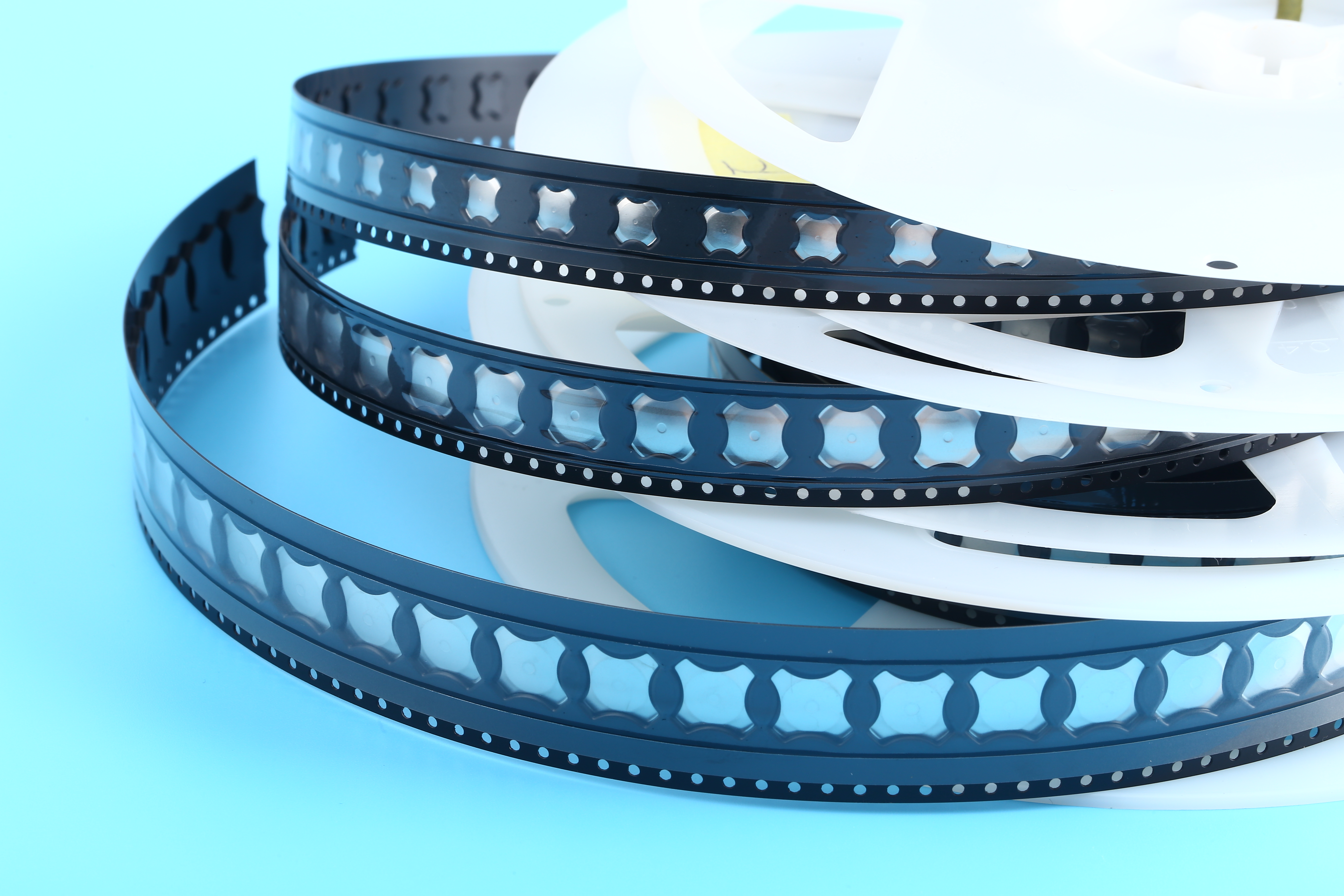
Yes. Our integrated LGF membrane keypads position the ultra-thin light guide film directly over or under the tactile metal dome array, utilizing precision-punched venting channels and perimeter adhesive barriers. This maintains a crisp, snap-action tactile response (click ratios up to 55%) while simultaneously illuminating the key legend from within, all in an overall thickness of under 1.2mm.
Ready to Engineer Your Custom Backlit HMI or Light Guide Solution?
Whether you require DFM feedback on a new medical device keypad, need rapid-turnaround prototypes for design verification (DV), or are evaluating alternative ISO 9001 certified optical exporters for your Alajuela production lines, our technical team is at your service.