Precision Product Showcase
Engineered HMI Interfaces & Tactile Film Assemblies
Engineered for cleanrooms, industrial robotics, embedded medical consoles, and server racks across Santa Clara County.
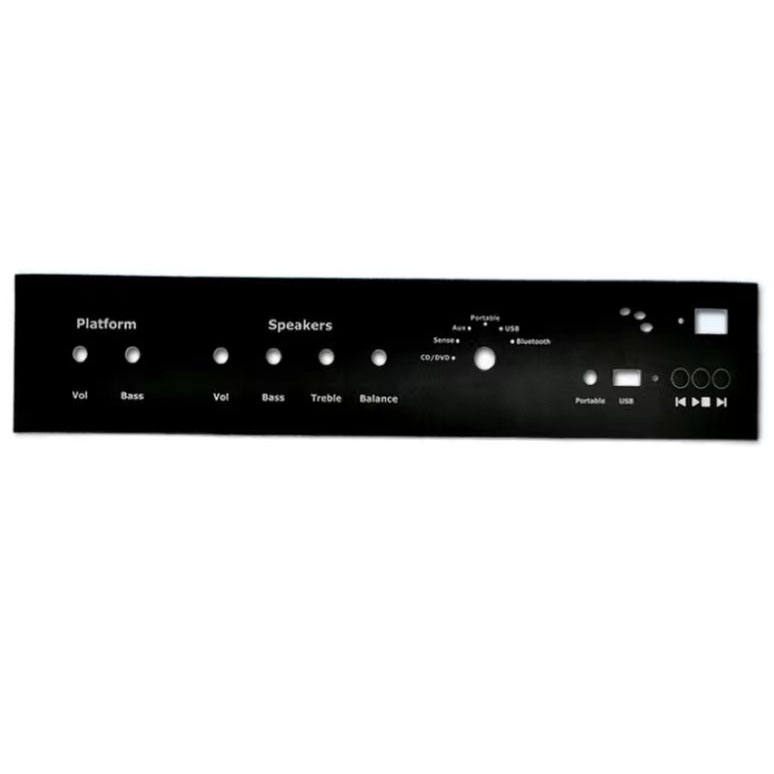
Intelligent Membrane Switch Panel, Washing Machine Touch Panel, Customized Membrane Switch
Inspect Product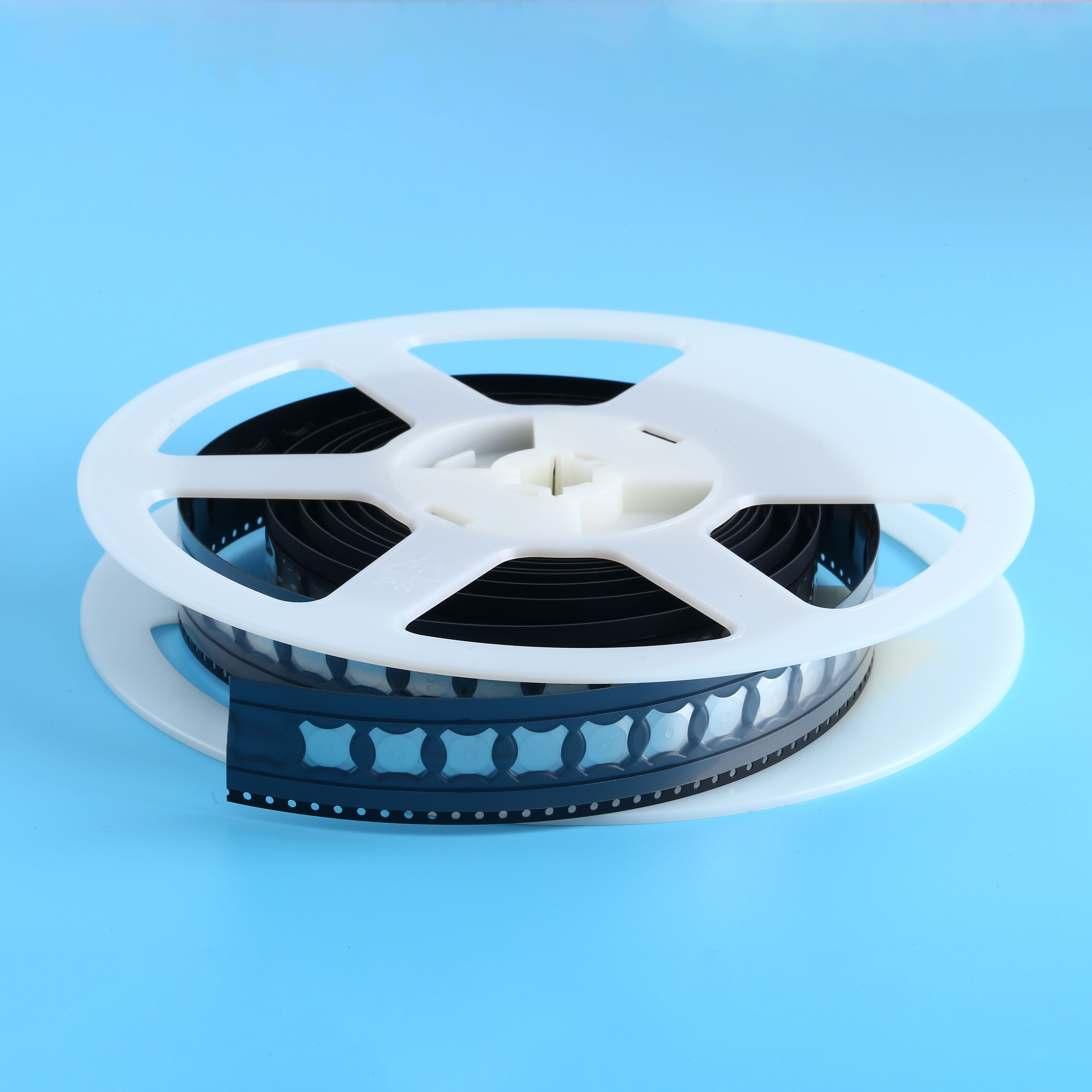
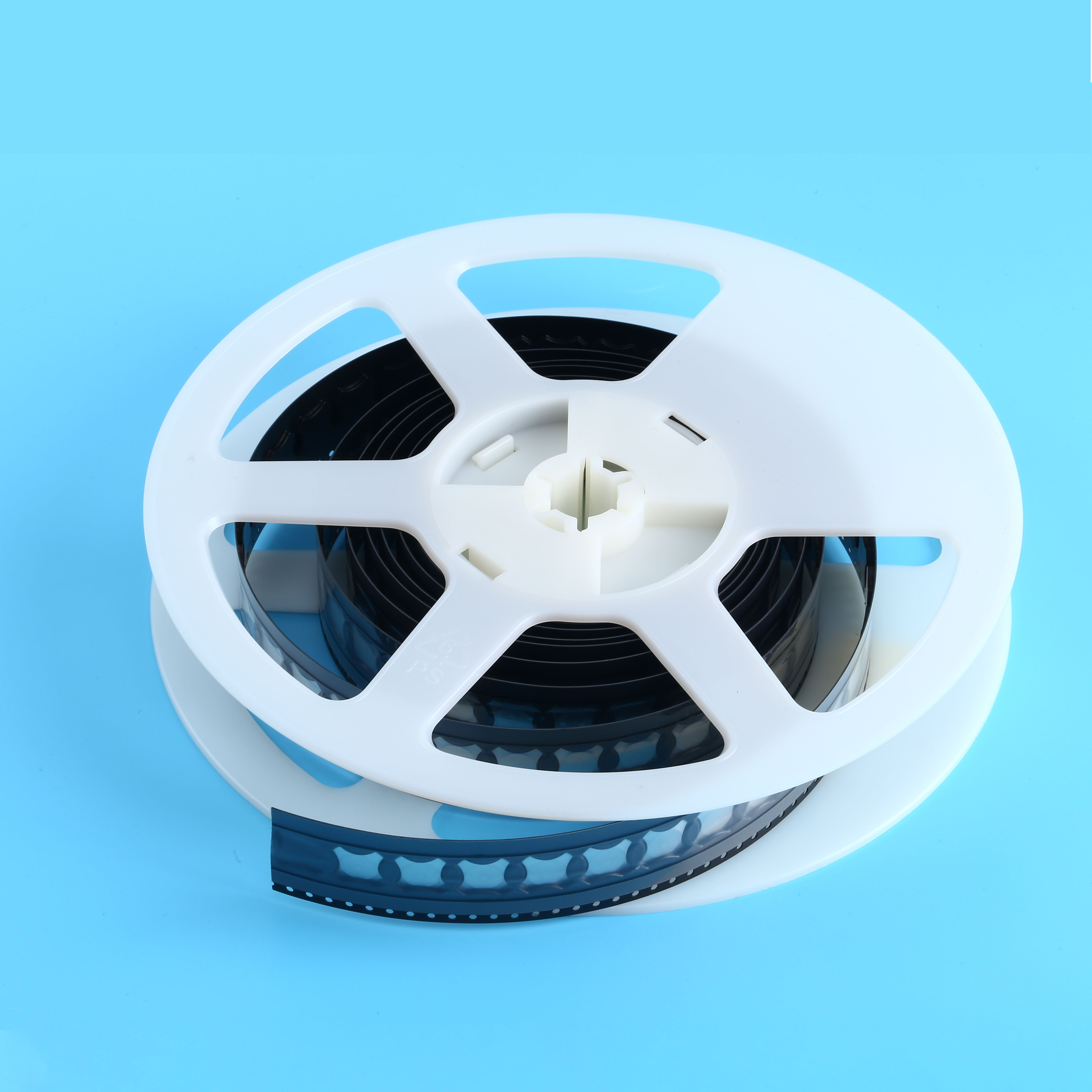
Free Sample Metal Dome Array Single Layer Transparent Pet With Adhesive for Television Remote Control
Inspect Product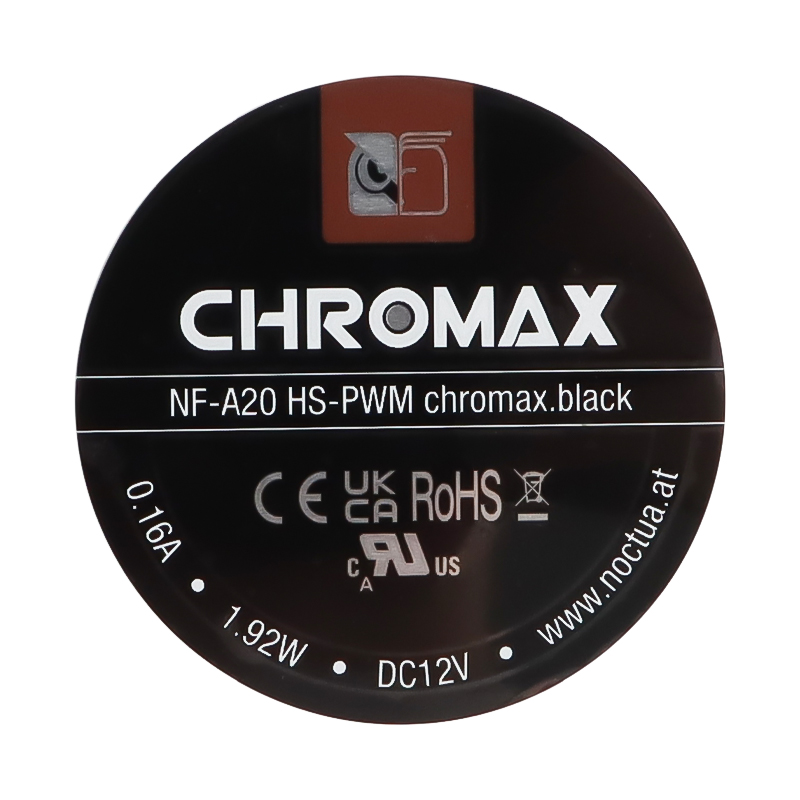
High Quality Customized Logo Stainless Steel Aluminum Metal Crafts Nameplate Round Number Model Laser Engraving
Inspect Product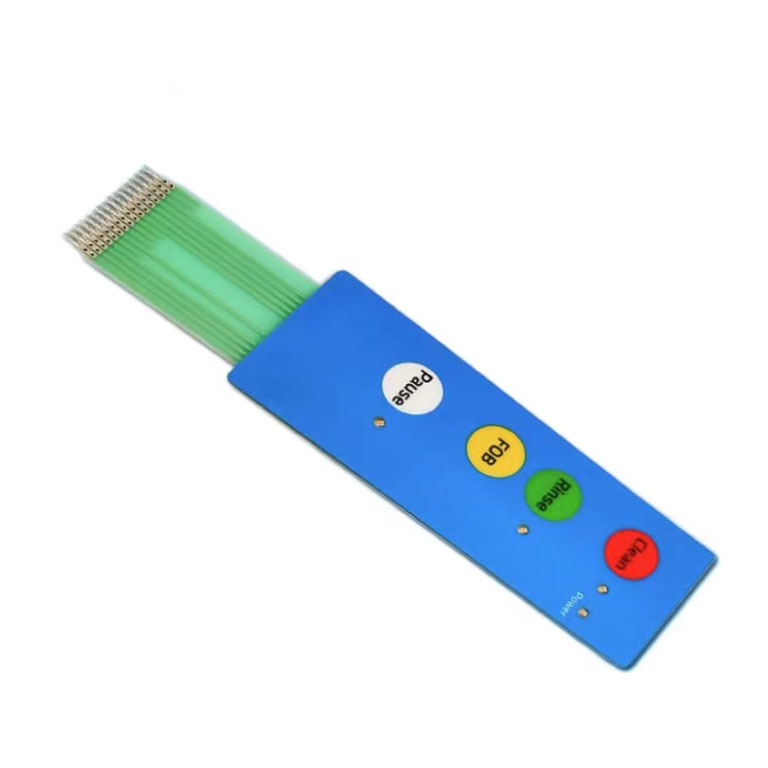
Electronic Toy Film Circuit Membrane Switch Waterproof Button Membrane Switch
Inspect Product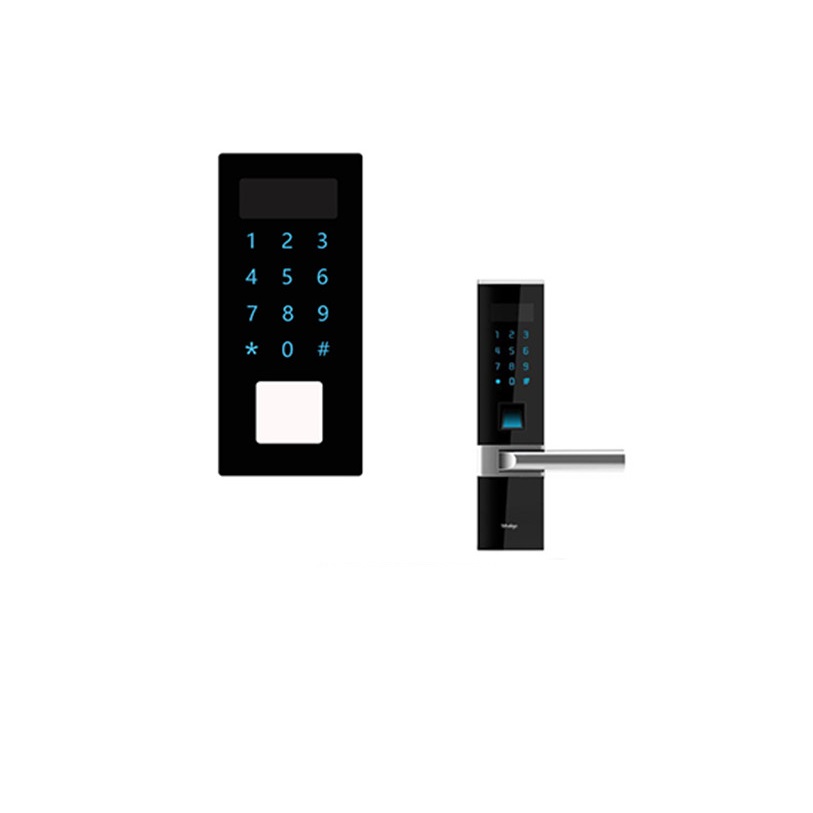
Custom Waterproof Keypad Smart DoorTouch Switch Button Membrane Switch PMMA Membrane Switch Panel Capacitive
Inspect Product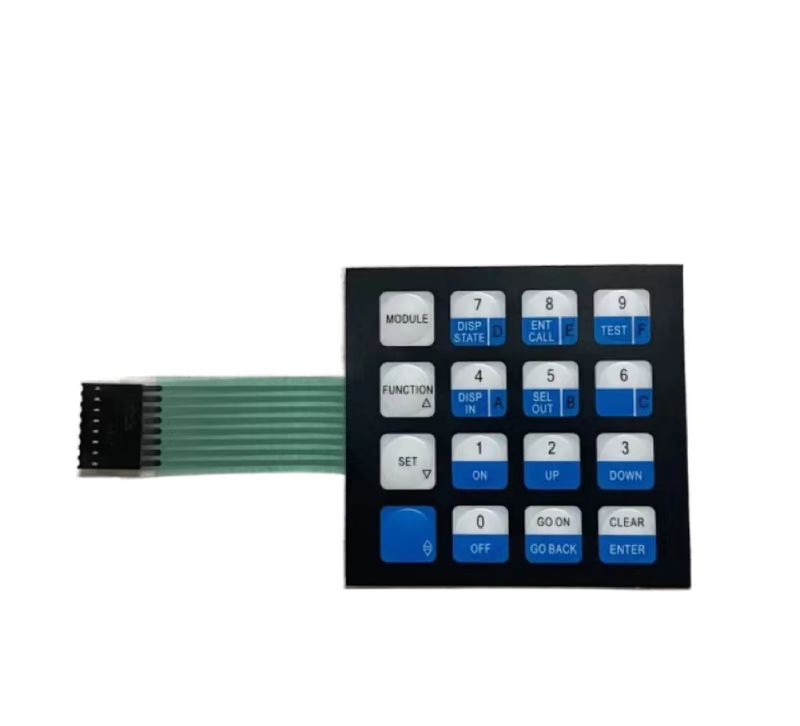
Custom Diy 4x4 Tactile Dome Flexible Membrane Switch Graphic Overlay Membrane Keypad
Inspect Product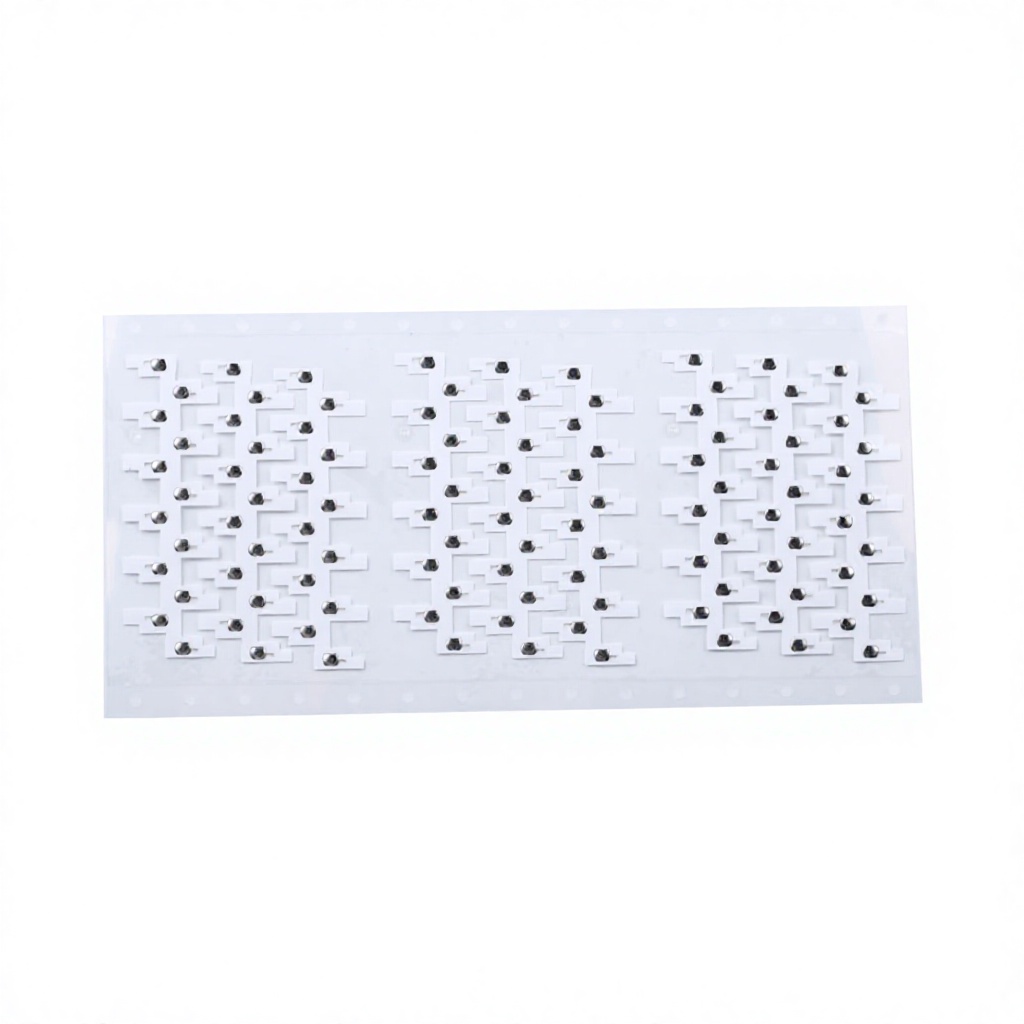
Single Layer SUS301 Stainless Steel Metal Dome Array for Earphone Mobile Phone Keypad Remote Control Switch
Inspect Product
Engineering Deep Dive
The Silicon Valley Paradigm Shift: Solid-State Capacitive Sensing Over Mechanical Assemblies
Evaluating electromagnetic resilience, multi-layer dielectric constants, and industrial ingress barriers across Tier-1 device architectures in Santa Clara.
Substrate Dielectric Optimization
Capacitive touch buttons register actuation through variations in fringe capacitance ($C_f$) when a conductive medium (such as human tissue) enters the electrostatic field. In Santa Clara's high-density computational hubs, substrate selection determines parasitic baseline capacitance. Utilizing high-grade Autotex PET (relative permittivity $\varepsilon_r \approx 3.2$) alongside chemically stabilized PMMA or Gorilla Glass ($\varepsilon_r \approx 5.5 - 7.0$) enables reliable proximity actuation across front-panel thicknesses ranging from 0.5 mm to over 6.0 mm without sensitivity drop-off.
EMC Immunity & Conducted Noise
Hardware deployed in mission-critical environments—such as 48V AI server racks or medical imaging suites along San Tomas Expressway—must satisfy stringent FCC Part 15 and IEC 61000-4-6 conducted immunity requirements. Modern capacitive button arrays integrate patterned meshed silver ground planes and guard-ring geometries. This eliminates common-mode transient false triggers generated by high-power switch-mode buck converters, IGBT modules, and adjacent multi-gigahertz transceivers.
Hermetic Ingress & Chemical Resistance
Mechanical pushbuttons inevitably suffer from elastomer degradation, particulate intrusion, and seal failure when exposed to isopropyl alcohol, bleach sanitization, or outdoor humidity. Capacitive membrane switch architectures feature continuous, zero-crevice surface overlays bonded with high-shear acrylic Optically Clear Adhesives (OCA) like 3M 467MP/468MP. This achieves true IP67, IP68, and NEMA 4X hermetic isolation, preventing liquid migration under pressurized washdown scenarios.
Global Benchmark & Procurement Matrix
Top 10 Capacitive Touch Button Manufacturers & Exporters Serving Santa Clara
Cross-evaluated on engineering depth, stack-up prototyping velocity, cleanroom precision, and logistics reliability for Silicon Valley OEMs.
01
Dongguan Cevra Electronic Technology Co., Ltd.
Established in March 2009, Cevra stands as an ISO 9001-certified and SGS onsite-audited powerhouse specializing in custom capacitive touch button arrays, intelligent membrane switch panels, metal dome arrays, and ultra-thin sensor film circuits. Operating a 2,600㎡ integrated facility in Dongguan, Cevra controls the entire manufacturing chain: cleanroom screen printing, CCD automatic drilling, laser ablation, mechanical precision punching, automated layer lamination, and comprehensive environmental testing. For Santa Clara hardware firms navigating rapid NPI cycles, Cevra delivers EVT/DVT working prototypes within 5–7 days, full DFM reviews within 24 hours, and direct engineer-to-engineer technical consultation, eliminating third-party broker friction.
Inspection: 100% CCD Vision & Electrical Micro-Resistance
Testing Lab: Dome Force, Peel Tack, High/Low Temp Cabinet
Logistics: Priority Air Express to SJC / SFO (3–4 business days)
Compliance: RoHS 3, REACH, ISO 9001:2015
02
Boyd Corporation
Headquartered in California, Boyd is an established enterprise tier entity delivering complex thermal, sealing, and human-machine interface assemblies. Their capacitive switch division supports aerospace, defense, and high-volume commercial compute platforms. While exceptionally capable of massive production runs, their onboarding timelines and NPI cost structures generally favor large enterprise defense contractors rather than fast-turn Silicon Valley hardware startups.
Core Focus: Thermal Management & Enterprise HMI
Strengths: Global scale, extensive aerospace certifications
Procurement Note: High NPI setup costs; longer tooling lead times
03
Nelson-Miller, Inc.
With decades of West Coast operational presence, Nelson-Miller designs custom user interfaces, including illuminated capacitive keypads, graphic overlays, and touchscreen integrations. They maintain strong domestic account management teams serving Silicon Valley biomedical ventures, backed by manufacturing partnerships in Southeast Asia and North America.
Core Focus: Medical Diagnostic & Industrial Overlays
Strengths: Domestic US support, tactile & cap-sense hybrids
Procurement Note: Blended production lines, higher unit costs on low MOQ
04
Douglas Corporation
Specializing in decorative nameplates, bezels, and back-printed membrane overlays, Douglas supplies automotive-grade interfaces with capacitive touch sensing layers. They excel in exterior cosmetic treatments, chrome detailing, and three-dimensional membrane embossing, catering extensively to consumer automotive and high-end IoT home devices.
Core Focus: Premium Decorative Panels & Capacitive Overlays
Strengths: Chrome plating, micro-embossing, UV stabilization
Procurement Note: Focus is heavily weighted toward automotive cosmetic trim
05
GGI Solutions
GGI Solutions provides specialized printed electronics, capacitive touch films, and human-machine interface assemblies tailored to defense, rail, and avionics sectors. Their engineering team is skilled at developing copper flex circuits and PEDOT-based conductive polymer layers designed for severe EMI and extreme climatic vibration environments.
Core Focus: Harsh-Environment Human Interfaces
Strengths: Printed heaters, shielding solutions, avionics vetting
Procurement Note: Substantial lead times for custom sensor formulations
06
Dyna-Graphics Corporation
Operating out of Southern California, Dyna-Graphics delivers rubber keypads, membrane switches, and capacitive sensors to industrial machinery clients throughout the western United States. Their proximity to Santa Clara facilitates streamlined domestic communication, though high-density multi-key arrays often require offshore tooling transfers.
Core Focus: Industrial Automation Switchgear
Strengths: Local warehousing, legacy hardware support
Procurement Note: Tooling costs reflect domestic processing overheads
07
Lustre-Cal Corporation
Located in Northern California, Lustre-Cal is widely known for quick-turn labels, precision die-cut adhesives, and basic membrane switch assemblies. They are an accessible vendor for Santa Clara engineers requiring quick graphic mockups, though their primary capability centers on precision convertor laminations rather than dedicated capacitive circuit printing.
Core Focus: Graphic Overlays, Nameplates, Converted Gaskets
Strengths: Regional proximity to Bay Area, fast label turnarounds
Procurement Note: Outsources complex multi-layer capacitive controller circuits
08
Epec Engineered Technologies
Epec focuses on custom PCB fabrication, cable harnesses, and user interfaces, including capacitive touch membrane panels and silicone rubber keypads. With established digital tracking systems and engineering support, they effectively manage blended domestic and Asian manufacturing channels for mid-tier technology manufacturers.
Core Focus: Rigid-Flex PCB & User Interface Subassemblies
Strengths: Complete box-build potential, PCB trace routing
Procurement Note: Higher distributor margin layer vs. direct factory supply
09
Pannam Imaging
Part of the Synergy HMI group, Pannam specializes in high-reliability membrane switches, graphic overlays, and capacitive touch sensors for medical diagnostic devices, military controllers, and industrial field testing units. They maintain rigorous quality records and cleanroom inspection procedures aligned with healthcare compliance benchmarks.
Core Focus: FDA-compliant Medical Device Panels
Strengths: Antimicrobial film integration, rigorous QA records
Procurement Note: Premium pricing structure for Class I/II device setups
10
Xymox Technologies, Inc.
Specializing in transparent conductive films, printed capacitive sensors, and membrane switches, Xymox is an established innovator in printed electronics. Their specialized Kodak copper micro-wire and PEDOT printing processes offer transparent touch buttons behind curved plastic bezels, appealing to advanced industrial design groups in Silicon Valley.
Core Focus: Transparent Projected Capacitive Sensors (PCAP)
Strengths: Optical transparency, micro-mesh conductors
Procurement Note: Complex tooling required for optical sensor calibration
Layer-by-Layer Architecture
Comprehensive Engineering Matrix: Capacitive vs. Mechanical HMI
Parametric comparison designed for hardware systems architects and reliability engineers across the Silicon Valley corridor.
| Performance Vector | Solid-State Capacitive Touch Film | Tactile Metal Dome Membrane Switch | Rigid PCB Pushbutton Matrix |
|---|---|---|---|
| Actuation Mechanism | Electrostatic capacitance alteration ($\Delta C$ Detection) | Mechanical deformation of stainless steel snap dome | Through-hole / SMT mechanical microswitch clicker |
| Actuation Life Cycles | > 5,000,000 actuations (Zero physical contact degradation) | 1,000,000 to 3,000,000 flex cycles (SUS301 dome limit) | 100,000 to 500,000 mechanical strokes |
| Front Facade Thickness | 0.125 mm to 6.0 mm (PMMA, PC, or Toughened Glass) | 0.125 mm to 0.25 mm (Requires flexible displacement) | Fixed cut-out clearances in enclosure body |
| Hermetic Seal Capability | IP67, IP68, IP69K & NEMA 4X Submersion Barrier | IP65 splash-proof (Perimeter vent channels required) | Requires secondary rubber silicone boot (IP54 typical) |
| Backlight Integration | Uniform Side-lit Light Guide Film (LGF) & Cap-Sense LEDs | Surface-mounted discrete 0603/0805 LEDs on circuit | Bulky light pipes or high-power surface-mount diodes |
| Operating Temperature | -40°C to +85°C continuous thermal cycling | -20°C to +70°C (Adhesive & dome elasticity constraints) | -40°C to +105°C (Limited by switch mechanical springs) |
| ESD Discharge Immunity | Up to ±15 kV Air / ±8 kV Contact (IEC 61000-4-2) | ±8 kV Air (Risk of spark breakdown through vent slots) | Requires dedicated TVS diode arrays at board edge |
| Cleaning Chemical Compatibility | Immune to IPA, Chlorine Bleach, Benzene, Detergents | Moderate (Caustic agents can seep through debossed keys) | Poor (Liquid seepage into mechanical slider voids) |
Silicon Valley Deployments
Localized Santa Clara Hardware Application Scenarios
Addressing the rigorous functional and environmental demands of Northern California's premier technology sectors.
1. AI Compute Infrastructure & Liquid-Cooled Server Trays
Modern hyperscale data centers clustered around Bowers Avenue and Montague Expressway utilize 48V/380V direct-to-chip liquid cooling architectures. Server maintenance bezels cannot use open mechanical switches where dielectric fluids or condensed cooling mist could trigger galvanic short-circuits. Custom waterproof capacitive touch buttons with integrated deadfront PMMA graphic panels provide seamless status checks, manual rack isolation, and hardware reset capabilities immune to ambient electromagnetic interference and fluid exposure.
2. Biomedical Instrumentation & Clinical Diagnostics
From Stanford-affiliated healthcare laboratories to medical robotics incubators in Santa Clara and Fremont, diagnostic consoles require frequent decontamination using hospital-grade biocides and quaternary ammonium solutions. Cevra's continuous Autotex PET capacitive overlays feature micro-textured, anti-glare surfaces that eliminate bacteria-trapping crevices. These arrays remain fully operational when manipulated by personnel wearing double-layered nitrile or latex examination gloves through calibrated firmware algorithms.
3. Autonomous Mobile Robots (AMRs) & Industrial Logistics
Silicon Valley warehousing automation facilities rely on heavy-duty AMRs that traverse rough transition plates, generating severe shock and vibration cycles. Mechanical domes and microswitches suffer from contact chatter and mechanical fatigue under these conditions. Solid-state capacitive keypad arrays eliminate all moving parts. Paired with 3M 468MP acrylic adhesive systems, they withstand 50G mechanical shock pulses while delivering crisp optical feedback through high-luminance LED backlighting.
4. Semiconductor Fab Cleanroom Equipment Consoles
In Class 10 and Class 100 cleanroom environments operated across Santa Clara's semiconductor manufacturing corridor, outgassing and particle shedding are strictly regulated. Traditional keypads generate microscopic debris through internal dome friction and elastomeric shear. Cevra’s custom sealed capacitive touch button panels, produced with low-outgassing optical adhesives, satisfy strict VOC emissions thresholds while presenting an easily sanitized flat front facade.
Next-Gen Interface Trajectory
Emerging HMI Engineering Trends in Silicon Valley
How progressive device manufacturers are bridging solid-state electronics and tactile ergonomics.
Acoustic & Haptic Piezo Coupling
While solid-state capacitive sensing eliminates mechanical failures, human operators in high-stress surgical or industrial scenarios demand physical confirmation of actuation. Modern Santa Clara NPI designs increasingly combine capacitive silver-sensor layers with underlying localized linear resonant actuators (LRA) or thin piezoelectric discs, delivering instantaneous localized haptic snap impulses through the solid front glass without compromising the hermetic perimeter seal.
Deadfront Selective Illumination
Moving away from cluttered, permanently visible button arrays, contemporary industrial designers demand sleek, uniform "deadfront" panels. Utilizing high-opacity blackout ink formulations screen-printed under micron-level register controls, icons remain invisible until proximity sensors detect an approaching hand. At that moment, micro-perforated Light Guide Films (LGF) illuminate specific capacitive key targets in multi-colored RGB hues, guiding user workflow while conserving system power.
Water Drop Immunity Firmware Calibration
Historical challenges with false actuations caused by conductive water droplets or saline washdowns have been resolved through advanced differential sensing algorithms. By implementing mutual capacitance electrode grids alongside self-capacitance sensing pads, Cevra’s custom switch layouts allow controllers to distinguish between a localized human finger touch profile and a broad, non-grounded conductive water pool, ensuring zero inadvertent triggers in high-moisture processing plants.
Manufacturing Rigor & Provenance
Cevra’s End-to-End In-House Manufacturing & Testing Facility
Operating an integrated 2,600㎡ facility in Dongguan, China, audited by SGS Group and certified to ISO 9001 quality management standards.
Precision Cleanroom Tooling
Our 2,600㎡ production facility houses fully automatic screen printing lines operating in Class 1,000 cleanroom environments. We maintain automatic layer laminating equipment, laser-cutting tables, CCD vision drilling systems, and precision mechanical punching tools. This enables absolute dimensional tolerances within ±0.05 mm across multi-layer membrane switch assemblies.
Comprehensive Quality Lab
Every batch destined for export to North America undergoes evaluation in our in-house testing lab. Equipment includes automated CCD vision inspection instruments, dome load-force curve testers, electrical insulation analyzers, climatic high/low temperature chambers (-40°C to +150°C), adhesive peel-tension testers, holding-tack analyzers, and electric pencil hardness surface scratch testers.
Engineering-Led DFM Collaboration
We review mechanical CAD, DXF, and circuit schematics directly with Silicon Valley engineering teams. Our direct DFM feedback identifies issues related to trace-to-edge clearances, dielectric thickness, pin pitch compatibility (1.0 mm, 2.54 mm ZIF or FPC tails), and shielding ground layouts, resolving potential manufacturing flaws before hard tooling commences.
Procurement & Engineering FAQ
Questions Silicon Valley Hardware Engineers & Buyers Ask Our Technical Team
Clear technical insights addressing lead times, certifications, noise margins, and custom prototyping logistics.
What is the standard NPI prototyping turnaround for hardware teams in Santa Clara?
For New Product Introduction (NPI) prototypes, Cevra provides comprehensive Design for Manufacturability (DFM) feedback within 24 hours of receiving your vector artwork (DXF, DWG, AI, or Gerber files). Once files and stack-up specifications are approved, rapid prototype samples (typically 5 to 20 functional units) are manufactured and electrically verified within 5 to 7 business days. Shipped via priority air courier (DHL/FedEx express), parts arrive at your Santa Clara or San Jose R&D facility in 3 to 4 business days.
How does Cevra ensure capacitive button arrays pass FCC Part 15 / CE EMC compliance?
We incorporate a dedicated, screen-printed conductive silver or carbon mesh shielding layer positioned between the capacitive electrode traces and the underlying system electronics. This shield connects directly to chassis earth ground via a designated pin on the flexible tail. Combined with calculated trace layout routing and peripheral guard rings, this stack-up isolates the sensing elements from high-frequency radiated and conducted transients, preventing phantom actuations during electromagnetic compatibility (EMC) testing.
Can your capacitive touch arrays function reliably beneath thick acrylic, polycarbonate, or glass bezels?
Yes. By tailoring the sensor electrode pad surface area and adjusting circuit capacitance via mutual-capacitance routing, our sensors detect touch inputs through non-conductive cover materials up to 6.0 mm thick for PMMA/acrylic and up to 10.0 mm thick for chemically strengthened glass. During DFM engineering, we collaborate with your firmware team to establish proper sensitivity baselines and dielectric coefficient calibration according to your exact mechanical enclosure specifications.
What Minimum Order Quantities (MOQs) apply to pilot builds vs. volume production?
Understanding that Silicon Valley hardware startups and specialty instrumentation builders often require staged delivery schedules, we provide flexible low-volume MOQ policies. Custom graphic overlays and prototype membrane switches begin at 10 to 50 pieces for pilot builds. Standard mass-production pricing scales efficiently at runs of 100, 500, 1,000, and 50,000+ units, allowing engineering teams to validate physical hardware builds without excessive early inventory exposure.
Which adhesive layer systems are recommended for high-reliability industrial and outdoor enclosures?
We configure our bonding stacks using authentic 3M acrylic adhesive transfer films, selected specifically for substrate surface energy. For high-energy surfaces like aluminum and steel enclosures, 3M 467MP (0.05 mm) or 3M 468MP (0.13 mm) delivers excellent shear strength and thermal stability (-40°C to +150°C). For low-surface-energy (LSE) molded plastics such as polypropylene, ABS, or powder-coated frames, we specify 3M 300LSE adhesive to prevent edge delamination under high humidity or temperature extremes.
How does Cevra demonstrate environmental and supply chain compliance for California regulations?
All raw materials—including Autotex polyester films, conductive silver inks, carbon tracks, insulating dielectric coatings, and adhesives—fully satisfy EU RoHS Directive 2011/65/EU (RoHS 3) and REACH Regulation (EC No 1907/2006). They contain zero heavy metals, phthalates, or halogenated compounds, adhering closely to California Proposition 65 safety and workplace mandates. Detailed third-party material safety data sheets (MSDS) and SGS compliance certificates are provided alongside production documentation.
Accelerate Your Capacitive HMI Hardware Development
Engage directly with our factory engineering team. Share your DXF artwork, technical schematic, or target application specs to receive comprehensive DFM review, stack-up optimization advice, and unit pricing within 24 hours.