High-Reliability HMI Panels & Tactile Membrane Switches
From sub-surface screen-printed Autotex™ polyester overlays to snap-dome metal arrays and hermetic IP67 control panels, every component is manufactured in-house under strict tolerance controls.
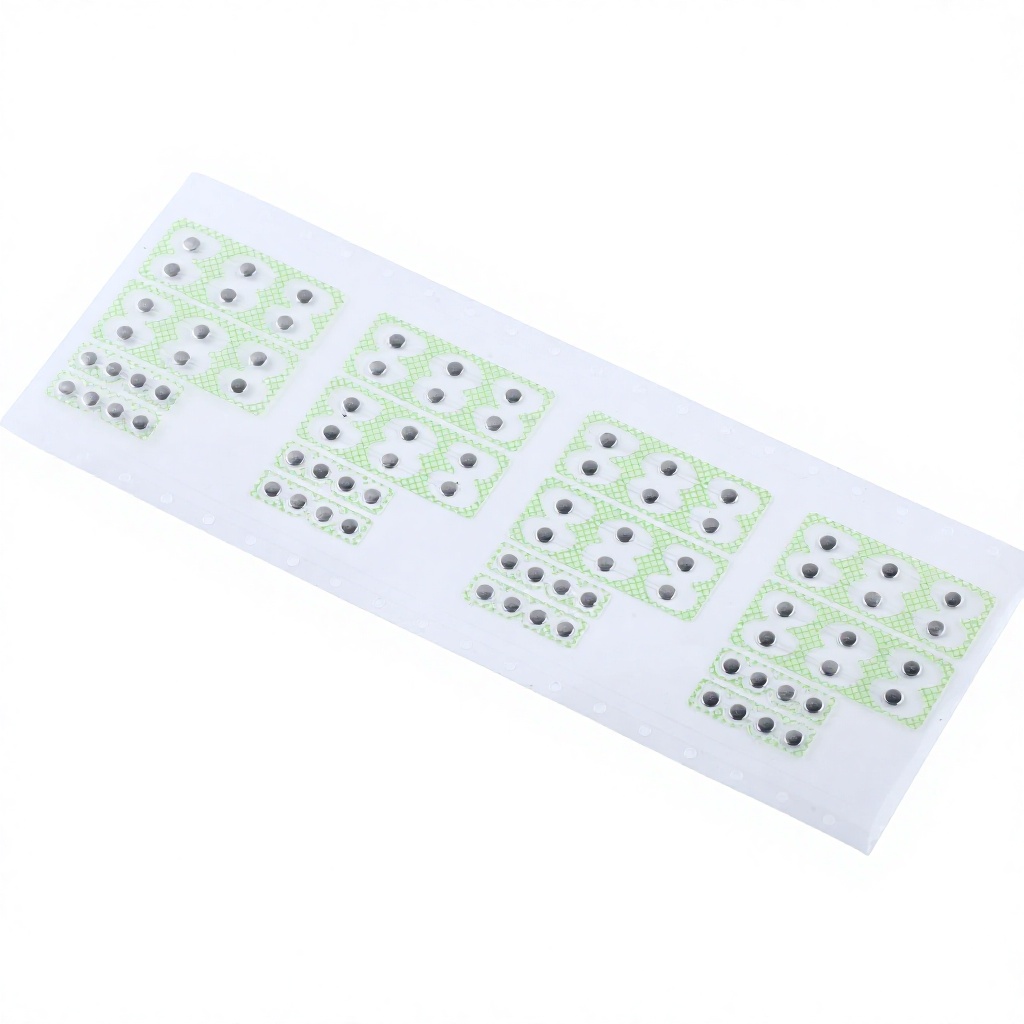
- Substrate: Transparent PET Carrier
- Dome Alloy: SUS301 Stainless Steel
- Ingress: Sealed Waterproof Layer
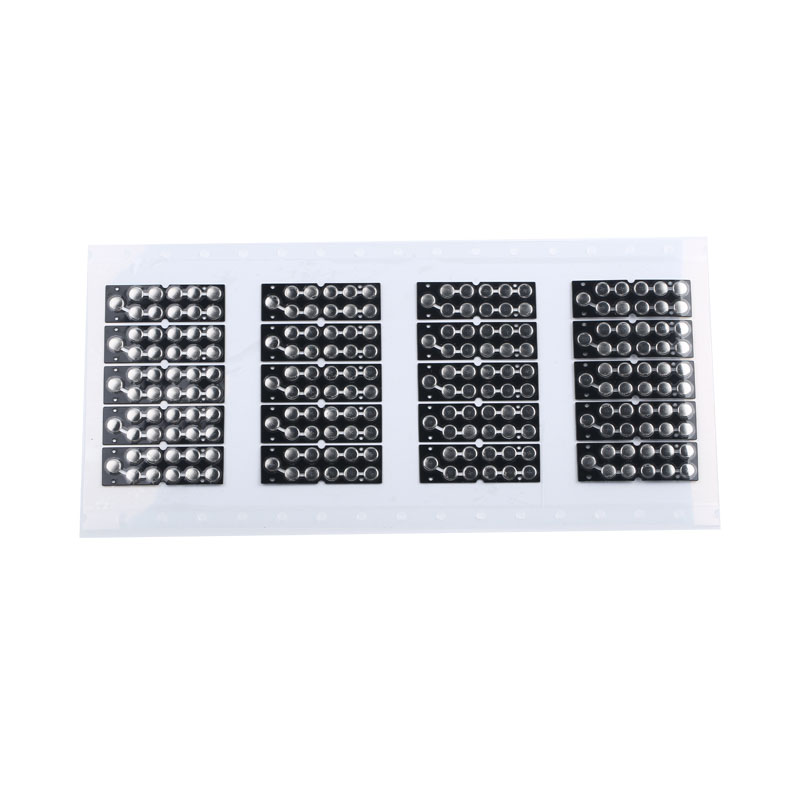
- Adhesive: Precision Die-Cut Acrylic
- Feedback: Crisp Tactile Snap Feel
- Actuation: >1,000,000 Cycles
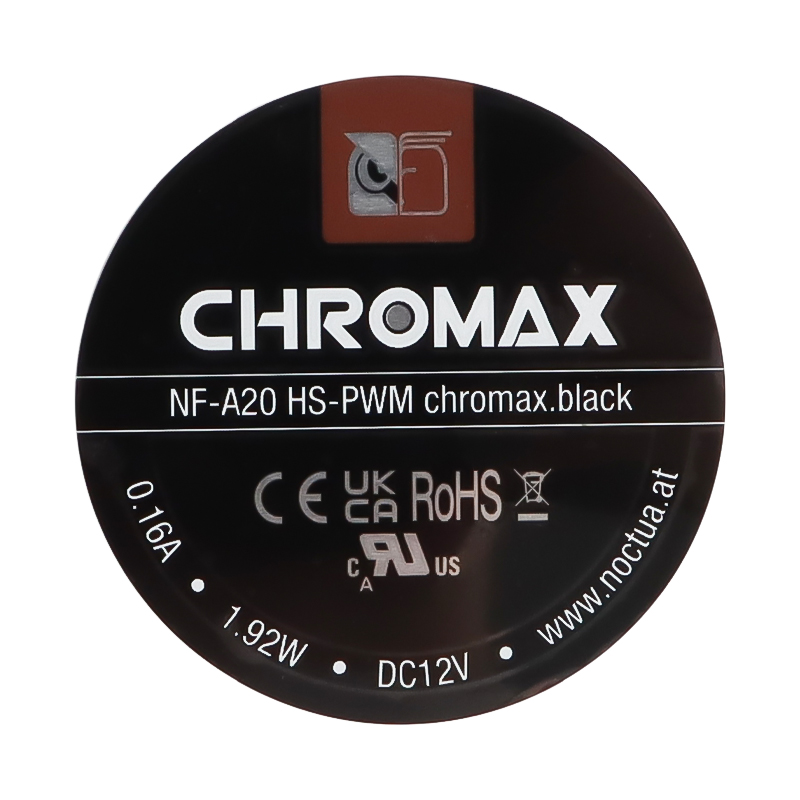
- Alloy: Anodized Al / 316 Marine SS
- Marking: Ultra-Precise Fiber Laser
- Finish: Brushed & Chem-Resistant
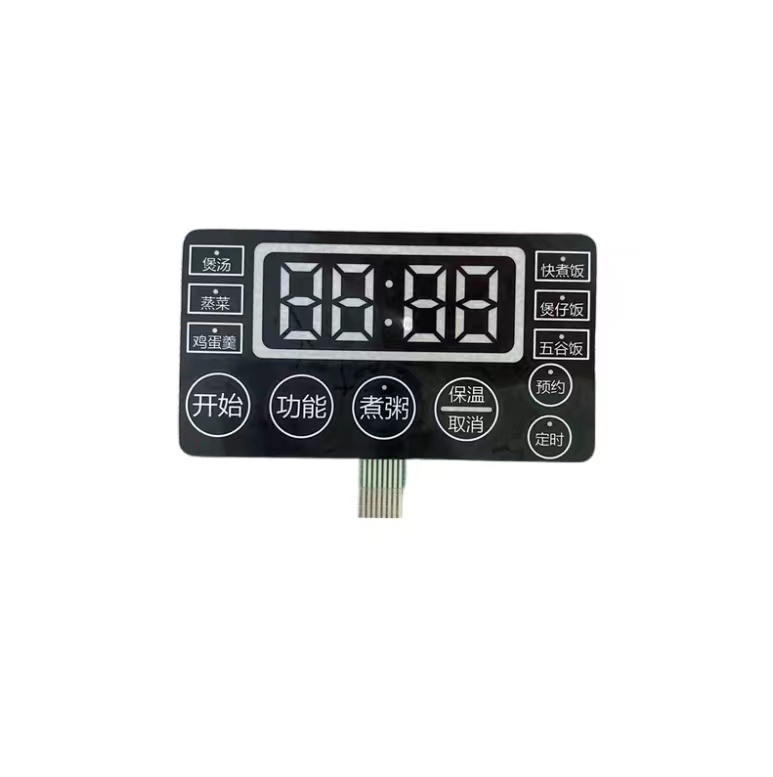
- Base Film: Textured Polycarbonate (PC)
- Print: Sub-Surface Anti-Scratch
- Embossing: Flat / Rim Key Embossing
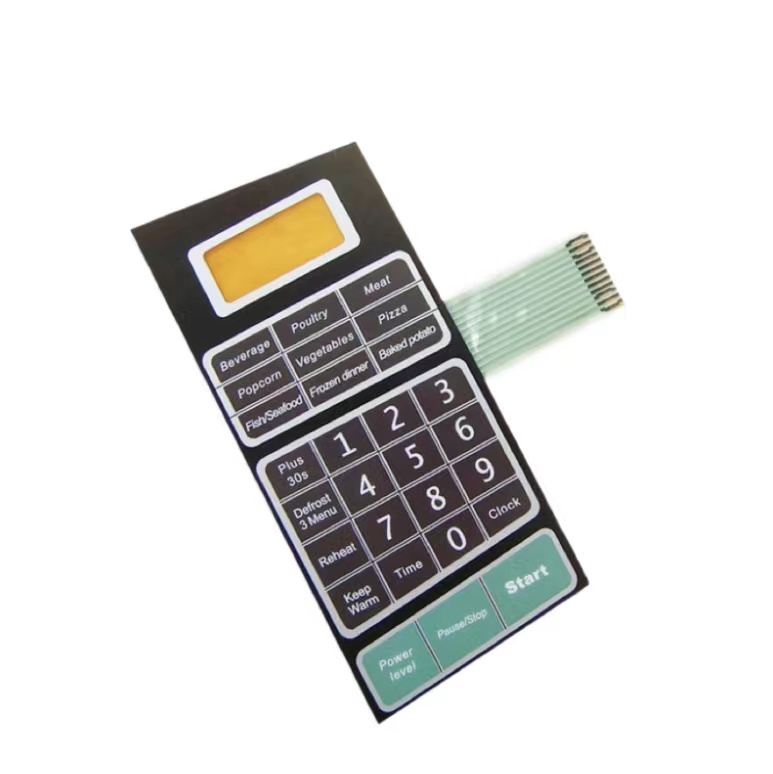
- Prototyping: Fast Turnaround 5-7 Days
- Circuit: Conductive Silver Trace / FPC
- Connector: Standard Female / FCI Clincher
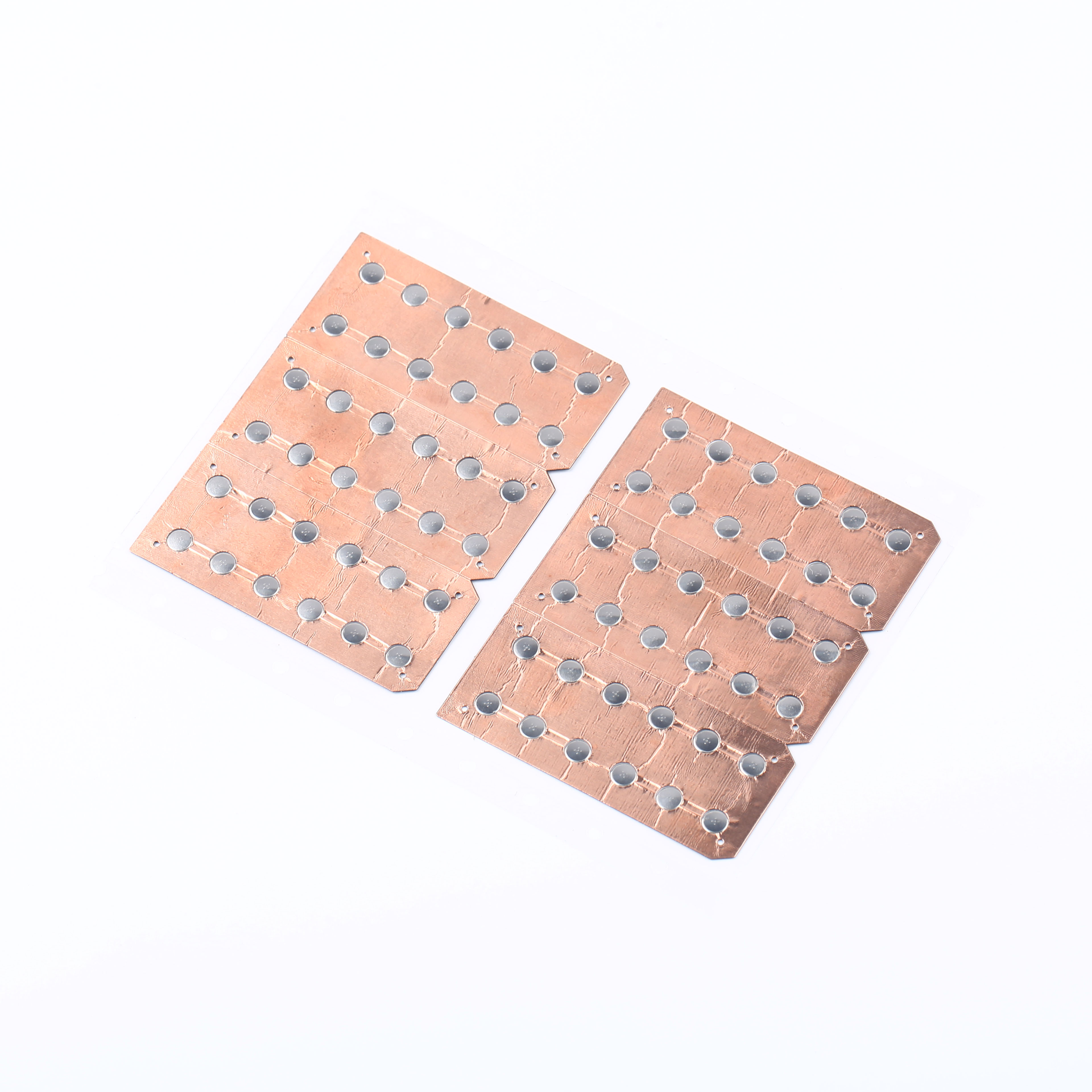
- Shielding: Laminated Copper Foil (EMI/ESD)
- Dome Trip Force: 250g – 450g Customizable
- Adhesive: 3M 467MP Industrial Grade
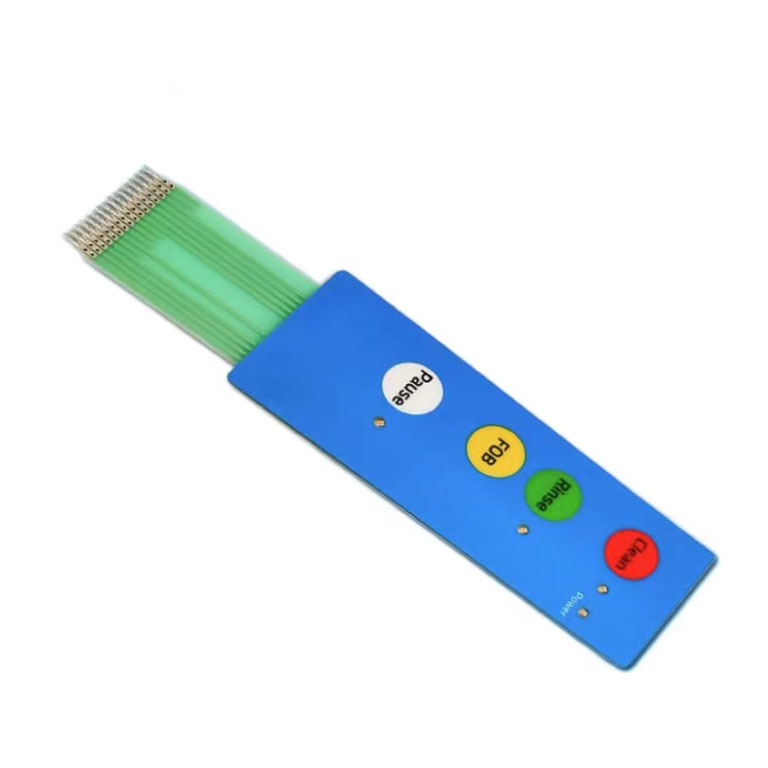
- Thickness: Ultra-Thin 0.125mm – 0.188mm
- Conductivity: Low Resistance Carbon/Silver
- Flex Life: High Fatigue Resistance
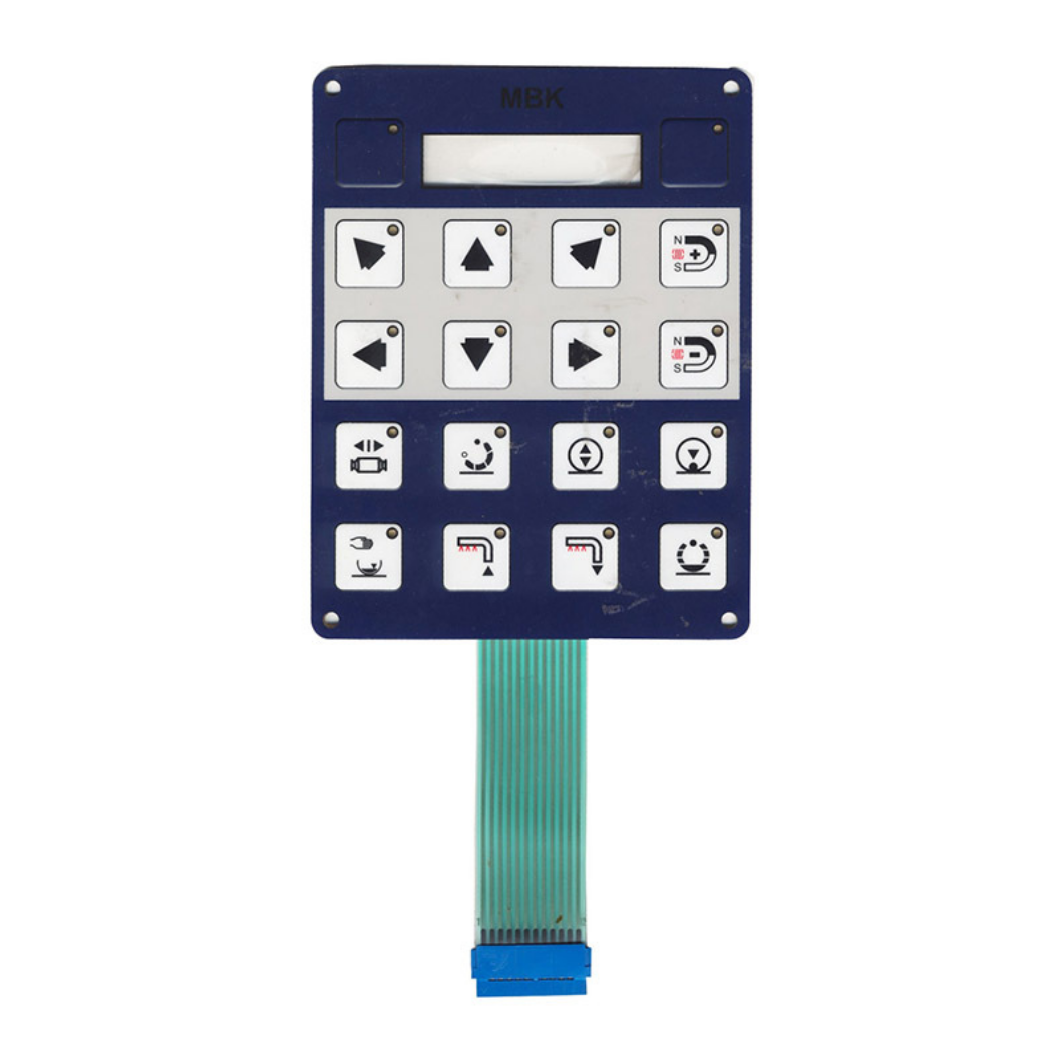
- Pinout: Single Common / Matrix Layout
- Mounting: Rear Adhesive Peel-and-Stick
- Rating: IP65 Front Splash-Proof
High-Performance Graphic Overlays: Materials, Ergonomics & Ingress Sealing
In modern industrial electronics, the graphic overlay is no longer a decorative afterthought. It serves as the primary barrier protecting sensitive printed circuit board assemblies (PCBAs) from moisture, chemical attack, mechanical shock, and particulate ingress.
Polycarbonate (PC) vs. Polyester (PET)
Polycarbonate (Covestro Makrofol®, SABIC Lexan®) delivers outstanding dimensional stability, flame retardancy (UL94 V-2/V-0), and crystal clarity for transparent LED/LCD display windows. However, for dynamic key switch cycles exceeding 100,000 actuations or continuous chemical exposure, bioriented biaxially-oriented polyester (PET, such as MacDermid Autotype Autotex™) is preferred.
- Polyester (PET): >5,000,000 switch flex actuations without micro-cracking; resilient against aggressive solvents, fuels, and industrial washdown detergents.
- Polycarbonate (PC): Exceptional impact resistance, easy thermal forming, cost-effective for static instrument fascias and dead-front displays.
Sub-Surface Screen & Digital Printing
All functional graphics, company branding, and user legends are printed on the second surface (reverse side) of the transparent film. This sub-surface architecture ensures that pigments, conductive traces, and transparent window tints remain completely shielded from external surface friction, ultraviolet weathering, and harsh chemical cleaners.
- Automated Screen Printing: High-density opaque ink layers, color consistency matched precisely to Pantone, RAL, or customer master swatches.
- Selective Texturing: Combination of velvet-matte anti-glare surfaces with ultra-clear optically transparent display cutouts for TFT and OLED screens.
Adhesive Engineering & IP Sealing
The interface between your mechanical enclosure and the graphic overlay is a critical structural barrier. We utilize high-cohesion transfer tapes and double-coated acrylic adhesives specifically selected for the substrate surface energy (LSE vs HSE), operating temperatures, and environmental sealing requirements.
- 3M 467MP / 468MP: Industry standard 200MP acrylic adhesive for high surface energy bare metals, clean powder coatings, and polycarbonates.
- 3M 300LSE / 9472LE: Formulated specifically for low surface energy plastics (polypropylene, polyethylene, textured ABS, and oleophobic coatings).
| Performance Parameter | Autotex™ XE / EBG Polyester (PET) | Lexan™ 8010 / HP Polycarbonate (PC) | Optically Clear PMMA Acrylic | Laser-Etched Anodized Aluminum |
|---|---|---|---|---|
| Actuation Flex Life | >5,000,000 cycles (Embossed) | ~100,000 cycles (Not recommended for high flex) | Rigid (Non-actuating window only) | Static panel / mechanical switch only |
| Chemical Resistance | Resistant to alcohols, MEK, oils, weak acids, cleaning caustic agents | Moderate; vulnerable to aromatic hydrocarbons, ketones, acetone | High optical clarity; poor resistance to polar solvents | Superior weather, solvent, and oil resistance |
| Outdoor UV Stability | Excellent with XE Outdoor-grade fluoropolymer hardcoats | Requires UV-stabilized grades; tends to yellow untreated | Inherently UV stable; minimal yellowing | Exceptional outdoors (Marine grade anodic coating) |
| Pencil Hardness / Scratch | 3H – 4H (Hardcoated textured surface) | HB – 1H (Requires hardcoat for 2H+) | 2H – 3H | >9H (Sapphire-grade anodic layer) |
| Tactile Embossing Options | Pillow, Rim, Dome, Braille, LED dead-front forms | Deep heat-forming, rim embossing, thermoformed housings | CNC machined bevels, step lips, adhesive pockets | CNC milling, countersunk holes, studs pressed |
Mission-Critical Applications Across Klaipėda & The Baltic Rim
From maritime engineering operating in the brackish Baltic Sea to cleanroom food processing and high-tech electronic manufacturing in the Klaipėda Free Economic Zone (FEZ), industrial panels must thrive in severe operating conditions.
Maritime & Port Marine Equipment
Klaipėda is the northernmost ice-free deep-water port on the eastern Baltic coast. Marine navigation consoles, bridge controls, ship-to-shore gantry cranes, and vessel winch interfaces are perpetually subjected to airborne saline mist, heavy ultraviolet radiation, and freezing maritime temperatures reaching -25°C.
- Salt-Mist Corrosion Resistance: Inert sub-surface graphic layers insulate metal snap domes and PCB contacts, preventing galvanic electrolytic oxidation.
- High-Glove Actuation: 350g to 500g tactile snap domes with rim embossing allow ship operators wearing heavy cold-weather work gloves to receive unmistakable tactile feedback.
Food Processing & Cold Storage Logistics
Klaipėda’s extensive port logistics infrastructure features vast refrigerated warehousing, seafood processing plants, and dairy/meat packaging lines. Control panels in these facilities undergo frequent high-pressure hot-water washdowns with sodium hypochlorite and quaternary ammonium sanitizing chemicals.
- IP67 / NEMA 4X Hermetic Sealing: Continuous perimeter perimeter adhesive gaskets prevent liquid ingress even under intense directional water jets.
- Antimicrobial Polyester Films: Integration of Microban®-infused film coatings prevents bacterial colonisation on food preparation touch surfaces.
Klaipėda FEZ & High-Tech EMS Sector
The Klaipėda Free Economic Zone (FEZ) has emerged as an agile center for electronics contract manufacturing (EMS), EV charging infrastructure, renewable energy monitoring, and telecommunications hardware destined for Scandinavian and Central European markets.
- Low-Loss Capacitive Sensing Overlays: Smooth-surface, ultra-thin dielectric films compatible with projected capacitive touch (PCAP) IC controllers.
- Dead-Front Annunciators: Semi-transparent tinted indicators that disappear completely into the panel when backlighting LEDs are unpowered, achieving sleek Nordic minimalist aesthetics.
Emerging HMI Trends Shaping Baltic Industrial Purchasing
Lithuanian original equipment manufacturers (OEMs) and design engineering firms are transitioning away from commodity parts toward high-density integrated HMI modules that combine capacitive touch, embedded LEDs, and environmental resilience.
Baltic Offshore Wind & Grid Electrification
With Lithuania’s major offshore wind initiatives in the Baltic Sea and extensive grid synchronization projects, electrical power distribution cabinets and transformer substations require user interfaces that withstand continuous environmental exposure without fading or moisture condensation.
Our solutions incorporate microporous Gore® membrane breathers within custom graphic overlays to equalize internal pressure while blocking liquid and particulate ingress (IP68 rating).
Strict EU Chemical & RoHS 3 Compliance
Exporting to the European Union demands exhaustive regulatory traceability. Every graphic overlay, spacer adhesive, conductive silver paste, and metal dome shipped to Klaipėda is rigorously verified under EU REACH (EC 1907/2006) for Substances of Very High Concern (SVHC) and RoHS 3 (Directive 2015/863).
Complete full-material declarations (FMD) and laboratory test reports are provided directly with pre-production samples to expedite CE and UL certifications.
Agile Prototyping & High-Mix Low-Volume
Baltic engineering firms and university spin-offs frequently require pilot manufacturing batches (25 to 500 units) to validate clinical trial medical devices, specialty agricultural robotics, or smart telemetry hardware without committing to expensive hard-tooling dies.
By pairing high-speed precision digital UV printing with automated CNC flatbed laser cutting, we deliver full production-grade functional prototypes to Klaipėda within 5 to 7 working days.
Integrated Manufacturing Infrastructure: From CAD to Cleanroom
Dongguan Cevra Electronic Technology Co., Ltd. has specialized exclusively in custom membrane switches, graphic overlays, and metal dome assemblies since March 2009. We eliminate trading intermediaries, giving your engineering team direct factory pricing and technical transparency.
ISO 9001:2015 & SGS Onsite Verified
Our operations adhere strictly to an audited quality management system. From incoming raw film optical density checks to automated CCD camera inspection of registration marks, every batch maintains rigorous process capability (Cpk > 1.33).
SGS Group has conducted onsite verification of our manufacturing facilities, workforce competencies, and export handling processes.
Complete In-House Tooling & Production
We do not outsource critical operations. Our 2,600㎡ Dongguan facility hosts precision screen printing presses, CCD optical drill machines, high-speed automated laminating lines, laser die-cutters, and Class 1,000 cleanroom assembly benches.
In-house toolmakers fabricate custom embossing dies and stamping molds rapidly, saving up to 40% on NRE (non-recurring engineering) costs compared to European local tooling shops.
Advanced Environmental & Actuation Labs
Every design undergoes validation inside our internal reliability testing laboratory before shipment. We provide detailed QA documentation with every container or air freight delivery sent to Lithuania.
- Metal dome load trip force curve profiling (ASTM F1578).
- Adhesion 90° and 180° peel tension testing (ASTM D3330).
- Electric pencil surface hardness testing (ASTM D3363, up to 4H).
- Thermal shock cycling (-40°C to +85°C) and salt-spray chamber testing.
Frequently Asked Questions for Klaipėda & Baltic Buyers
Clear, direct answers regarding logistics to Lithuania, design file requirements, environmental qualifications, and sample prototyping.
For functional prototypes, production takes 5 to 7 business days following digital artwork sign-off. Express door-to-door air courier (DHL, FedEx, UPS) directly to Klaipėda or Palanga International Airport takes an additional 4 to 6 business days. For volume sea freight routed via the Port of Klaipėda container terminals, maritime transit from Shenzhen/Hong Kong is typically 28 to 35 calendar days.
We specify modified high-performance acrylic adhesives, primarily 3M 300LSE or 3M 9472LE, which feature a continuous service temperature range spanning from -40°C to +149°C. Additionally, we integrate micro-ventilation capillary channels through internal spacer layers to equalize internal pressure differentials during sudden outdoor temperature shifts, preventing blister formation or faceplate lifting.
Our engineering team works with standard CAD and vector artwork files including Adobe Illustrator (.AI), PDF, AutoCAD (.DXF, .DWG), and CorelDraw (.CDR). Mechanical profiles, key embossing boundaries, clear LED windows, and tail conductor routings should ideally be layered distinctly. We provide full DFM (Design for Manufacturability) verification feedback within 24 hours free of charge.
Yes. We match colors accurately to both the Pantone Matching System (PMS Solid Coated) and the European RAL Classic color standard using computerized spectrophotometers under D65 standard daylight lighting conditions. We also accept physical plastic injection master chips or painted metal sample plates for exact Delta-E (ΔE ≤ 1.0) color replication.
We are structured to support both agile Baltic start-ups and high-volume multinational equipment makers. For custom graphic overlays, our minimum prototype batch starts at just 10 pieces. Complete tactile membrane switches start at 100 units, while standard stainless steel snap domes and dome arrays are supplied in lots of 1,000 pieces. Volume-tiered tooling amortization is available.
When using textured Autotex™ polyester, the faceplate exhibits absolute surface resistance against common port and marine chemicals, including diesel fuel, hydraulic fluid, isopropyl alcohol, acetone wipes, and salty water spray. Because all ink legends are printed on the sub-surface side of the film, cleaners never come into direct physical contact with the pigment layers.
Accelerate Your HMI Development for Klaipėda Projects
Whether you require a ruggedized marine control console, an IP67 waterproof membrane keypad for food processing automation, or high-volume precision snap dome arrays, our engineering team in Dongguan is ready to optimize your layer stack-up.