Featured Membrane Switch Assemblies & Industrial Overlays
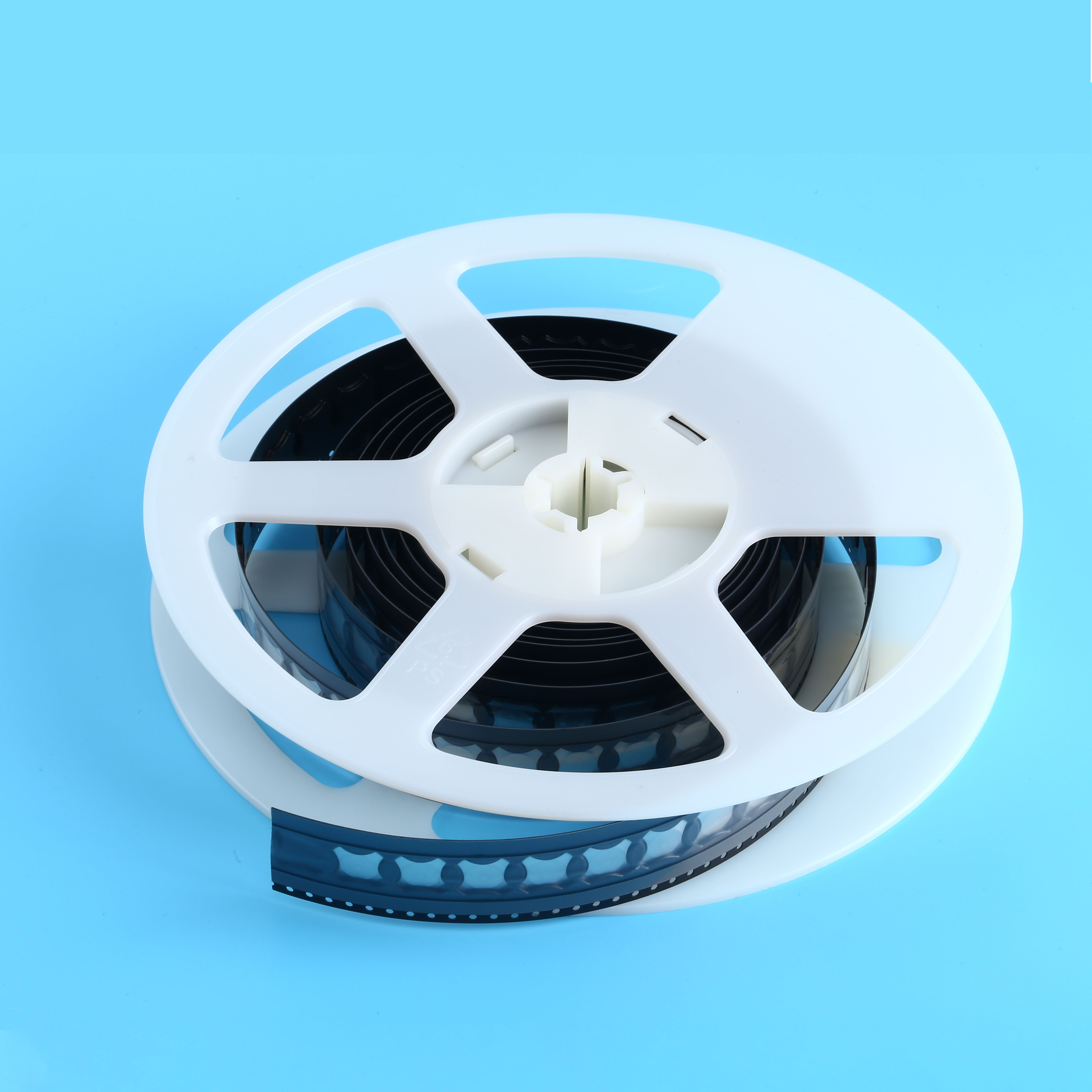
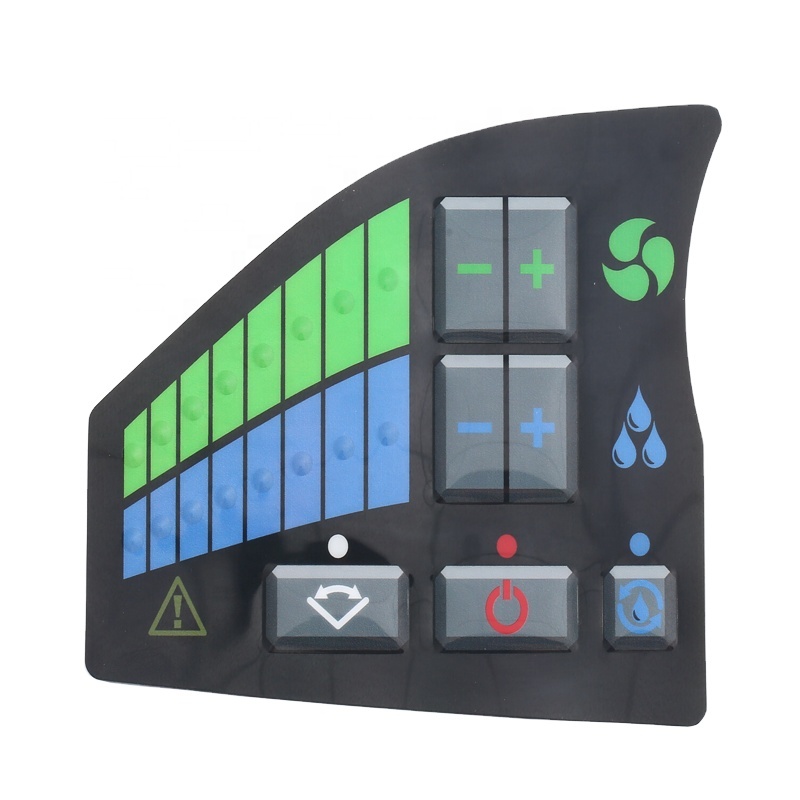
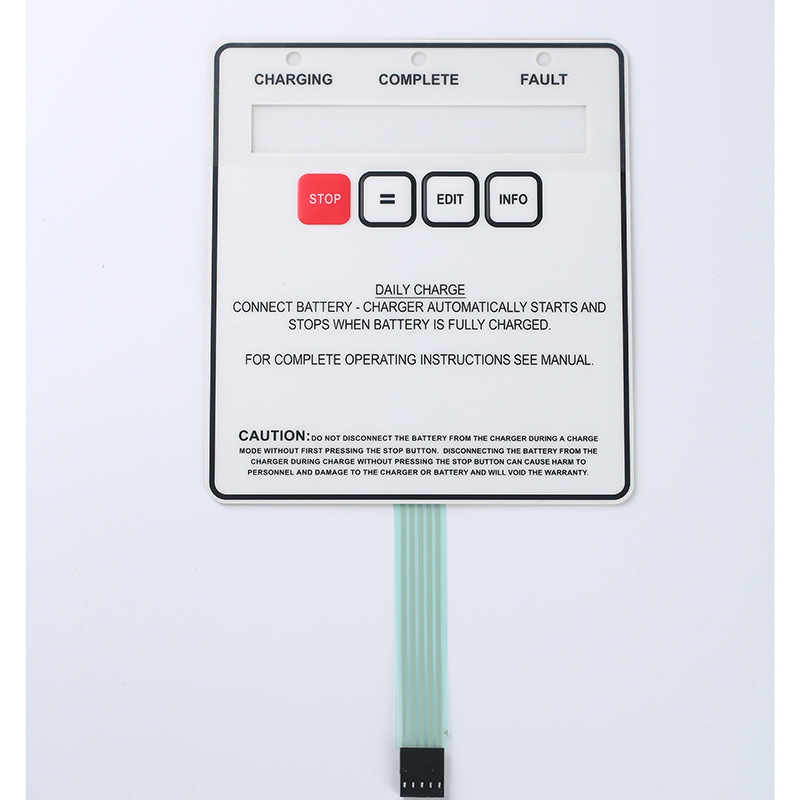
Direct factory manufacturing featuring sub-surface screen printing, precision embossing, tactile snap dome arrays, and IP67/NEMA 4X moisture seals ready for export integration into Madang commercial and industrial applications.
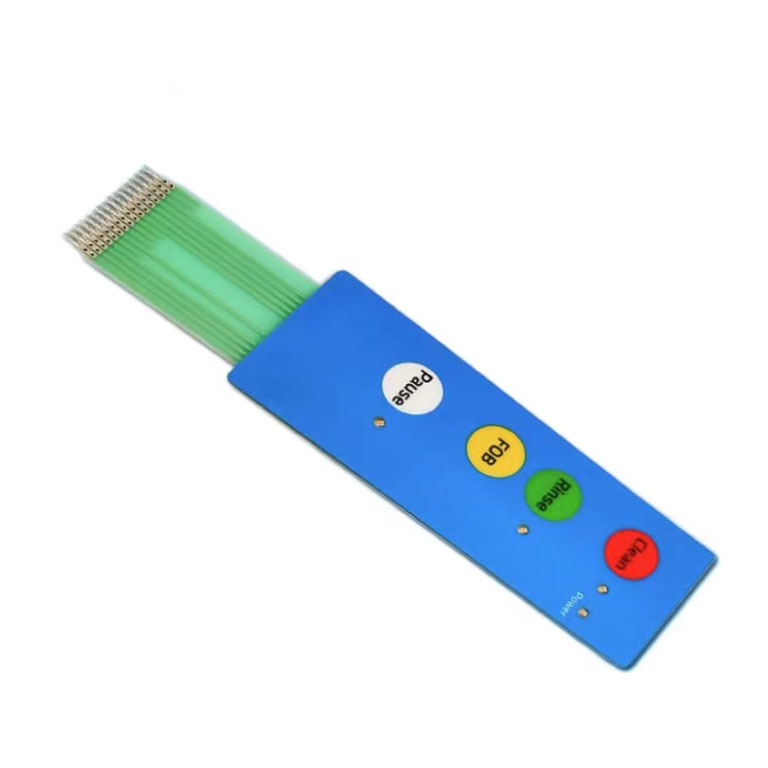
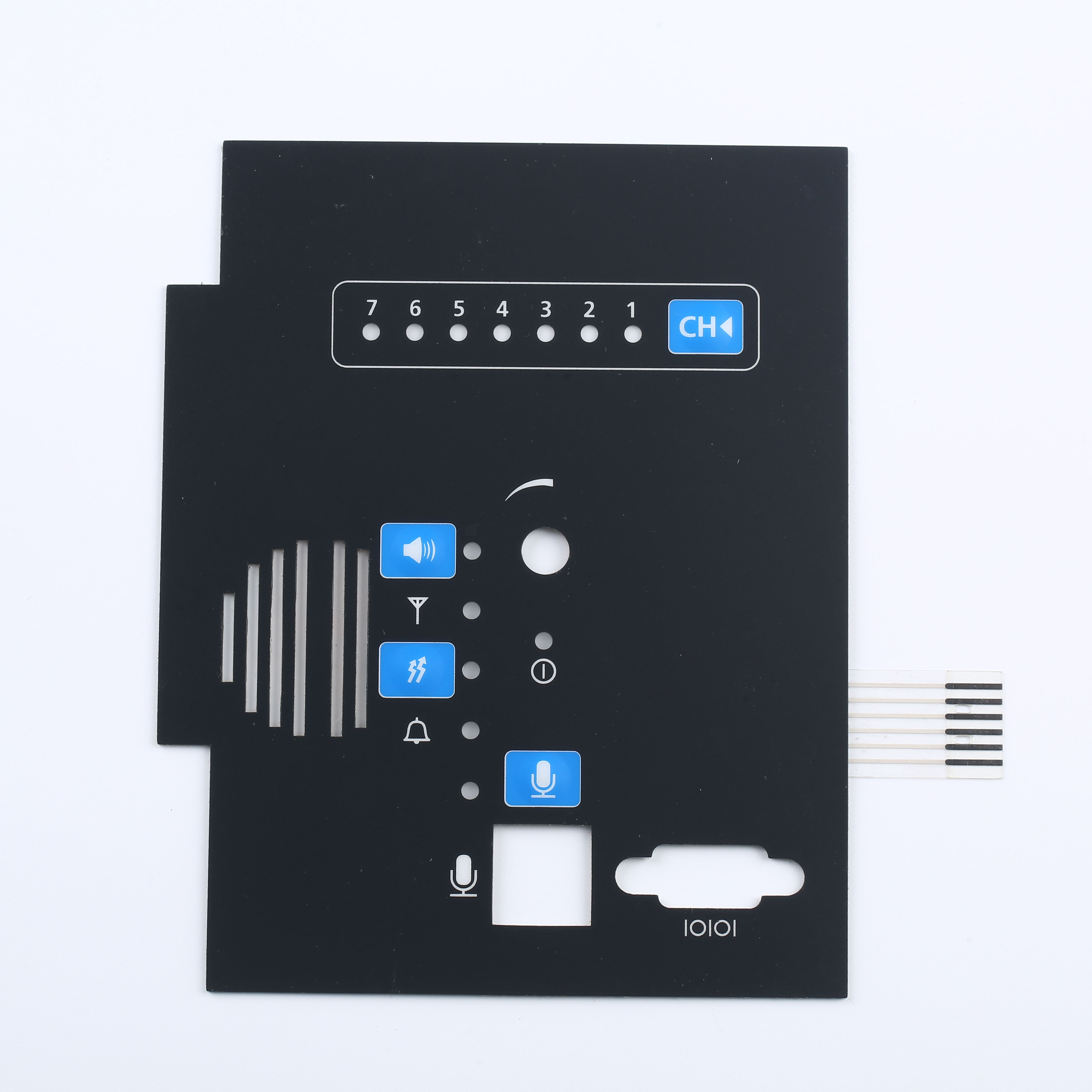
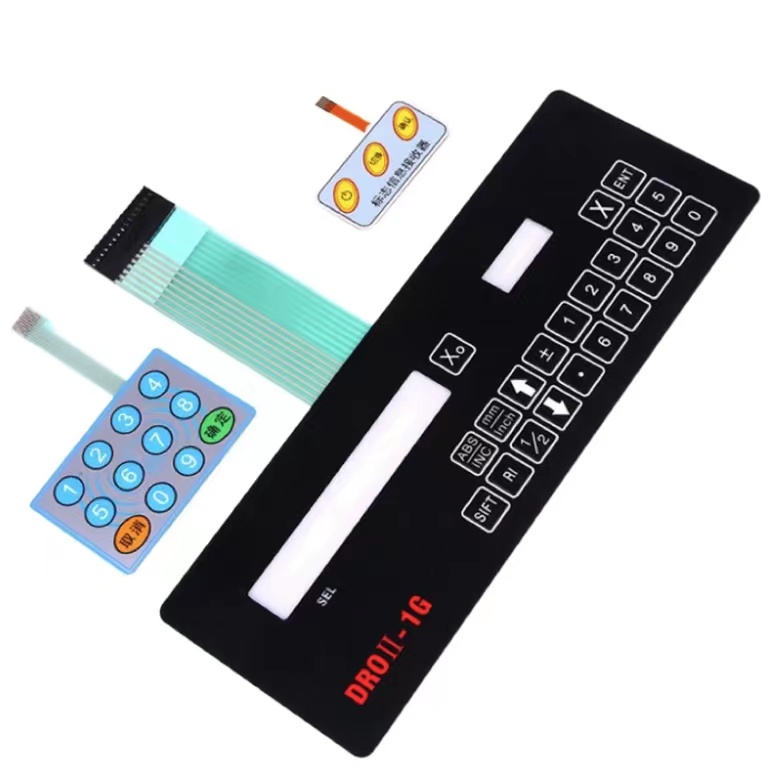
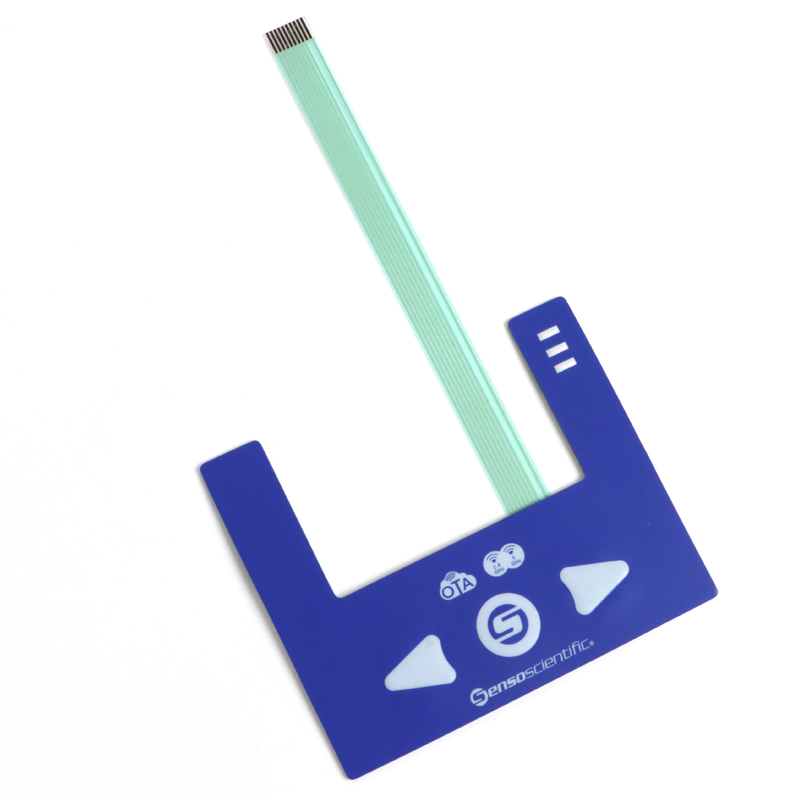
Material Integrity in High-Humidity Equatorial Environments: PET Overlays vs. Traditional Polymers
In equatorial maritime industrial corridors like Madang, industrial electronic controls are exposed to constant environmental stressors: sustained ambient humidity exceeding 85% to 95%, saline fog from the Bismarck Sea, intense solar UV radiation, and heavy particulate fallout from commercial agro-processing and mineral transshipment. Standard commercial control interfaces built on plasticized PVC or untreated polycarbonate (PC) succumb rapidly to environmental degradation, showing embrittlement, UV-induced yellowing, micro-fissuring around mechanical embossing radii, and catastrophic adhesive delamination.
Dongguan Cevra Electronic Technology Co., Ltd. engineers high-reliability human-machine interfaces utilizing biaxially-oriented Polyethylene Terephthalate (PET) films (including high-grade Autotex and MacDermid Autotype substrates). Chemically inert and dimensionally stable, PET provides an exceptional moisture vapor transmission barrier, preventing electrolytic silver migration across conductive traces while maintaining mechanical elasticity across millions of actuation cycles under elevated ambient temperatures up to 85°C.
By executing first-surface fine texture treatment and sub-surface screen printing on precision multi-station automated printing lines, inks and graphics remain permanently protected behind the solid polyester barrier layer. This prevents graphic erasure from abrasive wiping, industrial cleaning solvents (including caustic washes used in seafood processing), petroleum oils, and airborne acid contaminants.
Target Application Engineering for Madang's Core Industries
Tailoring membrane switches, graphic panels, and snap dome arrays to withstand the demanding operating parameters of Papua New Guinea's key commercial operations.
Commercial Tuna & Cold-Chain Facilities
Madang is Papua New Guinea’s premier marine processing hub, anchored by tuna canning complexes and the Pacific Marine Industrial Zone (PMIZ). Cevra's IP67 and IP68 sealed PET graphic overlays are engineered to resist rigorous Clean-in-Place (CIP) washdowns, exposure to chlorinated sanitizers, cold brine spray, and aggressive temperature cycling between blast freezers (-30°C) and tropical canning lines.
Copra, Cocoa & Palm Refining Equipment
Extractive agro-processing in Madang Province exposes control consoles to fine particulate matter, abrasive vegetable oil vapors, and mechanical shocks. Our embossed PET graphic panels, backed with high-shear 3M acrylic adhesive transfer tapes (467MP/468MP), form an impervious barrier against greasy hydrocarbon penetration that often destroys conventional mechanical pushbuttons.
Mining Refineries & Basamuk Port Transshipment
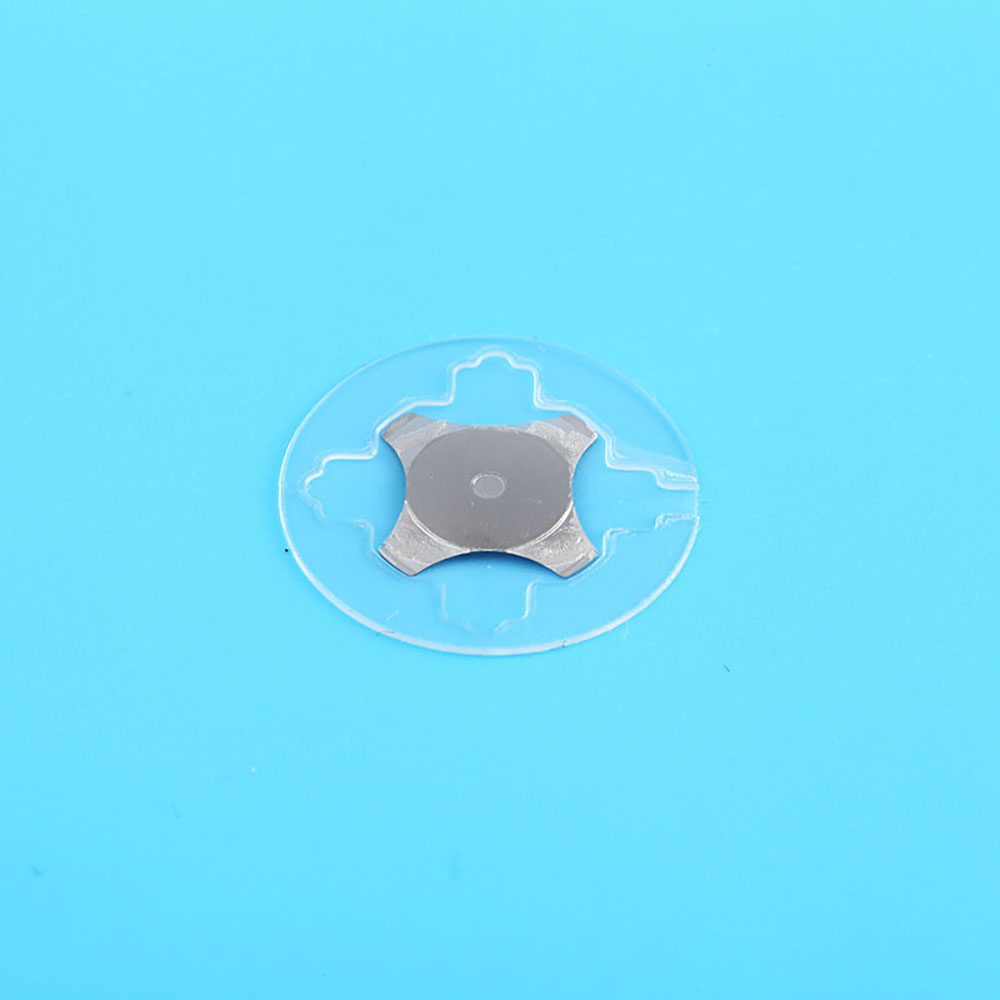
The Ramu NiCo nickel-cobalt processing pipeline terminating in Basamuk Bay involves heavy acidic slurry transport, airborne sulfur compounds, and abrasive dust. Cevra provides specialized chemically treated polyester overlays and gold-plated four-legged stainless steel tactile domes, guaranteeing zero contact oxidation and stable milliohm resistance in mineral processing environments.
Material Comparison: Polyester (PET) vs. Polycarbonate (PC) for Madang Deployments
Selecting the correct front-panel substrate determines whether an installation survives 10+ years in coastal PNG or fails within 12 months due to chemical embrittlement and flex-fatigue.
| Performance Characteristic | Autotex / High-Grade Industrial PET | Standard Optical Polycarbonate (PC) | Cevra Engineered Formulation |
|---|---|---|---|
| Flexural Fatigue Life | >5,000,000 actuations without crazing | ~100,000 to 300,000 actuations max | Class-A Biaxial PET Film |
| Resistance to Solvents / Cleaners | Impervious to alcohols, hydrocarbons, sanitizers | Susceptible to micro-cracking and hazing | Sub-surface fluorocarbon-sealed printing |
| Tensile Strength & Tear Resistance | High yield strength; resistant to sharp impacts | Good impact resistance, lower fatigue resistance | Automated laser-cut micro-radius edges |
| Equatorial UV Degradation | Available with specialized UV-stabilized hardcoats | Prone to yellowing and brittleness over time | UV-inhibited polyester formulation for outdoor gear |
| Moisture Ingress Protection (IP) | Zero water vapor absorption; closed cell | Slight water absorption under high humidity | Full perimeter perimeter continuous seal (IP67/NEMA 4X) |
| Embossing Profile Retention | Maintains tactile dome memory across thermal cycles | Easier to deep-draw, but tends to deform under heat | Hydro-forming & CNC heated tool matched embossing |
Industrial Modernization Trends in Papua New Guinea's Maritime Corridor
1. Transition to Sealed Hygienic Surfaces
Post-harvest agro-industrial exporters and tuna canneries in Madang are systematically replacing open mechanical switches with hermetically sealed, flat-surface PET overlays. Eliminating dirt-trapping crevices prevents bacterial accumulation, minimizes electrical short circuits from humidity condensation, and enables continuous steam/washdown sterilization.
2. Demand for Light Guide Film (LGF) Backlighting
Round-the-clock operating environments at the Port of Madang and remote extraction plants require uniform, glare-free night illumination. Modern overlays integrate ultra-thin Light Guide Film (LGF) or embedded side-firing surface mount LEDs, achieving balanced illumination with low electrical consumption (3.2V) directly from backup battery circuits.
3. High Tactile Snap for Gloved Operators
Industrial machinery operators in cold-storage freezers or heavy mineral facilities must operate equipment while wearing thick protective gloves. Cevra's custom 4-legged metal dome arrays provide decisive mechanical feedback (actuation forces from 280g to 450g), confirming switch actuation through audible and sensory clicks, which eliminates operator double-pressing errors.
Why Engineering Procurement Teams Depend on Cevra
Established in March 2009 in Dongguan, Guangdong, China, Dongguan Cevra Electronic Technology Co., Ltd. operates a modern 2,600-square-meter manufacturing plant dedicated to custom membrane switches, tactile metal domes, dome arrays, sensor film circuits, and precision graphic overlays. Unlike brokers or trading desks, every production step is performed under an audited ISO 9001 quality management system, authenticated on-site by SGS Group.
Fully Integrated In-House Production
From precision CAD/film plotting, automated screen printing lines, and cleanroom lamination to CNC die punching, laser cutting, and CCD camera drilling, all processing is contained under one roof to maintain tight geometric tolerances (±0.05mm).
Rigorous QA Testing Laboratory
Our quality control center is equipped with computer-controlled metal dome trip-force testers, constant-climate high/low temperature cabinets (-40°C to +85°C), 180° adhesive peel tension gauges, tack testers, and pencil surface hardness testing units.
Export Logistics to the Pacific Rim
We provide streamlined export delivery to Madang (via Lae Port shipping lines or air transit to Port Moresby / Madang Airport), packaged in custom anti-static desiccated barrier packing to prevent humidity damage during sea freight.
Frequently Asked Questions by Industrial Buyers in Madang
Direct technical answers addressing environmental performance, logistics to Papua New Guinea, custom engineering, and minimum order requirements.
How do your PET overlays prevent silver migration in Madang's 90%+ relative humidity?
Which pressure-sensitive adhesive (PSA) should we specify for our equipment enclosures?
What design files and specifications are needed to initiate custom engineering?
What is your typical turnaround time for prototypes and production export to Papua New Guinea?
Can display windows accommodate embedded LCD, OLED, or LED screens?
What are the Minimum Order Quantities (MOQ) for custom overseas runs?
Request Engineering Support for Madang Industrial HMIs
Connect directly with our senior membrane switch engineering team in Dongguan. Send your technical dimensions, graphic specifications, or prototype requirements for immediate manufacturability review and a comprehensive factory-direct quote.