Featured Catalog
Engineered Membrane Solutions for Industrial Applications
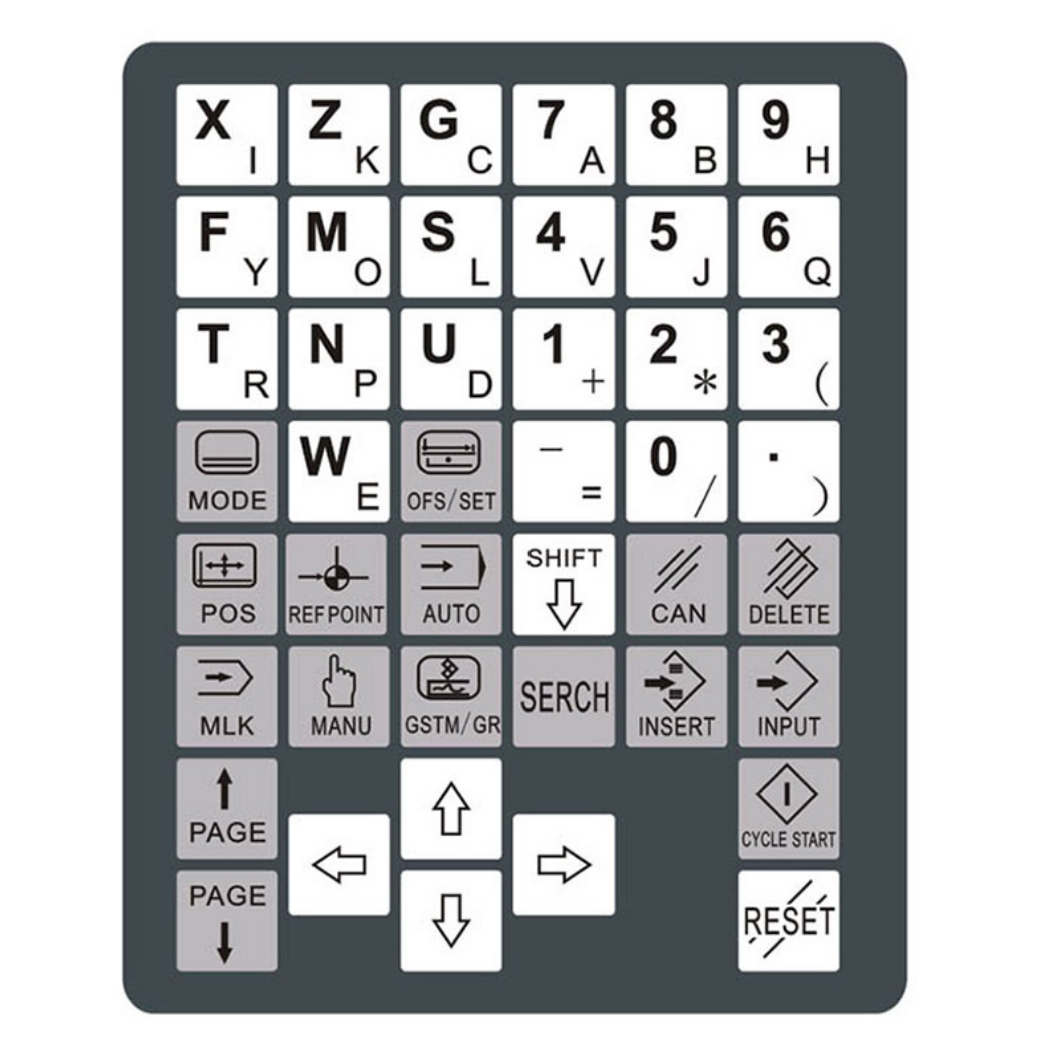
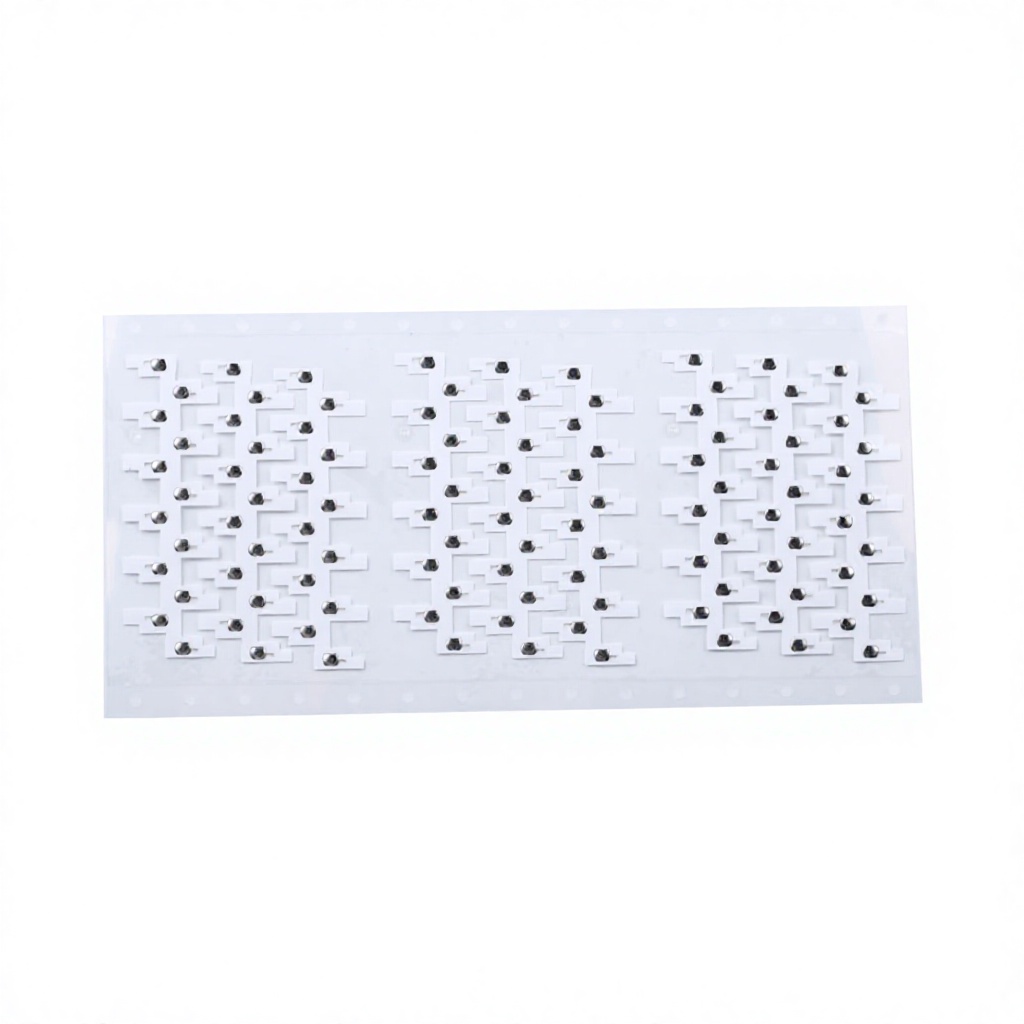
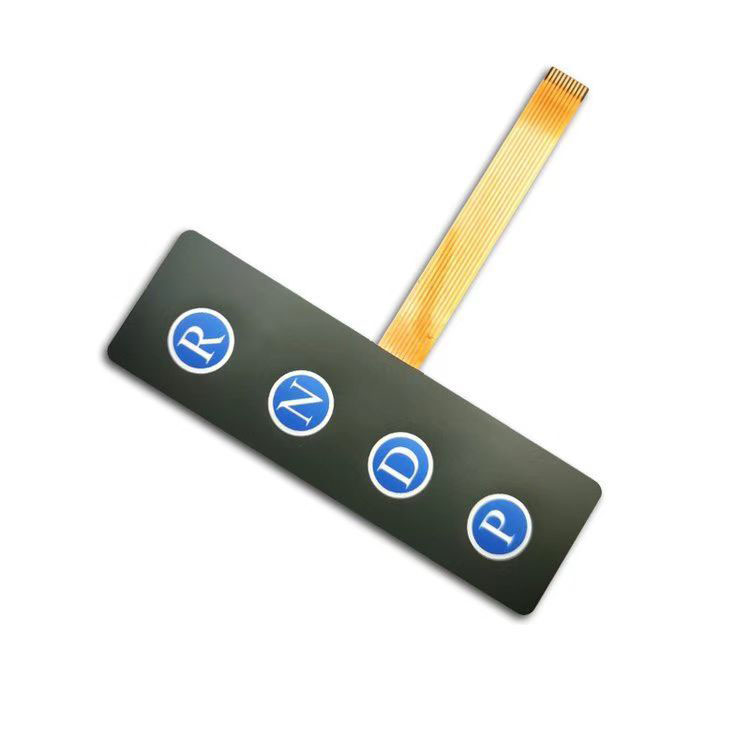
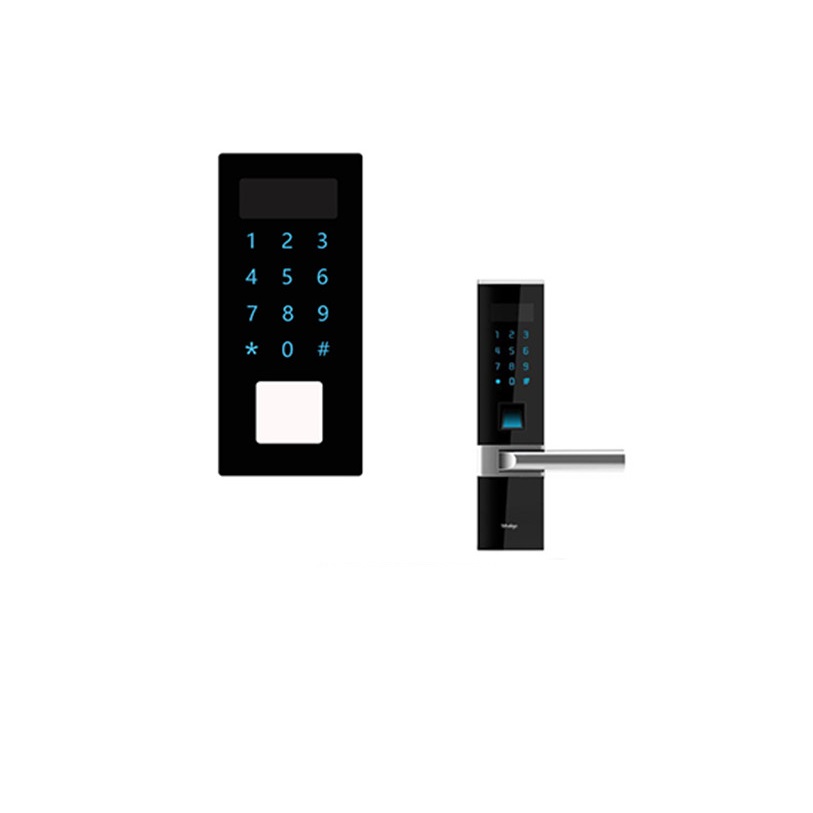
Direct from our Dongguan facility: custom printed electronics, non-tactile graphic overlays, dome arrays, and complete interface panels designed for longevity.
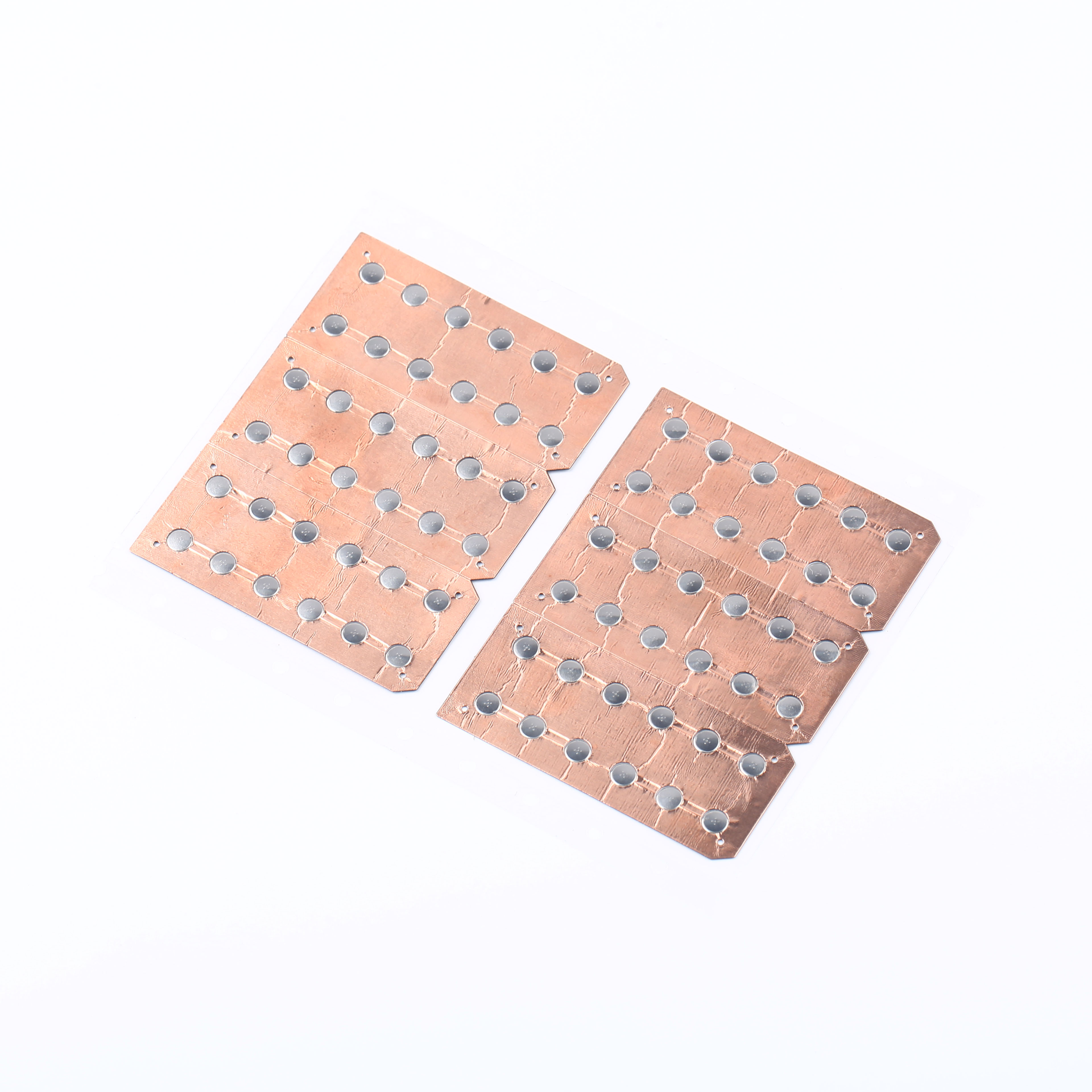
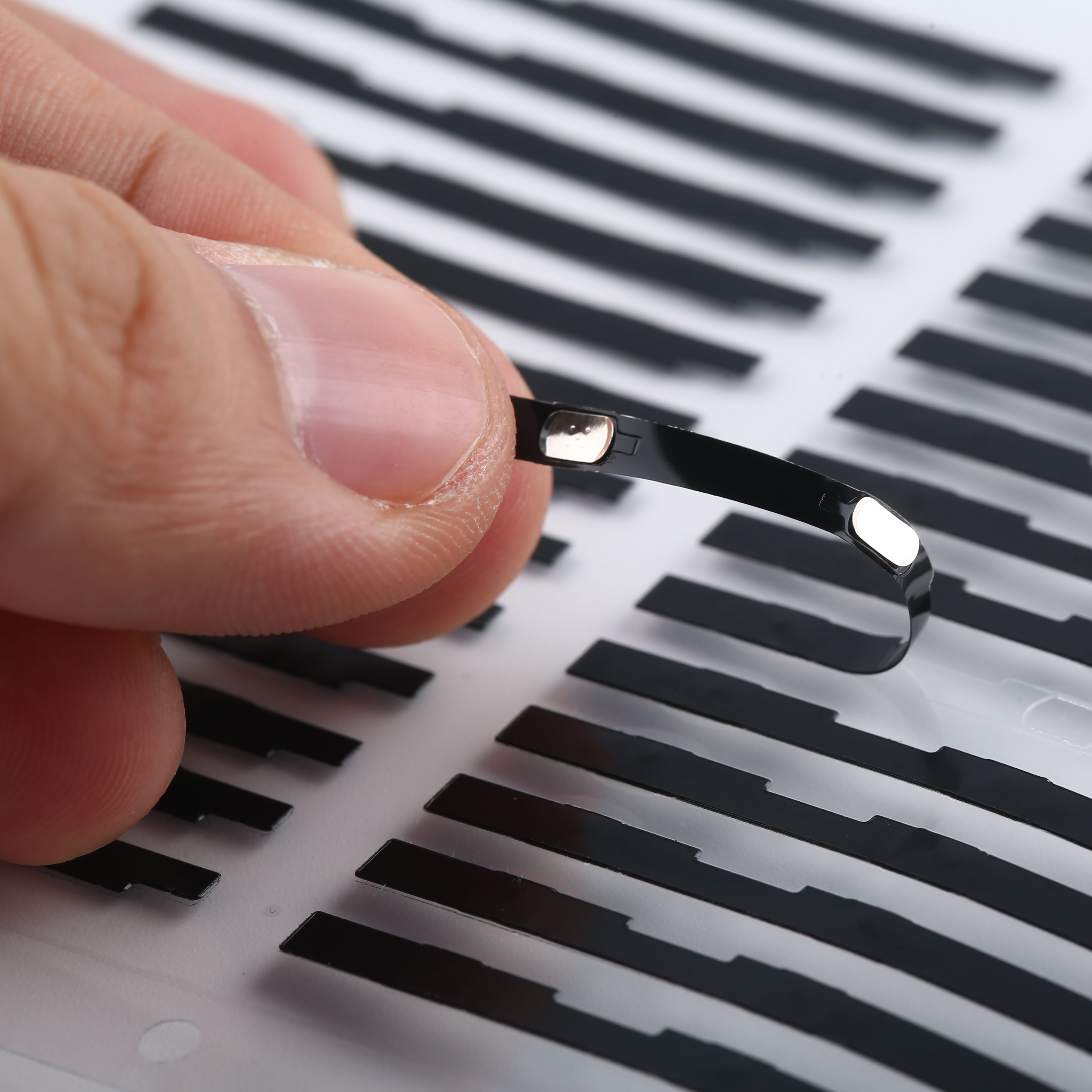
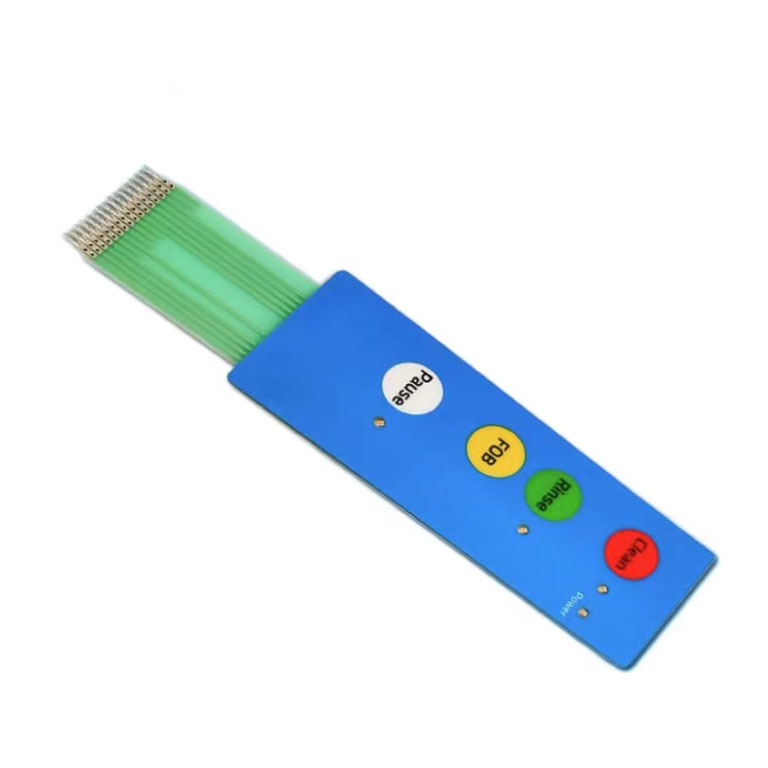
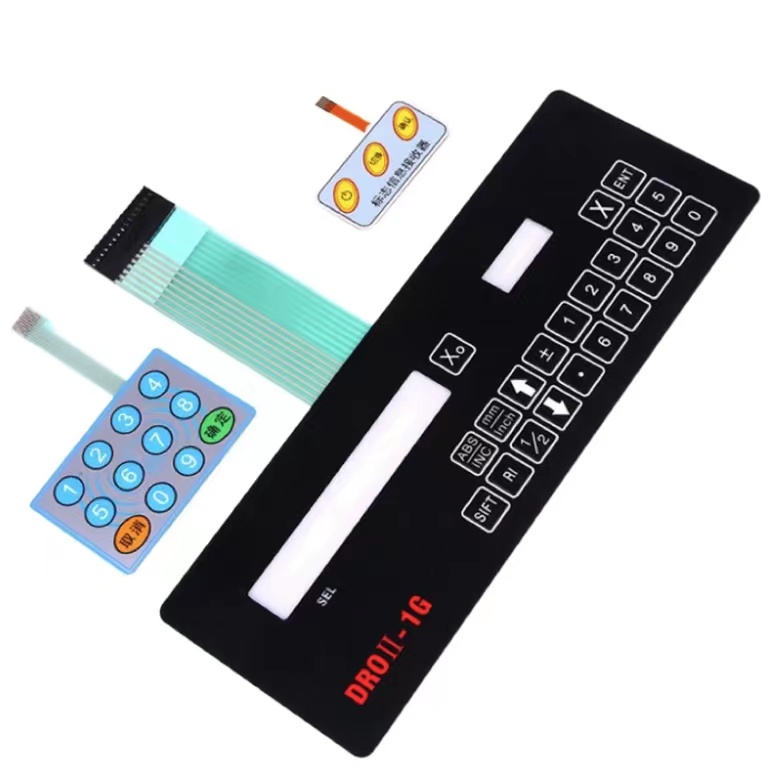
16+
Years Engineering Experience
2,600㎡
Self-Owned Factory Floor
100%
In-House Circuit & Die Cutting
SGS
Onsite Verified OEM Facility
Engineering Insight
Why Non-Tactile Membrane Switches Suit Industrial Guatemala
A comprehensive examination of physical architecture, environmental durability, and operational benefits for Central American manufacturing hubs.
In modern industrial interface engineering, non-tactile membrane switches represent one of the most reliable, cost-efficient, and fundamentally sealed control architectures available. Unlike tactile designs that incorporate stainless steel snap domes (SUS301/SUS304) or thermoformed plastic domes to generate sudden mechanical feedback, non-tactile switches rely on a direct, smooth compression interface. Actuation is achieved when the operator depresses the flexible top circuit sheet through an engineered spacer opening until its conductive silver contact pad directly engages the lower stationary circuit layer.
Because there are no flexing metal domes subjected to continuous cyclic fatigue or work hardening, high-quality non-tactile membrane keypads regularly exceed 5,000,000 to 10,000,000 operational cycles without structural failure. In high-frequency data entry consoles, industrial controllers, and food processing lines, operator feedback is commonly offloaded to audio buzzers, visual LED status indicators, or digital display confirmations. This completely decouples mechanical tactile perception from electrical continuity, allowing the interface to remain ultra-flat, completely sealed, and virtually immune to mechanical jamming.
Guatemala's Operational Challenge: Humidity, Thermal Fluctuations, and Airborne Particulates
Industrial machinery deployed across the Republic of Guatemala—spanning the industrial zones of Guatemala City, Mixco, Villa Nueva, Quetzaltenango, and Escuintla—encounters demanding ambient environments. The combination of intense tropical humidity, sudden wet-season condensation, volcanic dust from regional topography, and frequent washdown regimens in agro-processing facilities creates severe risks for traditional open-contact pushbuttons and unsealed mechanical keypads. Cevra’s custom non-tactile membrane switches integrate multi-layer acrylic adhesive perimeters (utilizing authentic 3M 467MP, 468MP, or 300LSE adhesive transfer tapes) that establish a continuous, hermetic seal against particulate contamination, steam, and chemical solvents.
For procurement officers, hardware developers, and plant maintenance managers throughout Guatemala, selecting an export-grade Chinese manufacturer with verified ISO 9001 quality systems guarantees that every production run complies with international dimensional tolerances, trace resistance metrics, and insulation resistance specifications.
Agro-Industrial & Sugar Mills
Widely deployed across sugar mills (Ingenios) in Escuintla and Santa Lucía Cotzumalguapa. Our flat, chemically resistant PET overlays withstand bagasse dust, cane juice splashing, high ambient humidity, and daily pressure cleaning.
Food, Beverage & Coffee Wet-Mills
Ideal for commercial sorting, roasting consoles, and beverage bottling plants in Sacatepéquez and Fraijanes. Flat surfaces contain zero microbial crevices, supporting rigorous sanitation protocols and washdown chemicals.
Petroleum & Commercial Dispensers
Deployed in forecourt fuel dispensers and industrial transfer pumps across Central America. UV-stabilized exterior grade polyester (Autotex XE) resists sunlight degradation and hydrocarbon exposure without yellowing or peeling.
Material Engineering
Anatomy of a Cevra Heavy-Duty Non-Tactile Switch
Every membrane panel is composed of precision-laminated functional layers, engineered to maintain electrical integrity through continuous duty cycles.
| Layer Component | Standard Material Grade | Functional Property & Engineering Value |
|---|---|---|
| 1. Graphic Overlay | Autotex PET (Polyester) / Lexan PC (Polycarbonate) | Subsurface printed graphics protect inks from abrasion, detergents, and UV. Textured, glossy, or anti-glare finishes available. |
| 2. Overlay Adhesive | 3M 467MP / 3M 468MP / 3M 300LSE | High-performance acrylic adhesive bonds overlay to upper circuit layer, preventing liquid ingress and edge delamination. |
| 3. Upper Circuit Layer | Heat-stabilized optical PET film (0.100mm – 0.125mm) | Printed with high-conductivity silver ink contacts and anti-migration carbon overcoat pads for maximum longevity. |
| 4. Spacer Layer | Polyester film (0.075mm – 0.150mm) with double-sided adhesive | Precision die-cut vent channels and key apertures dictate exact actuation travel (0.1mm to 0.4mm) without trapping air pockets. |
| 5. Lower Circuit Layer | Tough PET substrate or Flexible Printed Circuit (FPC) | Hosts interconnecting bus tracks, static ground shielding planes, and terminates in a custom flex tail (ZIF or female housing). |
| 6. Rear Mounting Adhesive | 3M 468MP, 3M 9448A, or VHB foam tape | Provides high shear holding power on powder-coated metals, aluminum chassis, molded ABS, and stainless steel cabinets. |
Static & EMI Shielding
Integrated aluminum or conductive graphite ground grid shields sensitive electronics against electrostatic discharge (ESD > 15kV).
Ventilation Channels
Micro-vented interior labyrinth equalizes pressure during atmospheric elevation changes from coastal Puerto Quetzal to Guatemala City (1,500m AMSL).
Anti-Silver Migration
Specially formulated carbon overcoat prevents silver electrochemical migration caused by high humidity and direct-current potential differences.
Display Window Clarity
Precision transparent and smoked filter windows engineered for 7-segment LED readouts, TFT LCDs, and OLED diagnostic indicators.
Market Trends
Industrial Modernization in Central America: 2025–2030 Trends
How automation, nearshoring, and agro-tech expansion are fueling demand for robust human-machine interface components in Guatemala.
Guatemala represents the largest economy in Central America, functioning as the premier regional center for manufacturing, light assembly (Maquila), food processing, and agro-export. Over recent fiscal cycles, Guatemalan manufacturers have accelerated their transition toward Industry 4.0 automation, replacing obsolete mechanical push-switches with integrated membrane control panels and capacitive touch surfaces. Three macro-level dynamics are shaping procurement strategies across the region:
1. Nearshoring and Assembly Expansion: With global supply chains seeking geographic diversification closer to North American consumption corridors, Guatemala’s logistics infrastructure—supported by deep-water terminals at Puerto Santo Tomás de Castilla and Puerto Quetzal—is seeing steady investments. Original equipment manufacturers establishing light manufacturing and electronic sub-assembly lines require dependable component suppliers capable of delivering ISO-certified membrane switches with tight lead times and custom branding.
2. Sanitary Compliance in Food and Beverage Processing: Guatemala’s export portfolio of specialty coffee, processed fruits, palm oil, and poultry requires strict compliance with international sanitary norms (including HACCP, FDA, and European sanitary standards). Non-tactile membrane switches offer completely unbroken front surfaces that can be wiped down with aggressive sanitizers, chlorine solutions, and alcohol-based degreasers without moisture seeping into internal electrical connections.
3. Resilience Against Thermal and Grid Fluctuations: Electrical infrastructure in outlying agricultural processing stations often experiences voltage fluctuations and high ambient temperature shifts. Unlike touchscreens with delicate driver ICs that can fail under electromagnetic spikes, passive non-tactile membrane switches are fundamentally robust passive electromechanical assemblies. They withstand power cycles, severe voltage transients, and temperature swings from -20°C up to +70°C without erratic switching behavior.
Factory Credibility
Why Engineers & Importers Partner with Cevra
Dongguan Cevra Electronic Technology Co., Ltd. provides end-to-end manufacturing capability under an ISO 9001 quality management framework.
True Manufacturer, No Middlemen
Founded in March 2009 in Dongguan, our 2,600㎡ facility handles 100% of printing, die-cutting, laser cutting, CCD alignment, and final assembly in-house. You work directly with engineering technicians.
SGS Group Onsite Audited
Our workshop premises, QA/QC testing instruments, and manufacturing capacities are authenticated by SGS Group, confirming real factory status, verified trade history, and compliance with global buyer standards.
Exhaustive In-House Testing Lab
Every batch undergoes testing with automated electrical continuity testers, dome load testers, high/low temperature chambers (-40°C to +85°C), peel tension testers, and pencil hardness testers (up to 3H).
Procurement Guidance
Frequently Asked Questions by Guatemalan Buyers
Essential details regarding logistics, customs handling, MOQ, and engineering coordination between China and Guatemala.
What is the typical shipping timeline and method from China to Guatemala?
For urgent prototype batches and small production runs (50 to 500 units), we ship via international air express (DHL, FedEx, UPS) directly to La Aurora International Airport (GUA) in Guatemala City, with transit times averaging 5 to 8 business days. For bulk production orders, shipments depart Shenzhen or Guangzhou ports by ocean freight to Puerto Quetzal (Pacific Coast) or Santo Tomás de Castilla (Atlantic Coast), typically taking 28 to 35 days. We provide all commercial invoices, packing lists with Harmonized Tariff Schedule (HS) code 8537.10, and certificates of origin for smooth SAT (Superintendencia de Administración Tributaria) customs clearance.
Can you manufacture non-tactile switches with custom Spanish key legends and brand colors?
Yes, absolutely. Our high-precision screen printing and digital flatbed printing lines reproduce exact Pantone (PMS) and RAL color systems specified by your design team. Graphic overlays can incorporate Spanish warning prompts, custom company logotypes, multi-lingual symbols, and transparent LED annunciator windows. We submit full-color PDF/CAD digital proofs for engineering sign-off prior to film exposure or tooling creation.
What design files are required to get a manufacturing quotation and DFM review?
To initiate a comprehensive Design for Manufacturability (DFM) review, please provide: 1. Vector artwork for the graphic overlay (.AI, .CorelDraw, .PDF, or .DXF). 2. Mechanical dimension drawings outlining panel borders, cutout holes, and tail exit location. 3. Circuit schematic or pinout definition (Matrix vs. Common Bus). 4. Connector specification (e.g., 2.54mm pitch female housing, 1.0mm/0.5mm ZIF pitch, or bare silver pads). Our engineering team typically returns formal DFM feedback and stack-up proposals within 24 hours.
How do non-tactile membrane switches compare in price to metal dome tactile switches?
Non-tactile membrane switches are inherently more economical. By omitting the stainless steel metal snap dome array (SUS301/SUS304) and the associated automated dome placement assembly process, unit costs are reduced by approximately 15% to 30% depending on key count. Furthermore, non-tactile construction simplifies stack-up thickness, often yielding an ultra-thin profile of just 0.5mm to 0.8mm total thickness.
What Minimum Order Quantities (MOQ) do you accept for custom orders?
We actively support hardware innovation and maintenance operations in Latin America. Prototype evaluation quantities start from just 10 to 50 pieces to allow comprehensive bench testing and fit-testing. Standard production volume discounts take effect starting at 100, 500, and 1,000+ units. Payment can be settled securely via T/T bank transfer or Alibaba Trade Assurance.
Ready to Build Custom Membrane Interfaces for Your Project?
Whether you require replacements for existing machinery in Guatemala or are designing a brand-new electronic device from scratch, Cevra's engineering team is here to assist with stack-up selection, rapid prototyping, and export-grade production.
Inquire Now