High-Reliability Metal Domes & Membrane Assemblies
Engineered for critical actuation feedback, long tactile life cycles, and extreme environmental resistance in demanding institutional infrastructure.
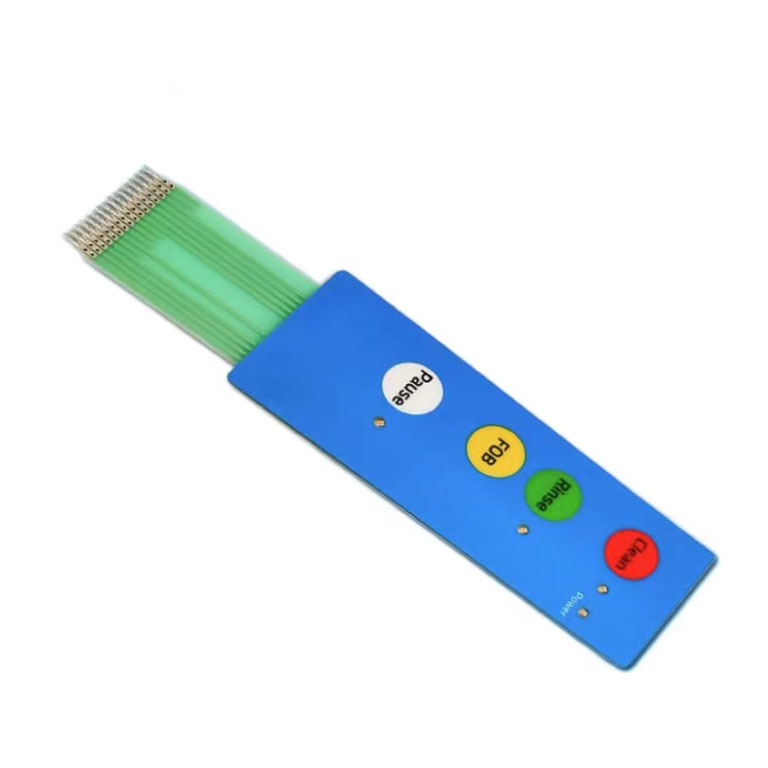
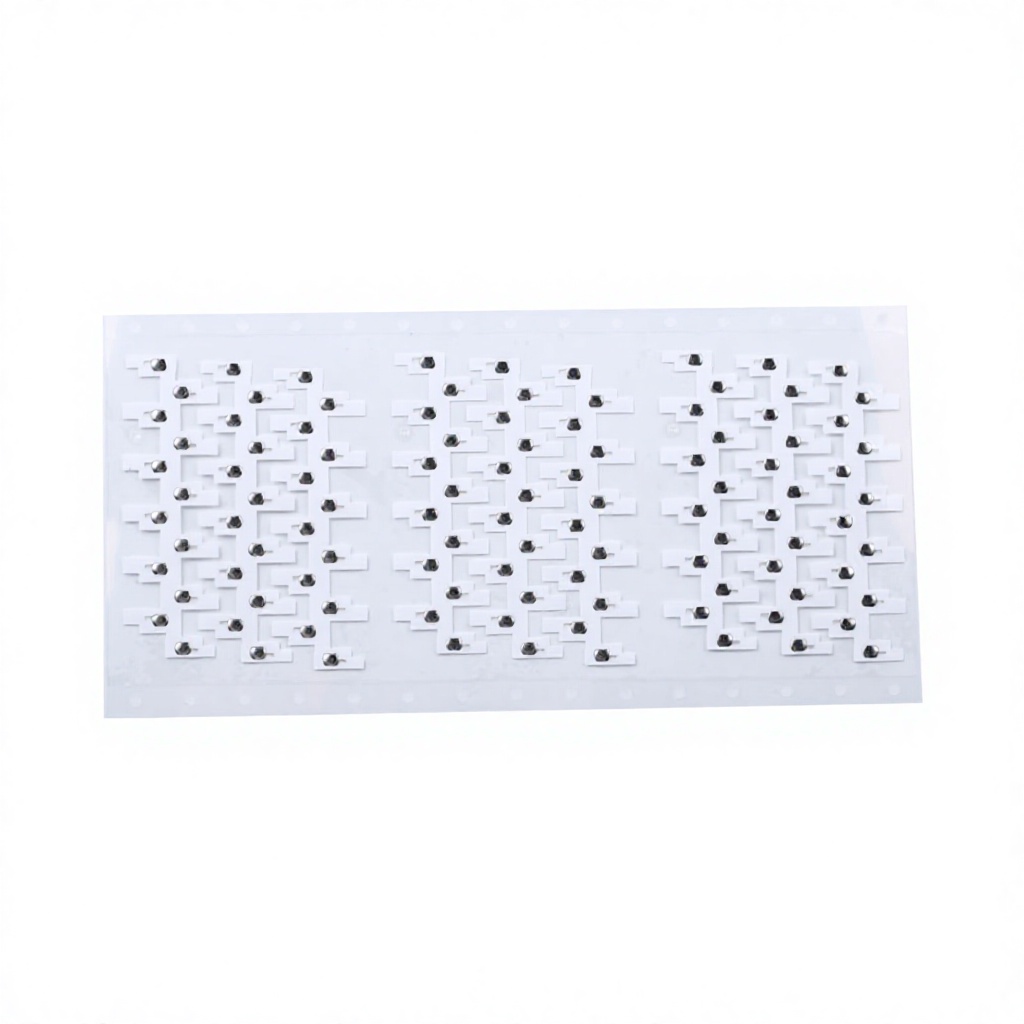
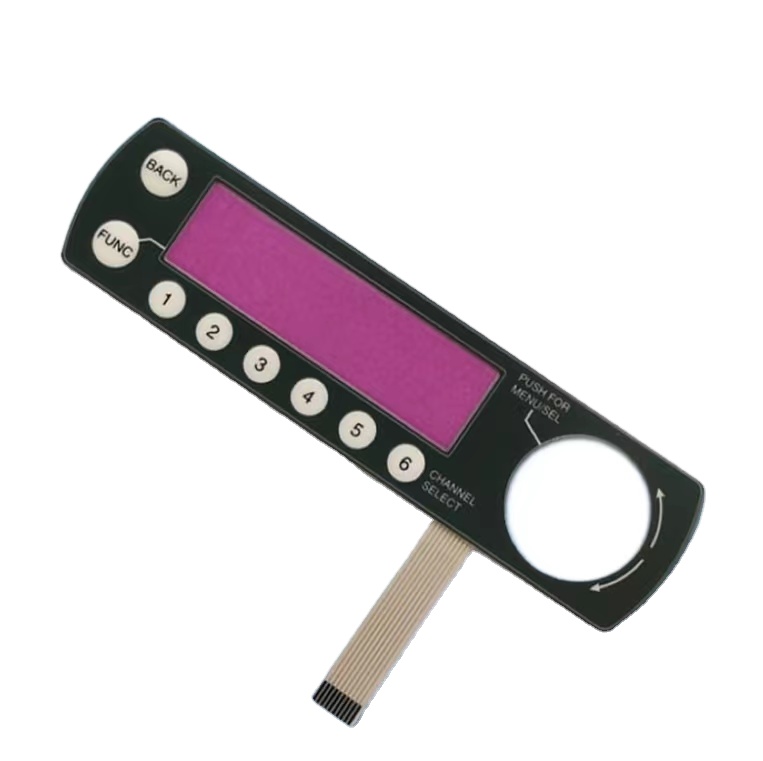
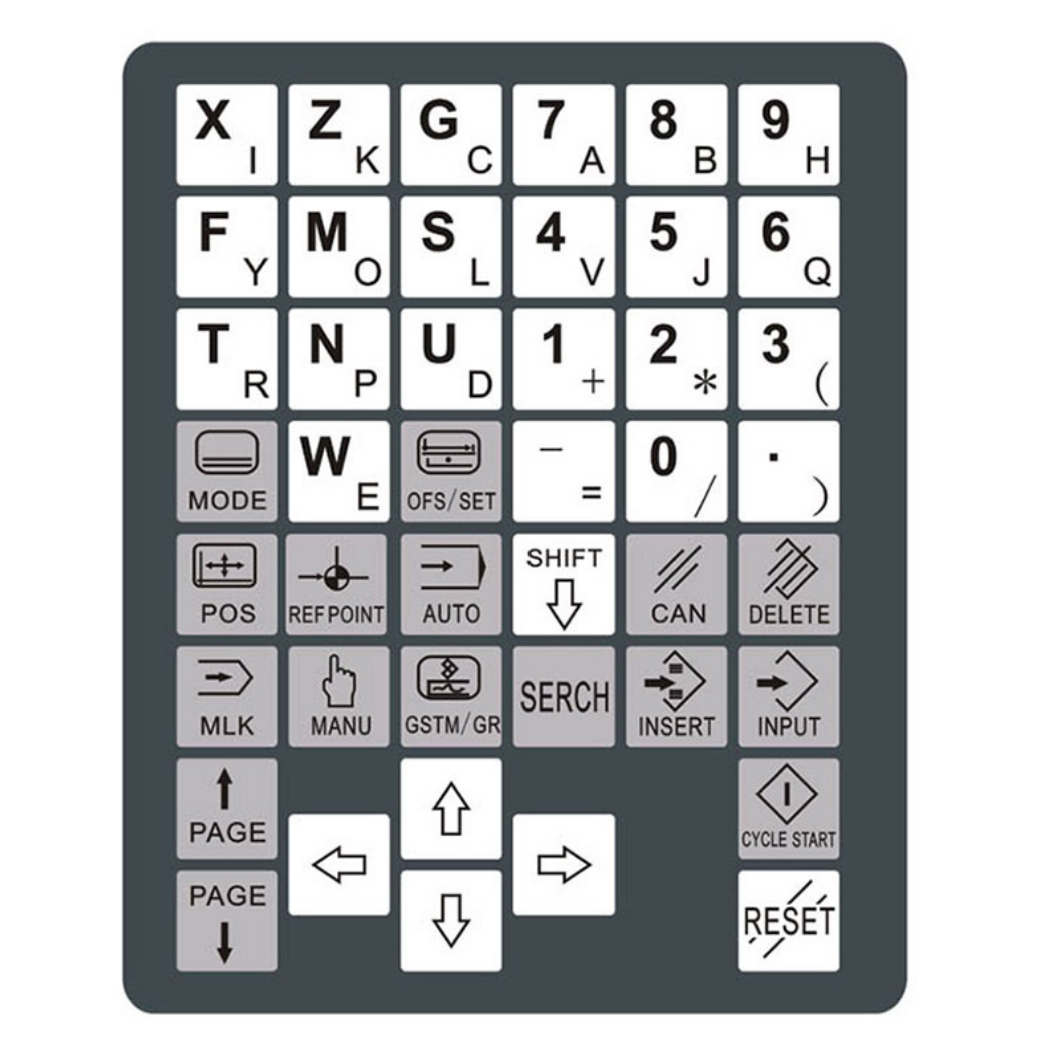
Specialized Tactile Switches for Vatican City’s Demanding Infrastructure
Procuring electromechanical tactile components for systems deployed within the State of the Vatican City presents unique engineering and architectural challenges. The sovereign city-state functions not merely as an international spiritual and administrative capital, but as a hyper-dense repository of ancient architecture, world-renowned museum facilities (Musei Vaticani), highly protected pontifical radio and telecommunications networks, and restricted security apparatuses operated by the Pontifical Swiss Guard and Vatican Gendarmerie.
In this specialized environment, human-machine interfaces (HMIs) must integrate into retrofitted stone masonry, historical archives, public visitor checkpoints, and mission-critical perimeter security systems. Keypads and push-button contact arrays must withstand aggressive micro-environmental demands: high footfall abrasion, micro-particulate masonry dust, humidity fluctuations within century-old subterranean vaults, and stringent silence requirements in broadcast and liturgical settings.
As a seasoned custom manufacturer, Dongguan Cevra Electronic Technology Co., Ltd. supplies electronic instrumentation OEMs, Italian automation contractors, and specialized European restoration engineers with bespoke metal snap domes and precision-die-cut membrane switches that satisfy stringent European Union CE, RoHS, and REACH directives while supporting zero-failure requirements inside Vatican state facilities.
Perimeter & Swiss Guard Checkpoints
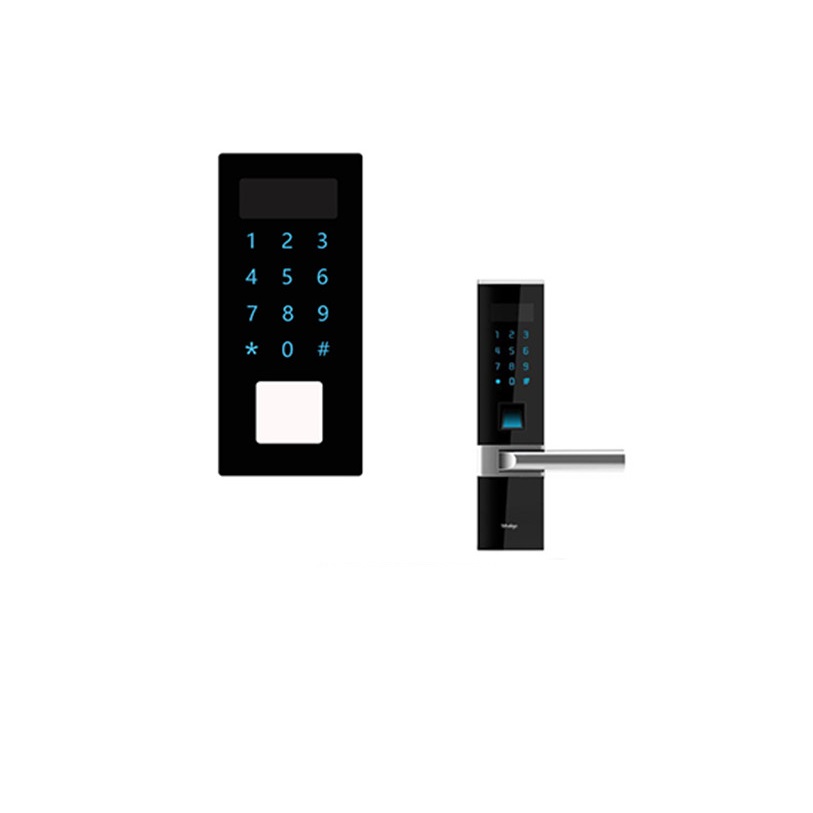
Access control panels deployed at the Saint Anne Gate, the Arch of the Bells, and restricted apostolic palatial quarters require vandal-resistant, IP67 hermetically sealed tactile keypads with anti-chatter performance under heavy daily duty cycles.
Vatican Radio Broadcast Consoles
Acoustic telemetry desks and multi-language transmission equipment within the Palazzo Pio require low-noise, smooth-stroke tactile metal snap domes (180g–250g trip force) ensuring zero audible click leakage during live broadcast operations.
Apostolic Archive Climate Telemetry
Precision environmental monitors preserving irreplaceable codices and historical manuscripts rely on gold-plated cross metal domes to prevent contact oxidation in humidity-regulated archival vaults and ancient stone structures.
Comparative Dome Geometries for Institutional Equipment
Selecting the optimal tactile trip force, click ratio, and metallurgy is critical for reliable performance in specialized Vatican equipment deployments.
| Dome Profile | Available Diameters | Actuation Trip Force | Tactile Click Ratio | Typical Vatican Application |
|---|---|---|---|---|
| 4-Leg Cross Dome (With Dimple) | 8.4 mm, 10.0 mm, 12.0 mm, 14.0 mm | 220g – 420g (±30g) | 45% – 60% | Security gate access terminals, perimeter alarm panels, automated bollard controls. |
| Circular Round Dome (Non-Dimple) | 4.0 mm, 5.0 mm, 6.0 mm, 8.0 mm | 160g – 280g (±20g) | 35% – 50% | Miniature telemetry sensors, portable radio transceivers, archival data loggers. |
| Triangular Snap Dome (3-Leg) | 6.0 mm, 8.0 mm, 10.0 mm, 12.0 mm | 180g – 350g (±25g) | 50% – 65% | Compact handheld communication terminals, liturgical lighting remote controllers. |
| Oblong / Rectangular Dome | custom geometries up to 20 mm | 250g – 450g (±30g) | 40% – 55% | High-visibility emergency override switches, museum display interactive consoles. |
| Pre-Assembled Dome Array (Single Layer) | Customized pitch (matrix or common bus) | Engineered per key location | Consistent ±5% across array | Multi-button ticketing kiosks, security guard desk consoles, HVAC building automation. |
Emerging Trends in Vatican City & Regional Pontifical Hardware
While the architectural majesty of the Vatican remains immutable, its internal technical infrastructure undergoes continual modernization. System integrators and technical procurement officers operating across Rome and the Vatican City state report several clear engineering trends shaping switch and keypad specifications:
1. Architectural Non-Invasiveness & Ultra-Slim Profiles: Historical protection guidelines enforced by the Fabric of Saint Peter (Fabbrica di San Pietro) severely limit deep core drilling or trenching into centuries-old travertine and marble walls. As a result, modernization contractors favor ultra-thin (under 1.2 mm total thickness) flexible membrane switches and surface-mounted dome arrays that interface seamlessly with wireless low-power LoRaWAN or Zigbee building telemetry nodes.
2. Contact Plating Integrity Against Accelerated Corrosion: Traditional micro-switches with exposed base copper or inferior tin plating suffer high failure rates in Roman microclimates, where historical masonry releases trapped salts, micro-dust, and moisture. Institutional contracts increasingly specify hard gold immersion plating (Au over Ni barrier layer) for internal contact pads and domes to maintain ultra-low contact resistance and eliminate dendritic silver migration under sustained DC bias voltages.
3. Enhanced Biocidal & Chemical Resistant Overlays: The heavy throughput of international pilgrims—exceeding tens of thousands daily in Saint Peter's Basilica and the Vatican Museums—demands touch keypads that withstand aggressive hospital-grade sanitizers, isopropyl alcohol washes, and constant abrasion without graphic degradation. Cevra integrates sub-surface silk-screen printed Autotype MacDermid PET films that protect printed key legends permanently behind the protective polymer barrier.
Why Institutional Integrators Choose Cevra
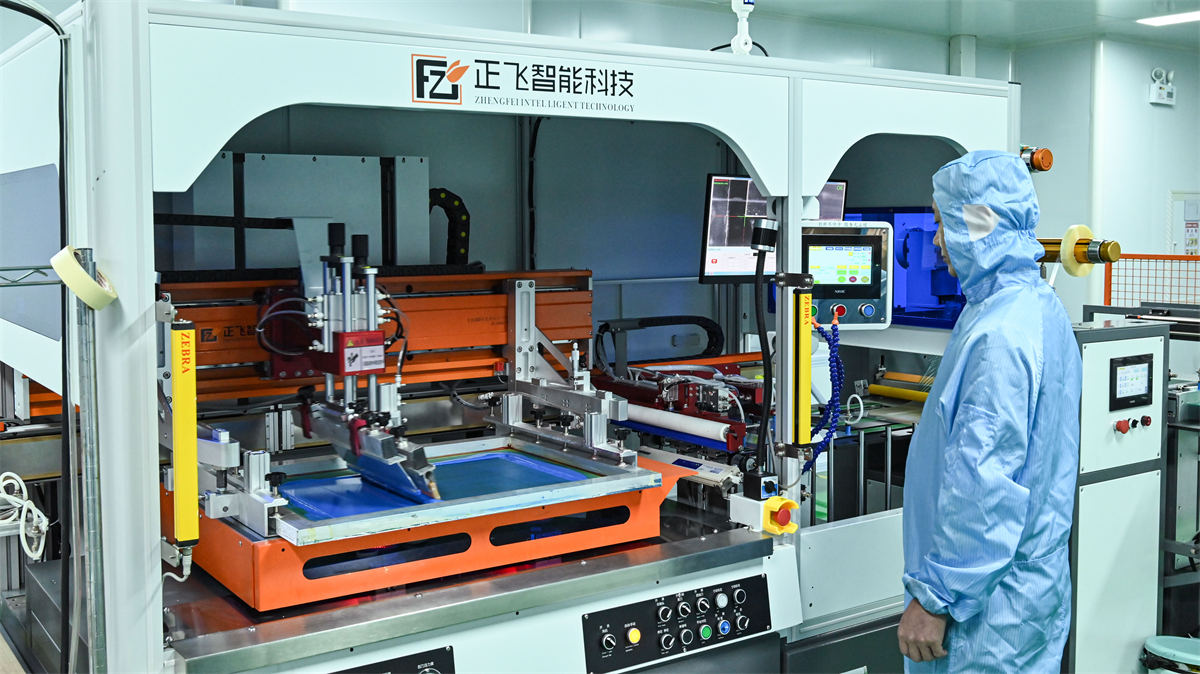
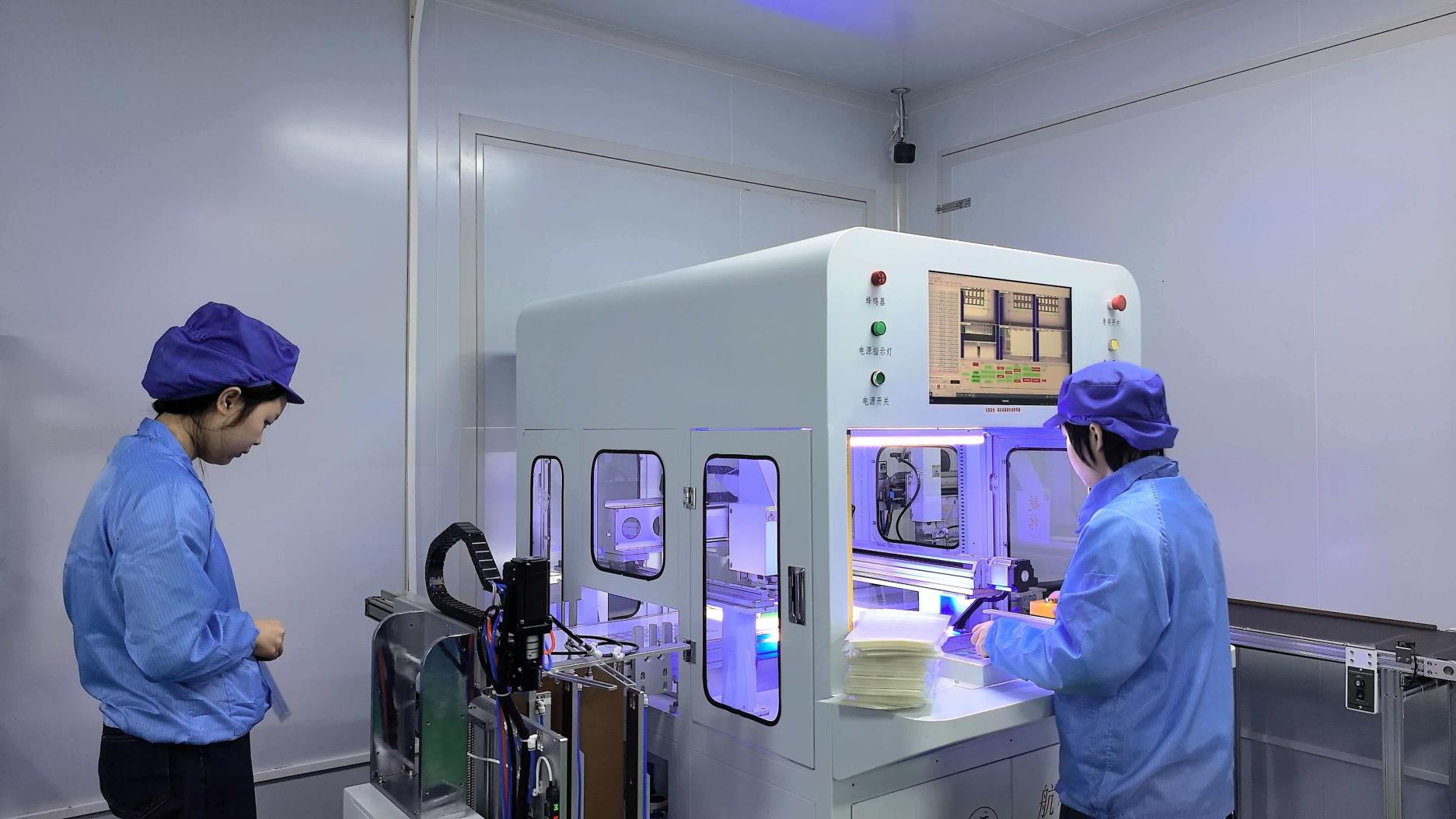
Dongguan Cevra Electronic Technology Co., Ltd. is not a middleman or trading desk. Founded in March 2009 in Dongguan, Guangdong, China, we operate an integrated 2,600-square-meter facility with direct oversight over the entire value chain—from initial layer stack-up CAD drafting to precision die-cutting, screen printing, automated metal dome placement, and comprehensive electromechanical testing.
Our operational management is certified under ISO 9001 and has undergone rigorous onsite factory audits conducted by SGS Group. When European buyers commission custom HMI panels and snap dome arrays for sensitive institutions, we provide complete transparency: comprehensive initial sample inspection reports (ISIR), material mill certificates, plating thickness verifications, and RoHS/REACH compliance documentation.
In-House Tooling & Rapid Prototyping
Bespoke projects inside historical buildings often require small initial pilot runs. We support low MOQ custom prototypes (from 10 to 100 units) with rapid CNC/laser tooling turns within 5 to 7 business days.
Comprehensive Laboratory Quality Control
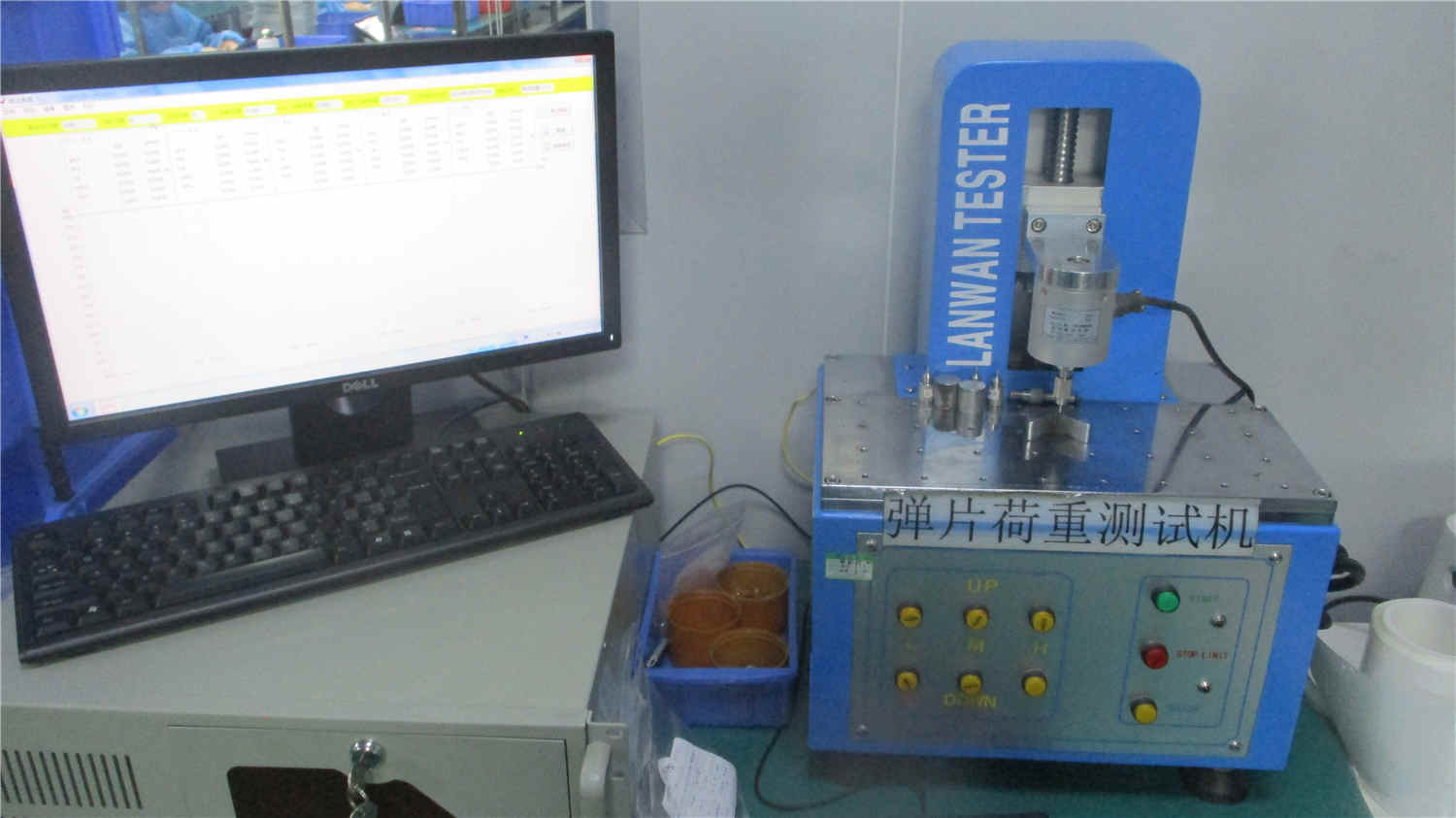
Our quality department deploys computerized dome load testers, high-low temperature thermal shock cabinets (-40°C to +85°C), tension peel testers, holding tack testers, and pencil hardness testers.
Export-Grade Anti-Static Packaging
Domes and assembled arrays are packaged in moisture-barrier bags with ESD protection, vacuum-sealed with silica gel packs to prevent contact tarnish during intercontinental and European express transit.
Frequently Asked Questions by Vatican City Contractors
Clarifications on technical tolerances, European compliance, rapid customs clearance, and small-batch customization for institutional systems.