High-Performance HMI & Metal Dome Solutions
Explore our certified range of tactile dome arrays, multi-layer membrane keypads, and industrial graphic overlays manufactured under strict ISO 9001 and SGS-audited procedures for Australian OEMs.
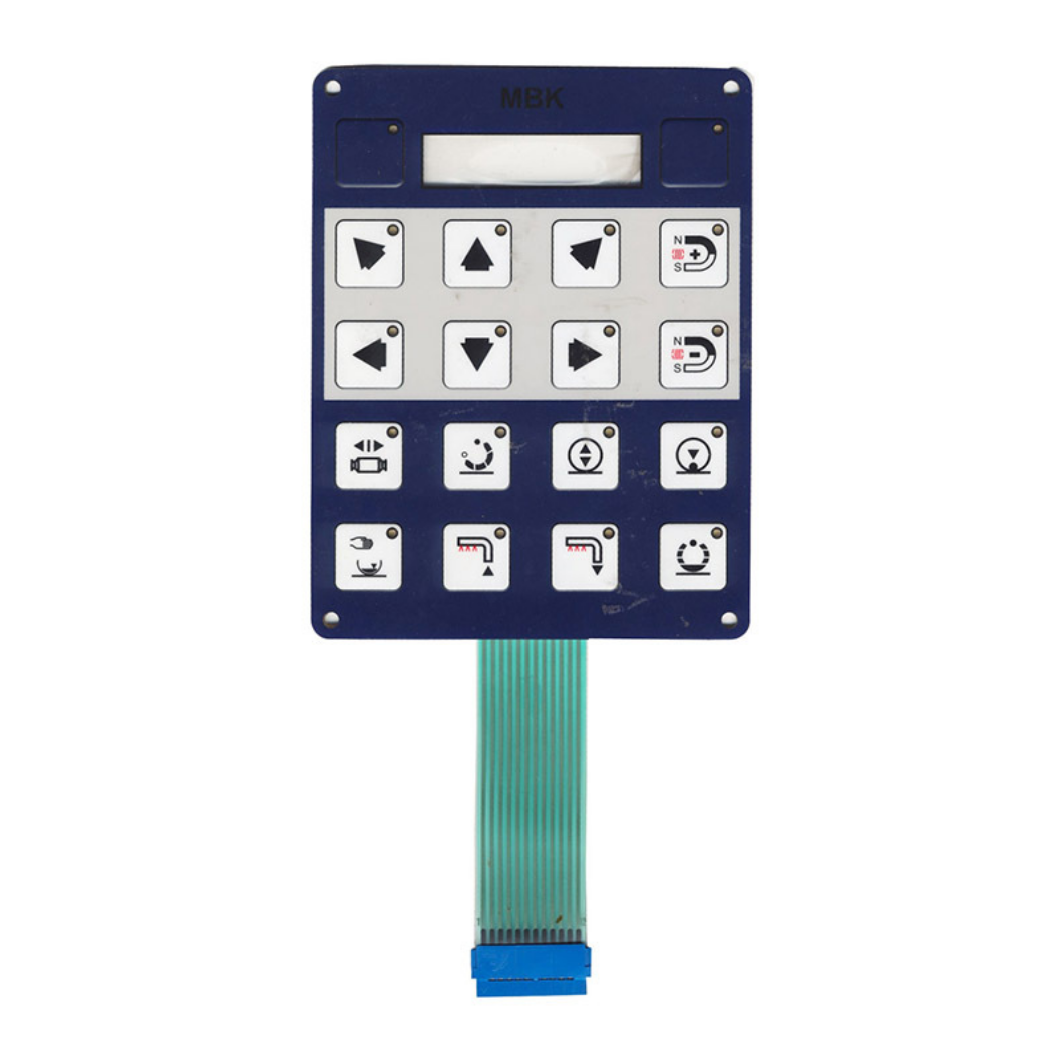
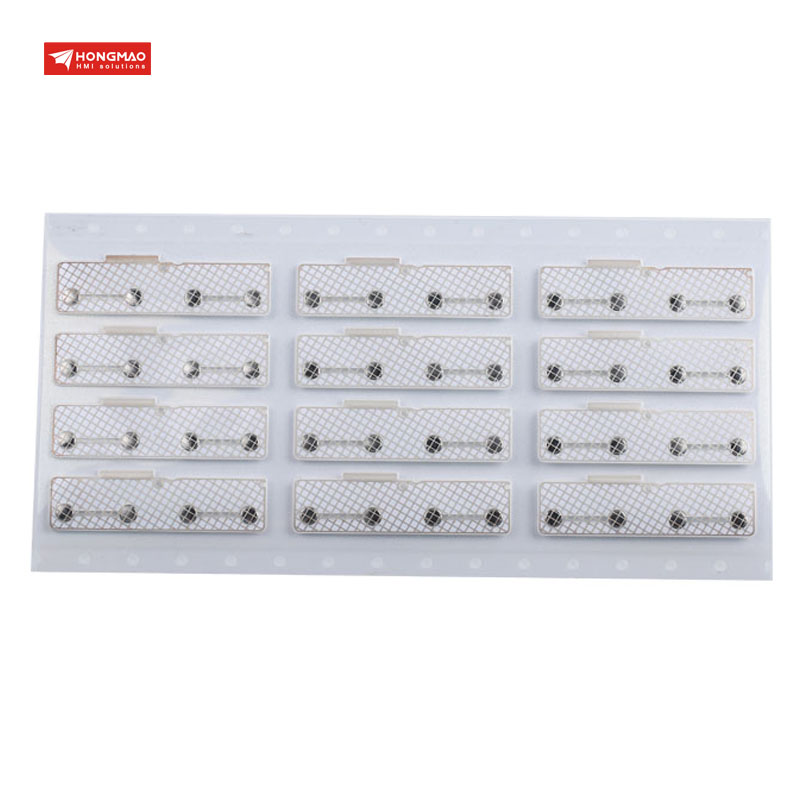
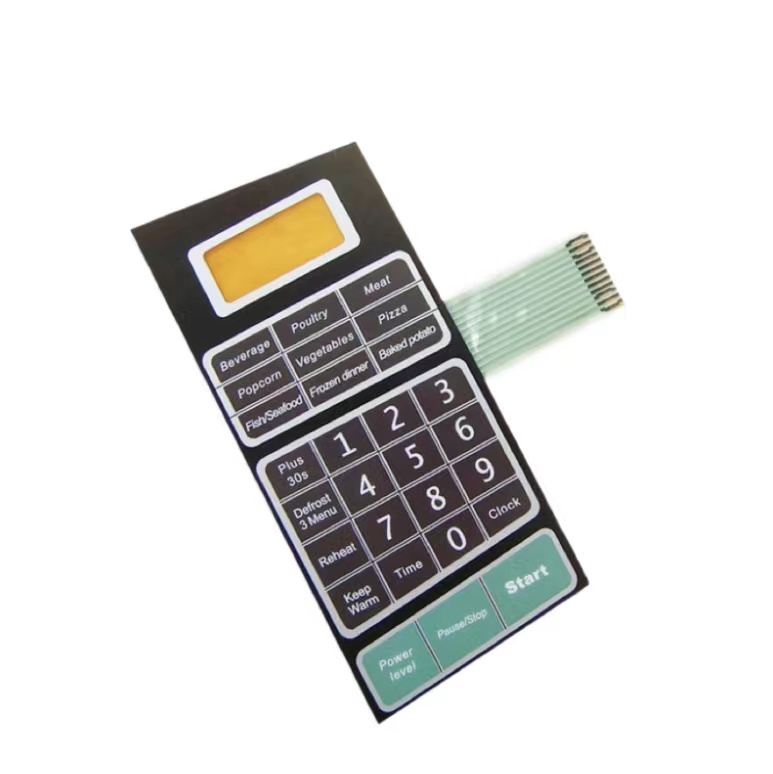
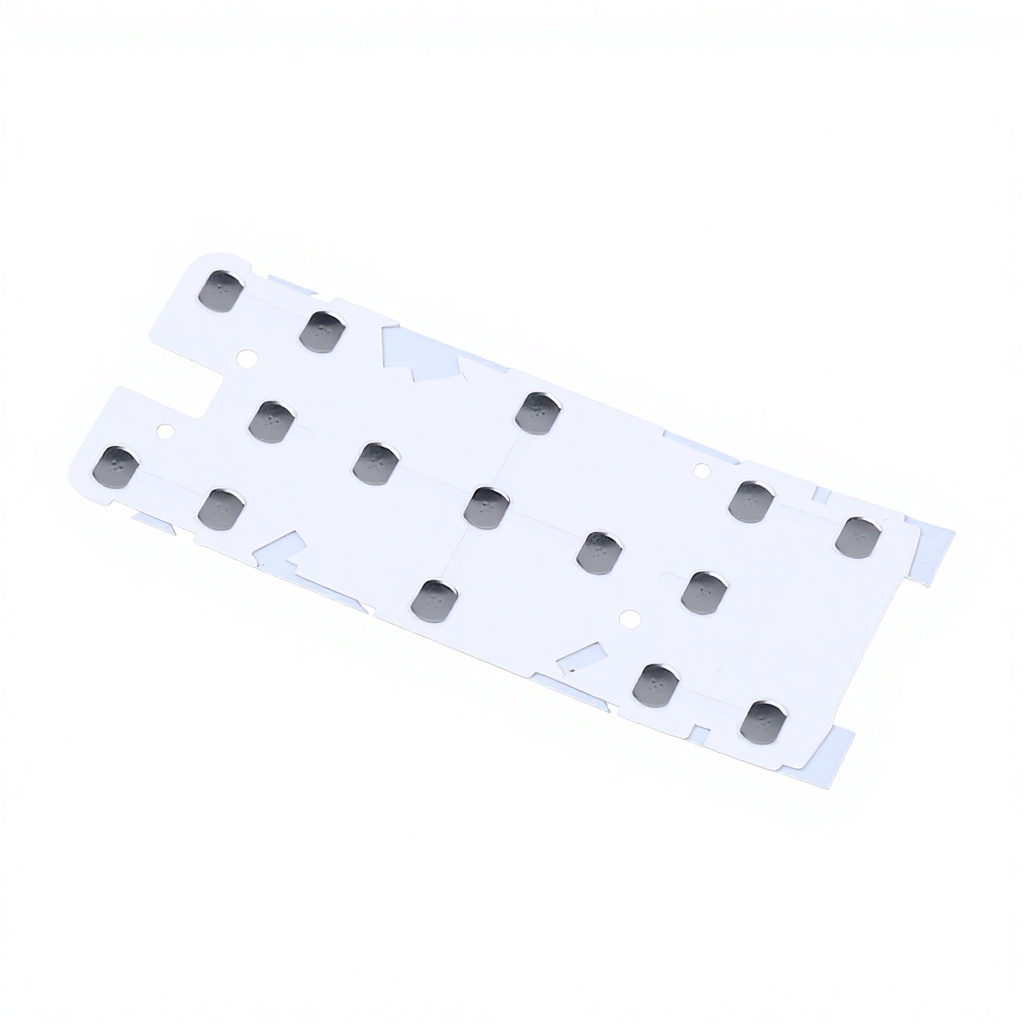
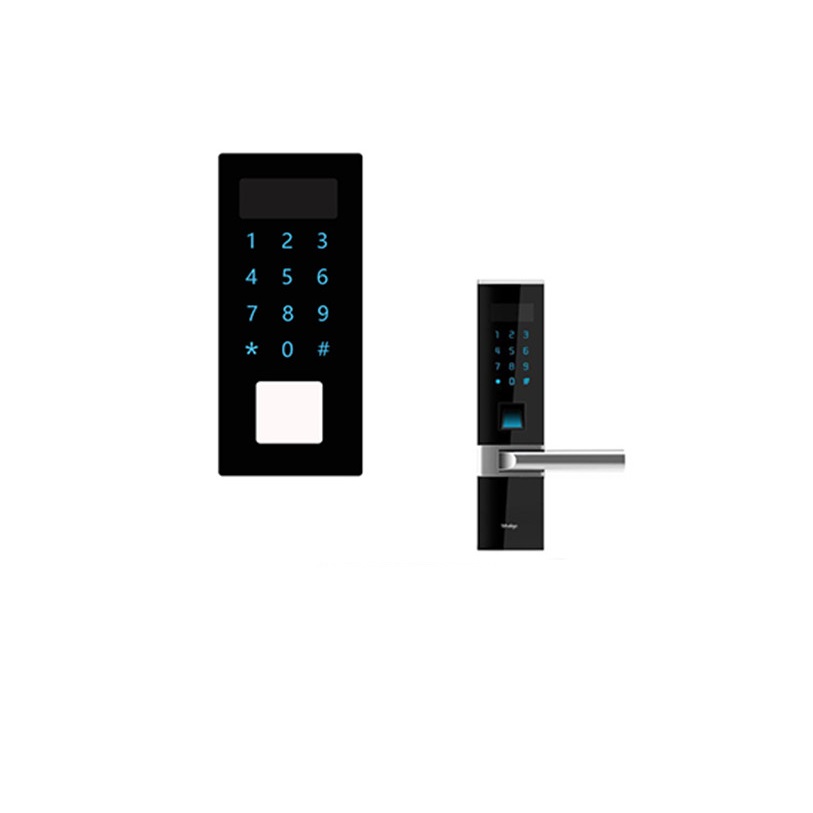
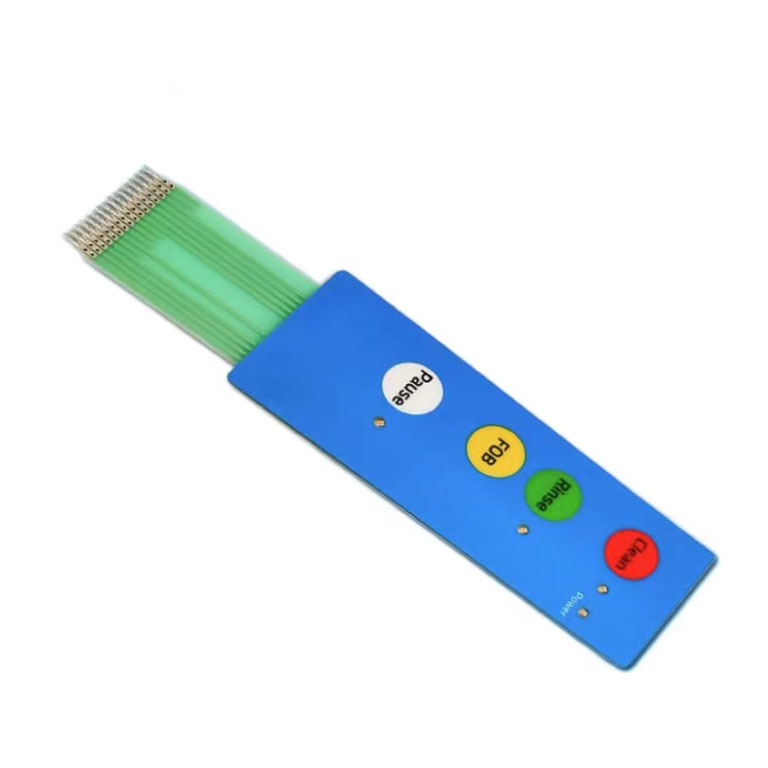
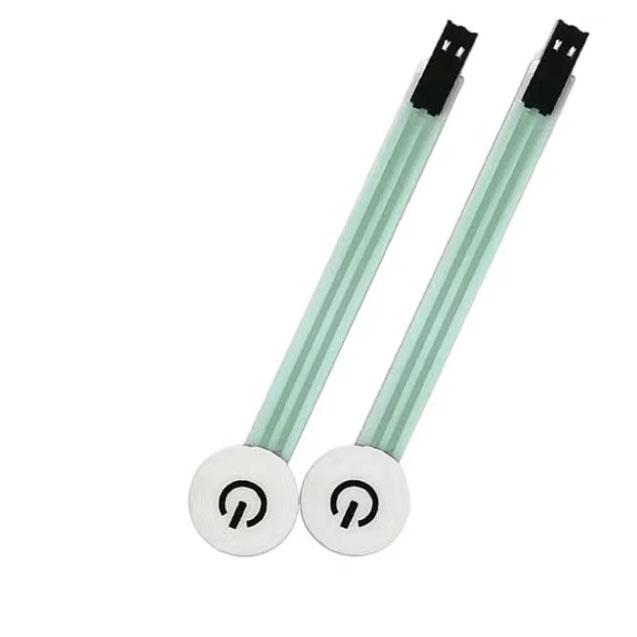
Precision Architecture of Metal Dome Arrays for Harsh Environments
A comprehensive physical and metallurgical evaluation of tactile peel-and-place dome arrays engineered for high-vibration, wide-temperature operational envelopes across Australia.
SUS301-CSP Precision Metallography
The tactile feedback, contact rebound, and fatigue endurance of a dome switch depend directly on raw alloy purity. Dongguan Cevra utilizes ultra-clean Japanese and European sourced SUS301-CSP 3/4H and FH tempered stainless steel. This material delivers tensile strength exceeding 1,300 MPa, eliminating permanent plastic deformation even under 1,000,000+ mechanical actuations.
Plating Formulations: Nickel vs. Hard Gold
To resist oxidative degradation and contact chatter under low-voltage logic (CMOS/TTL signals), our metal domes offer selective electroplating. Nickel plating (1.0–2.5 µm) ensures cost-effective abrasion resistance, while ultra-pure cobalt-hardened gold plating (0.1–0.5 µm Au over 2.0 µm Ni) reduces contact resistance below 100 mΩ in sulfur-rich mining atmosphere.
Micro-Venting & Anti-Air-Lock Channels
Rapid depression of a sealed metal dome creates internal hydraulic pneumatic pressure. Without adequate micro-channels, air entrapment dampens the crisp tactile feel and causes switch rebound latency. Cevra dome array spacer sheets feature CAD-routed venting channels that equalize air pressure between keys without breaching the perimeter IP67 barrier.
Technical Stack-Up Matrix: Dome Geometry vs. Functional Response
A comparative specification sheet designed to assist Australian hardware systems engineers in determining the ideal dome profile, click ratio, and substrate carrier.
| Dome Topology | Standard Diameters | Trip Force Range (gf / cN) | Tactile Click Ratio | Contact Travel | Recommended Australian Use Case |
|---|---|---|---|---|---|
| 4-Leg Cross (Dimpled) | 6.0mm, 8.4mm, 10.0mm, 12.2mm | 180 – 450 gf | 45% – 65% | 0.30 – 0.55 mm | Mining vehicle control pendants, rugged handheld terminal keypads |
| 4-Leg Cross (Non-Dimpled) | 8.4mm, 10.0mm, 12.0mm | 160 – 350 gf | 40% – 55% | 0.25 – 0.45 mm | Automated agricultural machinery consoles, field telemetry units |
| Round / Circle Snap Dome | 4.0mm, 5.0mm, 6.0mm, 8.0mm | 100 – 260 gf | 30% – 45% | 0.15 – 0.30 mm | Ultra-dense PCB layouts, portable medical diagnostic equipment |
| Triangular Snap Dome (3-Leg) | 5.0mm, 6.0mm, 7.0mm, 8.0mm | 150 – 300 gf | 50% – 60% | 0.20 – 0.35 mm | Space-constrained marine navigation instrumentation, remote fobs |
| Oblong / Rectangular Dome | 3.0 × 4.0mm, 4.0 × 6.0mm | 180 – 320 gf | 35% – 50% | 0.20 – 0.32 mm | Slim profile handheld electronics, defence communication transceivers |
*Note: Trip force tolerance is maintained within ±20 gf for military/medical series, and ±30 gf for standard commercial runs, measured on automated multi-point load cell testers.
Localized Applications in Australian Industry
Australia poses distinct environmental challenges: extreme solar UV indices, conductive red dust (Pilbara iron ore), corrosive coastal salt fog, and sub-zero night excursions. Our metal dome arrays are customized for these demanding domestic operating environments.
Mining, Resources & Heavy Extraction
Operating across Western Australia (Pilbara, Goldfields) and Queensland (Bowen Basin), control panels face heavy vibration, abrasive silica/iron dust, and ambient heat up to 52°C. We deliver high-trip-force (350–500 gf) 4-leg cross metal dome arrays embedded between silicone keypads and FR4 circuit boards. Using 3M 467MP/468MP high-performance acrylic adhesives, the dome arrays maintain hermetic peel strength under continuous particulate bombardment and diesel exhaust exposure.
Maritime & Coastal Infrastructure
From commercial fishing vessels in Tasmania to offshore gas platforms on the North West Shelf, saline moisture corrodes unprotected contacts. Cevra supplies gold-plated SUS301 dome arrays configured with hydrophobic venting membranes. This architecture satisfies ASTM B117 salt spray testing (exceeding 96 hours continuous exposure) without switch pitting, oxidation, or circuit leakage.
Medical Diagnostic & Patient Telemetry
Australia’s medical research hubs across Melbourne (Parkville) and Sydney require contamination-proof HMIs. Our sealed round and oblong dome arrays allow device manufacturers to produce IP68 flush wipe-down surfaces resistant to isopropyl alcohol, hospital-grade bleach, and quaternary ammonium biocides, preventing fluid ingress into internal logic boards.
Agritech & Autonomous Farm Machinery
Modern broadacre agriculture relies on IoT telemetry, automated GPS seeders, and smart irrigation. Field equipment in regional NSW and the Murray-Darling basin must withstand thermal swings ranging from -5°C in winter nights to +48°C midsummer. Our polyester (PET) base dome sheets utilize thermally stabilized carriers that resist expansion buckling, maintaining key pitch tolerances across severe day-night cycles.
Defence Communications & Tactical Systems
Cevra engineers custom double-sided metal dome arrays with integral aluminum or copper foil EMI/RFI shielding layers. Supplying suppliers of sovereign defence electronics in South Australia and Canberra, our arrays maintain signal integrity under high electromagnetic interference, offering military-spec tactile feedback operable through heavy Nomex tactical gloves.
Smart Grid & EV Charging Infrastructure
As Australia accelerates its national EV charging backbone along arterial motorways, outdoor terminal user interfaces require ruggedized push-button arrays. Cevra manufactures UV-stabilized, high-luminance LED-integrated dome arrays that combine visible status feedback with tactile confirmation, engineered for continuous outdoor public exposure.
Emerging Technology Trends in the Australian Electronics Sector
Strategic hardware shifts are redefining how Australian electronic design bureaus approach front-panel electromechanical switches.
1. Migration from SMT Tact Switches to Dome Arrays
Australian contract electronics manufacturers (CEMs) are progressively abandoning surface-mount tactile push-switches in favor of pre-assembled, peel-and-stick metal dome arrays. A typical 16-key keypad requires 16 SMT solder operations, creating solder joint fracture risks under cyclic mechanical shock. A single customized metal dome array sheet eliminates all soldering steps, reduces Z-axis stack-up thickness by up to 60%, and slashes SMT pick-and-place run times.
2. Hybrid HMI Interfaces: Combining Touch + Mechanical Snap
While capacitive touch is widespread in consumer electronics, Australian industrial and field-service operators demand physical verification. The emerging trend across Sydney and Brisbane design houses is "Hybrid HMIs"—combining capacitive touch sensing sliders with critical physical metal dome emergency stops and enter functions. This hybrid architecture prevents false triggering from heavy rainfall or fluid splashes while maintaining a modern aesthetic.
3. Rigorous Sovereign Supply Chain Auditing & DFM
Following global supply chain disruptions, Australian procurement managers prioritize factories with transparent upstream material traceabilities. From providing mill test certificates for SUS301 steel to SGS raw substance reports for RoHS and REACH, local engineers demand rapid Design for Manufacturability (DFM) verification. Dongguan Cevra delivers standard DFM engineering review turnaround within 24 hours of CAD file submission.
Why Australian Engineers Partner with Cevra
Established in March 2009 in Dongguan, Guangdong, Cevra operates a dedicated 2,600㎡ production facility. We are an audited custom manufacturer—not a broker—guaranteeing direct engineering accountability.
ISO 9001 & SGS Onsite Verified
Every process phase is controlled under an ISO 9001 certified quality management system. Our factory premises, production lines, and testing equipment have been audited onsite by SGS Group, giving Australian buyers complete supply chain transparency.
Complete In-House Tooling & Fab
From CCD high-speed drilling, laser film profiling, and screen printing to automated dome array lamination, our integrated process avoids outsourced subcontractors. This internal control ensures tight tolerances and shortens prototype lead times to 5–7 days.
Dedicated Metrology & Reliability Lab
Our quality verification lab houses computerized dome load testers, adhesive peel tension instruments, holding tack testers, electric pencil scratch hardness meters, and high/low temperature environmental test chambers (-50°C to +150°C).
Flexible MOQs for Australian R&D
We actively support prototyping and early-stage commercial pilot runs with flexible minimum order volumes (starting from 100 pcs for custom dome arrays and 10 pcs for custom graphic overlays), scaling seamlessly to volume mass production.
Frequently Asked Questions by Australian Buyers
Clear, direct answers regarding customs classification, AS/NZS compliance, tactile customization, and door-to-door transit to Australia.
What is the typical shipping lead time from your Dongguan facility to Australia?
For prototypes and urgent production runs, we ship via DHL Express, FedEx Priority, or air freight directly to major Australian destinations (Sydney, Melbourne, Brisbane, Perth, Adelaide). Typical air express transit takes 3 to 5 business days door-to-door. For bulk mass production, sea freight to Port Botany, Port of Melbourne, or Fremantle takes roughly 14 to 18 days on water plus standard customs clearance.
How do metal dome arrays comply with Australian standards (AS/NZS) and environmental mandates?
All materials utilized in Cevra metal dome arrays—including the SUS301 stainless steel, PET carrier films, silicone adhesives, and conductive plating—fully comply with RoHS Directive (EU) 2015/863, REACH (SVHC), and relevant AS/NZS electronic safety guidelines. We provide independent SGS substance laboratory reports, certificates of conformity (CoC), and raw material lot traceability sheets with every consignment.
Can we specify custom actuation forces and tactile click ratios for heavy-glove use?
Yes. Heavy industrial applications across the Australian mining and agricultural sectors frequently require positive tactile confirmation that operators can feel through thick leather or synthetic safety gloves. We regularly customize trip forces from 350 gf to 500 gf, engineered with a sharp click ratio (50% to 65%) and enhanced vertical dome travel (up to 0.55mm) to prevent accidental double-clicks or missed inputs.
What engineering documentation is required to initiate a custom dome array quote?
To provide an accurate technical assessment and formal quotation, we require your mechanical layout in DXF, DWG, STEP, or vector AI format. The file should specify dome outer diameters, center-to-center pitch, alignment hole locations, circuit contact pad layout, preferred actuation force (in grams or cN), carrier adhesive border margins, and any environmental sealing or venting requirements. If you have an incomplete concept, our application engineering team can assist in drafting a manufacturable stack-up.
What are the HS Customs Tariff codes and import tax considerations for Australian importers?
Metal dome arrays and membrane switch sub-assemblies are typically classified under Australian Harmonized System (HS) Code 8538.90.00 (Parts suitable for use solely or principally with the apparatus of heading 8535, 8536 or 8537) or 8536.50 (Other switches). Under the China-Australia Free Trade Agreement (ChAFTA), qualifying electronic parts benefit from preferential zero or reduced import tariff rates with an accompanying Certificate of Origin (COO).
Accelerate Your Australian HMI Project Today
Whether you are prototyping a new mining control console in Perth, upgrading medical telemetry instrumentation in Melbourne, or scaling an agritech telemetry device in regional NSW, Cevra’s engineering team provides fast DFM reviews, prototype tooling, and certified ISO 9001 production.