Specialized Touch Control Panels & Membrane Keypads
Precision-manufactured in our 2,600m² Dongguan clean facility, calibrated for extreme humidity, tropical heat, and continuous maritime operation in South Tarawa, Betio, and Kiritimati.
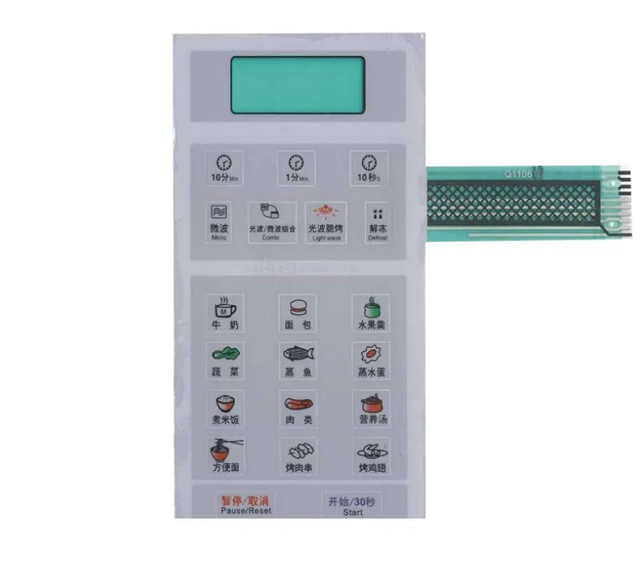
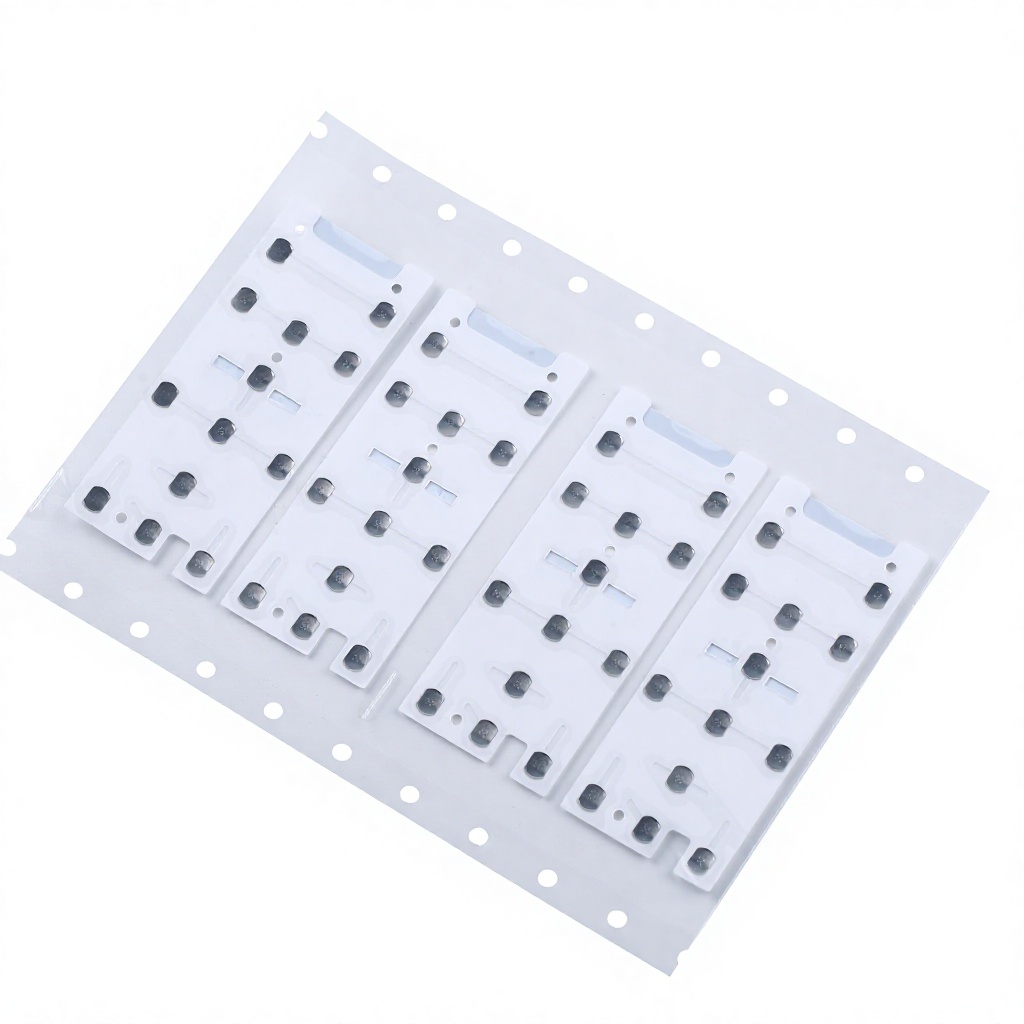
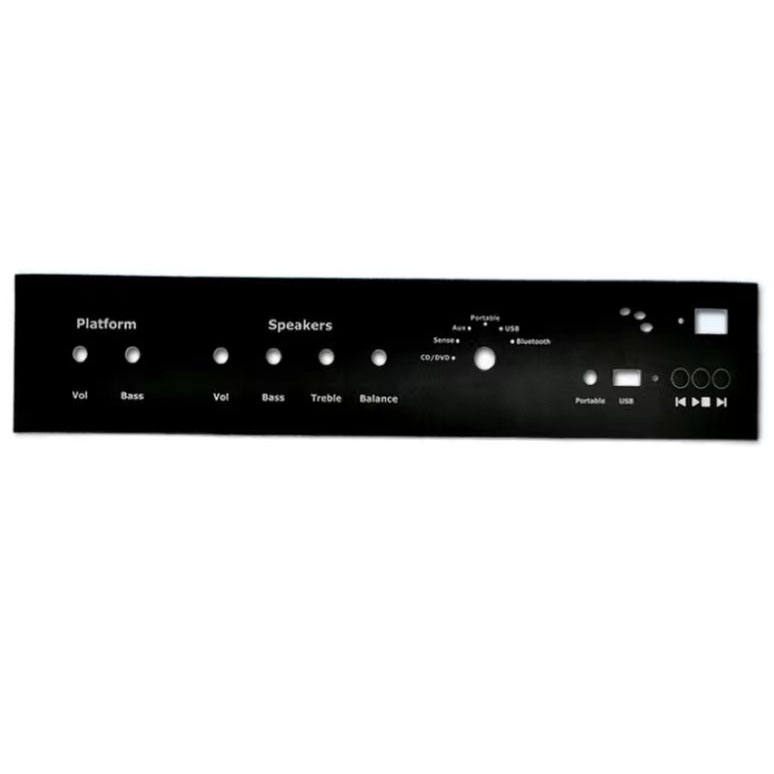
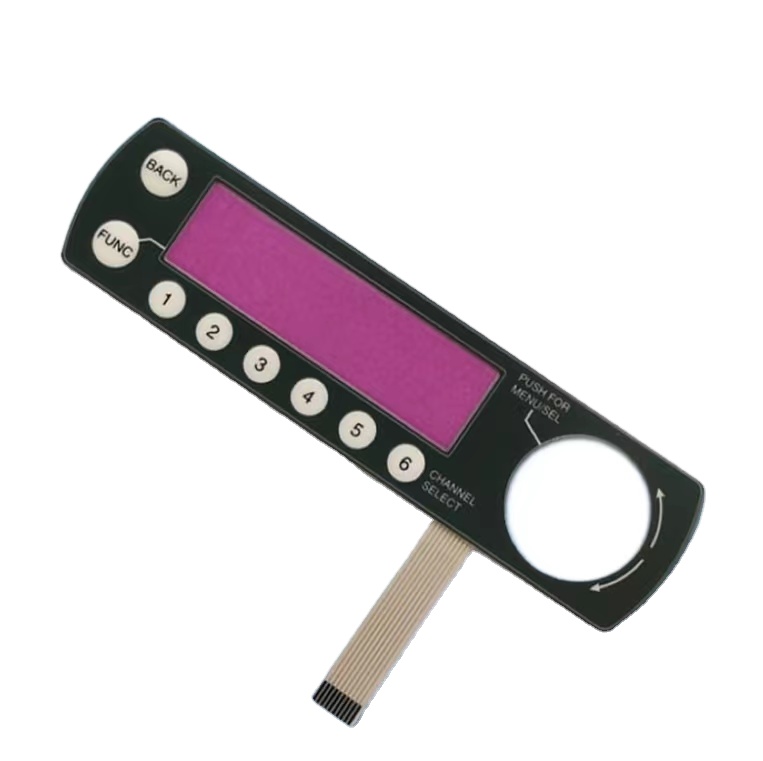
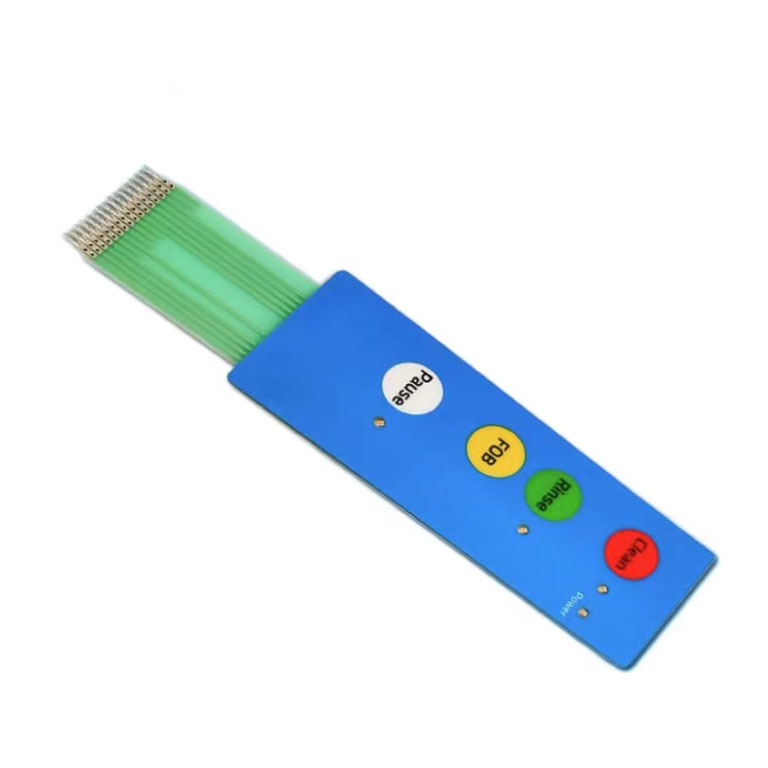
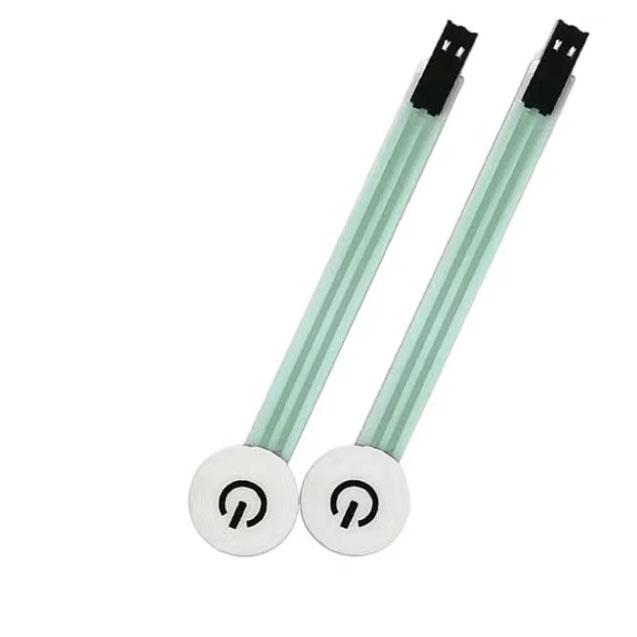
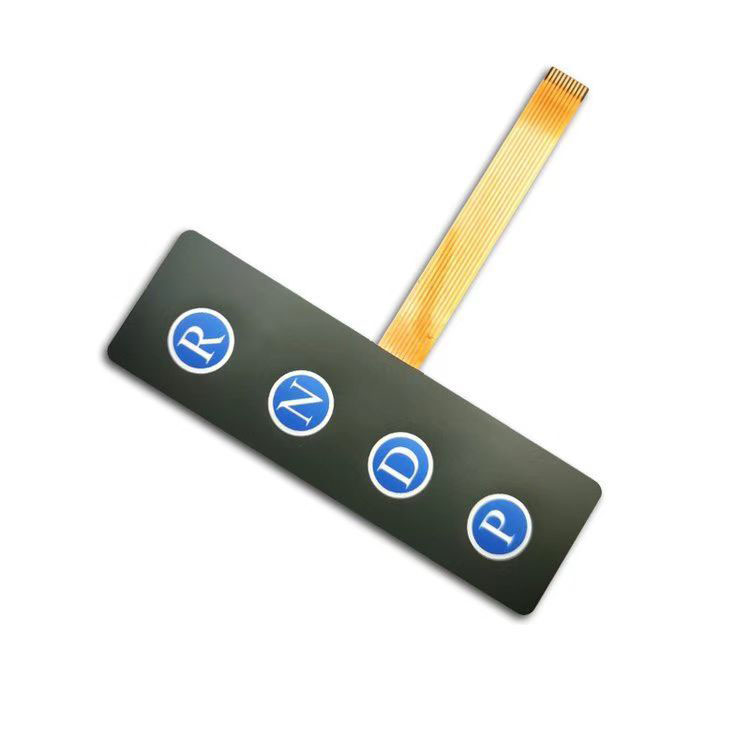
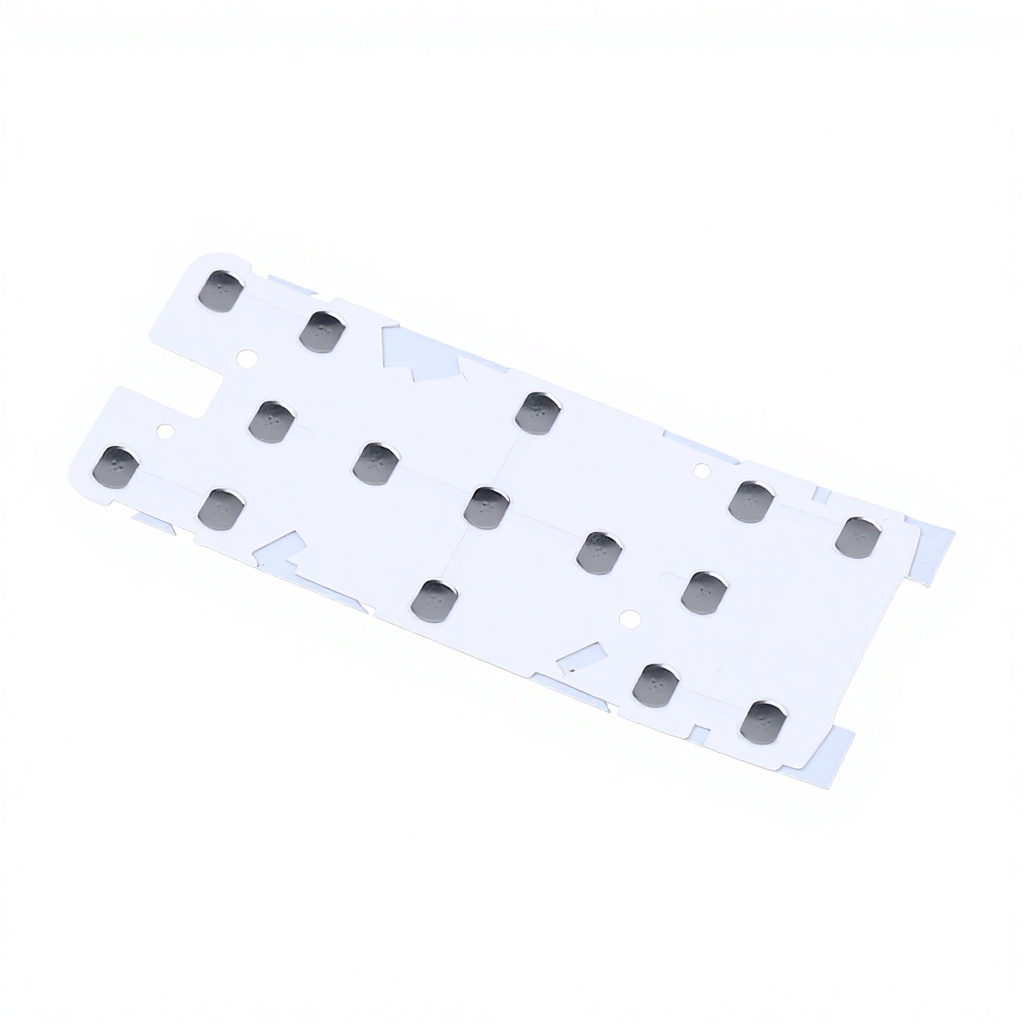
Engineering Resilient HMI Systems for Kiribati’s Hyper-Saline & Equatorial Climate
The Republic of Kiribati poses one of the world's most unforgiving operating atmospheres for microelectronics and human-machine interface (HMI) modules. Comprising 33 coral atolls and reef islands spanning across 3.5 million square kilometers of the central Pacific Ocean, the islands experience constant airborne salt spray, perpetual relative humidity regularly exceeding 85%, intense equatorial ultraviolet (UV) radiation, and elevated ambient heat. Standard off-the-shelf mechanical pushbuttons and standard industrial touchscreens deteriorate quickly under these environmental pressures: galvanic corrosion compromises conductive traces, atmospheric salt fog degrades electrical contact pins, and UV radiation causes overlay embrittlement and delamination.
As Kiribati modernizes its national infrastructure through renewable energy transitions, containerized reverse-osmosis (SWRO) water desalination facilities, telecommunication grid expansions, and commercial tuna fisheries, the demand for ruggedized, failure-proof membrane touch panels and graphic keypads has risen sharply. Cevra provides direct-from-factory OEM/ODM manufacturing, offering equipment assemblers, engineering contractors, and government procurement bodies engineered interfaces that eliminate downtime, maintain tactile feedback across millions of press cycles, and present total protection against liquid ingress and corrosive salt mist.
Material Selection: PET versus Polycarbonate in Maritime South Pacific Deployment
A primary decision for engineers specifying graphic overlays in Kiribati is the substrate selection. While Polycarbonate (PC) is historically praised for optical clarity, ease of thermoforming, and structural rigidity, it is vulnerable to continuous UV radiation and chemical solvent breakdown in equatorial maritime environments. Extended solar exposure induces photo-oxidation, leading to yellowing, micro-cracking, and embrittlement. Therefore, Cevra recommends and deploys premium biaxially-oriented, UV-stabilized Autotype polyester (PET) films (such as Autotex XE and Autoflex). PET features superior flex-fatigue resistance—exceeding five million actuations without structural fracture—and resists tropical fungal growth, high humidity immersion, and common industrial detergents used in marine fish processing and medical sanitation.
Switch Circuit Topology: Printed Silver vs. Copper Flexible Circuit (FPC)
For installations in public utilities or marine vessels navigating the Gilbert, Phoenix, and Line Island groups, the circuit foundation determines operational longevity. While screen-printed silver conductive ink on optical-grade PET sheets represents the most cost-effective solution for benign indoor equipment, copper-clad polyimide FPCs (Flexible Printed Circuits) are the gold standard for long-term offshore durability. Cevra’s FPC membrane switches deliver near-zero trace resistance, eliminate silver migration risks, and support high-density surface-mount components (micro-LEDs, photo-sensors, resistors, and capacitive touch driver ICs) soldered directly into the circuit layer under controlled reflow conditions.
Localized Application Scenarios Across the Atolls
From solar microgrids to marine fisheries, our custom membrane touch panels provide mission-critical control across vital sectors in Kiribati.
Solar Photovoltaic & Atoll Microgrid Systems
Kiribati relies heavily on off-grid solar-battery hybrid systems across outer islands like Abaiang and Butaritari. Cevra's membrane touch panels serve as the primary human-machine interface for solar charge controllers, lithium inverter management systems, and backup diesel generators. Featuring IP67 edge-sealed gaskets and anti-reflective matte overlays, these panels resist torrential tropical downpours and ambient solar radiation without fading or false triggers.
Desalination Plants & Water Treatment
Potable water security is paramount across South Tarawa. Solar-driven seawater reverse osmosis (SWRO) units operate continuously in high-salinity coastal environments. Cevra supplies chemical-resistant PET graphic overlays and capacitive switch modules that withstand chlorine, acid-wash cleaning protocols, and constant salt dampness, replacing corroded mechanical push-buttons with smooth, wipe-clean surfaces.
Maritime Vessels & Tuna Cold-Chain Processing
Kiribati holds one of the world's most productive exclusive economic zones (EEZs) for commercial tuna fishing. Shipboard marine radio consoles, GPS sonars, and onboard blast-freezer control panels demand SUS316 stainless-steel tactile snap domes and hermetic perimeter bonding. Our panels maintain sharp, tactile actuation click feel even when operators are wearing heavy wet-work insulated gloves.
Outer-Island Healthcare & Clinic Diagnostic Gear
Medical posts across dispersed atolls rely on portable autoclaves, blood centrifuges, and patient vital monitors powered by standalone batteries. Cevra designs antibacterial membrane panels with flat-surface contours that simplify sanitization using hospital-grade alcohol solutions, avoiding pathogen retention common in mechanical switch crevices.
Telecom Terminals & Satellite Ground Station Units
With ongoing subsea fiber-optic installations and satellite transceiver link rollouts by operators in Kiribati, outdoor communications equipment requires EMI/RFI shielded membrane touch panels. We print continuous conductive carbon/aluminum grounding grids that attenuate electromagnetic interference while sealing sensitive electronic sub-assemblies from humid ocean winds.
Public Sector, Municipal & Port Logistics Terminals
Harbor cranes, weigh-scales, and cargo management hubs at Betio Port require robust operator control panels. Cevra manufactures high-contrast LED backlit panels paired with light-guide film (LGF) layers, allowing 24/7 day-and-night legibility for stevedores and port machinery handlers during nocturnal offloading cycles.
Pacific Technological Shifts: Modernization Trends in Kiribati (2025–2030)
The Pacific Island Countries (PICs), guided by regional sustainable development frameworks and Kiribati's National Vision (KV20), are experiencing a structural shift in technology procurement. Three prevailing market dynamics shape the need for custom membrane touch controls:
1. Shift from Fragile Capacitive Glass to Resilient Membrane Touch Overlays
While commercial glass capacitive touch screens (PCAP) dominate consumer electronics, industrial field engineers in remote atoll territories report frequent failures: shatter risks during maritime cargo transport, failure of touch recognition when screens are soaked with ocean saltwater spray, and expensive freight replacements when glass cracks. Capacitive membrane switch panels and sealed tactile dome keyboards avoid these failure modes completely. They tolerate direct water drops without false triggers and can absorb physical mechanical shocks without structural failure.
2. Rise of Self-Sustaining Outer-Island Mini-Infrastructure
Decentralization is vital for archipelagic states. Decentralized water purification, solar refrigeration for fish catch storage, and localized communication transmitters are proliferating throughout Kiritimati and the Gilbert Islands. Equipment manufacturers targeting these donor-funded and government-sponsored projects now require custom HMI consoles certified to international quality standards (ISO 9001) that guarantee an uninterrupted 5-to-10-year service life without servicing.
3. Adoption of Sealed Backlit Interfaces for Emergency Maritime Navigation
Night-time inter-atoll transit across Kiribati's open waters is frequent. Maritime operators require navigation electronics that provide distinct tactile key confirmation and uniform, low-glare LED backlighting. Cevra's incorporation of ultra-thin Light Guide Film (LGF) eliminates bulky separate light boxes, distributing luminous flux evenly across key legends with minimal power draw—ideal for battery-constrained vessel setups.
Why International Engineers Choose Dongguan Cevra
Cevra Electronic Technology Co., Ltd. combines more than 16 years of human-machine interface engineering with an audited, end-to-end manufacturing complex in Dongguan, China.
Established in 2009 (16+ Years Experience)
Dedicated exclusively to membrane switches, metal domes, graphic overlays, light guide films, and precision die-cut assemblies for global OEM brands across 40+ countries.
ISO 9001 Certified & SGS Onsite Audited
Strict quality management systems verified on-site by SGS Group. Full material traceability from raw PET films to finished, electrically tested membrane keyboards.
Comprehensive In-House Fabrication
Equipped with precision screen printing lines, CCD vision punching, automated laser cutting, automatic laminating machines, and cleanroom dome array placement workstations.
Rigorous Reliability Testing Laboratory
Every batch undergoes dome actuation load testing, pencil hardness scratch tests, peel adhesion testing, holding tack evaluations, and high/low temperature humidity cycling.
Flexible MOQ & Rapid Prototyping
From initial proof-of-concept prototype runs of 10–50 units for bespoke engineering trials to full containerized mass production batches with low unit costs.
Safe Global Logistics & Trade Assurance
Vacuum-sealed, anti-static export packaging engineered to survive long trans-oceanic transit through Pacific freight hubs, backed by Trade Assurance guarantees.
Frequently Asked Questions for Kiribati Buyers
Clear, direct answers regarding custom engineering, salt-fog resistance, lead times, and freight handling for the Pacific Island region.
FAQ 1 How do your membrane touch panels prevent saltwater and salt-fog corrosion?
We deploy continuous, closed-loop adhesive perimeter gaskets using high-tack acrylic adhesives (such as genuine 3M 467MP, 3M 468MP, or 3M 300LSE). Furthermore, we treat metal domes with nickel or gold electroplating, encase conductive traces with carbon resistive shields, and seal connector tail exit routes to achieve full IP67 ingress protection against saline moisture.
FAQ 2 What design files are required to initiate an OEM or ODM quotation?
We accept vector graphic layouts and engineering blueprints in vector PDF, DWG/DXF (AutoCAD), AI (Adobe Illustrator), or STEP files. Please include dimensional outlines, button positions, circuit schematic or pinout mapping, preferred embossing profile, and designated Pantone/RAL color codes for accurate color-matching.
FAQ 3 Can your membrane panels operate in unairconditioned atoll environments?
Yes. Our industrial-grade PET membrane switches and stainless steel dome arrays are tested inside our high-and-low temperature environmental chambers. They operate reliably within a thermal envelope of -20°C to +70°C (-4°F to +158°F) and survive non-condensing relative humidity up to 95%, making them ideally suited for equatorial Pacific island use.
FAQ 4 What is the typical life expectancy and actuation rating of your metal domes?
We manufacture precision 4-leg cross, round, and triangular snap domes using cold-rolled SUS301 stainless steel. Under standard actuation loads (typically 180g to 350g force), our domes deliver a crisp tactile snap with an actuation life exceeding 1,000,000 cycles, checked on our dome load testers before dispatch.
FAQ 5 What are the shipping lead times and freight routing options to Kiribati?
Samples and engineering prototypes typically ship within 5 to 8 working days following drawing approval. Production volumes take approximately 12 to 18 days. We ship internationally via DHL, FedEx, and air freight directly into Bonriki International Airport (TRW, Tarawa) or via sea freight routed through Suva (Fiji) or Brisbane hubs.
FAQ 6 Can we request sample units or small pilot runs before full production?
Absolutely. Cevra supports engineering teams and infrastructure project developers with low minimum order quantities (starting from 10 to 50 pieces for select custom overlays and keypads). This ensures you can validate fitment, tactile response, and electrical communication on-site before authorizing mass fabrication.