High-Performance Membrane Panels & Metal Dome Assemblies
Explore our certified catalog of customizable membrane switches, capacitive arrays, and tactile sub-assemblies calibrated for Finnish industrial machinery, marine automation, and medtech applications.
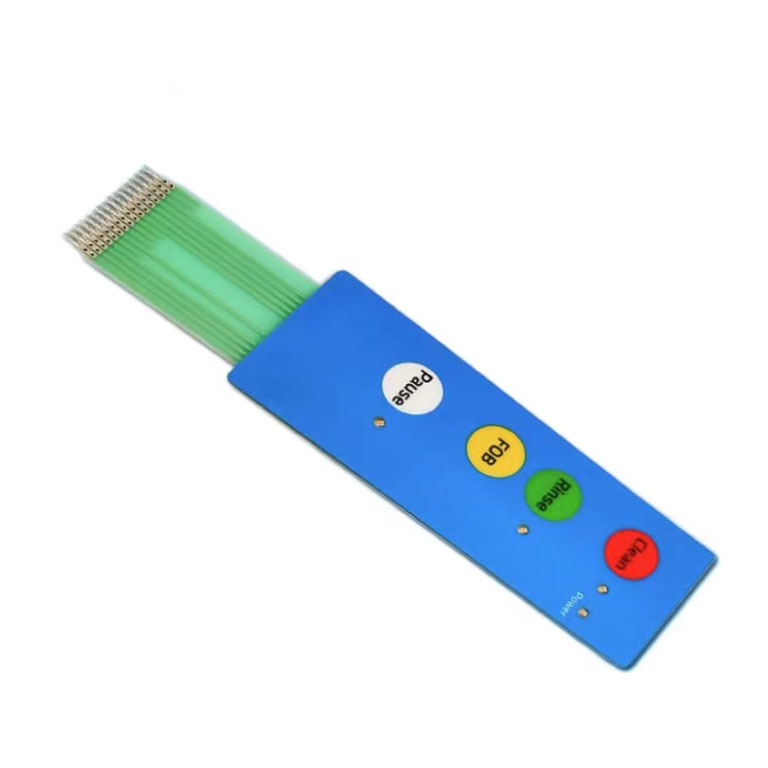
Electronic Toy Film Circuit Membrane Switch Waterproof Button Membrane Switch
View Product Details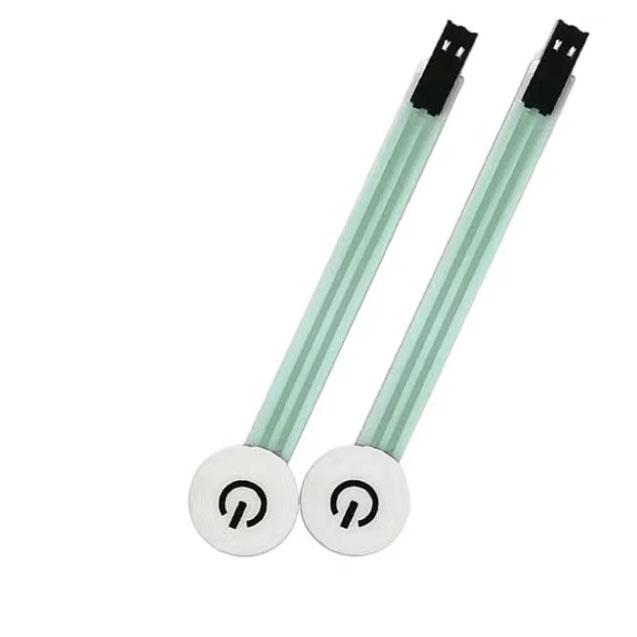
High Quality Single Button Small Membrane Switch
View Product Details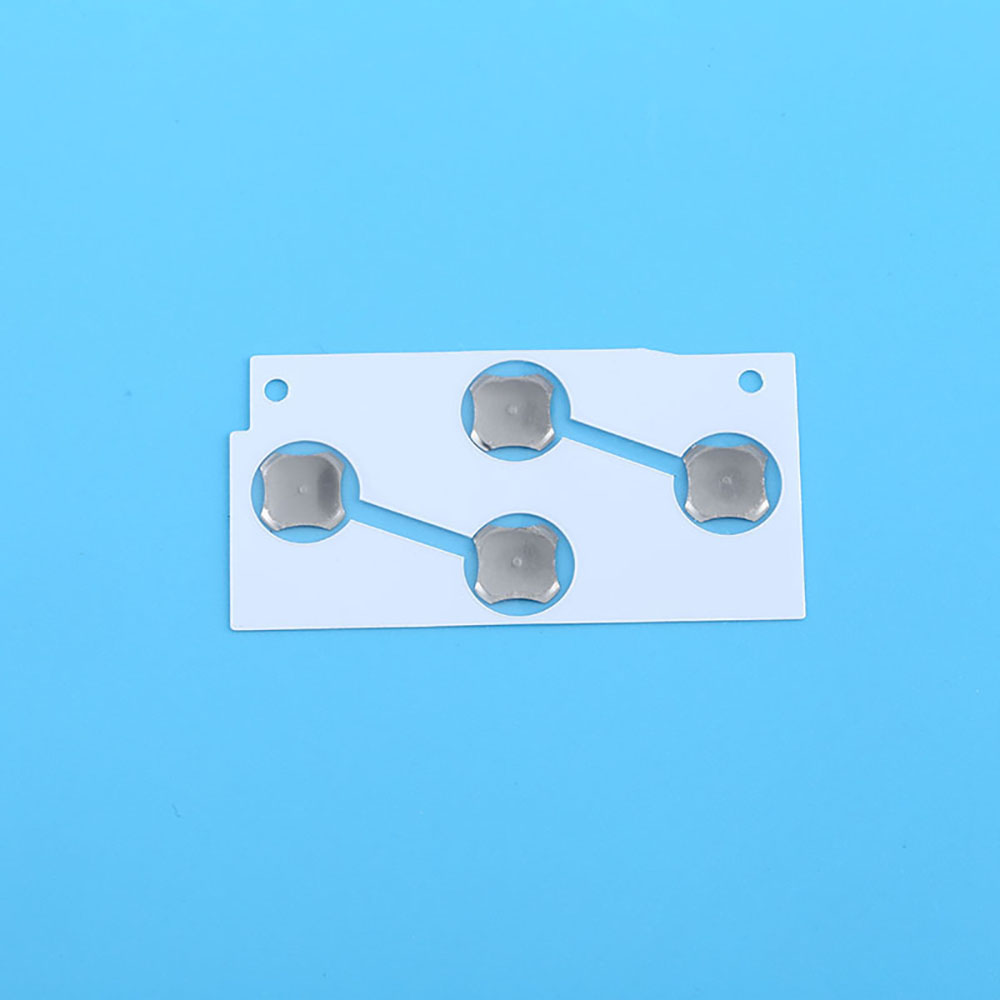
Customized Metal Dome Array
View Product Details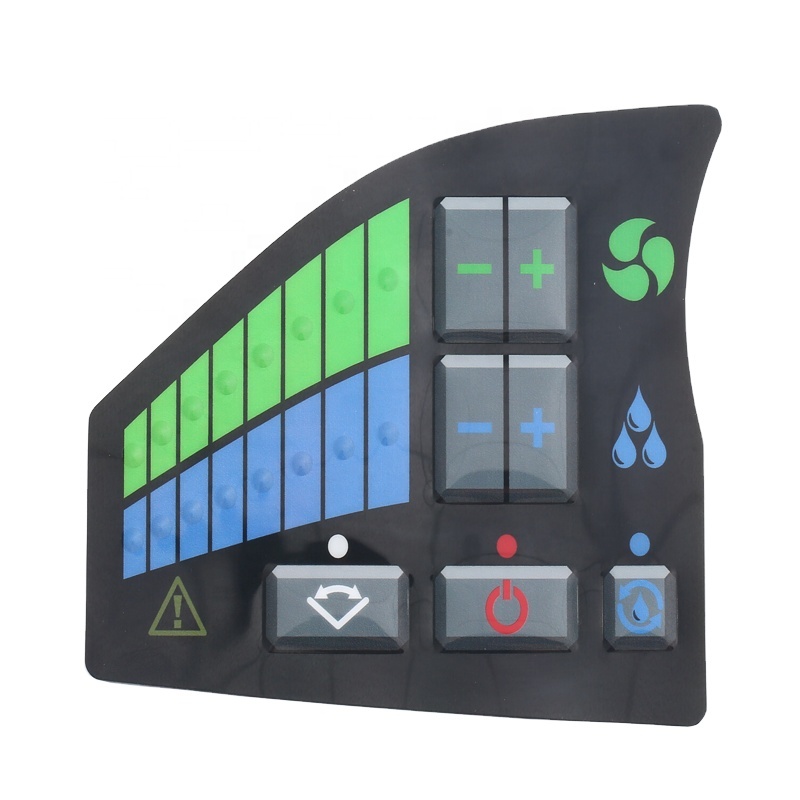
Custom Silk Printing Embossed Metal Dome Tactile Buttons Membrane Switch Overlay
View Product Details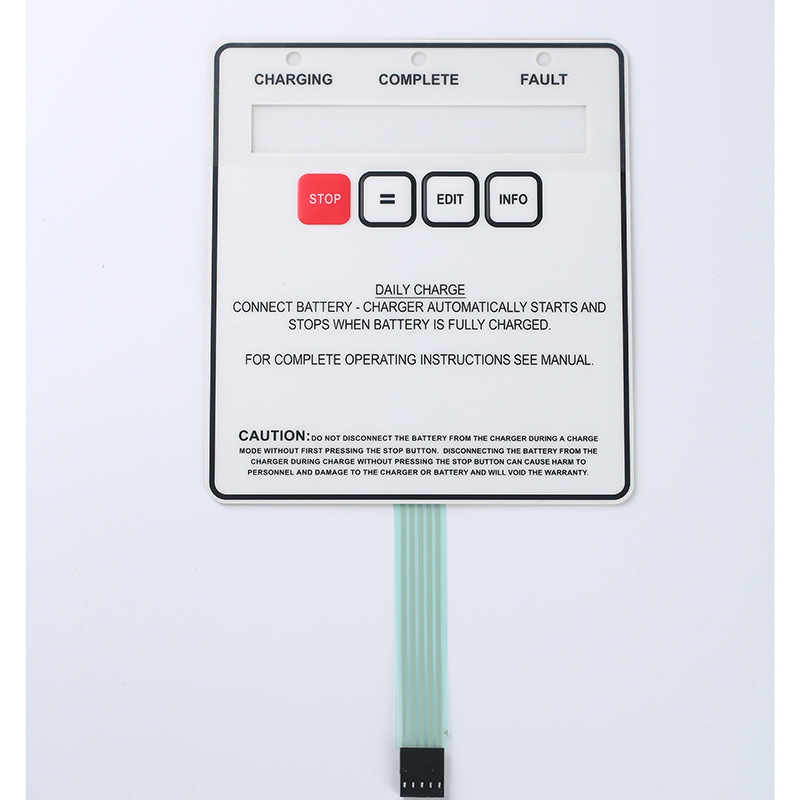
Waterproof & Dustproof Membrane Control Panel for Medical Equipment
View Product Details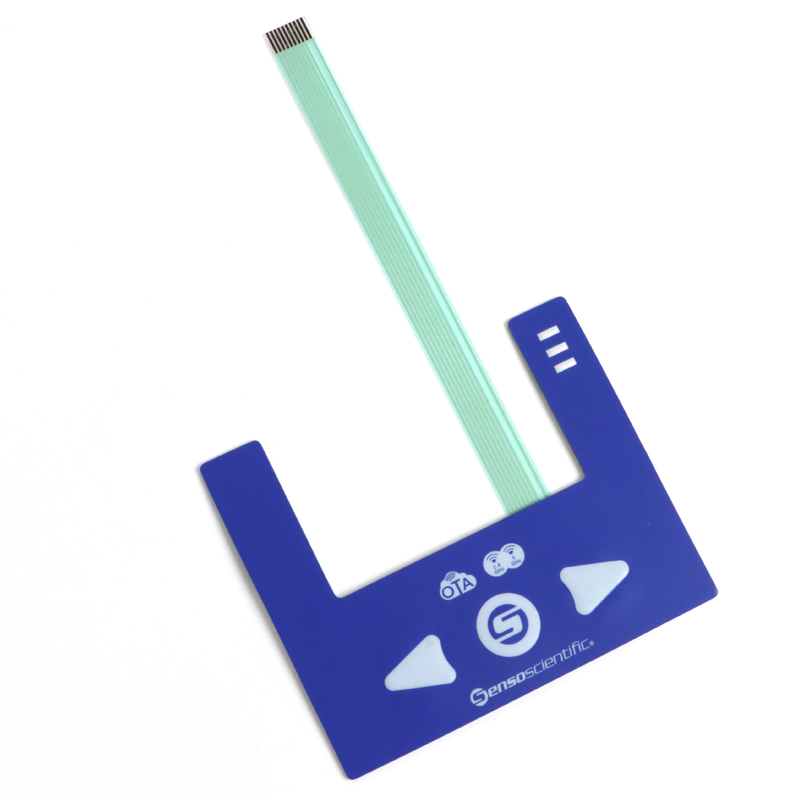
Custom Membrane Keypads, Membrane Keyboard & LED Overlay
View Product Details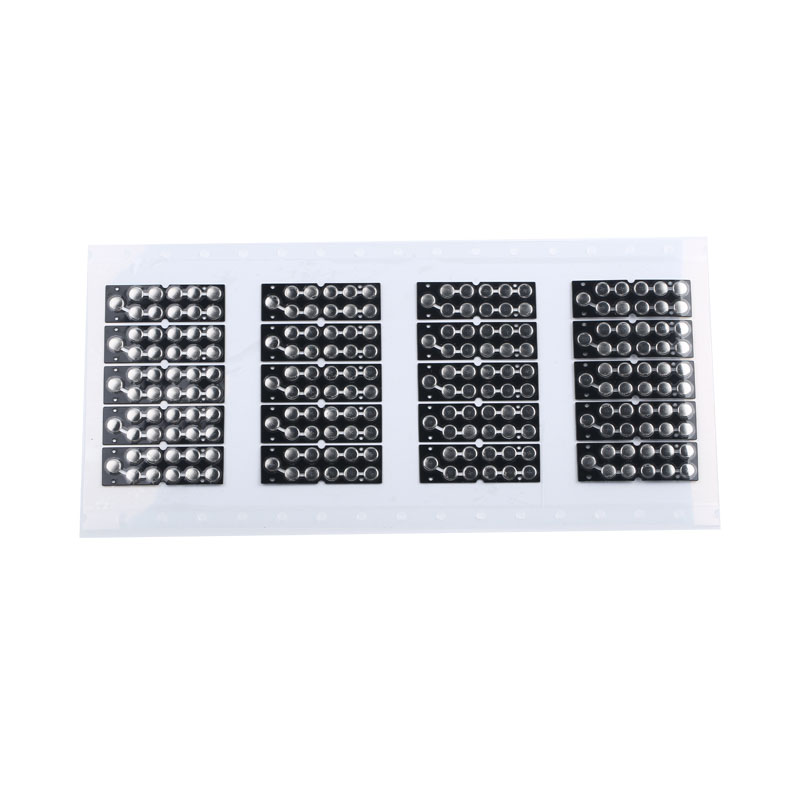
Round Metal Dome Array Single Layer Transparent PET with Adhesive
View Product Details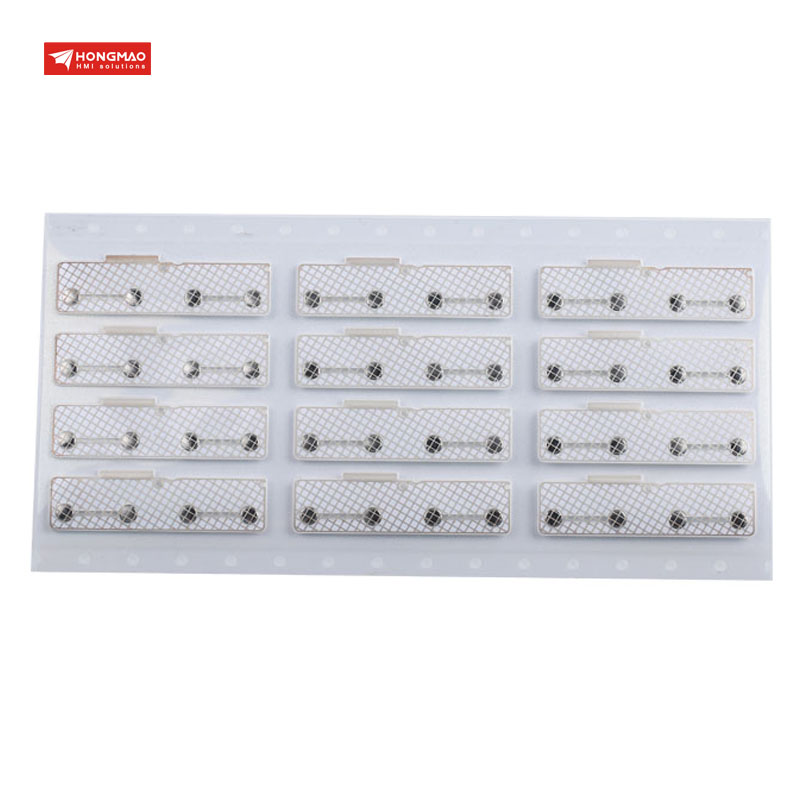
Double-Sided SUS301 Stainless Steel EMI Metal Dome Array
View Product DetailsEngineering Human-Machine Interfaces for the Sub-Zero Nordic Climate
Technical evaluation of layer-stack mechanics, polymer glass transition behaviors, and ingress hermetics engineered specifically for Finnish original equipment manufacturers (OEMs).
Finland represents one of the world's most demanding environments for human-machine interfaces. From the arctic forestry operations in Lapland to automated maritime propulsion monitoring along the Gulf of Bothnia, standard commercial membrane panels rapidly deteriorate due to thermal shock, brittle fracture, and internal condensation. As an established direct-factory manufacturer and exporter serving Finnish industries across Helsinki, Tampere, Oulu, and Vaasa, Dongguan Cevra Electronic Technology Co., Ltd. implements specialized material science solutions engineered to exceed standard commercial thresholds.
A primary failure mode in sub-zero HMI applications is the shifting glass transition temperature ($T_g$) of biaxially oriented polyethylene terephthalate (PET) and polycarbonate (PC) overlays. When ambient temperatures dip to -30°C or -40°C during Finnish winters, non-stabilized polycarbonate experiences brittle crystallization, leading to micro-cracking across embossed perimeter borders. To prevent tactile degradation, our engineering department specifies premium-grade Autotype MacDermid (Autotex XE / Autoflex) outdoor-grade PET films. These films maintain flexural elasticity well below -40°C, ensuring that key actuation forces and tactile snap profiles remain consistent regardless of external thermal fluctuations.
| Performance Characteristic | Commercial Grade Membrane Panel | Cevra Nordic-Spec Industrial Membrane | Finnish Engineering Compliance |
|---|---|---|---|
| Operating Temperature Range | -10°C to +55°C | -40°C to +85°C (Validated) | IEC 60068-2-1 / IEC 60068-2-2 Cold/Heat Endurance |
| Overlay Substrate | Standard Monolithic PC (0.175 mm) | Autotype XE Sub-Zero Textured Outdoor PET | UV & Ozone Degradation Resistant (DIN 53387) |
| Structural Bonding Adhesive | Standard Rubber Adhesive | 3M 467MP / 200MP High-Performance Acrylic | Shear & Peeling Resistance across Freeze-Thaw Cycles |
| Internal Venting & Hermetics | Open Circuit Perimeter Venting | Micro-Filter Membrane Breather (IP67 Potting) | Zero Internal Condensation; Sub-Zero Dome Lockout Prevention |
| Switch Actuator Mechanism | Carbon-Pill or Low-Grade Alloy Domes | Nickel/Gold-Plated Japanese SUS301 Domes | Consistent Tactile Feedback with Heavy Winter Gloves |
| Electrostatic Discharge (ESD) | Unshielded or Single Edge Ground | Complete Solid Copper/Carbon Printed Grid | EN 61000-4-2 Level 4 (>15 kV Air Discharge) |
A critical challenge specific to Finland’s continental and coastal microclimates is the condensation trap phenomenon. Machinery transitioning between heated industrial workshops and freezing outdoor environments experiences rapid differential atmospheric pressure changes. If an HMI panel is unvented, the internal air contraction can collapse dome cavities, leading to false switch triggers or "vacuum lock". Conversely, standard perimeter venting invites moisture ingress, causing conductive silver trace oxidation and dendrite growth under trace voltage bias. Cevra solves this by engineering tortuous-path micro-breather vents sealed with oleophobic and hydrophobic membrane barriers. This maintains equalized internal pressure without allowing microscopic moisture droplets to penetrate the circuit matrix.
Mission-Critical Integration Across Finnish Industries
Purpose-built human-machine interface assemblies tailored to Finland's core high-technology, heavy machinery, and cleantech clusters.
Forestry & Heavy Off-Highway Machinery
Finland leads the world in mechanized forest harvesting equipment (e.g., Harvesters, Forwarders, Wood Chippers). Our ruggedized membrane panels serve as primary cabin controls and boom crane pendants.
- High-snap actuation (350g – 500g force) designed specifically for gloved-hand tactile confirmation.
- Abrasion-resistant textured surfaces enduring hydraulic fluid, diesel, and lubricant splashing.
- Polyurethane potting and custom silicone peripheral seals achieving IP67 environmental sealing.
Marine Engineering & Ice-Class Shipping
Propulsion controls, shipboard ballast monitoring, and bridge navigation consoles built for vessels operating in the Baltic Sea and Arctic routes.
- Salt-mist-tested graphics and materials resistant to severe marine atmospheric corrosion.
- Night-vision-compatible red and dimmable LED backlighting through optical light guide films (LGF).
- EMI/RFI shielding layers preventing radio and radar frequency interference with critical bridge navigation.
Oulu & Helsinki Medical & Laboratory Tech
Precision medical diagnostic instruments, patient monitoring consoles, and sterilization equipment manufactured in Finnish health tech hubs.
- Anti-microbial surface coatings compatible with repeated isopropyl alcohol, bleach, and hospital-grade sanitizers.
- Contaminant-free seamless overlay design preventing biological debris buildup in seams or crevasses.
- Full conformity with IEC 60601-1 3rd edition medical electrical safety and isolation parameters.
Cleantech, Power Distribution & District Heating
Vaasa-region energy technology, automated biomass boiler panels, geothermal heat pump controllers, and electrical substation interfaces.
- Flame-retardant substrates meeting UL 94 V-0 safety criteria for utility power enclosures.
- High-temperature adhesive systems rated for continuous 85°C exposure inside enclosed control cabinets.
- Integrated display windows with high-clarity anti-glare finish for outdoor smart meter readouts.
Industrial Automation & Paper Mills
Distributed control systems (DCS) and operator terminal panels for Finland's extensive pulp, paper, and sawmill processing plants.
- Immunity against acidic airborne vapors, sulfur compounds, and high humidity levels.
- Mechanical key lifetime exceeding 1,000,000 cycles with stainless steel SUS301 metal snap domes.
- Flexible printed circuit (FPC) tails with gold-plated ZIF/crimp contacts eliminating vibration-induced fret corrosion.
Emerging HMI Engineering Paradigms in the Finnish Sector
Addressing the shifting technical dynamics: Green Transition compliance, touch-tactile hybridization, and localized supply chain resilience.
Hybrid Tactile-Capacitive Integration
Finnish OEMs are rapidly shifting away from purely capacitive touch glass due to erratic operation when splashed with rain, slush, or when manipulated with thick insulated thermal gloves. The current engineering standard combines capacitive slider sensors for menu navigation with discrete metal-dome tactile keys for critical actions (Start, Emergency Stop, Load). Cevra integrates capacitive sensor films and tactile dome arrays into unified ultra-thin assemblies.
Stringent EU ESG & Chemical Compliance
Finland enforces rigorous adherence to European Green Transition regulations. As an experienced exporter to Northern Europe, our complete bill of materials adheres strictly to RoHS 3 (Directive 2015/863/EU), REACH (EC 1907/2006 SVHC candidates), and the WEEE Directive. We provide comprehensive Full Material Disclosure (FMD) documentation and IMDS reporting, allowing Finnish compliance teams to streamline ecological and customs auditing.
Light Guide Film (LGF) Low-Energy Illumination
Energy conservation in battery-powered IoT field units and electric utility equipment has heightened demand for high-efficiency illumination. Rather than installing arrays of discrete LEDs consuming excessive battery capacity, Cevra leverages micro-etched Light Guide Films (LGF). Using just 2 to 4 side-firing ultra-bright LEDs, light is distributed evenly across complex keypads and logo legends with minimal power draw.
Why Finnish Engineering Teams Partner with Cevra
Operating an advanced 2,600 m² cleanroom manufacturing facility in Dongguan, China, audited by SGS Group and certified under ISO 9001.
Full In-House Fabrication Chain
From CAD layout proofing and color-matched silk screen printing to precision CCD laser drilling, high-speed stamping, and automatic lamination, our operations are 100% in-house. This eliminates third-party handling delays and guarantees stringent traceability across each layer stack.
Advanced Metrology & Reliability Lab
Every production batch destined for Finland undergoes stringent verification: Dome Load-Deflection Force testers, high/low temperature environmental chambers (-50°C to +150°C), computerized peel strength testers, dynamic contact life cyclers, and automated optical CCD circuit scanners.
Flexible MOQs for Agile Prototypes
We actively support Finnish start-ups and R&D engineering centers in Oulu and Tampere. Rapid prototyping options start as low as 10 to 50 pieces with dedicated engineering DFM feedback, scaling seamlessly to mass production volumes of hundreds of thousands.
Comprehensive ESD & EMI Engineering
Protecting sensitive internal microcontrollers from static charge buildup in cold, dry Nordic environments is paramount. We engineer multi-layer static drain systems incorporating conductive silver grids, aluminum foil, and carbon printed grounds supporting electrostatic discharge protection above 15 kV.
Seamless Air & Sea Logistics to Finland
We operate reliable air-express corridors directly into Helsinki-Vantaa Airport (HEL) with typical transit windows of 3 to 5 business days via DHL/FedEx, and consolidated sea freight routes arriving at Vuosaari Harbour (Helsinki), Kotka, and Turku ports for high-volume bulk supply.
Direct Engineering-to-Engineering Support
Bridge the gap between design concepts and mass production. Our bilingual engineering specialists provide comprehensive Design for Manufacturability (DFM) reviews on DXF, DWG, Step, and Gerber files, ensuring tight tolerance stack-ups and prompt drawing revisions within 24 hours.
Frequently Asked Questions by Finnish Engineers & Buyers
In-depth technical answers addressing importation, thermal validation, ingress standards, and production logistics for the Finnish market.
How do your membrane switches perform in temperatures reaching -40°C in Northern Finland?
Standard membrane switches often fail in severe Finnish winters because commercial PC films embrittle and standard acrylic adhesives crystallize and lose shear adhesion. For sub-zero Nordic environments, we construct switches utilizing biaxially oriented Autotype MacDermid PET overlays paired with low-temperature cross-linked 3M 300LSE or 467MP acrylic adhesive systems.
Furthermore, we integrate Japanese SUS301 stainless steel metal domes characterized by low fatigue coefficients and wide thermal tolerance ranges. We validate these assemblies inside our in-house programmable environmental test chambers through cyclic testing between -40°C and +85°C across 100 thermal shock cycles to guarantee zero delamination and consistent switch actuation feel.
How do you prevent internal condensation when machines move between heated buildings and freezing outdoor environments?
Rapid temperature changes induce internal air expansion and contraction. Unvented panels risk dome switch deflection lock, while open-vented switches ingest moist ambient air that condenses internally into liquid water. Cevra solves this by deploying specialized internal channel venting connected through a micro-porous, hydrophobic ePTFE membrane vent.
This vent allows gas molecules to pass freely to equalize atmospheric pressure during thermal transitions, while permanently blocking liquid water, oils, and particulate contaminants to maintain IP67 hermetic integrity.
What engineering design files are required to initiate a custom membrane keyboard quotation?
To provide a detailed DFM evaluation and commercial quotation within 24 hours, our engineering team requires:
1. Graphic Overlay Artwork: Vector format (Adobe Illustrator .AI, PDF, CorelDraw) with distinct vector layers for graphics, cutlines, and specific Pantone (PMS) or RAL color codes.
2. Mechanical Assembly & Circuit Layout: 2D/3D CAD drawings (.DXF, .DWG, .STEP) detailing dimensional tolerances, overall thickness, embossing boundaries, display window coordinates, and connector pinouts.
3. Electrical Specification: Working voltage, current load, contact resistance limits, LED forward voltage/color, and tail termination interface (e.g., 2.54 mm pitch female housing, 1.0 mm ZIF tail, or flexible FPC connector).
What are the standard lead times for prototyping and mass export shipments to Finland?
Prototype samples (typically 5 to 10 pcs complete with graphic overlays, tooling dies, and full circuit integration) require approximately 7 to 10 working days following DFM drawing sign-off. Mass production runs generally require 15 to 20 working days, depending on overall complexity and raw material sourcing specifications.
For urgent development cycles, express air couriers (DHL, FedEx Express) deliver directly to industrial locations in Helsinki, Espoo, Vantaa, Tampere, or Oulu within 3 to 5 business days, handling all customs clearance documentation seamlessly.
Can your panels be actuated reliably while operators wear heavy cold-weather work gloves?
Yes. For industrial, forestry, and construction equipment operating in Finland, we engineer high-tactile tactile key systems. This is achieved by utilizing larger diameter metal domes (10 mm, 12 mm, or 14 mm 4-leg cross domes) calibrated to higher actuation trip forces (350g to 500g, compared to the standard 180g to 250g commercial force).
Combined with prominent rim or pillow embossing (0.3 mm to 0.5 mm stroke profile), operators receive an unambiguous, crisp tactile snap feedback directly through thick thermal insulated gloves, preventing duplicate keystrokes and operator entry errors.
How does Cevra comply with EU environmental mandates (RoHS, REACH, CE) required by Finnish customs?
All materials utilized in our manufacturing processes—including conductive silver inks, carbon tracks, dielectric isolation layers, adhesives, PET films, and solder joints—are fully certified compliant with RoHS 3 (Directive 2015/863/EU) and REACH (EC 1907/2006). We maintain updated SGS third-party laboratory test reports and provide full Declarations of Conformity (DoC) with every commercial shipment entering the European Union.
Ready to Engineer Your Sub-Zero HMI Solution?
Consult with our senior membrane switch engineering team today. We provide complimentary DFM analysis, stack-up optimization, and free sample prototypes for qualified Finnish OEM projects.