16+
Years Engineering Expertise
2,600㎡
In-House Manufacturing Base
ISO 9001
Certified & SGS Verified
1,000,000+
Actuation Cycle Durability
Precision-Engineered Switch Assemblies & Tactical Arrays
Explore our validated product architectures engineered for clinical longevity, hermetic sealing, tactile feedback consistency, and high-frequency deployment across healthcare infrastructure.
Industry Whitepaper & Strategic Sourcing
Engineering Rigorous Medical HMI Interfaces for Brisbane's MedTech Sector
A comprehensive examination of how customized membrane switch architectures solve clinical compliance, pathogen sealing, and environmental demands in Queensland's subtropical biomedical applications.
Brisbane has emerged as a premier biomedical research and clinical hardware powerhouse in the Asia-Pacific territory. Propelled by expansive public and private venture capital poured into precinct hubs such as the Boggo Road Health and Innovation Precinct, the Translational Research Institute (TRI) at the Princess Alexandra Hospital, and the Royal Brisbane and Women's Hospital (RBWH) tech corridors, Queensland original equipment manufacturers (OEMs) are innovating rapidly. Medical hardware built across Brisbane—ranging from real-time patient monitors, surgical fluidic infusion pumps, in-vitro diagnostic analyzers, to portable telemetry kits—demands interface components that conform stringently to international clinical directives while resisting extreme operational friction.
Designing human-machine interfaces (HMI) for medical systems is substantially more complex than consumer electronics engineering. A medical membrane switch serves as the frontline physical barrier guarding sensitive internal circuitry against lethal micro-contaminants, moisture ingress, aggressive chemical exposure, and operational wear. In Brisbane's subtropical climate, characterized by intense summer humidity, coastal salinity fluctuations, and elevated baseline ambient temperatures, lower-grade polymeric adhesives and substandard flex circuits degrade rapidly, triggering catastrophic field delamination or signal short-circuiting.
Strategic Compliance Factor (IEC 60601-1 & ISO 13485 Alignment): In clinical engineering, electrical safety, biological compatibility, and fluid ingress containment (IP65 to IP67 ingress protection) represent absolute non-negotiables. Membrane switches manufactured by Cevra integrate medical-grade Autotex® polyester substrates (PET), micro-chemically bonded 3M 200MP / 300LSE adhesive matrices, and completely sealed conductive circuit topologies, ensuring that clinical sterilisation protocols using glutaraldehyde, quaternary ammonium, isopropyl alcohol (IPA), and hydrogen peroxide vapour never breach the structural integrity of your medical devices.
Architectural Layer Engineering for Clinical Performance
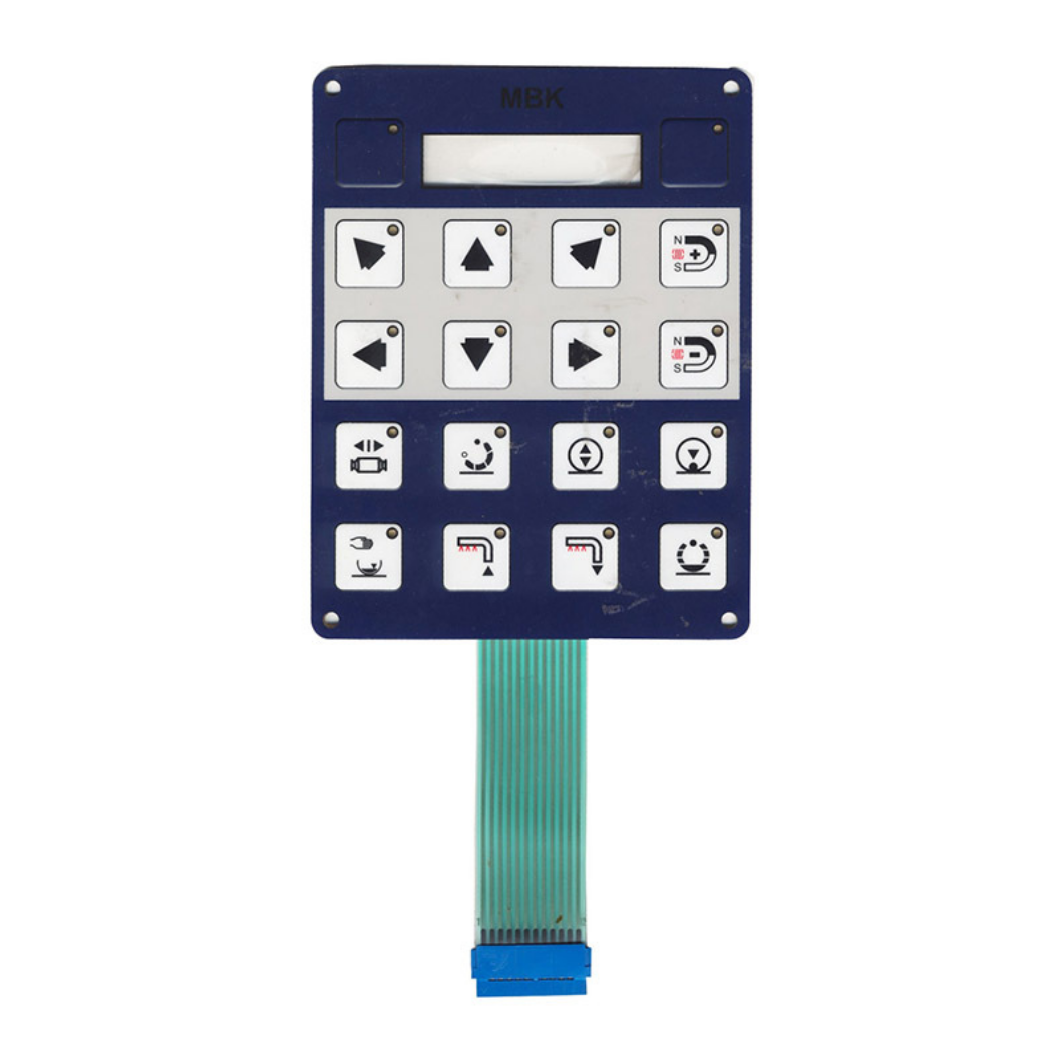
The standard multi-layer construction of a medical membrane switch engineered by Dongguan Cevra Electronic Technology Co., Ltd. incorporates five to seven distinct microscopic layers, each designed to satisfy specific kinetic, electrical, and barrier objectives:
1. Antimicrobial & Chemically Inert Graphic Overlay: Utilizing textured or velvet-finish biaxially oriented polyethylene terephthalate (PET) film treated with antimicrobial silver-ion coatings. This layer impedes pathogen colonization while enabling display clarity through dead-fronted, water-clear LED or LCD inspection windows.
2. Structural Adhesive & Liquid Barrier Core: Die-cut perimeter gaskets fabricated from high-cohesion acrylic adhesive systems isolate circuit traces from environmental air. Anti-wicking vent pathways equalize internal barometric pressure variations without allowing aerosolized sterilants or ambient humidity to condense inside the contact chambers.
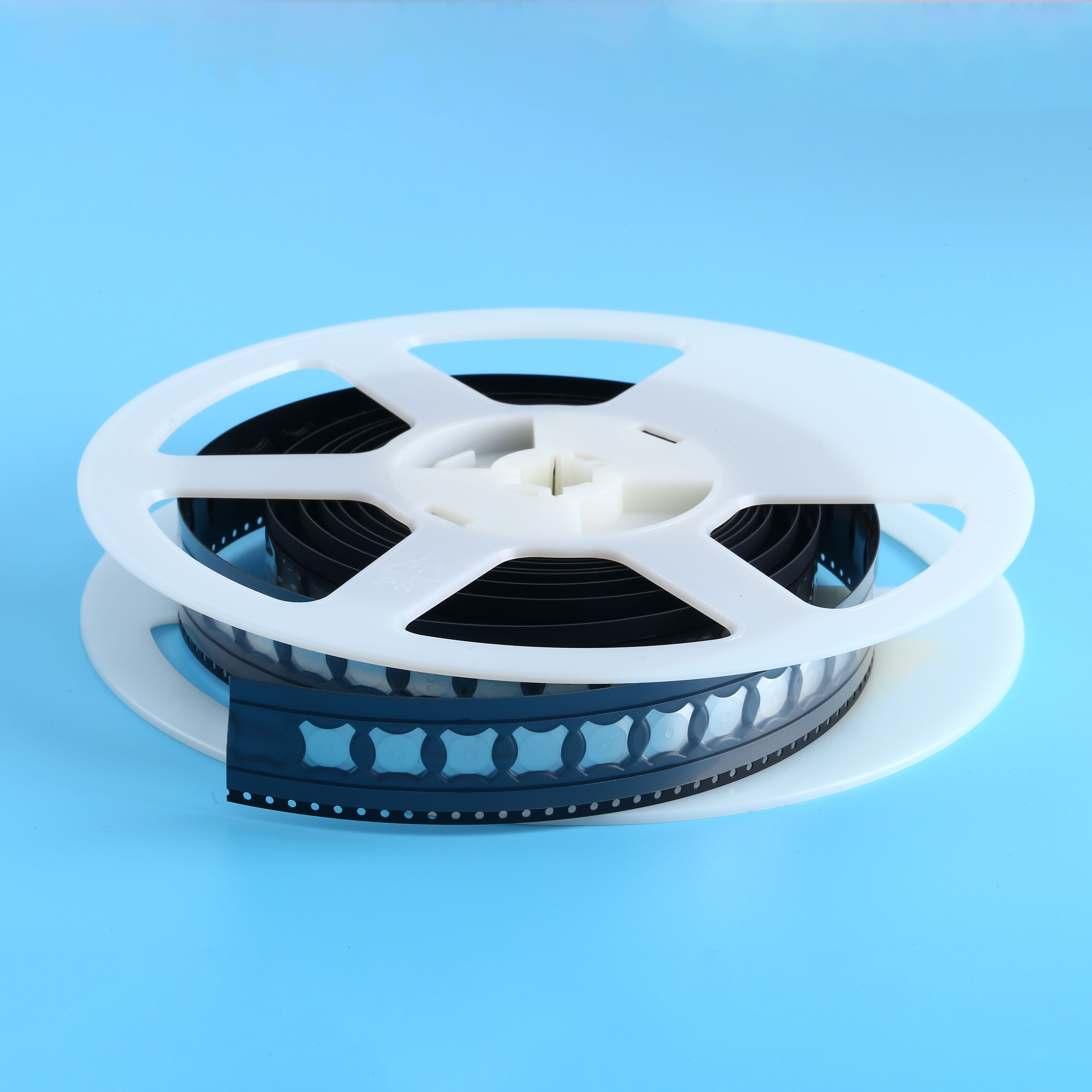
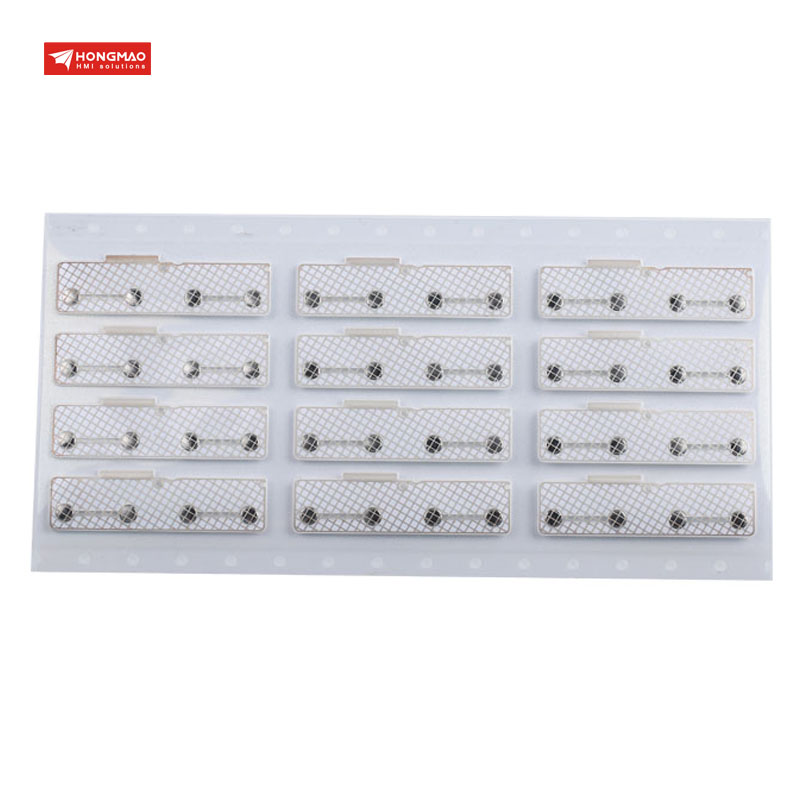
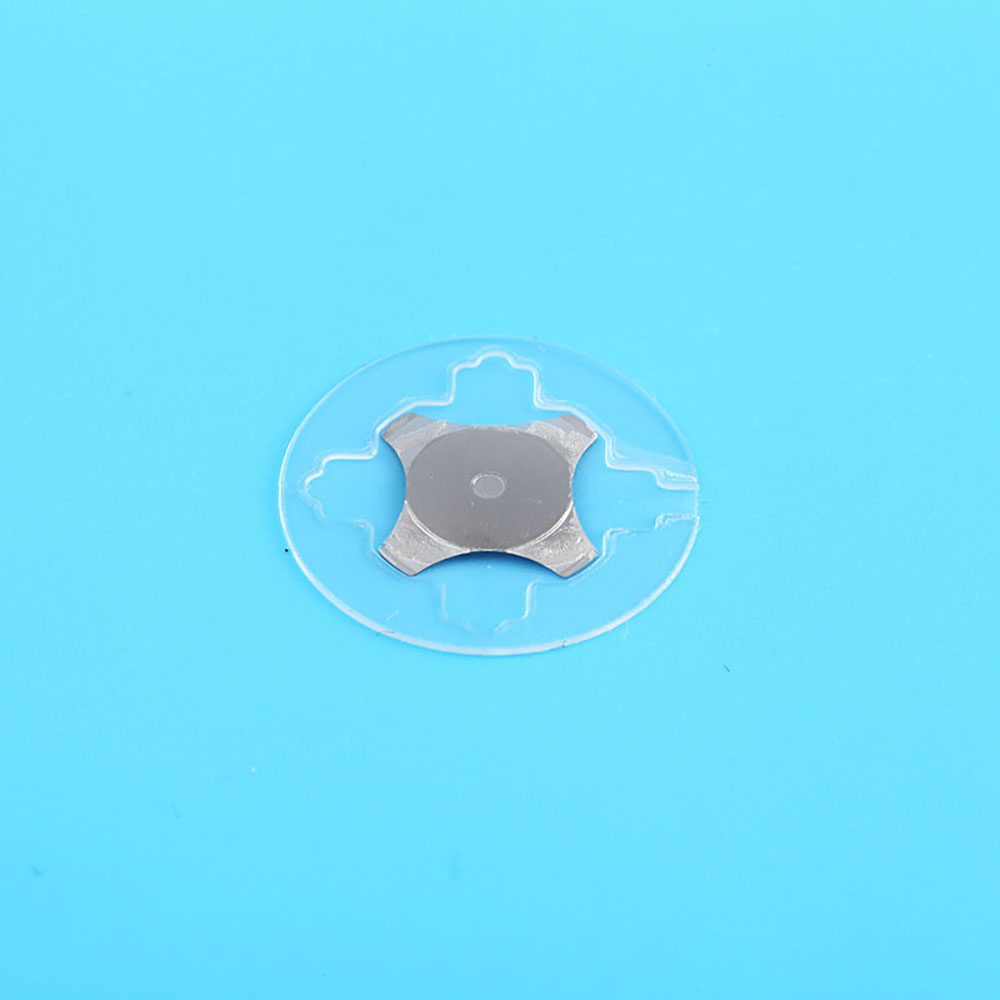
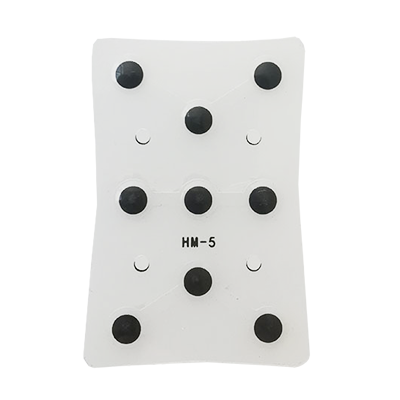
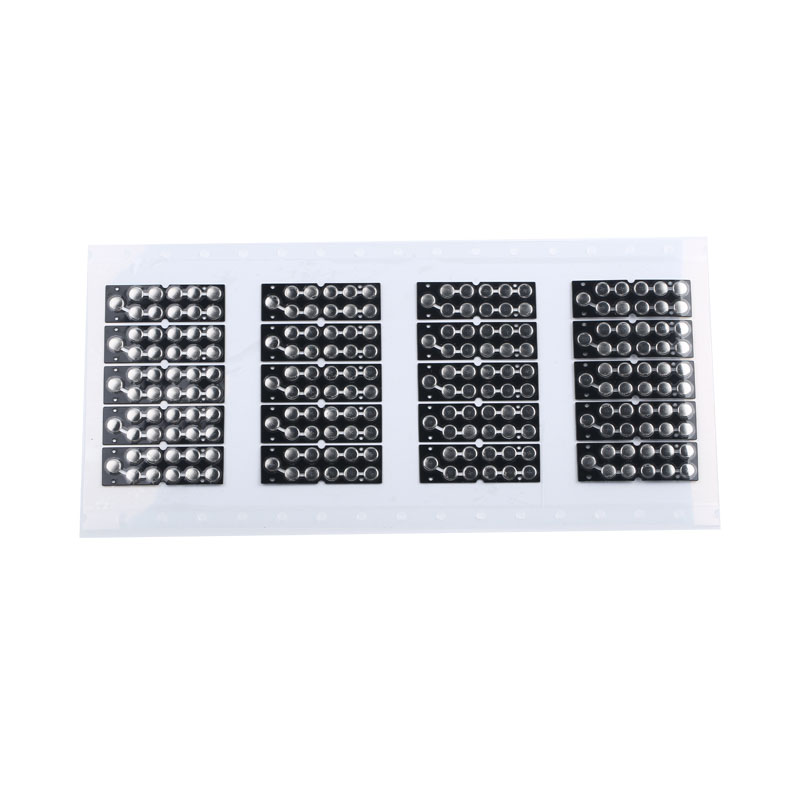
3. Tactile Feedback Mechanism (Precision Metal Domes): Medical practitioners often operate systems while wearing nitrile, latex, or double-layered surgical gloves. Cevra stamps tactile snap domes from premium Japanese SUS301 stainless steel, plated with high-purity nickel or selectively plated 24K hard gold. Calibrated trip forces ranging between 220g and 450g provide surgical teams with definitive sensory and audial feedback, preventing double-triggering or missed keystrokes under emergency operational conditions.
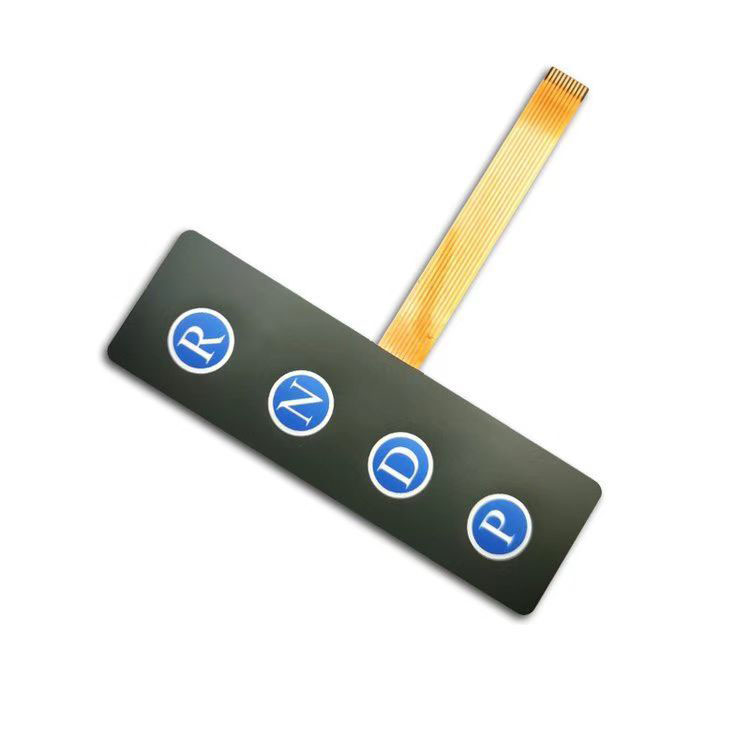
4. Silver-Printed or Flexible Polyimide (FPC) Conductive Traces: Screen-printed low-resistance silver conductive inks or photo-etched copper FPC circuitry deliver low loop resistance (<100Ω) and maintain maximum flex life (>1,000,000 actuations). All silver tracks are reinforced with carbon overcoat printing to prevent electrochemical migration under electrical potential gradients and moisture exposure.
Ecosystem Integration
Localized Medical Application Scenarios Across Brisbane
Engineered to satisfy demanding field requirements across Queensland hospitals, field ambulances, specialized pathology laboratories, and telehealth clinical devices.
ICU Bedside & Patient Monitoring
Installed across intensive care facilities at RBWH and Queensland Children's Hospital, these flat-face membrane keypads withstand around-the-clock hospital-grade wipe-downs using sodium hypochlorite (bleach) and chlorhexidine solutions without graphic fading or perimeter seal lifting.
Microfluidic & Diagnostic Analyzers
Custom-built for analytical biochemistry laboratories in Woolloongabba and St Lucia, providing dead-front status displays, ultra-flat capacitive sensing or micro-travel tactile keys that eliminate airborne particle accumulation in sterile biosafety cabinets.
Emergency First-Response & Telemetry
Equipped inside mobile telemetry units for the Queensland Ambulance Service (QAS), these ruggedized switch assemblies feature IP67-rated waterproof seals, Light Guide Film (LGF) illumination for nocturnal operations, and double-sided SUS301 metal domes ensuring positive tactile response under vibration.
Emerging Technology Trends in Queensland's Biomedical HMI Landscape
As Brisbane prepares to host the 2032 Olympic and Paralympic Games, extensive urban, healthcare, and digital wellness investments are supercharging regional R&D. Local device innovators are aggressively transitioning away from bulky mechanical switchgears toward integrated, hygienic, and intelligent surface technologies. We observe four distinct engineering developments impacting device specifications across Greater Brisbane:
1. Transition to Capacitive Touch Surfaces with Haptic Verification: Traditional tactile snap switches remain the standard for high-risk equipment, yet diagnostic tablets and patient-facing interfaces are transitioning toward seamless capacitive membrane panels. By incorporating capacitive touch sensor foils behind continuous, unembossed polyester sheets, Brisbane biomedical designers eliminate crevices where biological matter accumulates, facilitating zero-retention sanitation routines.
2. Uniform LED Light Guide Film (LGF) Integration: Rather than relying on power-hungry point-source discrete LEDs that generate localized hot spots, next-generation medical switches utilize micro-molded Light Guide Films. LGF spreads illumination uniformly across complex graphics with minimal thickness penalty (<0.2mm total stack-up increase), allowing medical personnel in darkened clinical wards to adjust infusion parameters without disturbing recovering patients.
3. Comprehensive Electromagnetic Compatibility (EMI/ESD Shielding): Modern operating theatres and intensive care wards host dense concentrations of electrosurgical units, RF ablation apparatus, and high-frequency wireless communications. Cevra engineers apply solid or selective printed silver-grid mesh shielding or conductive aluminum-mylar laminates directly within the membrane sandwich. This ensures that static discharges up to 15kV are safely grounded, preventing microprocessor lockup or phantom button actuation in critical life-support instruments.
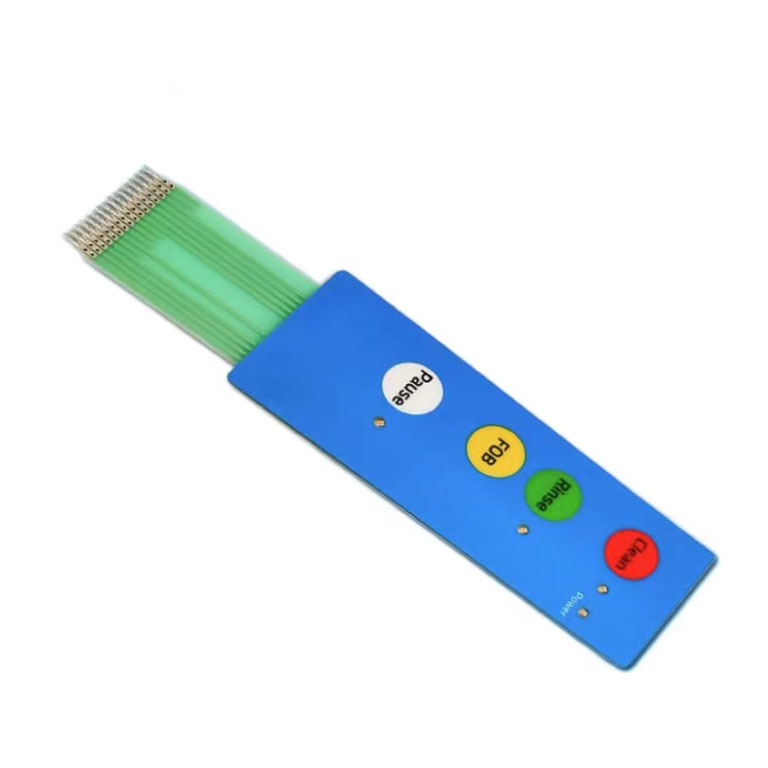
4. Flexible Printed Circuit (FPC) Miniaturization: Space inside portable handheld clinical monitors is at a premium. Cevra specializes in manufacturing high-density polyimide flexible printed circuits (FPC) with fine trace pitches down to 0.5mm, gold-plated ZIF connector tails, and integrated surface-mount diodes (SMD LEDs), vastly reducing physical connector footprints compared to traditional thick-film silver ink on PET.
Factory Direct Authority
Why Brisbane Medical Innovators Partner with Cevra
A vertically integrated Chinese manufacturing powerhouse delivering rapid prototyping, transparent engineering governance, and total quality traceability since 2009.
ISO 9001 & SGS Verified
Our 2,600㎡ Dongguan manufacturing headquarters operates under continuous ISO 9001:2015 quality standards and has undergone complete onsite verification by the SGS Group.
100% In-House Processing
From precision screen printing, CCD visual micro-drilling, automatic multi-layer lamination to laser die-cutting—every phase is kept strictly within our controlled facility.
Advanced QA Testing Lab
Every production batch is validated through dome actuation cycle testers, peel force tension gauges, high/low thermal chambers (-40°C to +85°C), and pencil scratch hardness testing.
Agile OEM/ODM Prototyping
We empower Brisbane MedTech startups and tier-one medical engineering groups with fast prototype deliveries (5-7 business days), low minimum orders, and comprehensive DFM design support.
Production Infrastructure
Inside Our Dedicated Manufacturing & Testing Facility
High-precision optical fabrication and automated assembly lines ensuring micro-tolerance alignment for medical-grade HMI devices.
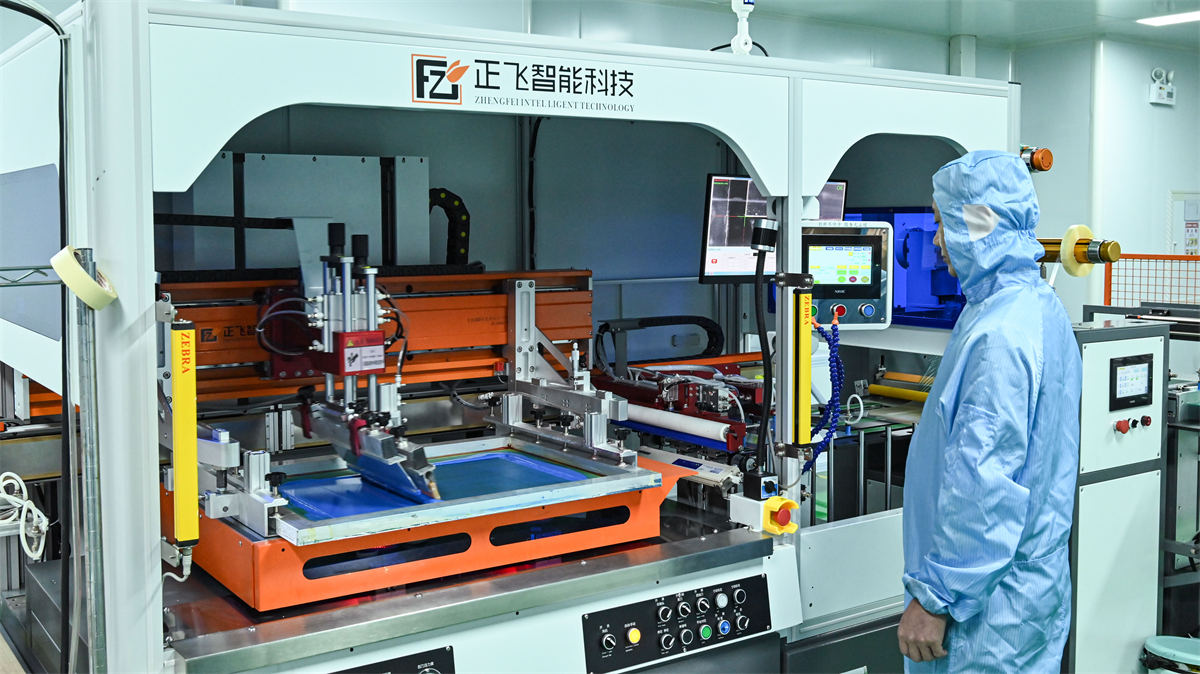
Precision Silk Screen Printing Line
Class-compliant cleanrooms ensuring zero particulate defect adhesion during silver conductive trace and graphic printing cycles.
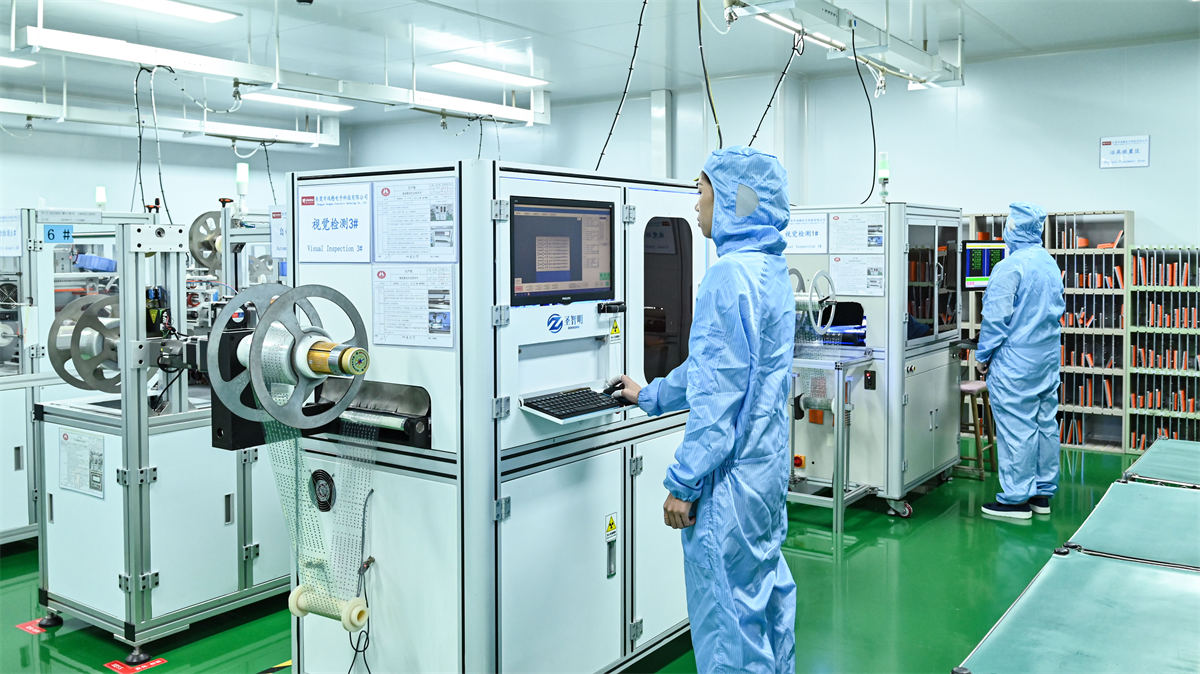
Optical CCD Vision Alignment & Inspection
Automated visual measurement systems verify trace alignment, window registration, and punching precision within ±0.05mm tolerances.
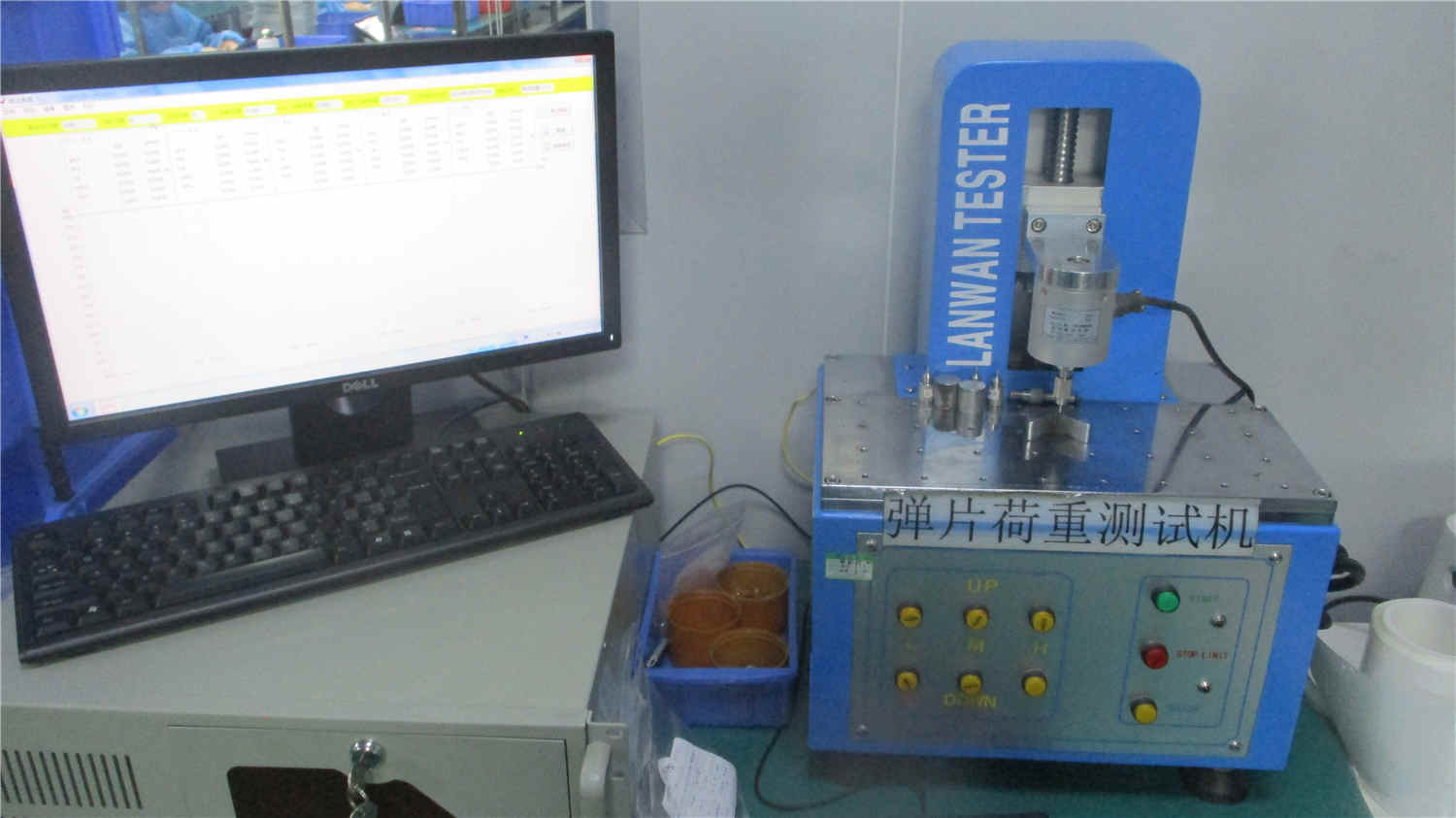
Metal Dome Tactile Actuation Force Lab
Continuous cyclic testing verifies click ratios, actuation trip force stability, and contact bounce reduction across million-press lifespans.
Procurement Knowledge Base
Frequently Asked Questions for Brisbane Engineering Buyers
Essential design, compliance, material, and logistics questions answered by our senior membrane switch engineers.
How do Cevra's membrane switches maintain reliability under Queensland's humid subtropical climate?
Brisbane experiences relative humidity levels frequently surpassing 80% during summer months. In cheap consumer-grade switches, moisture migrates into silver ink tracks, causing electrochemical silver dendrite growth and short-circuit failure. We resolve this by applying 100% pinhole-free dielectric insulation coats, full carbon overcoat barriers across all silver traces, and edge-sealing the perimeter using high-cohesion 3M acrylic adhesive matrices to establish an impervious environmental seal.
What surface material do you recommend: Polyester (PET) or Polycarbonate (PC) for clinical devices?
For hospital equipment requiring daily disinfection, we virtually always specify biaxially oriented PET (such as MacDermid Autotex®) over Polycarbonate. While PC is slightly easier to thermoform and emboss, it suffers from chemical stress-cracking when exposed to hospital-grade disinfectants containing isopropyl alcohol, methyl ethyl ketone, or quaternary ammonium. PET exhibits vastly superior chemical resistance, flex fatigue life (>5 million actuations), and abrasion durability.
How does Cevra support rapid prototyping for Brisbane biomedical startups?
We understand that biomedical devices undergoing clinical trials or TGA (Therapeutic Goods Administration) testing require fast iterative development. We offer laser-cut rapid prototyping services that eliminate high upfront steel tooling costs for early iterations. Our team converts CAD files (DXF, DWG, STEP) and graphic artwork (AI, PDF) into functional engineering prototypes within 5 to 7 business days, providing complete DFM (Design for Manufacturability) analysis prior to fabrication.
Can you provide comprehensive ESD and EMI shielding for high-frequency surgical environments?
Yes. Medical instruments operating near electrosurgical or telemetry equipment require rigorous shielding to prevent electromagnetic interference. Cevra incorporates laminated conductive aluminum foils, copper meshes, or selective screen-printed carbon/silver grounding matrices into the layer stack-up. These shields terminate at a dedicated ground pin on your connector tail, safely discharging static shocks up to 15kV without triggering spurious system resets.
What is the typical shipping timeline from your Dongguan factory to Brisbane, Australia?
Our direct air express shipments (via DHL, FedEx, or UPS Priority) transit from Shenzhen/Hong Kong hubs directly to Brisbane International Airport (BNE) in approximately 3 to 5 business days, including Australian customs clearance. For scheduled mass-production volumes, regular sea freight routes from Yantian Port directly to the Port of Brisbane provide exceptionally cost-effective freight economics.
Ready to Engineer Your Custom Medical Membrane Interface?
Consult directly with Cevra's senior HMI engineering team. Upload your artwork, mechanical outlines, or schematic parameters for immediate DFM feedback, material recommendations, and a competitive custom quotation.