Precision HMI & Membrane Interface Assemblies
Engineered for clinical diagnostic instruments, surgical theater consoles, laboratory analyzers, and hospital infrastructure systems operating across North America and Charlestown's clinical corridor.
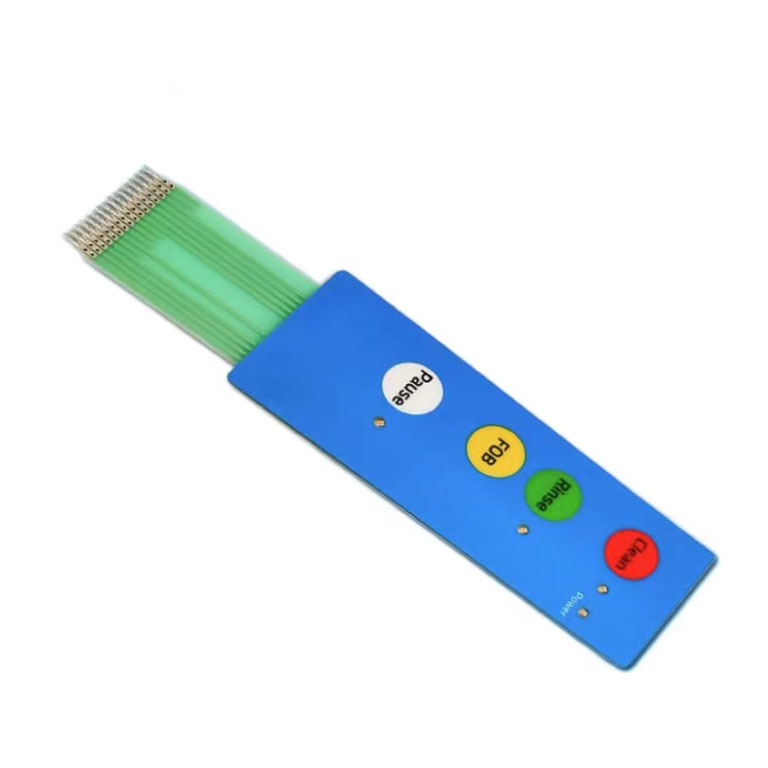
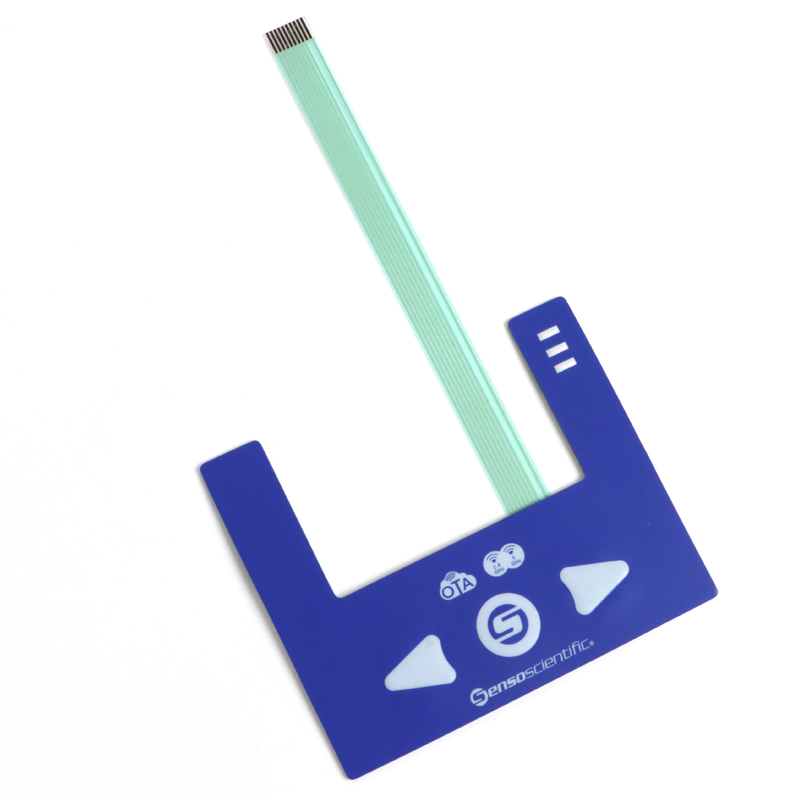
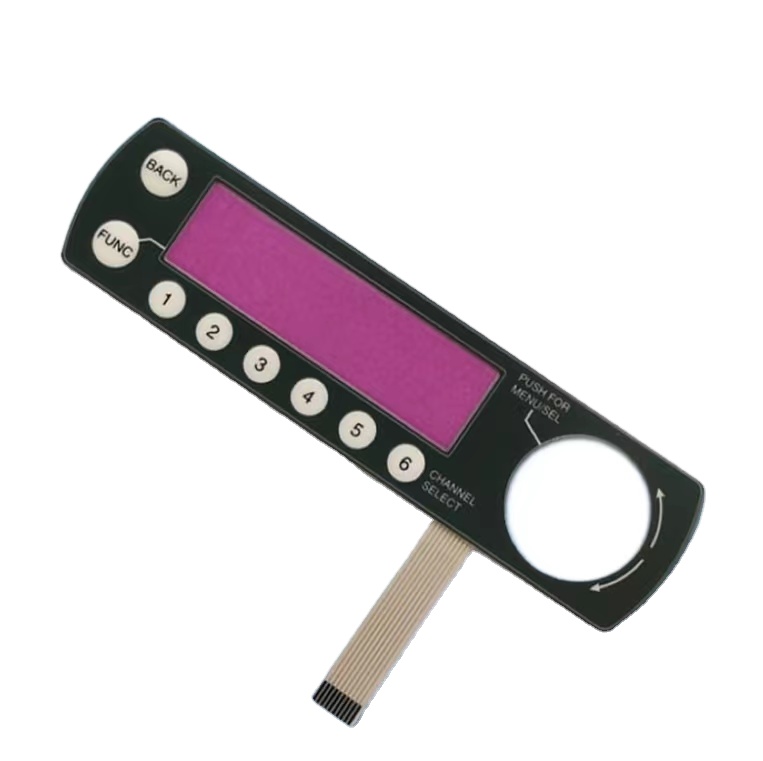
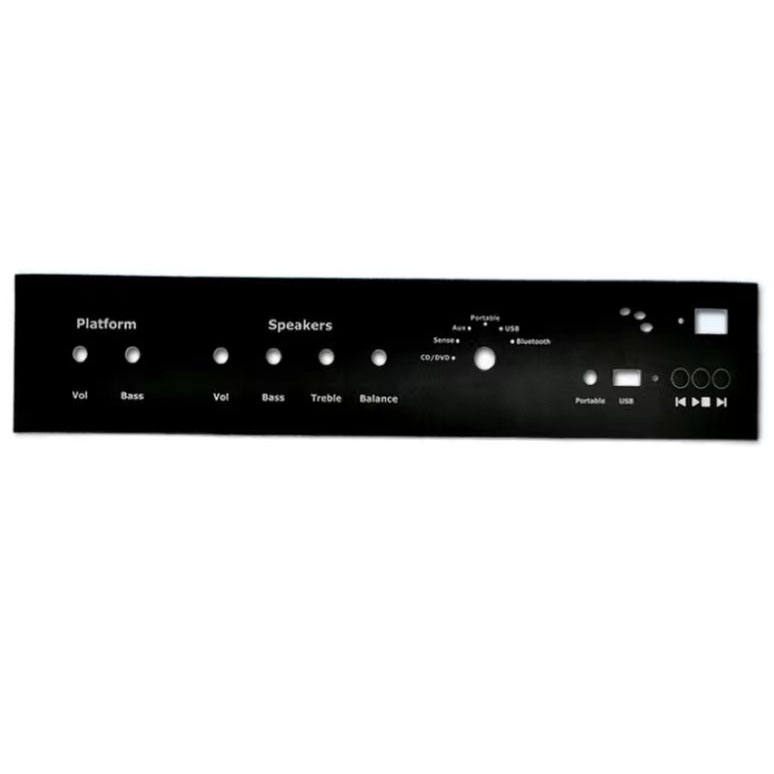
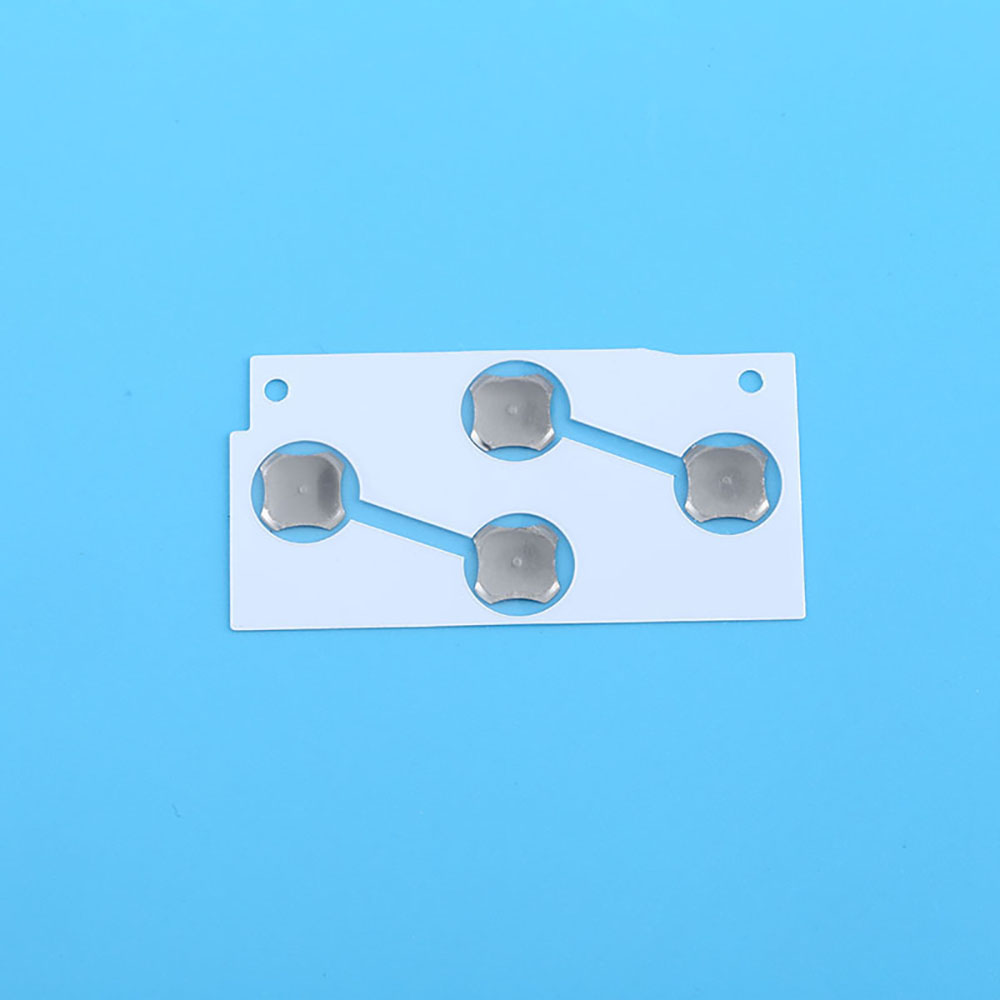
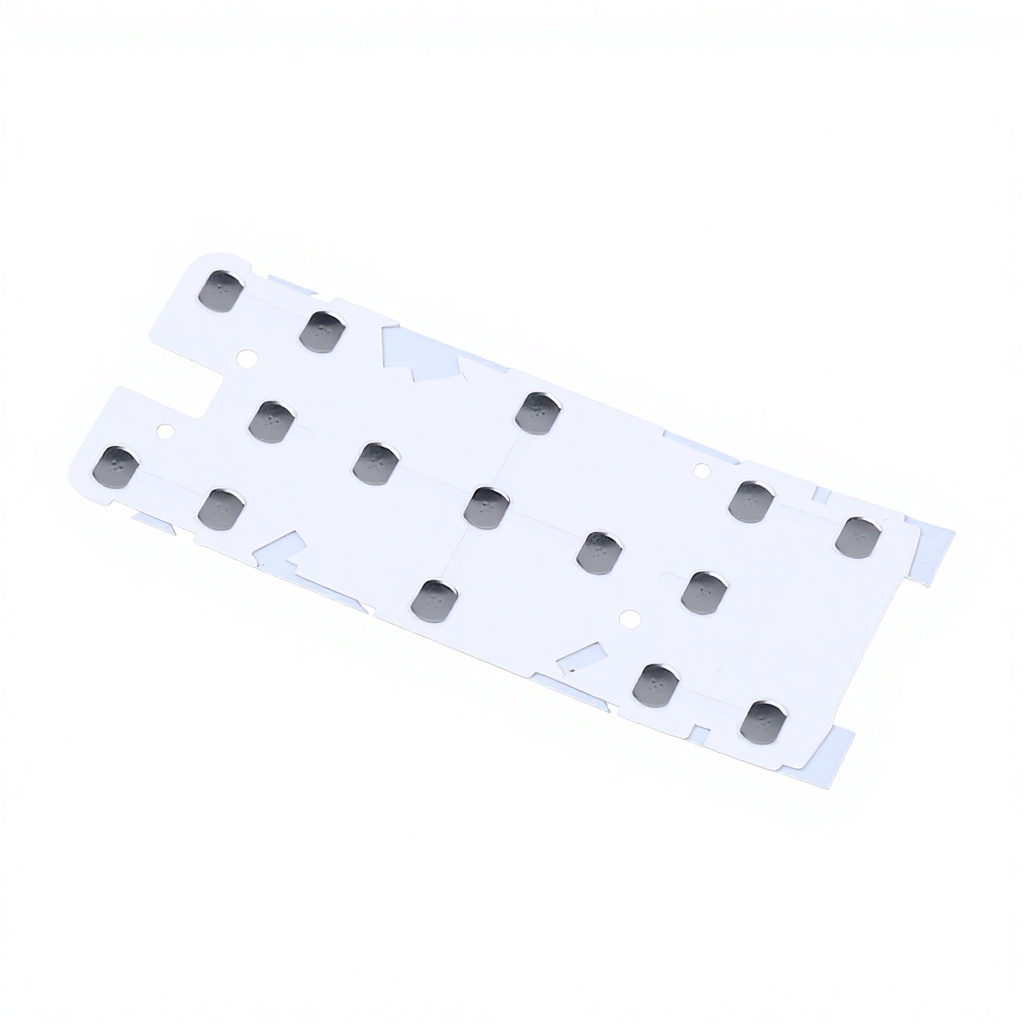
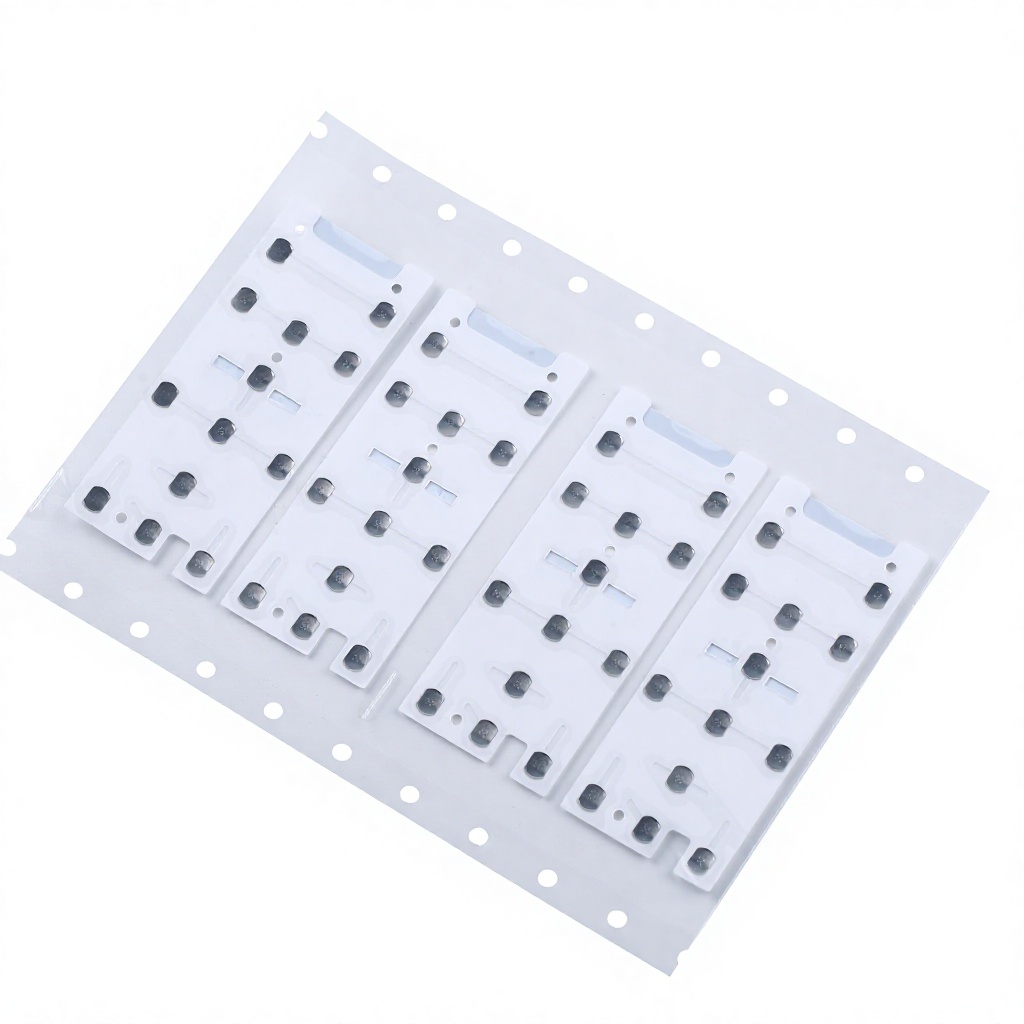
Mission-Critical Interface Applications across the Charlestown Medical Corridor
Positioned immediately adjacent to the world-renowned Boston-Cambridge life science and biotechnology nucleus, Charlestown OEMs, medical device refurbishers, and clinical labs require ultra-durable human-machine interface assemblies.
Diagnostic & Patient Monitoring Consoles
Charlestown clinical testing centers, patient telemetry hubs, and intensive care diagnostic networks mandate switch interfaces that provide seamless zero-crevice integration.
- Continuous Chemical Disinfection: Engineered with medical-grade Autotex PET and treated polycarbonates to withstand aggressive cleaning agents such as Bleach (sodium hypochlorite), Isopropyl Alcohol (IPA), Cidex OPA, and Hydrogen Peroxide vapors without crazing or yellowing.
- IP67 Watertight Seals: Precision perimeter gaskets and die-cut 3M 467MP/468MP adhesive laminations prevent bodily fluid penetration and saline seepage into delicate interior logic boards.
- Integrated Display Windows: Anti-glare, scratch-resistant optical windows offering >92% clarity for TFT, OLED, and LED numeric instrumentation displays.
Surgical Navigation & Fluid Management
Precision surgical procedures executed in regional operating suites require absolute tactile certainty, zero false triggers, and complete EMI/RFI screening.
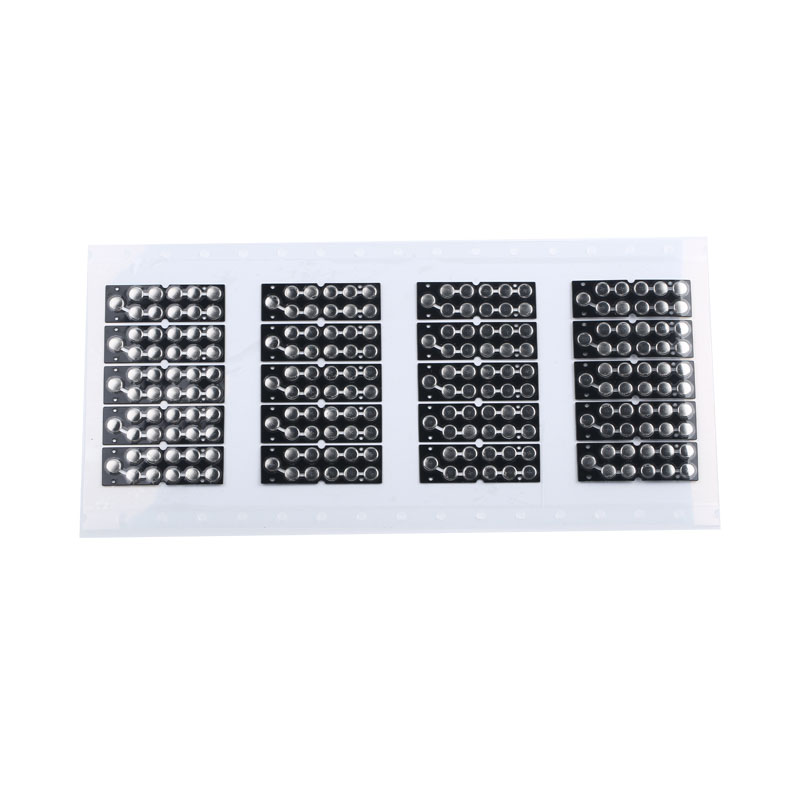
- Deterministic Tactile Feedback: Utilizing custom SUS301 stainless steel 4-leg metal domes calibrated between 250g to 450g actuation trip force, ensuring surgeons and nurses receive unmistakable tactile feedback even when wearing double nitrile gloves.
- Electromagnetic Compatibility: Full-coverage aluminum foil, printed carbon grids, or silver conductive shielding layers divert stray electrostatic discharge (ESD > 15kV) away from high-gain biosignal amplifiers.
- Embedded Surface Mount LEDs: Low-profile micro-SMD LEDs integrated directly onto conductive silver circuits or flex FPC tails provide instant visual confirmation of operational status under surgical lighting.
Life Science & Bioreactor Control Systems
High-throughput automated sampling instruments and bio-pharmaceutical reactors located throughout Massachusetts demand extensive thermal stability and long-cycle longevity.
- Extended Environmental Stability: Operational endurance across severe temperature excursions (-40°C to +85°C) and humid storage conditions, validated by environmental chamber testing.
- High-Density Flexible Tail Routing: Silver-printed polyester flex tails or high-reliability polyimide (Kapton) FPC circuits termination with standard 1.0mm, 1.27mm, or 2.54mm pitch connectors (Amphenol, Molex, or FCI clincher contacts).
- Extreme Actuation Longevity: Rigorously load-tested dome arrays rated for greater than 1,000,000 mechanical switch cycles without snap degradation or micro-fracturing.
Next-Generation Technology Trends Shaping Charlestown Medical Procurement
How cutting-edge biomedical engineering paradigms in Massachusetts are transforming medical-grade membrane switch architectures.
1. Convergence of Capacitive Touch & Mechanical Snap
While consumer medical products lean heavily toward flat capacitive glass touch screens, healthcare workers operating in emergency response and surgical theaters report critical drawbacks regarding accidental activation and failure when handled with wet, fluid-coated surgical gloves. The prevailing trend across Charlestown R&D engineering projects is the hybrid interface: capacitive slider inputs paired with dedicated, physically embossed tactile metal dome keys for critical emergency stop, dosage validation, and power switching.
2. Antimicrobial Micro-Textured Front Surfaces
Hospital-acquired infections (HAIs) remain a focal regulatory challenge under Joint Commission standards. Charlestown clinical biomedical departments prioritize front graphic overlays infused with active antimicrobial silver-ion chemistries (such as Microban® or BioCote® embedded PET films). This ensures that cell membranes of multi-drug resistant bacteria, mold, and pathogens cannot establish biofilm colonies between standard chemical terminal wash cycles, providing permanent biocidal protection throughout the hardware lifecycle.
3. Transition from Silver Inks to Rigid-Flex FPC Backers
With clinical devices packing higher computational performance into compact footprint enclosures, medical switches increasingly integrate SMD passive components, sensor drivers, and ZIF interfaces directly onto polyimide Flexible Printed Circuits (FPC) or rigid FR4 assemblies. This eliminates external daughterboards, lowers electrical contact resistance below 1 Ohm, eliminates silver-migration risks under high-humidity hospital environments, and dramatically accelerates the assembly velocity for Charlestown manufacturing lines.
End-to-End In-House Engineering & Quality Infrastructure
Dongguan Cevra Electronic Technology Co., Ltd. operates a comprehensive, vertically integrated 2,600㎡ production center in Dongguan, China, delivering complete accountability from raw resin film selection to final electronic validation.
Complete Cleanroom Processing
Our ISO 9001 certified plant houses high-precision automated screen-printing suites, automatic layer laminators, CCD drilling machines, and class 1,000 clean air assembly stations. Graphic overlays and conductor tracks are printed in dust-free controlled atmospheres to eliminate microscopic debris that cause dielectric pinholes, short circuits, or optical haze behind transparent window lenses.
Multi-Vector Quality Testing Suite
Every manufacturing lot conforms to exhaustive qualification protocols before export release:
- Automated Electrical Circuit Scanning: 100% verification for contact bounce, loop resistance, insulation breakdown (>100MΩ at 100V DC), and switch logic mapping.
- Dynamic Force-Displacement Curve Profiling: Precision computerized dome testers verify snap ratio, actuation actuation load (g), and contact travel across every key station.
- Stress Environmental Testing: High/low temperature soak cabinets (-40°C to +85°C), holding tack testers, peel tension dynamometers, and pencil hardness testers ensure structural resilience.
SGS Audited & Export Streamlined
Ranked #5 in category popularity on international trade registries and verified onsite by the SGS Group, Cevra supports Charlestown buyers with full material traceability, RoHS/REACH compliance dossiers, strict Non-Disclosure Agreements (NDAs), agile rapid prototyping within 5-7 business days, and streamlined direct DDP air freight fulfillment directly to your receiving dock.
Frequently Asked Questions by Medical Hardware Engineers in Charlestown
Essential engineering and supply chain insights to help hardware design teams and procurement managers evaluate custom membrane switch programs.
What files and specifications are needed to initiate a custom medical membrane switch quote?
To deliver a rapid, production-ready DFM (Design for Manufacturability) analysis, provide your mechanical vector drawings (DXF, DWG, STEP, or PDF) along with high-resolution artwork files (Adobe Illustrator vector format with assigned Pantone or RAL color codes). Please specify target actuation force, tactile preference (metal dome vs. polyester dome), circuit substrate (printed silver polyester vs. copper Kapton FPC), connector tail pitch/type, backlighting requirements, and required chemical exposure profiles.
Why is Autotex PET preferred over standard Polycarbonate (PC) for hospital panels?
While Polycarbonate provides excellent optical transparency and high impact strength, it is highly prone to micro-cracking and solvent embrittlement when exposed to common medical hospital disinfectants (such as quaternary ammonium compounds, bleach, and isopropyl alcohol). Autotex hard-coated biaxially oriented polyester (PET) exhibits exceptional flex life exceeding 5 million flex cycles, chemical inertness, and superior resistance to chemical surface marring.
How do your engineers prevent moisture ingress and achieve true IP67 or IP68 waterproof ratings?
We incorporate a specialized continuous perimeter sealing boundary utilizing high-cohesion acrylic adhesives (such as 3M 200MP series or 300LSE). Furthermore, switch breathers are engineered with internal venting channels directed back into the enclosure or sealed with micro-porous waterproof venting membranes (Gore-style ePTFE), ensuring internal pressure balance during altitude or barometric changes without allowing liquid ingress.
How does Cevra resolve electrostatic discharge (ESD) risks in patient-connected monitoring devices?
To protect sensitive diagnostic instrumentation logic boards from human-body electrostatic discharge (up to 15kV to 25kV), we design dedicated shielding layers directly beneath the graphic overlay. These shields feature printed conductive silver cross-hatch matrices, solid carbon conductive layers, or laminated aluminum foils tied directly to chassis earth ground via an isolated drain pinout on the flexible tail.
What is the typical prototype lead time and MOQ for custom medical projects?
We support agile product engineering and clinical trials with flexible minimum order quantities, starting as low as 10 to 50 units for custom graphic overlay assemblies and 100 units for fully functional integrated membrane switches. First-article functional prototypes are typically completed and dispatched via express air courier within 7 to 10 business days following engineering sign-off on 2D/3D artwork proofs.
How do you guarantee batch-to-batch tactile consistency across multi-year export runs?
All tactile snap domes are fabricated using high-yield SUS301 stainless steel strips imported with certified metallurgical tensile uniformity. Each lot undergoes automated SPC statistical sampling on computerized load-displacement testing stations to verify that trip force (F1), switch travel, and return snap ratios stay strictly within +/-20g tolerance, ensuring operators experience identical tactile confirmation year after year.
Accelerate Your Medical Device Project with Cevra Engineering
Whether you require standard tactile metal dome arrays or an ultra-sealed, autoclave-tolerant medical HMI assembly for delivery into Charlestown and the Greater Boston medical hub, our engineering department is standing by to evaluate your CAD blueprints and functional criteria.