High-Performance Optical & Membrane Switching Assemblies
Engineered for rugged durability, thermal stability, and uniform luminance. Fully customizable to strict mechanical tolerances, environmental sealing requirements, and optical distribution profiles.
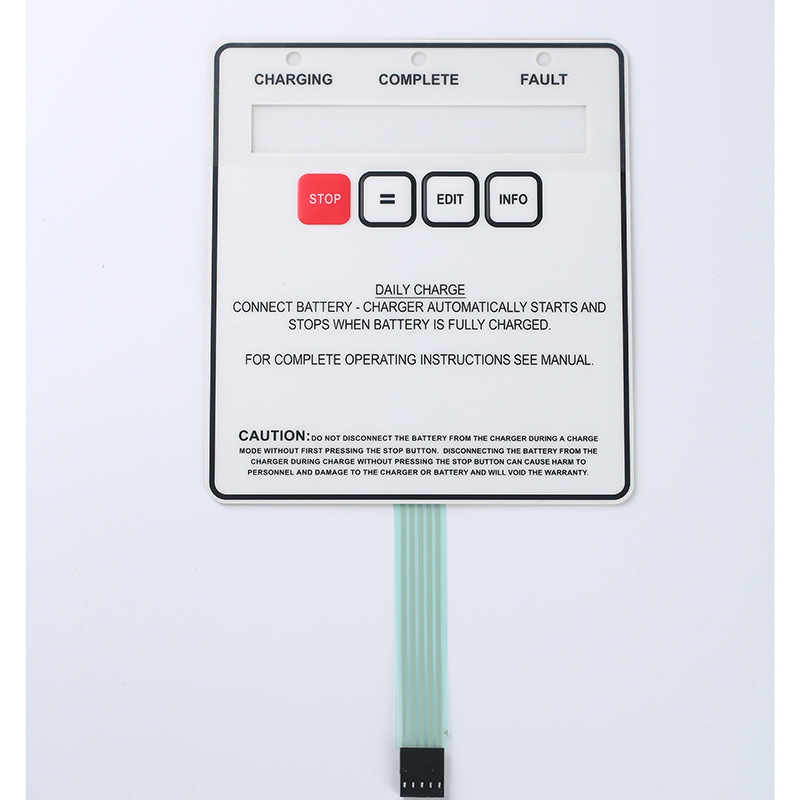
Waterproof & Dustproof Medical Membrane Switch Control Panel
- Ingress Rating: IP65 / IP67 Sealed
- Base Optical Film: Medical Grade PET
- Tactile Feedback: Stainless Metal Dome
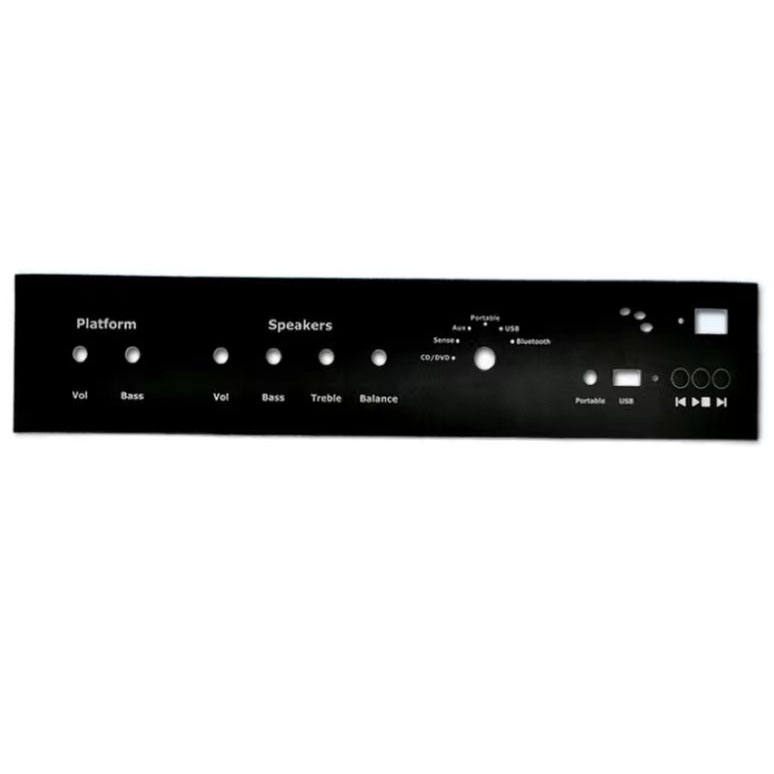
Intelligent Washing Machine Capacitive Touch Membrane Panel
- Interface Mode: Capacitive Sensing
- Moisture Barrier: Hydrophobic Coating
- Backlight Type: Edge LGF Matrix
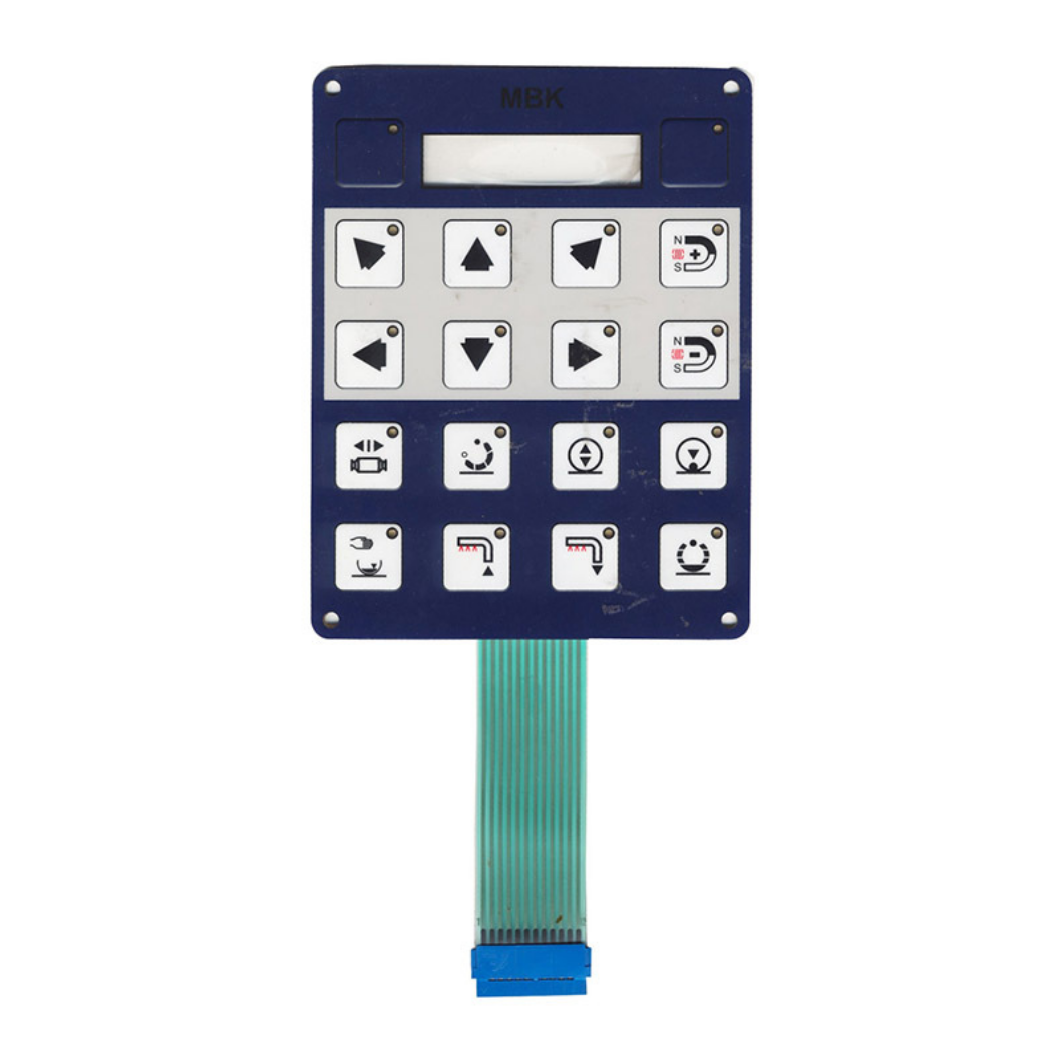
Linear 1-Row 4-Key Custom Subassembly Membrane Switch
- Circuit Layer: Silver Conductive Paste
- Actuation Force: 280g - 350g Click
- Tail Pitch: 2.54mm Standard FFC
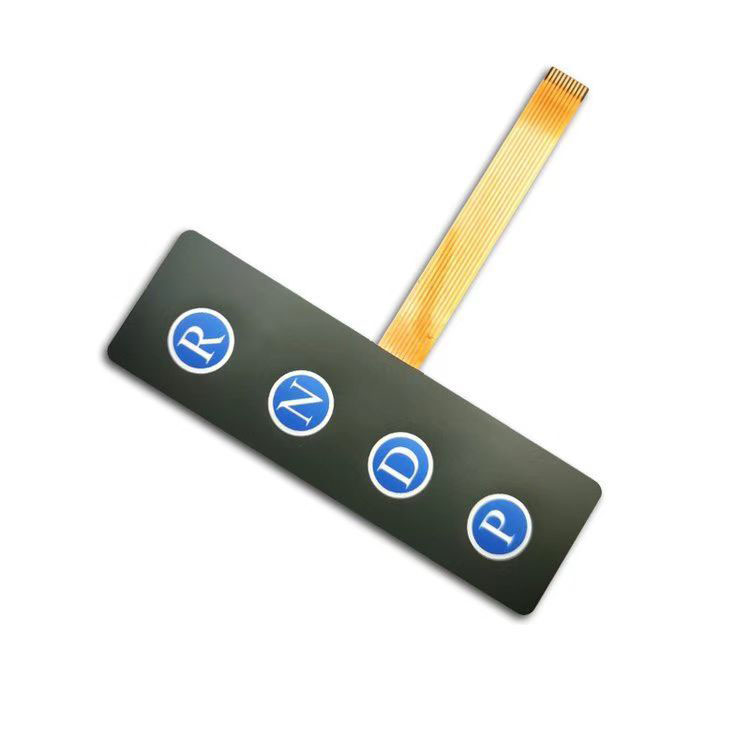
Embossed Backlit 3-5 Button Industrial Touch Controller
- Illumination: Integrated Light Guide
- Embossing: Rim & Pillow Tactile
- Lifecycle: > 1,000,000 Cycles
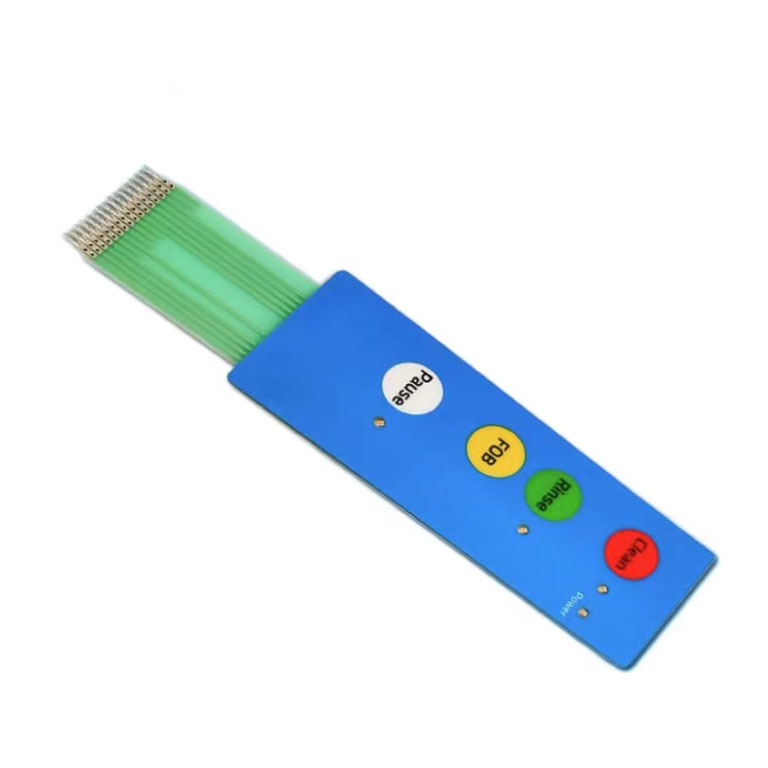
Ultra-Thin Waterproof Flexible Film Circuit Switch Module
- Substrate: Optical Grade Polyyester
- Dielectric: UV Cured Insulation
- Thickness: 0.125mm - 0.188mm
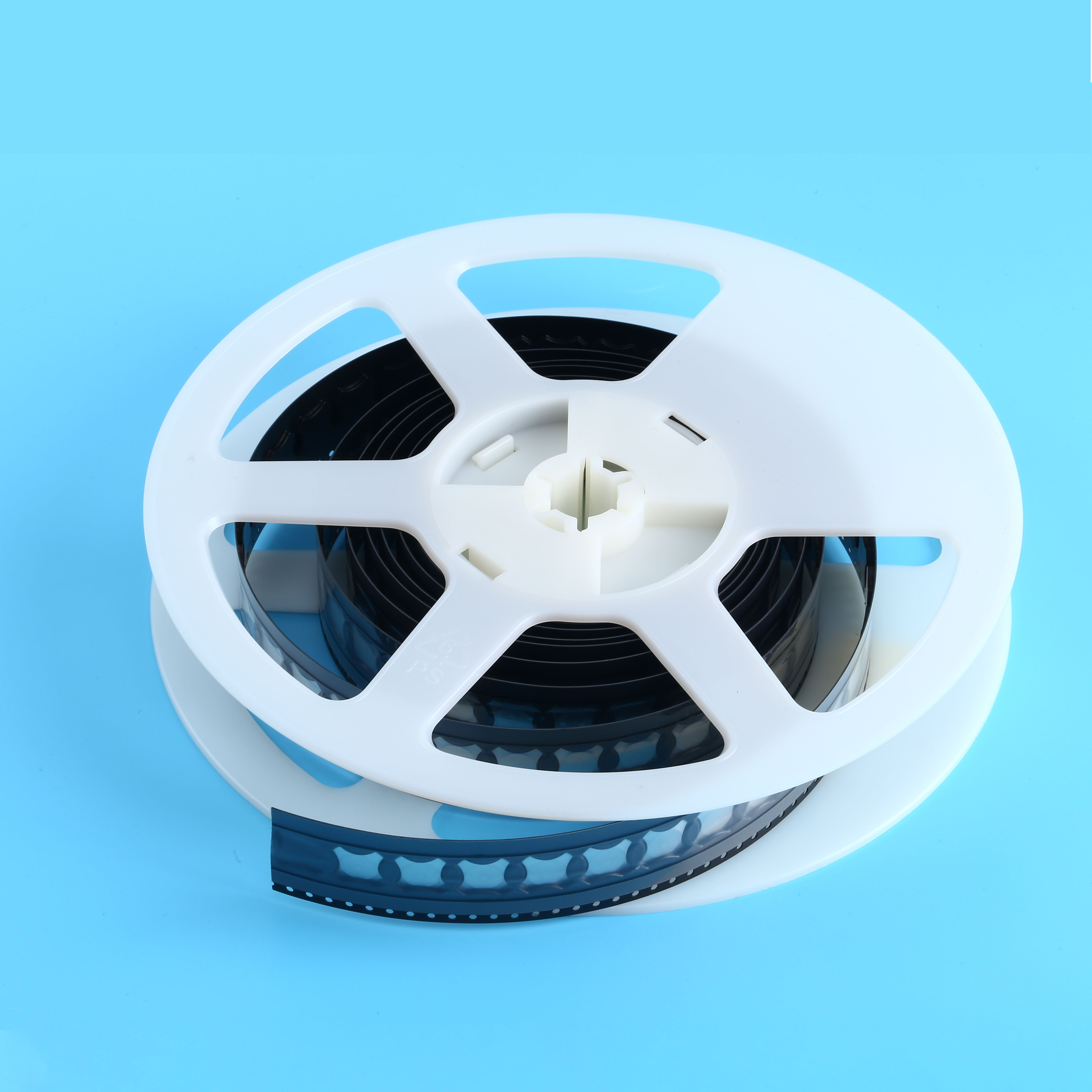
Cross 4-Legged Tactile Metal Snap Dome Array on Reel
- Plating: Nickel / Gold Flash
- Dome Diameters: 8.4mm, 10mm, 12mm
- Packaging: Reel Tape for SMT
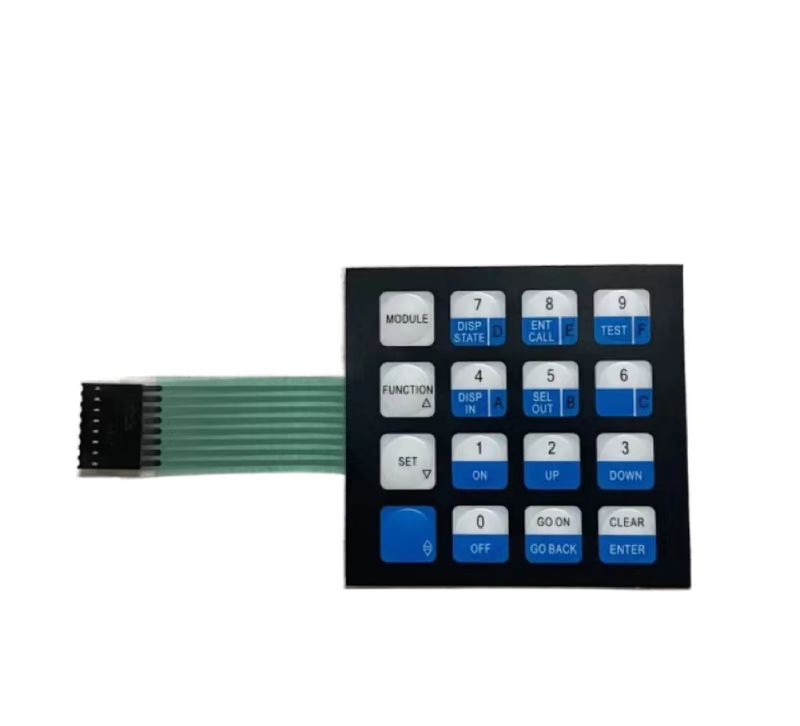
Custom 4×4 Tactile Matrix Membrane Keypad with Overlay
- Key Configuration: 16-Key Matrix Grid
- Overlay Material: Autotype Polyester
- Adhesive Backing: 3M 467MP / 468MP
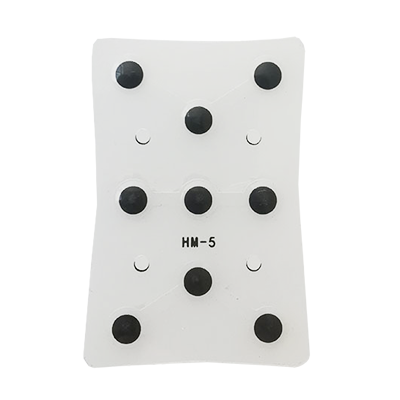
LGF Light Guide Film Membrane Keypad with PCB Assembly
- Optical Core: Micro-Dot Light Guide
- Luminance Range: 50 - 450 cd/m² (Uniform)
- Rigid Backer: FR-4 / Aluminum Plate
Precision Light Guide Plate (LGP) & Light Guide Film (LGF) Optics in Modern Interfaces
The contemporary electronics ecosystem demands increasingly slender, ergonomically responsive, and energy-conserving backlighting architectures. At the mechanical apex of this shift is the Light Guide Plate (LGP) and its ultra-thin sibling, the Light Guide Film (LGF). While traditional backlit architectures relied on bulky, hot-running diffuse lamp cavities or direct LED arrays requiring substantial depth, modern edge-lit optical plates leverage the physical mechanics of Total Internal Reflection (TIR) to transform linear point light from edge-mounted side LEDs into a smooth, perfectly homogeneous planar illumination surface.
For product designers, electrical engineers, and contract manufacturing facilities operating within or sourcing for the Nicaragua market, understanding the optical engineering principles of LGPs is vital to solving issues surrounding hotspotting, optical power decay, thermal warping, and localized electrical leakage.
V-Cut Micro-Grooving
Employs precision diamond turning tools to engrave microscopic continuous angular grooves across optical PMMA/PC substrates, channeling light along fixed refractive vectors for maximum directional gain.
Laser Micro-Dotting
Utilizes pulsed CO2 or UV laser pulses to melt algorithmic micro-dots directly into the light guide plate. Dot density and diameter exponentially increase as the distance from the side LEDs increases to neutralize natural falloff.
Screen-Printed Optical Ink
Deposits UV-curable titanium dioxide (TiO2) and acrylic cross-linker scattering dots onto optical-grade film via precision screen printing. Offers cost-effective prototyping with excellent high-volume throughput.
Optical Distribution Architecture: Achieving >90% Lux Uniformity
In high-reliability industrial and medical systems, inconsistent illumination does not simply represent an aesthetic deficiency; it introduces ergonomic hazard, misread status indicators, and severe visual strain. To achieve lux uniformity ratings exceeding 90% across the active area of an LGP or LGF subassembly, the optical stack must be methodically layered:
- Bottom Reflector Film: A micro-voided white polyester (PET) or specular mirror film with >98% reflectance rating, redirecting downwards-scattered light rays back toward the viewer.
- Light Guide Core (LGP/LGF): Optical Poly(methyl methacrylate) (PMMA) for rigid backlighting panels (0.8mm to 6.0mm) offering 92.5% optical transmittance, or optical polycarbonate (PC)/polyurethane (PU) films (0.125mm to 0.25mm) for ultra-thin membrane switch backlighting.
- Diffuser Sheet: Translucent micro-beaded polymer layers that eliminate the shadow footprints of the micro-dots, yielding a completely homogenized luminescent field.
- Brightness Enhancement Film (BEF / Prism Sheet): Optical prismatic microstructures that focus diffuse light into an axial viewing cone, amplifying perceived surface brightness (cd/m²) by 40% to 60% without augmenting LED driver wattage.
Comparison Matrix: LGP vs. LGF vs. Traditional Backlighting Technologies
| Optical Parameter | Rigid PMMA LGP Panel | Flexible Film LGF (0.125mm) | Electroluminescent (EL) Foil | Direct Surface Mount LED |
|---|---|---|---|---|
| Profile Thickness | 1.0 mm – 6.0 mm | 0.125 mm – 0.25 mm Ultra-Slim | 0.20 mm – 0.40 mm | 5.0 mm – 20.0 mm |
| Surface Luminance | 500 – 4,500 cd/m² | 50 – 450 cd/m² | 30 – 100 cd/m² (Rapid Decay) | 800 – 6,000 cd/m² |
| Luminance Uniformity | 90% – 95% | 85% – 92% | 80% – 90% | 60% – 75% (Hotspot prone) |
| Operational Half-Life | 50,000 – 100,000 hrs | 50,000 – 80,000 hrs | 3,000 – 6,000 hrs (High Degradation) | 50,000 hrs |
| Power Requirement | Low DC Voltage (3.0V – 12V) | Micro-Watt SMT LEDs | High AC Voltage (110V Inverter Required) | Moderate to High Direct DC |
| Tactile Switch Integration | Requires cutouts/apertures | Continuous over/under metal domes Ideal | Fragile to direct mechanical stress | Interferes with membrane travel |
Localized Applications Across Nicaragua's Industrial Landscape
From the export processing parks of Managua to agro-industrial clusters in the north and maritime ports along the Pacific corridor, specialized optical and tactile assemblies solve mission-critical operational challenges.
Zona Franca Medical Devices
Within Managua's Free Trade Zones (such as Las Mercedes and Tipitapa), international medical assembly lines rely on IP67 waterproof membrane switches integrated with laser-dotted LGFs for diagnostic patient monitors, infusion pumps, and sterilization consoles requiring chemical wipe-down resistance.
Agro-Industrial Processing
In the sugar mills of Chichigalpa, coffee processing facilities around Matagalpa, and seafood freezing hubs in Chinandega, HMIs must survive airborne organic dust, continuous steam cleanings, and aggressive wash-down chemicals without optical fogging or circuit oxidation.
Geothermal & Solar Energy Grids
Supporting Nicaragua's transformation toward 75%+ renewable electricity (Momotombo & San Jacinto-Tizate geothermal fields), outdoor SCADA switchgears and solar inverter telemetry stations employ UV-stabilized polycarbonate light guide plates visible in intense sunlight.
Maritime Port Telemetry
At Puerto Corinto and Puerto Sandino, Pacific maritime equipment is subjected to severe saline humidity and corrosive chloride spray. Cevra's sealed metal dome arrays and light guide plates with hydrophobic vapor-phase coatings eliminate galvanic corroding of switch contact pins.
Commercial Appliance & White Goods
Appliance and HVAC assembly plants in Central America leverage capacitive touch membrane switches equipped with micro-dot light guide plates to create seamless, flush, tempered-glass aesthetic front control panels that resist oil, kitchen grease, and condensation.
Bilingual Assembly Line HMIs
Industrial textile and maquiladora factories around Masaya and Leon utilize customized backlit membrane panels featuring dual-language Spanish-English operational legends, high-contrast night backlighting, and distinct tactile feedback to ensure error-free machine cycle operations.
Key Procurement Trends Driving Nicaragua's Optoelectronics Market
The manufacturing fabric of Nicaragua is undergoing an aggressive structural shift. While historically centered upon basic apparel assembly under the CAFTA-DR trade arrangement, significant foreign direct investment (FDI) and infrastructural investments in transport logistics (modernized highways connecting Managua with the Caribbean and Pacific coasts) have stimulated an escalating subsector of electrical wire harness fabrication, medical component finishing, and precision instrumentation subassemblies.
1. Nearshoring and CAFTA-DR Supply Chain Integration
North American and European OEMs are seeking alternatives to single-origin sourcing bottlenecks. Nicaragua offers competitive production overheads, strong logistics proximity to Gulf of Mexico and US West Coast ports, and duty-free provisions for qualification under free-zone frameworks. As assembly operations in Nicaragua move beyond mechanical packaging to incorporate active electronic interfaces, procurement managers increasingly require pre-tested, turn-key subassemblies: graphic overlay + light guide plate + tactile dome array + flex circuit tail.
2. Implementation of the China-Nicaragua Free Trade Agreement (FTA)
With the operational enactment of the Comprehensive Free Trade Agreement between the People's Republic of China and the Republic of Nicaragua, tariffs on precision industrial components, electronic raw films, PMMA light guide substrates, and stamping machinery have dropped toward zero. This bilateral economic corridor grants Nicaraguan assemblers direct, cost-advantaged access to Dongguan's advanced Tier-1 electronic manufacturing base without paying third-party import markups.
3. Accelerated Phase-Out of Legacy Electroluminescent (EL) Foils
Decades-old HMI designs frequently relied on EL lamps for uniform backlighting. However, the Nicaraguan climate has revealed EL's fundamental flaws: accelerated phosphor decay under tropical ambient temperatures (often failing within 4,000 operational hours) and the acoustic inverter buzzing that interferes with sensitive medical or telecommunication systems. Industrial redesigns across Managua and Leon are standardizing on Light Guide Films driven by low-voltage surface-mount LEDs, which deliver >60,000 hours of silent, zero-degradation luminescence.
4. Rising Demand for Sealed, Tropicalized Ingress Protection
Unlike temperate climate manufacturing, industrial electronics deployed in Nicaragua encounter sustained relative humidity exceeding 85%, seasonal tropical rainstorms, and high ambient temperatures. Sourcing managers are discarding non-sealed mechanical switches in favor of hermetically laminated membrane keyboards where peripheral adhesive gaskets (such as 3M 300LSE / 468MP) isolate internal conductive silver traces and optical light guides from moisture ingress and ionic silver migration.
Engineering Durability: Defeating Central American Climate Factors
High humidity, thermal cycling, and airborne corrosives will quickly degrade substandard optical and mechanical layers. Here is how Cevra's material science protects your product integrity.
Silver Migration Mitigation
Under DC bias and high humidity, silver particles in printed traces can migrate along moisture paths, creating micro-shorts. Cevra applies dielectric carbon over-coating and micro-vented adhesive tracks that prevent electrochemical dendritic growth.
Thermal Expansion Matching
Nicaragua's thermal shifts between indoor air-conditioned cleanrooms and humid outdoor ambients induce mechanical shear. We laser-cut expansion relief zones within PMMA and PC layers to eliminate buckling or delamination across -40°C to +85°C.
UV-Resistant Non-Yellowing Optical PMMA
Sunlight exposure rapidly degrades inferior polystyrene or low-tier acrylics, turning clear light guide plates brittle and yellow. We formulate optical plates with high-purity, UV-stabilized Mitsubishi and Chi Mei PMMA resins, maintaining 92% clarity over years of operation.
Frequently Asked Sourcing Questions in the Nicaragua Market
Actionable answers addressing import logistics, customs tariffs, CAD tolerance verifications, and quality assurance protocols for industrial buyers in Nicaragua.
How are light guide plates and membrane switches shipped to Nicaragua?
What tariff advantages apply to components imported under the China-Nicaragua FTA?
Should we select optical PMMA or optical Polycarbonate (PC) for our Light Guide Plate?
What file formats and design documentation are needed to initiate tooling?
What is the Minimum Order Quantity (MOQ) for custom fabricated assemblies?
How do you prevent moisture ingress under Nicaragua's 85%+ relative humidity conditions?
Can tactile metal snap domes be integrated directly with a Light Guide Film?
What internal laboratory testing verifies product reliability before export?
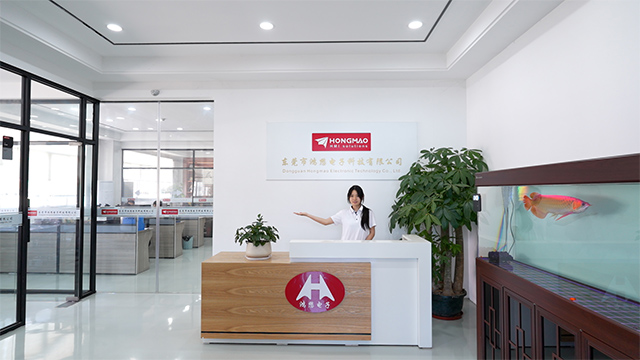
Dongguan Cevra Electronic Technology Co., Ltd.
A Dedicated Engineering Manufacturer, Not a Trading Broker. Delivering Custom Membrane Switches, Light Guide Films, and Precision Tactile Interfaces Since March 2009.
-
16+ Years of Dedicated Expertise: Established in March 2009 in Dongguan, Guangdong, China—the epicenter of the world's optoelectronic and hardware supply chain.
-
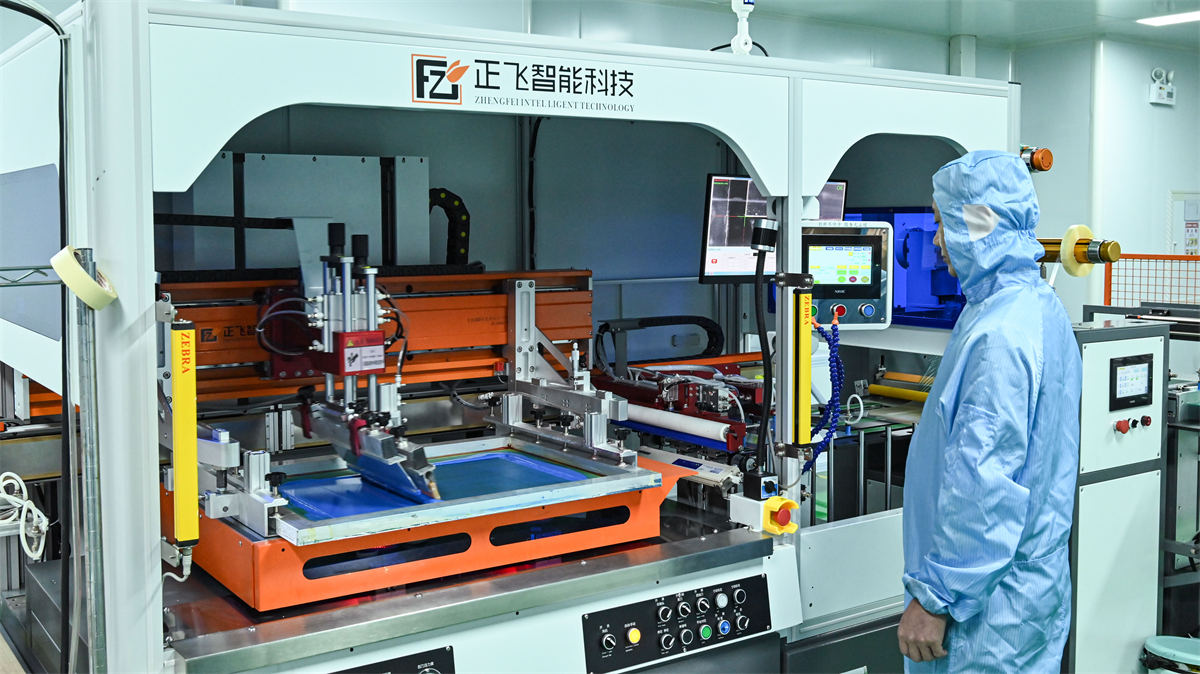
2,600㎡ Cleanroom Production Facility: In-house precision screen printing lines, automatic CNC punch presses, CCD high-speed drilling machines, and automatic lamination systems.
-
ISO 9001 & SGS Onsite Audited: Verified enterprise status, with full traceability from incoming raw film inspection through final electrical and peel-strength batch validation.
-
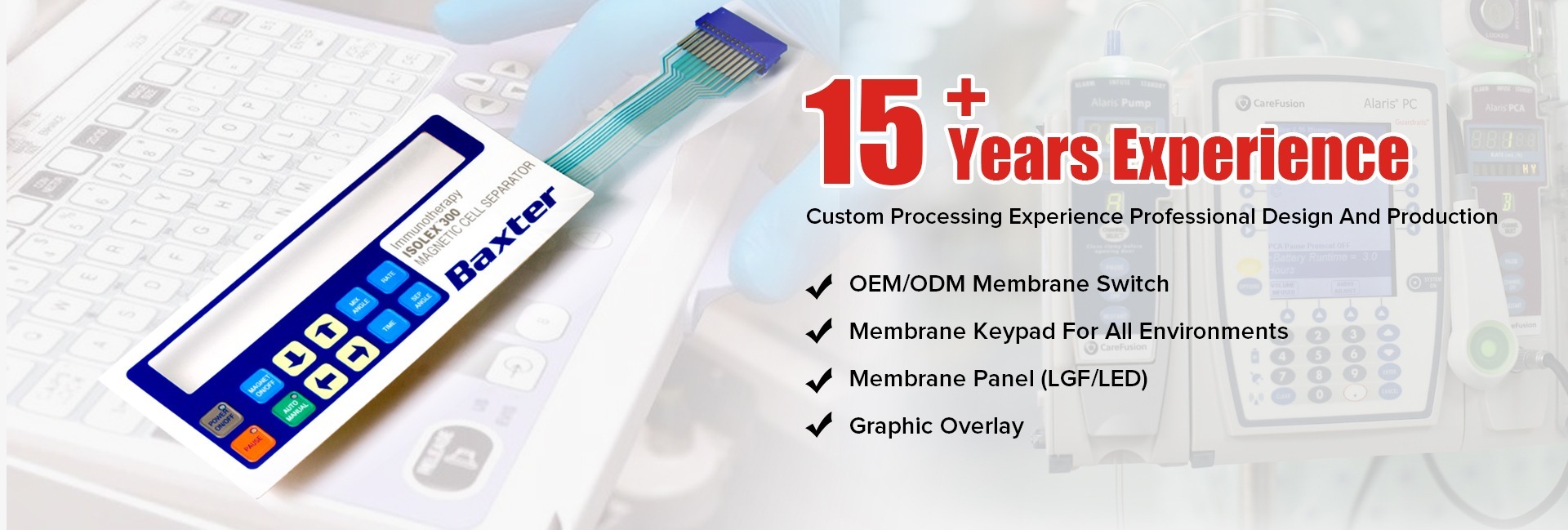
End-to-End OEM/ODM Integration: We eliminate supply chain fragmentation by providing complete HMI units: graphic overlays, tactile dome arrays, flexible circuits, and light guide plates in one cohesive subassembly.

Accelerate Your Product Development in Nicaragua
Send our senior engineering team your CAD drawings, key layouts, or physical interface specifications. We review DFM manufacturability, calculate light guide lux distributions, and provide rapid tooling quotes within 24 hours.