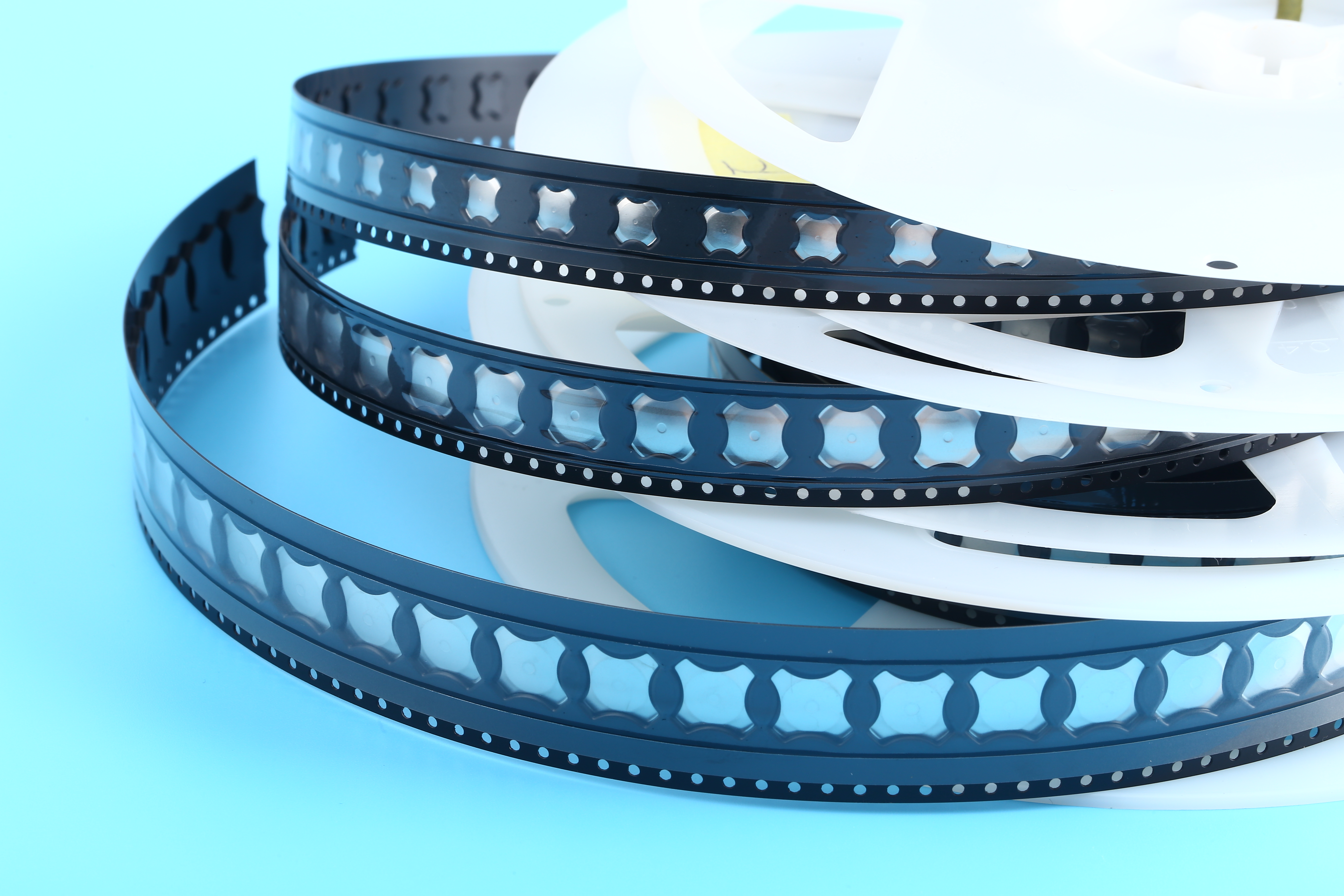
Engineered Sub-Assemblies
Precision Tactile Switches, Dome Arrays & Thin-Film Circuitry
Factory-direct integration assemblies engineered to pair seamlessly with planar electroluminescent lighting, silicone keymats, and rugged industrial enclosures.
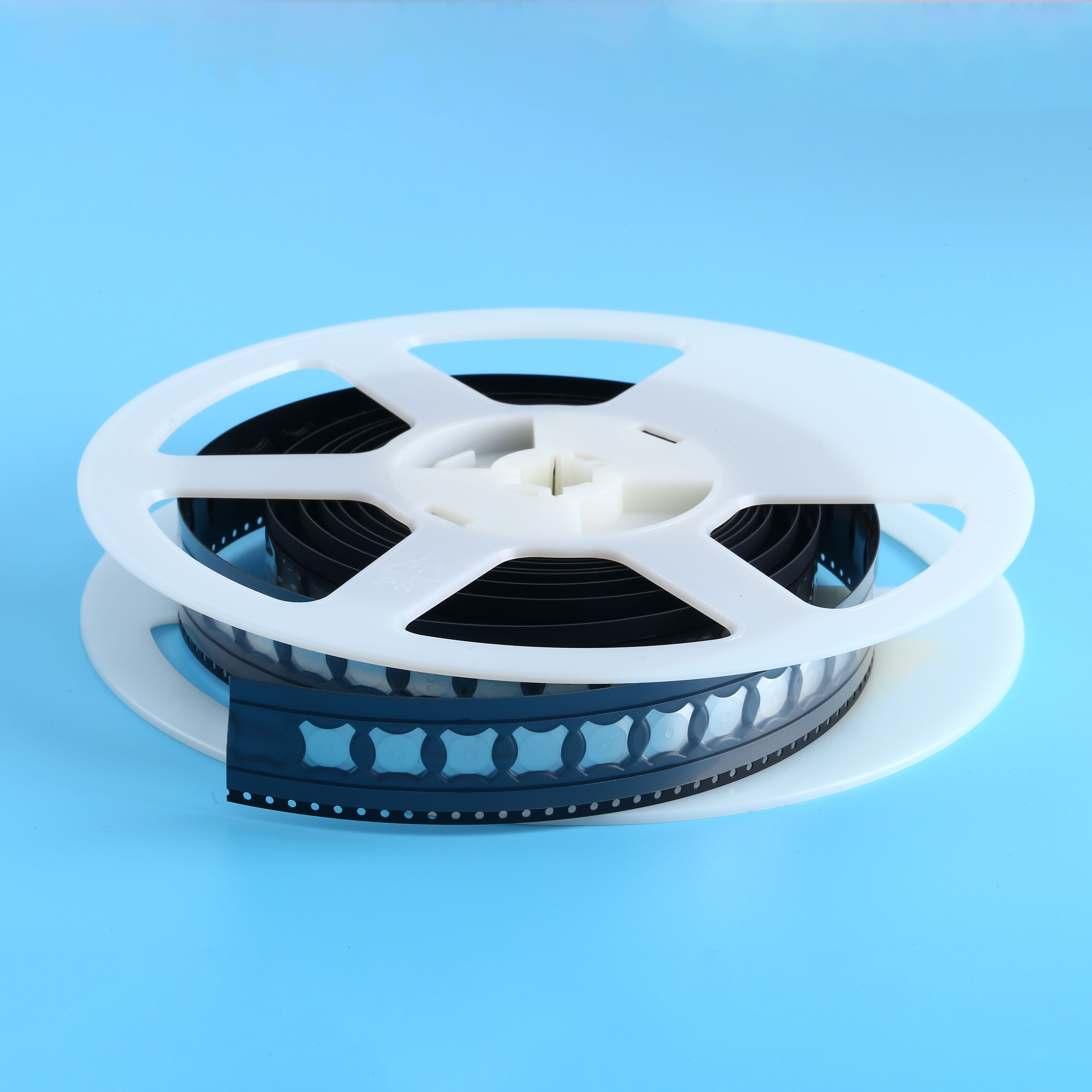
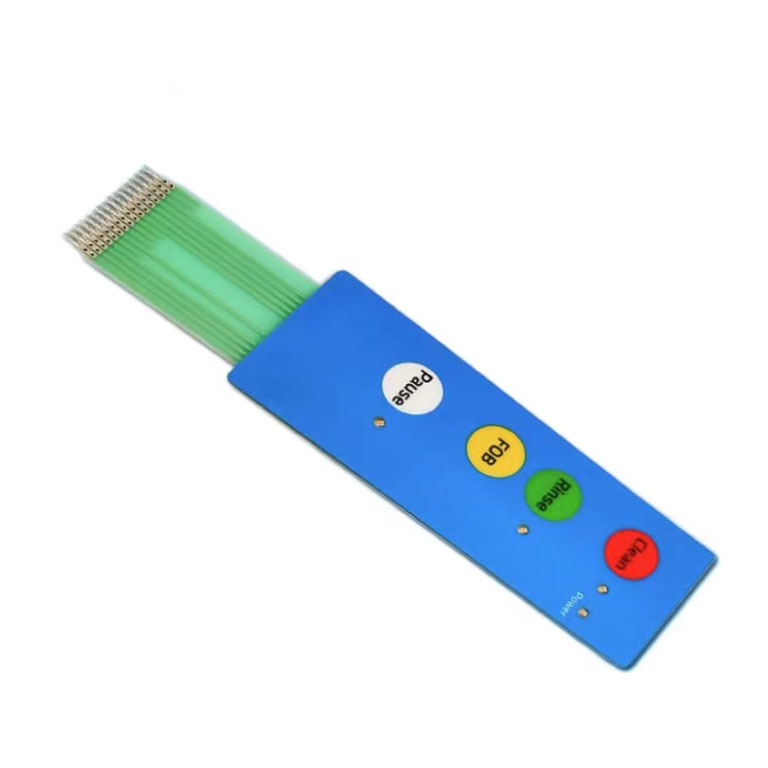
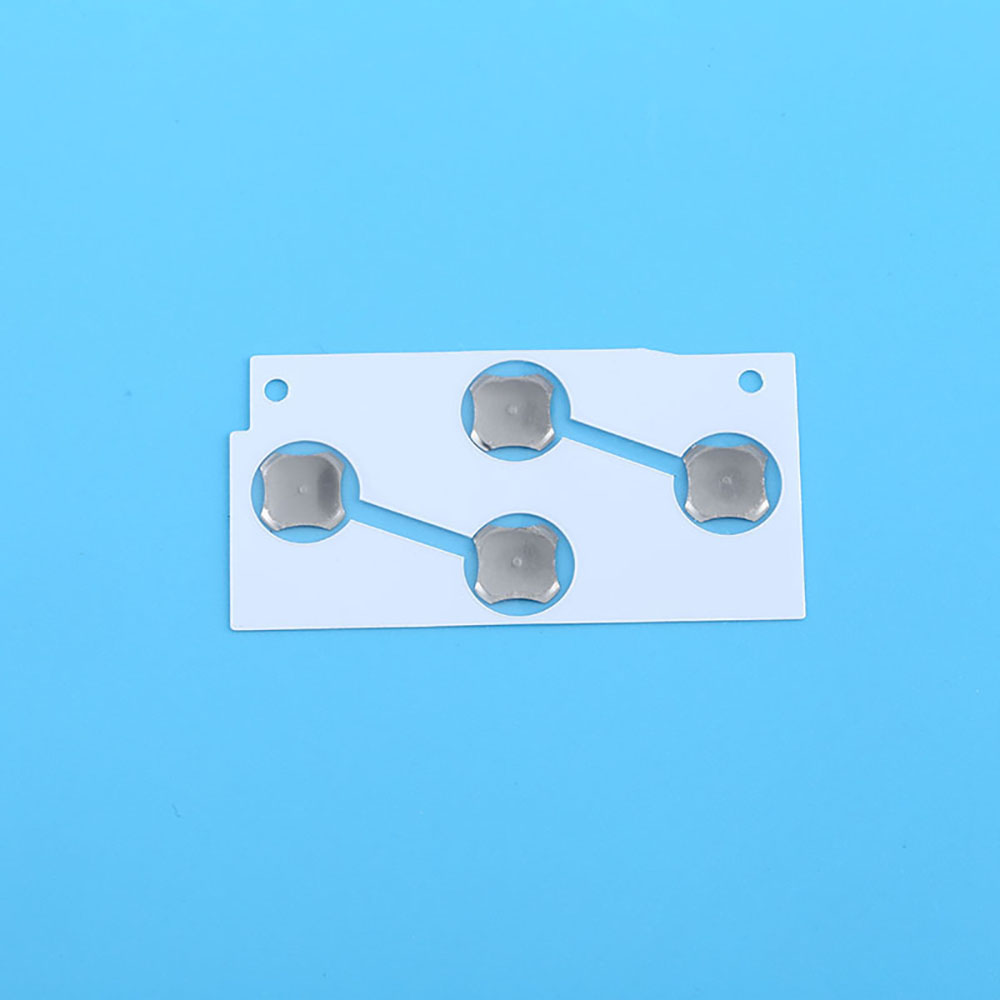
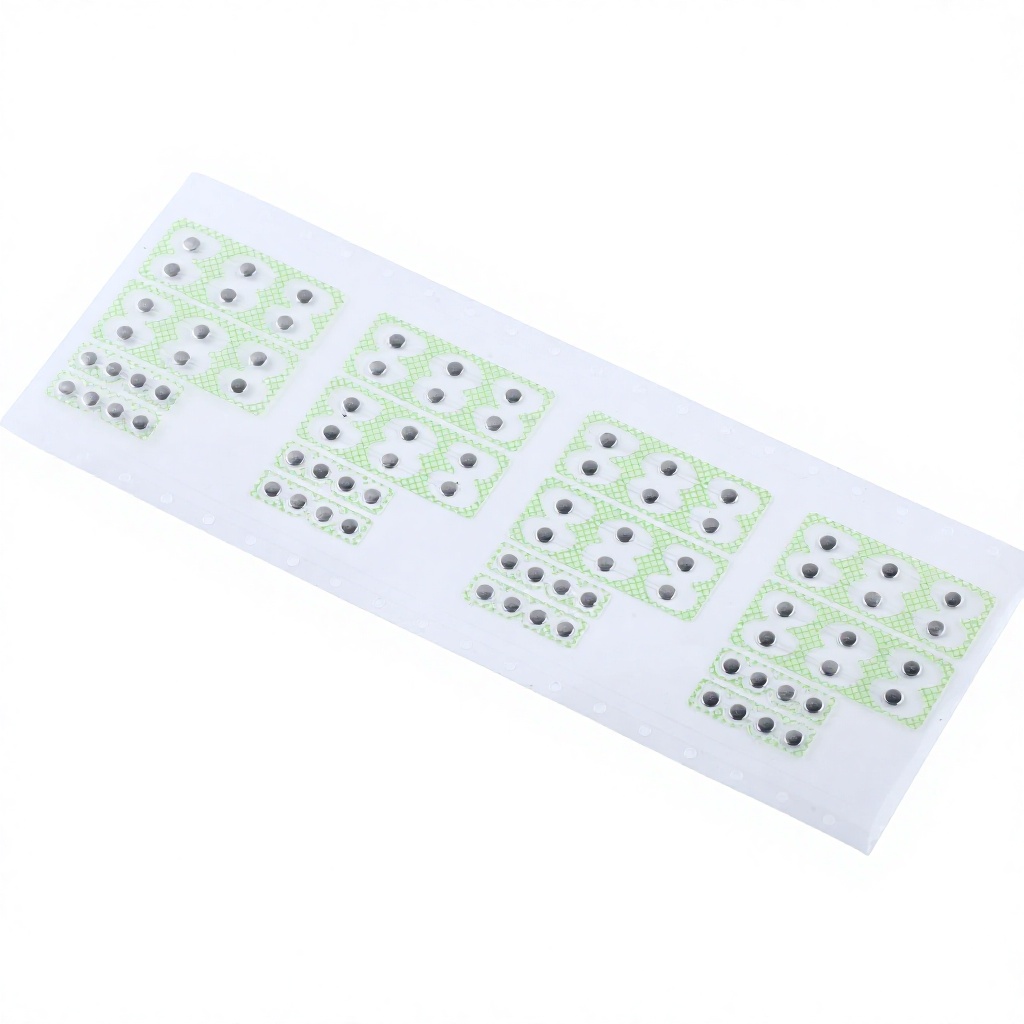
Waterproof Single Layer SUS301 Stainless Steel Dome Array Remote Control Metal Dome Array
View Specifications
16+
Years Industrial Heritage
2,600㎡
Precision Facility Footprint
±0.05mm
CCD Die-Cut Accuracy
100%
Optoelectronic Batch Testing
ISO 9001
SGS Group Onsite Verified
Whitepaper: Solid-State Lighting
Engineering Architecture: Electroluminescent (EL) Backlight Films in Baltic Manufacturing
A comprehensive examination of phosphor excitation, parasitic capacitance management, and ultra-thin profile integration for precision Human-Machine Interfaces.
Electroluminescent (EL) backlight film represents a premier cold-light, surface-emitting technology utilized extensively where physical enclosure envelopes are limited, and spatial illumination must remain uniform. In modern electronic assemblies manufactured throughout Vilnius, Kaunas, and Klaipėda, design engineers increasingly prioritize EL technology over conventional discrete edge-lit LEDs. While Light Emitting Diodes require light guide plates (LGP) measuring anywhere from 1.0 mm to 3.5 mm in thickness to mitigate hot-spotting, an engineered EL foil maintains an ultra-low profile typically between 0.12 mm and 0.25 mm. This enables complete integration directly beneath tactile snap dome layers, printed PET matrix circuits, or graphic overlays without altering user actuation stroke dynamics.
The operating mechanism of an EL backlight depends on field-induced luminescence. Microencapsulated copper-doped zinc sulfide (ZnS:Cu) phosphors are suspended uniformly within a proprietary dielectric matrix and sandwiched between two parallel conductive planes: a transparent indium tin oxide (ITO) or screen-printed PEDOT:PSS front electrode and a high-conductivity rear silver conductor layer. When driven by an alternating current (AC) field—typically operating between 60V to 110V AC at frequencies ranging from 400Hz to 1,000Hz—the fluctuating electrical field excites the activator electrons within the phosphor lattice. Relaxation from this elevated energy state generates coherent, glare-free, cool-spectrum photons across blue-green, aviation green, or pure white wavelengths.
For European OEMs engineering rugged military equipment, biomedical analyzers, and transportation tracking consoles, cold-source emission provides notable operational advantages. EL foils generate virtually zero operational thermal output, preserving sensitive battery chemistry and preventing thermal-expansion differential strain between adjacent multi-layer laminates, acrylic faceplates, and automotive-grade 3M adhesive bondlines.
Localized Implementation
High-Reliability Industrial Applications Across Lithuania
How Lithuania's high-tech manufacturing corridors integrate EL foil layers and tactile dome switch panels.
Biomedical & Laboratory Diagnostic Interfaces
Lithuania's booming life-sciences sector (concentrated in the Vilnius Valley cluster) designs analytical diagnostic devices requiring completely planar, sealed front panels. EL films eliminate particulate-harboring bezels and withstand aggressive chemical wipe-downs using isopropyl alcohol and sodium hypochlorite solutions without thermal degradation or localized luminance decay.
Commercial Fleet Telematics & EV Charging
Industrial electronics manufacturing in Kaunas focuses heavily on fleet management controllers, asset telemetry units, and harsh-environment EV infrastructure. Operating across sub-zero Baltic winter conditions down to -40°C, EL backlighting maintains steady responsiveness, instant switch-on speed, and balanced luminosity across wide temperature variations where liquid crystal displays and traditional backlights often encounter slow refresh rates.
Defense, Laser Systems & Field Terminals
Lithuania is an acknowledged global hub for high-intensity scientific laser engineering and defense tech. EL backlighting offers near-zero EMI/RFI radiation when properly shielded with grounded ITO/silver mesh layers, providing covert, night-vision-goggle (NVG) compliant green illumination that eliminates optical stray beams inside high-precision photonics laboratories and military tactical comms gear.
Comparative Engineering
Backlighting Architecture Comparison for Membrane Switch Design
Evaluating trade-offs between Electroluminescent Foils, Light Guide Films (LGF), and Discrete SMD LED Arrays.
| Evaluation Parameter | Electroluminescent (EL) Foil | Light Guide Film (LGF) + LED | Direct Discrete SMD LEDs |
|---|---|---|---|
| Typical Thickness (mm) | 0.12 mm – 0.25 mm | 0.25 mm – 0.50 mm | 0.80 mm – 1.60 mm |
| Luminance Uniformity | Exceptionally High (95–98% balanced) | Moderate to High (requires micro-dots) | Low (pronounced hot spots / shadowing) |
| Operating Temperature | -40°C to +85°C (Stable cold emission) | -25°C to +70°C | -30°C to +85°C (Requires heat dissipation) |
| Power Driving Requirement | AC Inverter (60-110VAC, 400-1000Hz) | DC Low Voltage (2.8V – 3.4V) | DC Constant Current (20mA per diode) |
| Tactile Actuation Feel | Zero interference with metal domes | Slight dampening over travel range | Requires clear cutouts in circuit spacers |
| EMI/RFI Emissions | Low (Requires balanced circuit layout) | Zero emission | Zero emission |
Traceability & In-House Verification
Precision Manufacturing & Testing Methodology
Our 2,600㎡ Dongguan plant combines high-precision screen printing, CCD automatic alignment, and rigorous mechanical validation under ISO 9001 quality management.
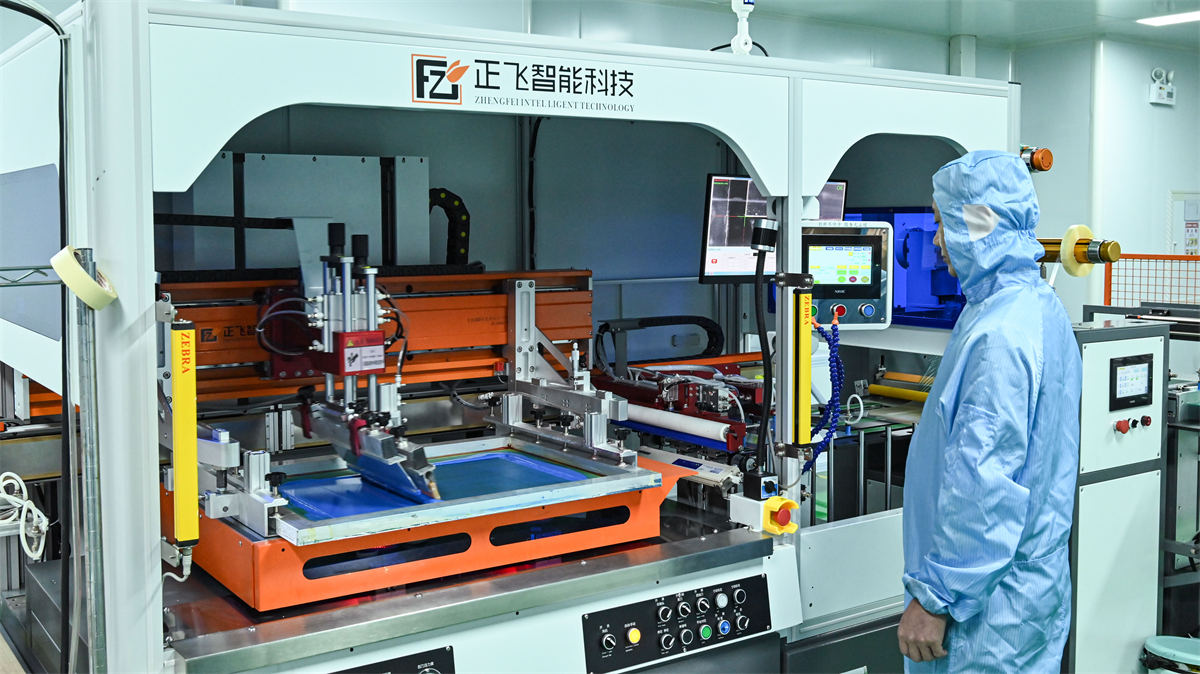
Screen Printing Conductive Traces
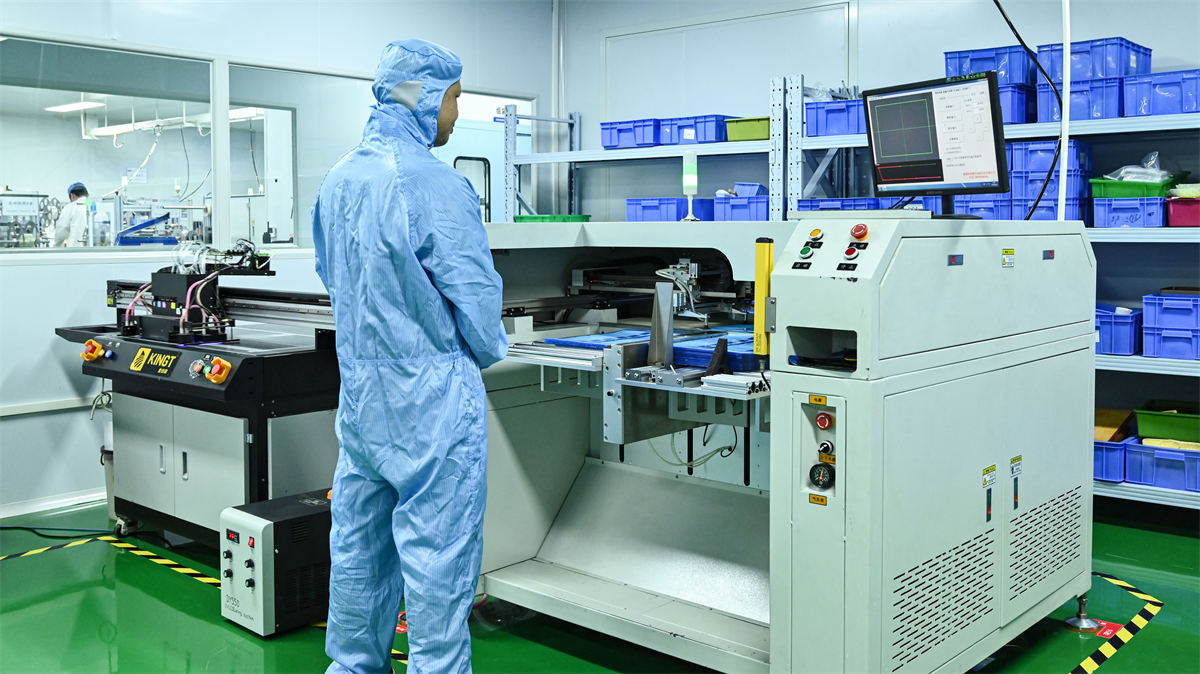
CCD Optical Target Drilling
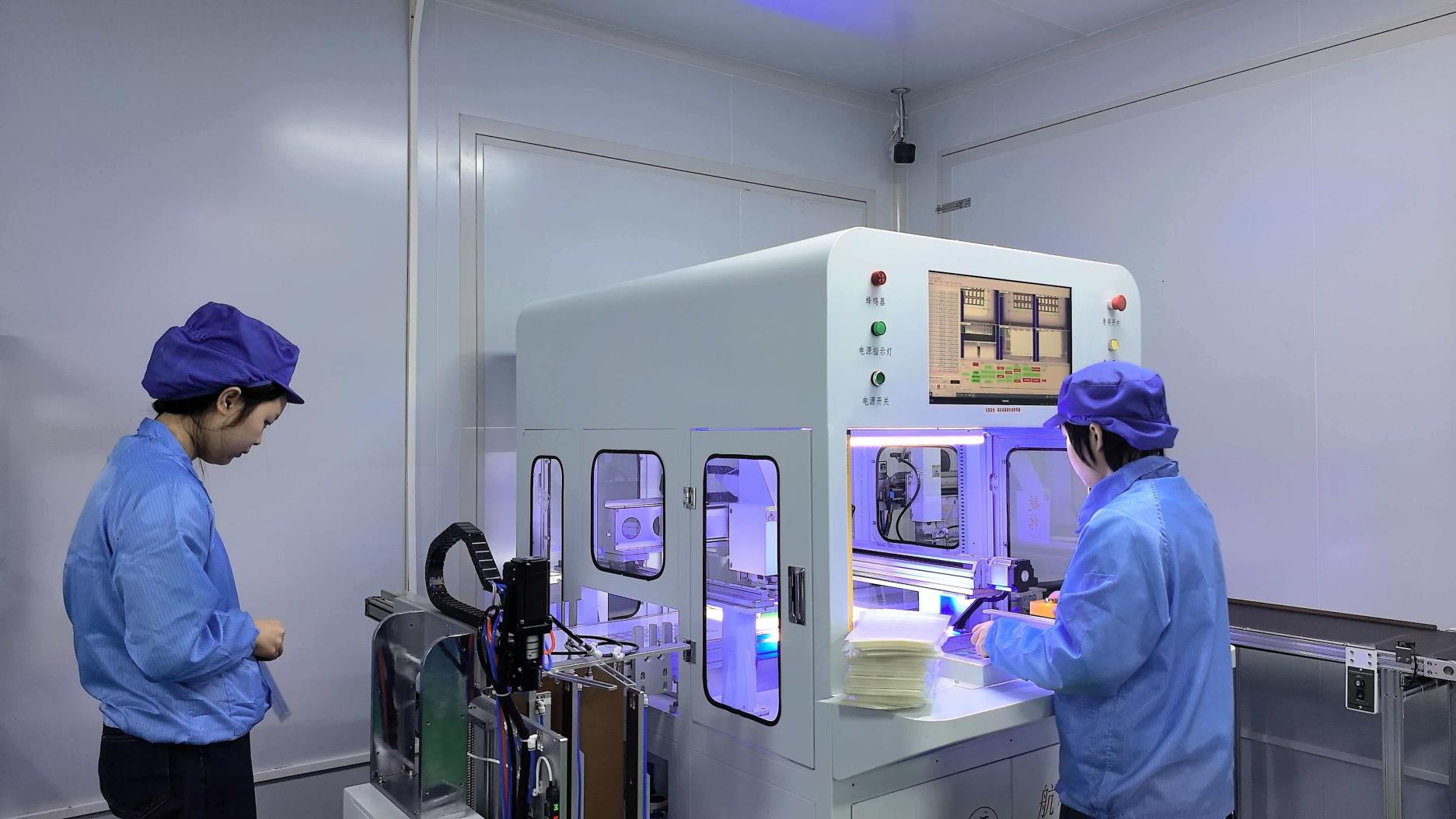
Automatic Membrane Lamination
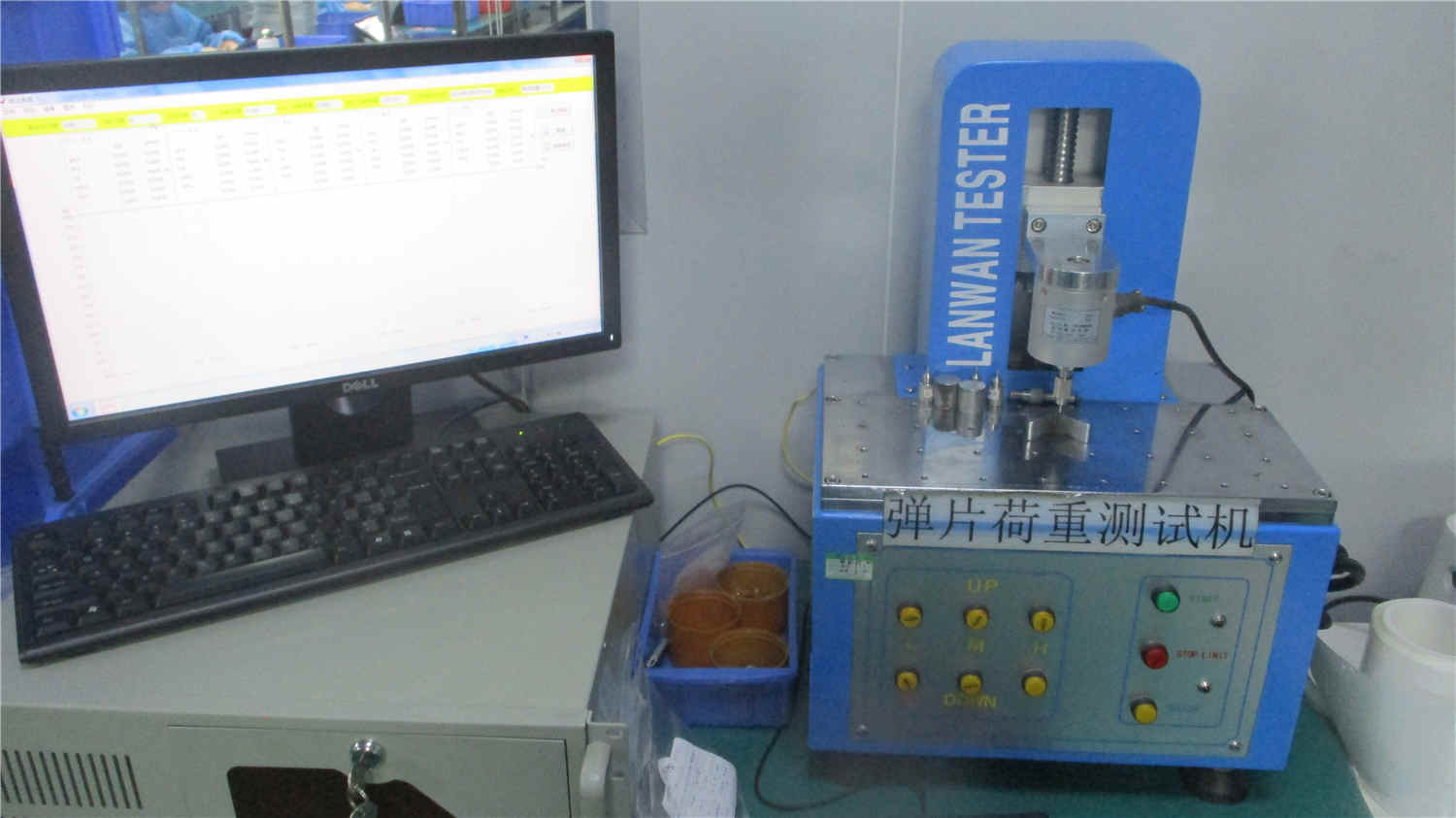
Snap Dome Actuation Load Testing
Emerging Market Trends
Key Technology Shifts Shaping Lithuanian Product Design
Strategic directions observed across Lithuanian industrial electronics, med-tech, and OEM export equipment.
Edge-Lit Hybridization with Solid-State Films
Device designers are transitioning away from bulky single-LED backlights toward hybrid configurations. Combining ultra-thin light guide films (LGF) or EL foils with micro-embossed poly-domes creates sleeker handheld instruments for European field engineers, significantly cutting overall device depth.
Circular Economy & RoHS/REACH Compliance
Lithuanian contract manufacturers serving Scandinavian and Western European clients encounter stringent EU environmental audits. High-grade PET carriers, lead-free conductive pastes, and halogen-free 3M acrylic adhesive transfer tapes ensure full compliance with RoHS 3 and REACH SVHC regulations.
Rapid Prototyping to Volume Production Bridges
To accelerate innovation cycles, engineering teams require swift physical mock-ups (10–50 pieces) for functional field validation before committing to high-cavity tooling. Direct factory engineering relationships reduce iteration turnaround cycles from months down to several business days.
Procurement Intelligence
Frequently Asked Questions: Sourcing from Lithuania
Answers to technical, logistics, and quality assurance questions commonly asked by Baltic hardware teams.
How do Lithuanian OEMs handle inverter noise and EMI emissions when using EL backlight films?
EL foils require an AC power driver (inverter) converting 3.3V–12V DC input to roughly 100V AC at 400Hz–800Hz. This high-frequency switching can generate minor acoustic hum or radiated EMI if unaddressed. We mitigate this by designing balanced coplanar conductive circuit layouts, adding silver-printed shielding layers connected to chassis ground, and recommending modern sine-wave inverter ICs (such as those from Microchip or Diodes Inc.) that dampen harmonic oscillations.
What is the realistic operating half-life of an EL backlight layer in industrial field equipment?
Standard ZnS:Cu phosphor EL systems exhibit a typical operational half-life (decay to 50% initial brightness) of between 3,000 and 8,000 continuous hours, depending on drive voltage and frequency. In modern membrane switch architectures, continuous duty is rarely required. Integrating push-to-activate or microcontroller-directed timed sleep states extends functional field longevity past 10–12 years in standard usage cycles.
Can EL backlighting be combined with stainless steel tactile metal snap domes without deadening click feedback?
Yes. Because an EL foil measures only 0.15 mm–0.20 mm in thickness and possesses flexible polymer characteristics, it can either be die-cut with venting holes directly matching the dome footprints, or laminated directly over our cross-legged or round snap domes. When engineered with our 4-legged SUS301 stainless steel domes (actuation forces between 250g and 450g), the tactile response remains sharp and distinct.
What graphic overlay substrate is recommended for harsh-environment Baltic climate exposures: PET or PC?
For demanding outdoor equipment and medical devices in the Baltic region, biaxially oriented PET (polyethylene terephthalate, e.g., Autotex) is generally preferred over standard PC (polycarbonate). PET offers superior flexural fatigue resistance (surpassing 5 million actuations without cracking) and provides high resistance against harsh environmental solvents, aggressive cleaning alcohols, and UV-induced yellowing.
What are the standard freight transit timelines and customs procedures from Dongguan to Lithuania?
We regularly ship directly to Vilnius (VNO), Kaunas (KUN), and Klaipėda via express air couriers (DHL, FedEx, UPS) with transit times averaging 4 to 7 working days. For sea/rail shipments of large production runs, direct rail connections via the New Silk Road hub or marine freight to the Port of Klaipėda provide cost-effective alternatives. All shipments come with comprehensive commercial invoices, packing lists, and HS codes to streamline customs clearance via Lithuanian Customs (Lietuvos muitinė).
Verified Manufacturing Capability
Why Global OEMs Partner with Dongguan Cevra Electronic Technology
Combining 16+ years of specialized membrane switch engineering with verified manufacturing and testing standards.
Single-Source Manufacturing Plant
Established in March 2009 in Dongguan, our 2,600㎡ facility unites screen printing, clean-room lamination, laser micro-cutting, and automated dome placement under one roof. We eliminate secondary subcontracting markups and shorten feedback loops on custom engineering changes.
Independent SGS & ISO 9001 Validation
Our complete production processes operate under an audited ISO 9001 quality management framework. Furthermore, our facilities, trade history, and factory equipment have undergone comprehensive onsite audit and verification by SGS Group.
Dedicated Laboratory Verification
Every production batch undergoes automated CCD alignment checks, 100% circuit continuity inspection, dome actuation force testing, holding-tack adhesive analysis, and thermal stress exposure inside our on-site environmental test chambers.
Ready to Engineer Your Custom Backlit Interface?
Consult directly with our engineering department. Share your CAD files, schematic layouts, or project specifications for comprehensive DFM feedback and detailed volume pricing within 24 hours.
Get a Quote