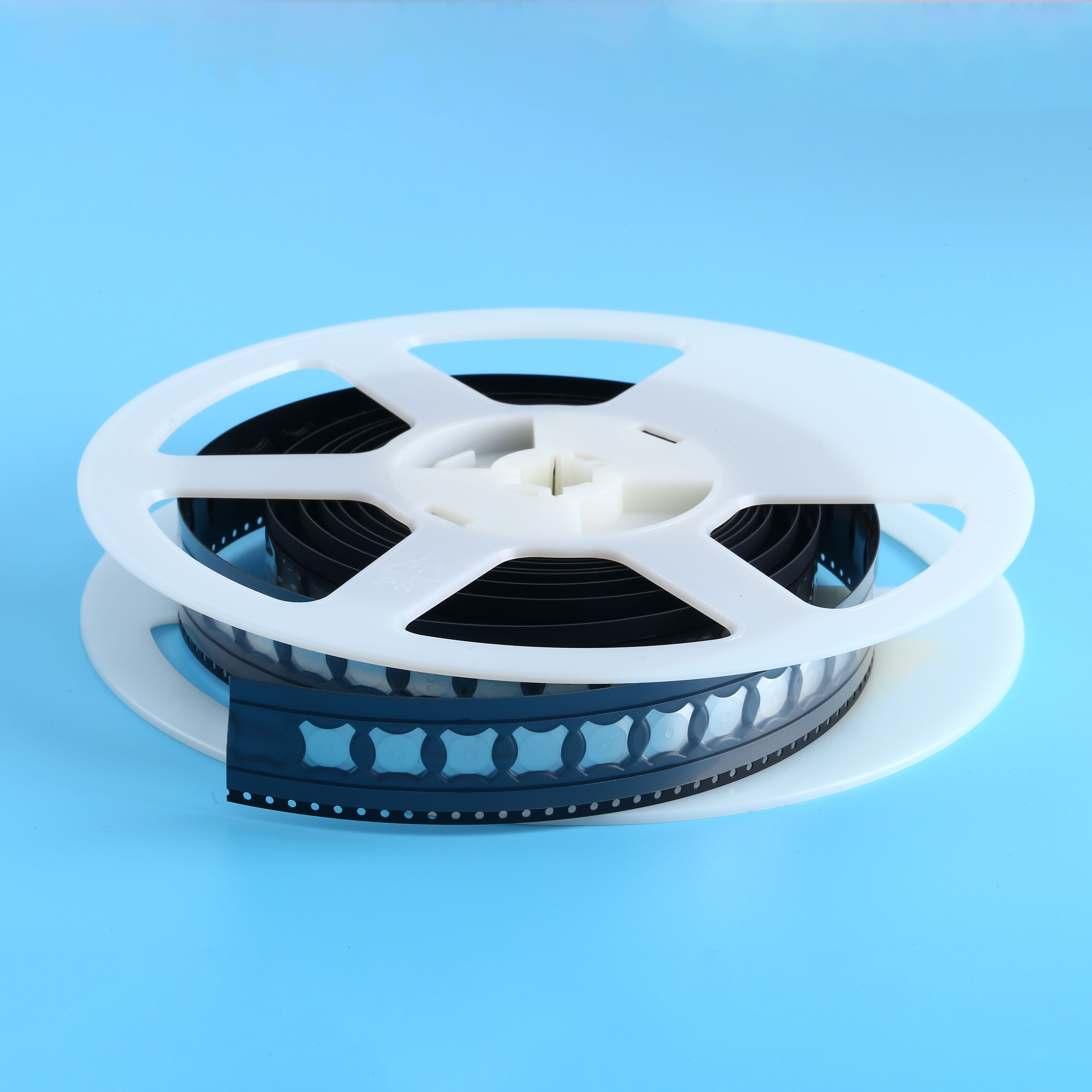
Free Sample Metal Dome Array Single Layer Transparent Pet With Adhesive for Television Remote Control
- Substrate: Transparent PET
- Actuation: Tactile Snap Feedback
- Adhesive: Reinforced 3M Backing
Direct manufacturing options customized for remote utilities, ocean transit instruments, telecommunications, and harsh tropical microclimates.
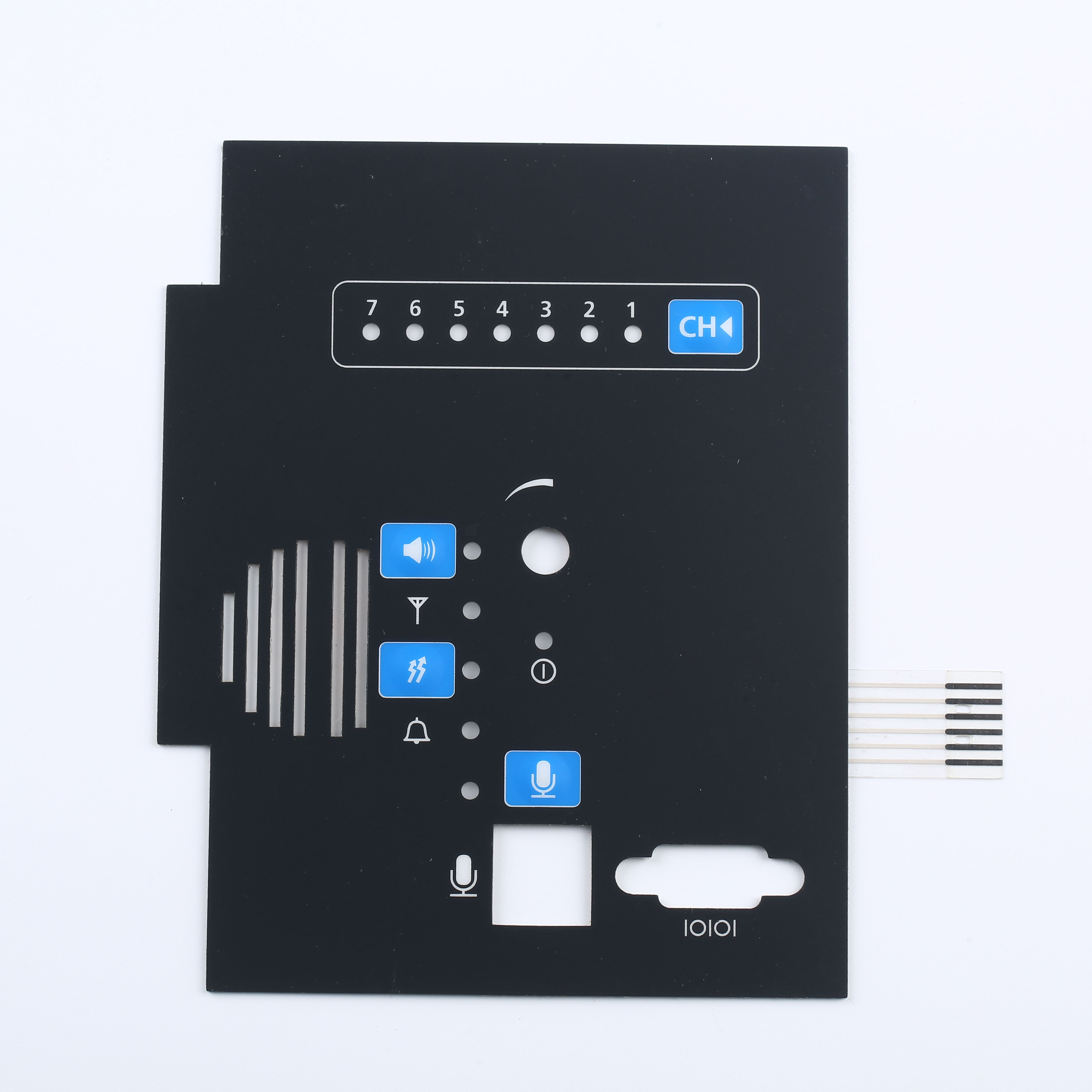
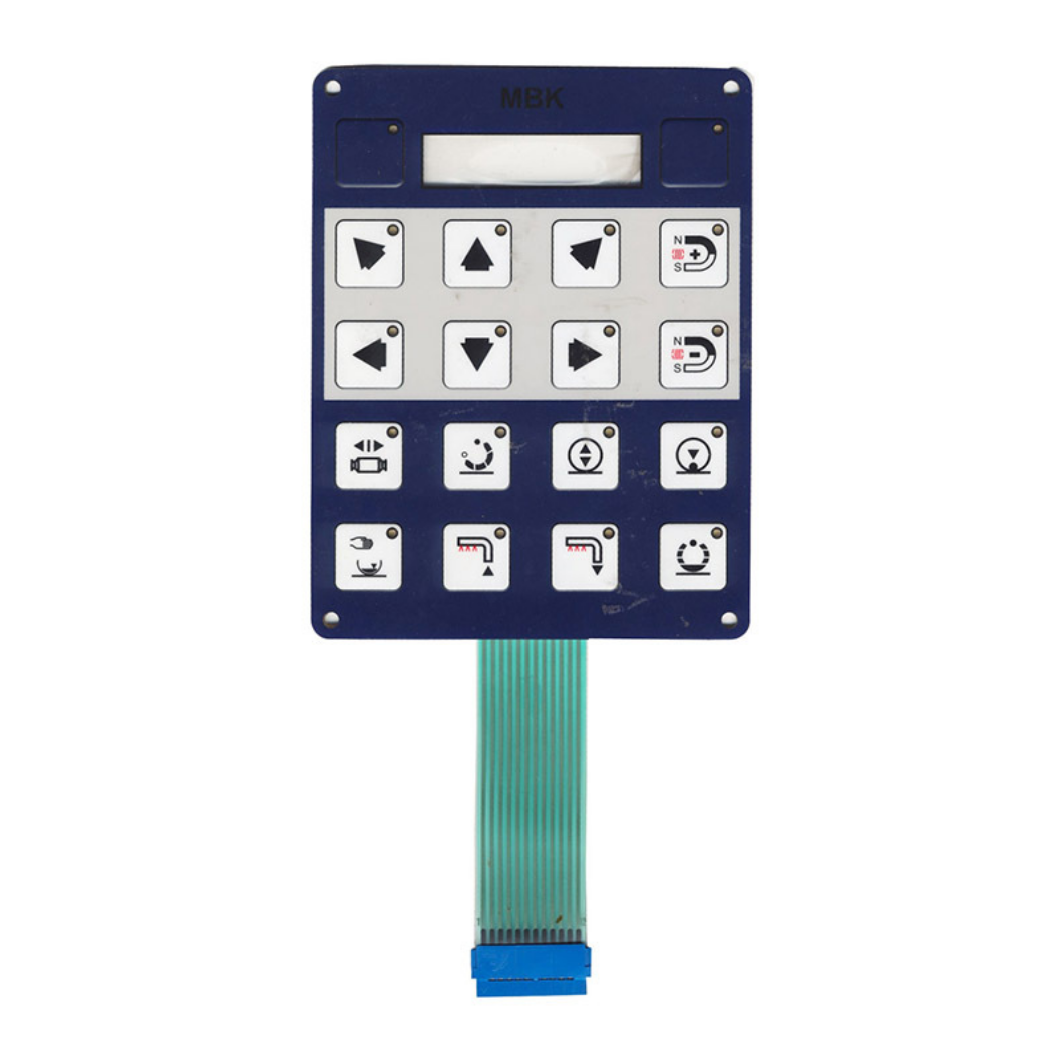
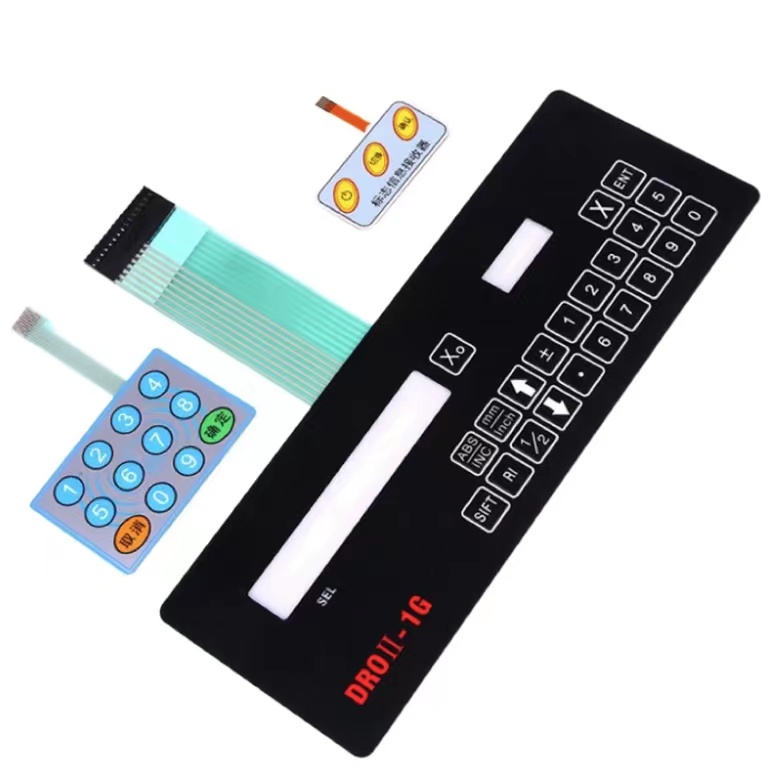
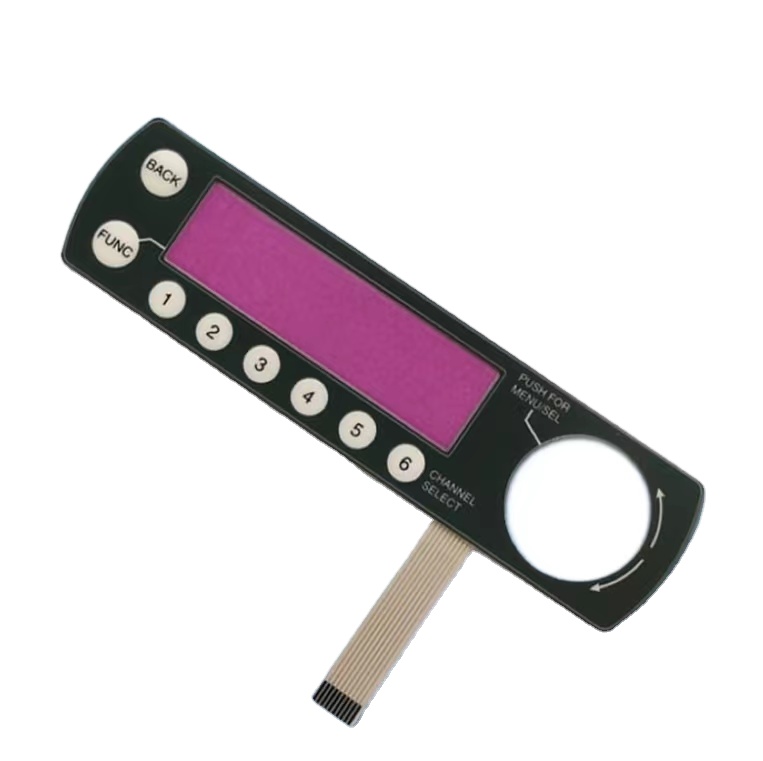
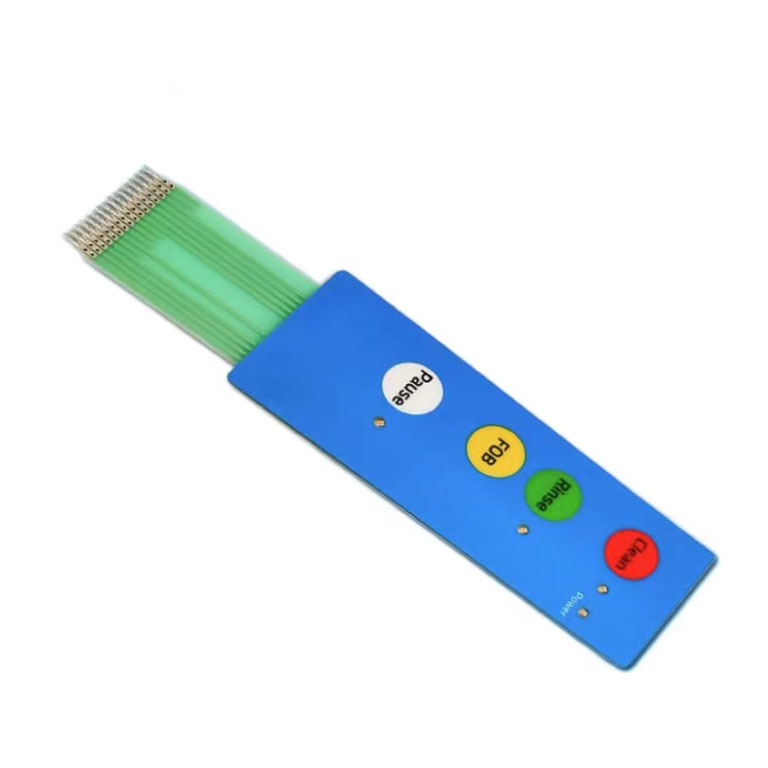
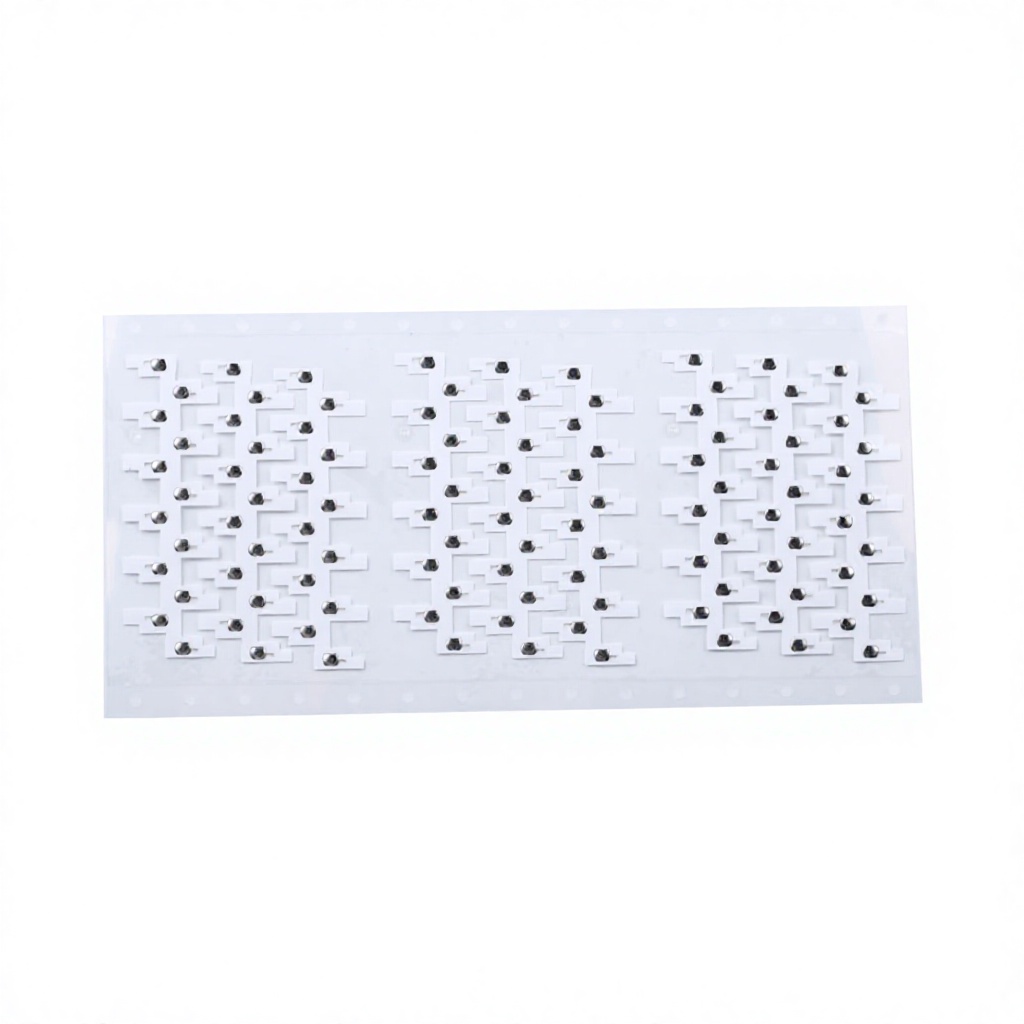
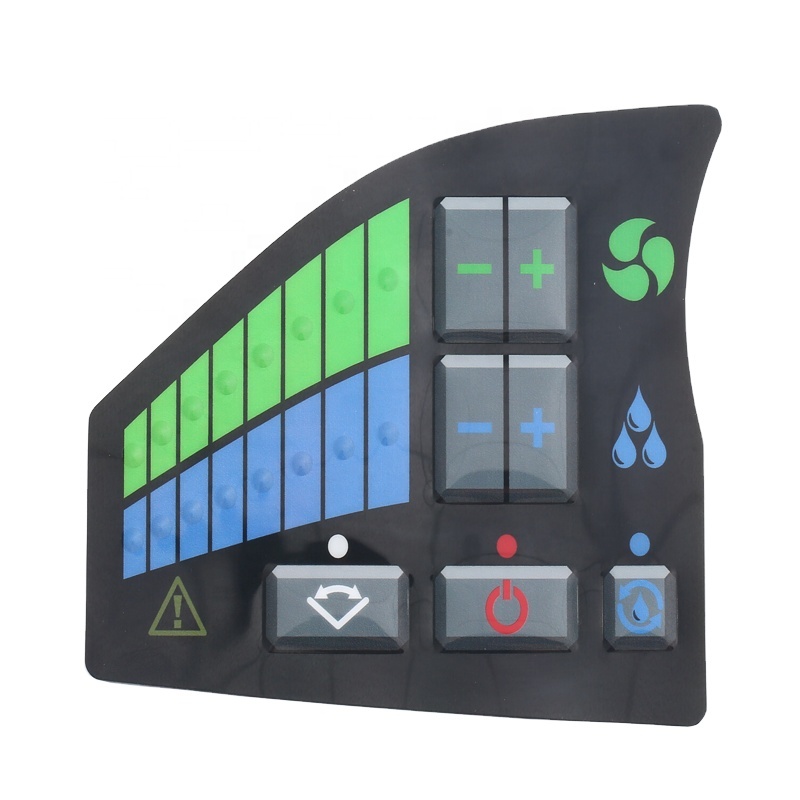
Teaoraereke, situated in the urban hub of South Tarawa, Kiribati, presents one of the most demanding operational environments in the world for Human-Machine Interfaces (HMI). Surrounded by the vast central Pacific Ocean, electronic equipment installed in this maritime atoll faces relentless exposure to elevated ambient relative humidity (regularly exceeding 85-90%), intense ultraviolet radiation, and fine airborne sodium chloride (sea-spray aerosols). Under these atmospheric circumstances, mechanical push buttons with open moving contacts rapidly fail due to galvanic corrosion, dust bridging, and salt-crust seizing.
Non-tactile membrane keypads provide the ideal technical answer. Unlike tactile switches that incorporate metal snap domes that can entrap salt particles or undergo stress corrosion cracking over millions of actuations, non-tactile architectures rely on a planar layer stack-up where conductive silver pads close circuits across micro-thin vented spacer cavities. With an entirely flat, sealed face, non-tactile assemblies present a seamless barrier that stops moisture ingress, saltwater percolation, and microbial contamination in its tracks.
Clean water projects across South Tarawa depend on localized water purification controllers. Flat non-tactile keypads sealed to IP67/IP68 standards prevent continuous saline mist from corroding microcontrollers, enabling dependable pump cycling and diagnostic readings without panel failure.
Equatorial heat generates intense thermal cycling inside outdoor electrical enclosures. Using thermally stabilized Autotype polyester (PET) overlays, our non-tactile switch panels resist thermal delamination, UV degradation, and yellowing, keeping energy management interfaces legible and fully functional.
From local lagoon workboats to fish landing chillers, control panels undergo regular high-pressure hose-downs and contact with organic fish oils. Non-tactile keypads bonded with 3M 300LSE adhesive provide total chemical resistance and wipe-clean maintenance without physical crevices.
Strategic shifts in how government agencies, NGO infrastructure projects, and OEM manufacturers specify HMI controls.
Because replacement parts take weeks to arrive via maritime logistics in Tarawa, engineers are phasing out mechanical switches in favor of solid-state non-tactile membranes capable of exceeding 5 million activations with zero mechanical fatigue.
Public infrastructure projects in small island economies often require short production batches (10 to 100 units) tailored for localized field upgrades. Direct factory collaboration eliminates overseas trading intermediaries and excessive distributor markups.
Procurement teams increasingly specify turnkey panels that include pre-laminated aluminum backplates, integrated LED indicators, and IP67 flexible FPC tail connections to reduce onsite assembly complexity in Teaoraereke workshops.
Select the optimal actuation profile based on environment, tactile necessity, and longevity demands.
| Evaluation Parameter | OEM Non-Tactile Flat Keypads | Tactile Metal Dome Keypads | Elastomeric Rubber Keypads |
|---|---|---|---|
| Operator Tactile Feedback | Flat touch; audible tone/visual LED recommended | Sharp, crisp physical click feeling (160–450g) | Soft rubber deflection feel (50–200g) |
| Actuation Lifecycle | Extremely High (>5,000,000 cycles) | High (1,000,000 to 3,000,000 cycles) | Moderate (~500,000 cycles) |
| Saline / Moisture Ingress Resistance | Highest: Hermetic seal, minimal internal air pocket | Very High: Needs venting channels between domes | Medium: Risk of moisture entrapment under rubber |
| Total Profile Thickness | Ultra-thin: 0.5mm – 1.0mm nominal | Standard: 1.2mm – 2.0mm nominal | High Profile: 4.0mm – 12.0mm |
| Hygienic Cleanability | Flawless flush surface; no recessed ledges | Embossed rims can accumulate dust if unsealed | Grooves between keys trap grease and salt |
| Cost at Volume | Most cost-effective (no metal dome placement) | Moderate (requires dome array lamination) | High tooling and compression mold overhead |
Operating a dedicated 2,600㎡ ISO 9001-certified facility in Dongguan, China since 2009, with SGS Group onsite verification.
From graphic overlay screen printing and laser cutting to automatic lamination and CCD punching, every step is governed under one roof for rigorous quality control.
Our operational management, QA laboratories, and export supply chain have been audited and certified by SGS Group, giving global engineering teams absolute confidence.
All production batches undergo high/low temperature tests (-40°C to +85°C), holding tack testing, tension peel measurement, and optical microscope CCD verification.
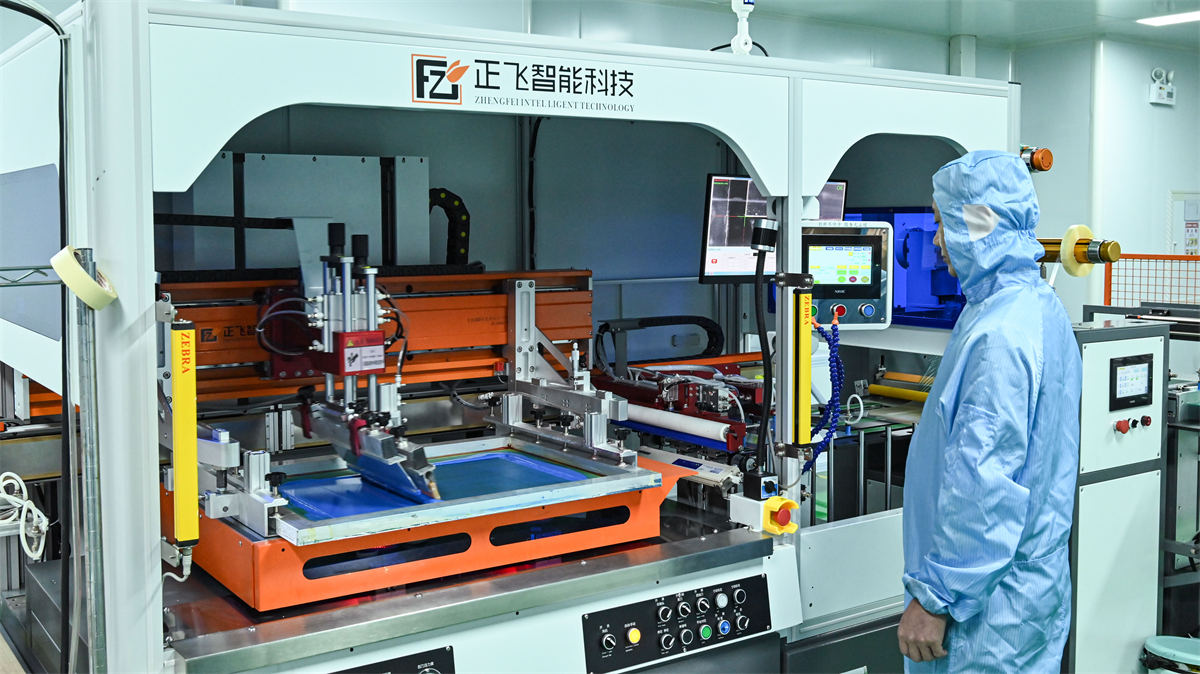
Cleanroom printing of conductive circuits
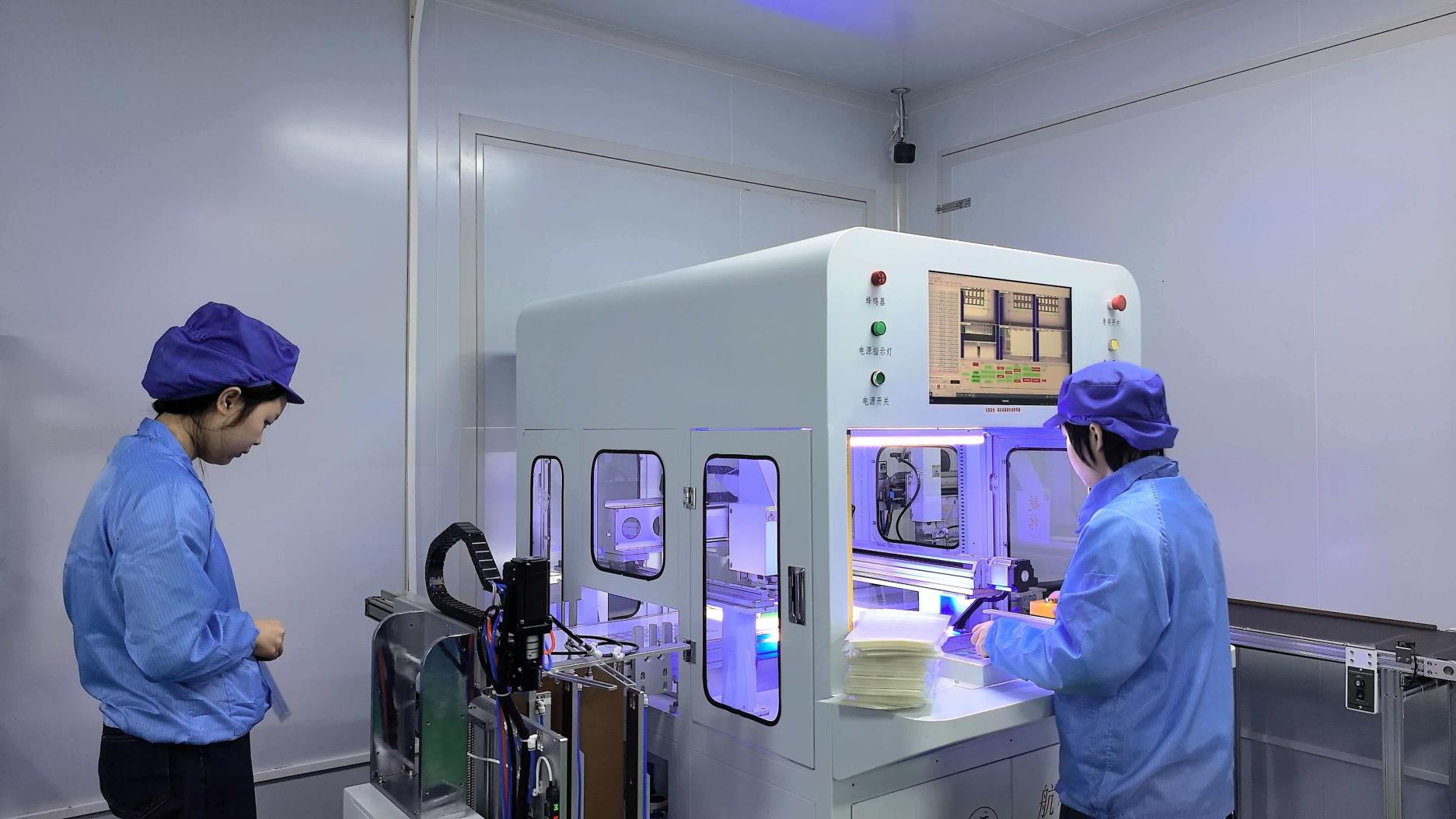
Bubble-free multi-layer adhesive lamination
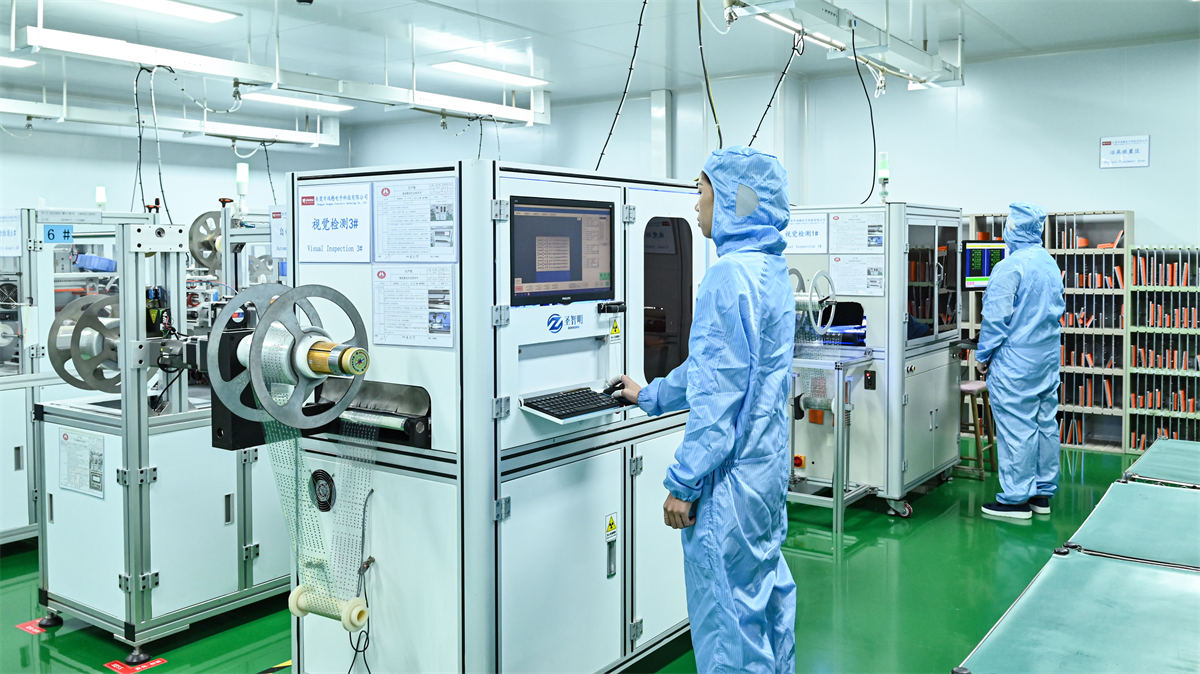
Contact resistance and open/short checks
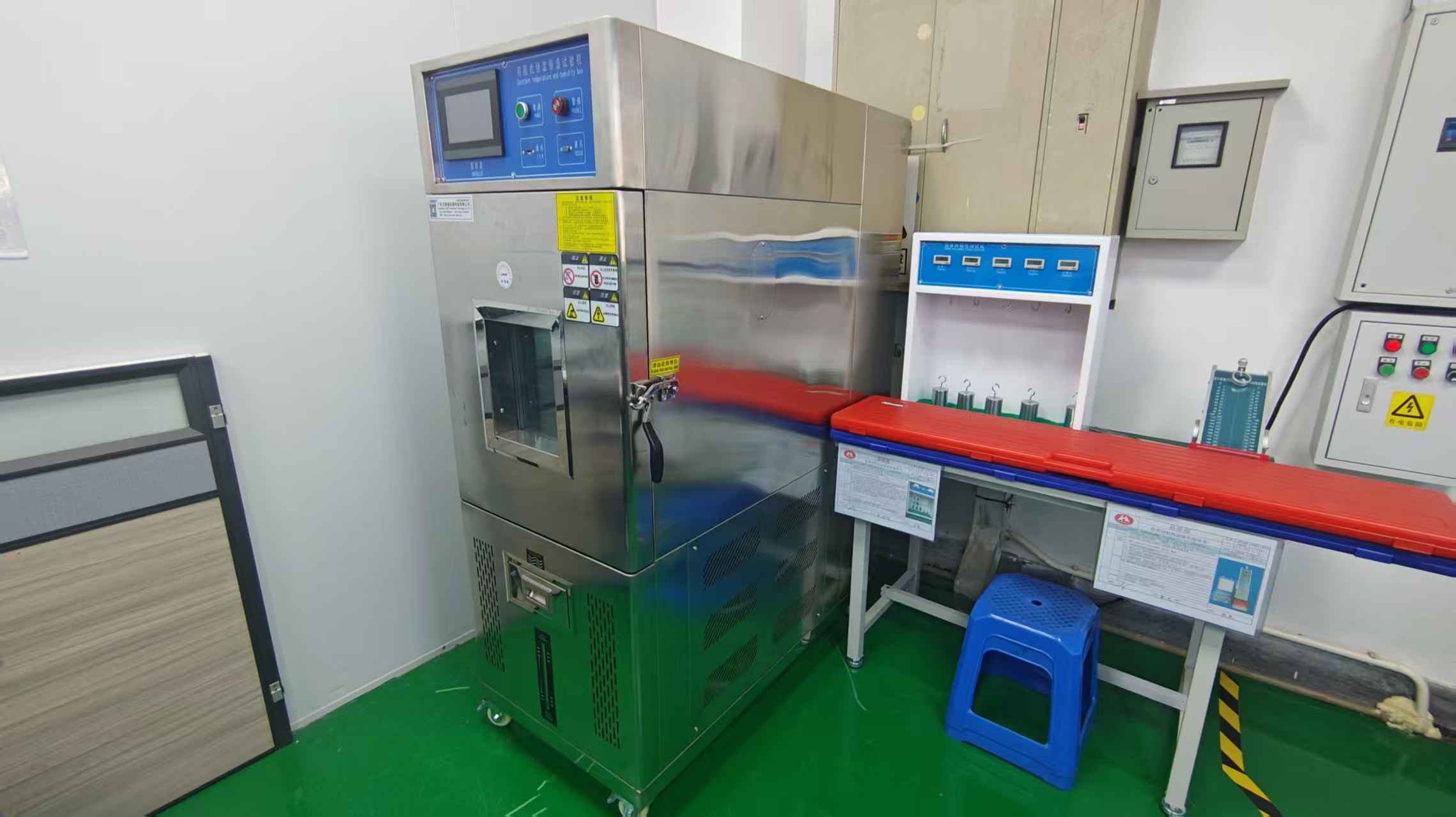
Simulating tropical heat and severe humidity
Direct technical answers regarding procurement, export logistics, climate adaptation, and customization.
Non-tactile membrane switches eliminate moving metal domes and internal air venting channels where humid, salt-saturated air can enter. The result is a hermetically bonded assembly with zero metal fatigue, preventing internal galvanic corrosion and delivering over 5 million reliable cycles.
We provide international air cargo shipments (via DHL, FedEx, or air freight connecting through Fiji or Australia directly to Bonriki International Airport - TRW) for fast prototype arrival, as well as ocean consolidation via container freight into the Port of Betio for larger production volumes.
For outdoor solar or municipal equipment, we specify UV-stabilized Autotype polyester (PET) films with hard-coated textured finishes. PET offers superior chemical, flexural, and ultraviolet endurance compared to standard polycarbonate (PC), preventing embrittlement and discoloration.
We accommodate customized engineering samples and rapid prototype runs starting from just 10 to 50 pieces. Standard production batch runs generally begin at 100 units, allowing remote regional operators to order exact replacement batches without warehousing excess stock.
Because non-tactile switches provide no mechanical "click", we engineer graphic overlays with transparent LED windows, surface-mount LEDs within the spacer layer, or design circuit interfaces that integrate with an audible motherboard buzzer for positive operator confirmation.
Simply provide vector artwork in Adobe Illustrator (.AI), PDF, or CorelDRAW for graphic legends and colors (Pantone matching), alongside a CAD or DXF drawing indicating circuit paths, outer dimensions, tail pinouts, and any window locations. Our DFM team will review your files within 24 hours.
Consult with our engineering team today to review your circuit schematic, select UV/saline-resistant materials, and receive a competitive factory-direct quote.
Get a Quote