16+
Years In-House Experience
2,600㎡
Modern Manufacturing Base
100%
AOI & Electrical Inspection
ISO 9001
SGS Verified Facility
Engineered Interface & Flexible Circuit Solutions
Explore our high-reliability tactile assemblies, dynamic FPC interconnects, and rugged industrial membrane arrays designed for mission-critical integration in Eastern Europe.
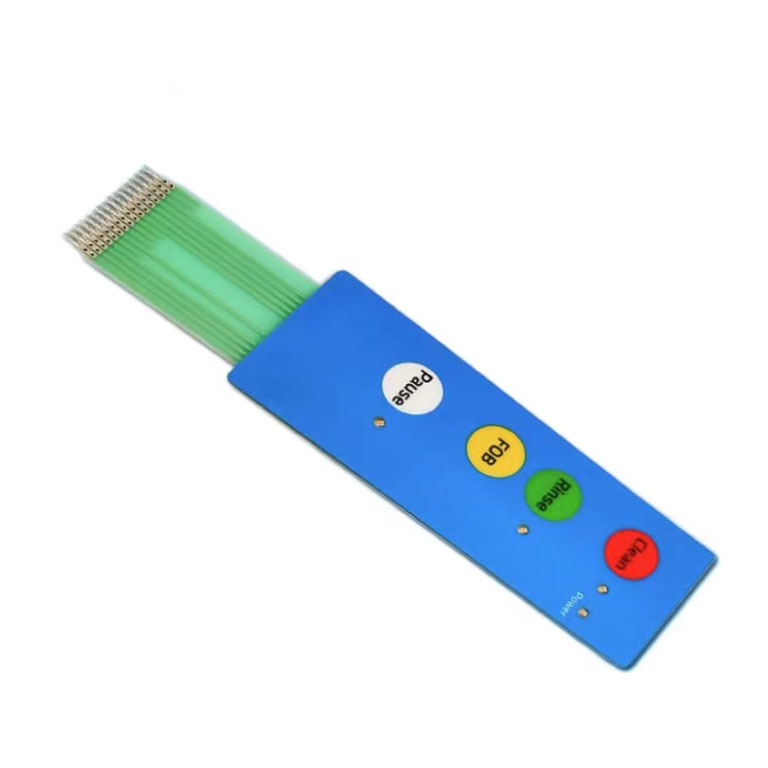
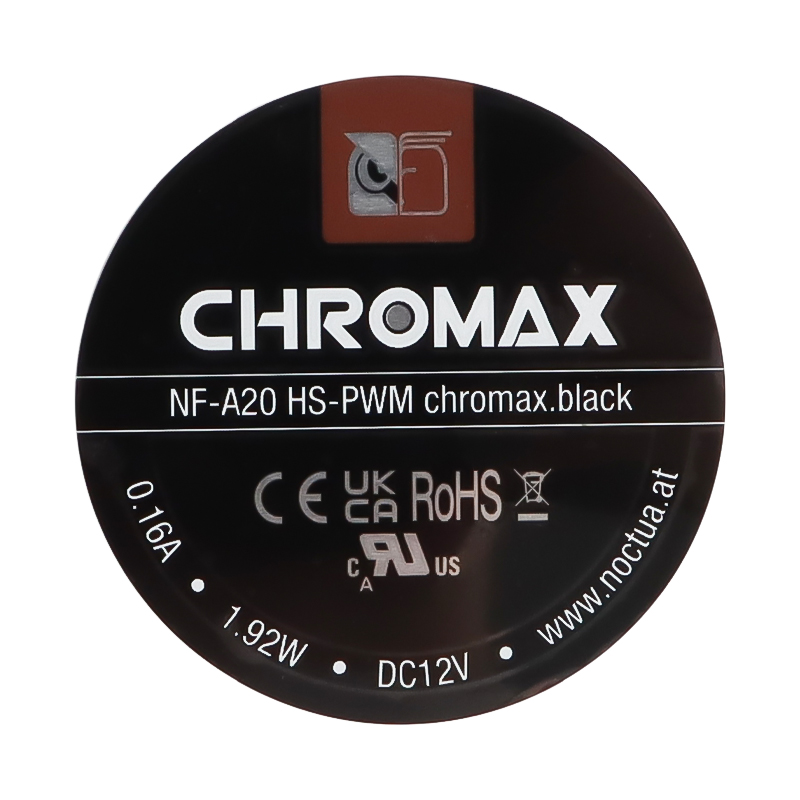
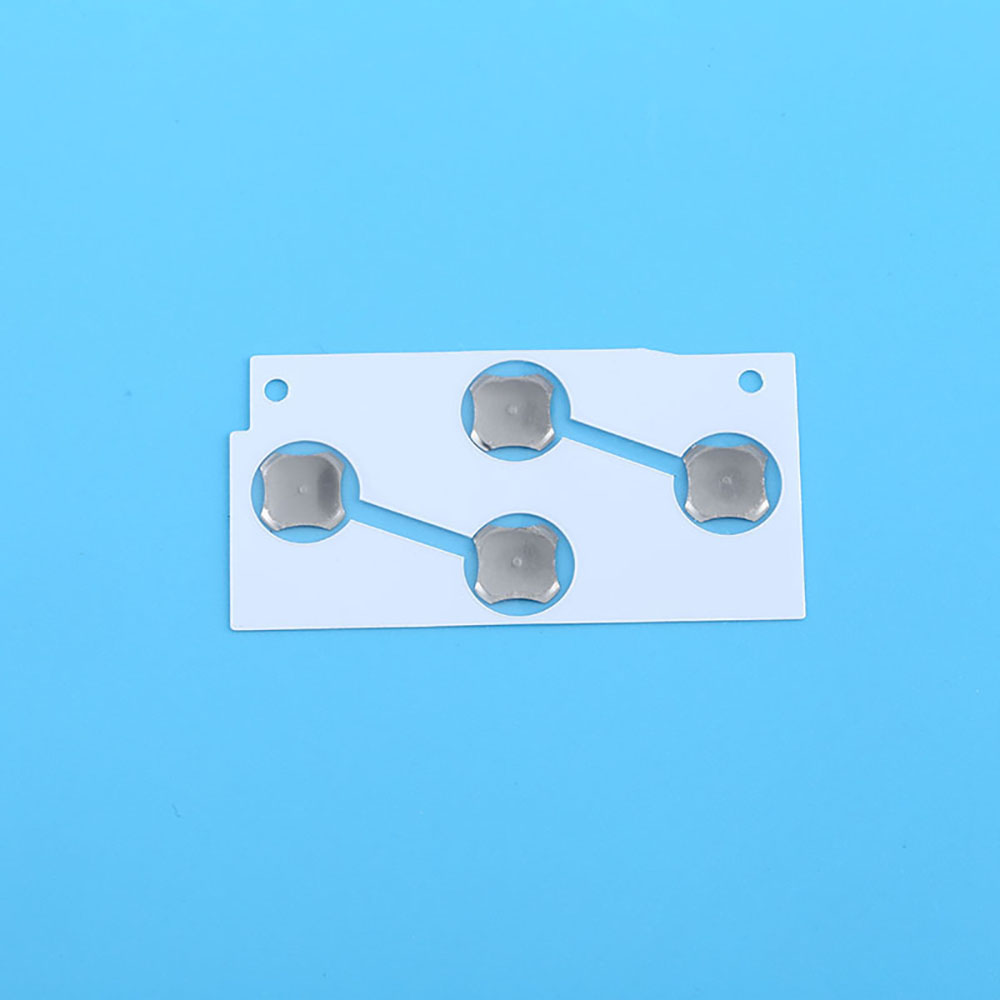
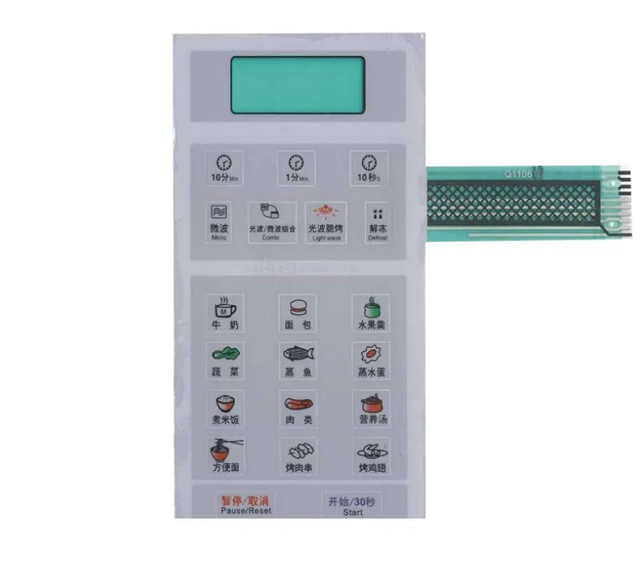
Strategic Engineering Whitepaper: Vilnius Industry Alignment
Analyzing high-reliability Flexible Printed Circuit (FPC) integration across Lithuania’s photonics, medical technology, and industrial automation corridors.
The electronics manufacturing ecosystem within Vilnius and the broader Baltic region has rapidly transitioned toward deep-tech, optoelectronic equipment, surgical robotics, and high-tier telecommunication infrastructure. These compact modern devices demand dynamic interconnect systems capable of continuous flexure without copper-trace fatigue or impedance degradation. Standard rigid PCB assemblies often fail to meet the tight dimensional tolerances of contemporary handheld analyzers and laser control systems engineered in Lithuania's research parks. As a result, the strategic procurement of ultra-reliable Flexible Printed Circuit (FPC) cables and hybrid membrane switch interfaces manufactured in China has emerged as an essential supply-chain pivot for Baltic original equipment manufacturers (OEMs).
Lithuania is internationally acknowledged for producing cutting-edge femtosecond lasers and sensitive scientific instruments. Connecting sensitive laser diode arrays, optical sensors, and micro-actuators requires custom polyimide (PI) substrate FPC configurations with micro-pitch routing down to 0.05 mm line width and spacing. Chinese manufacturing partners specializing in custom FPC circuits and tactile membrane interfaces bridge the critical gap between early-stage prototyping and full-scale ISO 9001-certified serial production. By integrating advanced surface finishes such as Electroless Nickel Immersion Gold (ENIG) or immersion tin, these interconnects exhibit zero contact oxidation and maintain structural integrity during extreme thermal cyclings common across Eastern European industrial operations.
Laser & Optoelectronics Systems
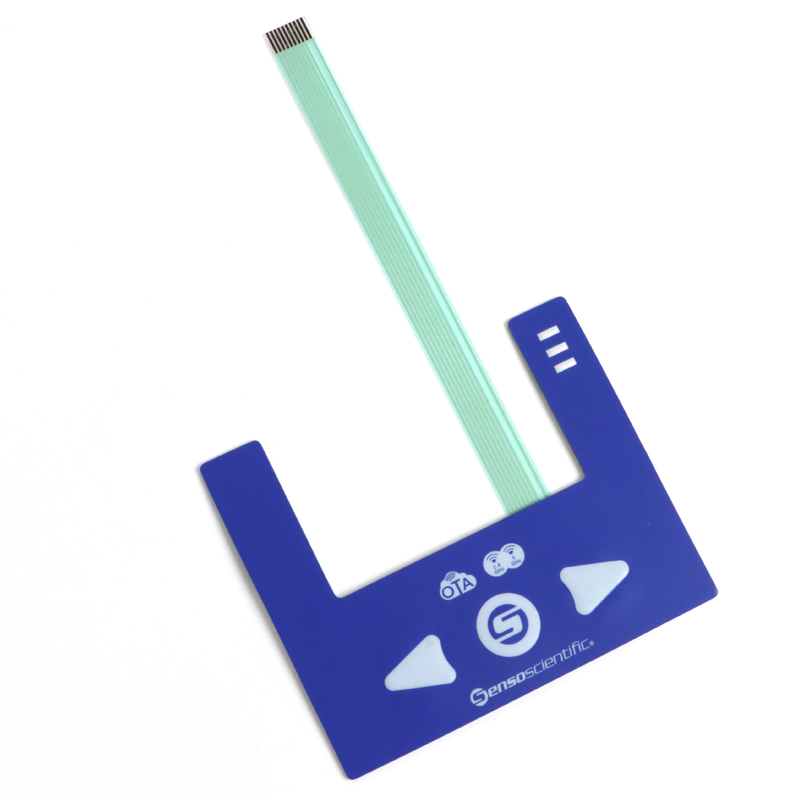
Vilnius’s world-renowned laser manufacturers rely on low-impedance FPC cables for dynamic beam-steering subassemblies, delivering reliable signal shielding and high-density signal transfer within confined optical compartments.
Medical & Diagnostic Instrumentation
Sterilizable, sealed capacitive touch membranes and flexible jumper cables guarantee IP67-rated ingress protection against chemical washdowns in hospital and laboratory devices developed across the Baltic bio-tech cluster.
Industrial Robotics & AGV Controllers
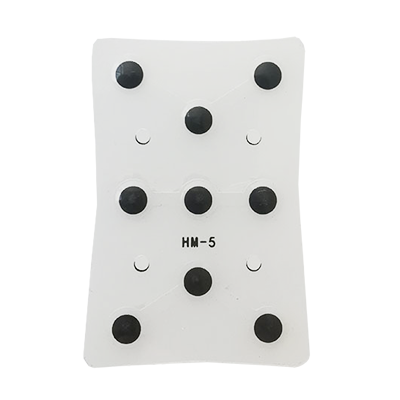
Automated guided vehicles (AGVs) and warehouse management panels operating in regional logistics hubs employ heavy-duty metal dome arrays and rugged tactile switches rated for over 1,000,000 switching operations.
Engineering Stack & Material Specifications
Comprehensive material cross-reference designed to accelerate technical review for Vilnius-based system architects.
| Evaluation Parameter | Flexible Printed Circuit (FPC) | Tactile Membrane Switch Panel | Capacitive Touch Substrate |
|---|---|---|---|
| Base Substrate | Polyimide (PI) / Polyester (PET) 12.5–50μm | Polyester (PET) / Polycarbonate (PC) | Optical PET / Chemically Strengthened Glass |
| Conductor Layer | Rolled Annealed (RA) or Electro-Deposited (ED) Copper | Screen-Printed Conductive Silver Paste (≤0.05Ω/sq) | Indium Tin Oxide (ITO) / Screen-Printed Silver Trace |
| Tactile Actuation Life | > 5,000,000 dynamic flex cycles | 1,000,000+ clicks (Stainless Steel Dome) | Solid-state (Zero moving parts, infinite cycles) |
| Operating Temperature | -40°C to +105°C (Extreme Industrial) | -20°C to +70°C (Standard Industrial) | -20°C to +65°C |
| Connector Termination | ZIF / LIF Pin pitch (0.3mm to 1.0mm) / Direct Solder | 2.54mm / 1.27mm Crimpflex Housing or FPC Tail | Custom Zero Insertion Force Tail |
Why Baltic Engineers Choose Our Dongguan Factory
Operating an independent 2,600㎡ facility certified under ISO 9001, providing accountable engineering straight from factory floor to Vilnius.
SGS Onsite Audited Facility
Our complete production, QA facilities, and trading capacities are certified onsite by SGS Group. Every stage is transparent, traceable, and documented to European industrial standards.
End-to-End In-House Line
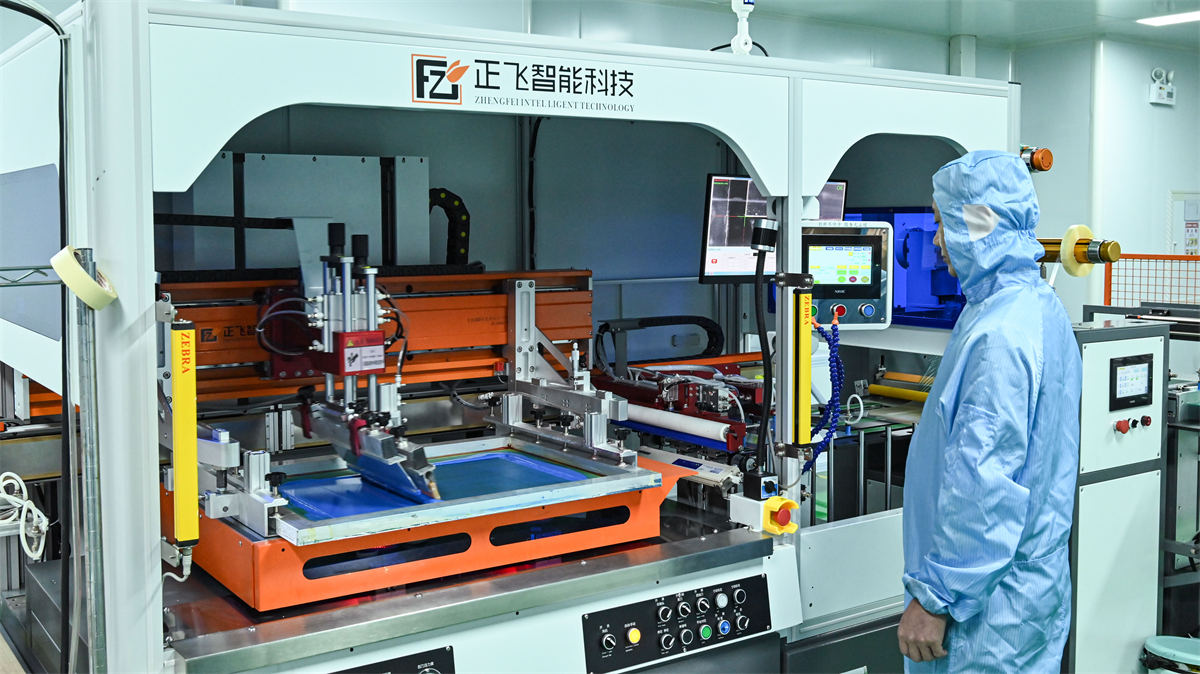
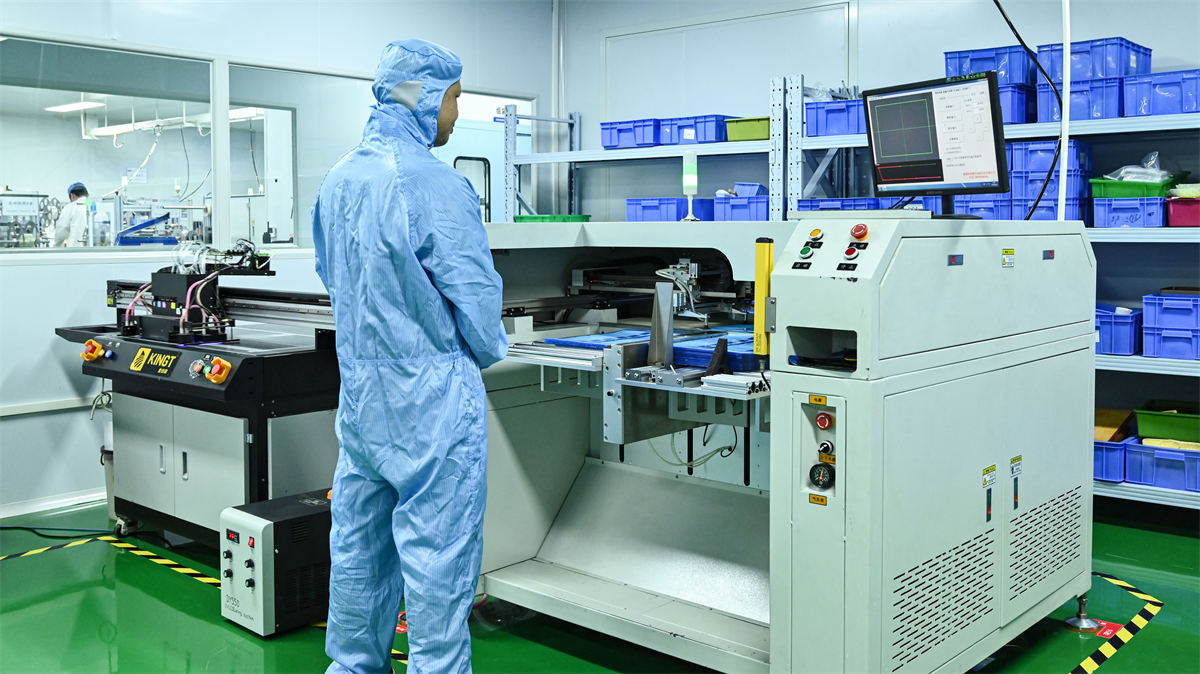
From high-precision silk screen printing and CCD automatic drilling to laser profiling and multi-layer laminating, zero operations are subcontracted, safeguarding product consistency.
OEM/ODM Prototyping
Rapid design review (DFM) delivers rapid prototypes in as fast as 5-7 business days, accommodating low MOQs starting from 100 pieces for engineering validation stages.
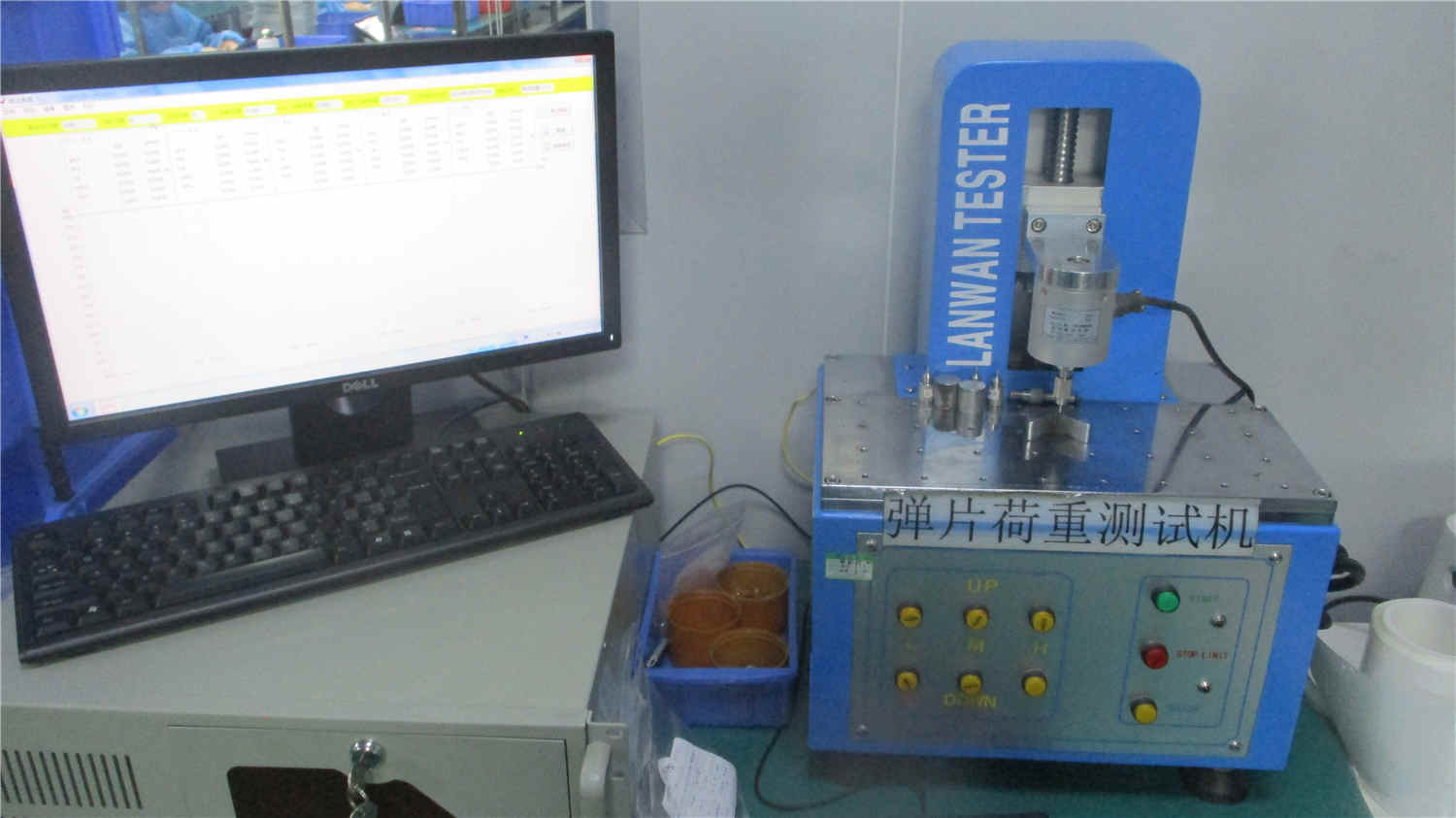
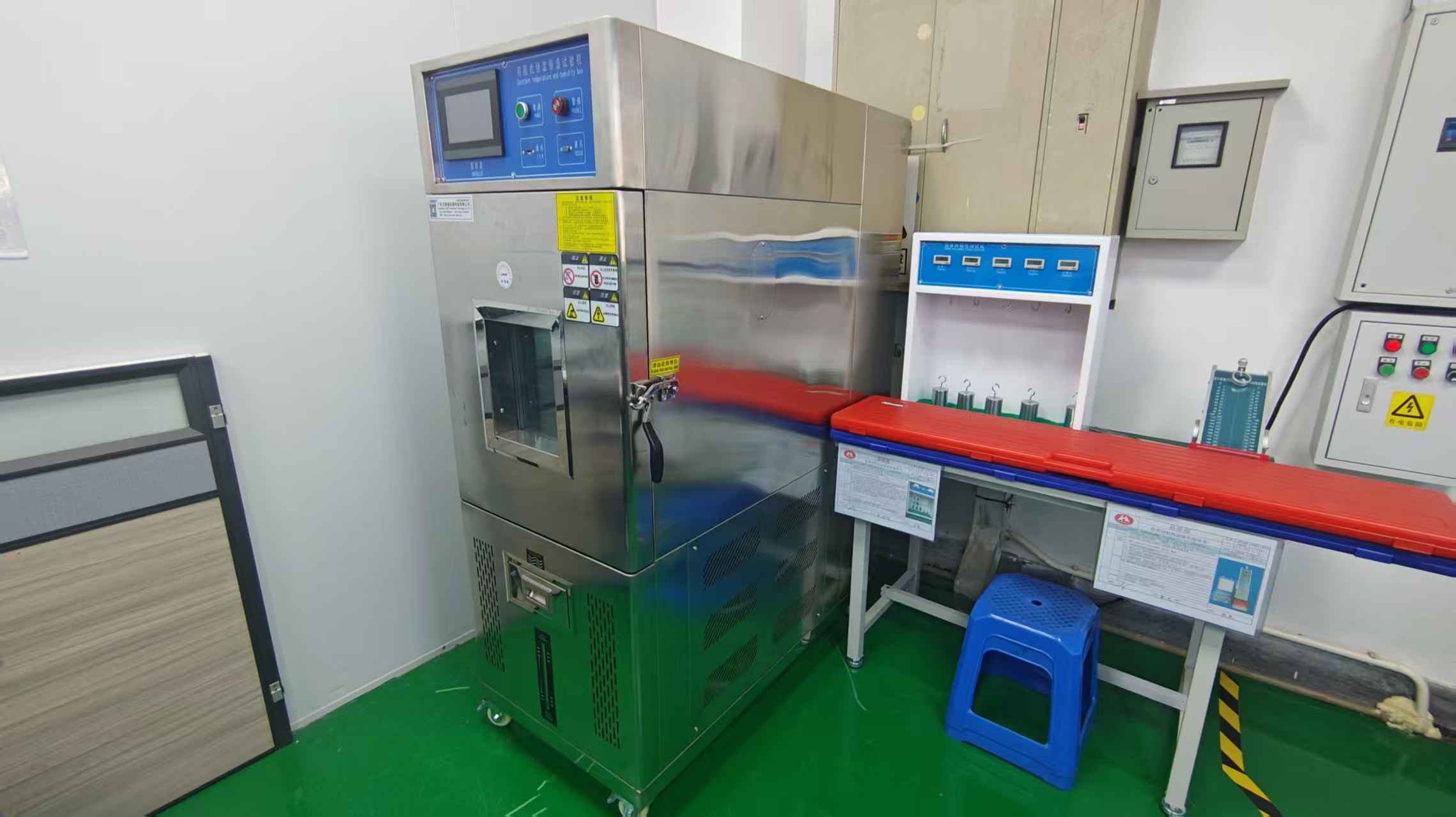
Internal Quality Testing & Workshop Verification
Frequently Asked Questions by Vilnius Procurement Teams
Key technical, logistic, and regulatory points addressed directly by our senior engineering directorate.
What is the standard lead time for delivery to Vilnius, Lithuania?
Prototyping orders require 5 to 8 working days for fabrication. For volume production, lead times typically range between 12 and 18 working days. Express air freight directly to Vilnius International Airport (VNO) takes 3 to 5 business days via DHL, FedEx, or UPS, ensuring seamless project cadence.
Do all components comply with EU RoHS, REACH, and CE standards?
Yes. As a regular exporter to the European Union, all materials utilized—including polyimide substrates, acrylic adhesives (3M series), coverlays, and soldering alloys—are 100% compliant with EU RoHS and REACH regulations, with full material test certifications provided upon request.
Can you provide DFM engineering support from native CAD/Gerber files?
Our engineering department accepts Gerber (RS-274X), DXF, DWG, and vector artwork files (AI, PDF). We conduct comprehensive Design for Manufacturability (DFM) reviews to evaluate track width, bend radius feasibility, and connector bonding pads prior to launching tooling.
What are the minimum order quantities (MOQ) for custom developments?
We actively support European hardware incubators and innovation teams. Prototyping batches can be initiated at just 10 to 50 pieces for specialized panels, while serial production MOQ begins at 100 units for membrane switches and 1,000 units for standalone metal dome assemblies.
Accelerate Your Hardware Development in Vilnius
Speak directly with our senior application engineers to discuss DFM analysis, component stack-ups, and cost-efficient mass manufacturing strategies.