Specialized Medical Switches & Tactile Arrays
ISO 9001 certified, clinical-grade interface components engineered for diagnostic devices, patient monitoring, and surgical automation.
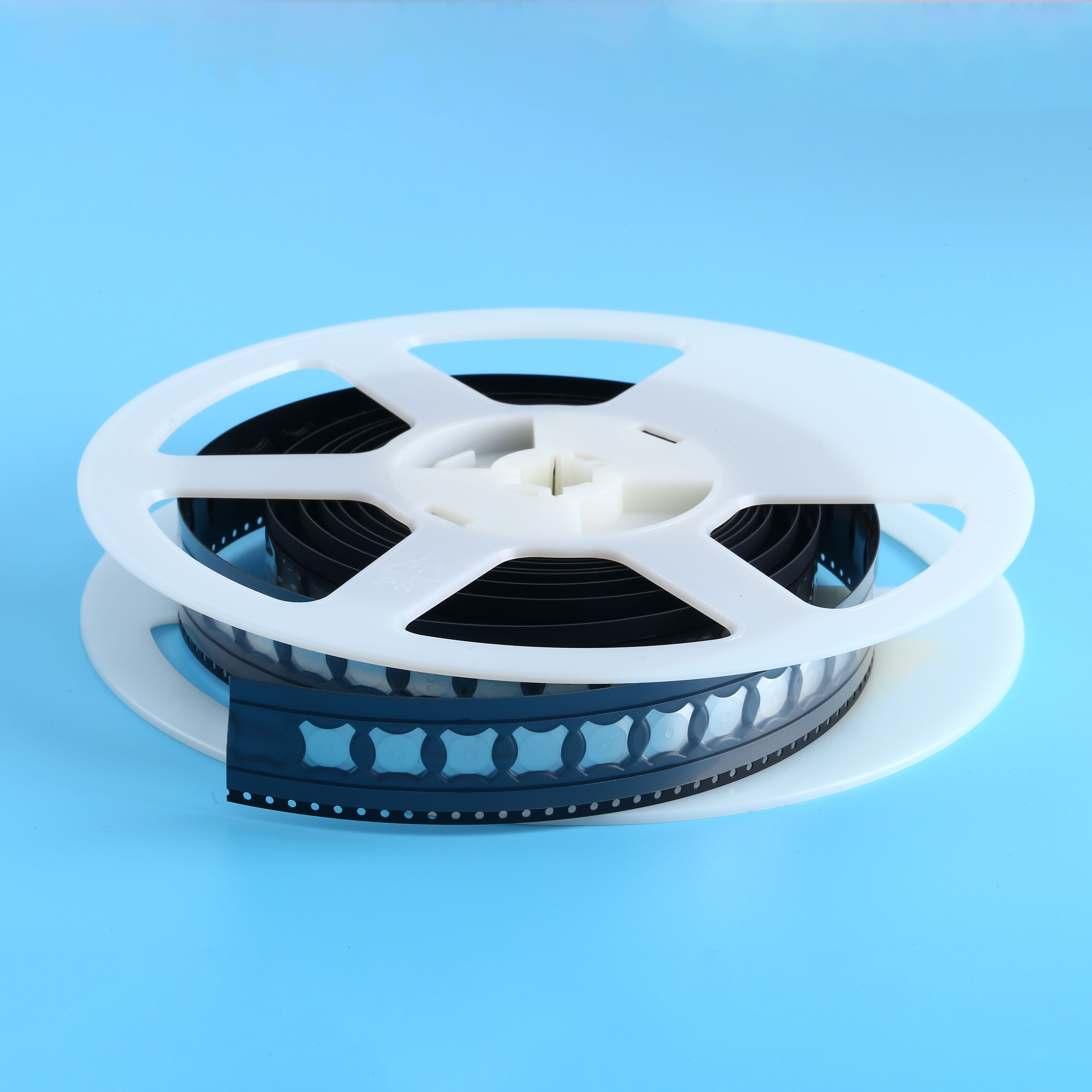
Single Layer PET Metal Dome Array
Transparent PET carrier with hospital-grade adhesive, ensuring distinct tactile snap-action feedback for bedside clinical monitors.
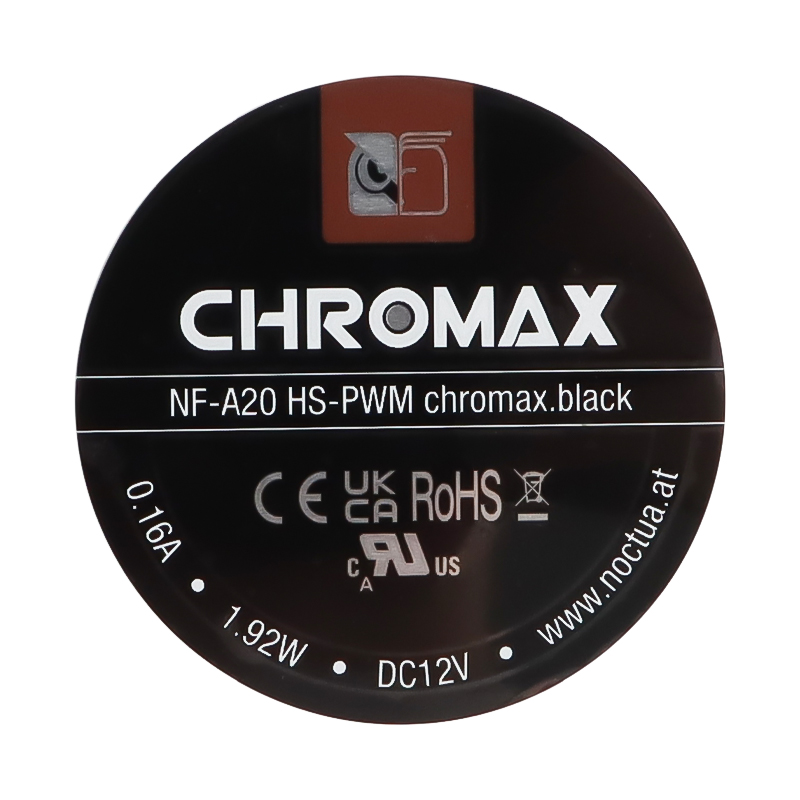
Laser-Engraved Medical Nameplate
Autoclave-resistant stainless steel and anodized aluminum bezels, laser-etched with high-contrast UDI tracking barcodes.
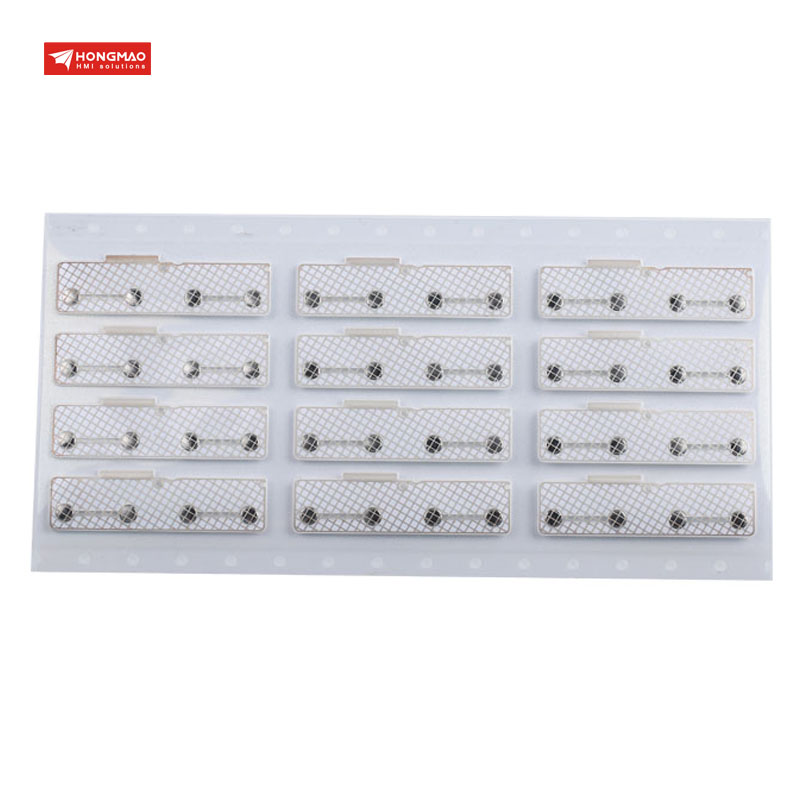
SUS301 EMI Shielded Dome Array
Integrated copper/aluminum EMI/RFI attenuation layer with SUS301 stainless steel domes, preventing RF cross-talk in operating rooms.
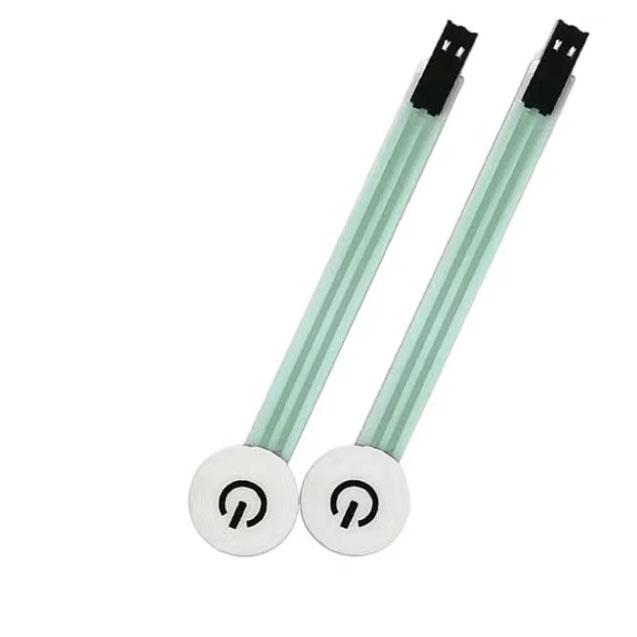
Miniature Single-Button Actuator
Hermetically sealed micro-switch designed for handheld diagnostic tools, surgical wands, and high-density telemetry packs.
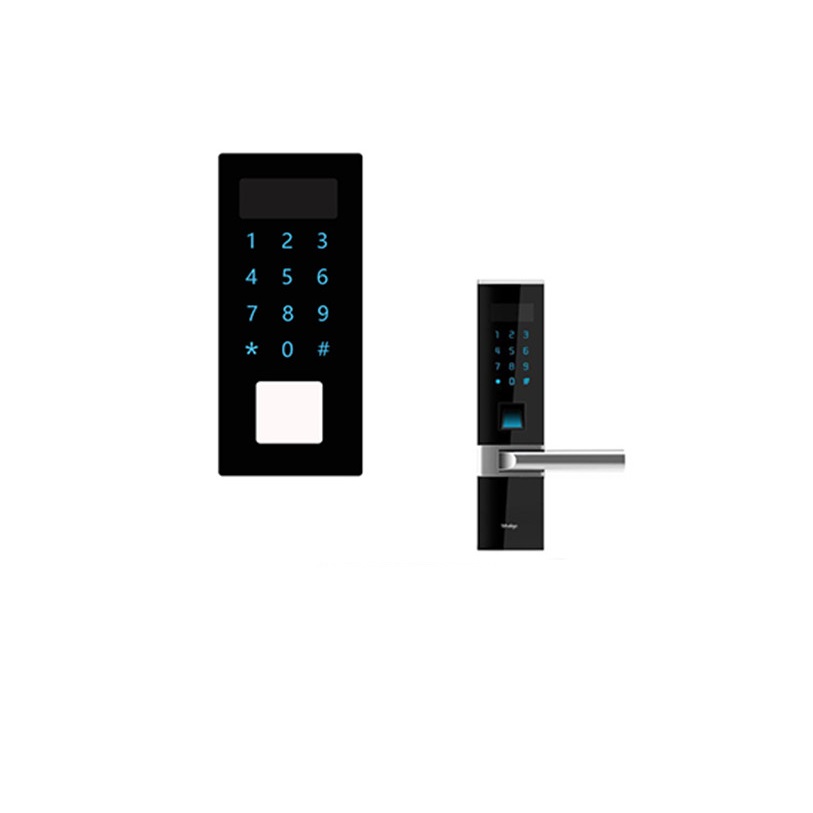
Capacitive PMMA Touch Panel
IP67 seamless acrylic/polyester panel supporting glove-actuated inputs and continuous wipedown with hospital disinfectants.
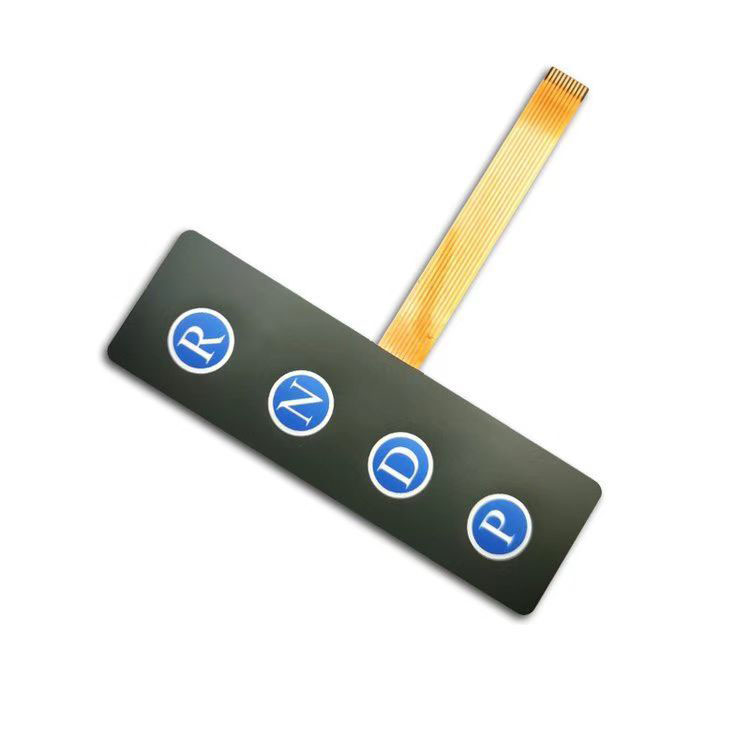
Backlit Multi-Key Clinical Keypad
Uniform LED light-guide film (LGF) illumination with rim-embossed keypads designed for low-light critical care environments.
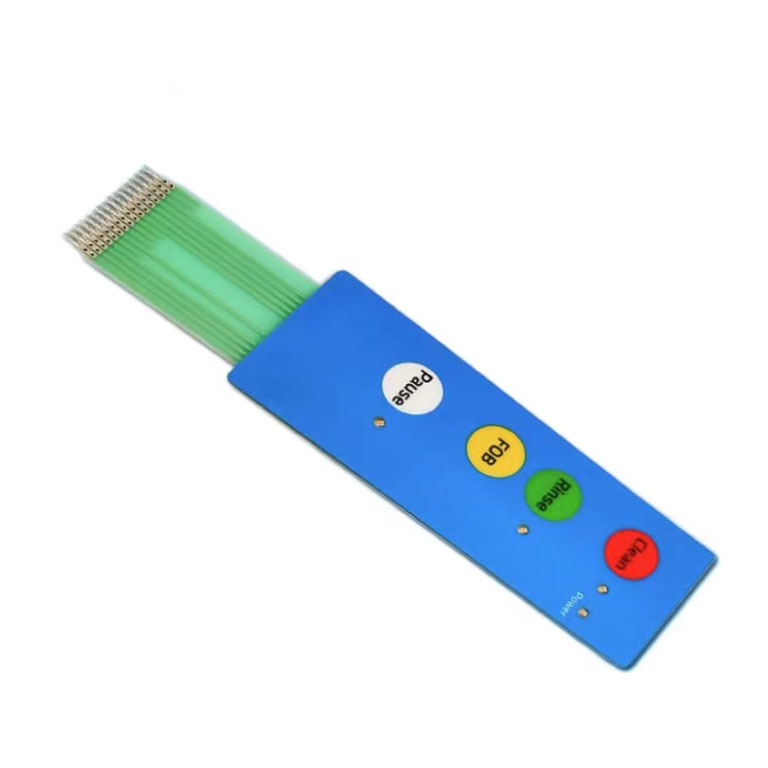
Ultra-Thin Flexible Film Circuit
Fine-pitch silver conductive trace printed on high-stability PET substrate, optimized for disposable sensors and flexible lab devices.
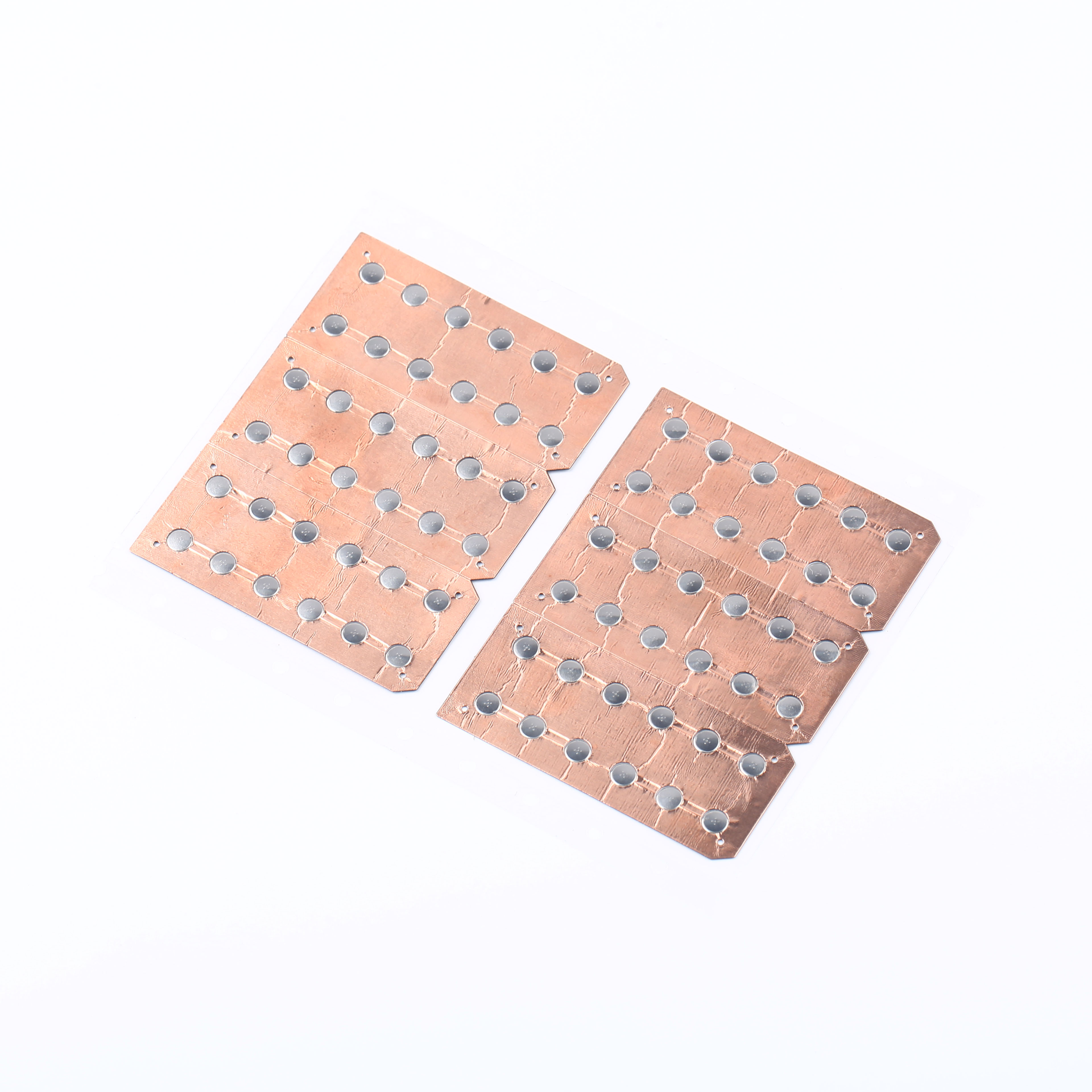
Copper Foil Snap Dome Sheet
Heavy-duty copper-clad ground plane with precision round snap domes, ensuring low contact resistance and maximum signal clarity.
Engineering Regulatory-Compliant HMIs for San Antonio’s Medical Ecosystem
San Antonio, Texas, has developed into one of North America's most dynamic healthcare and bioscience powerhouses. Anchored by the South Texas Medical Center (STMC), the San Antonio Military Medical Center (SAMMC), UT Health San Antonio, and private clinical incubators, local original equipment manufacturers (OEMs) develop mission-critical diagnostic instrumentation, surgical tools, and field-ready trauma management platforms. When designing user input mechanisms for this market, equipment designers cannot treat human-machine interfaces as generic electronic sub-assemblies. The demand is unequivocally focused on CE certified medical membrane switch factories and suppliers capable of bridging the requirements of European MDR/IVDR compliance with US FDA 510(k) clearances.
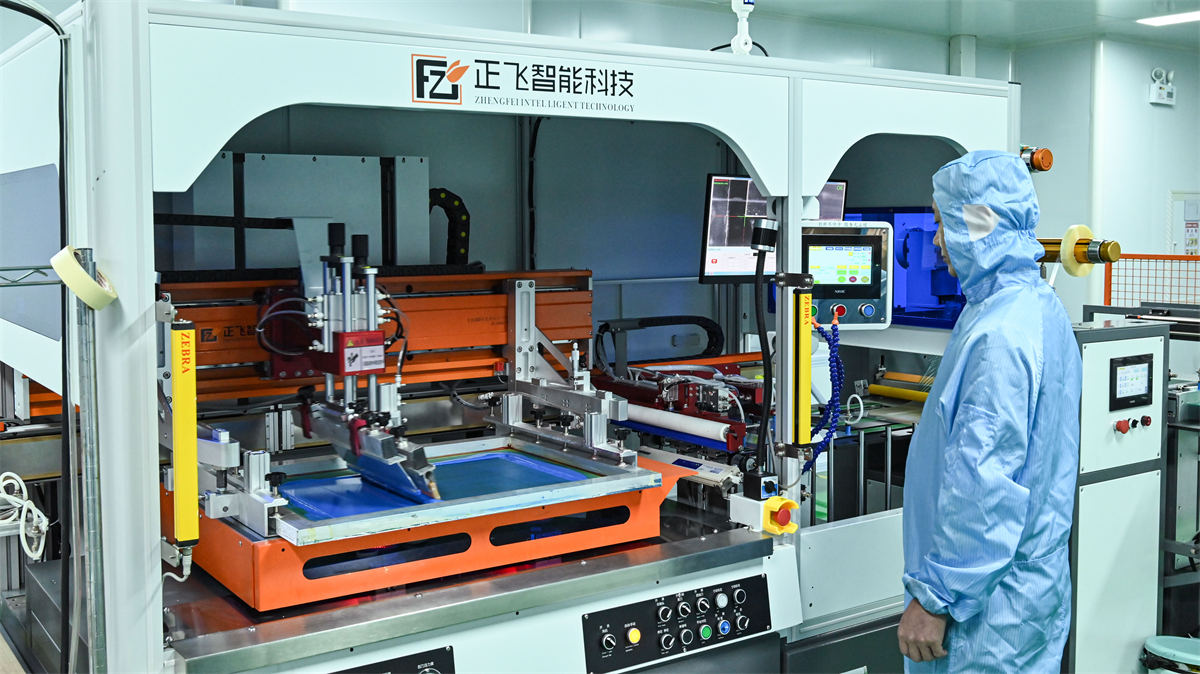
In life-support and clinical environments, interface failure is not an operational inconvenience; it is a life-safety hazard. Cevra delivers tailored manufacturing solutions that withstand demanding sanitization protocols, aggressive biocidal agents, continuous electrostatic discharge (ESD), and rough transit conditions encountered in military combat care and municipal emergency transport. By implementing comprehensive in-house screen printing, automated precision laminating, and 100% automated optical and electrical testing, we equip San Antonio’s design engineers with verified, production-ready membrane control assemblies that significantly reduce risk profiles and accelerate clinical trials.
San Antonio Medical Sector Applications
Dialysis & Infusion Systems
Continuous fluid exposure requires complete hermetic sealing. Our micro-spacer layers and high-performance adhesives from 3M provide IP67 fluid ingress defense against dialysates and intravenous saline leaks.
Military Trauma Telemetry
Deployed in extreme field conditions supported by Fort Sam Houston research units. Units feature tactile snap domes offering 350g actuation forces for unmistakable feedback through heavy nitrile or tactical gloves.
Point-of-Care Analyzers
Compact form factor membrane switches with embedded surface-mount LEDs and anti-glare, chemical-resistant display windows (polycarbonate or polyester) matching rapid PCR and blood diagnostic instruments.
Material Selection: PET vs. Polycarbonate Under Disinfection Rigors
A frequent issue observed in hospital equipment procurement is premature overlay degradation. Modern healthcare facilities utilize aggressive quaternary ammonium compounds, sodium hypochlorite (bleach), hydrogen peroxide vapor, and isopropyl alcohol wipes to prevent Hospital-Acquired Infections (HAIs). Standard graphic overlays often craze, cloud, or suffer ink delamination under these chemicals. Cevra utilizes exclusively biaxially oriented textured polyester (PET) films treated with chemical hardcoats (such as Autotex or equivalent grades) for contact surfaces exposed to continuous cleaning routines, while reserving polycarbonate (PC) overlays for secondary interior bezels or display framing where deep visual optics take precedence.
| Evaluation Parameter | Hardcoated Polyester (PET) | Standard Polycarbonate (PC) | Medical Design Suitability |
|---|---|---|---|
| Chemical Resistance | Resistant to alcohols, bleach, and cleaning agents. | Prone to micro-cracking and hazing from ketone solvents. | PET strongly recommended for clinical contact surfaces. |
| Mechanical Flex Life | Exceeds 5,000,000 switch actuation cycles. | Typically between 100,000 and 500,000 cycles. | PET provides higher reliability for tactile pushbuttons. |
| Die-Cutting & Embossing | Requires specialized heated precision tooling. | Easily thermoformed and hydro-formed. | PC fits 3D compound curved shapes and decorative shells. |
| Flammability Rating | Available in UL94 VTM-2 rated grades. | Inherently conforms to UL94 V-2 or V-0 specifications. | Both comply when specified with flame-retardant adhesives. |
Localized Regulatory and Development Trends in Texas
The life sciences corridor spanning San Antonio and Austin is experiencing rapid adoption of decentralized medicine and connected IoT health architectures. Key local technology vectors include:
- Unified Human-Centric Enclosures: Medical device architects are transitioning away from bulky mechanical pushbuttons that create particulate-trapping seams. They prefer flush-mounted capacitive panels and smooth rim-embossed membrane surfaces that allow zero-crevice sterilization.
- Comprehensive Electromagnetic Immunity: With the proliferation of surgical ablation tools, diagnostic ultrasound equipment, and Bluetooth medical monitoring nodes in close proximity, medical switches must incorporate complete electrostatic discharge (ESD) and electromagnetic interference (EMI) protection. Cevra laminates micro-patterned printed carbon, copper mesh, or solid aluminum foils into the layer stack, providing dielectric isolation up to 15kV.
- Hybrid Flex Circuitry (FPC): When switch pinouts interface with modern surface-mount microcontrollers, high-density flexible printed circuits (copper-clad polyimide) replace conventional silver paste traces to prevent trace oxidation and allow pitch densities down to 0.5mm.
Precision Factory Direct: Dongguan Cevra Electronic Technology
Combining 16+ years of specialized membrane and tactile dome engineering with fully audited, traceable production systems.
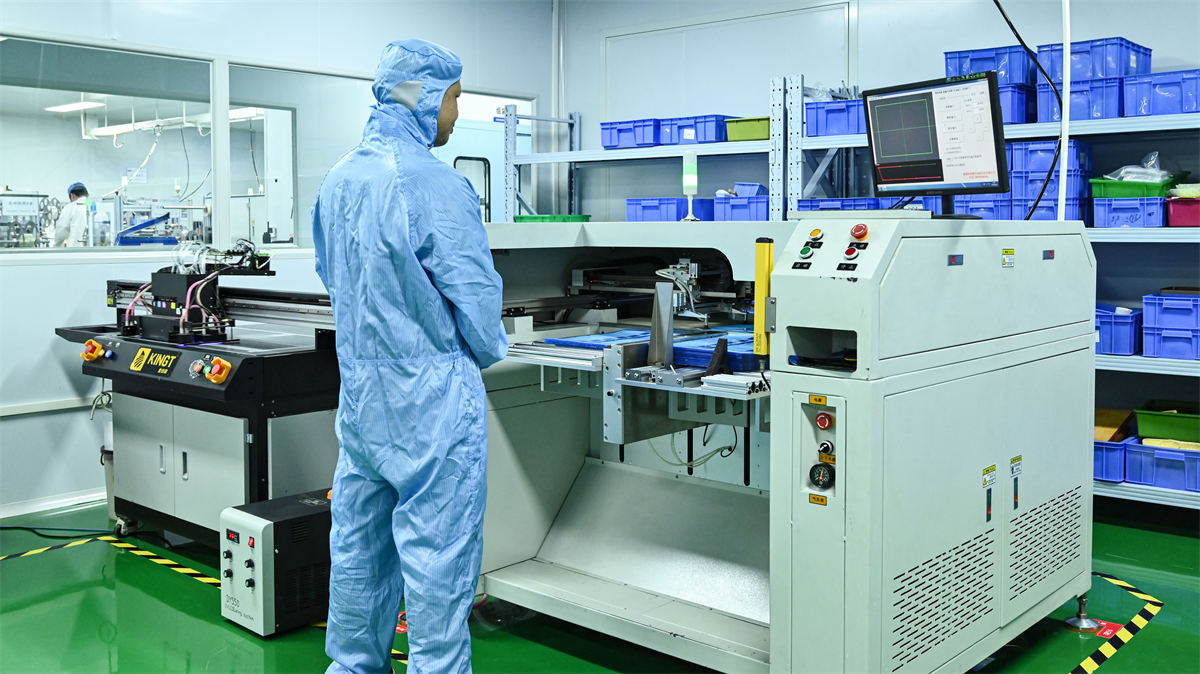
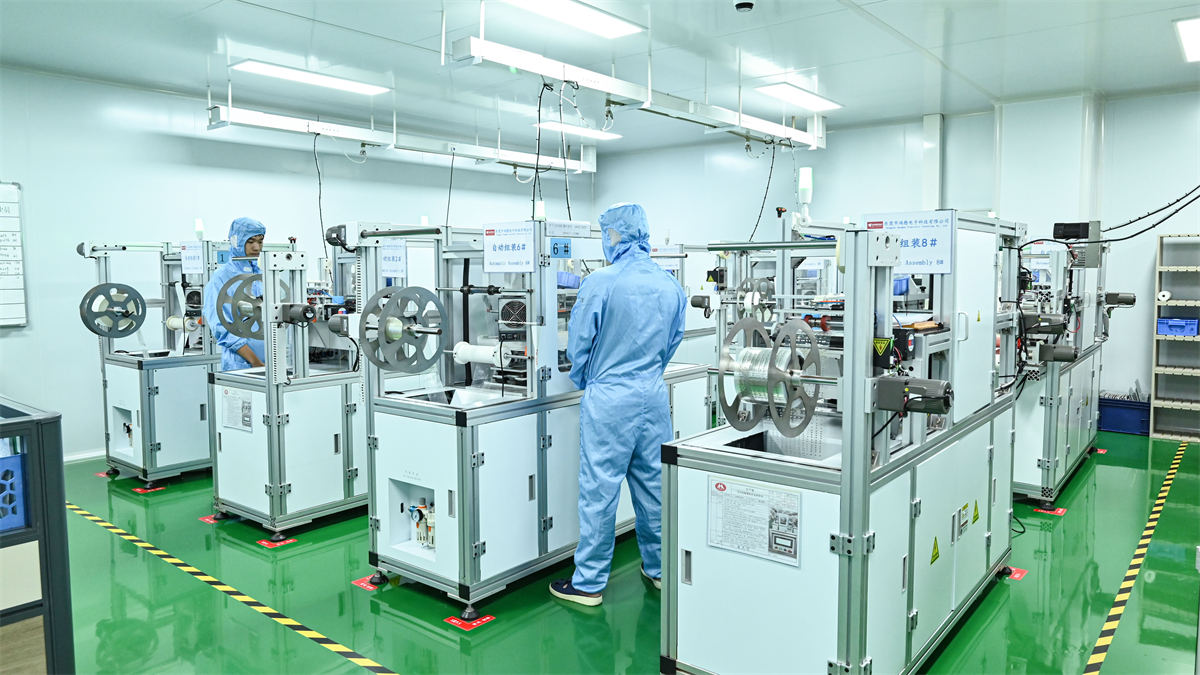
Headquartered in Dongguan, Guangdong—the core hub of global electronics manufacturing—Dongguan Cevra Electronic Technology Co., Ltd. has specialized in human-machine interface components since March 2009. Spanning a modern 2,600㎡ facility, Cevra operates in accordance with an ISO 9001 certified quality management system, with our manufacturing lines, workforce, and test protocols verified onsite by SGS Group.
Certified Traceability
Full manufacturing lot tracing from raw substrates (3M, Nitto, Autotype) through precision laser cutting, CCD camera drilling, automated bonding, and final circuit continuity validation.
In-House Reliability Testing
Every batch is validated in our on-site QA laboratory: dome actuation trip force analyzers, adhesive peel-force testers, environmental thermal cycle chambers, and pencil hardness surface testing.
Direct Engineering Support
San Antonio hardware developers work directly with our mechanical and electronic engineers. We review your CAD drawings (DXF, STEP, AI, Gerber), propose layer stack-ups, and expedite prototypes.
Frequently Asked Questions for San Antonio Engineering & Sourcing
Key information regarding international logistics, testing protocols, custom tooling, and compliance standards.
What specific CE declarations and compliance documentation accompany our shipments to San Antonio?
While component switches fall under broader medical device system certifications, we supply comprehensive Certificates of Compliance (CoC), RoHS 3 (EU 2015/863), REACH compliance declarations, and material safety data sheets (MSDS) confirming biocompatibility and flame retardancy ratings (UL94). For switches carrying embedded LEDs or active circuitry, we supply documentation verifying adherence to the Low Voltage Directive (LVD) and EMC Directive standards required for the device manufacturer's CE marking and FDA clearance dossiers.
How are rapid prototypes and volume orders shipped to the San Antonio/Bexar County region?
Engineering prototypes and fast-turn test batches are shipped via direct priority air courier (DHL Express, FedEx, UPS) directly from our Dongguan facility to San Antonio International Airport (SAT) clearing facilities, typically delivering in 3 to 5 business days. For scheduled production orders, we provide consolidated air cargo delivery or ocean transport to Houston or Dallas freight hubs with final delivery directly to your facility.
Can your tactile switches survive continuous operation inside sterile surgical enclosures?
Yes. By combining custom-stamped SUS301 stainless steel domes (rated up to 1,000,000 cycles) with full-perimeter perimeter adhesive venting and sealed hydrophobic membrane vents, our switches resist chemical penetration, pressure variances, and sterilization wipedowns without degrading snap sensation or electrical contact resistance.
What design files and specifications are needed to receive a DFM feedback report?
To initiate a comprehensive Design For Manufacturability (DFM) assessment, provide vector artwork (Adobe Illustrator .AI or .EPS), mechanical outline drawings (DXF, DWG, or STEP), circuit schematics (or Gerber files), required actuation force (e.g., 280g vs 350g), and connector pitch requirements (e.g., 1.0mm, 2.54mm pitch ZIF or female crimp housing). Our engineering department will return a formal layer stack-up recommendation within 24 hours.
What are your Minimum Order Quantities (MOQ) for custom-engineered prototypes vs. production runs?
We actively support engineering research, device development, and small-batch production for the local biomedical sector. Initial functional prototype runs start at just 10 to 50 pieces. Standard production scale orders begin at 100 units, while discrete metal snap dome arrays can be supplied in volumes exceeding 1,000 to 100,000+ units on carrier reels or pre-cut sheets.
Ready to Build Your Custom Medical HMI Interface?
Speak directly with our technical engineering team in Dongguan. Submit your preliminary mechanical sketches or vector artwork today for a complete manufacturability review, material recommendations, and a direct factory quotation.