Featured Flexible Circuits & Tactile Membrane Switches
Custom-built human-machine interface (HMI) modules, waterproof PET membrane circuits, and stainless steel snap dome arrays engineered for precision equipment across the greater Wellington region.
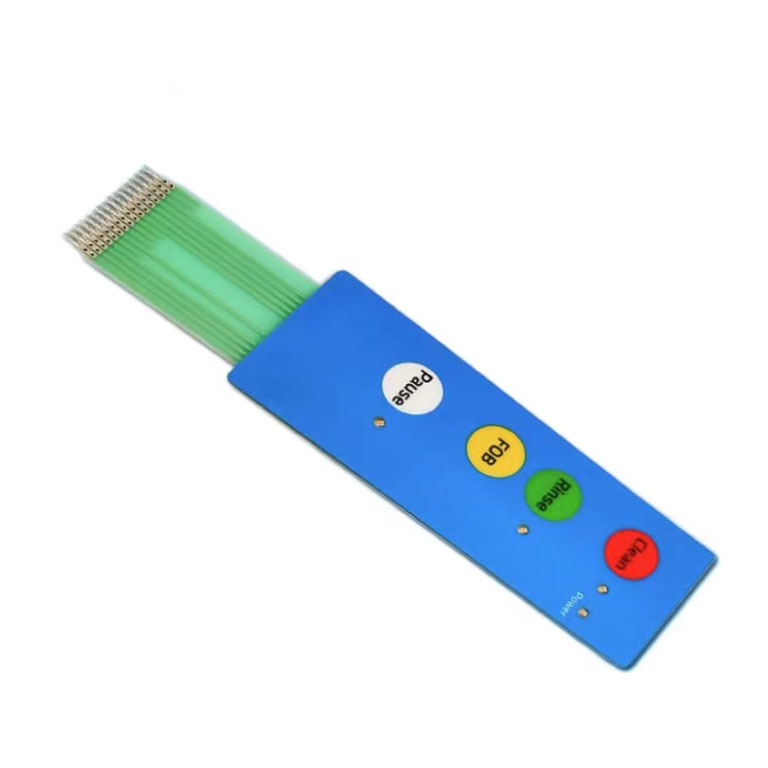
Electronic Toy Film Circuit Membrane Switch Waterproof Button Membrane Switch
- Substrate: Optical Grade PET
- Sealing Class: IP65 / Moisture Proof
- Conductive Ink: High Purity Silver
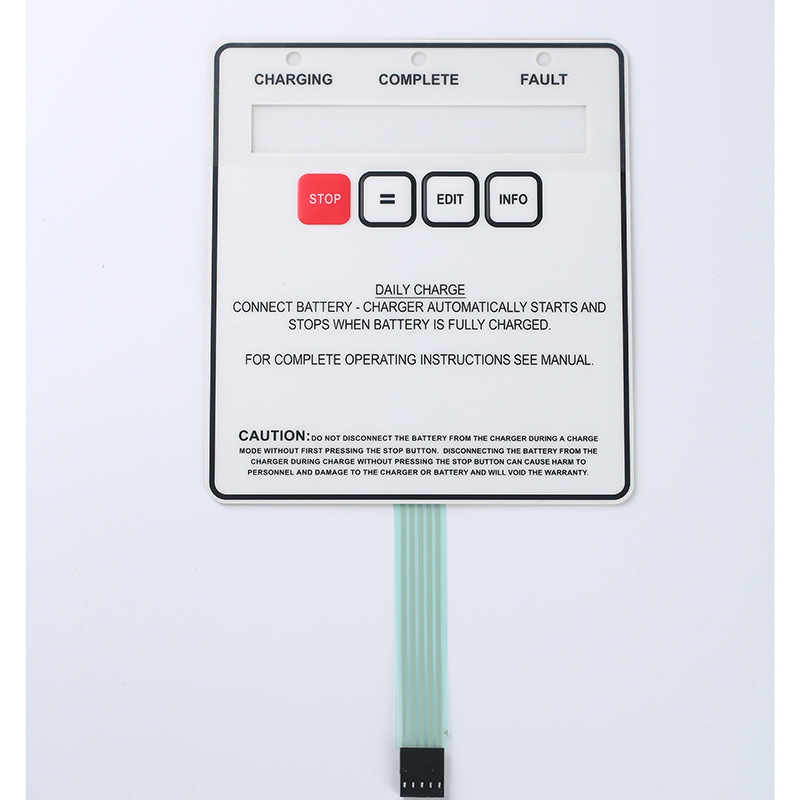
Waterproof and Dustproof Membrane Control Panel in Medical Equipment Medical Membrane Switch
- Medical Standard: Antimicrobial Overlay
- Ingress Rating: Hermetic IP67 Sealed
- Life Expectancy: >1,000,000 Cycles
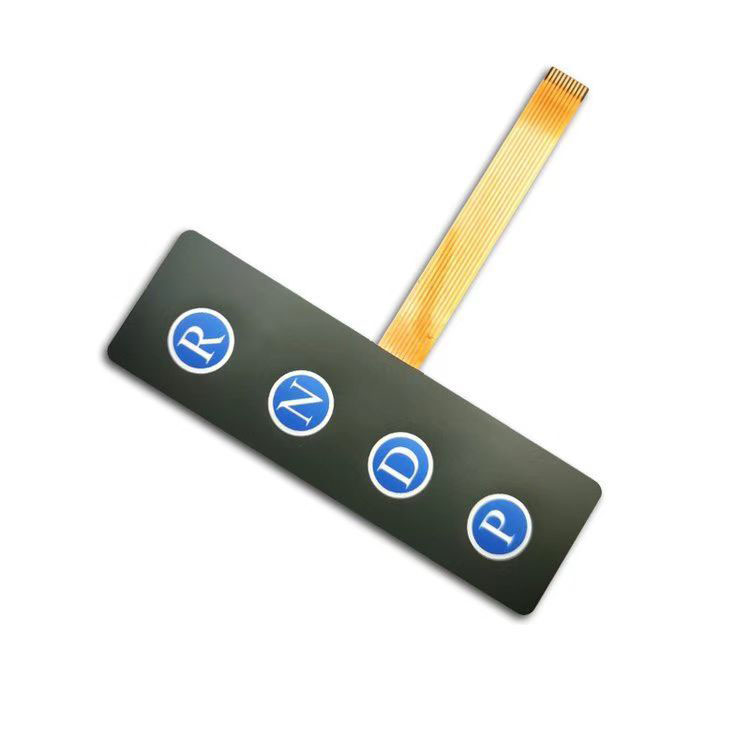
Embossing Diy Backlit 3 4 5 Button Touch Controller Membrane Switch Keypad Repair
- Backlight: Integrated SMD LED / LGF
- Tactile Travel: 0.3mm - 0.5mm Crisp Click
- Actuation Force: 280g - 350g SUS301
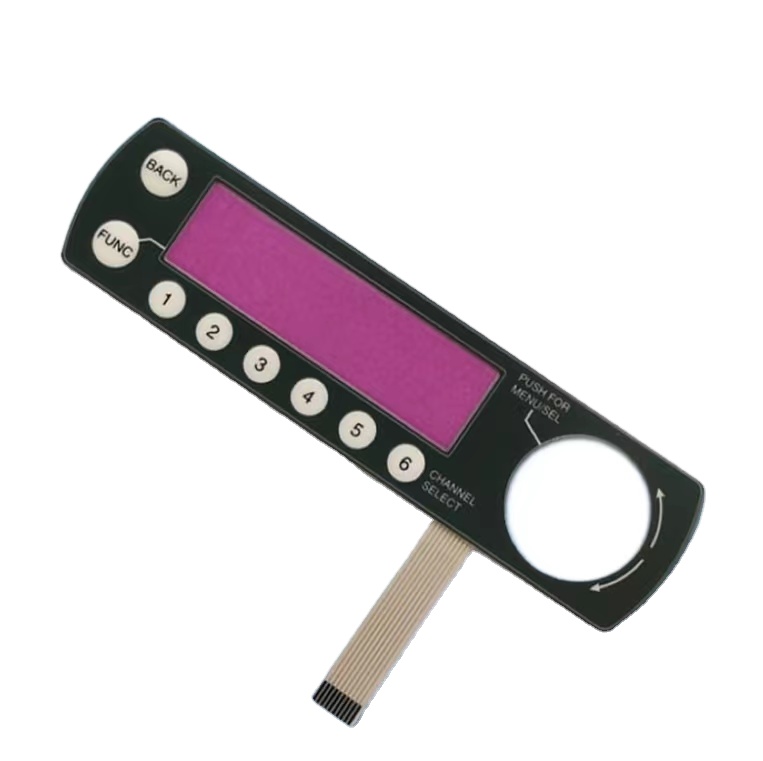
Customized Medical Instrument Membrane Switch PET Membrane Key PC Membrane Switch
- Fascia Film: Autotex PET / Lexan PC
- Window Clarity: LCD Anti-Glare Clear
- Certification: RoHS / CE Compliant
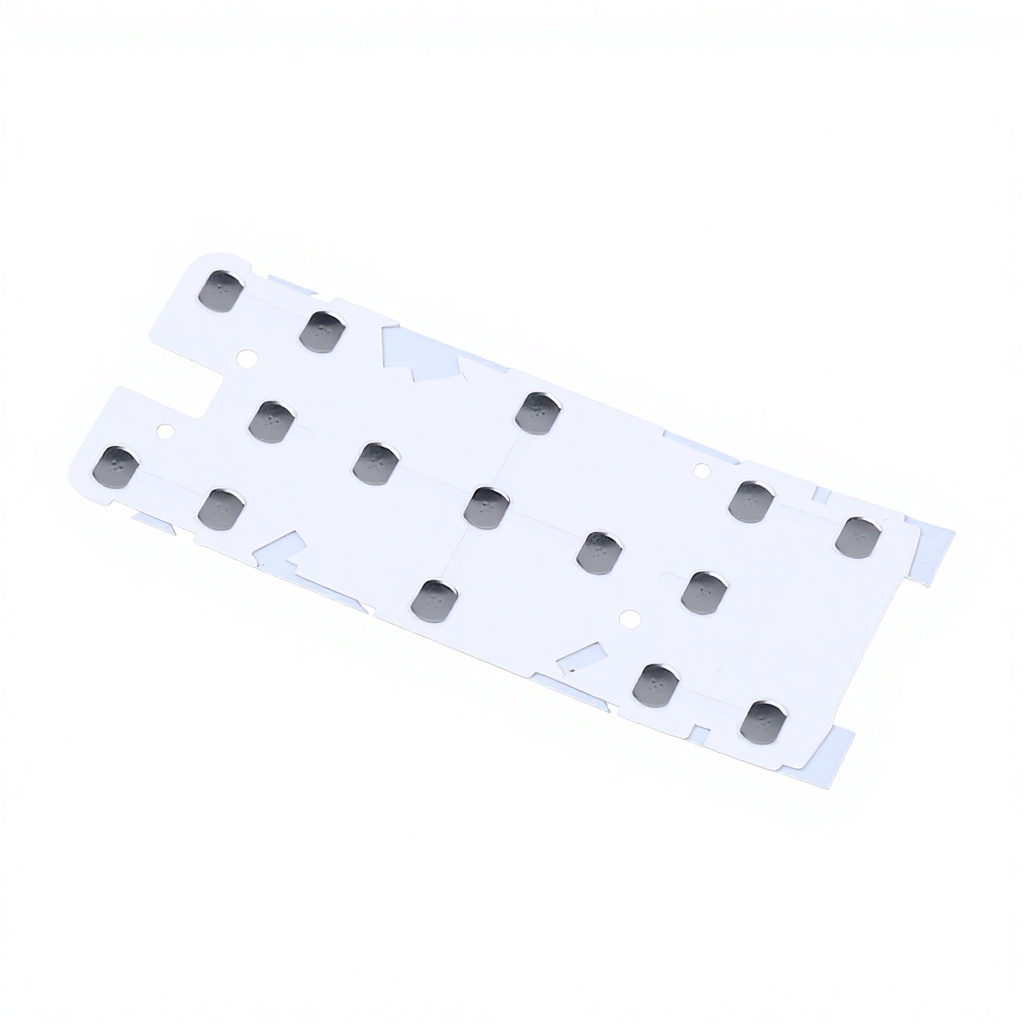
Customized White PET Waterproof Single Layer SUS301 Stainless Steel Dome Array Remote Control Metal Dome Array
- Dome Alloy: SUS301 High Elasticity
- Plating: Bright Nickel / Gold Flash
- Adhesive Carrier: 3M 467MP / 3M 468MP
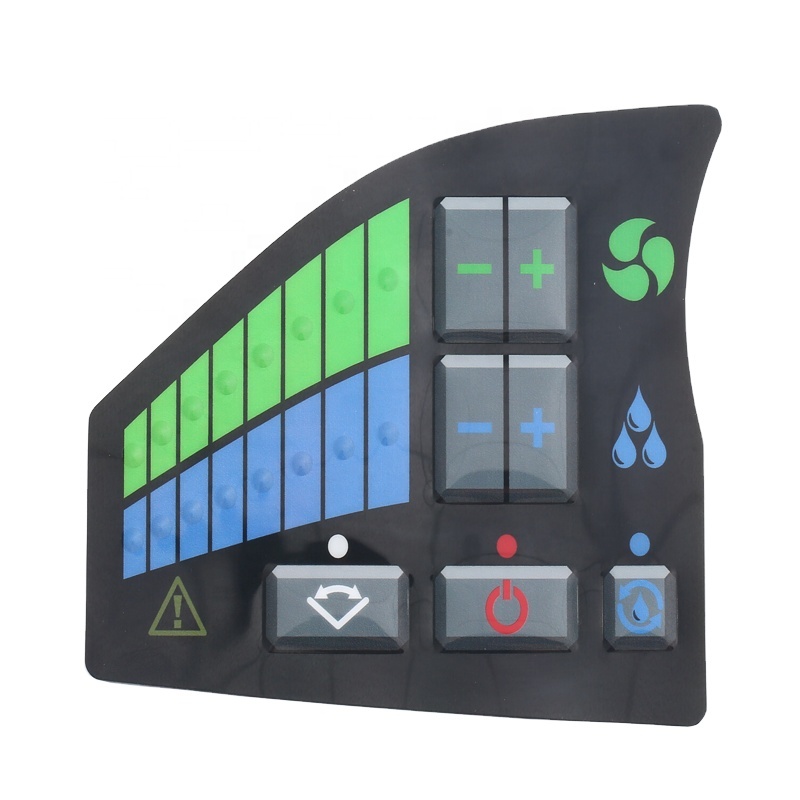
Custom Silk Printing Embossed Metal Dome Tactile Buttons Membrane Switch Control Graphics Overlay
- Color Fidelity: Pantone Matching System
- Embossing: Rim & Pillow Embossed
- Tail Connector: 2.54mm / 1.0mm Pitch FCI
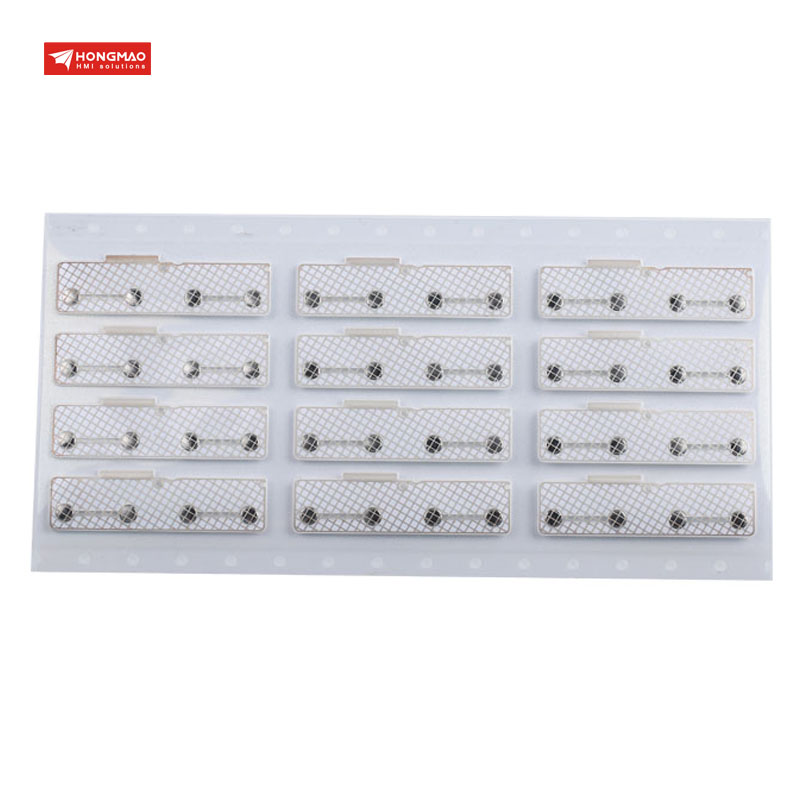
Double-sided SUS301 Stainless Steel Dome Array EMI Metal Dome Array
- Shielding: Aluminum / Carbon Grid
- Resistance: <1.0 Ohm Contact Ohms
- Vent Channels: Die-Cut Micro Ventilation
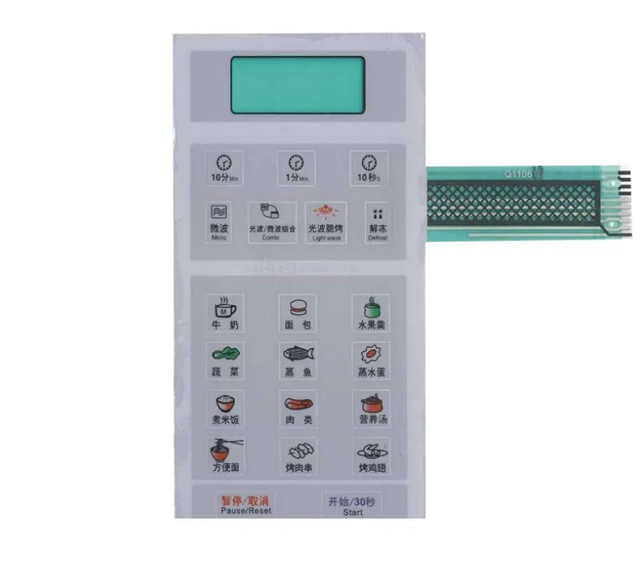
Factory Cheap Price Electronic Membrane Switch Membrane Switch Control Panel
- Volume Type: OEM / ODM Direct Run
- Switch Matrix: Digital Common Bus
- Factory Delivery: Rapid Turnaround Air DDP
Engineering Whitepaper: Advanced Flexible Printed Circuit Board Architecture
As industrial automation, clean technology, and biomedical engineering evolve across New Zealand's capital, modern electronic design engineers in the Wellington urban area and Lower Hutt high-tech manufacturing cluster face a distinct challenge: packing sophisticated conductive routing, ultra-reliable tactile human-machine feedback, and high-frequency sensor interfaces into complex, compact enclosures. Flexible Circuit Boards (FPC) and silver-printed conductive polymer circuits fabricated by Dongguan Cevra Electronic Technology Co., Ltd. represent the pinnacle of modern planar interconnection technology.
Unlike rigid FR4 printed circuit boards that suffer mechanical stress fractures under cyclical dynamic flexing or dimensional thermal shock, flexible circuits harness biaxially-oriented polyethylene terephthalate (PET) or polyimide (PI) films. By deploying micro-patterned conductive silver inks, copper foils, and carbon bridging over flexible dielectric substrates, our engineering team constructs multilayer assemblies that flex millions of cycles without degradation of trace conductivity or trace-to-trace dielectric breakdown.
Multilayer Layer Stack-Up Precision
Every membrane switch panel and flexible circuit assembly manufactured in our cleanroom workshop relies on mathematically validated stack-up geometry. From the surface Autotex® XE textured polyester overlay down to the pressure-sensitive adhesive backing from 3M™ (467MP, 468MP, VHB™), layer thicknesses are controlled within micron tolerances:
- Graphic Fascia: Chemically stabilized PET or optical Polycarbonate (0.125mm - 0.20mm) with subsurface UV reverse screen printing.
- Dome Retainer & Spacer: High-cohesion PET spacer with bilateral cross-linked acrylic adhesive formulated to resist shear creep.
- Snap Dome Arrays: SUS301 high-tensile stainless steel metal domes, electro-plated with 0.5-1.0μm nickel or gold to suppress micro-arcing.
- Flexible Circuit Layer: Low-sheet-resistance (<0.05 Ω/sq/mil) polymer thick film (PTF) silver traces or roll-annealed (RA) copper on polyimide.
- Tail Termination: Pitch options of 2.54mm, 1.27mm, or 1.0mm equipped with male/female crimp pins, Amphenol housing, or zero-insertion-force (ZIF) gold fingers.

| Performance Parameter | Silver Conductive PET Circuit | Copper Polyimide (FPC) Circuit | Capacitive Sensing Film Panel |
|---|---|---|---|
| Conductor Resistivity | < 0.05 Ω / sq / mil (Silver PTF) | < 0.003 Ω / sq / mil (Pure Copper) | Custom Controlled Conductive Grid |
| Dynamic Flex Endurance | > 5,000,000 Cycles (R = 5mm) | > 20,000,000 Cycles (R = 2mm) | Static Curved Enclosure Conformity |
| Operating Temperature | -25°C to +85°C Continuously | -40°C to +125°C Extended Thermal | -20°C to +75°C Industrial Ambient |
| Dielectric Strength | > 1,500 VDC Breakdown Volts | > 3,000 VDC Breakdown Volts | Optical Clear Dielectric Isolation |
| Ingress Protection | IP65 to IP67 Hermetically Bonded | IP67 with Conformal Potting | IP68 Full Front-Face Solid Seal |
| EMC Shielding Option | Printed Carbon or Aluminum Foil | Solid Ground Plane / Copper Mesh | Indium Tin Oxide (ITO) Transparent Shield |
CE Marking Protocols & Regulatory Conformance for New Zealand Importers
For hardware innovators in Wellington exporting globally or commercializing in New Zealand, regulatory compliance is non-negotiable. Dongguan Cevra Electronic Technology Co., Ltd. builds and verifies every flexible circuit board batch under strict international conformity frameworks.
Although New Zealand enforces the Radio Communications Act and requires adherence to the RCM (Regulatory Compliance Mark) through standards such as AS/NZS CISPR 32, New Zealand recognizes valid CE (Conformité Européenne) technical documentation under mutual acceptance and aligned standards. Our CE compliance architecture addresses every critical directive:
Electromagnetic Compatibility
Our flex circuits integrate printed copper or carbon lattice grid layers that mitigate radiative EMI emissions and protect sensitive sensor traces against incoming 8kV ESD discharge strikes, satisfying EN 61000-6-3 and EN 61000-6-1 benchmarks.
Hazardous Material Elimination
All polymer inks, double-coated adhesives, raw PET foils, and lead-free solder pastes for embedded surface mount (SMD) LEDs strictly comply with RoHS 3 (Directive 2015/863) limits, certified free of lead, mercury, cadmium, and polybrominated biphenyls.
Low Voltage & Chemical Safety
Ensures circuit tracking resistance, dielectric breakdown integrity, and flammability compliance according to UL 94-V0 and UL 94-VTM-2, alongside continuous REACH SVHC tracking for safe deployment in public infrastructure and hospital wards.
Localized Application Scenarios in Wellington's High-Tech Ecosystem
From Callaghan Innovation research hubs to rugged environmental sensing stations across Cook Strait, our flexible circuit solutions power mission-critical New Zealand technology.
Medical HealthTech & Clinical Monitors
In Wellington's bio-engineering facilities and healthcare devices deployed at Wellington Regional Hospital and Kenepuru Hospital, hygiene is paramount. Our hermetically sealed, chemically resistant PET membrane touch panels withstand repeated hospital-grade disinfectant wash-downs (chlorine, isopropyl alcohol, and quaternary ammonium compounds) without delamination.
Marine & Oceanographic Telemetry
Operating in Cook Strait, Wellington Harbour, and South Pacific marine monitoring buoys demands unparalleled salt-fog corrosion resistance. We manufacture SUS301 stainless steel dome arrays combined with 3M 300LSE high-surface-energy adhesive systems and hydrophobic micro-vent membranes that block salt water ingress while equalizing internal barometric pressure.
AgriTech & Precision Environmental Sensing
Wellington sits at the center of national agricultural IoT software and hardware innovation. Our flexible sensor circuits serve as core transducers in pasture measurement tools, automated milk vat monitor panels, and solar-powered wireless climate sensors designed to survive extreme UV exposure across the Wairarapa plains.
Smart Grid & Clean Energy Storage
Local renewable energy control systems, EV charging networks, and seismic grid sensors deployed across the Wellington Fault monitoring network rely on our vibration-proof flexible interconnects. FPC harnesses replace bulky wiring harnesses, eliminating mechanical wire fatigue caused by continuous environmental oscillation.
Public Kiosks & Transit Ticketing
Civic infrastructure in Wellington CBD, commuter rail stations on the Metlink network, and CentrePort logistics terminals demand vandal-resistant, weatherproof keypads. Cevra supplies high-actuation metal dome arrays offering over 1,000,000 tactile cycles with tactile travel that can be operated through winter gloves.
Aerospace & Defence Instrumentation
For advanced aerospace avionics, drone flight telemetry, and specialized defence modules engineered in the Gracefield Innovation Quarter, our high-density polyimide circuits provide ultra-lightweight, zero-outgassing interconnection with gold-plated pads for extreme airborne operational stability.
Emerging Technology Trends in Wellington's Embedded Hardware Industry
As Wellington firms transition from software-only models to comprehensive IoT edge hardware solutions, four technological macro-trends are driving the demand for custom flexible circuit boards:
Miniaturization & 3D Conformity
Product enclosures are discarding boxy geometries in favor of organic, ergonomic handheld curves. Flexible circuits allow hardware designers to contour traces around chassis ribs and curved housings, saving up to 65% internal enclosure volume compared to rigid boards.
Integrated Optoelectronics & LGF
Modern industrial equipment demands clear user indication under direct sunlight or pitch-dark marine stations. We integrate 0603/0805 micro-SMD LEDs and Light Guide Films (LGF) directly into thin 0.8mm membrane switch assemblies, generating uniform backlit legends without hot-spots.
Capacitive Solid-State Surfaces
Cleanroom environments and food processing facilities across the Wellington Region are migrating away from mechanical buttons toward completely seamless, zero-crevice capacitive touch panels. Printed conductive sensor films allow touch activation behind up to 4mm tempered glass or acrylic sheets.
Micro-Power Energy Harvesting
Next-generation environmental sensors deployed in remote bushland or coastal locations harvest ambient RF, thermal, or solar energy. Our ultra-low-resistance silver circuits minimize trace I²R power dissipation, preserving microwatt battery budgets for extended multi-year operation.
State-of-the-Art Dongguan Factory Behind Your Wellington Supply Chain
Operating since March 2009, Dongguan Cevra Electronic Technology Co., Ltd. is not a middleman or trading desk. We control the complete design, printing, punching, assembly, and testing process under one roof.
Strict ISO 9001 Quality Management & SGS Group Onsite Verification
Located in Dongguan, Guangdong — the world's most concentrated electronics manufacturing cluster — our 2,600-square-meter facility is staffed by 26 highly skilled engineers and technicians. Our enterprise status as a dedicated custom manufacturer with comprehensive OEM/ODM capability has been verified onsite by SGS Group, the global benchmark for inspection and certification.
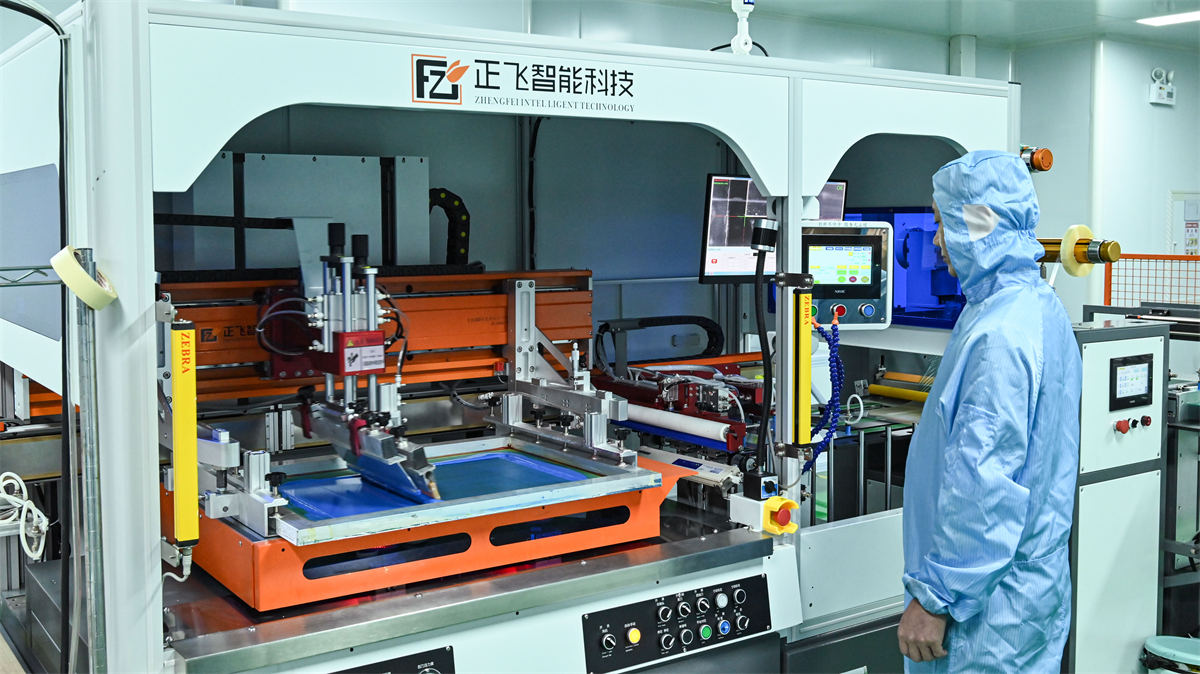
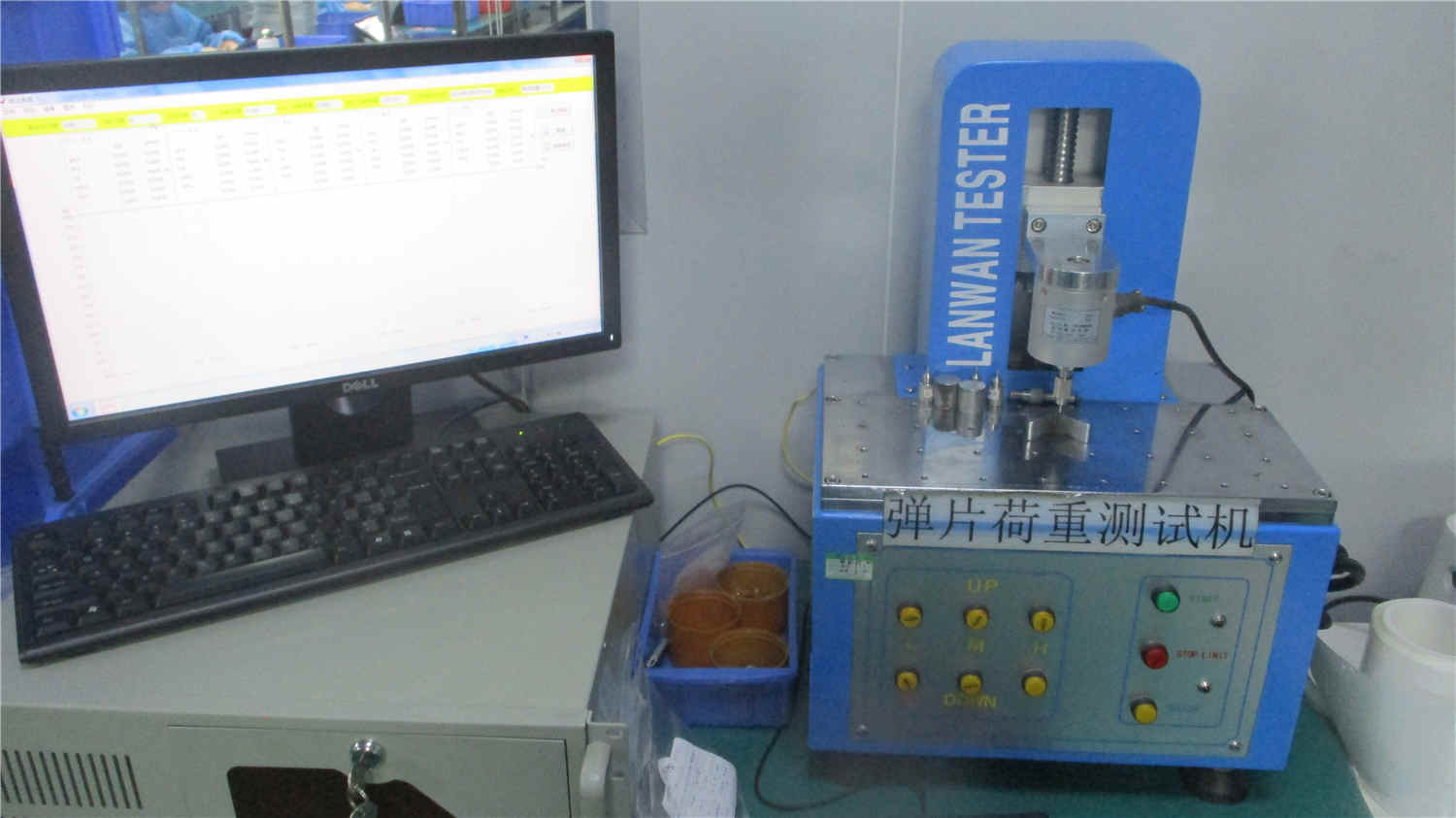
Every flexible circuit board, graphic overlay, and metal dome array project follows an exhaustive 7-step quality control pipeline: from CAD/CAM DFM reviews, climate-controlled screen printing, and CCD optical drilling to automated dome placement and multi-parameter reliability testing.

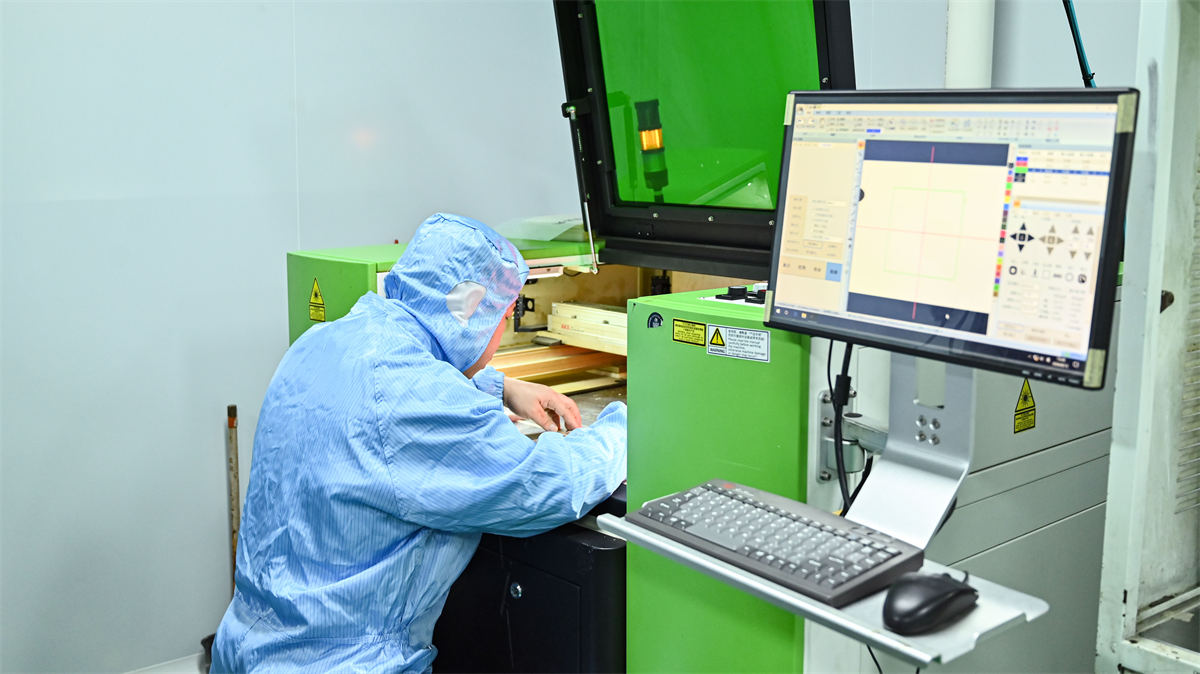
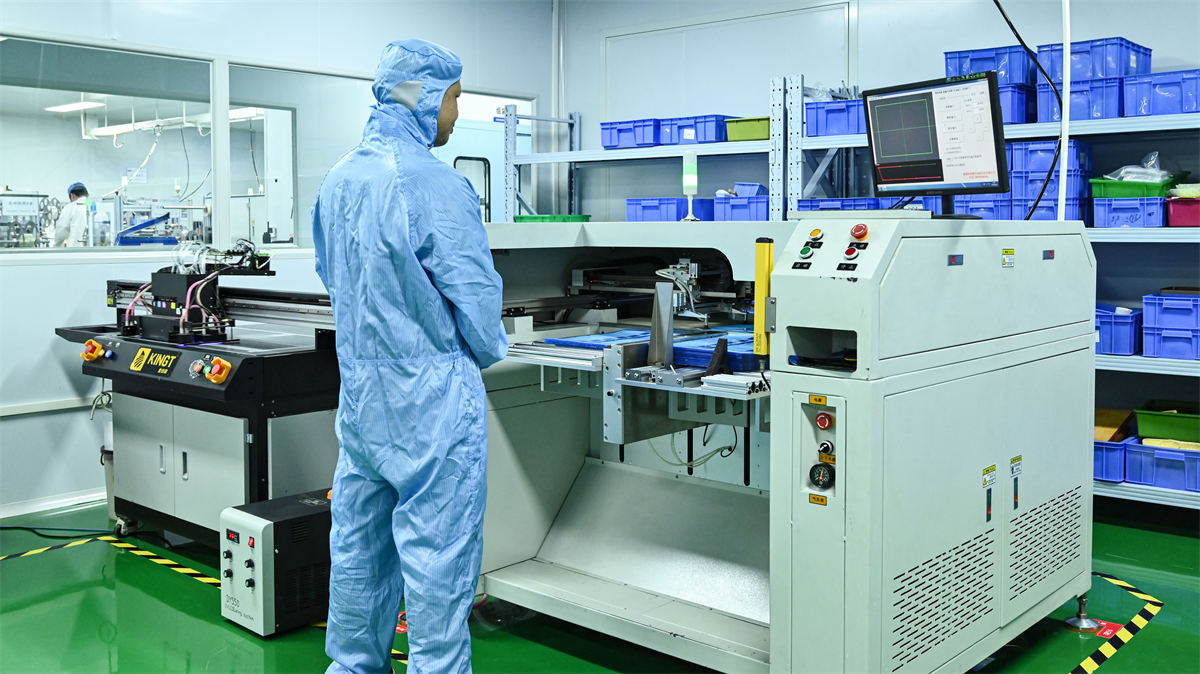
Direct Photographic Evidence from Our Production Workshop & Test Lab
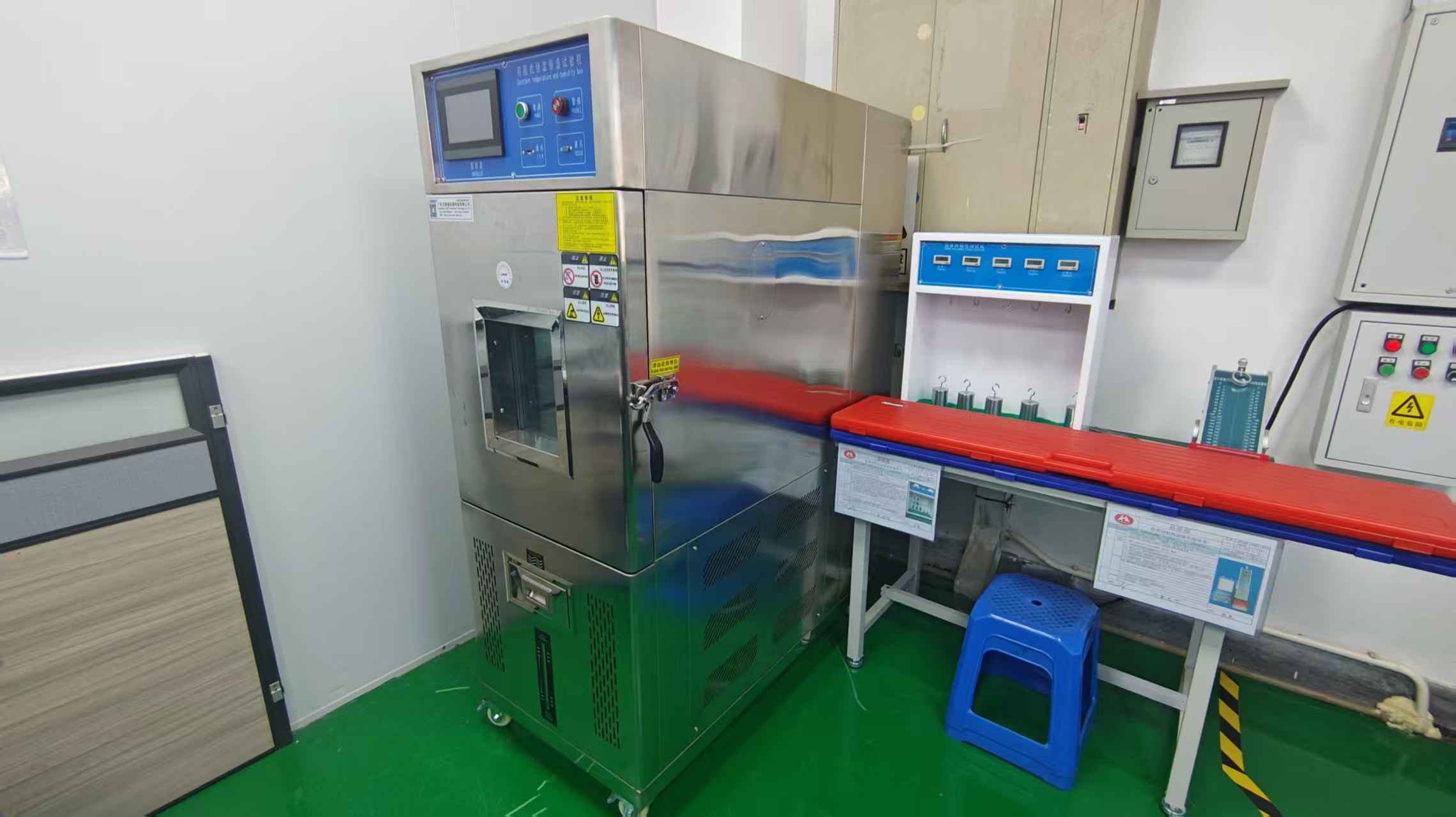
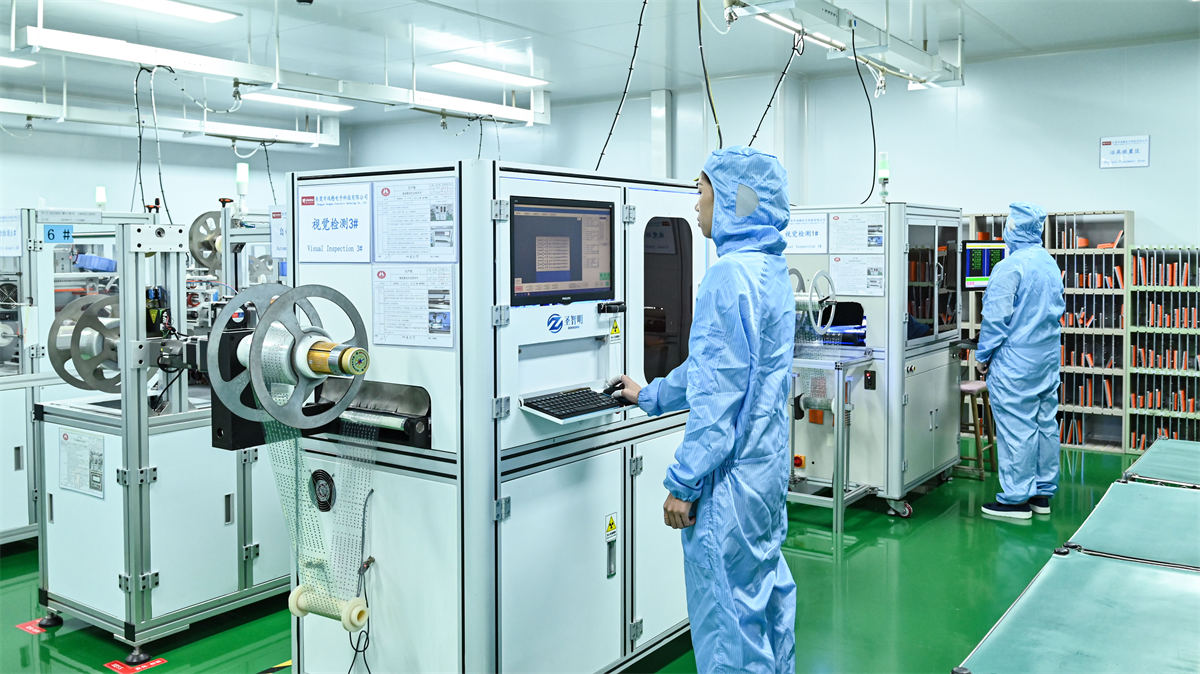

SGS Onsite Verified
Complete manufacturing facility, equipment capacity, and staff audited by SGS Group.
ISO 9001:2015 QMS
Certified quality management across materials inspection, in-line process, and lot tracing.
CE & RoHS Certified
Full conformance to European electromagnetic compatibility and material safety directives.
Trade Assurance
Protected transactions, guaranteed delivery schedules, and verified buyer reviews worldwide.
Frequently Asked Questions: Sourcing Flex Circuits from Wellington
Direct answers for hardware design engineers, sourcing managers, and NPI project leads across the Wellington region.
Does your factory supply rapid prototypes for hardware startups in Wellington and Petone?
Yes. We actively support New Zealand hardware incubators, research labs, and product development consultancies. For prototype qualification, our minimum order quantity starts as low as 10 to 50 pieces for custom membrane keypads and flex circuit prototypes. Our laser-cutting and digital prepress plotting lines allow rapid sample production in 5 to 7 working days without costly hard tooling, allowing Wellington engineering teams to validate ergonomics and mechanical fit before committing to volume hard tooling.
How do CE-certified circuits streamline New Zealand RCM and AS/NZS compliance?
Under the New Zealand Radio Communications (Radio Standards) Notice and electrical safety regulatory frameworks, components built to European CE standards (EN 55032 / EN 55035 / EN 61000-6 series) share equivalent test methodologies with Australasian AS/NZS CISPR standards. Because our flexible circuits provide certified flame retardancy (UL 94), verified electromagnetic shielding, and RoHS material compliance, your end device achieves regulatory approval via the New Zealand EESS and RCM compliance pathways significantly faster and with lower test lab expenses.
What logistics options and transit times apply for deliveries to Wellington?
We provide streamlined global logistics directly from our Dongguan facility. Urgent prototype shipments and high-value NPI runs are dispatched via DHL Express, FedEx Priority, or air cargo directly into Wellington International Airport (WLG) or via Auckland (AKL) transit in 3 to 5 business days, fully customs cleared under New Zealand tariff codes. For full-scale containerized mass production, ocean freight sails from Shenzhen/Guangzhou ports to CentrePort Wellington (or MetroPort Auckland) in approximately 16 to 22 days door-to-door (DDP terms available).
How do you ensure circuit reliability against Wellington's salty maritime atmosphere?
Wellington's coastal wind-driven salt spray is notoriously corrosive to exposed copper and silver traces. To combat silver migration and galvanic oxidation, we employ a three-tier defensive strategy: (1) Total encapsulation of conductive silver traces with a screen-printed dielectric UV barrier and polymer overcoat; (2) Gold-flashed or nickel-plated SUS301 stainless steel domes with passivated contact faces; and (3) Continuous perimeter perimeter sealing using 3M high-tack moisture barrier adhesives that prevent ambient moisture ingress even under cyclic atmospheric pressure shifts.
What engineering design files are required to issue an accurate DFM review and quotation?
To deliver an exhaustive Design for Manufacturability (DFM) assessment within 24 hours, our engineering department requests your CAD layout files (Gerber RS-274X, DXF, DWG, or STEP 3D), graphic artwork vector files (Adobe Illustrator .AI or vector PDF with specified Pantone solid coated color codes), circuit schematic with pinout assignment, desired tactile actuation force (e.g., 280g, 350g, 420g), and anticipated annual usage volume. An NDA can be countersigned prior to design transmission to protect proprietary IP.
Can you integrate surface-mount LEDs and active components onto the flexible substrate?
Yes. Our automated SMT placement lines utilize anisotropic conductive adhesives (ACA) or low-temperature lead-free solder pastes to mount ultra-miniature 0603, 0805, and 1206 bi-color and single-color LEDs, photodiodes, resistors, and thermistors directly onto flexible PET and polyimide circuits. Each soldered joint is subsequently encapsulated with UV-curable structural polymer to ensure vibration immunity under rugged operational conditions.
Partner with a World-Class Flexible Circuit Manufacturer
Elevate your next electronic hardware design with certified quality, competitive direct-factory pricing, and complete in-house engineering support for the Wellington market.