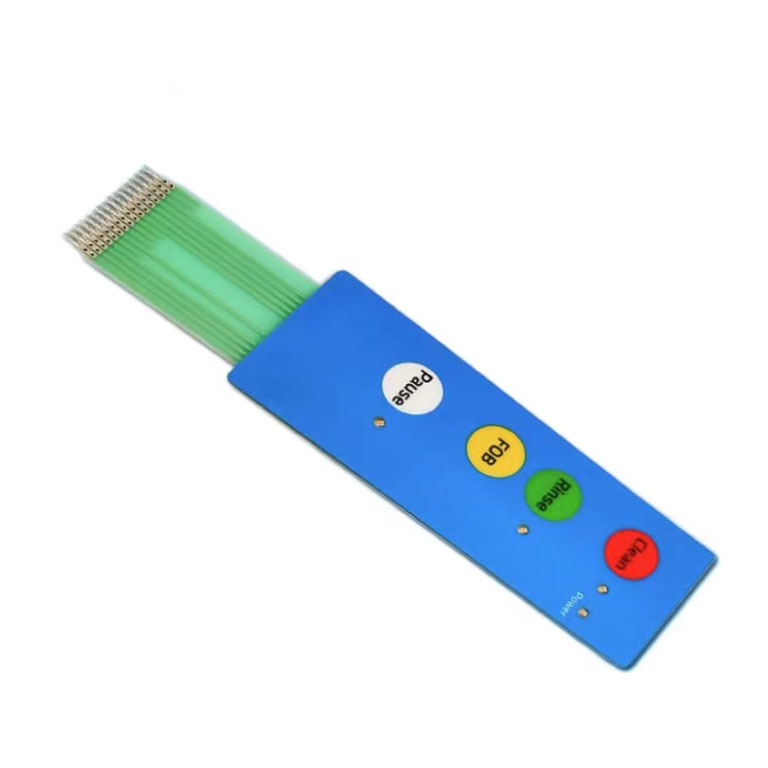
Electronic Toy Film Circuit Membrane Switch Waterproof Button
High-flexibility PET film matrix circuit with waterproof perimeter sealant and screen-printed silver conduction tracks.
Explore SpecificationsBespoke membrane switch solutions manufactured strictly according to IPC-2221, ASTM, and CE directives, engineered to serve mechanical and electrical equipment integrators across Porto, Vila Nova de Gaia, and Maia.
High-flexibility PET film matrix circuit with waterproof perimeter sealant and screen-printed silver conduction tracks.
Explore Specifications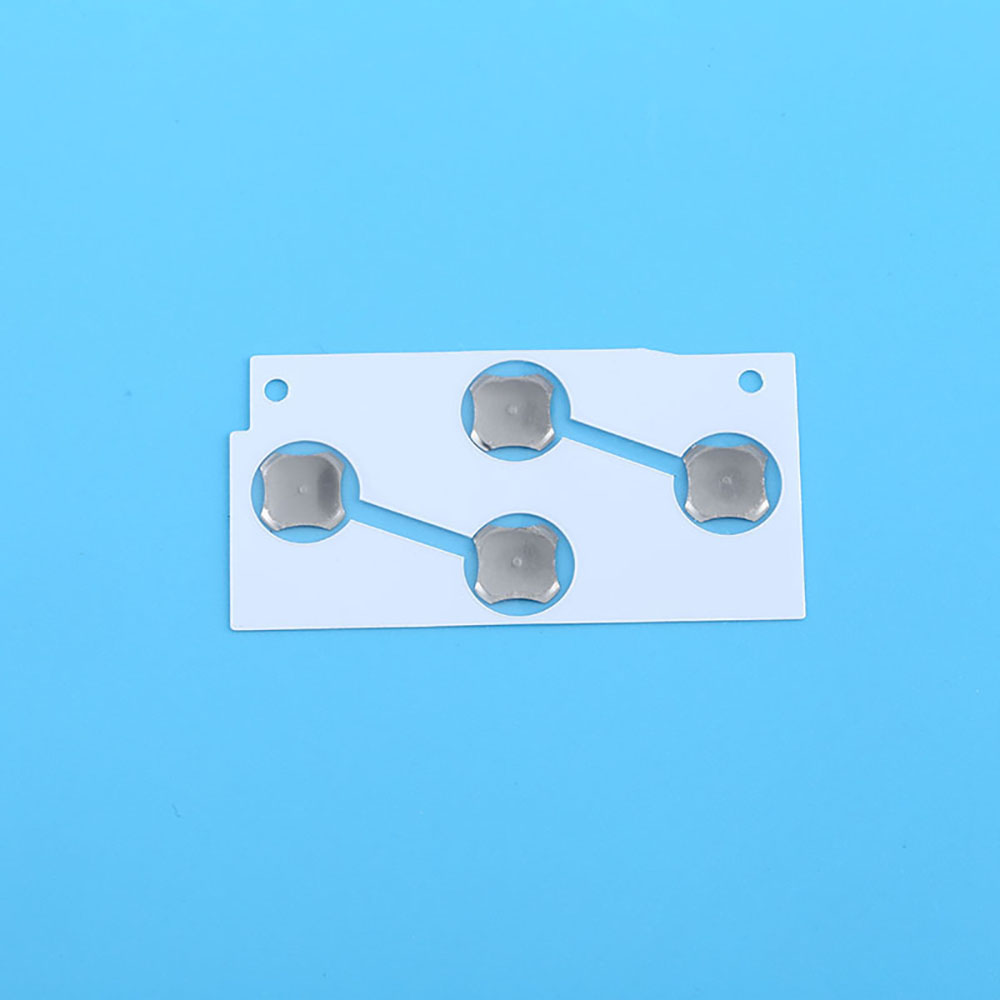
Pre-loaded SUS301 stainless steel domes on transparent carrier tape, delivering definitive tactile feedback over 1,000,000 actuations.
Explore Specifications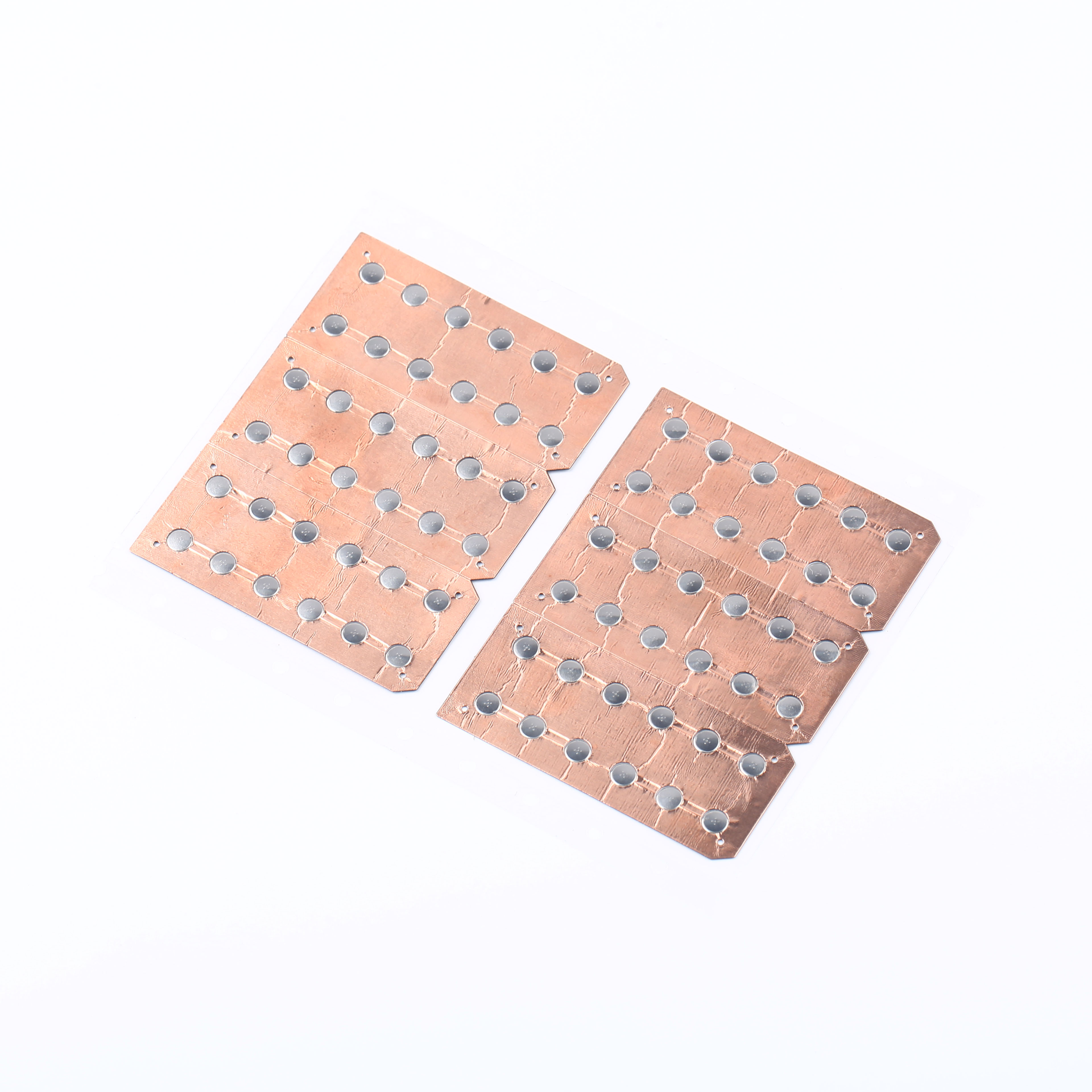
Enhanced EMI/RFI shielding integrated directly with round snap domes and high-adhesion copper backings for medical instruments.
Explore Specifications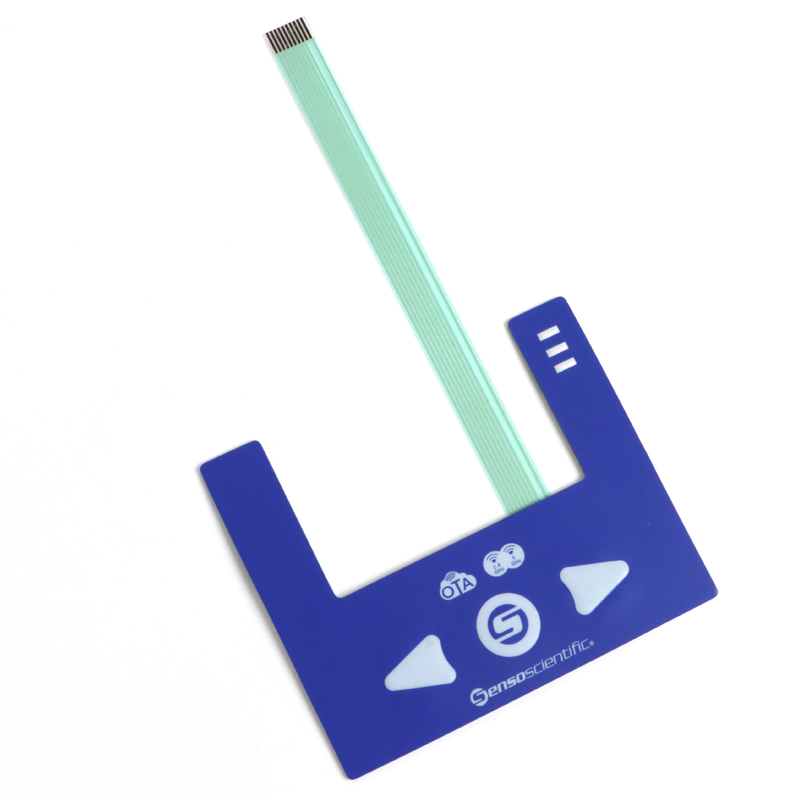
Surface-mounted miniature LEDs embedded within the spacer layer, paired with polycarbonate anti-glare graphic overlays.
Explore Specifications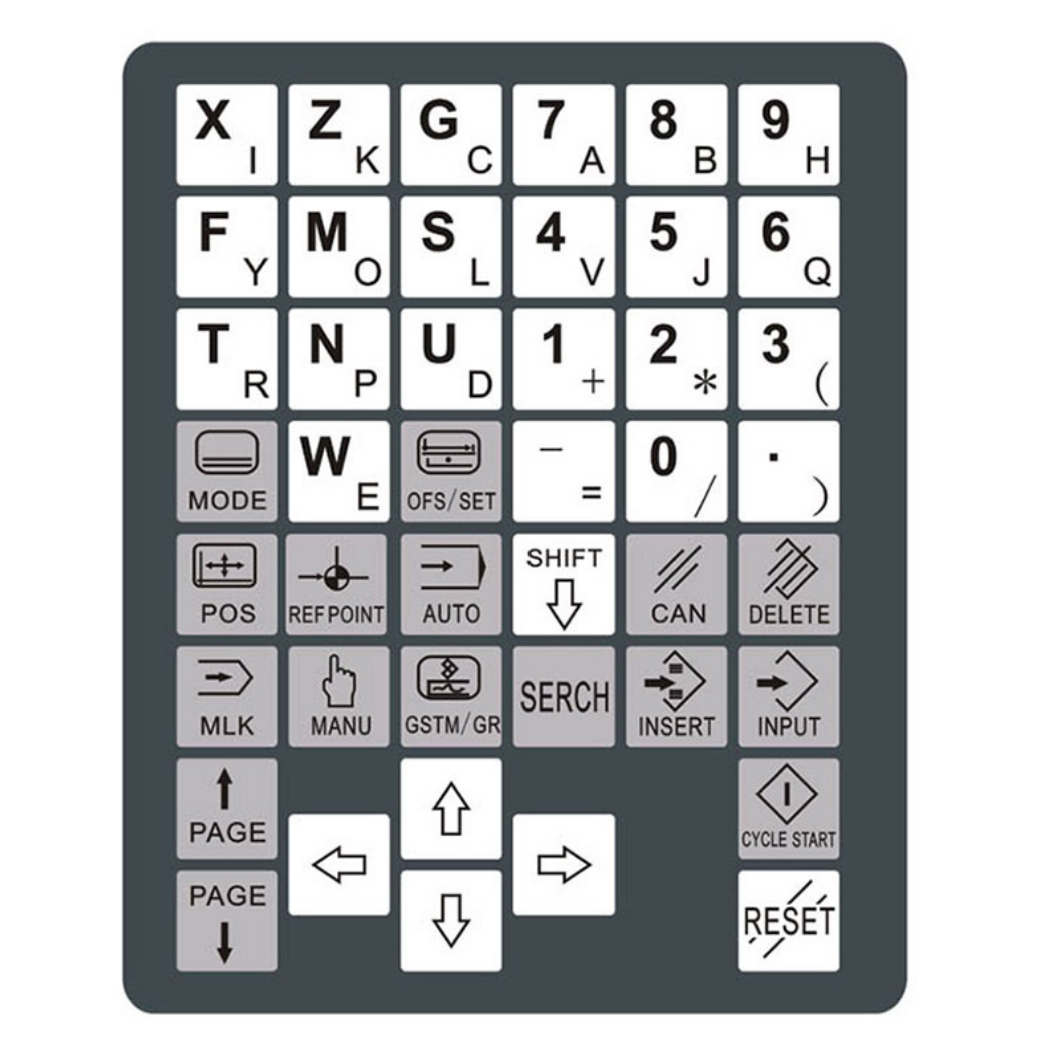
Weatherproof, hydrocarbon-resistant Autotex PET front panel designed for extreme UV, maritime air, and heavy continuous industrial cycle usage.
Explore Specifications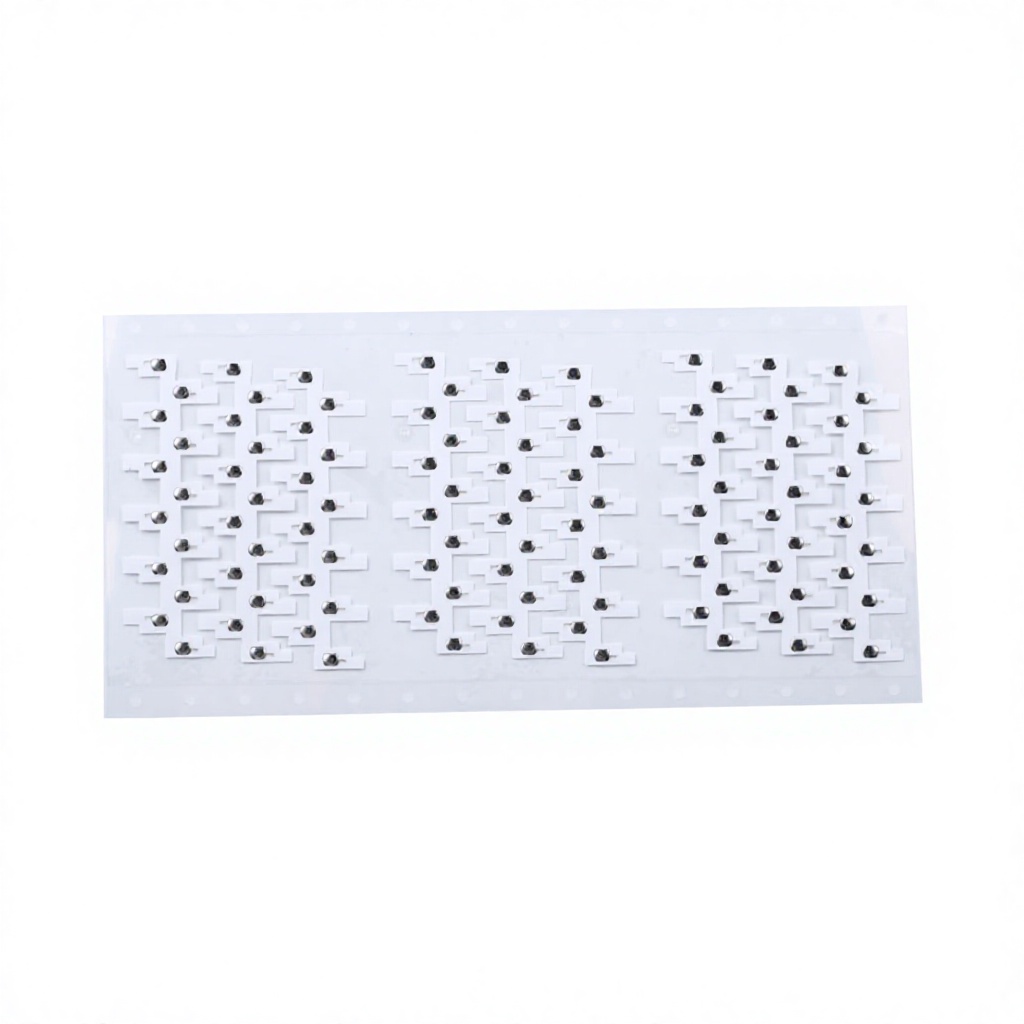
Engineered for tight mechanical housings, handheld telemetry, and portable diagnostic controllers requiring ultra-thin cross-sections.
Explore Specifications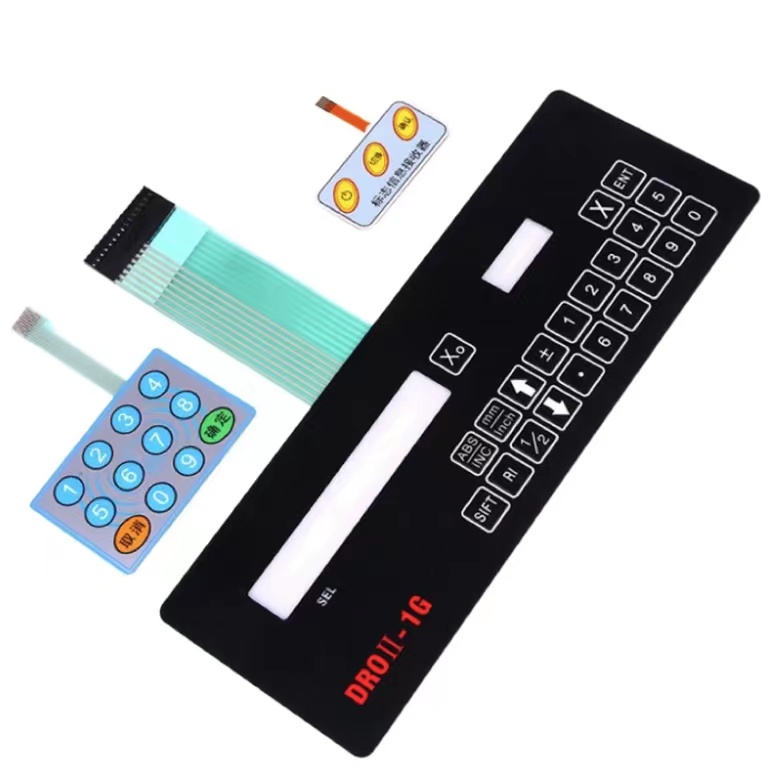
Sub-surface screen-printed Autotype polyester overlays offering IP65/IP67 ingress ratings against washdowns, acids, and industrial solvents.
Explore Specifications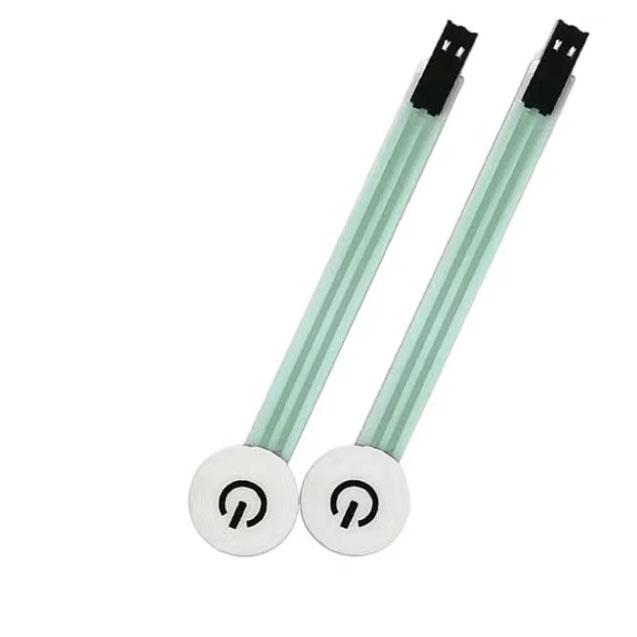
Compact, durable single-point tactile actuation switch featuring 3M 467MP adhesive for emergency triggers, push-to-talk, and power controls.
Explore SpecificationsThe Greater Porto industrial corridor—encompassing key production and technology centers such as Matosinhos, Maia, Vila Nova de Gaia, and the tech hub of UPTEC—has undergone a massive transformation. As Portugal reinforces its standing as an advanced manufacturing and engineering powerhouse in Southwestern Europe, regional original equipment manufacturers (OEMs) and contract electronics manufacturers (EMS) face an increasing demand for sophisticated Human-Machine Interfaces (HMIs).
Industrial control cabinets, specialized viticulture instrumentation in the Douro basin, automated cork processing machinery in Santa Maria da Feira, and marine navigation electronics stationed around the Port of Leixões demand CE-certified, IP67-rated user interfaces. These keypads must withstand demanding environmental conditions: saline coastal atmosphere, rapid ambient temperature shifts, aggressive cleaning agents, and high mechanical fatigue cycles.
| Interface Parameter | Polyester (Autotex PET) Stack | Polycarbonate (Lexan PC) Stack | Capacitive Hermetic Glass/Film |
|---|---|---|---|
| Mechanical Life Expectancy | >5,000,000 switch cycles | ~100,000 switch cycles | Solid-state (Virtually unlimited) |
| Chemical / Solvent Resistance | Exceptional (Alcohols, MEK, Cleaning Alkalis) | Moderate (Vulnerable to harsh aromatic solvents) | Total Hermetic Inertness |
| Porto Maritime Humidity Resilience | IP67 / IP68 with 3M 200MP / 300LSE adhesive | IP65 (Adequate for internal climate control) | IP69K Waterproof Submersible |
| Tactile Feedback Performance | High snap ratio via SUS301 metal snap domes | Embossed poly-domes or flat micro-switches | Haptic vibration or audio cue integration |
| Cost Profile vs. Customization | Optimal for medium to high volume serial builds | Economical for prototypes and display lenses | Higher initial tooling, ultra-modern aesthetics |
Engineered to satisfy stringent electromagnetic compatibility (EMC) regulations and industrial directives throughout European supply networks.
Textile mills around Guimarães, Famalicão, and Santo Tirso require custom input switches immune to continuous airborne particulates, lubricants, and static discharge. Our multi-layer PET membrane keypads utilize electrostatic discharge (ESD) shield layers with foil grids grounded through the tail, terminating easily in standard 2.54mm or 1.0mm pitch connectors.
With Porto's biomedical sector expanding around São João Hospital and university tech incubators, we supply anti-microbial textured polyester front panels. Chemical-resistant graphic overlays withstand daily wipe-downs with chlorhexidine, isopropyl alcohol, and sterilizing sprays without graphic fading or overlay delamination.
Container handlers, maritime automation control consoles, and terminal yard monitoring setups in Matosinhos demand robust HMI keyboards. Our ruggedized fuel-dispenser-grade keypads feature UV-stabilized clear windows, double perimeter gas sealing, and internal vent paths that prevent pressure fluctuations from causing phantom switch actuations.
Technological advancement within Industry 4.0 and smart logistics is redefining operator interface requirements.
Replacing mechanical action with solid-state capacitive touch foil assemblies, permitting backprinted monolithic glass or PMMA fascias that eliminate crevices for pristine hygienic environments.
Ultra-thin LGF backlighting spreads lighting across wide keypad surfaces using side-firing LEDs, reducing battery drain and generating balanced luminance across complex graphical schematics.
Printed conductive aluminum/copper foils and carbon grid barriers prevent mutual interference between the keypad matrix and dense high-frequency wireless communications inside industrial enclosures.
Upgrading from printed silver circuitry to polyimide copper-clad FPC tracks allows fine-pitch connectors (down to 0.5mm), denser trace routing, and direct surface mounting of LEDs and IC drivers.
Combining complete vertical production in Dongguan with dedicated global engineering support, meeting the stringent standards of European mechanical systems manufacturers.
No outsourced production desk. Our 2,600㎡ facility handles screen printing, die-cutting, laser profiling, CCD optical drilling, automatic dome placement, and comprehensive electrical continuity testing under one roof.
Operations are structured around rigorous ISO 9001 quality management procedures. Our production infrastructure, capacity, and workforce have been verified directly through independent onsite audits by SGS Group.
Every keypad batch undergoes extensive testing: dome snap force testers, high/low temperature environmental cycles (-40°C to +85°C), peel tack tension machines, and pencil hardness surface testing.
Direct technical answers addressing international logistics, compliance standards, and prototyping requirements.
Membrane switches act as passive sub-assemblies inside electrical systems. Under EU directives, our keypads are manufactured with raw materials strictly conforming to RoHS 3 (Directive 2015/863/EU) and REACH standards. We supply comprehensive Material Declarations and CoCs (Certificates of Conformance), enabling your end product to clear Portuguese customs and successfully fulfill complete CE marking declarations without regulatory obstacles.
We work directly from native CAD files (DXF, DWG, STEP) or vector graphics (Adobe Illustrator, Vector PDF, CorelDraw). Ensure mechanical drawings clearly annotate dimensional tolerances, cutouts, tail location, pin assignment, and specific Pantone or RAL color codes. Our engineering team reviews the DFM (Design for Manufacturability) stack within 24 hours to confirm proper embossing clearance and tail bend radiuses.
Yes. We understand that industrial instrumentation projects often need validation before committing to mass production. We support pilot orders ranging from 10 to 100 units for graphic overlays and membrane keypads, and 1,000 units for metal domes. Our digital plotting and precision laser-cutting capabilities allow us to produce rapid functional samples without costly initial hard tooling dies.
To eliminate moisture ingress and corrosion of printed conductive traces, we utilize complete hermetic sealing boundaries with premium pressure-sensitive adhesives, primarily 3M 467MP or 3M 468MP. Additionally, silver conductive traces are covered with protective carbon coatings or conductive UV dielectric seal layers, eliminating the risk of silver migration under high relative humidity conditions.
Prototyping typically takes 7 to 10 working days following final engineering drawing sign-off. Mass serial production generally completes in 2 to 3 weeks depending on complexity. Shipments to Francisco Sá Carneiro Airport (OPO) via air express (DHL/FedEx/UPS) take approximately 3 to 5 business days, guaranteeing dependable schedule integration for manufacturing sprints.
For industrial machinery and repetitive cycling, Autotex PET (Polyester) is definitively recommended. It withstands over 5,000,000 mechanical switch cycles without developing surface micro-cracking, whereas PC begins showing stress cracking around 100,000 cycles. PC remains an excellent, cost-effective solution for static lenses, non-flexing bezels, or internal consumer instruments.
Connect directly with our engineering department in Dongguan for design feedback, material selections, and rapid quotes tailored to your exact enclosure specifications.
Get Catalog