Featured Capacitive Touch & Interface Solutions
High-reliability switch modules, tactile dome arrays, and custom graphic panels built to withstand extreme mechanical cycles and highland environments.

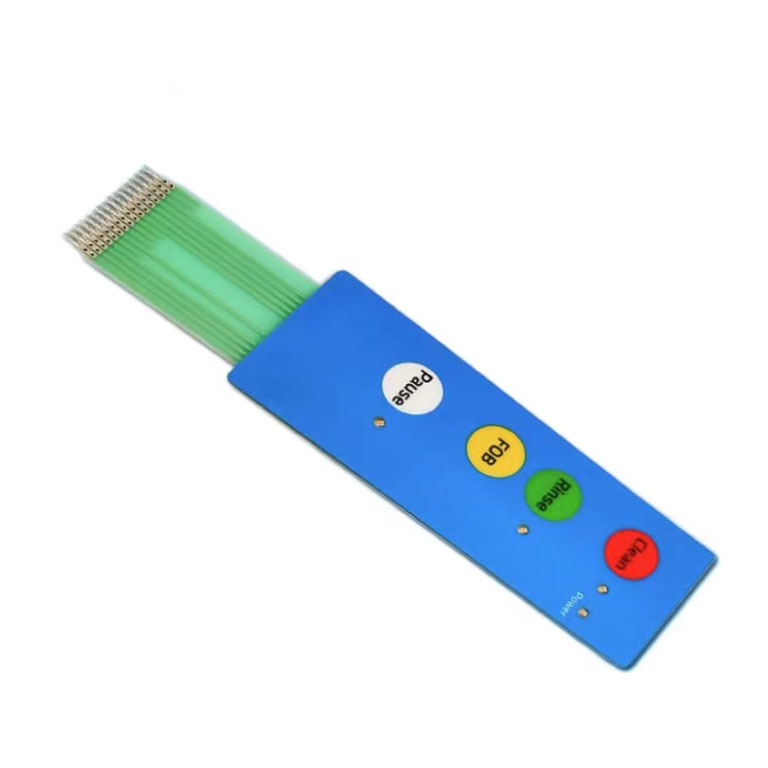
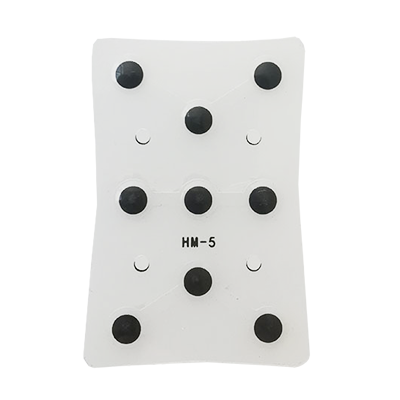
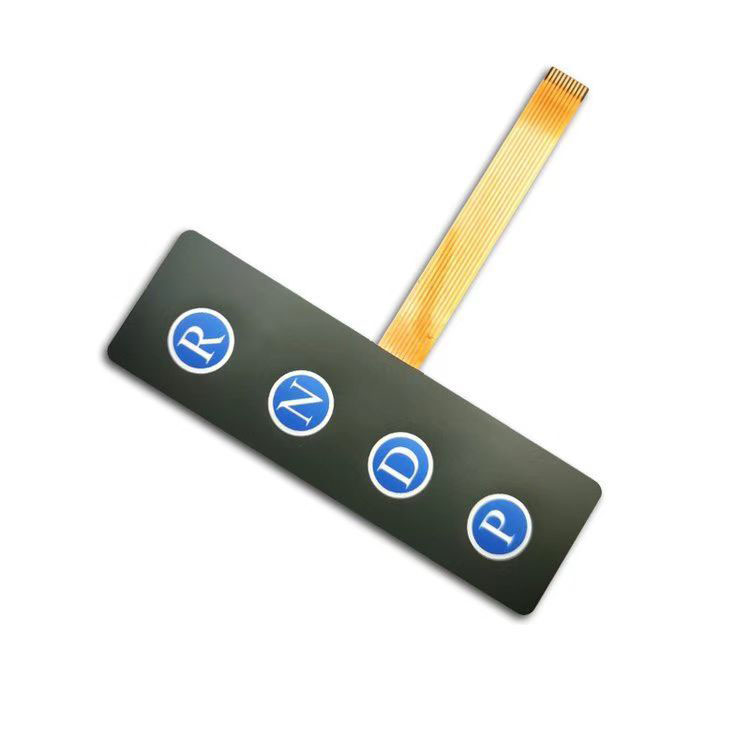
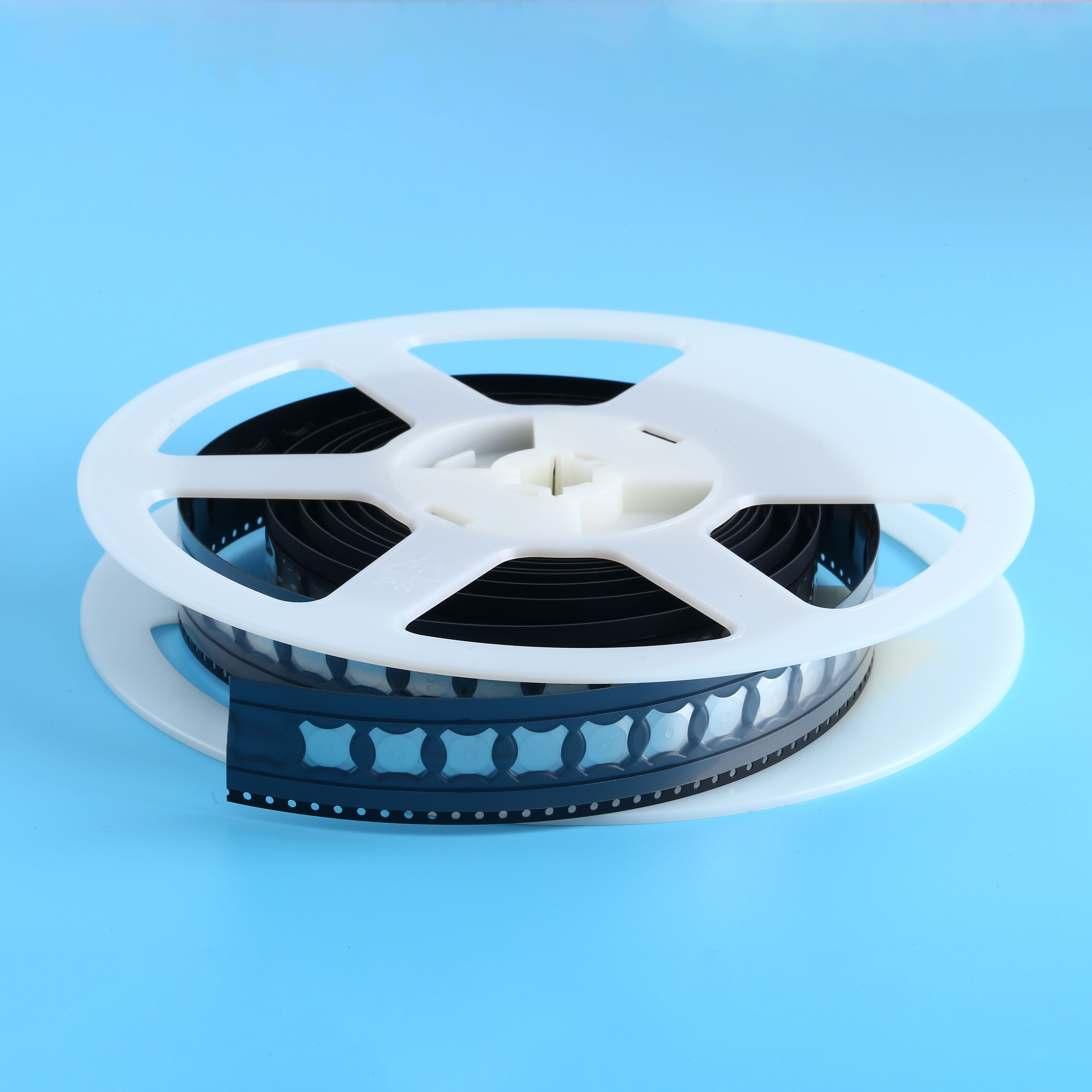
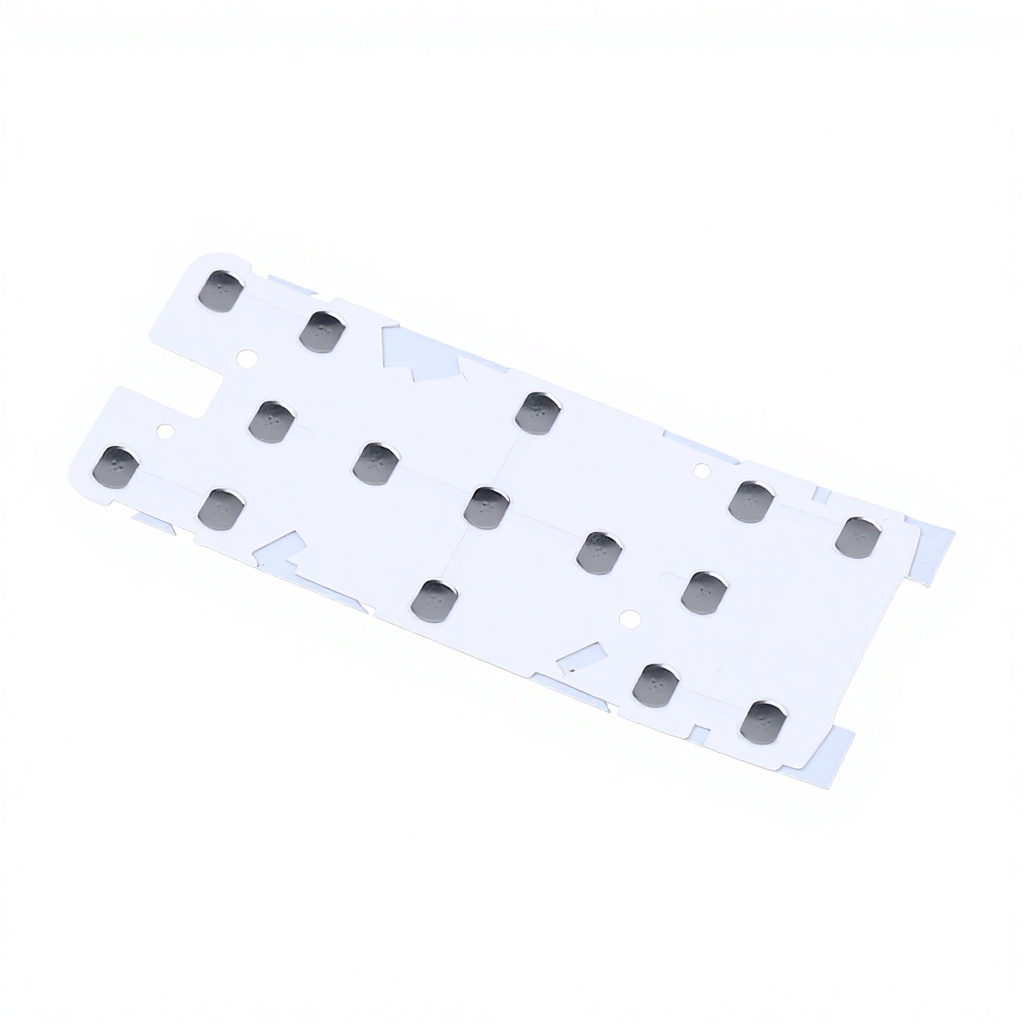
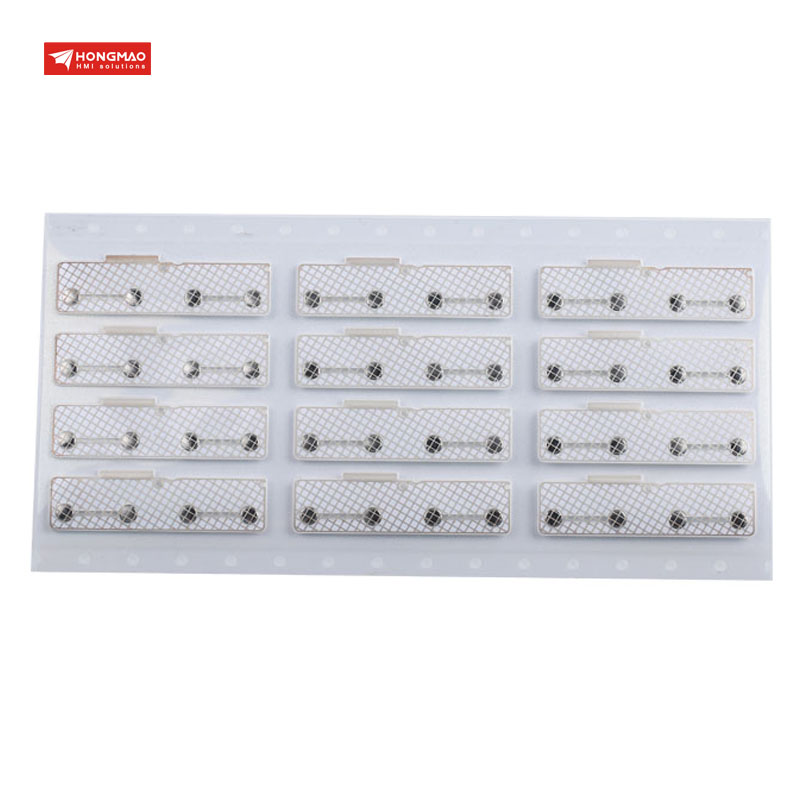
Engineering Whitepaper: Capacitive Touch Button Technologies in Harsh Industrial Climates
Modern Human-Machine Interfaces (HMIs) operating in ruggedized, remote environments demand complete immunity to mechanical fatigue, ingress vulnerabilities, and dynamic humidity spikes. As the primary commercial and logistics nerve center of the Western Highlands in Papua New Guinea, Mount Hagen serves as a focal distribution point for heavy mineral operations, massive coffee milling infrastructure, civil construction, and logistics networks. Industrial systems installed across these highland corridors operate at elevations near 1,700 meters, subjecting electronics to high precipitation, intense ambient humidity variations, rapid temperature shifts between day and night, and heavy particulate fallout from road transit and agro-processing.
Under these stringent environmental requirements, conventional mechanical switches featuring moving contact plates inevitably face oxidation, ingress-induced contact bouncing, and premature spring fatigue. A solid-state capacitive touch button architecture replaces mechanical displacement with a non-contact dielectric sensing matrix, creating a zero-gap, hermetically sealed control surface that completely prevents moisture intrusion, dust contamination, and particulate abrasion.
Dielectric Theory and Substrate Selection for Mount Hagen's Environment
A capacitive touch sensor functions through the continuous measurement of electrical capacitance between patterned conductive electrodes printed upon an underlying substrate (such as chemically stabilized Polyethylene Terephthalate [PET] or rigid FR4/Polyimide flexible circuits) and the surrounding ground plane. When an operator's finger approaches the overlay surface, the human body's intrinsic electrical conductivity alters the local dielectric field, creating a measurable mutual or self-capacitance delta (ΔC):
C = (εr × ε0 × A) / d
Where εr represents the relative permittivity of the graphic overlay material, ε0 is the vacuum permittivity constant, A corresponds to the electrode surface area, and d designates the exact thickness of the non-conductive overlay lens. For procurement engineers operating out of Mount Hagen and Western Highlands projects, substrate selection determines operational lifespan:
- Biaxially Oriented Polyethylene Terephthalate (Autotype PET): Superior chemical resistance against agricultural solvents, coffee pulping acids, diesel fuels, and industrial grease, coupled with extreme flex endurance exceeding five million actuations without micro-fracturing.
- Optical Polycarbonate (PC): Selected primarily for decorative enclosures requiring high dimensional stability, crisp laser engraving, and deep thermoforming, though requiring UV-stabilized top-coats for external highland solar exposure.
- Shielded Flexible Printed Circuits (FPC): Etched copper conductors embedded between polyimide sheets, delivering lower circuit impedance, narrow trace pitch, and integrated surface-mount capacitive IC controllers directly behind the touch interface.
| Interface Technology | Ingress Rating Potential | Actuation Life Expectancy | Cleaning / Decontamination | Highland Environment Resilience |
|---|---|---|---|---|
| Solid-State Capacitive Touch | IP67 / IP68 / IP69K (Completely Solid) | Unlimited (No moving mechanical parts) | Seamless flush wipe-down; resistant to caustics | Outstanding; zero oxidation or dust ingress risks |
| Tactile Metal Dome Membrane | IP65 (Gasket & Adhesive Dependent) | 1,000,000 to 5,000,000 cycles | Embossed surface; moderate seam cleaning | Excellent tactile feel; requires vent balance channel |
| Mechanical Pushbuttons | IP40 to IP54 (Rarely IP65 prolonged) | 50,000 to 250,000 cycles | Recessed bezels collect dust, grit, and liquids | Prone to internal switch contact fouling and grit jamming |
Noise Suppression, Grounding, and Water-Immunity Firmware Integration
The primary engineering hurdle when integrating capacitive switch sensors within high-humidity installations like Mount Hagen is distinguishing between a deliberate human touch and the pooling of water droplets or film condensation. In wet processing plants—such as local tea factories or highland hydro-turbines—surface condensation creates parasitic capacitance that can generate false triggers in poorly calibrated circuits.
Cevra combats this via tuned electrode geometries, such as concentric driven-shield rings, paired with advanced tracking firmware that monitors rate-of-change thresholds. Ground planes printed on the reverse side of double-sided arrays (utilizing SUS301 stainless shields or cross-hatched conductive silver meshes) neutralize electromagnetic interference (EMI) originating from industrial variable frequency drives (VFDs), heavy diesel generators, and unstable grid lines common in regional Highland installations.
Mount Hagen Application Scenarios
Custom-engineered capacitive touch controls configured for high-altitude humidity, agro-industrial processing, and heavy mechanical service across Papua New Guinea's Western Highlands corridor.
Coffee & Tea Agro-Processing Equipment
The Wahgi Valley surrounding Mount Hagen represents one of the world's most pristine coffee production belts. Coffee pulping, washing, sorting, and roasting facilities require HMI controllers that endure high pressure washing, airborne organic acid mists, and fine grain particulates without degrading or permitting internal circuit shorting.
Highland Mining & Mineral Extraction Logistics
As the primary staging ground for the Porgera gold mine and regional exploration sites, Mount Hagen operations demand extreme-durability interfaces for diagnostic gear, fuel dispensing systems, slurry pump controls, and drill telemetry dashboards capable of continuous operation despite intense shock, vibration, and mud exposure.
Public Vending, Infrastructure & Commercial Kiosks
Mount Hagen's central trade points, regional healthcare clinics, and commercial telecom hubs leverage vandal-resistant, IP68-rated capacitive touch panels. With no moving pushbuttons to mechanically jam or lever open with tools, solid-state capacitive overlays resist tampering while maintaining optical clarity for back-lit LED signaling.
Highland Digitalization Trends: Transitioning from Mechanical to Capacitive Interfaces
As modernization projects sweep the Highlands Highway corridor, equipment operators in Mount Hagen are actively phasing out outdated, electro-mechanical toggle arrays and rubber elastomer keypads in favor of monolithic capacitive touch interfaces. Several structural factors drive this regional industrial evolution:
1. Elimination of Seal Deterioration via High UV and Thermal Cycling
Mount Hagen's high elevation yields elevated ultraviolet radiation indices combined with steep day-to-night thermal swings. Traditional rubber keypads and silicone pushbuttons undergo rapid plasticizer migration, leading to brittleness, micro-tearing, and eventual gasket collapse. Hermetically laminated capacitive overlays using hard-coated Autotype polyester films offer exceptional resistance against solar yellowing and thermal embrittlement.
2. Integrated LED and Light Guide Film (LGF) Backlighting
Continuous processing operations—particularly in continuous coffee drying mills and overnight road freight depots—require clear low-light interface legibility. Capacitive sensor arrays manufactured with integrated Light Guide Films (LGF) or side-firing LEDs provide razor-sharp key perimeter backlighting with negligible power consumption, drawing directly from low-voltage DC industrial supplies without generating excess internal enclosure heat.
3. Hygenic and Anti-Microbial Surface Requirements
Regional health infrastructure, such as Mount Hagen General Hospital and regional provincial clinics, are upgrading patient monitoring and laboratory diagnostics. Capacitive panels create completely unbroken outer planar surfaces devoid of crevices, enabling fast, rigorous wipedowns using hospital-grade isopropyl alcohols and chlorine solutions without risking fluid entry behind key caps.
Why Global & Regional OEMs Partner with Cevra
Operating since 2009 in Dongguan with 2,600㎡ of in-house cleanroom fabrication, we combine direct Chinese factory pricing with world-class engineering precision.
16+ Years Direct Factory Track Record
Established in March 2009, Dongguan Cevra Electronic Technology Co., Ltd. is not an export broker. We manufacture every critical component in-house, including screen-printed silver traces, precision die-cutting, automated lamination, and SMT assembly.
SGS Audited & ISO 9001:2015 Certified
Our complete production infrastructure has undergone thorough onsite audit by the SGS Group. Full material traceability, documented quality assurance checklists, and strict incoming raw material inspections ensure defect-free mass deliveries.
Comprehensive Testing Laboratory
Every batch is subjected to rigorous internal laboratory validation: dome trip force curve testing, peel tension analyzers, high/low temperature environmental simulation cabinets (-40°C to +85°C), and 100% electrical circuit resistance testing.
Automated Precision Cleanroom Processing
Our workshop features high-speed CCD visual alignment drilling, fully automated layer-to-layer laminating machines, and class-rated cleanrooms that prevent dust inclusions between transparent windows and optical adhesives.
Flexible Prototyping to Volume Production
Whether you require a pilot prototype batch of 10 customized capacitive graphic panels for field-testing in Mount Hagen or volume orders of 100,000 metal dome arrays, we offer adaptive tooling, fast DFM turnaround, and competitive low MOQs.
Complete OEM / ODM Engineering Support
From converting customer CAD/DXF drawings into optimized layer stack-ups to selecting tailored 3M adhesive backings (such as 3M 467MP, 468MP, or 300LSE for low-surface-energy plastics), our dedicated engineering team delivers full turn-key assistance.
Frequently Asked Questions for Mount Hagen Procurement
Direct answers addressing freight logistics, technical design parameters, and customization workflows for buyers in Papua New Guinea.
How are custom switch orders safely shipped to Mount Hagen?
We provide full export-grade anti-static and moisture-barrier vacuum packaging designed to protect circuits during tropical maritime and highland transit. Shipments to Mount Hagen are regularly dispatched via air express (DHL, FedEx, UPS) directly into Kagamuga International Airport (HGU) or sea freight containerized to Lae Port with overland transit up the Highlands Highway.
Can capacitive switches function when operators wear work gloves?
Yes. Capacitive touch sensitivity can be tuned at the firmware and electrode level to detect proximity through industrial nitrile, latex, and medium-thickness leather work gloves. By adjusting sensor capacitance charging thresholds and overlay dielectric thickness, our engineering team ensures reliable triggering without requiring bare skin contact.
Which adhesive backing should be specified for high-humidity metal casings?
For powder-coated steel, die-cast aluminum, or polyolefin enclosures subjected to Mount Hagen's humidity, we strongly recommend 3M 468MP or 3M 300LSE adhesive transfer tapes. These adhesives provide superior peel adhesion, resist shear stress under continuous heat cycling, and prevent water ingress at panel borders.
What engineering files are needed to begin sampling?
Clients can supply structural vectors and graphic proofs in standard industrial formats: vector artwork in Adobe Illustrator (.AI), PDF, or EPS, along with mechanical outlines, drill points, and circuit routing in AutoCAD (.DXF, .DWG) or Gerber format. Our engineering team conducts a thorough DFM (Design for Manufacturability) review within 24 hours.
Ready to Engineer Your Custom Capacitive Touch Interface?
Connect directly with our senior application engineers to review your schematics, receive material stack-up recommendations, and obtain factory-direct quotes for your Mount Hagen installation.
Inquire Now