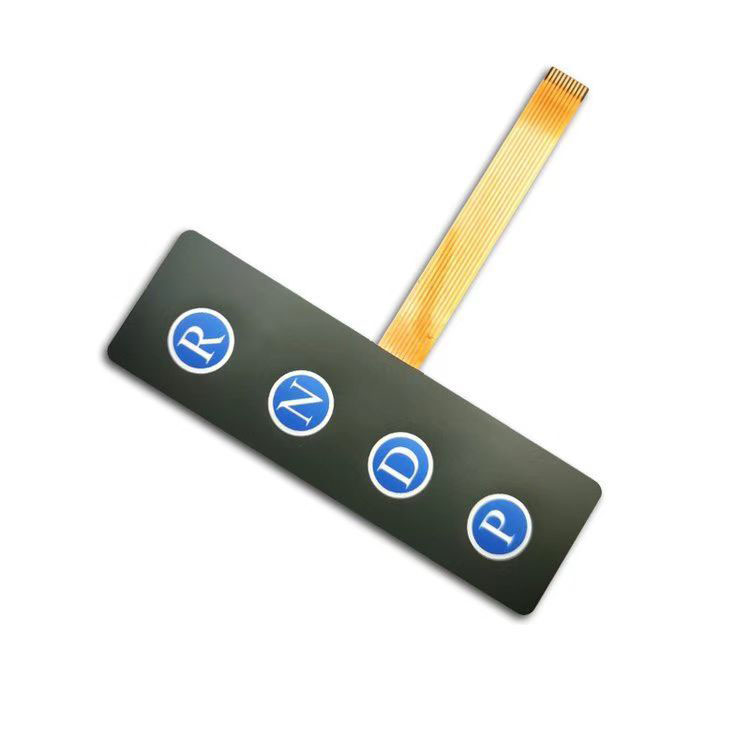
Embossing DIY Backlit 3 4 5 Button Touch Controller
Ultra-thin uniform light-guide film integration with poly-dome feedback designed for dim-light medical and control workstations.
Send an InquiryExamine our precision-machined HMI solutions configured for mission-critical medical diagnostics, ruggedized military interfaces, and resilient industrial control equipment.
Ultra-thin uniform light-guide film integration with poly-dome feedback designed for dim-light medical and control workstations.
Send an Inquiry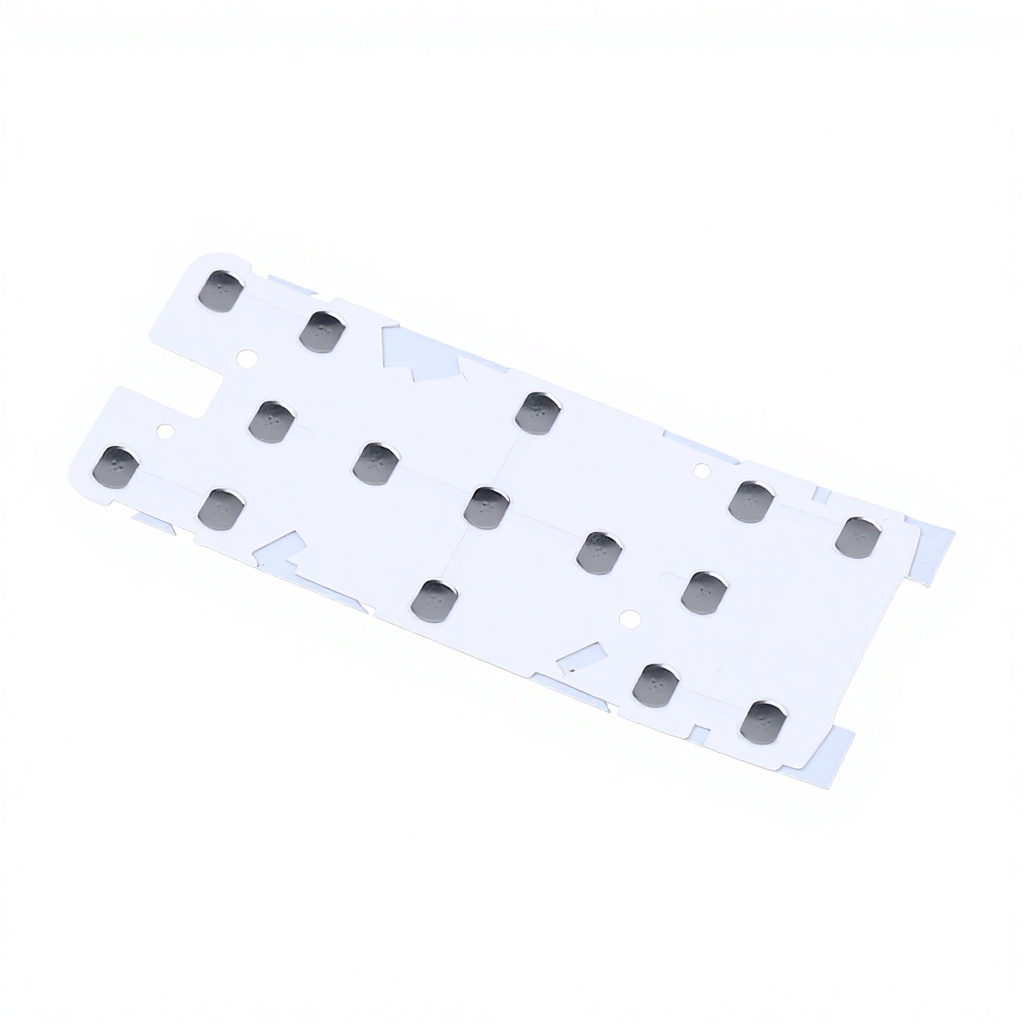
Single-layer SUS301 stainless steel dome configuration with micro-vent pressure channels for rapid moisture egress and crisp snap actuation.
Send an Inquiry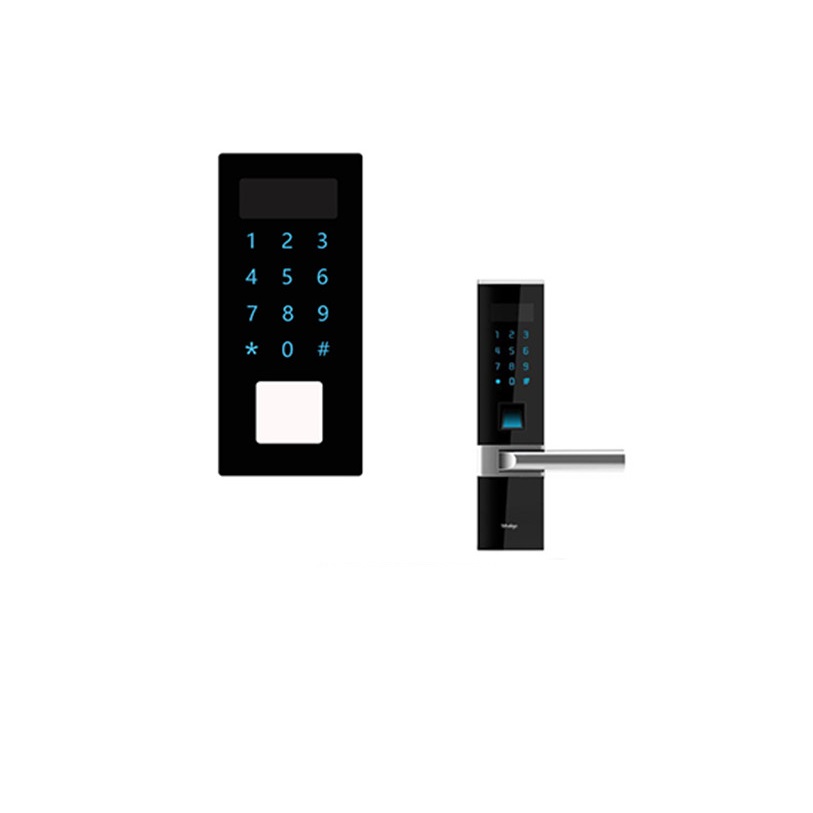
Solid-state capacitive interface overlaid with optical-grade PMMA panels, immune to external liquid ingress, dust, and continuous mechanical stress.
Send an Inquiry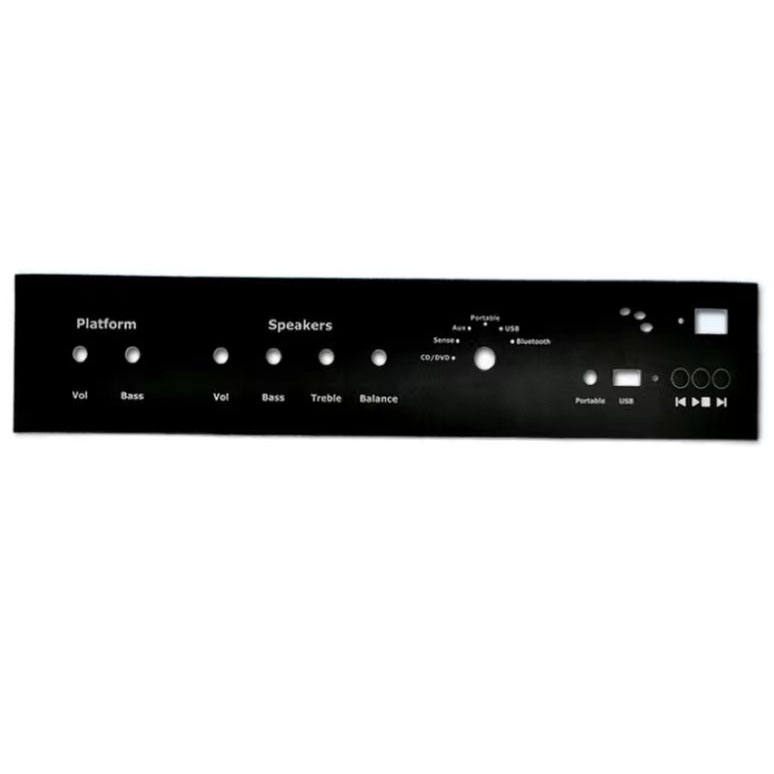
Chemically resistant textured surface paired with custom FPC connectors to withstand intense commercial detergent exposure and hot steam.
Send an Inquiry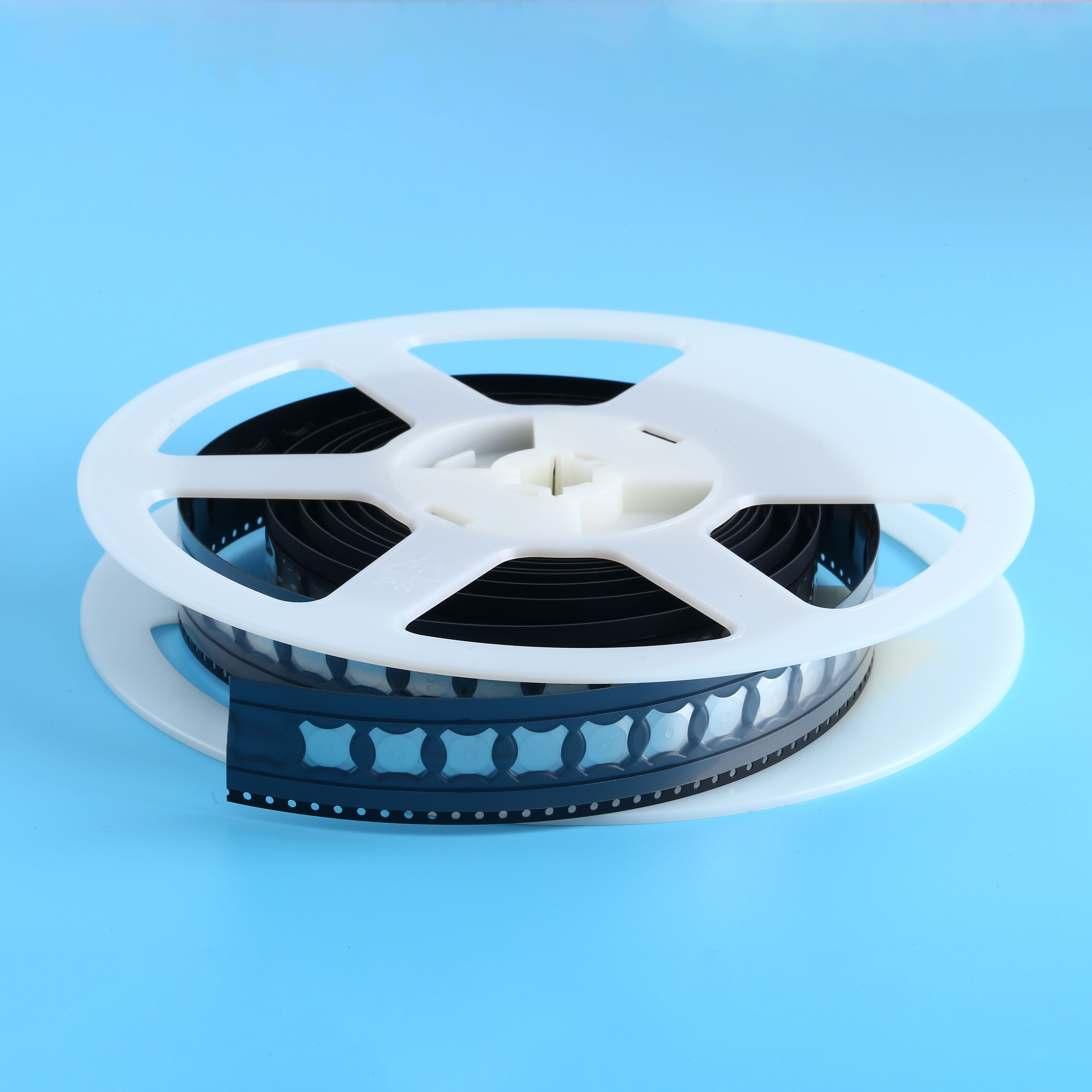
Optically transparent adhesive array with low-profile tactile domes offering minimal thickness for compact consumer remote controllers.
Send an Inquiry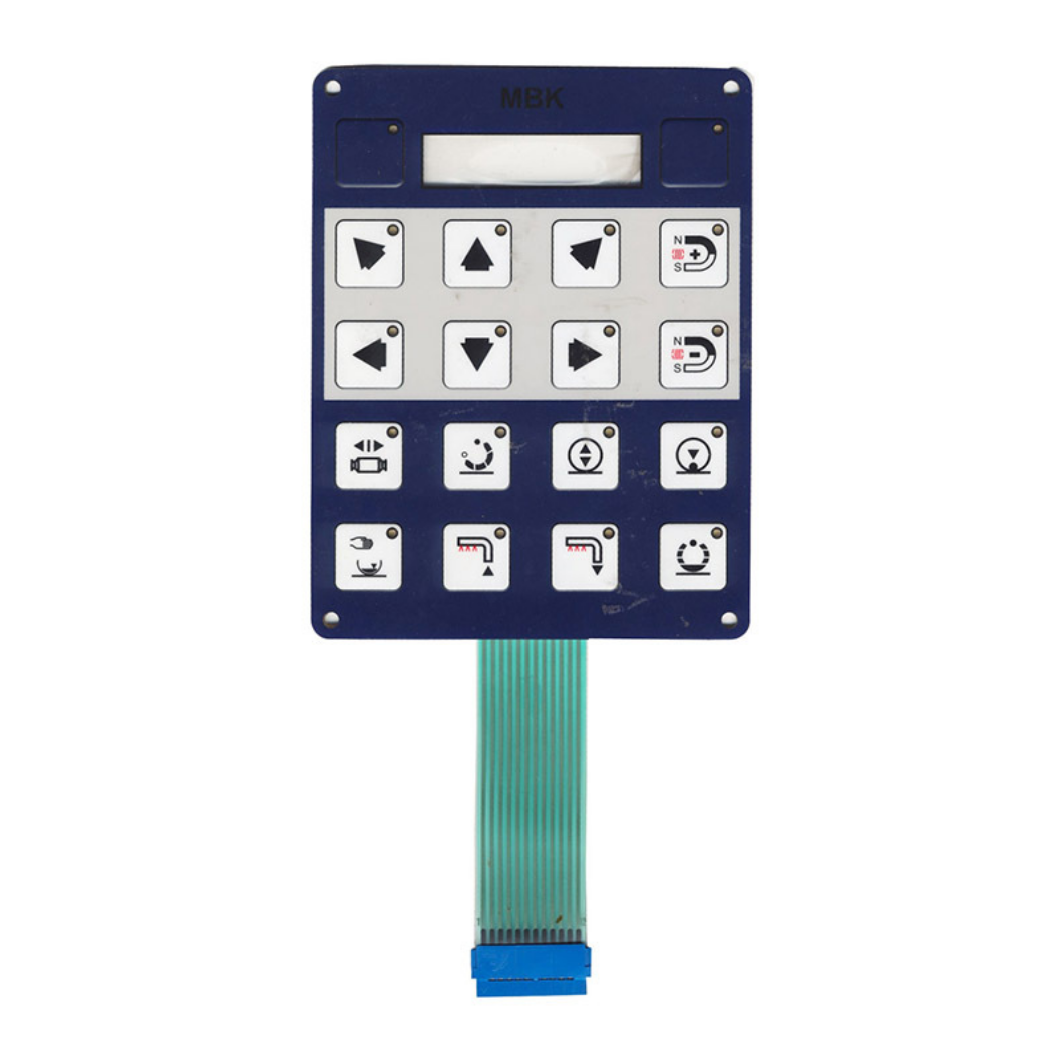
Streamlined linear track assembly featuring gold-plated conductive contact pads, delivering robust performance within narrow enclosures.
Send an Inquiry
SMT tape-and-reel packaged cross domes crafted for high-speed pick-and-place surface mount placement directly onto flexible circuits.
Send an Inquiry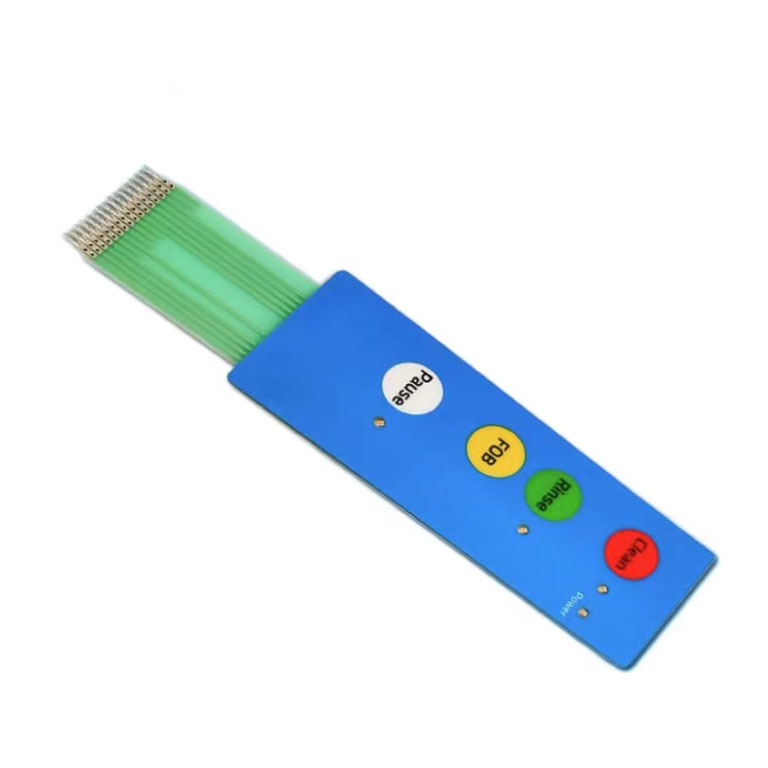
Cost-optimized, flexible polyester membrane circuitry combined with high-grade elastomeric sealing to resist continuous liquid penetration.
Send an InquiryA strategic roadmap for global hardware procurement directors navigating the shift toward advanced micro-pitch flexible printed circuits and smart tactile integration.
While screen-printed silver-ink circuits on PET film show lower upfront non-recurring engineering (NRE) tooling costs, industrial procurement departments are transitioning to copper-clad polyimide FPC keypads. FPC substrate eliminates silver-migration risks under humid operation, ensures trace impedance below 1 Ohm, and allows direct SMT mounting of micro-LEDs and drivers, reducing secondary sub-assembly labor by 27% across typical product lifecycles.
The convergence of sleek capacitive touch interfaces with deterministic mechanical dome feedback is reshaping procurement demands. Tier-1 diagnostic instrument manufacturers now stipulate hybrid stackups: capacitive slider tracking overlaid alongside tactile metal snap-domes for critical stop/activation triggers, eliminating the cognitive error rate associated with purely flat touchscreens in hazardous workcells.
Overseas OEM sourcing mandates are requiring factory audit verifications, focusing on halogen-free polyimide raw materials, RoHS 3 and REACH SVHC certifications, and full batch traceability down to raw stainless steel coil melts. The top exporters integrate automated visual inspection (AVI) data archives with serial-coded tail markings to safeguard medical device regulatory submission filings.
Comparative material analysis demonstrating the engineering trade-offs between traditional screen-printed membrane technology and flexible etched copper circuits.
| Technical Parameter | Conventional Silver-Printed PET | Single/Double-Sided Polyimide FPC | Rigid-Flex PCB Keypad Assembly |
|---|---|---|---|
| Trace Pitch Resolution | ≥ 0.5 mm (Limits compact routing) | Ultra-Dense ≥ 0.1 mm / 0.1 mm Line/Space | ≥ 0.075 mm (Multi-layer capable) |
| Contact Trace Resistance | 10 Ω - 100 Ω (Varies with trace run) | ≤ 1.0 Ω (Solid rolled copper) | ≤ 0.05 Ω (Optimized power delivery) |
| Operating Temperature | -20°C to +65°C | High Temp -40°C to +125°C continuous | -50°C to +150°C |
| Component SMT Capability | Conductive epoxy bonding (Prone to fracture) | Reflow soldering (Ultra-reliable SMT bonds) | Standard lead-free reflow & wave soldering |
| Silver Migration Immunity | Vulnerable under high heat/humidity bias | Impermeable Complete copper barrier layer | Complete immunity with soldermask/coverlay |
| Ingress Protection Capability | IP65 standard sealing | IP67 / IP68 with peripheral adhesive dams | Hermetic sealing with milled aluminum bezel |
Leverage our 2,600㎡ purpose-built manufacturing facility, certified under rigorous ISO 9001 and verified on-site by SGS Group specialists.
From CAD DFM validation, high-precision screen printing, precision die-cutting, laser profiling, and automated CCD alignment drilling to high-speed laminating lines and automated dome insertion, Cevra eliminates subcontracting delays. Every stage of your interface stack-up is fabricated directly within our controlled cleanroom.
Our in-house quality assurance laboratory verifies every production batch before departure. Inspection protocols include automated Dome Load Force vs. Displacement profiling, continuous peel tension and holding tack analyzers, high/low temperature stress cycling (-40°C to +85°C), and ASTM D3363 electric pencil hardness testing.
Holding verified status on global trade platforms and backed by Alibaba Trade Assurance, our bilingual application engineering squad provides actionable DFM reports within 24 hours. We offer fast prototyping runs from 10 units, scaling directly to production lots exceeding 500,000 units with specialized export anti-static packaging.
Direct answers from our engineering desk to streamline your quotation requests and layer specification planning.
To deliver an accurate DFM analysis and quotation, provide mechanical vector drawings (AutoCAD DXF/DWG or STEP files) establishing outer outlines, key positions, and window tolerances; layer artwork files (Adobe Illustrator or vector PDF with specified Pantone codes); circuit netlists or schematic routing diagrams; desired actuation forces (e.g., 280g, 350g); and operational parameters such as exposure to chemicals, temperature, and IP rating targets.
Select flexible polyimide FPC circuits when: the interconnect involves ultra-fine pitch connectors (such as 0.5 mm or 1.0 mm ZIF connectors); high component density requires reflow-soldered SMT bi-color LEDs, sensor ICs, or resistors; total circuit resistance must remain strictly below 1-2 Ohms; the product operates in environments with severe humidity cycling where silver electrochemical migration presents field failure hazards; or space requires dynamic bending radii down to 2 mm.
Tactile degradation commonly stems from two issues: trapped air dampening switch recoil, and sub-standard alloy fatigue. Cevra addresses this through precision micro-vented channels kiss-cut directly across the adhesive spacer layers to equalize differential pressure during rapid keystrokes. Additionally, we use high-grade Japanese SUS301 stainless steel domes (offered in 4-leg cross, round, or triangular formats with optional nickel or gold plating), tested to withstand over 1,000,000 cycles.
Achieving an IP67 rating requires a continuous, unbroken perimeter seal that shields circuit traces from moisture and fluid ingress. Cevra integrates structural acrylic pressure-sensitive adhesives (such as 3M 200MP series, 3M 300LSE for low-surface-energy plastics, or 3M VHB elastomer films). Our engineering layout isolates all internal venting paths within an internal sealed chamber, preventing ingress while maintaining tactile dome flexibility.
Connect directly with our senior application engineering team in Dongguan. We provide comprehensive design-for-manufacturability feedback, material stackup recommendations, and prototype delivery within 5 to 7 working days.
Send an Inquiry