Factory Catalog
Precision Engineered Membrane Switches & Panels
Explore our end-to-end manufactured Human-Machine Interface (HMI) product lines, built under strict ISO 9001 quality controls.
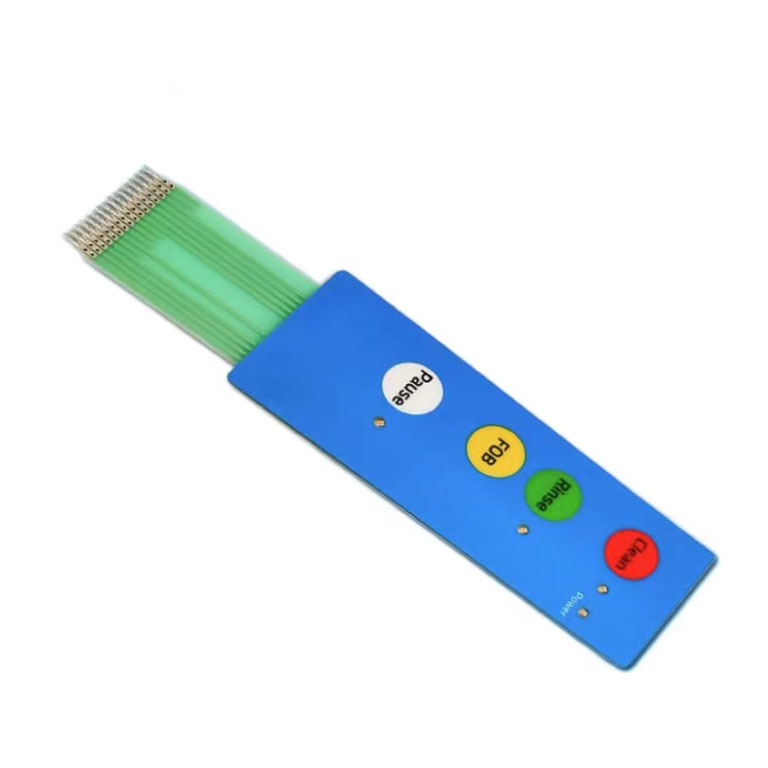
Hot Sale Factory Direct Membrane Switch Black Panel Control
View Details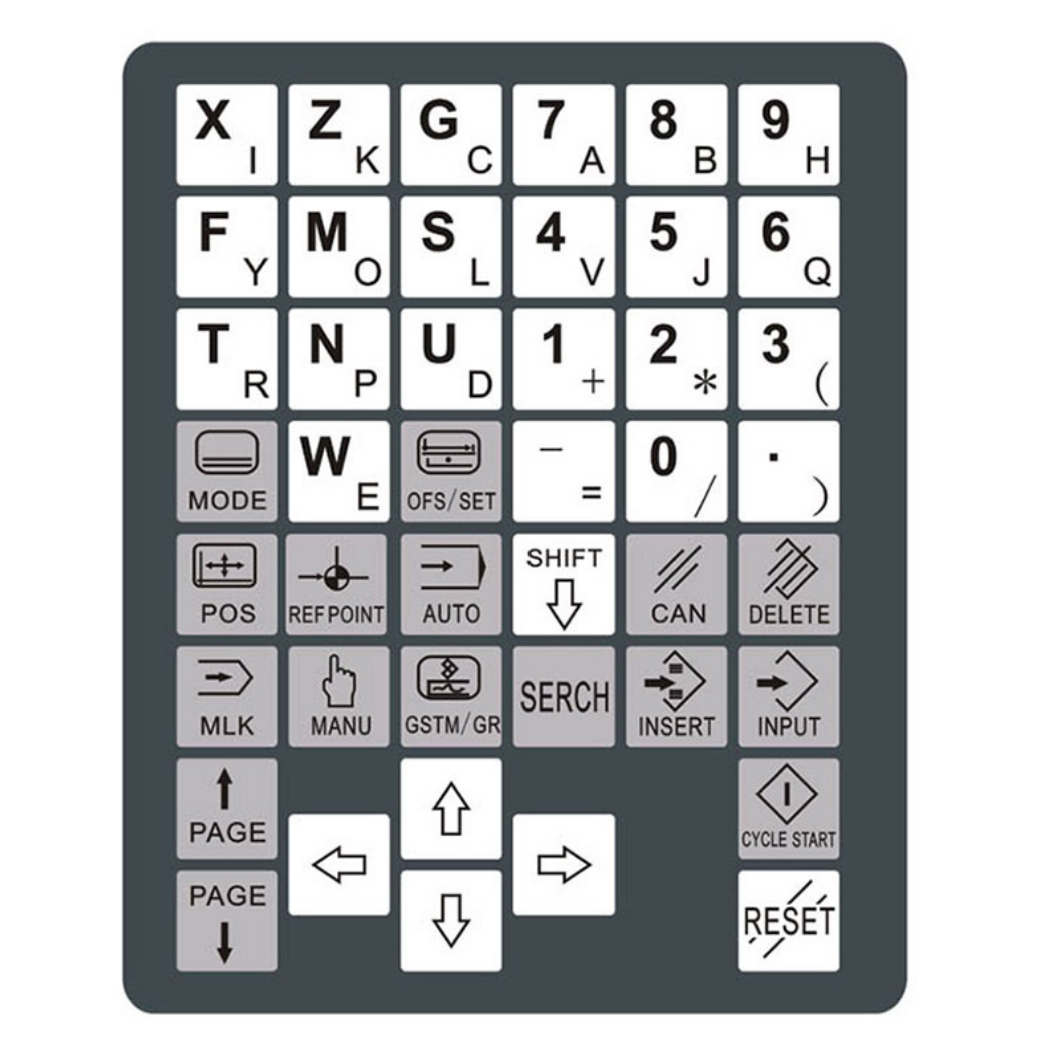
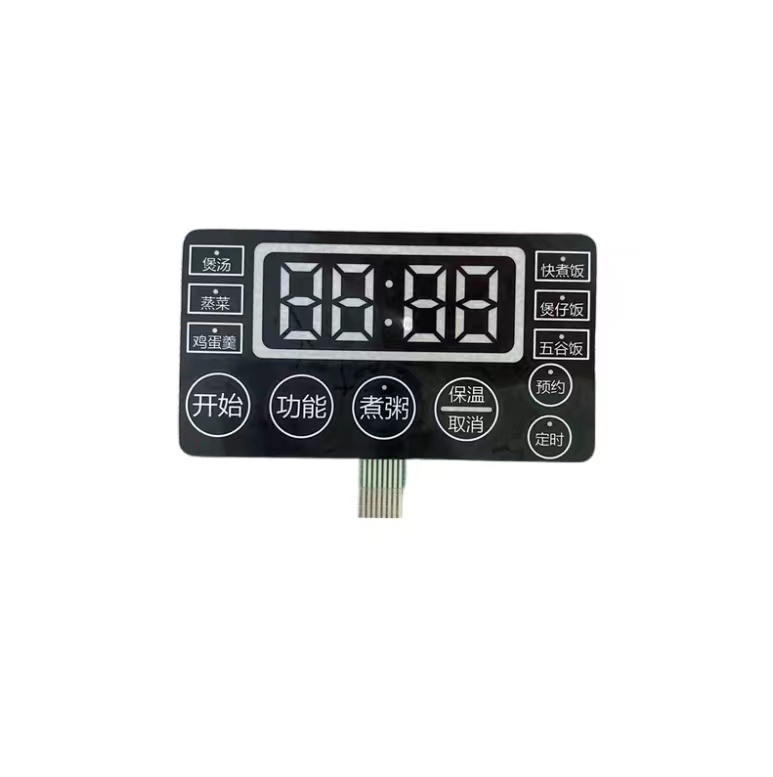
Custom Standard 3X3 4X5 Matrix Membrane Switch Keypad Panel
View Details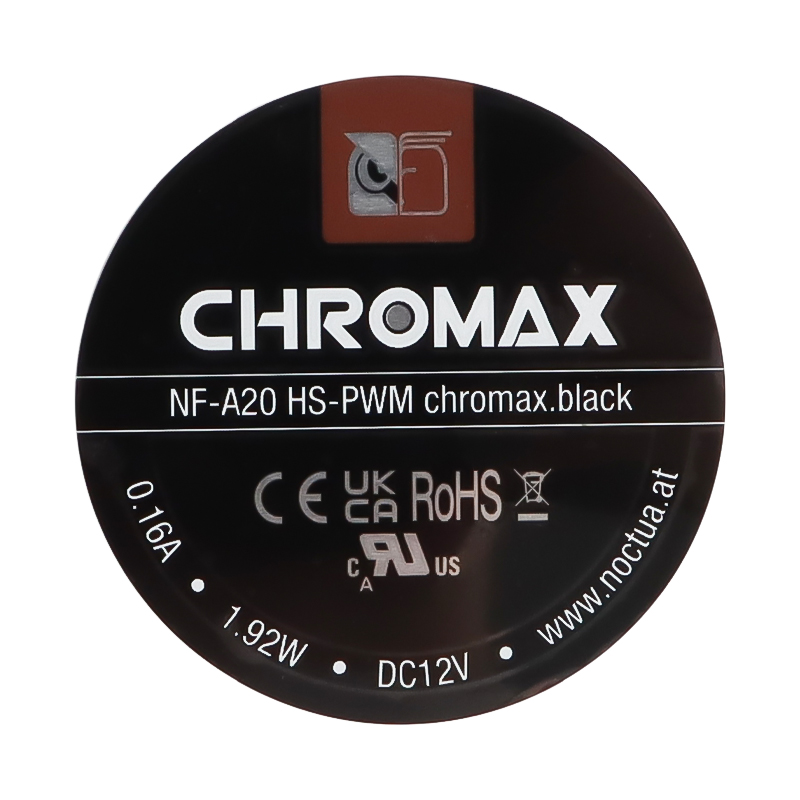
Stainless Steel & Aluminum Nameplate Artistic Laser Engraving
View Details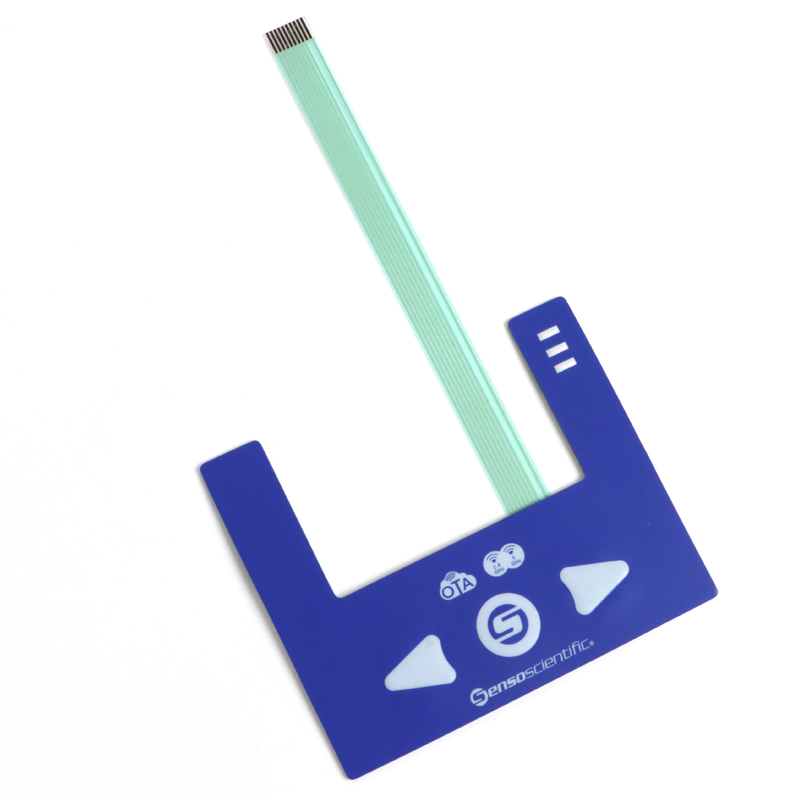
Custom Membrane Keypads & LED Membrane Graphic Overlay
View Details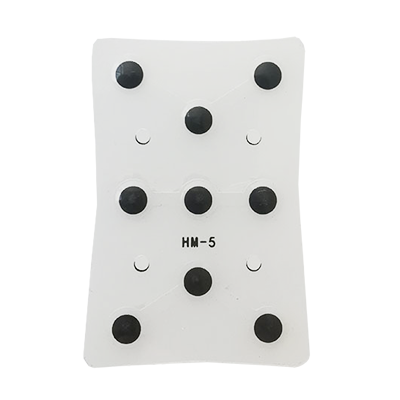
Membrane Keypad With Light Guide Film & Metal Dome Array
View Details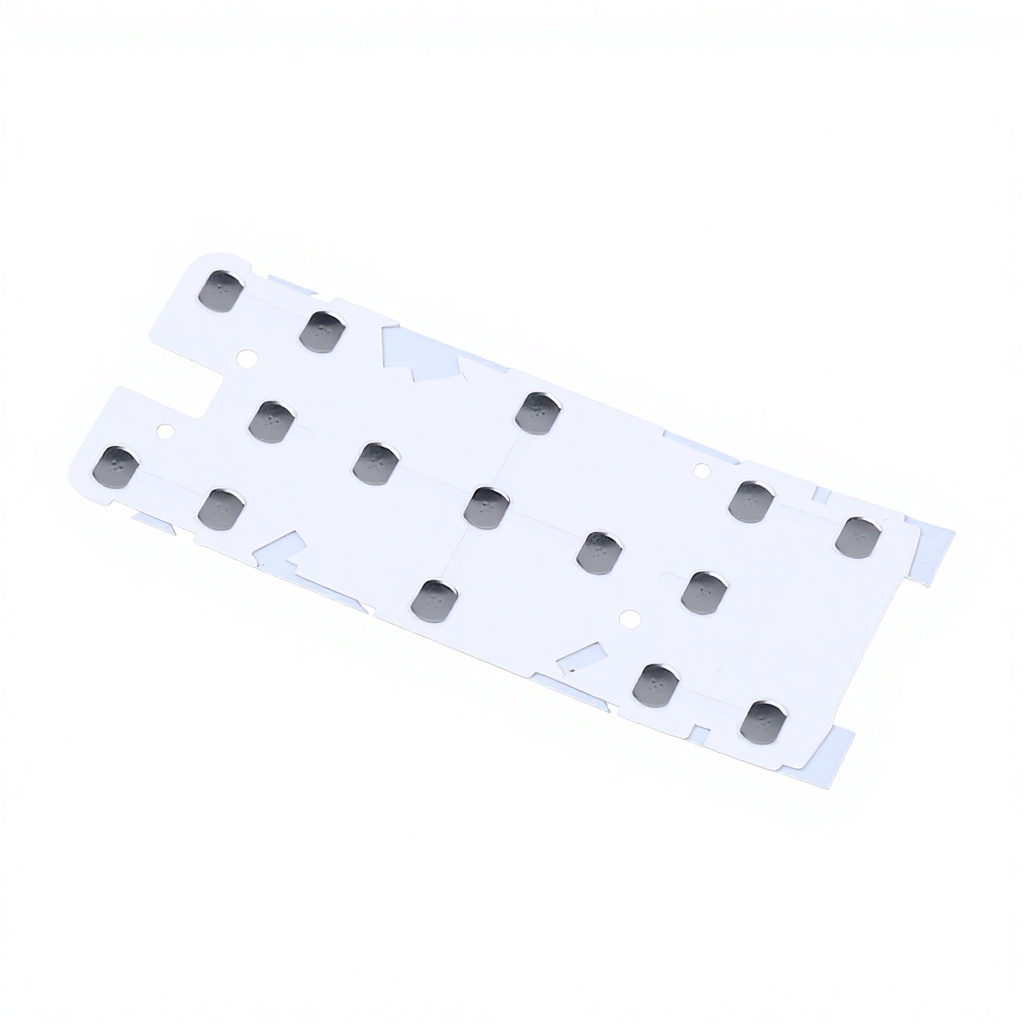
White PET Waterproof Single Layer SUS301 Metal Dome Array
View Details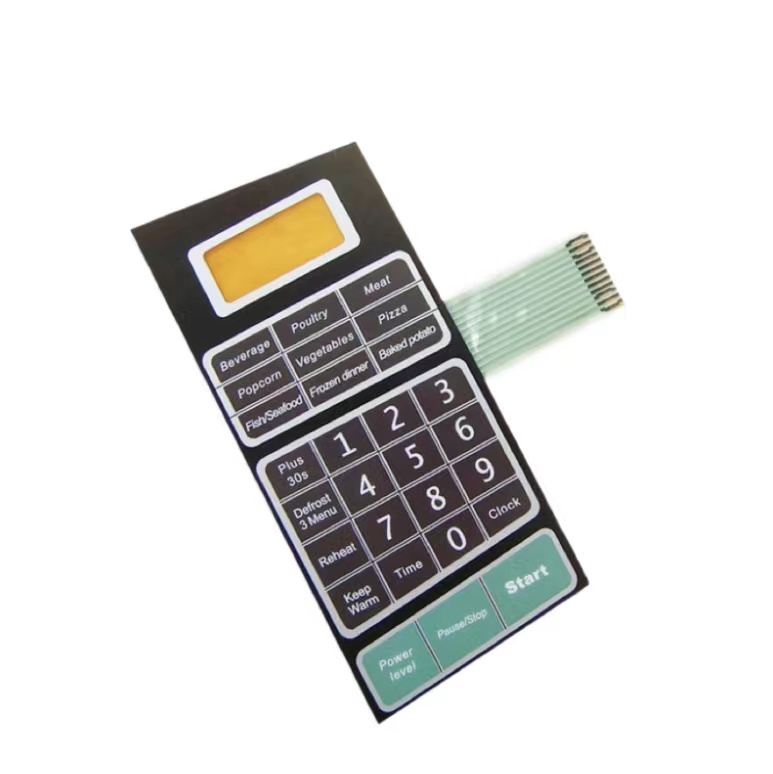
Low MOQ Custom Membrane Switch Panel Keypad Control
View Details16+
Years In HMI Fabrication
2,600㎡
Certified Production Base
100%
CCD & In-Line Tested
#5
Keypads & Keyboards Verified Rank
ISO
9001:2015 & SGS Inspected
Procurement Whitepaper
Structural Analysis & Selection: Flexible Printed Circuits vs. Rigid PCB Keypads
A deep engineering dive to assist system architects and procurement teams in balancing actuation life, shielding, and component integration.
| Parametric Criteria | Screen-Printed PET Membrane | Copper Flex Circuit (FPC) | Rigid Backer FR4 PCB Assemblies |
|---|---|---|---|
| Actuation Lifespan | 1,000,000 to 3,000,000 cycles typical | > 5,000,000 continuous cycles | > 5,000,000 cycles (chassis bound) |
| Trace Conductivity | Silver Ink (10–50 Ω depending on length) | Rolled Annealed Cu (< 1 Ω trace impedance) | Standard copper weight (0.5 oz – 2 oz) |
| Component Integration | Limited to low-temp conductive epoxy LEDs | Direct SMT reflow for ICs, passives, and diodes | Full high-density through-hole & SMT components |
| Environmental Sealing | IP65–IP67 when sealed with acrylic barrier | IP67–IP68 achievable with perimeter gaskets | Chassis-dependent (requires front seal gasket) |
| Tooling & Unit Economics | Lowest initial tooling cost; fast mass runs | Moderate tooling; ideal for tight routing | Higher tooling; acts as structural backplane |
Strategic Roadmap
Emerging Procurement & Architectural Trends in HMI Membrane Interfaces
Anticipate the market shift toward hybrid interfaces, unified illumination, and sustainable supply-chain sourcing.
1. Convergence of Capacitive & Tactile Switching
Modern medical and diagnostic instruments demand smooth, wipeable hygiene barriers combined with foolproof tactile actuation. Designers increasingly favor hybrid stack-ups: capacitive slider surfaces underlaid with SUS301 metal snap domes to safeguard against ghost actuation caused by water splashes or latex gloves.
2. Ultra-Thin Light Guide Film (LGF) Uniformity
Legacy bulky electroluminescent panels and uneven spot LEDs are being replaced by micro-etched Light Guide Films as thin as 0.125 mm. These redirect lateral LED light evenly across complex switch legends, cutting total panel stack depth while reducing power budgets for battery-driven handhelds.
3. Zero-Carbon & Halogen-Free Substrates
Global procurement teams prioritize ESG directives. As a result, Tier-1 industrial brands are transitioning to post-consumer recycled PET films, halogen-free conductive carbon systems, and solvent-free 3M structural transfer adhesives to ensure straightforward RoHS/REACH compliance worldwide.
Factory Pedigree
End-to-End Vertical Manufacturing in Dongguan
Eliminate multi-tier contractor risks. Our 2,600㎡ in-house facility guarantees total control over raw material qualification, printing, die-cutting, and final assembly.
Class 1,000 Cleanroom Screen Printing
Using fully automated screen-printing equipment in a temperature- and humidity-controlled cleanroom prevents pinhole shorts, micro-dust contamination, and dielectric breakdown across high-density circuit traces.
CCD Precision Alignment & Laser Drilling
Our CCD-guided cutting and drilling processes maintain registration tolerances within ±0.05 mm. This guarantees proper alignment between multi-tier adhesive spacers, light-guide channels, and dome arrays.
Comprehensive Laboratory Validation
Every production batch undergoes dome-actuation curve analysis, peel adhesion testing, thermal cycling (-40°C to +85°C), surface pencil hardness checks, and 100% automated electrical continuity testing before packaging.
Procurement Guide
Frequently Asked Technical & Sourcing Questions
Essential guidance on layer stacks, dome actuation profiles, environmental shielding, and connector selections.
What engineering documentation is required to generate a DFM review and formal quotation?
To provide an accurate Design For Manufacturability (DFM) review and tier-discounted unit pricing, our engineering department requires:
- Vector Graphic Overlay Files: Adobe Illustrator (.AI), vector PDF, or CorelDraw, with specified Pantone/RAL color codes, display window tolerances, and dead-front requirements.
- Mechanical Layer Stack-up: 2D mechanical CAD drawings (DXF/DWG) detailing overall dimensions, cutout locations, embossing profiles, adhesive borders, and tail exit coordinates.
- Circuit Schematic: Netlist, pinout wiring diagram, tail connector pitch (e.g., 2.54 mm, 1.0 mm, or 0.5 mm ZIF), and contact resistance limitations.
- Environmental Profile: Temperature ranges, UV exposure expectations, cleaning agent exposures, and required IP ratings (IP65, IP67).
When should engineers choose an Autotype PET graphic overlay over Polycarbonate (PC)?
While Polycarbonate (PC) is cost-effective, easy to emboss, and simple to die-cut, it is susceptible to micro-cracking and solvent breakdown under constant flexing. Polyethylene Terephthalate (PET), particularly premium biaxially oriented substrates like MacDermid Autotype, provides over 5,000,000 actuation flex cycles without fatigue. PET also offers superior chemical resistance to aggressive industrial degreasers, sanitizers, and fuels, making it the preferred standard for harsh medical, food processing, and petroleum interface equipment.
How are silver migration risks prevented in high-humidity operating environments?
Silver migration occurs when an electric potential drives silver ions through moisture across closely spaced conductive traces. To prevent this, Cevra implements three safeguards:
- Applying a pinhole-free, UV-curable carbon or polymer thick-film dielectric over-coat to isolate the silver conductors.
- Maintaining minimum trace spacing (typically ≥ 0.5 mm) on high-potential lines.
- Using complete perimeter sealing with cross-linked acrylic 3M 200MP/300LSE adhesive layers and integrated desiccant breathing channels that block ambient moisture ingress.
What are the differences between nickel-plated and gold-plated SUS301 stainless steel metal domes?
Our standard 4-leg cross and round snap domes are fabricated from tempered SUS301 stainless steel. Unplated or nickel-plated domes provide low contact resistance and solid oxidation resistance across typical consumer and industrial settings. For low-current logic applications (< 1 mA) or extreme duty-cycle equipment operating in high-vibration, corrosive, or salt-fog environments, we recommend selective gold plating. Gold plating prevents micro-fretting corrosion, preserves contact reliability, and stabilizes loop resistance below 1 Ω over millions of cycles.
How does Cevra accommodate rapid prototyping while maintaining high-volume production economics?
We operate separate rapid-prototyping cells and automated mass-production lines. For engineering prototypes and early testing runs (10–100 pieces), we use high-speed digital plotting and precision flatbed laser cutting, bypassing hard steel die costs and accelerating sample lead times to 5–7 working days. Once the design is validated, we transition to Class-A matched steel stamping dies and automated screen printing to deliver high-volume efficiency and competitive unit economics.
Ready to Engineer Your Custom Interface Stack-Up?
Connect with our technical team in Dongguan for design feedback, stack-up optimization, and a detailed DFM analysis for your project.
Send an Inquiry