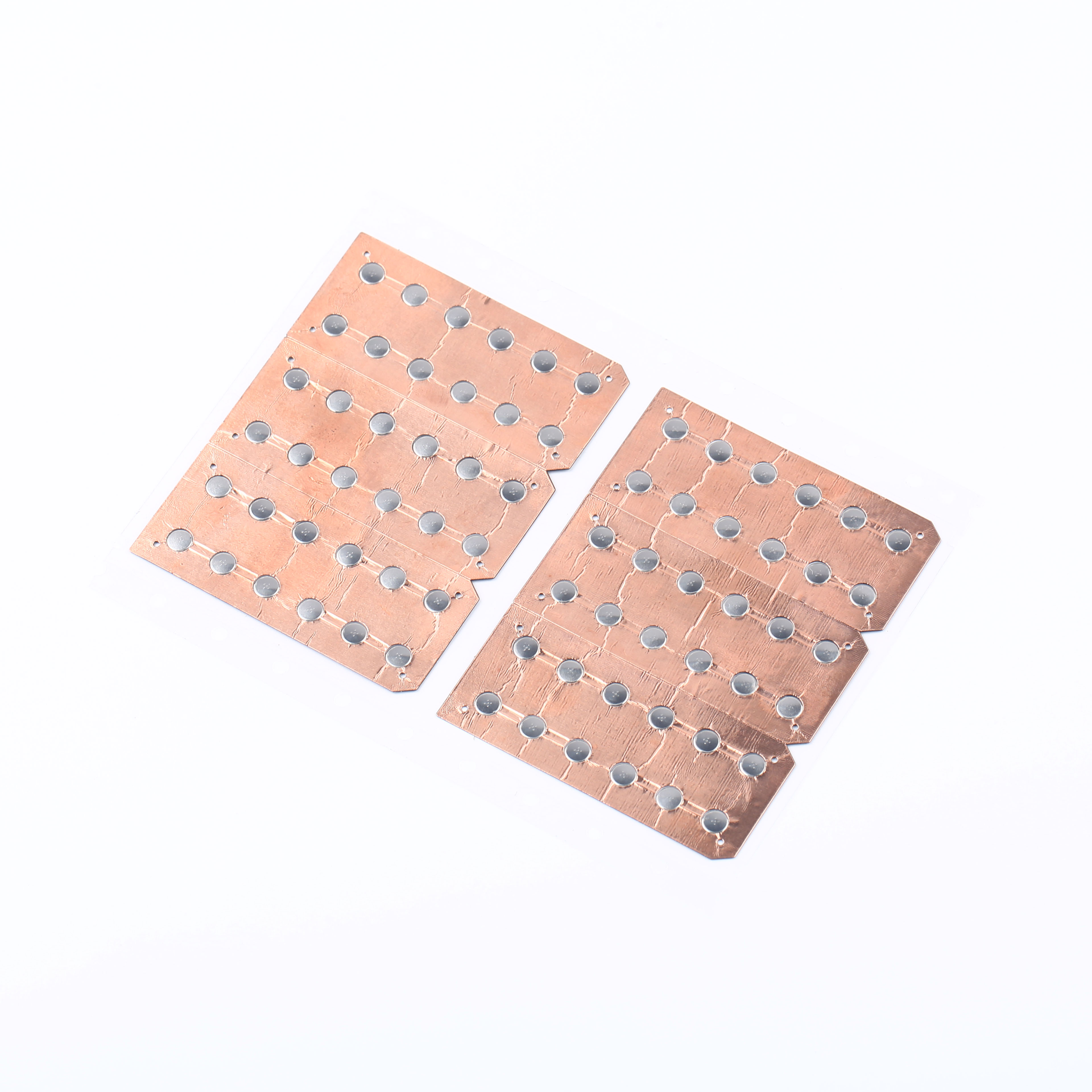
Round Metal Snap Dome Sheet with Copper Foil Array
- Actuation Force: 160g – 400g
- Adhesive: Conductive Copper Foil
- Life Cycle: > 1,000,000 Clicks
Precision-stamped tactile snap domes, high-density contact dome sheets, and sealed graphic overlays designed to deliver distinct tactile feedback and robust electrical conductivity.
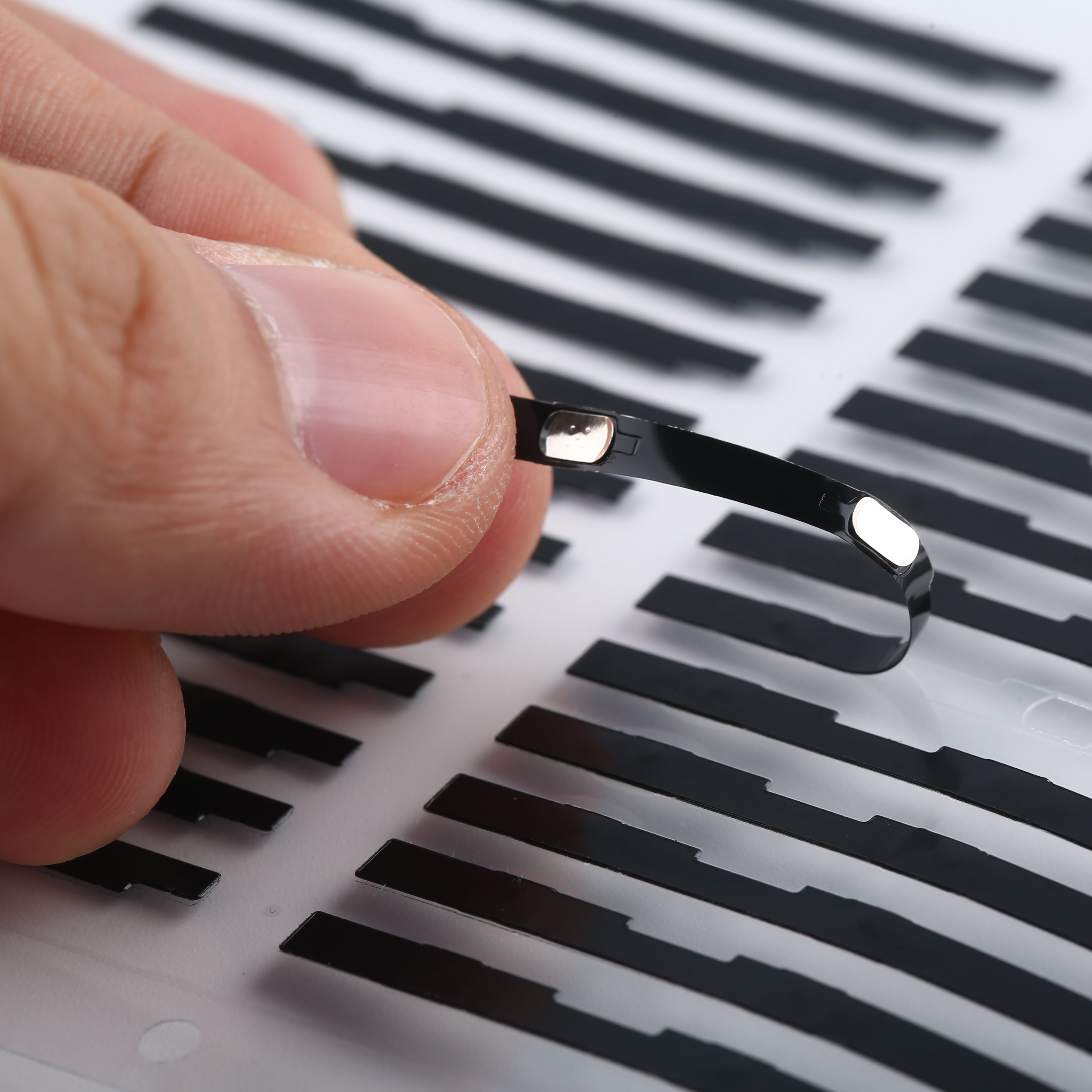
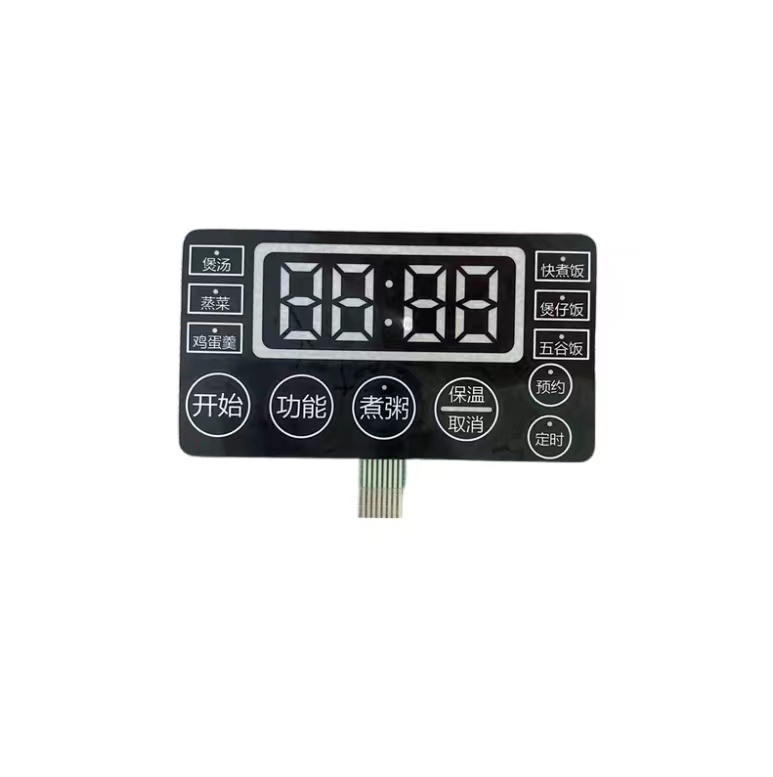
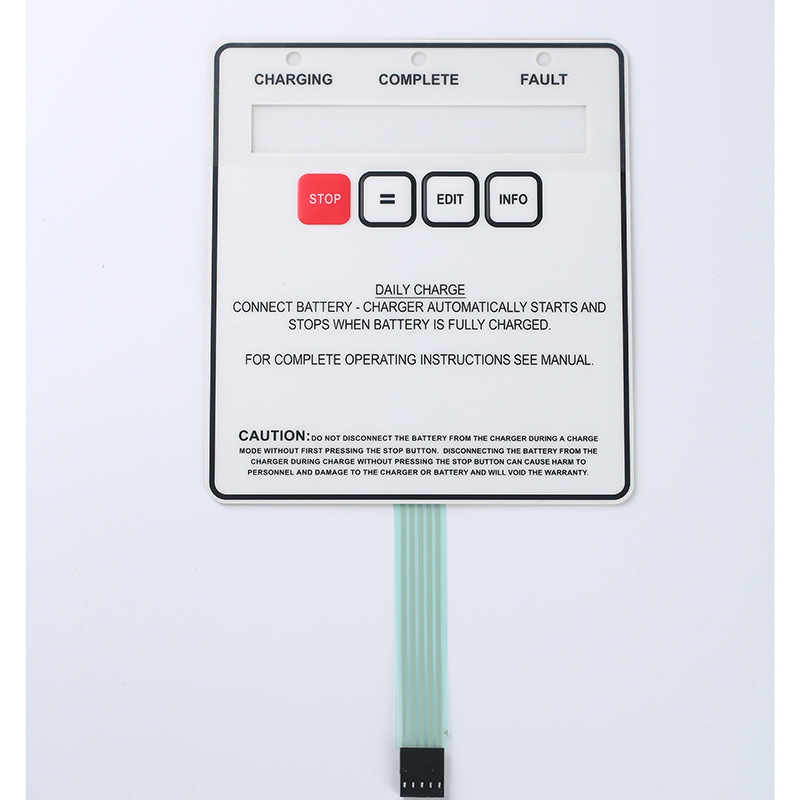
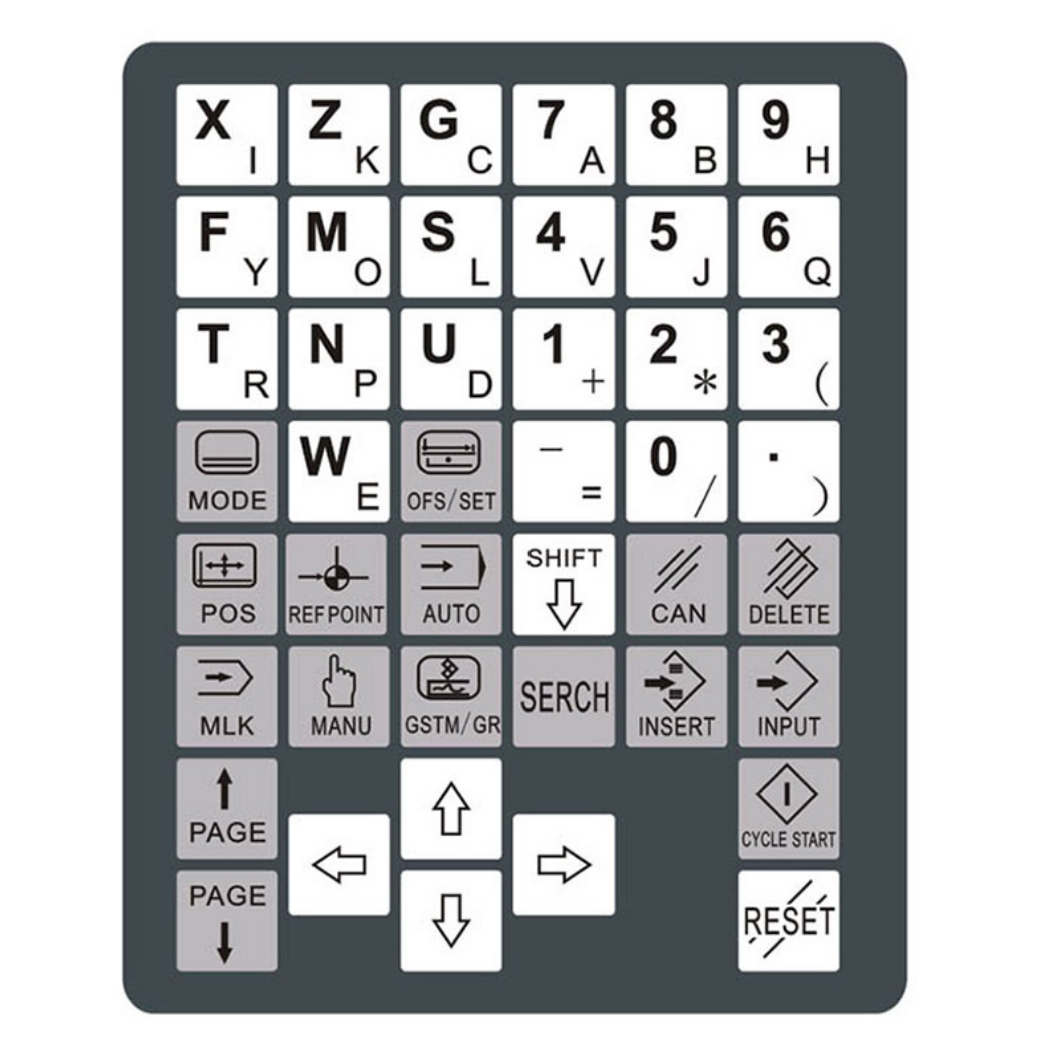
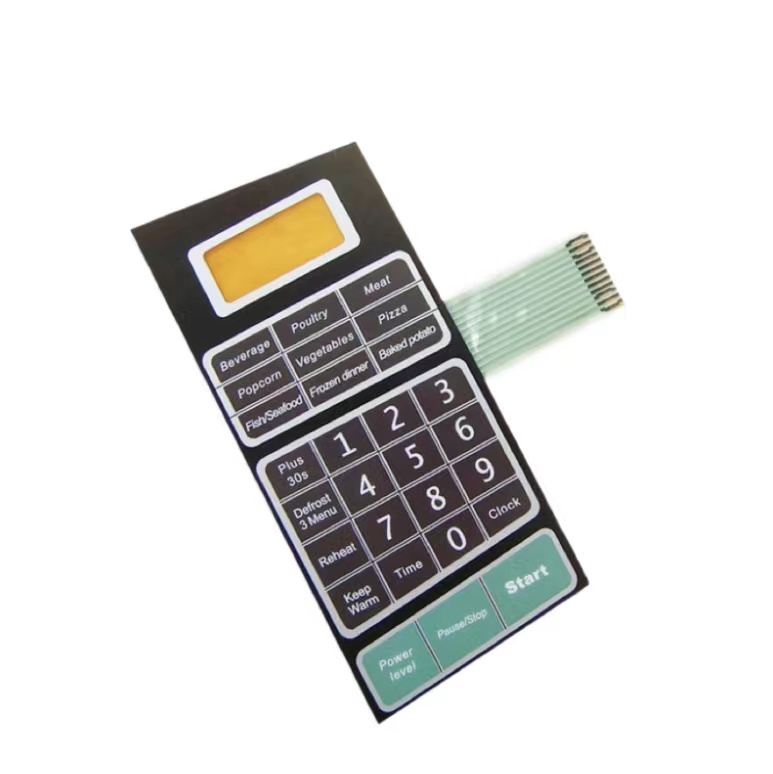
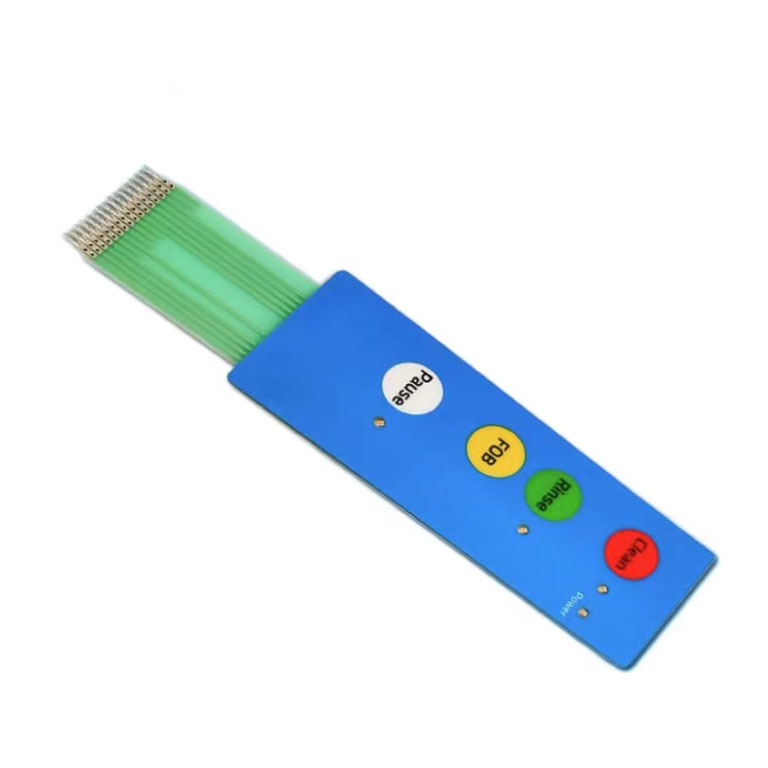
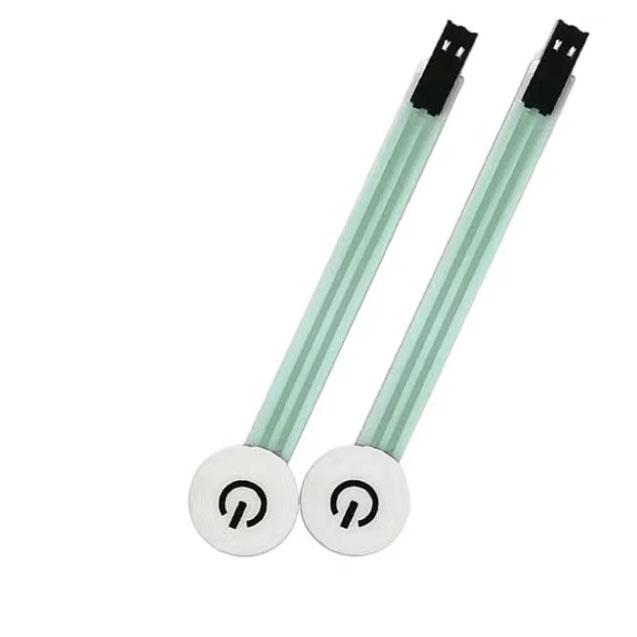
A technical overview of snap dome geometries, metallurgical characteristics, dynamic contact resistance, and layer lamination standards for mission-critical applications.
Tactile metal domes (frequently termed snap domes or tactile contact domes) are momentary switch contacts fabricated from cold-rolled stainless steel strip. When incorporated into human-machine interfaces (HMI), custom membrane switches, or directly surface-mounted across printed circuit board (PCB) layouts, tactile domes serve two primary functional roles: acting as an elastic mechanical spring that returns distinct physical feedback (the "snap") to the human operator, and operating as a momentary electrical shunt closing a circuit loop between an outer conductive circuit trace and a central pad. As an established custom OEM tactile dome exporter and manufacturer, our engineering foundation centers on mastering these micro-mechanical dynamic characteristics across millions of actuations.
The performance of any tactile switch interface rests principally on its force-displacement profile. This profile tracks the resistance force against key travel displacement, highlighting the actuation trip force (F1) and the contact force threshold (F2). The difference between these forces defines the tactile ratio—expressed mathematically as (F1 - F2) / F1 × 100%. A balanced tactile ratio (typically 40% to 65%) prevents operator fatigue while avoiding false activations caused by incidental surface pressure or environmental vibration. Our Dongguan-based manufacturing plant executes continuous automated load deflection checks via computer-controlled force testers to confirm that every production run maintains actuation forces within strict engineering tolerances (±20g to ±30g depending on target scale).
The endurance and tactile life cycle of a metal snap dome directly correlate with raw material selection and grain orientation. We primarily form our tactile domes from precision high-tensile austenitic stainless steel alloys, specifically SUS301 and SUS304 full-hard grades. Cold-forming work hardening during the stamping process generates elastic spring characteristics capable of withstanding between 500,000 and 5,000,000 full actuations without mechanical fracture or tactile decay.
| Dome Geometry | Actuation Force Range | Typical Diameters | Primary Contact Finish | Best Matched Substrate |
|---|---|---|---|---|
| 4-Leg Cross Dome | 160g – 500g | 6.0mm – 20.0mm | Bare Stainless, Nickel, or Gold | Double-sided PCB, Flex FPC circuits |
| Round / Circular Dome | 100g – 350g | 3.0mm – 12.0mm | Nickel / Bright Gold Plating | High-density space-constrained arrays |
| Triangular Snap Dome | 180g – 450g | 5.0mm – 12.0mm | Flash Nickel / Protective Tin | Single-trace crossing boards, low profile |
| Oblong / Oval Dome | 130g – 320g | 3.5mm × 6.0mm – 4.0mm × 8.0mm | Selectively Gold Plated | Narrow audio sliders, handheld stylus devices |
Bare stainless steel exhibits mild initial surface oxidation that might introduce marginal resistance changes when carrying micro-ampere logic signals over extended storage periods. To deliver ultra-low contact resistance (<100 mΩ) and shield the base metal against environmental moisture or reactive industrial gasses, custom OEM tactile dome exporters specify surface finishes tailored to application demands. Electrolytic nickel plating provides exceptional wear resistance across millions of cycles, whereas flash gold plating over a nickel sub-barrier delivers consistent low-resistance conduction essential for analog-to-digital sensor inputs and medical diagnostic equipment.
Direct manufacturer capabilities running under strict ISO 9001:2015 process standards and verified by SGS Group.
Factory facilities in Dongguan are comprehensively vetted on-site by SGS Group. Incoming raw materials, cleanroom processes, and final electrical testing are fully audited for traceability.
From CAD engineering layout and high-speed CNC precision punching to CCD optical drilling and laser profiling, all tooling and converting operations remain internally managed.
Our internal quality testing labs feature dedicated load curve testers, high/low temperature humidity cabinets, tension peel gauges, and holding tack fixtures to validate switch reliability.
Streamline surface mounting on customer assembly lines. We provide custom single or multi-layer polyester adhesive sheets with precision-aligned metal domes and air-vent venting channels.
Support your hardware development lifecycle from initial functional prototyping (MOQs down to 10–100 pcs) up to multi-million mass deployment with zero compromise on dimensional precision.
Experienced technical documentation support, anti-static moisture-barrier packaging, export clearance, and Alibaba Trade Assurance backing ensure secure, on-time project execution worldwide.
Anticipating structural shifts in global manufacturing, miniaturization requirements, and supply-chain diversification for hardware procurement teams.
As electronic systems migrate toward denser mechanical envelopes and thinner chassis profiles, the tactile switch ecosystem is experiencing significant technological updates. When surveying global procurement specifications across tier-one OEMs in automotive instrumentation, field medical diagnostic systems, and portable military communications, four critical procurement trends dominate upcoming cycles:
Traditional manual placement of loose snap domes using handheld vacuum pickers or tape-and-reel SMT feed is increasingly recognized as a manufacturing bottleneck that risks contact misregistration and dust entrapment. Modern procurement strategies consistently prioritize pre-fabricated metal dome arrays. These pre-spaced, multi-layer adhesive sheets combine pressure-sensitive release adhesives (such as 3M 467MP, 468MP, or Crown high-shear polymers) with integrated atmospheric venting channels. Venting networks prevent internal air compression within the switch cavity during rapid cycling, eliminating the "spongy feel" or delayed dome return caused by trapped air pressure.
Modern industrial equipment and diagnostic instrumentation demand discrete status illumination directly underneath tactile button zones. The classical approach of mounting separate high-profile push-button indicators adjacent to keypads is giving way to unified low-profile backlighting. High-performance custom membrane switches now incorporate ultra-thin Light Guide Films (LGF) measuring between 0.125mm and 0.250mm, or embed micro side-firing surface-mount LEDs within internal spacer cutouts. Tactile domes engineered with central apertures (dimple hole-punched) permit direct upward light transmission without degrading the tactile snap ratio or mechanical lifespan.
Post-pandemic medical disinfection protocols and hazardous industrial cleaning standards require control panels to resist aggressive chemical wipe-downs, including isopropyl alcohol, bleach solutions, and hydrocarbon solvents. Forward-looking procurement directives heavily favor textured polyester (Autotex PET) graphic overlays combined with continuous perimeter adhesive gaskets to achieve IP67 or IP68 ingress protection. Unlike mechanical pushbuttons with exposed actuator gaps, sealed tactile dome membrane assemblies completely isolate internal electrical contacts from liquid ingress and particulate contamination.
International hardware brands are increasingly bypassing multi-tier broker networks in favor of direct manufacturer alliances. Sourcing directly from verified custom OEM tactile dome exporters like Cevra eliminates markup compounding, reduces engineering drawing turnaround times from weeks to hours, and establishes traceable material lot compliance with global environmental mandates (RoHS, REACH, and Halogen-Free directives).
Clear, engineering-driven answers to frequent technical inquiries submitted by global sourcing directors and hardware design engineers.
4-leg cross domes offer the best balance of travel, tactile feel, and stable footprint, making them ideal for standard PCB keypads and membrane switches. Round domes excel in compact, circular switch wells where lateral space is constrained. Triangular domes deliver a crisp tactile feel with longer key travel relative to their diameter and are often used when routing circuit traces directly beneath the dome footprint without requiring through-hole vias.
Venting channels within the spacer or adhesive carrier layer should generally measure 0.5mm to 1.0mm in width. Proper venting allows displaced air to escape smoothly into an internal air reservoir or adjacent cavity when the dome collapses. Failure to design adequate venting channels can result in a deadened tactile snap, pneumatic cushioning, and uneven actuation force across rapid cycling.
Yes. Metal domes are frequently laminated directly across copper-flex circuits (FPC) or silver-printed polyester (PET) circuit sheets. When mounting over flexible circuits, a rigid backing plate (typically 0.5mm to 1.5mm FR4, aluminum, or acrylic) is recommended beneath the actuation zone to prevent mechanical deflection of the substrate from absorbing the tactile snap energy.
Every manufacturing lot of stamped domes undergoes statistical process control (SPC) using our automated dome load-displacement testers. We verify the trip force (F1), return force (F2), and mechanical travel distance against the customer's approved engineering drawing. Material thickness across SUS301 coils is monitored within ±0.005mm to ensure consistent elastic response throughout multi-million-part production runs.
To produce precision tooling and film plotting, we accept vector CAD formats including DXF, DWG, STEP, or layered Adobe Illustrator (AI) files. The files should indicate the switch center coordinates, dome diameter and orientation, venting channel paths, outer perimeter die-line, and any circuit schematic alignments.
Standard stainless steel metal domes remain functional across extreme temperatures ranging from -40°C to +105°C. For full assemblies, overall thermal limits are determined by the adhesive tape and graphic film layers; utilizing high-performance adhesives like 3M 200MP acrylic ensures stable adhesion and performance from -40°C to +85°C under high-humidity conditions.
Send your CAD layouts, force specifications, or sample requirements directly to our engineering team. We deliver complete DFM feedback, stack-up optimization, and commercial quotes within 24 hours.