Precision OEM Membrane Switch & Dome Array Solutions
Explore our high-reliability human-machine interface components designed for medical electronics, industrial automation, and rugged outdoor controllers. Every product is customized to strict mechanical, electrical, and tactile requirements.
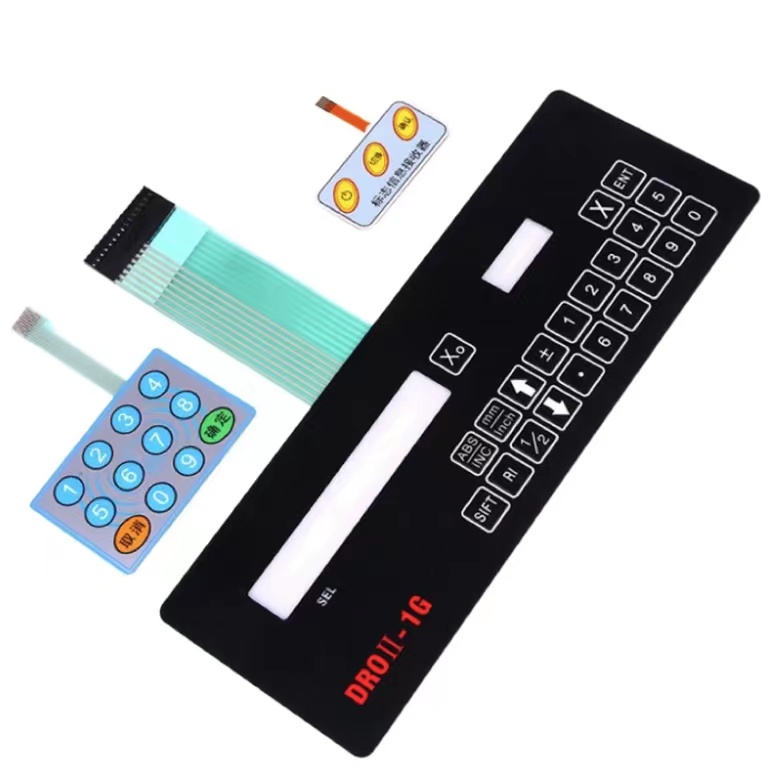
Factory Direct Custom Membrane Keyboard
- SubstrateAutotype Autotex PET
- Tactile FeelStainless Dome (300g)
- SealingIP65 Liquid Resistant
- Life Expectancy>1,000,000 Cycles
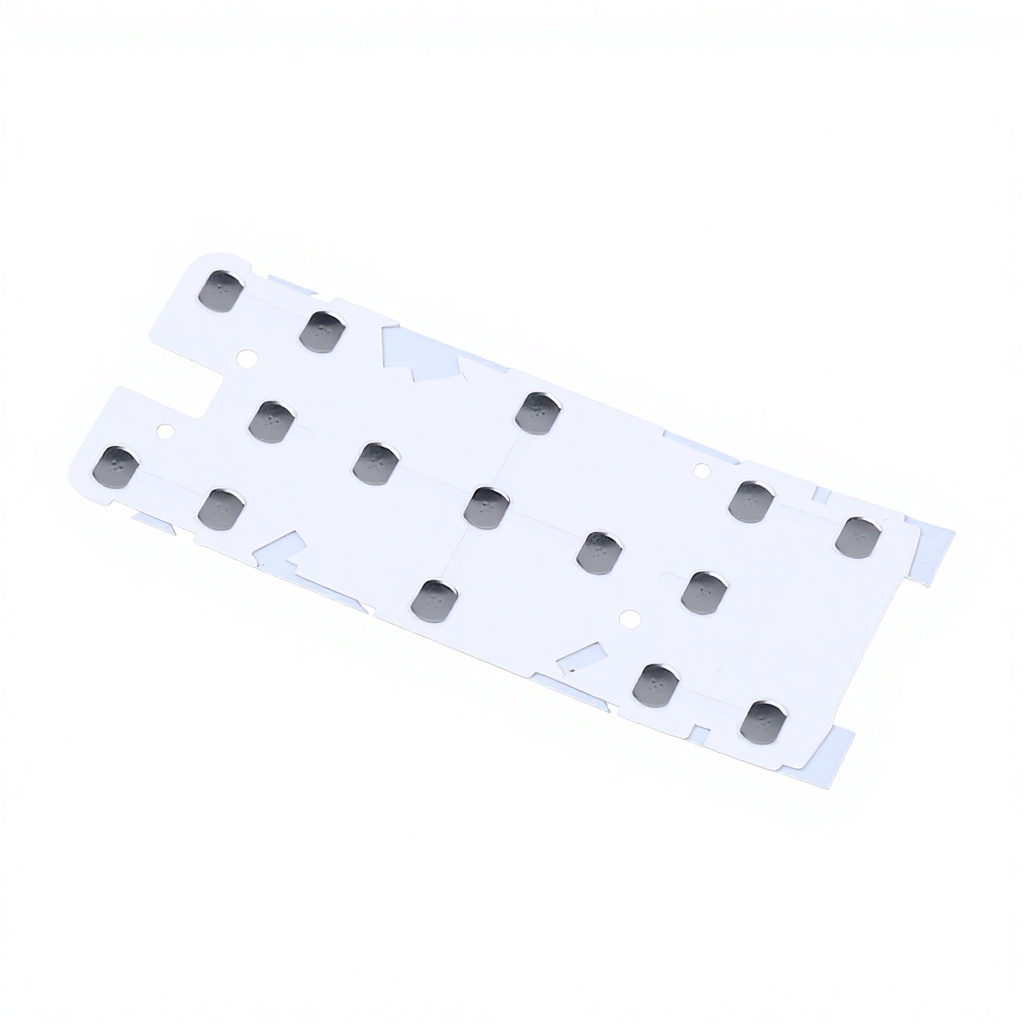
White PET Waterproof SUS301 Dome Array
- Carrier Film0.075mm White PET
- Dome AlloySUS301 Ni/Au Plated
- Air VentingInternal Vent Channels
- Contact Res.<0.5 Ω
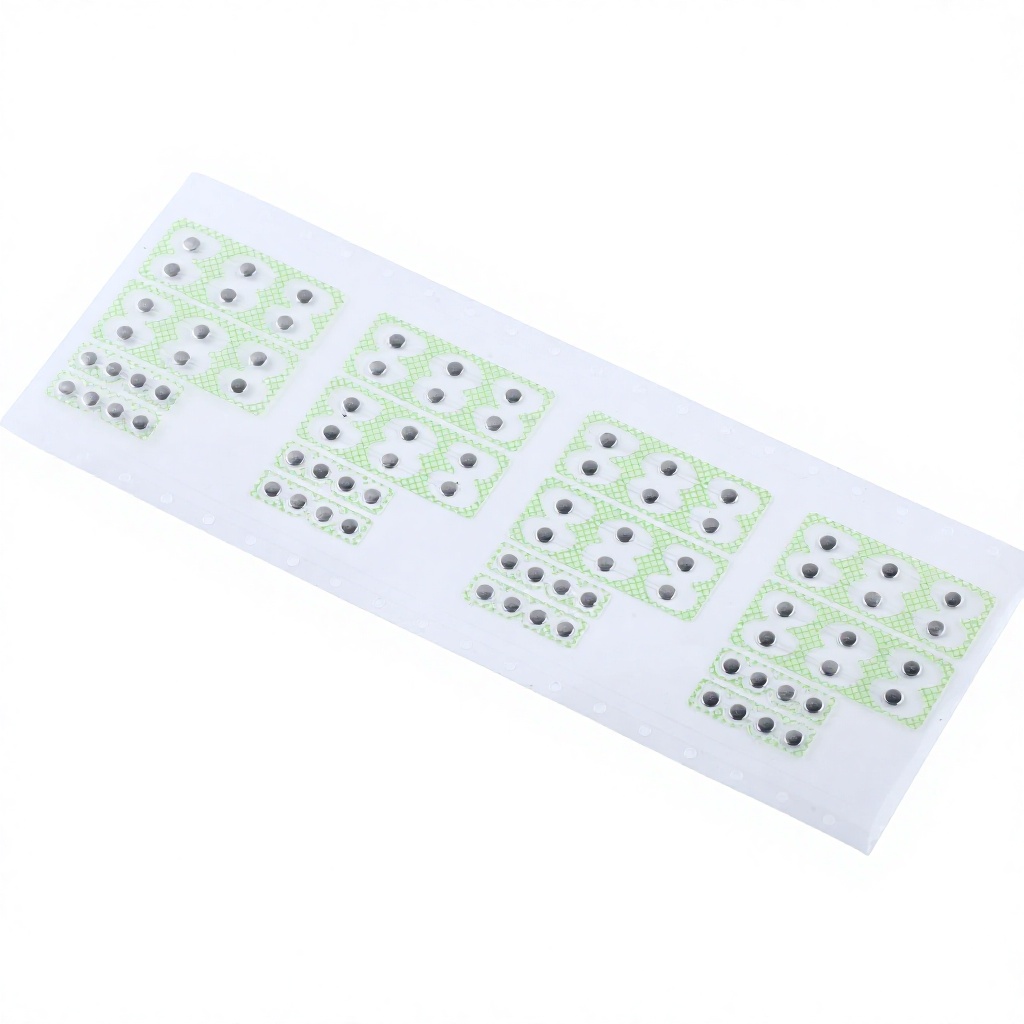
Waterproof Single-Layer Remote Metal Dome Array
- Dome Diameter6.0mm / 8.4mm / 10mm
- Actuation Force180g - 280g (±20g)
- Adhesive Layer3M 467MP Spacer
- Environment-40°C to +85°C Rated
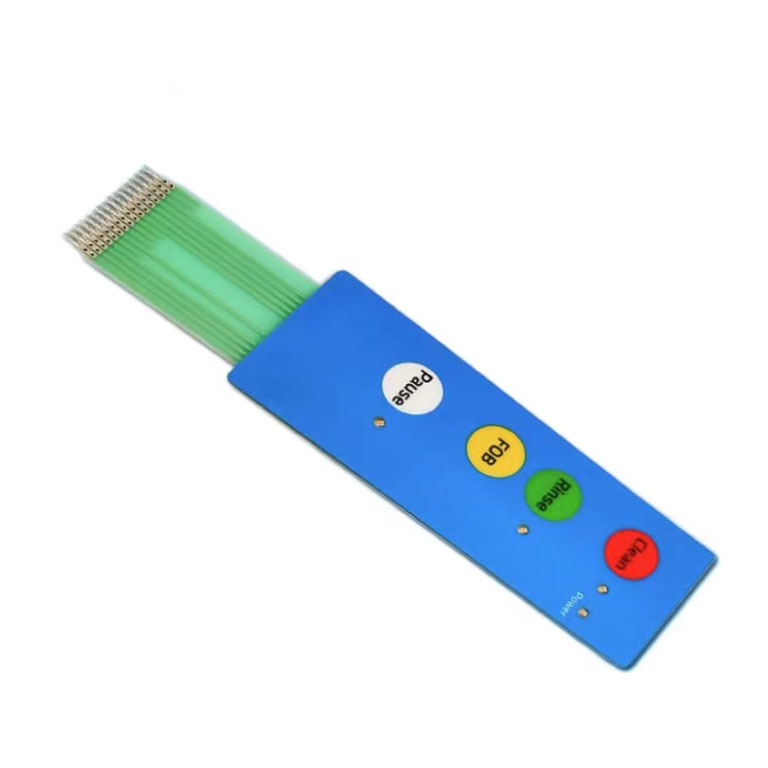
Waterproof Button Film Circuit Switch
- Circuit InksConductive Ag + Carbon
- Bend RadiusR ≥ 2.0 mm
- Breakdown Volt>500V DC Dielectric
- Pitch Spacing1.0mm / 2.54mm Pitch
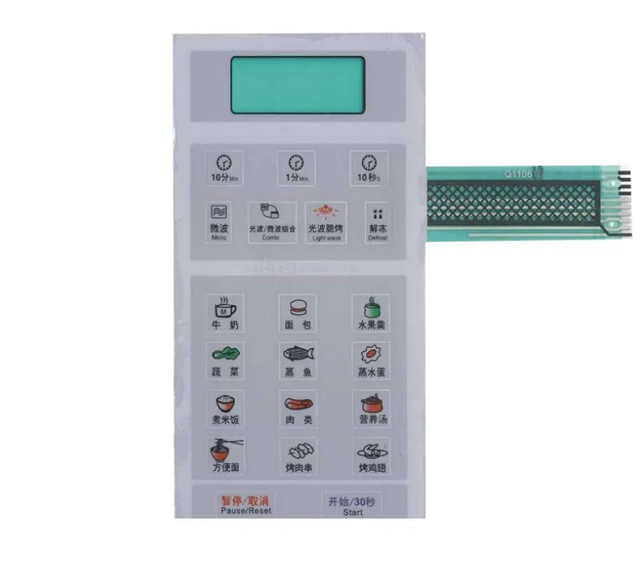
Industrial Equipment Control Panel Switch
- Overlay FinishMatte / Velvet Texture
- Tail ShieldingCarbon Grid / Al Foil
- Insulation Res.>100M Ω @ 100V DC
- Connector TypeFemale Crimp / ZIF Tail

Cross 4-Legged Snap Dome in Reel Packing
- PackagingTape & Reel for Pick & Place
- Leg Geometry4-Leg Cross with Dimple
- Trip Force220g / 350g / 420g
- Cycle Rating>5,000,000 Operations
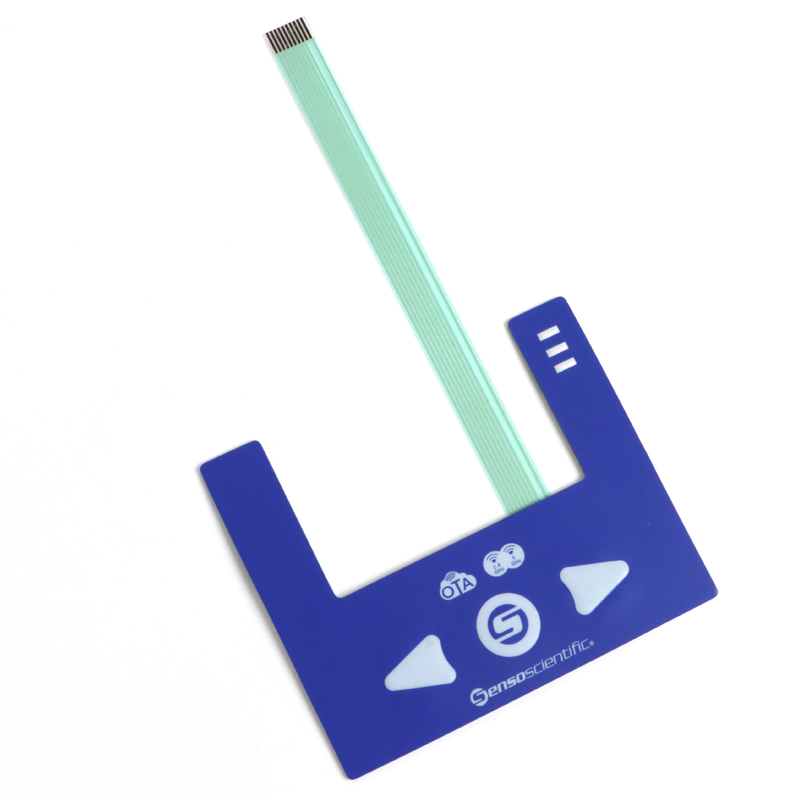
Backlit Membrane Keypad with SMT LEDs
- LED Mount0603 / 0805 Surface Mount
- IlluminationUniform Light Guide Film
- EmbossingRim / Pillow Poly-dome
- Backer BaseFR-4 PCB or 1.6mm Al Panel
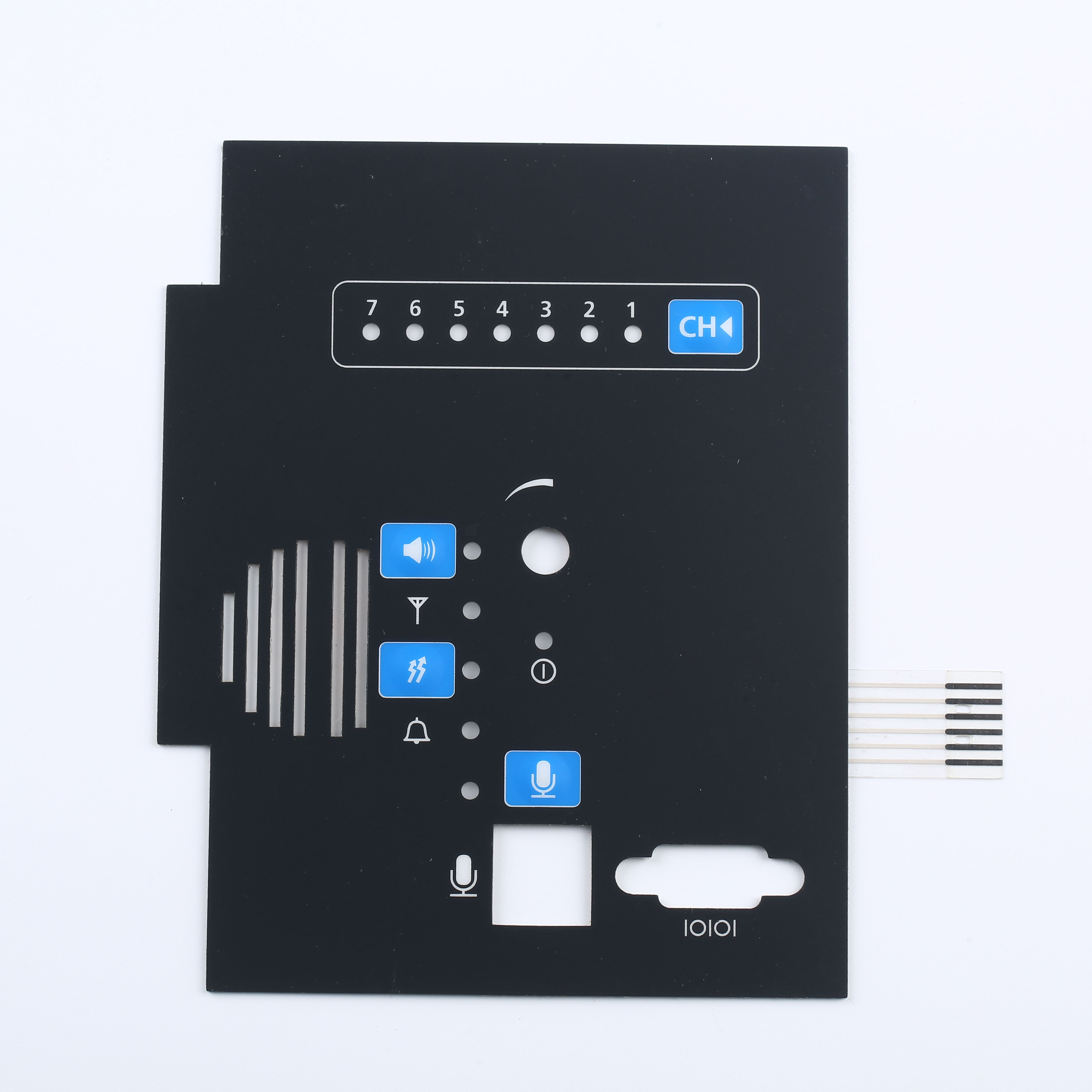
Polycarbonate Touch Screen Printed Panel
- Window Clarity>92% Optical Transparency
- Scratch Proof3H Pencil Hardness Hardcoat
- Printing TechPrecision Micro-Mesh Screen
- Adhesive Back3M 468MP High-Bond Film
Architectural Comparison: Rigid FR-4 PCB vs. Flexible FPC vs. Silver PET Membrane Switches
Specifying the optimal substrate is critical for meeting MTBF, tactile feel, and environmental isolation targets. Review the structural trade-offs below to determine whether your next custom OEM design requires a rigid PCB backer, a polyimide flexible circuit, or a traditional screen-printed PET film stack.
| Engineering Parameter | Rigid FR-4 PCB Membrane Switch | Flexible Polyimide (FPC) Circuit | Silver Conductive PET Circuit |
|---|---|---|---|
| Circuit Conductor Material | 1.0 oz / 2.0 oz Rolled Annealed Copper | 0.5 oz / 1.0 oz Electro-Deposited Copper | Polymer Thick Film Silver Ink (Ag) + Carbon |
| Trace Contact Resistance | < 0.1 Ω (Extremely Low Loop Resistance) | < 0.5 Ω (Optimized for High Densities) | 10 Ω – 100 Ω (Dependent on Trace Length) |
| SMT Component Density | High (Dense micro-controllers, BGA, 0402 LEDs) | Medium-High (SMT LEDs, resistors, discrete ICs) | Low-Medium (0805 LEDs, conductive epoxy bond) |
| Structural Rigidity | Self-supporting (0.8mm – 3.2mm FR-4 substrate) | Requires rigid backing plate (Al, Acrylic, or ABS) | Requires rigid flat backing enclosure surface |
| Harsh Chemical & High-Vibe Rating | Industrial Grade – High shock/vibe survivability | Automotive / Aerospace Class – Extreme flex life | Commercial / Appliance Grade – Standard sealing |
| Tooling & Setup Amortization | Moderate tooling; lowest unit assembly overhead | Moderate-High etching & laser cut NRE costs | Lowest initial tooling cost; fast turnaround |
Design for Manufacturability (DFM): Overcoming Silver Migration & Tail Creep
In high-humidity, high-voltage operating conditions, traditional silver-printed membrane switches are susceptible to electrolytic silver migration—a dendrite growth mechanism that precipitates short circuits between adjacent traces. At Dongguan Cevra Electronic Technology Co., Ltd., our engineering methodology eliminates this failure mode by depositing an impervious carbon overcoat barrier over all exposed conductive silver paths. Furthermore, for high-density interconnect applications, our rigid FR-4 PCB membrane switches and Copper FPC arrays utilize high-temperature solder mask passivations that render the circuit immune to moisture dendritic branching.
For the front graphic overlay, selecting between bi-axially oriented Polyethylene Terephthalate (PET) (e.g., MacDermid Autotype) and Polycarbonate (PC) (e.g., SABIC Lexan) dictates operational lifecycle. While PC provides higher optical clarity and ease of deep thermoforming (pillow embossing), PET features unmatched flex life, withstanding greater than 5 million switch actuation flex cycles without micro-cracking or hinge fatigue. In chemical exposure testing, our PET overlays resist acetone, isopropyl alcohol, common sanitizers, and machine cutting fluids, meeting rigorous cleanroom and hospital disinfection protocols.
Hermetic Perimeter Gasketing
Our die-cut sub-assemblies utilize double-coated 3M 467MP/468MP high-performance acrylic adhesives alongside closed-cell polyurethane foam gaskets. This creates continuous IP65, IP66, and IP67 perimeter seals preventing moisture, wash-down spray, and fine particulate ingress from penetrating switch cavities.
Engineered Tactile Dynamics
Using precision-stamped SUS301 stainless steel domes (four-leg cross, round, or triangular with center dimple), we control actuation trip force from 160g to 520g (±20g tolerance). Tactile ratios are fine-tuned between 40% and 65% to provide crisp, audible operator confirmation even through heavy industrial gloves.
EMI/RFI & ESD Dissipation
Static discharges can destroy downstream microprocessors. We integrate custom aluminum foil shields, printed conductive carbon-grid layers, and peripheral copper grounding borders capable of withstanding up to 15kV ESD air discharges, channeling voltage surges safely away from sensitive logic circuits.
Next-Generation Technology & Global Procurement Trends
As industrial automation, IoT medical devices, and smart appliances converge, HMI procurement teams are transitioning from basic mechanical switches to sophisticated multi-layer hybrid input solutions. Review the key technical trends shaping next-generation specifications.
1. Thin-Profile Light Guide Films (LGF)
Traditional discrete LED backlighting often creates uneven hot-spots. OEM engineers increasingly specify ultra-thin (0.125mm – 0.25mm) micro-etched Light Guide Films (LGF). Using side-firing 0603 LEDs, light is distributed evenly across icons, reducing overall keypad stack thickness and cutting power draw by up to 60%.
2. Hybrid Tactile-Capacitive Sensing
Procurement is shifting toward hybrid panels that pair sealed capacitive slider/wheel interfaces with discrete tactile emergency or high-consequence buttons. This provides the aesthetic sleekness of glass-front touchscreens while retaining the safety and tactile certainty of mechanical metal domes.
3. SMT Pick-and-Place Automation
To eliminate manual placement errors and accelerate high-volume builds, snap domes are now packaged in embossed carrier tapes (Tape & Reel). High-speed SMT placement systems position cross domes directly onto PCB array boards at rates exceeding 6,000 components per hour with zero orientation errors.
4. Anti-Microbial & UV Hardcoats
Post-pandemic healthcare devices and outdoor solar-inverter systems mandate front overlays treated with silver-ion antimicrobial coatings (inhibiting MRSA/E. coli growth) and fluoropolymer UV-stabilizers capable of preventing yellowing, haze, and embrittlement after 1,000+ hours of Xenon arc exposure.
Strategic Procurement Insight: Total Cost of Ownership (TCO) Optimization
When sourcing custom OEM PCB membrane switches from China, tier-1 procurement managers evaluate total landed cost rather than initial tooling quotes alone. Key factors include:
1. Tooling Architecture vs. Batch Size: While steel rule laser dies suffice for prototyping and low-volume production (under 5,000 units), high-speed class-A progressive hard tooling is recommended for projects exceeding 50,000 units annually. Hard tooling ensures sub-0.05mm dimensional tolerances, cleanly sheared switch edges, and reduced scrap rates over extended production lifecycles.
2. In-House Testing vs. Secondary Outsourcing: Choosing a manufacturer with a fully integrated on-site testing lab eliminates supply chain latency and defect disputes. At our Dongguan facility, every production lot undergoes automated computerized electrical verification, key actuation force testing, peel strength assessment, and thermal shock cycling before packaging, drastically reducing RMA rates for international buyers.
Dongguan Cevra Electronic Technology Co., Ltd.
Founded in March 2009 in Dongguan—the epicenter of South China's high-tech manufacturing corridor—Cevra has evolved into an engineering-led manufacturer specializing in precision membrane switches, tactile metal domes, dome arrays, graphic overlays, and specialized die-cut components.
2,600㎡ Clean Production
Our plant features dedicated screen printing cleanrooms, automated infrared curing tunnels, CNC die-cutting equipment, CCD camera-guided target drills, and automated lamination machines. Operating under strict 5S visual management, we prevent dust contamination across optical display windows and switch contact surfaces.
Rigorous Lab Testing Matrix
Our on-site QA laboratory operates computerized dome load testing machines, electric pencil hardness testers, high-low temperature programmable climate chambers (-50°C to +150°C), adhesive holding tack testers, and tension peel instrumentation to validate every lot against design specifications.
Experienced Engineering & DFM
With an engineering and technical staff maintaining over 16 years of domain expertise, we provide comprehensive DFM reviews within 24 hours. We optimize trace routing, specify correct connector pinouts, adjust tail bend radiuses, and deliver prototype samples in as fast as 5 to 7 business days.
Frequently Asked Questions by OEM & Procurement Engineers
Clear, technical answers to the most common questions regarding tooling, material selection, testing protocols, and volume production.
What CAD files and engineering specifications are required to begin quoting?
To provide a definitive quote and DFM review, we request: 1) Vector artwork for graphics (Adobe Illustrator .AI, .EPS, or vector .PDF) specifying Pantone PMS or RAL color codes; 2) Mechanical 1:1 scale layout (AutoCAD .DWG, .DXF, or 3D STEP) indicating overall dimensions, embossing profiles, window cutouts, and tail exit location; 3) Circuit schematic or netlist showing pinout assignments, LED polarity, and tail connector pitch (e.g., 1.0mm, 2.54mm pitch); 4) Target actuation force and environmental sealing rating.
How does Cevra ensure reliable tactile feedback across millions of actuations?
We source ultra-high-cycle SUS301 stainless steel strip material with precise nickel or gold plating. Each dome batch undergoes cycle-life testing on our automated switch load tester, measuring key metrics: Peak Force ($F_a$), Contact Force ($F_c$), and Return Force ($F_r$). This ensures the tactile ratio—calculated as $(F_a - F_c) / F_a$—remains consistent throughout the product's rated lifetime of 1 to 5 million operations.
What is the difference between silver conductive printing and copper-clad PCB backers?
Silver conductive circuits use polymer thick-film ink screen-printed onto thin PET film, making them cost-effective, lightweight, and ideal for standard applications. However, loop resistance is typically 10 to 100 ohms. A rigid FR-4 copper-clad PCB membrane switch delivers near-zero trace resistance (<0.1 ohm), accommodates high-density soldered micro-components (microcontrollers, buzzers, complex SMT LEDs), and acts as its own structural mounting panel.
How are graphic window displays handled for LCD, OLED, and LED readouts?
We offer three primary window treatments: 1) Clear transparent windows featuring >92% optical clarity for graphic LCDs/TFT displays; 2) Translucent color tinted windows (red, green, blue, smoked) for 7-segment LED readouts to maximize ambient contrast; 3) Dead-front printed windows, where the icon remains invisible until backlit from behind by an LED, maintaining a clean, modern aesthetic.
What measures prevent atmospheric condensation and venting issues in sealed switches?
Completely hermetic switch chambers without venting can expand or collapse under atmospheric pressure swings (e.g., in airborne equipment or varying altitudes), leading to tactile inconsistency or unintended contact. We engineer micro-venting channels between key cavities. For wash-down IP67 applications, vents terminate into a protected internal expansion reservoir or include breathable, hydrophobic ePTFE membrane patches that equalize pressure while barring liquid ingress.
What are standard production lead times and Minimum Order Quantities (MOQ)?
We support rapid new-product-introduction (NPI) cycles. Engineering tooling and prototype samples are typically delivered in 5 to 8 working days following drawing approval. Production batch lead times range from 12 to 18 working days depending on complexity. Our MOQs are flexible: graphic overlays and full membrane switch prototypes start at just 50 to 100 pieces, while discrete metal domes start at 1,000 pieces.
Collaborate with Our HMI Application Engineers
Whether you require a custom rigid FR-4 PCB membrane keyboard, high-density metal dome arrays, or an IP67 waterproof industrial graphic panel, our Dongguan engineering team is ready to evaluate your DFM requirements and provide competitive factory-direct pricing within 24 hours.