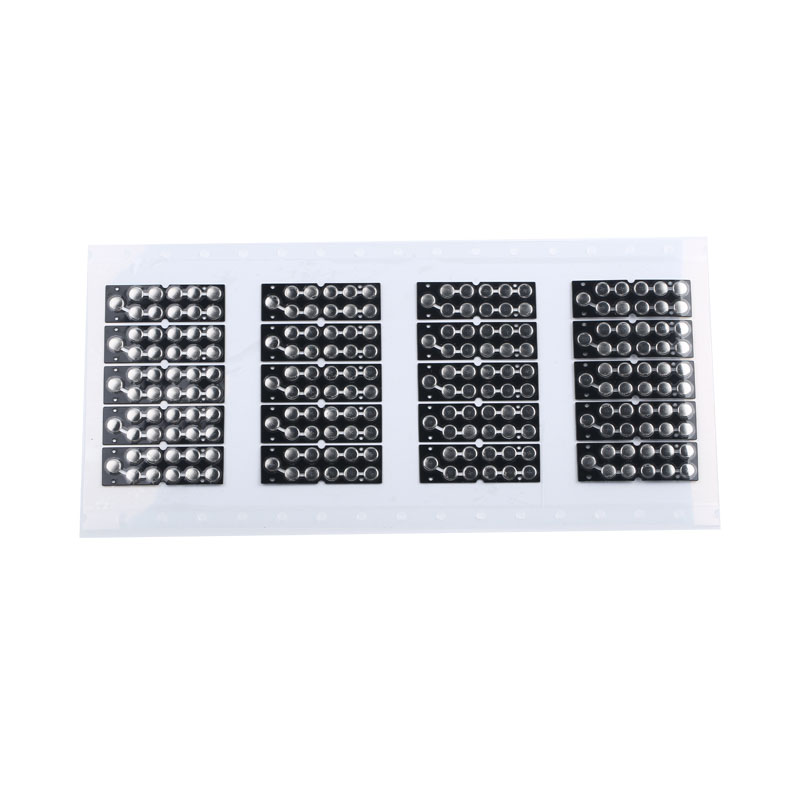
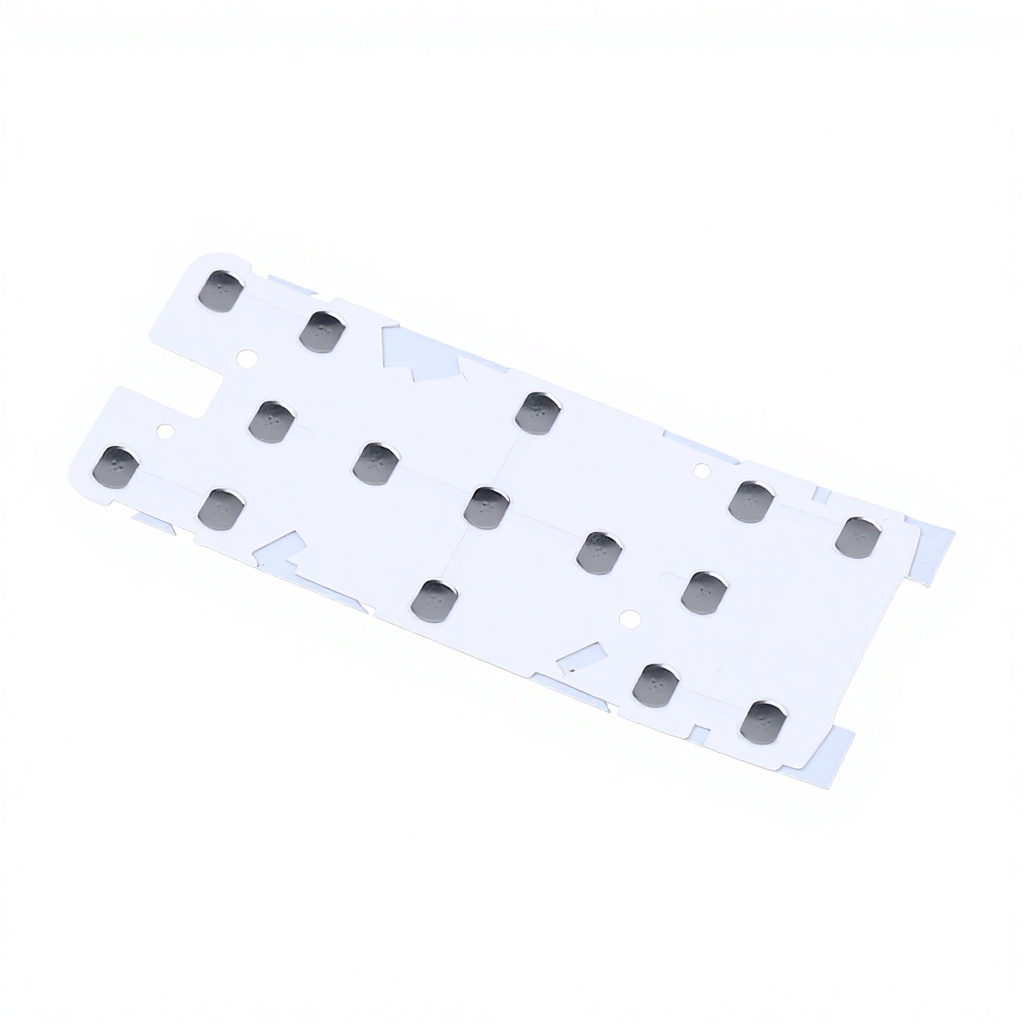
Round Metal Dome Array Single Layer Transparent PET
- Base Material: Optical PET Layer
- Dome Type: SUS301 Stainless Steel
- Adhesive: 3M High-Tack Peel
Explore our proven tactile architectures and custom graphic interface modules built for medical, industrial instrumentation, consumer electronics, and automotive control systems.
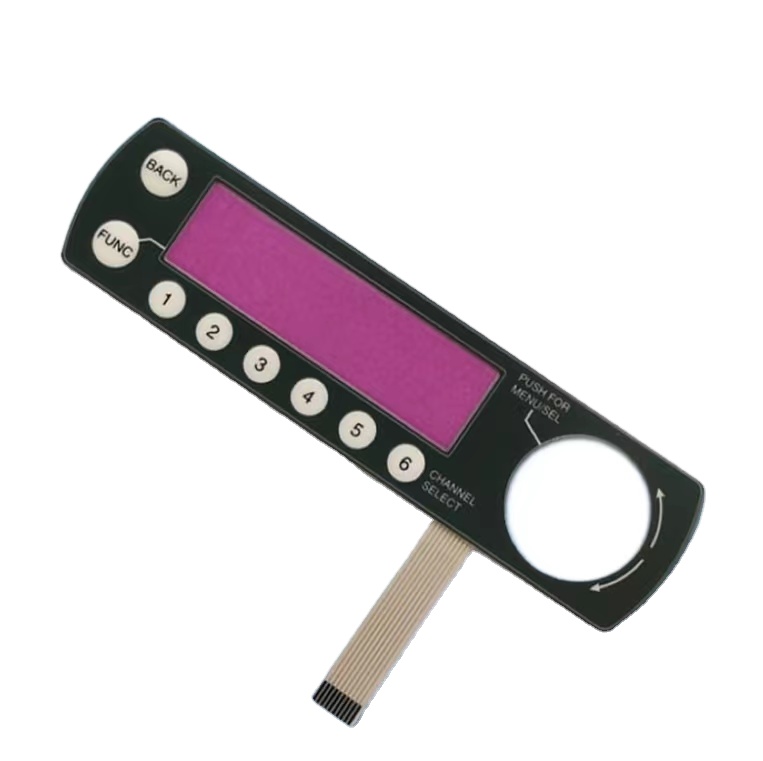
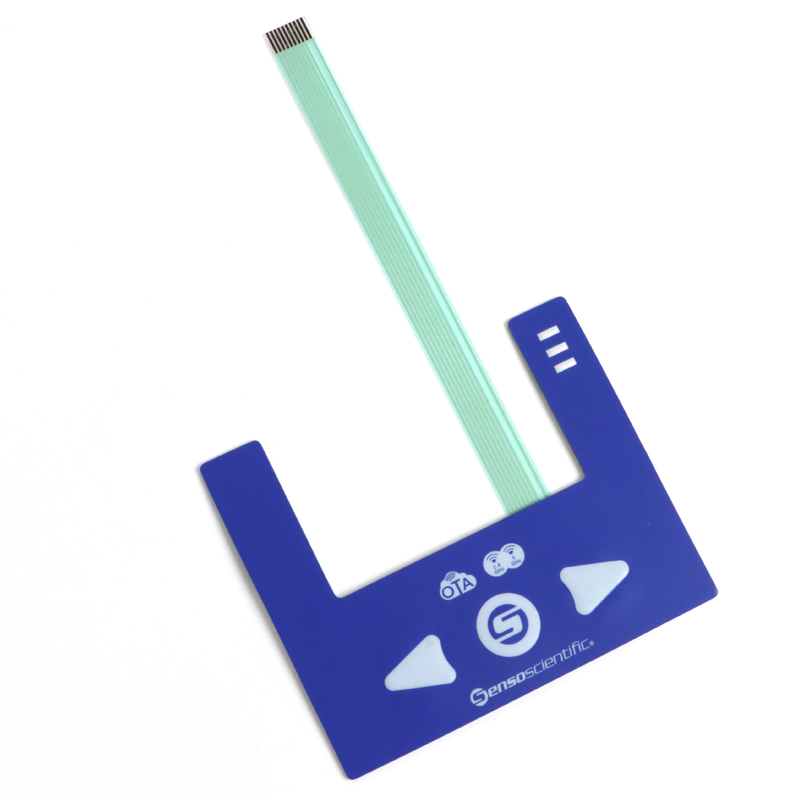
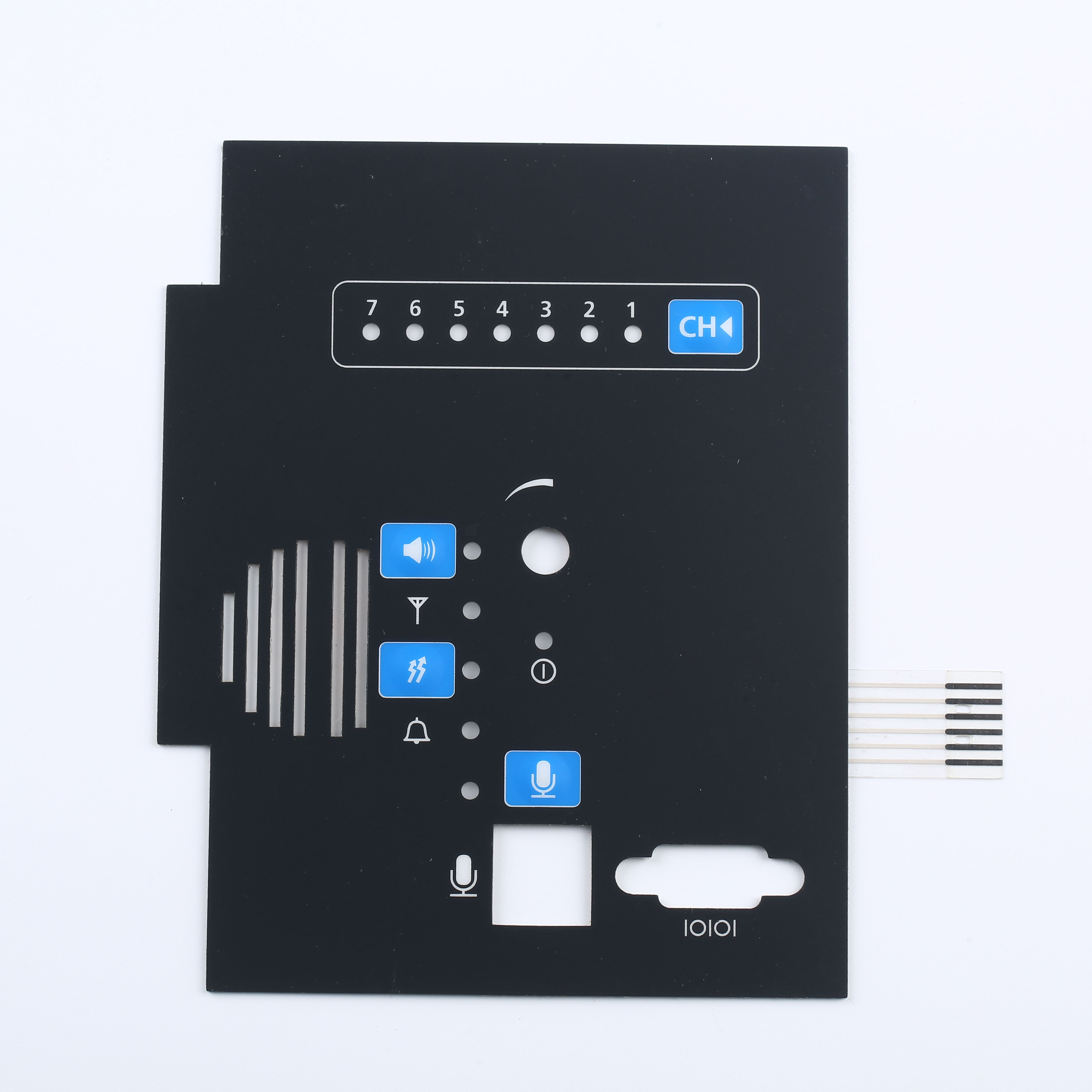
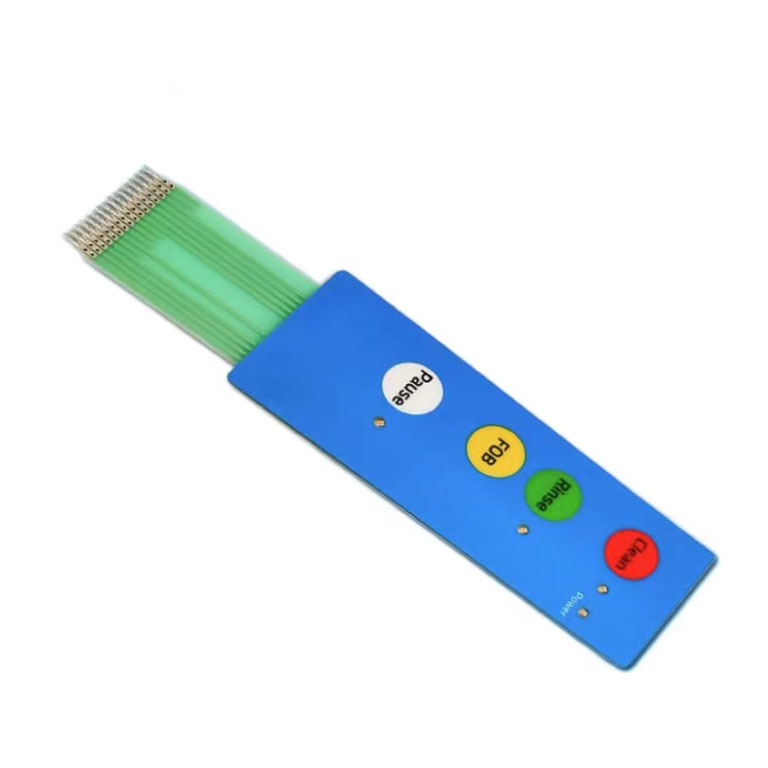
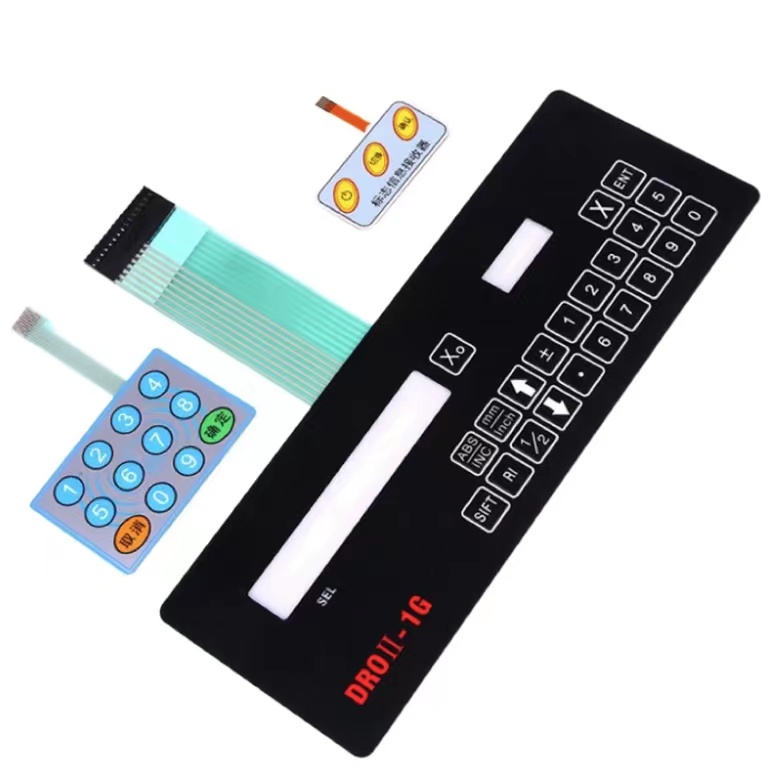
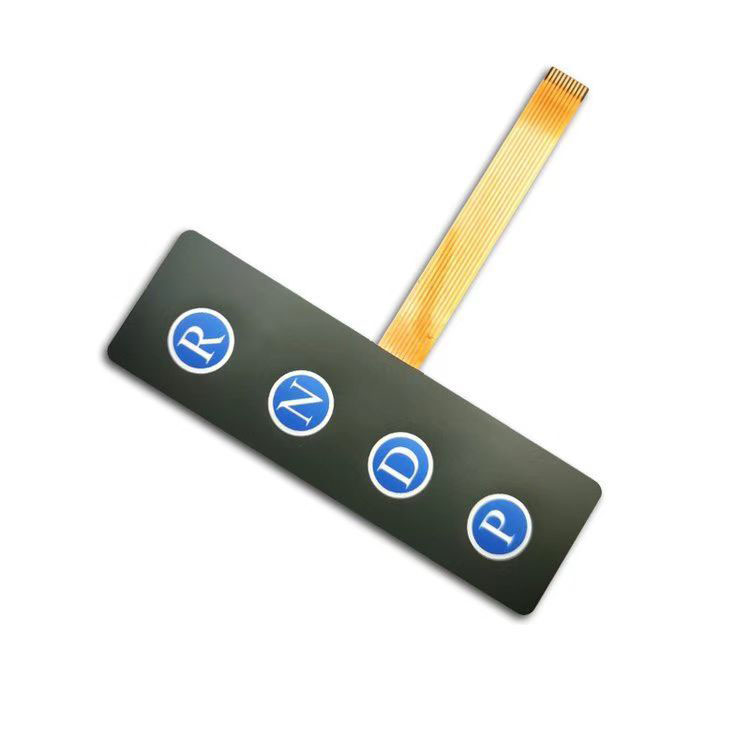
Achieving uniform backlighting in ultra-thin membrane profiles requires deep understanding of optical physics, micro-etching dispersion, and mechanical stack-up isolation.
By leveraging ultra-thin (0.125mm - 0.25mm) polycarbonate or optical-grade polyurethane sheets with precisely engineered micro-dots, LGF channels light from edge-mounted side-firing LEDs. This ensures ultra-consistent surface luminance without hotspots, cutting total LED consumption by up to 70% while keeping switch profiles ultra-thin.
In selective status backlighting, micro surface-mount diodes (0603 or 0805 packages) are placed on dedicated flex circuits (FPC or conductive silver traces). Using thermally stable UV adhesives and customized die-cut embossing spacers prevents light bleed between adjacent keys, maintaining crisp symbology illumination even in critical ambient darkness.
Industrial and medical field devices face chemical disinfectants, moisture, and fine particulate ingress. Our backlit keypads utilize continuous perimeter gasket die-cuts combined with medical-grade 3M acrylic transfer tapes (such as 3M 467MP / 468MP), creating an IP67-rated front barrier resilient to thermal expansion and fluid infiltration.
Operating since March 2009 in Dongguan, Guangdong, Cevra offers a fully integrated, vertically controlled manufacturing facility covering 2,600㎡ of cleanroom production, certified under ISO 9001 and verified onsite by SGS Group.
Years of Direct Manufacturing
Class 10,000 Clean Workshop
In-House Production & Testing
Independently Audited Quality
Multi-layer registration accuracy is critical for backlit assemblies. We utilize advanced CCD vision-guided punching, high-precision laser cutting, and automated optical drilling machines that ensure graphic cutouts, light diffusers, and tactile domes align within ±0.05mm tolerances across large production runs.
Every batch undergoes stringent physical and electrical verification: automated metal dome load-deflection curve testers, high/low temperature humidity chambers (-40°C to +85°C), 180-degree peel adhesive tension meters, holding tack testers, and mechanical actuation life cyclers rated past 1,000,000 strokes.
Unlike trading entities, our dedicated in-house CAD/DFM engineering team analyzes stack-up elasticity, pinouts, and thermal dispersion prior to tooling. Rapid prototypes can be generated in 5-7 business days, providing low MOQ agility (from 10 to 100 units) to accelerate full-scale production ramp-up.
Procurement teams and HMI system architects must account for transitioning material standards, energy efficiency demands, and evolving ergonomic requirements.
Electroluminescent (EL) backlighting is rapidly phasing out due to high-voltage inverter whine, limited half-life (frequently degrading under 3,000 hours), and high field-failure rates. Tier-1 OEMs are consolidating designs around low-voltage DC Light Guide Film architectures that exceed 50,000 continuous hours of operational brightness with zero electromagnetic noise.
Industrial machinery increasingly merges sleek capacitive touch surfaces with physical backlit emergency stops and tactile confirmation keys. This hybrid integration delivers modern glass-like aesthetics while complying with safety protocols that demand tactile feedback for mission-critical operations under gloved conditions.
Global supply chain governance requires full RoHS, REACH, and halogen-free compliance across all graphic sub-layers, conductive inks, and silicone backings. Strategic buyers prioritize integrated factories that maintain pre-certified material inventories to circumvent lead-time fluctuations and cross-border regulatory compliance bottlenecks.
| Illumination Technology | Thickness Added | Uniformity Score | Power Draw | Operating Lifespan | Best Practical Application |
|---|---|---|---|---|---|
| Light Guide Film (LGF) | 0.15mm – 0.25mm | Very High (>90%) | Low (DC 2.8V - 3.4V) | >50,000 Hours | Medical tablets, avionics, slim rugged handsets |
| Discrete Surface-Mount LED | 0.60mm – 1.20mm | Medium (Selective Keys) | Low-Medium | >60,000 Hours | Industrial switch panels, power status arrays |
| Electroluminescent (EL Lamp) | 0.20mm – 0.30mm | High (When New) | High (Requires AC Inverter) | <3,500 Hours (Decays) | Legacy instrumentation (mostly replaced by LGF) |
| Fiber Optic Weave | 0.30mm – 0.50mm | High | Low-Medium | Dependent on Source | High-vibration aerospace and specialized defense |
Direct answers from our senior engineering team to assist hardware designers, sourcing managers, and procurement specialists.
Hotspots are avoided through calibrated optical simulation and physical light-blocking barriers. In LGF configurations, we adjust micro-dot refraction density, placing smaller, spaced dot patterns near LEDs and denser arrays further away. For discrete LED arrays, opaque spacer dams and light-blocking diffuser films isolate light entirely to the target key.
Polycarbonate offers outstanding optical clarity for digital windows and high flame retardancy (UL94 V-0 ratings available), making it ideal for instrumentation panels. PET offers superior chemical resistance against industrial solvents and medical cleaners, plus a flex life exceeding 5 million switch actuations without micro-cracking.
We supply SUS301 stainless steel domes ranging from 200g to 500g trip force. Four-legged cross domes are standard for flexible circuits, offering strong tactile feedback and long cycle lives. Round and triangular domes are selected when space is limited or higher actuations per square inch are necessary.
Send 2D engineering drawings (DXF, DWG, or vector PDF), overlay artwork (Adobe Illustrator .AI with vector fonts outlines and Pantone/RAL callouts), circuit schematics (pinout definition), target tactile feedback expectations, environmental specs (IP rating, chemical exposure), and estimated annual volume.
Graphic overlay printing uses automated screen printing presses in cleanroom environments. Ink formulations are verified with high-precision spectrophotometers against Delta-E color standards. Sub-surface printing shields graphics from abrasive wear, surface scratching, and UV degradation.
We support agile product launches. Prototyping lead times typically run 5 to 7 working days following mechanical and artwork sign-off. MOQ begins as low as 10 to 50 pieces for specialized pilot runs, ramping smoothly into production volumes of hundreds of thousands of units.