High-Performance PC & PET Interface Products
Explore our core selection of precision tactile membrane switches, custom graphic overlays, and contact dome arrays engineered for harsh industrial, medical, and consumer electronics applications.
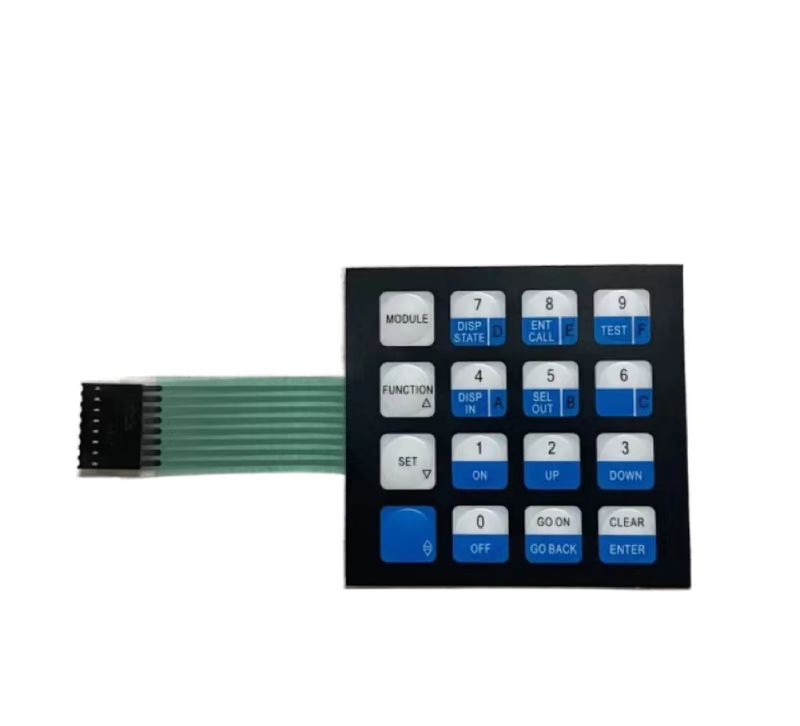
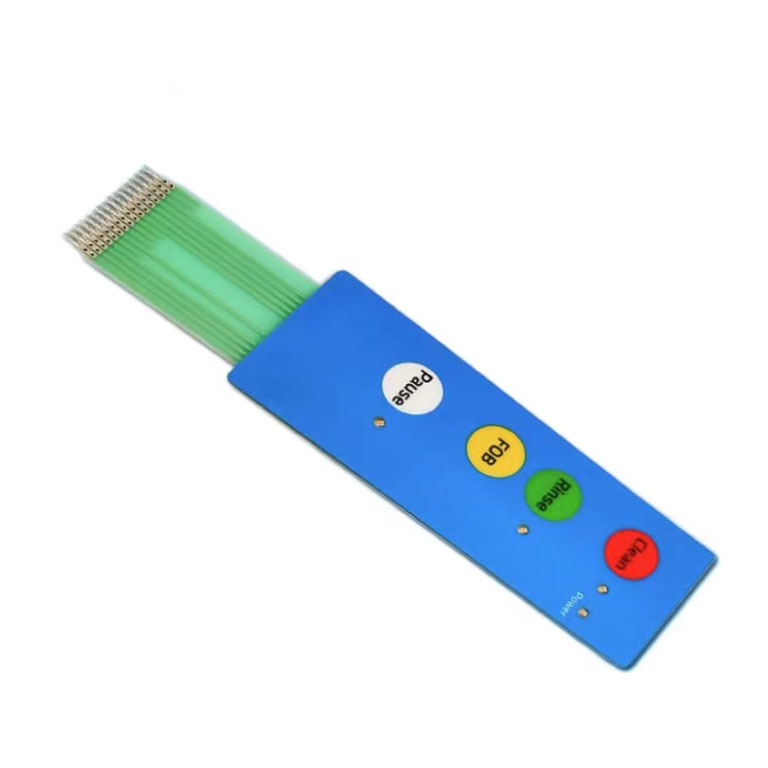
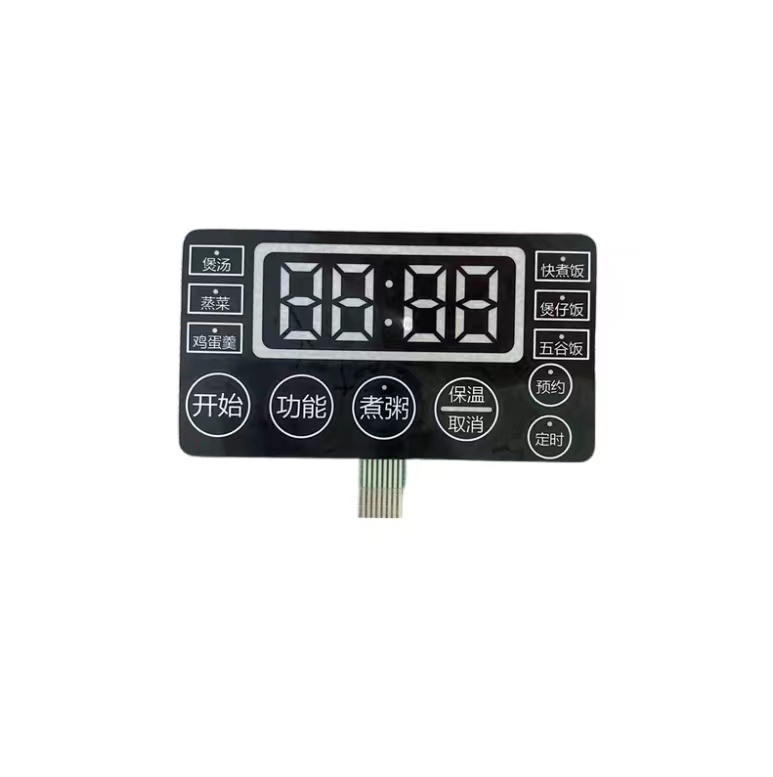
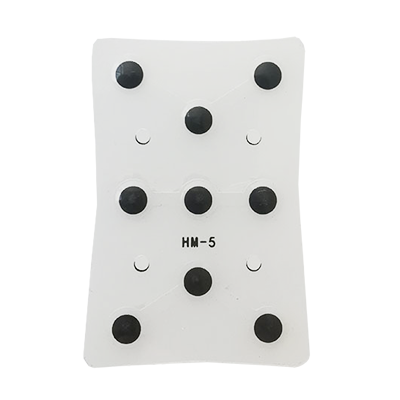
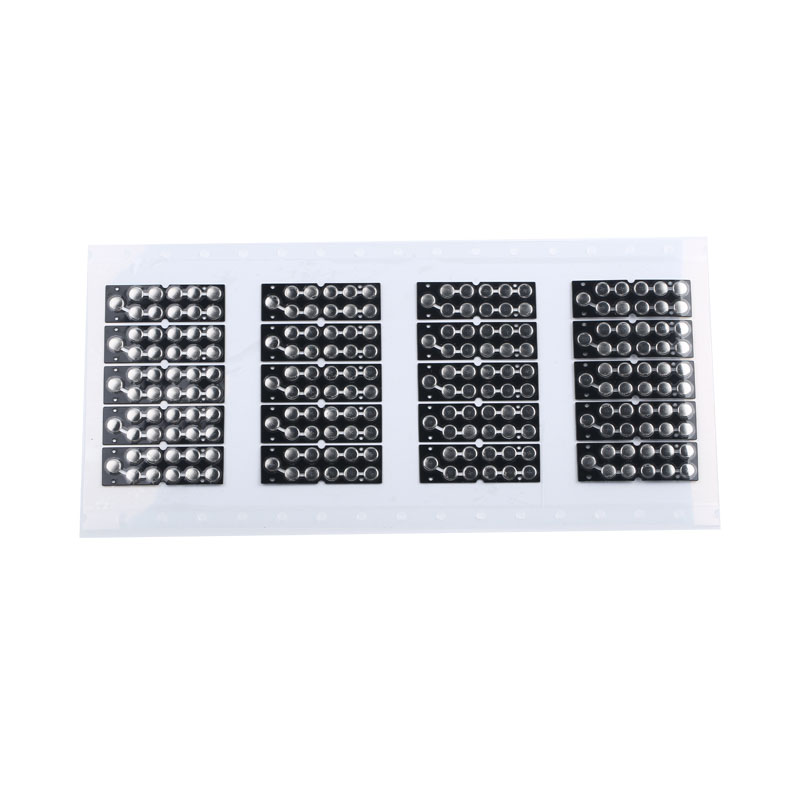
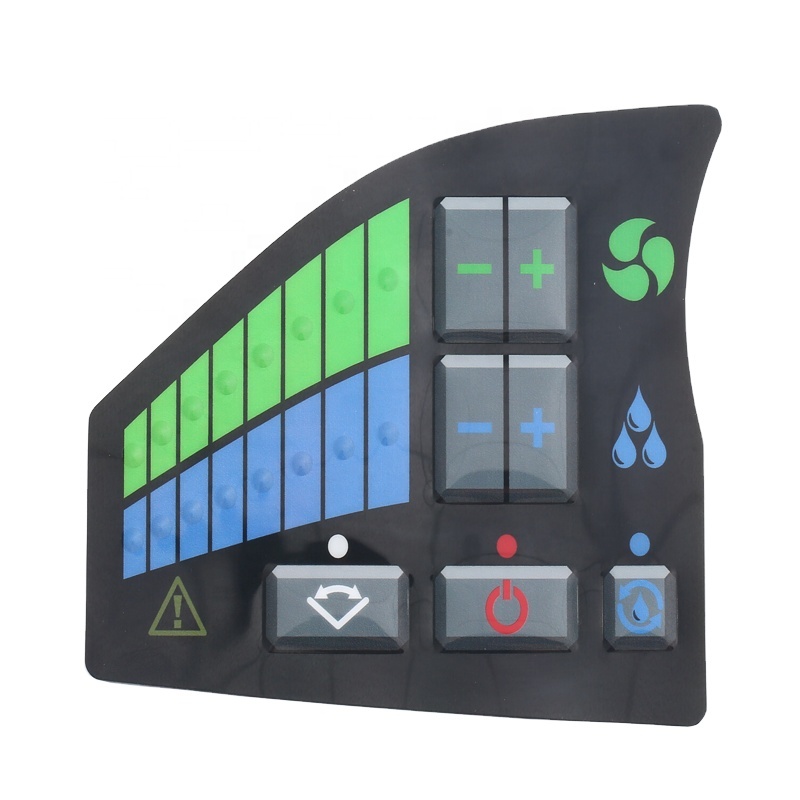
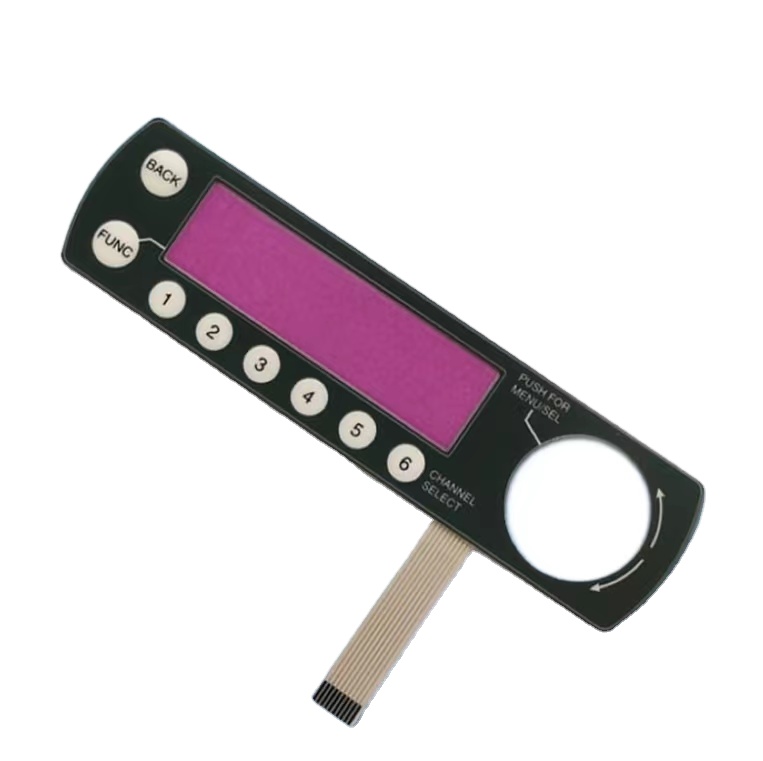
Polycarbonate (PC) vs. Polyester (PET) Substrate Selection
A technical assessment for hardware designers and global procurement teams specifying interface durability, environmental tolerance, and actuation lifecycle performance.
| Evaluation Parameter | Polycarbonate (PC) Graphic Overlays | Polyester (PET) Graphic Overlays | Design Recommendation |
|---|---|---|---|
| Mechanical Flexural Endurance | Moderate (approximately 100,000 to 200,000 cycles before fatigue) | Ultra-high (> 5,000,000 cycles with zero micro-fracturing) | Specify PET for high-cycle tactile keys; PC for stationary display panels. |
| Optical Clarity & Transparency | Superior light transmission (up to 91%), minimal haze | Slightly anisotropic, standard transmission (approx. 86-89%) | Use PC when overlay incorporates precision LCD/LED inspection windows. |
| Thermal Range & Dimensional Drift | HDT ~135°C; susceptible to thermal creep under sustained high UV | Operating range -40°C to +120°C; low thermal shrinkage (<0.2%) | PET is preferred for autoclave, medical sterilization, and outdoor instrumentation. |
| Chemical & Solvent Resistance | Vulnerable to aromatic hydrocarbons, ketones, and concentrated alcohols | Impervious to most industrial cleansers, solvents, grease, and mild acids | PET is mandatory for clinical diagnostics, food processing, and chemical handling. |
| Embossing & Thermoforming Ease | Excellent deep-draw forming without internal stress cracking | Requires precise matched-die hot tooling to prevent rebound relaxation | PC accommodates high-profile rim and pillow embossing with tighter tolerance. |
Emerging Procurement Trends in Global HMI Sourcing
Analysis of the structural, regulatory, and technological shifts reshaping the custom graphic overlay and membrane switch procurement landscape through 2026-2030.
Supply Chain Decoupling & Direct-to-Factory Procurement
Global OEMs are migrating away from third-party trading intermediaries to partner directly with full-stack manufacturers. Direct engineering communication eliminates technical transcription errors in layer stack-up definitions, accelerates initial prototype DFM reviews from weeks to 24 hours, and reduces unit BOM expenditures by 18-28%.
Strict Regulatory Compliance & Antimicrobial Coatings
Procurement teams serving medical and cleanroom sectors now mandate full RoHS 3, REACH, and UL94 flammability traceability. Incorporating nanosilver and specialized anti-pathogenic micro-textured coatings directly into the second-surface screen-printing process has transitioned from an optional enhancement to a standard compliance prerequisite.
Rapid Functional Prototyping & Digital Tooling Systems
The acceleration of iterative electronic design cycles has diminished the feasibility of long steel-die lead times. Advanced manufacturers utilize laser cutting, digital flatbed CCD drilling, and short-run screen/digital hybrid deposition to deliver production-grade functional samples within 3-5 business days without requiring dedicated hard-tooling amortization.
Technological Innovations in Graphic Overlays & HMI Assemblies
The evolution from passive decorative faceplates to active, high-density smart interface skins integrating advanced optoelectronics and tactile micro-mechanics.
Light Guide Film (LGF) & Micro-Dot Backlighting Integration
Traditional discrete LEDs often suffer from localized hotspotting and excessive vertical stack thickness. Modern HMI panels integrate ultra-thin (0.125mm) light guide films featuring precision-etched micro-optical diffusion grids. This design channels illumination from edge-mounted side-fire SMD LEDs across wide key areas with superior surface luminance uniformity exceeding 85%.
Hybrid Tactile Snap Dome Arrays on Flexible Copper FPC
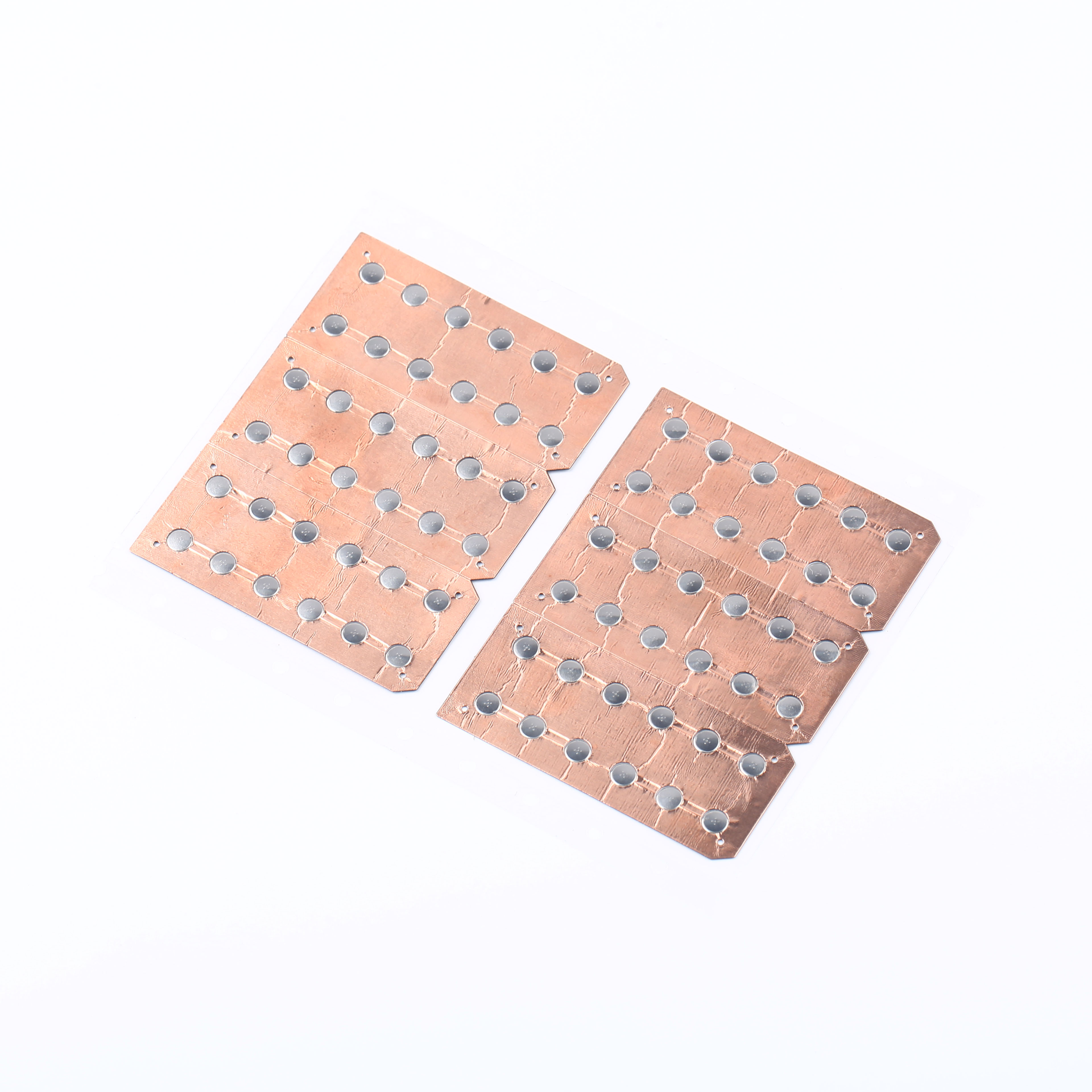
Moving beyond basic conductive silver paste printing, next-generation membrane assemblies bond gold- and nickel-plated stainless steel snap domes directly onto polyimide Flexible Printed Circuits (FPC). This architecture withstands harsh vibration environments, reduces circuit trace resistance to less than 1Ω, and guarantees long-term tactile responsiveness across millions of actuations.
Capacitive Sensing Combined with In-Mold Electronic Formability
As industrial machinery adopts sleek consumer-grade industrial aesthetics, capacitive touch membranes are replacing traditional electromechanical toggles. Using specialized formable conductive inks and optical adhesives, overlays can be curved and thermoformed into 3D ergonomic housings, establishing hermetically sealed IP67/IP68 ingress protection against fluid washdowns.
Why Partner with Dongguan Cevra Electronic Technology Co., Ltd.
Headquartered in Dongguan, Guangdong—the core of South China's high-precision electronics manufacturing cluster—Cevra delivers end-to-end interface fabrication certified under verified international standards.
Full In-House Manufacturing
Our 2,600㎡ integrated facility houses screen printing, laser profiling, CCD-guided drilling, precision embossing, fully automated lamination lines, and dedicated cleanrooms. Complete internal process control guarantees schedule predictability and prevents multi-tier subcontractor delays.
SGS Audited & ISO 9001 Certified
Operating since March 2009 under ISO 9001 quality management procedures, our factory undergoes rigorous recurring onsite validation by SGS Group. Every stage—from raw resin receipt to final die-cut packaging—adheres strictly to repeatable, auditable quality benchmarks.
Rigorous In-House QA Testing Lab
Product reliability is verified using computer-monitored dome load trip testers, high/low temperature environmental stress chambers (-40°C to +105°C), 180° adhesive peel and holding tack testers, and motorized pencil scratch hardness test benches.
Agile Global Project Support
Ranked #5 on global industrial vendor ratings for switches and keypads, our bilingual engineering group provides comprehensive DFM evaluations within 24 hours. We offer flexible order volumes ranging from 10-piece prototype builds to 100,000+ unit mass production runs.
Frequently Asked Questions on PC Graphic Overlay Sourcing
Clear, practical answers addressing file formats, tooling, layer stack-ups, adhesives, and quality validation to support engineering and procurement decisions.
What engineering documentation is necessary to initiate a customized graphic overlay quotation?
- Vector Artwork: Adobe Illustrator (.AI), CorelDRAW (.CDR), or editable .PDF files with text converted to outlines and PMS (Pantone Matching System) or RAL color references specified.
- Mechanical CAD Dimensions: DXF, DWG, or STEP files depicting external profiles, display window cutouts, mounting apertures, LED placements, and key emboss profiles.
- Functional Requirements: Desired substrate (e.g., Lexan PC vs. Autotex PET), surface texture (matte, velvet, gloss), tactile click actuation forces (e.g., 280g, 350g, 420g), adhesive layer specifications (such as 3M 467MP or 3M 468MP), and working ambient temperature conditions.
When should an engineer specify Polycarbonate (PC) over Polyester (PET) for a graphic overlay?
How does Cevra ensure long-term environmental sealing and moisture resistance?
What varieties of metal snap domes and actuation profiles can be integrated?
What are your standard Minimum Order Quantities (MOQs) and prototype lead times?
Ready to Build Your Custom Interface Panel?
Consult directly with our Dongguan engineering team for a rapid DFM review, layer stack-up guidance, and a comprehensive quote within 24 hours.
Send an Inquiry