Engineered Membrane Switch & HMI Panel Solutions
Explore our certified Human-Machine Interface assemblies, customized graphic overlays, tactile dome arrays, and precision-manufactured film circuitry.
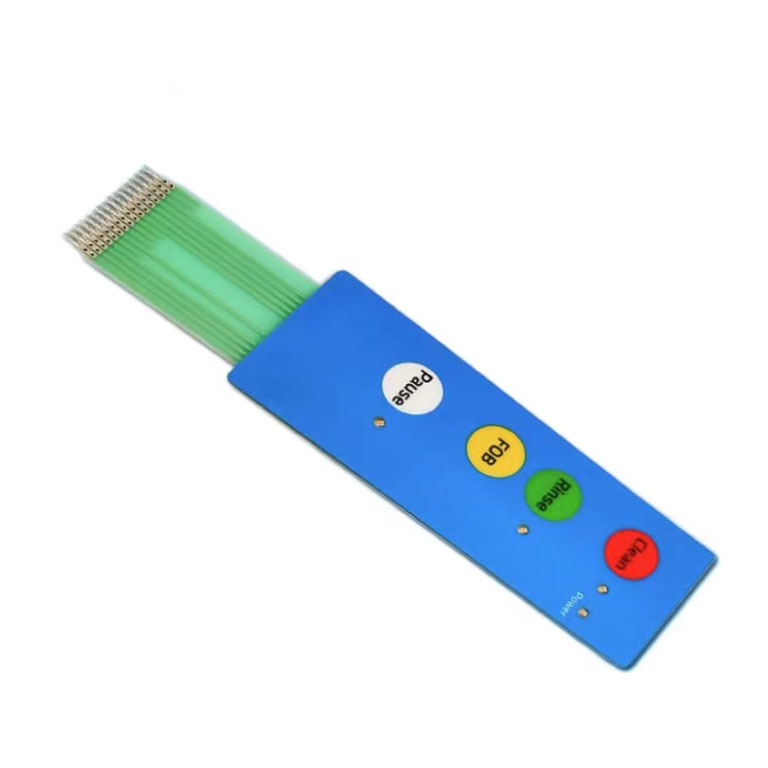
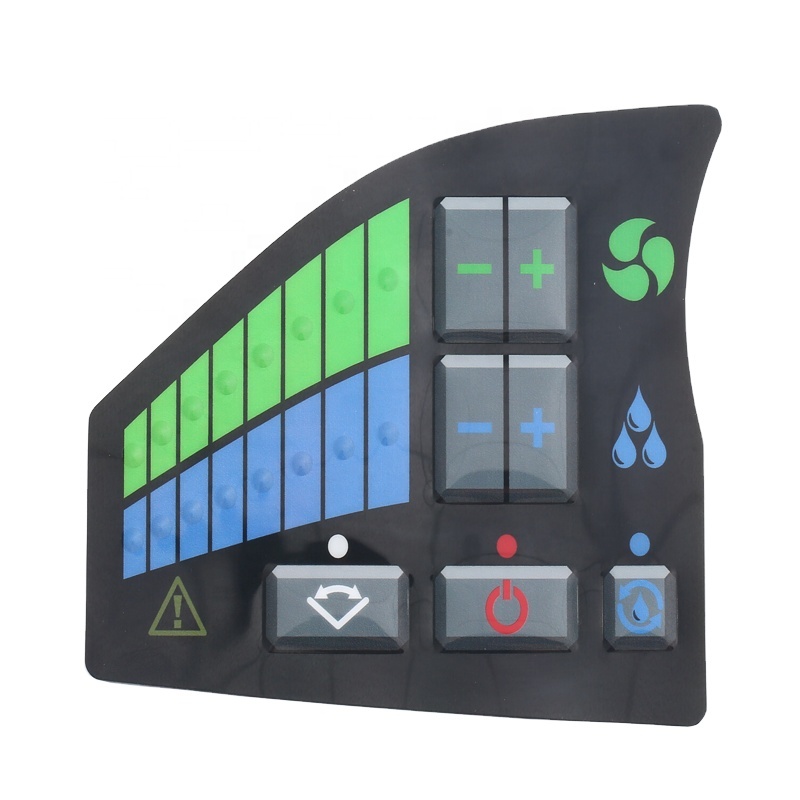
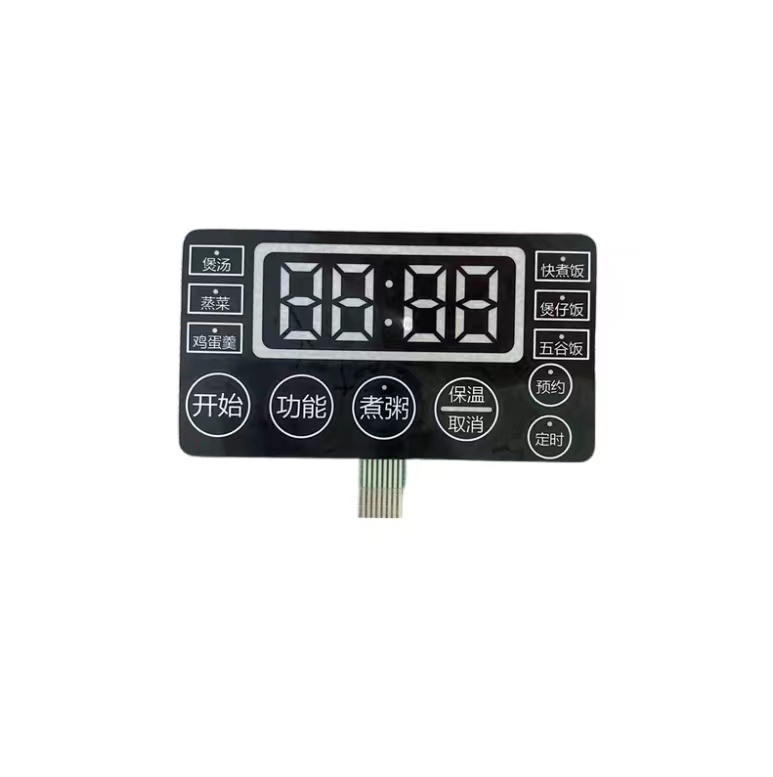
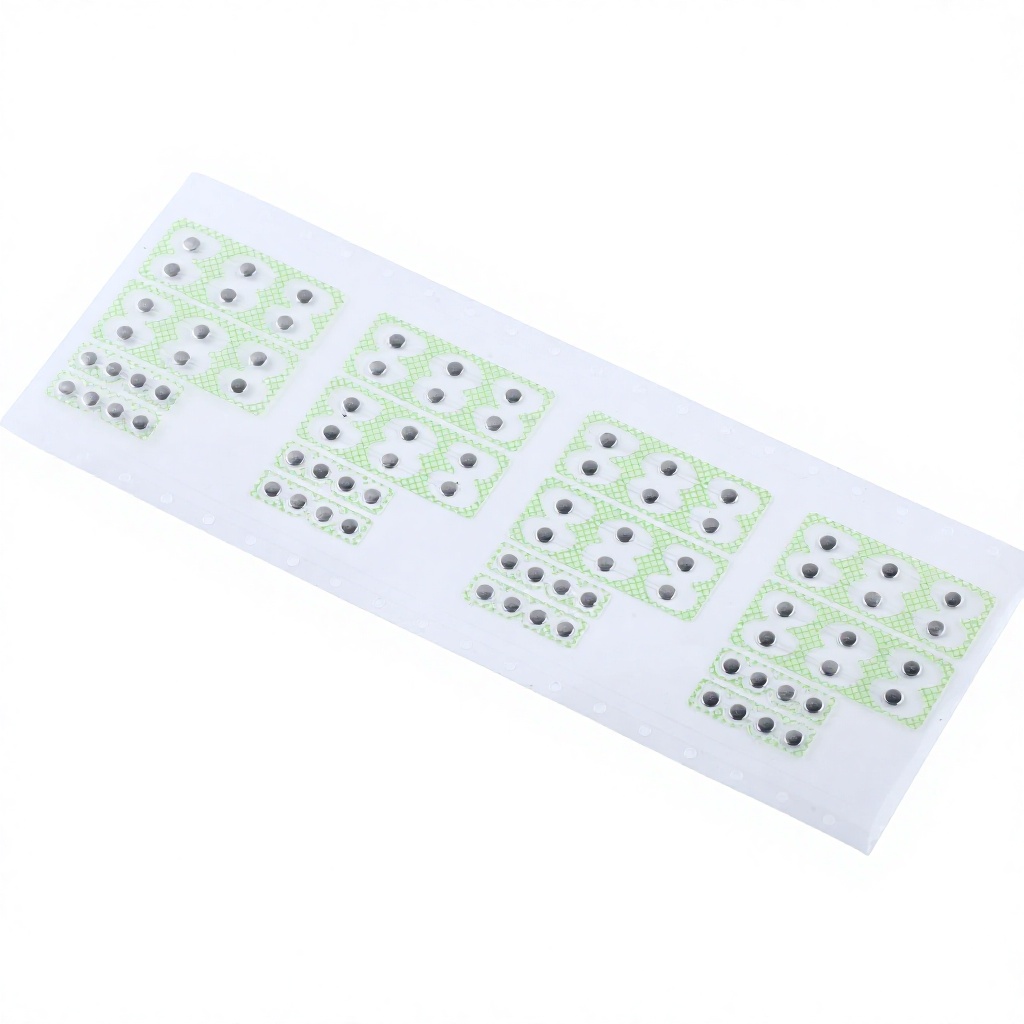
Engineering Architecture: Anatomical Breakdown of a Membrane Switch
A deep technical dive into high-reliability multi-layer HMI stack-ups designed to survive demanding industrial, aerospace, and medical working conditions.
Precision Layer Stack-Up and Material Science
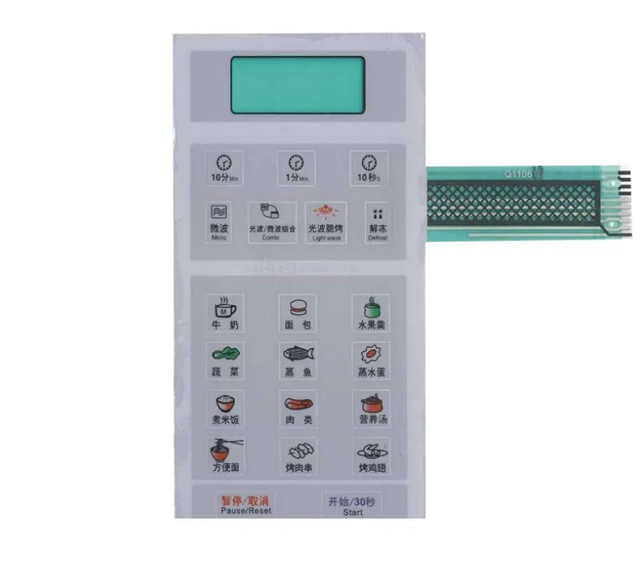
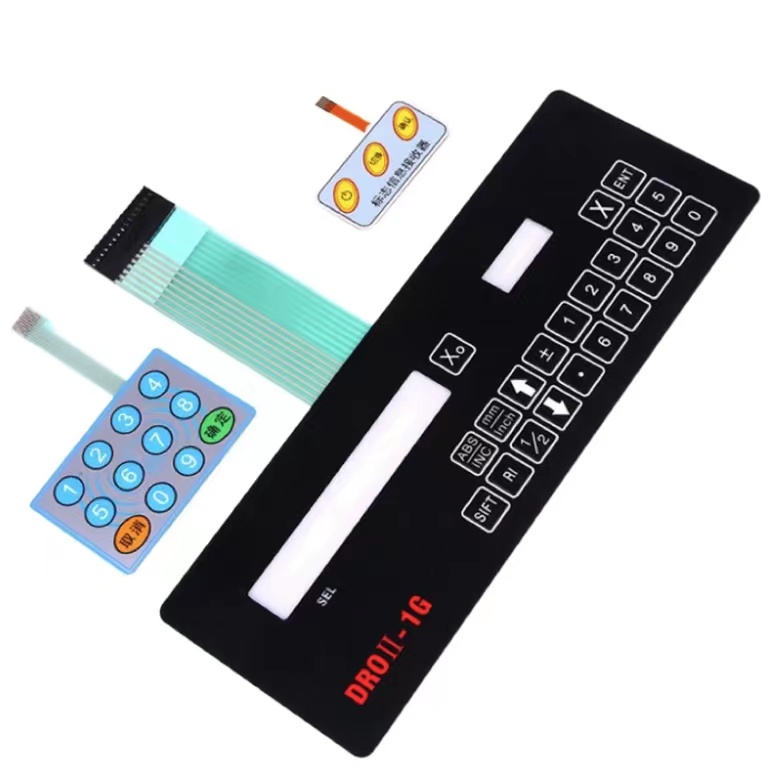
A custom membrane switch assembly is an intricately engineered electro-mechanical system consisting of multiple specialized substrate layers bonded by high-performance pressure-sensitive adhesives (PSAs). To maintain signal integrity and structural bonding across decades of operation, every micron matters. Cevra applies rigorous material science principles to ensure superior dielectric strength, dimensional stability, and resistance against harsh chemicals, humidity, and thermal cycling.
The standard architecture incorporates the following critical structural layers:
- Graphic Overlay Layer: The frontline defense of the interface. Typically manufactured from Autotype textured polyester (PET) or Lexan polycarbonate (PC). Polycarbonate provides optical clarity and crisp thermoforming properties, whereas biaxially oriented PET delivers over 5,000,000 flex cycles and chemical resistance against corrosive industrial solvents, acids, and aggressive medical disinfectants.
- Overlay Adhesive Layer: Specifically engineered using 3M 467MP or 3M 468MP high-performance acrylic adhesives, ensuring zero bubbles, uniform bond strength, and thermal resilience ranging from -40°C to +150°C.
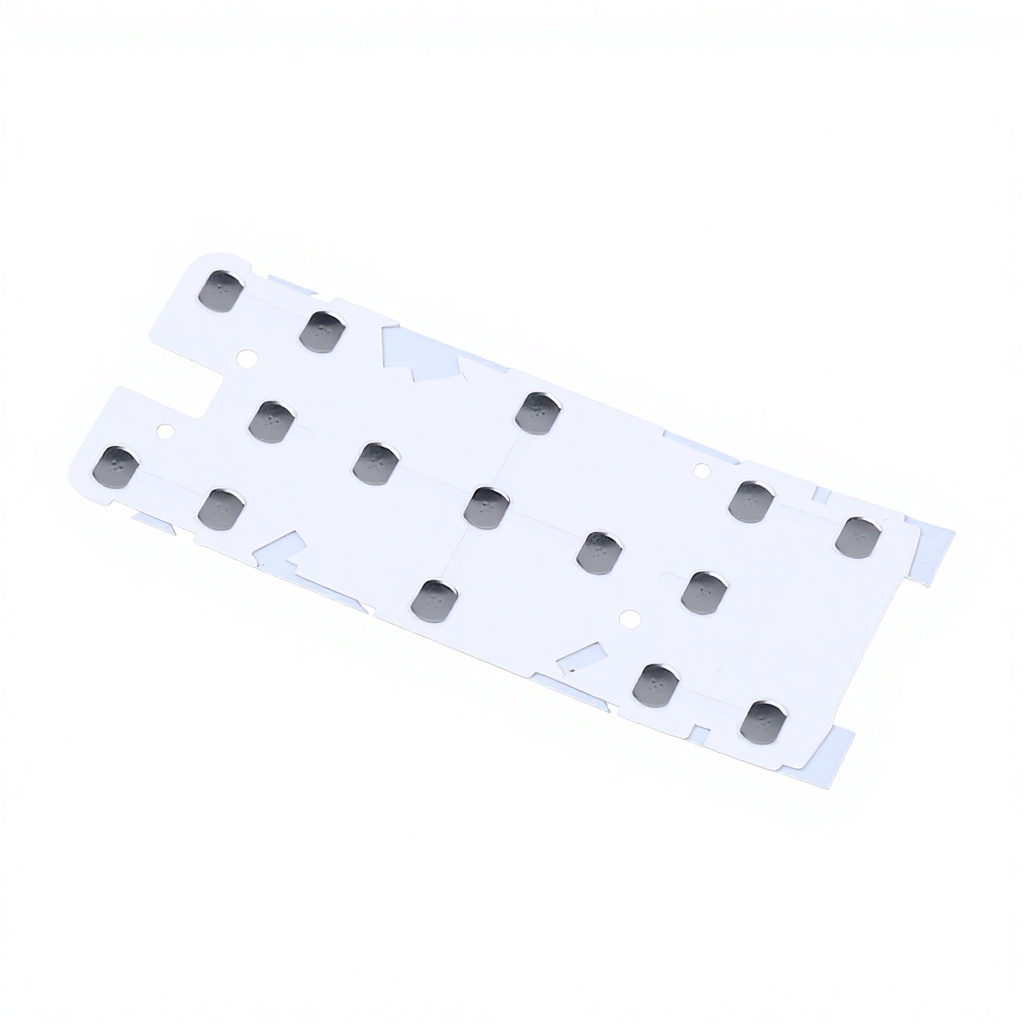
- Tactile Element / Retainer Layer: Houses precision stainless steel snap domes (SUS301) with nickel or selective hard-gold plating. This layer defines the ergonomic actuation force (ranging from 180g to 500g) while guaranteeing reliable snap ratio and audible tactile feedback.
- Circuit Spacer Layer: Die-cut polyester film with custom venting channels that equalize air pressure across the switch cavities during rapid actuation, preventing key-sticking, contact chatter, and diaphragm burst failures.
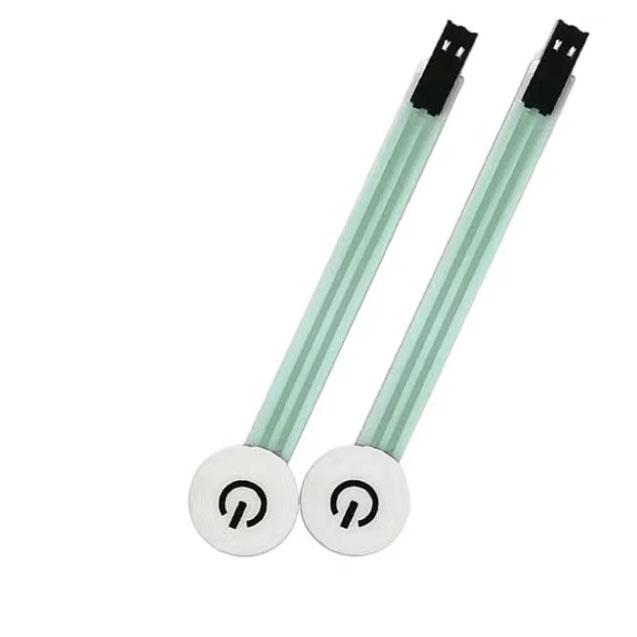
- Conductive Circuit Layer: Screen-printed high-density silver ink (Ag) tracks protected by carbon overcoats to prevent silver migration and dendritic growth in humid environments, or copper-etched Flexible Printed Circuits (FPC) for high-density surface mount device (SMD) integration.
- Rear Adhesive & Support Backer: Industrial-strength adhesives bonded to rigid aluminum, stainless steel, or acrylic backing plates configured with integrated PEM studs and mounting hardware.
Comparative Engineering Matrix: Material Substrate Selection
Selecting the appropriate base material is the decisive factor governing the operational longevity and total cost of ownership (TCO) of an HMI panel. The matrix below outlines quantitative benchmarks observed across actual production batches:
| Performance Metric | Textured PET (Polyester) | Standard Polycarbonate (PC) | Flexible Printed Circuit (FPC/PI) |
|---|---|---|---|
| Actuation Flex Life | > 5,000,000 Cycles | ~ 100,000 Cycles | > 10,000,000 Cycles |
| Chemical & Solvent Resistance | Outstanding (Ketones, Alcohols, Bleach) | Moderate (Susceptible to Aromatics) | Exceptional (Immersion Grade) |
| Embossing Retention (Tactile Feel) | Excellent (Maintains Shape Retention) | High Initial Sharpness, Degrades over time | Not Applicable (Substrate Level) |
| Component Soldering Capabilities | Conductive Epoxy Only (Low Temp) | None | Reflow & Hand Soldering Qualified |
| Dimensional Thermal Stability | Up to +125°C Continuous | Up to +85°C Continuous | Up to +260°C Transient |
Procurement & Technology Trends Reshaping HMI Assemblies
Key evolutionary vectors global sourcing managers, hardware architects, and mechanical engineers must leverage to optimize upcoming BOMs.
Capacitive & Solid-State Fusion
Traditional electromechanical switches are increasingly converging with capacitive touch sensing under continuous dead-front decorative panels. This delivers a seamless, crevice-free surface complying with IP67/IP69K washdown sanitation protocols essential for modern healthcare instrumentation and food processing machinery.
Ultra-Thin Light Guide Film (LGF)
Bulky fiber-optic modules and discrete point-source backlighting are being replaced by micro-etched Light Guide Films (LGF). LGF technology utilizes edge-lit side-firing surface-mount LEDs to diffuse balanced, glare-free illumination uniformly across legends and display rings with minimal power consumption and profiles under 0.25mm.
Integrated EMI/RFI Shielding Grids
With stringent global compliance standards for medical and avionics devices, membrane switches now integrate specialized copper mesh grids, ITO (Indium Tin Oxide) transparent films, and printed silver ground planes to deliver up to 60 dB attenuation against electromagnetic emissions and static ESD shocks up to 15 kV.
Vertically Integrated Manufacturing & Quality Lab
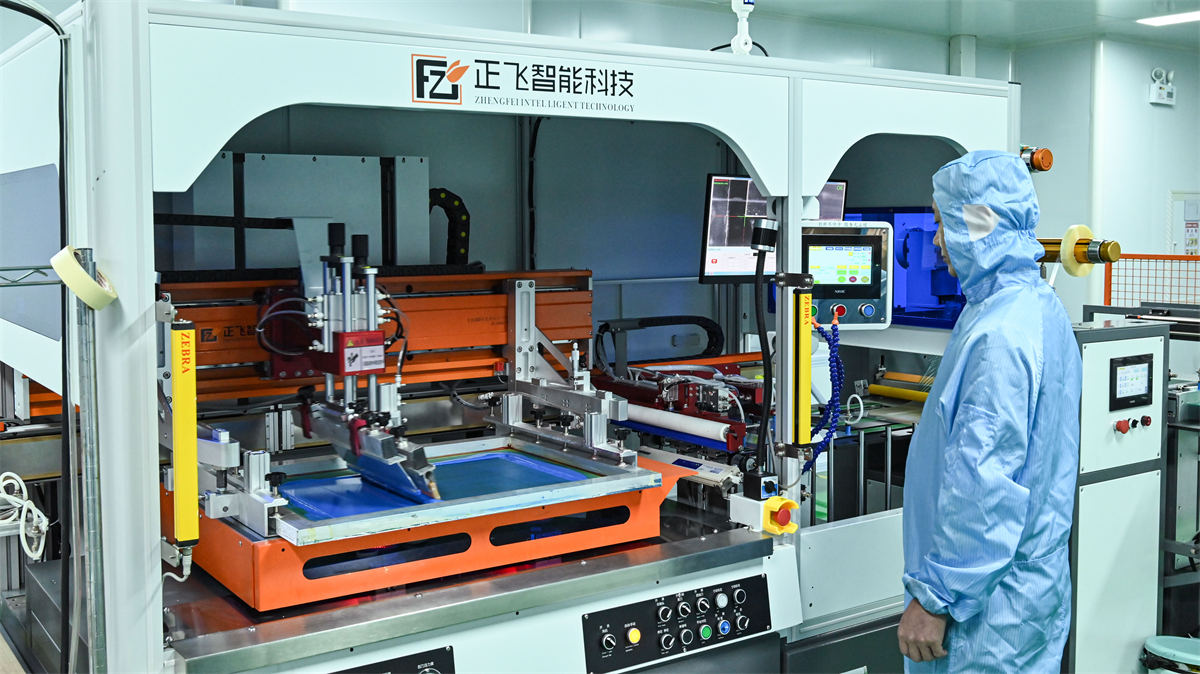
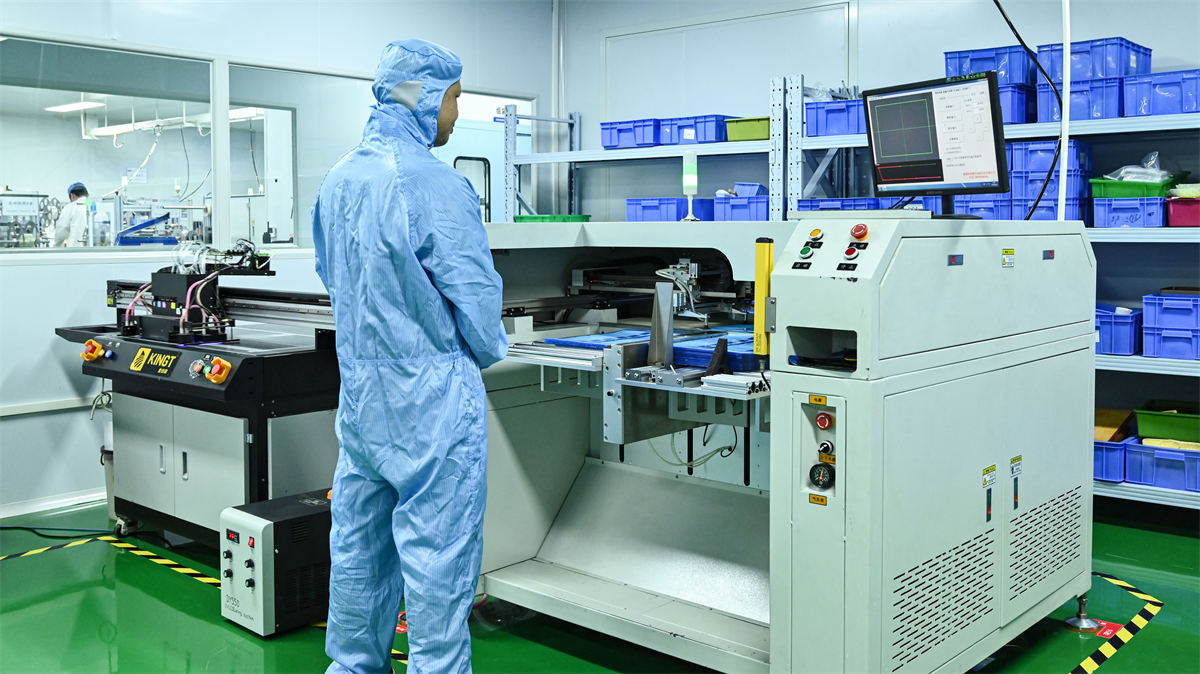
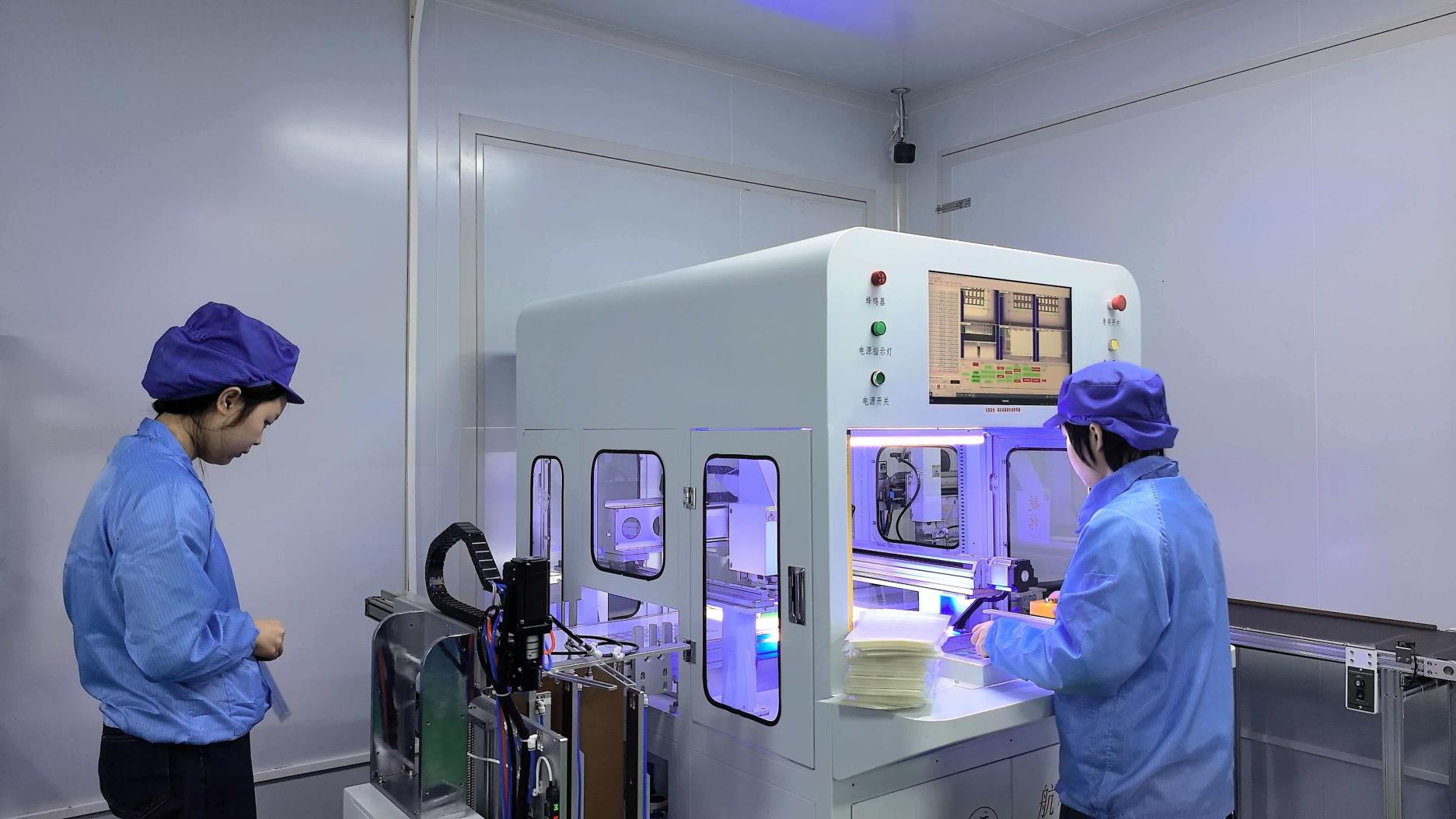
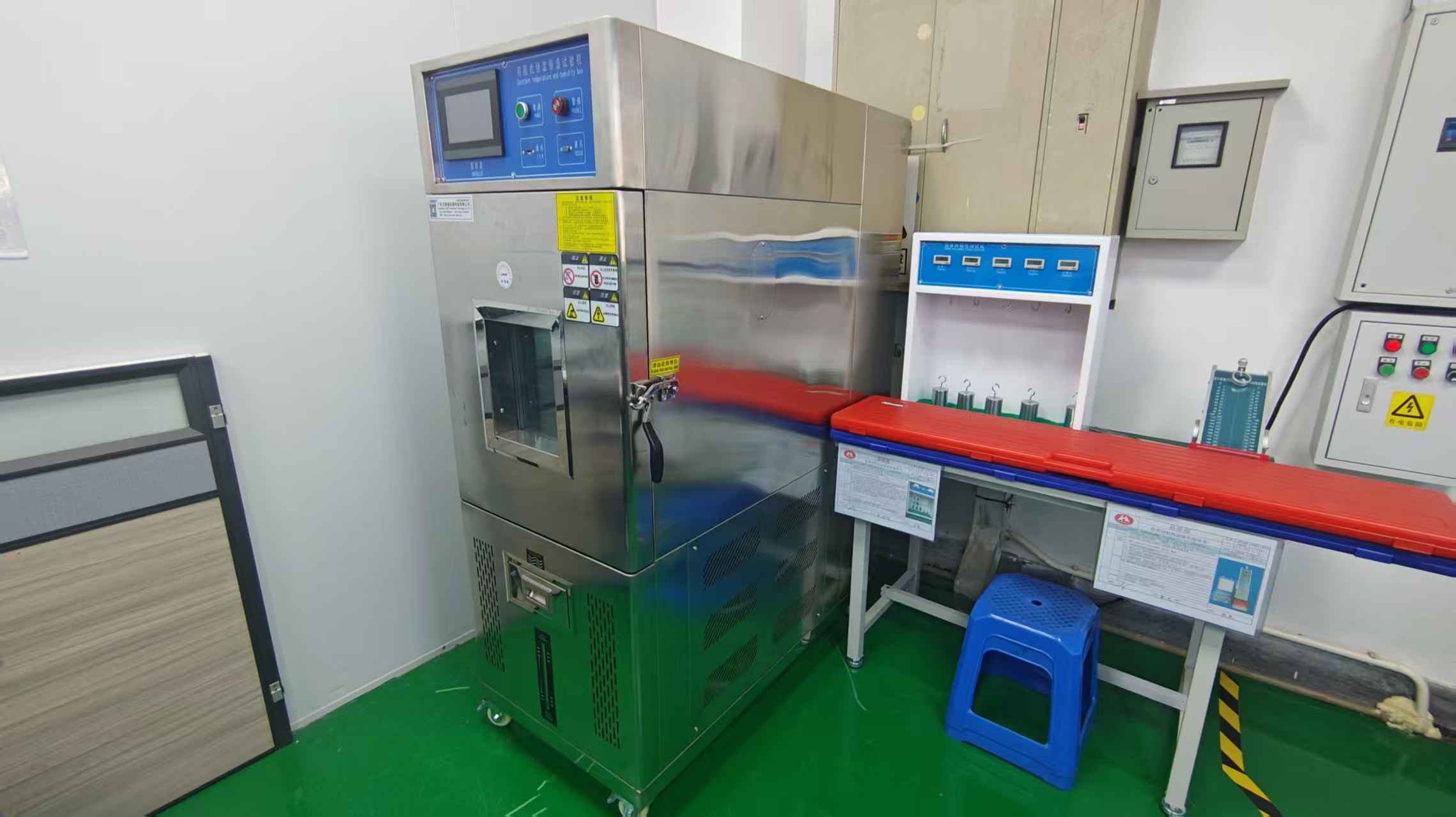
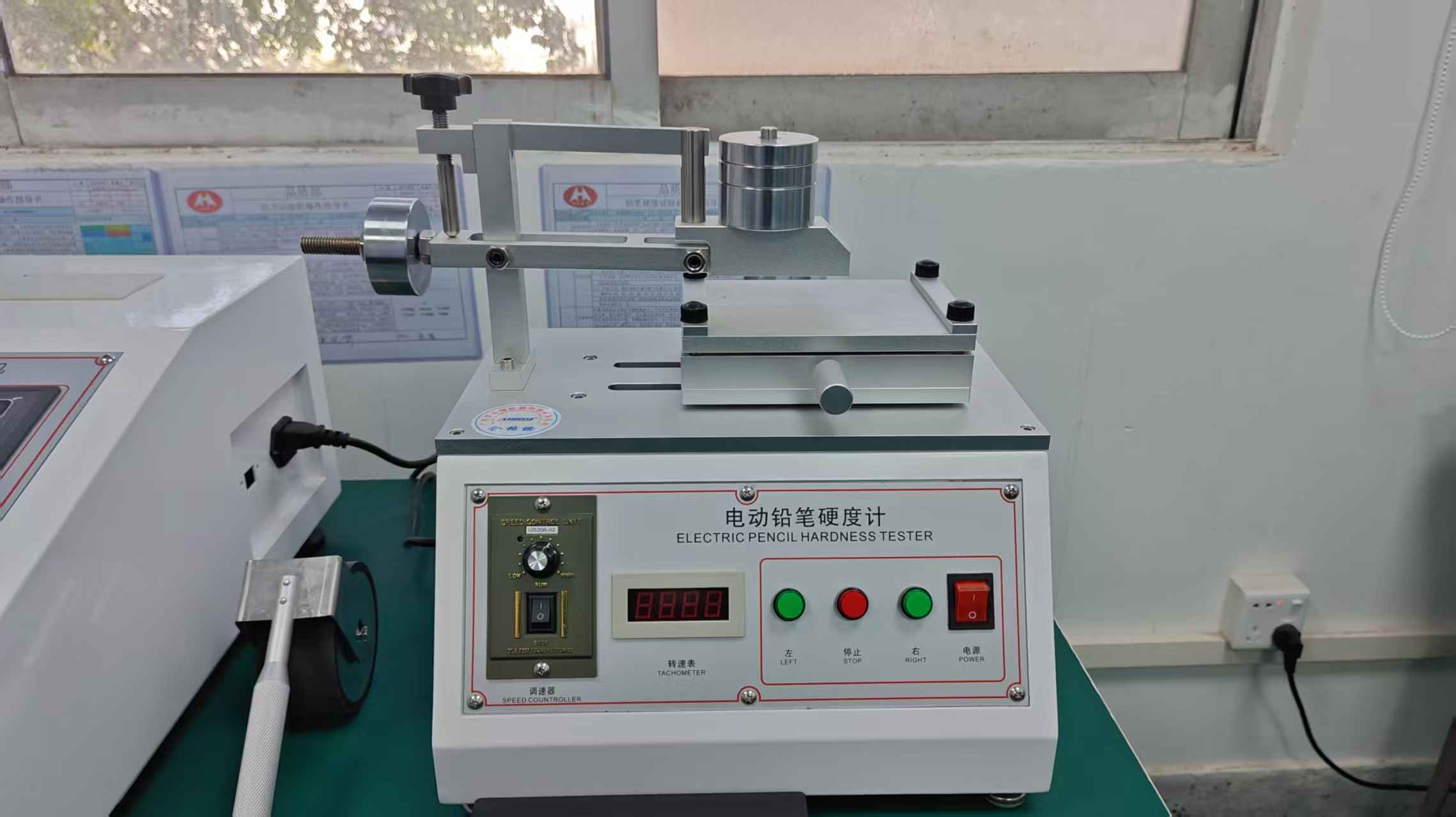
Dongguan Cevra Electronic Technology Co., Ltd.: Verified on-site by SGS Group. Real cleanroom workshops, automated punch systems, and multi-tier lab validation.
Enterprise Edge: Why Global Supply Chains Depend on Cevra
Operating since March 2009 in Dongguan, Guangdong, Cevra is an authentic ISO 9001:2015 certified manufacturer with dedicated production floors, not an intermediary trading shop. Every production step—from graphic vector separation, precision screen preparation, silver ink baking, automated dome pick-and-place, through laser contour profiling—is contained directly within our 2,600 m² plant.
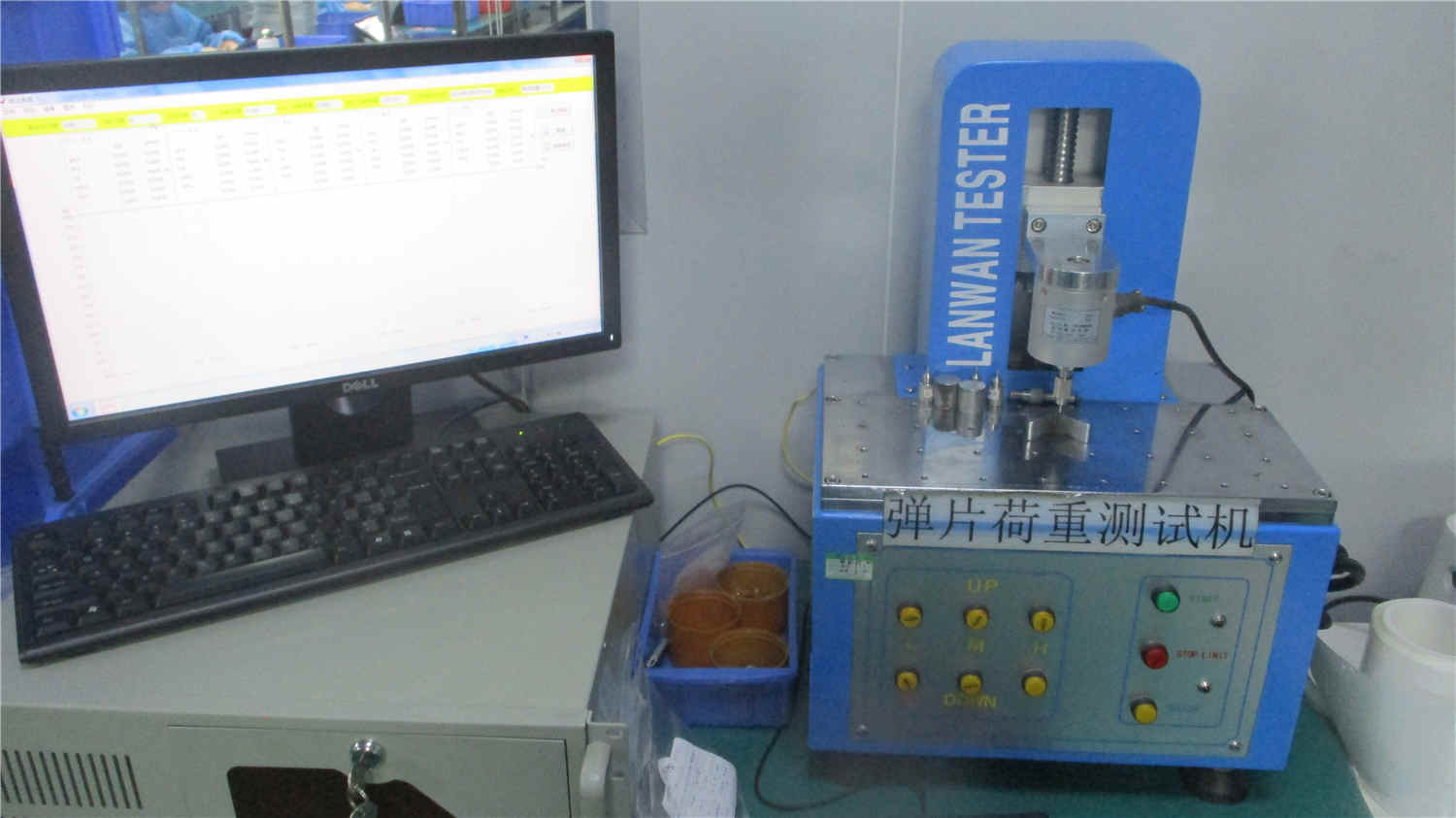
Our quality assurance workflow features rigorous validation equipment including automated CCD optical comparative checkers, contact resistance load testers, peel bond adhesion meters, and accelerated temperature-humidity chambers. This stringent technical oversight guarantees that every single batch dispatched to North America, Europe, Japan, and Australia adheres to zero-defect manufacturing mandates.
Frequently Asked Questions: Technical Procurement Guide
Answers to critical questions asked by procurement directors, quality engineers, and R&D team leads.
What engineering documentation is required to initiate an accurate OEM quotation and DFM review?
To deliver a complete Design for Manufacturability (DFM) assessment and unit cost breakdown, our engineering team requires: 1) Vector artwork files (.AI, .CorelDRAW, or .PDF) detailing graphic layout, transparent display windows, and Pantone/RAL color callouts; 2) Mechanical 1:1 CAD files (.DWG or .DXF) defining dimensions, border cutouts, embossing shapes, and tail exit coordinates; 3) Circuit schematic outlining matrix pinning or common-bus logic; 4) Pinout connector specification (such as 2.54mm pitch Female Berg, Nicomatic CrimpFlex, or ZIF zero-insertion-force tail); and 5) Expected annual operational volume and target environmental criteria (IP rating, UV resistance, operating temperatures).
How do you prevent silver migration (dendritic short circuits) in high-humidity applications?
Silver migration occurs when moisture and DC electrical bias cause silver ions to migrate across adjacent conductive traces, generating catastrophic short circuits. Cevra mitigates this risk through a three-tier defensive process: First, maintaining rigorous minimum trace spacing (≥ 0.5mm / 20 mil) in moist-environment layouts. Second, fully encapsulating every silver trace with a continuous, vacuum-cured dielectric carbon/graphite conductive mask. Third, sealing the electrical perimeter with hydro-barrier gasket adhesives like 3M 300LSE or silicone bonding layers to completely block ambient humidity and condensate intrusion.
What criteria govern the selection between tactile metal snap domes versus non-tactile polydomes?
Tactile stainless steel metal domes (SUS301 with optional nickel or gold plating) deliver a sharp, distinct mechanical snap, definitive audible feedback, and superior snap ratios (typically 40% to 60%). They excel in environments where users operate switches blindly or while wearing heavy protective gloves, retaining mechanical force integrity across 1,000,000 to 5,000,000 actuations. Conversely, non-tactile polyester polydomes (embossed directly onto the film) provide lower unit cost and flatter profiles, but require visual (LED) or acoustic (piezo buzzer) confirmation from the host PCB.
Can surface mount components (SMD LEDs, resistors, diodes) be mounted onto printed silver polyester circuits?
Yes. Cevra routinely mounts ultra-miniature 0603, 0805, and 1206 footprint SMD LEDs, current-limiting resistors, and reverse-polarity protection diodes onto silver-printed PET circuits. Because traditional tin-lead or SAC305 reflow soldering temperatures exceed the glass transition temperature of PET films, we utilize robotic dispensing of conductive silver epoxies followed by UV/thermal curing, and seal each component under a ruggedized structural UV potting resin dome to absorb shear forces and eliminate flex fatigue.
What are your prototyping lead times, minimum order quantities (MOQs), and export logistics terms?
We provide ultra-agile rapid prototyping cycles: first-article functional samples are typically completed and dispatched within 5 to 7 business days from formal DFM approval. Mass production lead times range between 12 and 18 business days. For customized membrane switches, our pilot run MOQ begins at just 100 units (with graphic overlays starting at 10 units for testing), accommodating scalable commercial deployments. We offer complete Incoterms coverage (EXW, FOB Shenzhen/Hong Kong, CIF, and DDP via DHL/FedEx Express) with comprehensive export packaging incorporating anti-static moisture-barrier bags and shock-dampening cartons.
Accelerate Your HMI Project from Concept to Mass Production
Collaborate directly with our Dongguan engineering department for instant DFM analysis, prototype layer stack-up guidance, and factory-direct volume pricing.