High-Precision Membrane Keypads & Dome Arrays
Direct from our certified South China cleanroom production lines: explore factory-standard and custom build-to-print assemblies engineered for industrial controls, medical instrumentation, commercial terminals, and consumer electronics.
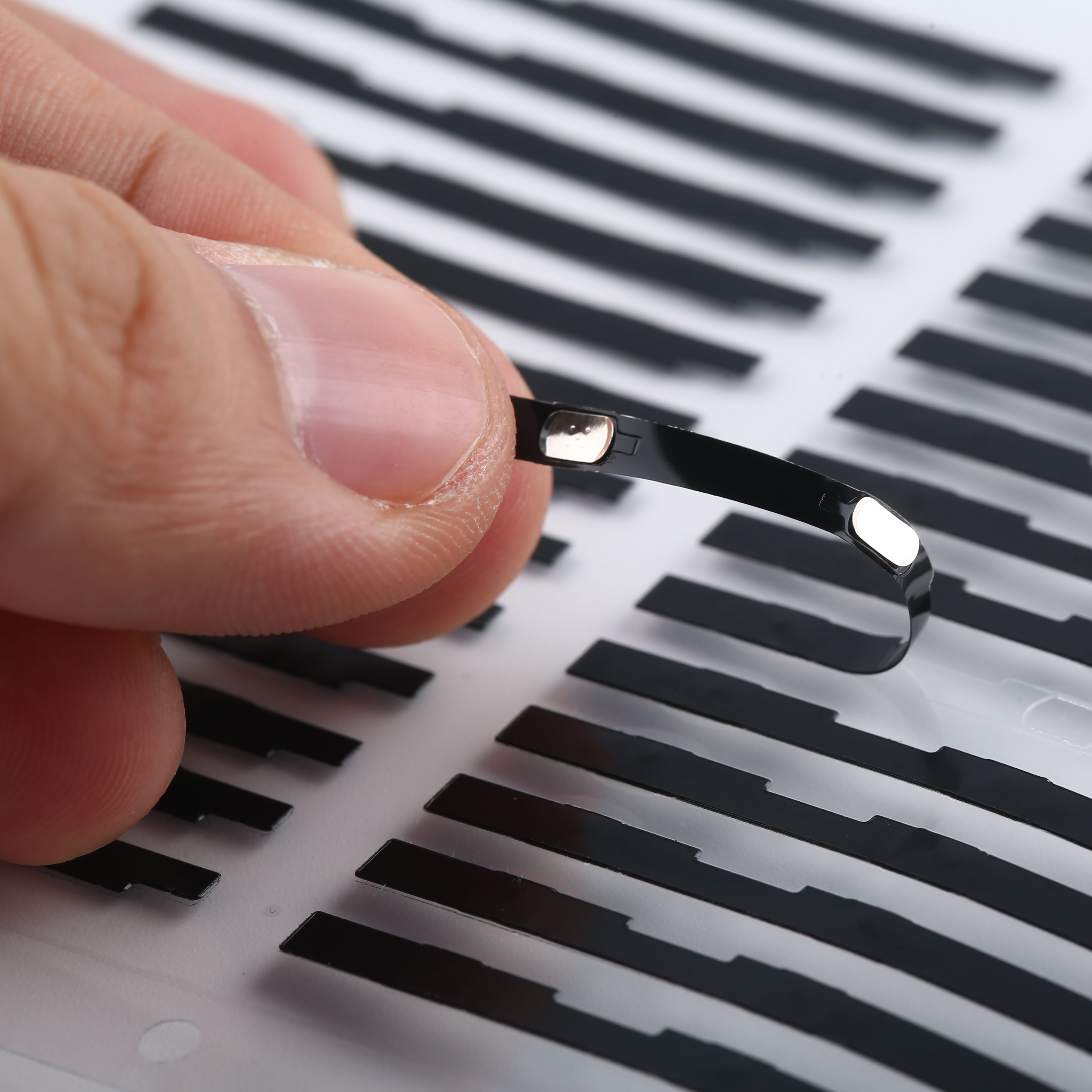
- Substrate: Optical Grade PET
- Dome Profile: Slim Oval Shape
- Actuation: Crisp Click / 180g
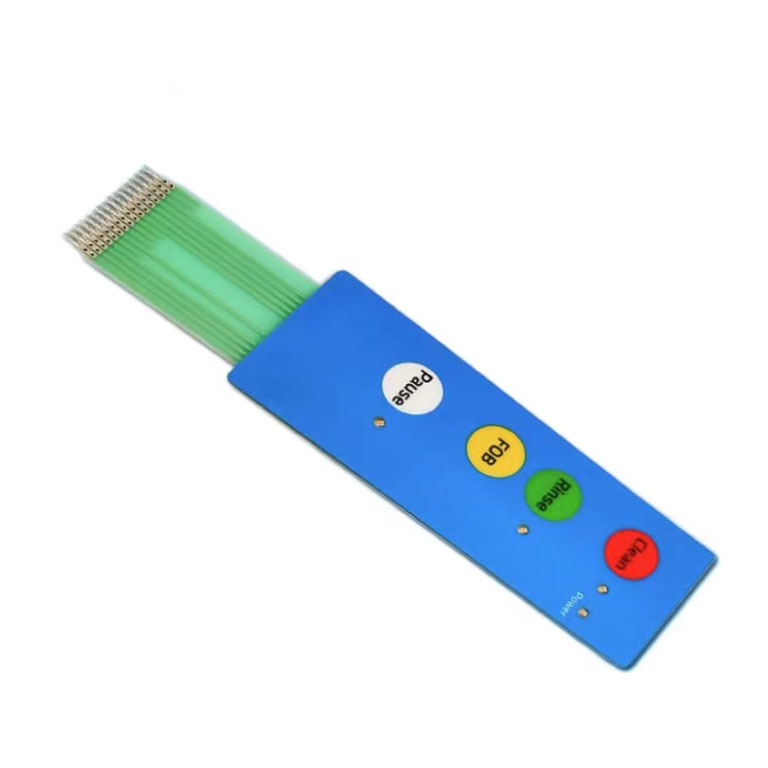
- Ingress: Waterproof Barrier
- Circuit: Conductive Silver Ink
- Flex Life: >1,000,000 Cycles
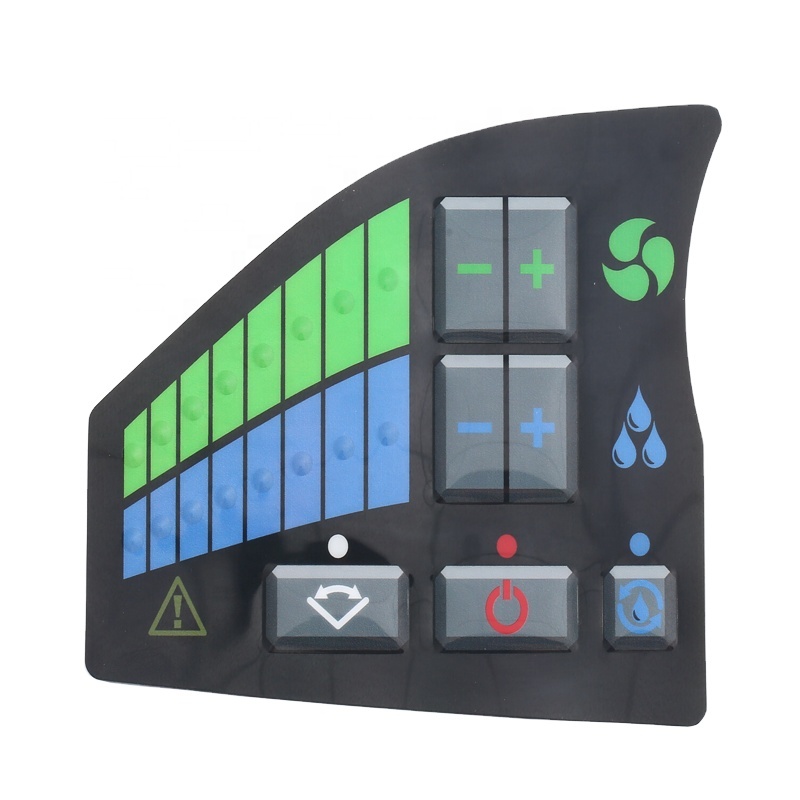
- Printing: Multi-Color Screen
- Embossing: Rim / Pillow Dome
- Tactile Feedback: SUS301 Clicker
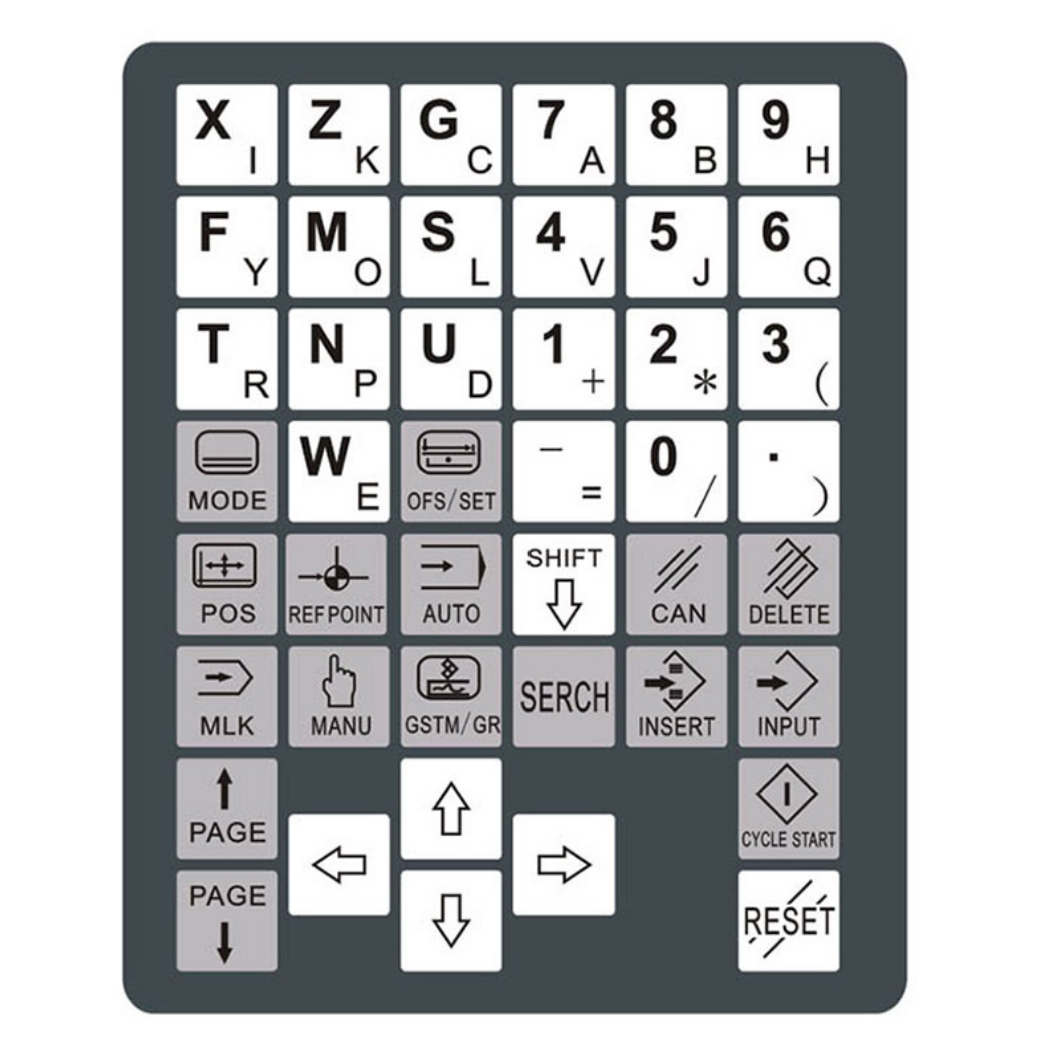
- Matrix Config: 3x3 / 4x5 Array
- Resistance: UV, Gas & Oil Proof
- Connector: 2.54mm Pitch Female
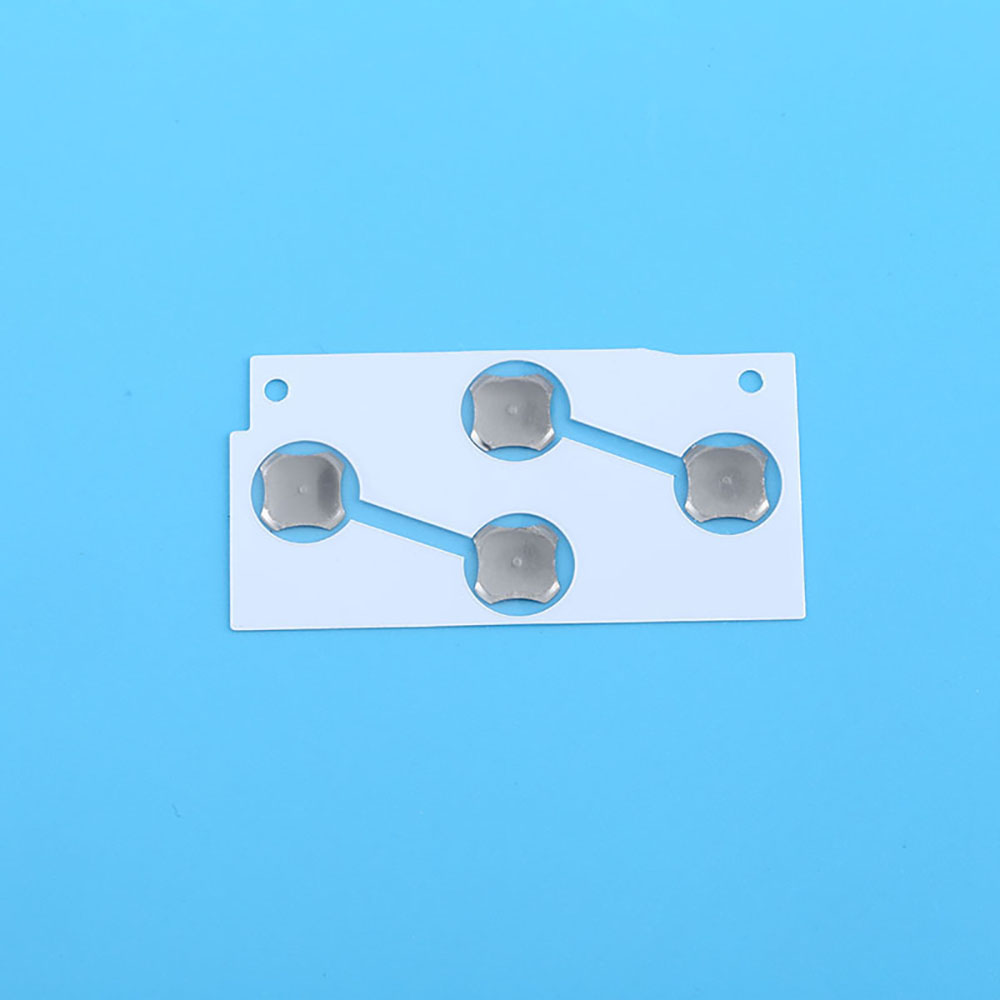
- Carrier: Adhesive PET Liner
- Dome Style: 4-Leg / Cross / Circle
- Trip Force: 220g - 400g Custom
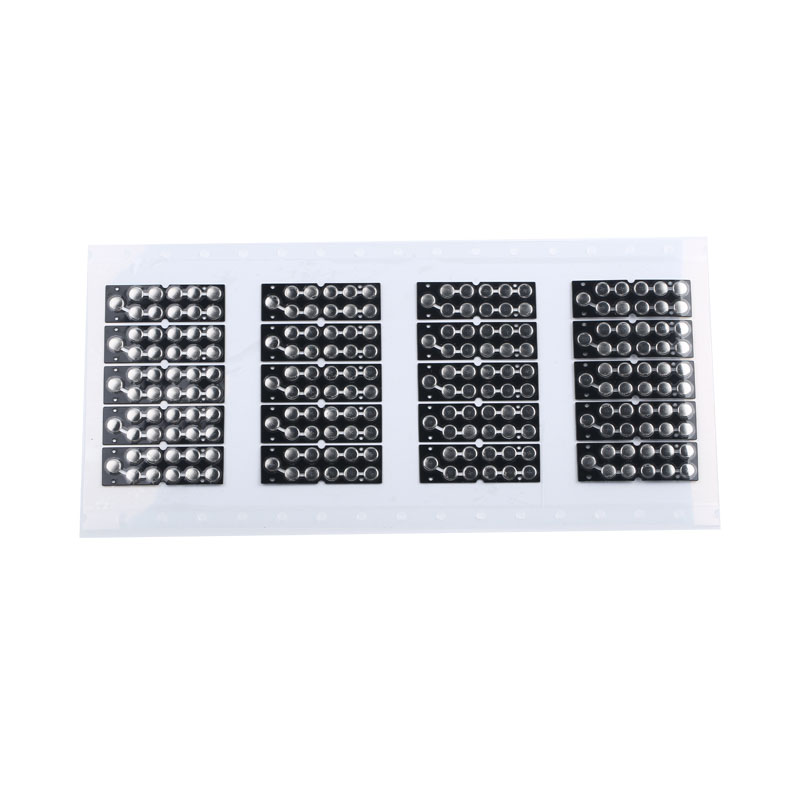
- Dome Type: Circular Snap Dome
- Tape Adhesive: Nitto / 3M High-Bond
- Contact: Nickel / Gold Plated
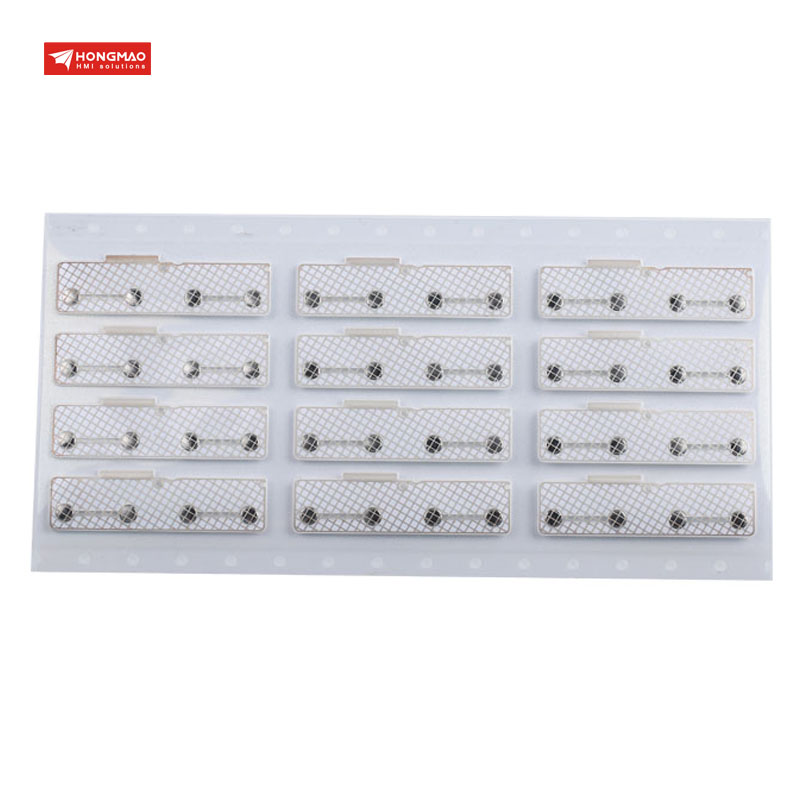
- Alloy: SUS301 High Fatigue
- Shielding: Printed Alum/Copper
- Life Expectancy: >3,000,000 Clicks
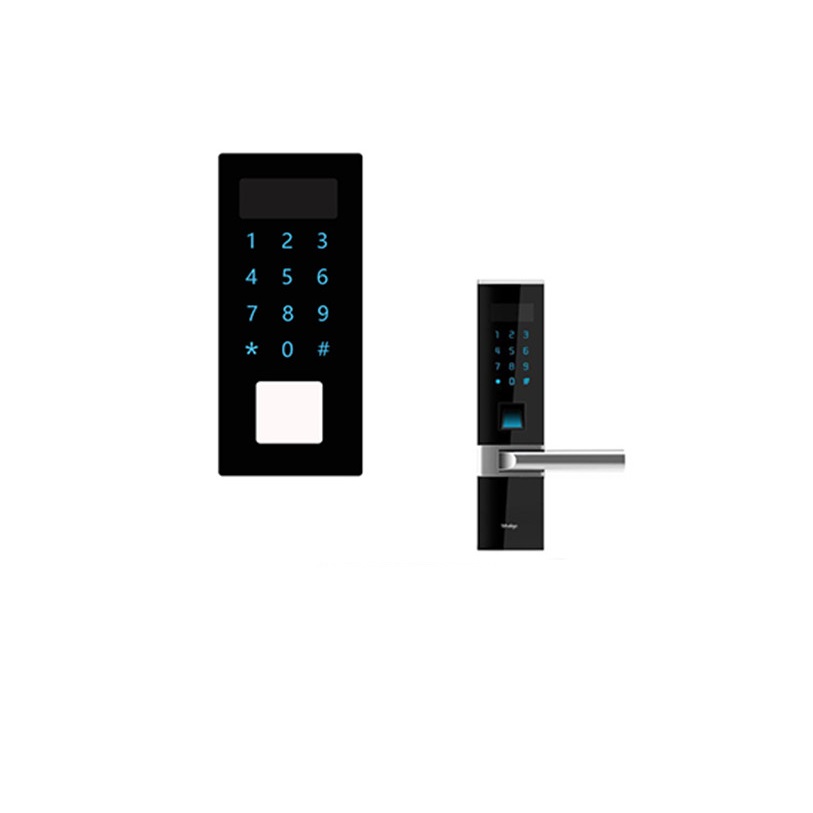
- Fascia: PMMA Acrylic Lens
- Sensor Mode: Capacitive Touch
- Seal Rating: IP67 Dust & Fluid
Executive Technical Analysis: The Modern Membrane Keypad Landscape
In contemporary industrial, medical, and high-reliability commercial hardware, the Human-Machine Interface (HMI) represents not merely an aesthetic surface, but the primary boundary of environmental protection, electrical signal integrity, and user operational ergonomics. As electronic assemblies face more aggressive working environments—ranging from saline mist and petrochemical immersion to sterilization chemicals and severe mechanical shocks—the membrane switch assembly has transformed from a conventional printed foil into a highly sophisticated, multi-layer engineered system.
Procuring membrane keypad assemblies from China’s leading industrial cluster in the Greater Bay Area (Dongguan and Shenzhen) offers distinct competitive advantages in component integration, rapid prototyping, and vertical cost efficiency. However, navigating the vendor landscape requires strict technical discernment. Top-tier manufacturers distinguish themselves by controlling the entire value chain in-house: graphic film surface chemistry, precision screen printing of conductive silver and carbon tracks, laser-cutting of precision spacers, high-speed automated placement of tactile metal domes, and comprehensive environmental testing.
For design engineers and global procurement heads, choosing an ISO 9001-certified direct manufacturer ensures that critical failure modes—such as silver migration under high relative humidity, adhesive debonding under temperature cycling, and tactile force degradation from uncalibrated snap domes—are engineered out at the Design for Manufacturability (DFM) phase.
Ingress Sealing (IP65–IP68)
Continuous perimeter gasket designs utilizing genuine 3M 200MP and 300LSE adhesive transfer tapes prevent fluid capillary migration and dust ingress even under high-pressure washdown conditions.
Actuation Consistency
Integrated SUS301 and SUS304 cold-stamped stainless steel snap domes ensure a precise force-displacement curve (160g–500g trip force) rated for over 1,000,000 to 5,000,000 continuous switch actuations.
Signal & Shielding Integrity
Integrated aluminum foil, carbon ink overprinting, or etched copper grid layers provide attenuation up to 60 dB against Electrostatic Discharge (ESD) and Electromagnetic Interference (EMI).
Optical Windows & Illumination
Selective textures, dead-front graphics, anti-glare display windows, and integrated ultra-thin Light Guide Films (LGF) or chip LEDs yield uniform luminance across demanding low-light environments.
Dongguan Cevra Electronic Technology: Vertically Integrated Manufacturing
Founded in March 2009 in Dongguan, Guangdong, Dongguan Cevra Electronic Technology Co., Ltd. has established itself over 16+ years as an authoritative manufacturer dedicated to custom membrane switches, tactile metal domes, metal dome arrays, and precision graphic overlays. With a specialized 2,600㎡ manufacturing plant and an onsite audit verified by SGS Group, Cevra bridges the gap between high-precision prototype development and scalable, cost-effective mass production.
Unlike export trading agencies, Cevra maintains end-to-end operational mastery over the physical production cycle. The factory is equipped with semi-automatic and fully automated screen printing lines, precision CCD guide-hole drilling stations, laser cutting systems, automatic layer laminators, and specialized metal dome placement machinery. Every project undergoes a strict, multi-stage Quality Management System compliant with ISO 9001:2015.
Inside the on-site quality assurance testing center, products are qualified through rigorous stress diagnostics: Dome Load Force Curve Testers to guarantee uniform tactile snap ratios; High/Low Temperature Thermal Shock Cabinets (-40°C to +85°C); 180° Adhesive Peel Strength & Holding Tack Testers; Electric Pencil Hardness Testers (up to 3H surface durability); and 100% Automated Electrical Open/Short Testing across all matrix traces.
1. DFM & Stack-Up Optimization
Collaborative engineering reviews examine trace layout, silver ink line spacing (minimum 0.5mm to eliminate dendrite shorting), key embossing geometry, and vent path layouts.
2. Cleanroom Printing & Curing
Overlay films (Autotex PET / Lexan PC) are backward-printed with UV and solvent inks to permanently isolate markings from external wear, chemical cleaners, and abrasions.
3. Precision Punching & Drilling
CCD optical target drilling delivers ±0.05mm alignment across graphic windows, dome locations, and connector tails, eliminating misalignment across multi-layer laminations.
4. Auto Dome Placement
Automated equipment positions stainless steel domes (four-leg, round, or triangular) into precision-routed adhesive spacer pockets with balanced micro-vent routing.
5. 100% Quality Verification
Every completed keypad assembly is verified via automated continuity fixtures, contact resistance checks (<100Ω standard), insulation tests (>100MΩ at 100V DC), and visual cosmetic audits.
Comparative Architectural Matrix: Selecting the Right Technology
Review the fundamental mechanical, electrical, and environmental parameters that dictate performance across distinct membrane keypad and HMI switch topologies.
| Evaluation Parameter | Tactile Metal Dome Membrane | Capacitive Touch PMMA/Glass | Non-Tactile Polydome Keypad | Flexible Printed Circuit (FPC) Assembly |
|---|---|---|---|---|
| Tactile Feedback Mechanism | Sharp mechanical snap (SUS301 dome) | Non-tactile; software haptic/buzzer | Soft elastomeric feel (embossed PET) | Sharp snap or micro-tactile switch |
| Actuation Force Range | 160g – 500g (custom tuned) | Zero force (proximity/capacitance) | 50g – 150g | 160g – 400g (dome dependent) |
| Electrical Switch Life | >1,000,000 to 3,000,000 cycles | >10,000,000 cycles (solid-state) | >500,000 to 1,000,000 cycles | >5,000,000 cycles |
| Circuit Resistance (Trace) | Typical <100Ω (silver paste) | Controlled impedance to IC | Typical <100Ω (silver paste) | Ultra-low: <1Ω to 5Ω (etched copper) |
| Environmental Sealing | IP65 to IP67 with perimeter gasket | IP68 / Continuous seamless face | IP64 to IP65 splash-proof | IP67 to IP68 hermetic sealing |
| Operating Temperature | -20°C to +70°C | -30°C to +85°C | -10°C to +60°C | -40°C to +105°C |
| Component Density | Surface-mount LEDs and resistors | Integrated microcontrollers & drivers | Basic indicator LEDs only | High density (pitch down to 0.5mm) |
| Primary Application Area | Industrial Machinery & Gas Dispensers | Smart Home, Medical Sterile Equipment | Cost-Sensitive Consumer Gadgets | Avionics, Military, Precision Medical |
Strategic Procurement Outlook: Trends Shaping Keypad Sourcing Through 2026–2030
Global procurement teams in North America, Europe, and Australasia are reassessing their electronic hardware supply chains. The mandate has shifted from seeking the lowest unit piece-price to ensuring holistic supply chain stability, technical risk mitigation, and compliance with stringent ESG (Environmental, Social, and Governance) standards. In the membrane switch domain, five macro procurement shifts are evident:
1. Convergence of Tactile and Capacitive Sensing: Rather than viewing mechanical switches and touchscreens as mutually exclusive, modern industrial equipment increasingly employs hybrid interfaces. Equipment makers incorporate capacitive touch sensors on PMMA or tempered glass front panels for continuous browsing, paired with physical tactile metal dome arrays for mission-critical operations (Emergency Stop, Power, Confirm). Sourcing partners capable of manufacturing both platforms simplify supplier qualification.
2. Transition to Copper Flex (FPC) to Mitigate Silver Migration: In high-humidity tropical or coastal installations, conventional silver conductive inks face dendritic silver migration when DC voltage is applied continuously. Leading procurement managers are specifying polyimide-based Flexible Printed Circuits (FPC) with gold-plated contact fingers for harsh environment applications. Cevra’s integration of both printed silver film and polyimide FPC circuits enables seamless tier-selection based on environmental severity.
3. Low-Volume High-Mix (LVHM) Agility: Industrial IoT and medical diagnostics equipment demand frequent firmware and enclosure iterations. B2B buyers now reject suppliers enforcing rigid 5,000-piece Minimum Order Quantities (MOQs). Cevra’s digital laser cutting and CCD die-less routing allow economical rapid prototyping (starting from 10 to 100 units) without expensive hardened steel stamping tools, shortening development cycles from months to days.
4. Total Landed Cost (TCO) and Component Consolidation: Forward-thinking buyers prioritize suppliers who deliver complete, drop-in sub-assemblies. By integrating the graphic overlay, tactile dome matrix, LED backlighting, rigid aluminum/FR4 backer plate, display window lens, and rear gasket into a single tested SKU, OEMs significantly reduce factory assembly labor, simplify incoming inspection, and eliminate internal assembly scrap.
Smart Surface & In-Mold Electronics
Integration of decorative films directly into injection-molded structural housings (IME), eliminating mechanical fasteners and delivering ultra-thin, sleek curved interfaces.
Eco-Friendly Bio-Polymers
Adoption of halogen-free flame retardant adhesives, recyclable PET carrier liners, and RoHS/REACH compliant lead-free solder pastes across all illuminated switch modules.
Antimicrobial & Anti-Fingerprint
Micro-textured graphic hardcoats infused with active silver-ion antimicrobial agents to eliminate bacterial colonization on medical hospital control consoles.
Frequently Asked Questions by OEM Hardware Buyers
Direct answers from our senior engineering department regarding material selection, testing protocols, tooling costs, and production timelines.
What technical design files and specifications are required to initiate an accurate quotation and DFM review? +
How do you effectively prevent silver migration in outdoor or high-humidity applications? +
When should an engineer specify Polycarbonate (Lexan PC) versus Polyester (Autotex PET) for the graphic overlay? +
What is the standard production lead time for prototype samples versus mass production runs? +
How do metal dome arrays differ from individual loose domes, and what are the manufacturing advantages? +
What quality testing equipment is used to ensure batch-to-batch consistency and trace reliability? +
Ready to Engineer Your Custom Membrane Keypad?
Send your CAD drawings, graphic artwork, or product concepts to our Dongguan engineering team. Receive comprehensive DFM manufacturability feedback, material stack-up proposals, and competitive factory-direct pricing within 24 hours.