Precision-Engineered Acrylic & Membrane Interface Solutions
Explore our eight specialized switch product categories manufactured directly at our Dongguan industrial plant, ranging from high-hardness PMMA front panels to tactile SUS301 stainless steel dome arrays.
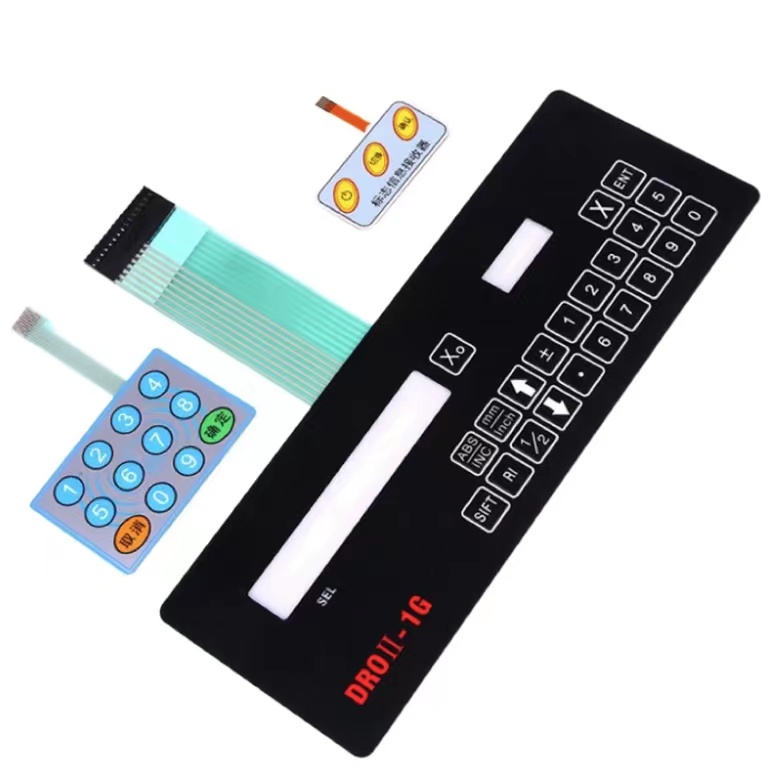
Factory Direct Graphic Overlay Custom Membrane Keyboard Switch
- Substrate: Autotype PET / PC
- Tactile Feedback: Embossed Dome / Click
- Adhesion: 3M 467MP / 468MP
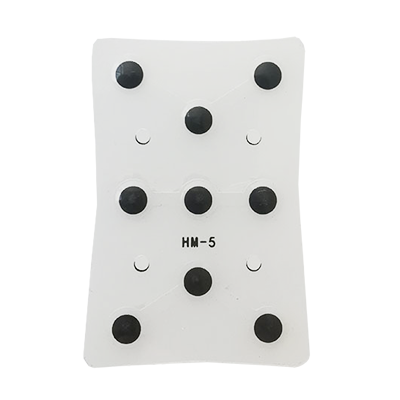
Membrane Keypad With Light Guide Film Metal Dome Array Sheet PCB Switch
- Backlight: Ultra-thin LGF + Side LEDs
- Dome Structure: SUS301 Ni/Au Plated
- Circuit Base: FR-4 / Flexible FPC
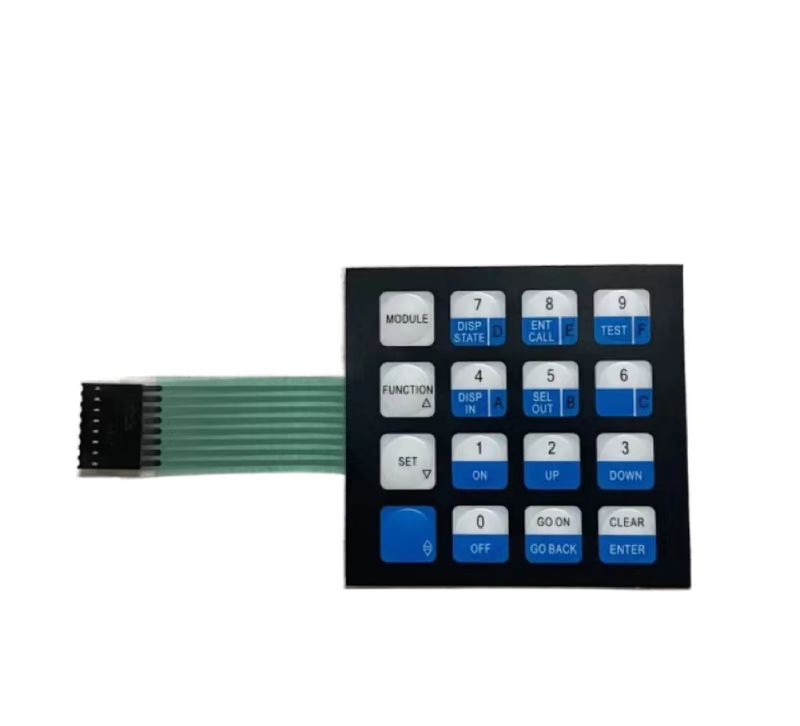
Custom Diy 4x4 Tactile Dome Flexible Membrane Switch Graphic Overlay
- Layout: 16-Key 4x4 Matrix XY Trace
- Life Expectancy: > 1,000,000 Cycles
- Tail Termination: 2.54mm Female / Berg
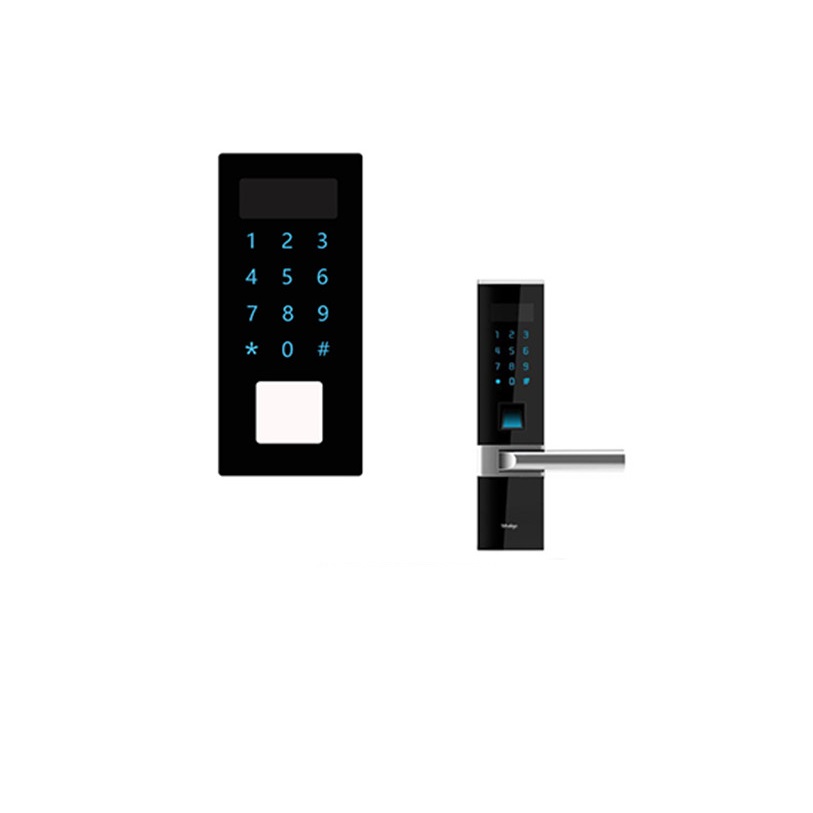
Custom Waterproof Keypad PMMA Membrane Switch Panel Capacitive
- Front Fascia: Optic PMMA (1.0-3.0mm)
- Ingress Level: IP67 Waterproof Hermetic
- Touch Mode: Capacitive Multi-Zone Sensing
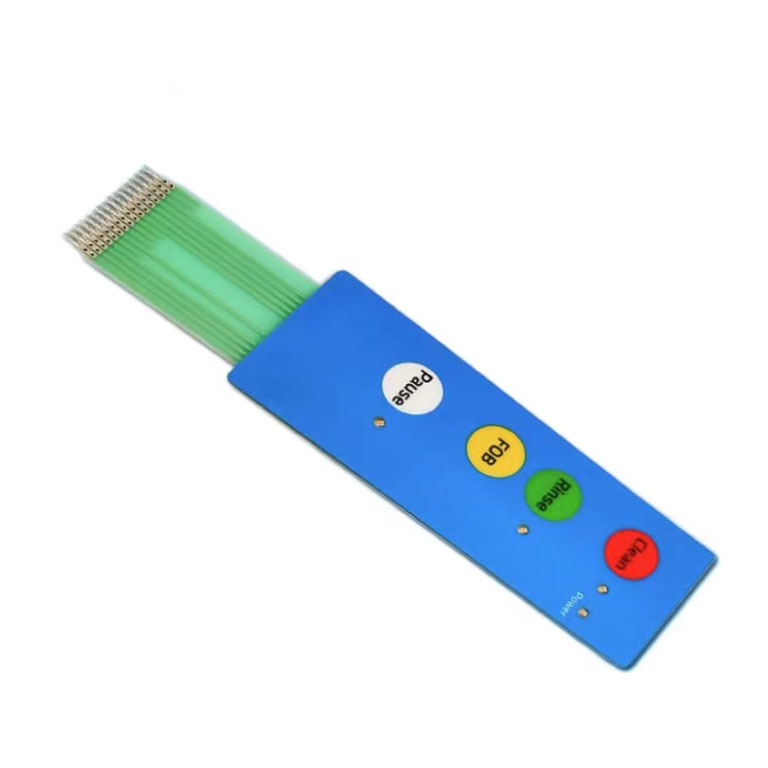
Electronic Film Circuit Membrane Switch Waterproof Button Switch
- Printing Media: High-Conductive Silver Ink
- Environmental: Moisture & Splash Proof
- Form Factor: Ultra-Slim Flexible Profile
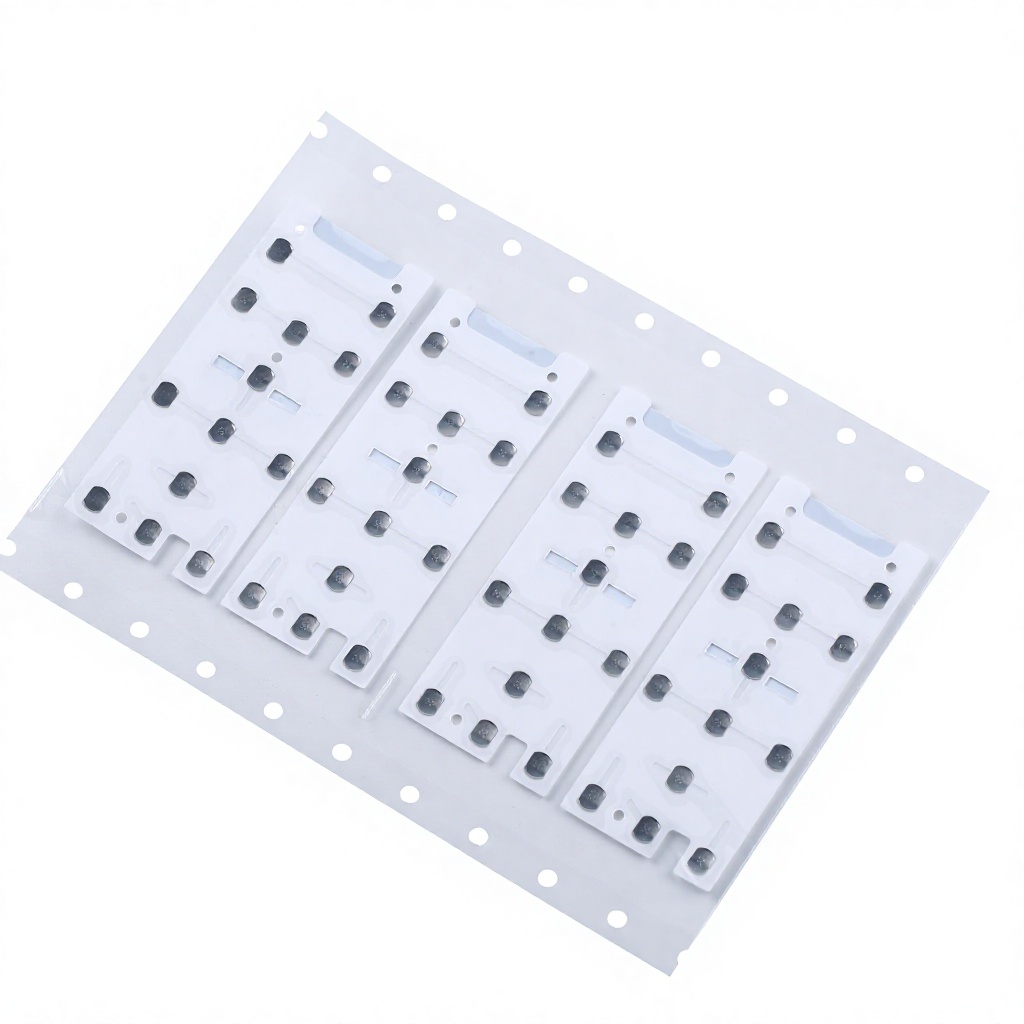
Double-sided Tape Single Layer SUS301 Stainless Steel Dome Array
- Material: SUS301 3/4 Hardness
- Actuation Force: 160g - 450g Customized
- Assembly: Adhesive Carrier Pre-spaced
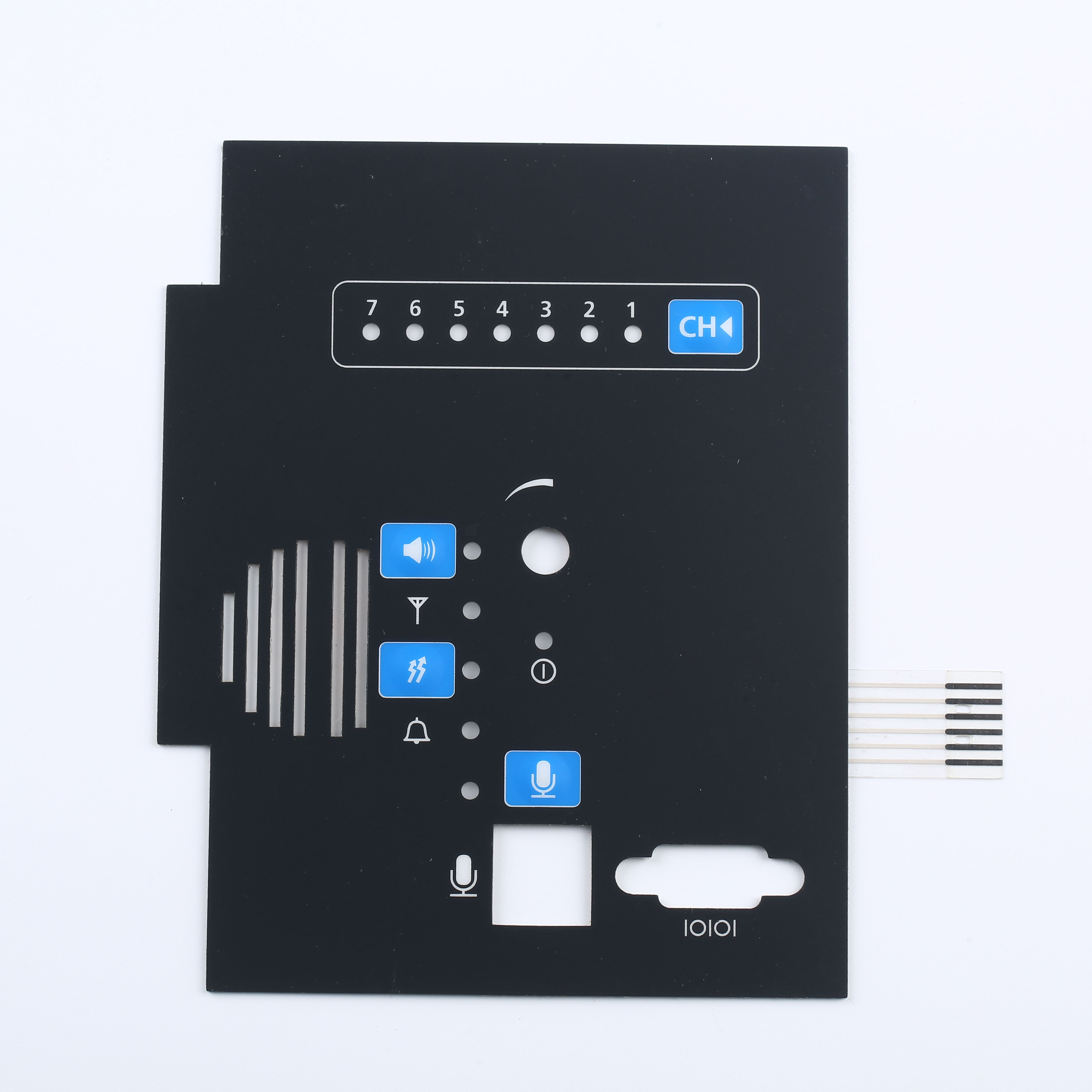
Polycarbonate Film Touch Switch Panel Screen Printing Process
- Surface Textures: Velvet / Matte / Anti-Glare
- Window Clarity: Dead-front & Optical Clear
- Precision: Pantone Matched ±0.5 Delta-E
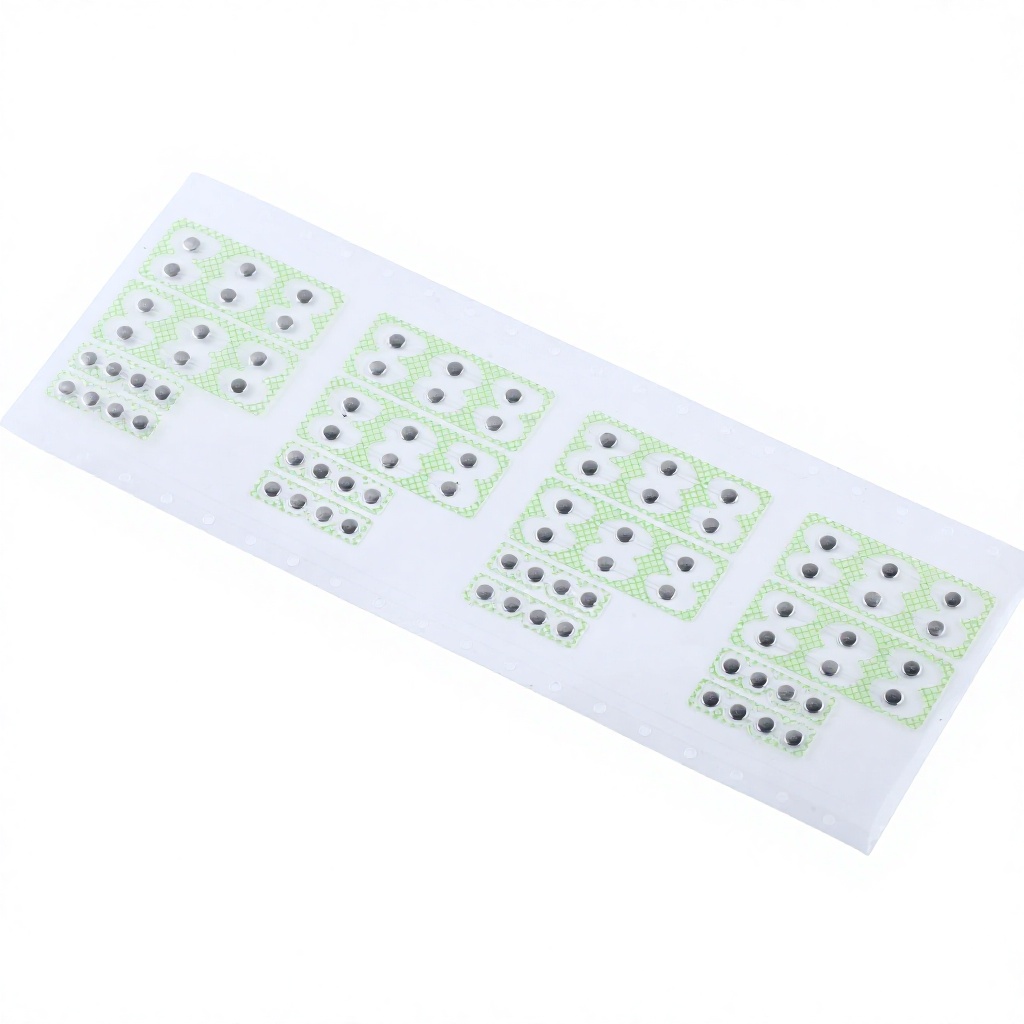
Waterproof Single Layer SUS301 Stainless Steel Dome Array Sheet
- Plating: Selective Gold / Pure Nickel
- Venting: Internal Micro-Channel Airflow
- Compliance: RoHS & REACH Certified
The Engineering Evolution: Why PMMA Acrylic Membrane Switches Dominate Modern HMI Procurement
In contemporary industrial automation, medical diagnostic instrumentation, marine control consoles, and premium smart appliances, user interfaces must endure aggressive sanitization protocols, physical abrasion, high humidity, and severe environmental stresses while maintaining aesthetic sophistication. Historically, mechanical toggle arrays and conventional flexible polyester (PET) or polycarbonate (PC) graphic overlays formed the bedrock of human-machine interfaces (HMIs). However, engineering constraints associated with PET thin-film flexing—principally optical warping, limited surface hardness (rarely surpassing 3H without brittle coatings), and aesthetic degradation over time—have fueled a worldwide sourcing transition toward rigid and semi-rigid Acrylic (Polymethyl Methacrylate, PMMA) membrane switches and front panels.
China has consolidated its position as the premier international epicenter for precision PMMA acrylic switch engineering, combining deep vertical chemical processing supply chains with high-speed automated fabrication equipment. Top-tier manufacturers in Guangdong industrial clusters, led by facilities such as Dongguan Cevra Electronic Technology Co., Ltd. (established in 2009), have shifted from labor-intensive manual assembly to fully closed-loop computerized operations. This evolution incorporates sub-surface silk-screen printing, vacuum optical lamination (OCA), precision CNC bevel diamond routing, and cleanroom automated metal dome placement, establishing benchmark reliability standards recognized across European, North American, and East Asian OEM industrial markets.
Material Performance Matrix: PMMA Acrylic vs. Polycarbonate (PC) vs. Polyester (PET)
Selecting the appropriate fascia material mandates a clear trade-off evaluation among optical transmission, tensile modulus, chemical resistance, and pencil hardness. Below is an engineering comparison table curated for procurement directors, mechanical engineers, and hardware architects evaluating HMI layer stacks:
| Evaluation Parameter | Cast / Extruded Acrylic (PMMA) | Graphic Grade Polycarbonate (PC) | Biaxially-Oriented PET (Autotype) |
|---|---|---|---|
| Optical Transmittance (%) | 92% - 93% (Highest Optical Purity) | 88% - 90% | 86% - 89% |
| Surface Hardness (Pencil Test) | 4H to 6H (With Anti-Scratch Hardcoat) | HB to 1H (Standard); Up to 3H Hardcoated | 2H to 3H (Hardcoated Chemical Resist) |
| Flexural Fatigue Endurance | Rigid / Non-deformable (Static Fascia) | Moderate (Embossing Tendency to Creep) | Superior (>5,000,000 Actuation Cycles) |
| UV Weatherability (Yellowing Index) | Zero Yellowing (Exceptional Outdoor UV) | Prone to UV Degradation Without Stabilizers | Good UV Stability Over Long Lifespan |
| Chemical & Solvent Resistance | High resistance to alcohols, sanitizers, acids | Vulnerable to aromatic hydrocarbons & alkalis | Superior solvent and harsh chemical immunity |
| Primary HMI Implementation | Capacitive touch panels, visual display bezels | Industrial instrumentation overlays, windows | Tactile snap switches, flexible circuitry |
As delineated in the matrix above, PMMA Acrylic offers unparalleled surface gloss, optical transparency, and natural UV resilience. In high-value electronics, hardware developers consistently configure hybrid architectures: a heavy-gauge (1.0mm to 3.0mm) optically clear PMMA front face serving as an anti-scratch, vandal-resistant exterior shield, seamlessly bonded via pressure-sensitive micro-adhesives to an internal flexible PET circuit with gold-plated SUS301 stainless steel domes or projected capacitive sensors.
Micro-Stack Anatomy: Inside a High-Reliability Acrylic Membrane Switch
Industrial-grade PMMA membrane assemblies represent intricate multi-layer sandwiches engineered down to micron tolerances. Any mismatch in coefficient of thermal expansion (CTE) or interfacial adhesive surface tension can lead to catastrophic delamination, dome displacement, or ingress leaks. Leading Chinese factories execute stringent laminate balancing through the following seven structural layers:
1. Sub-Surface PMMA Fascia
Optically balanced PMMA acrylic sheets (thicknesses: 0.8mm, 1.0mm, 1.5mm, 2.0mm, up to 3.0mm) undergo CNC perimeter chamfering, diamond edge polishing, and reverse-side multi-pass screen printing. Reverse printing preserves graphics permanently against friction, alcohol wipes, and chemical attack.
2. Optically Clear Adhesive (OCA)
When LCD, OLED, or seven-segment LED display windows are incorporated within the acrylic face, high-tack acrylic adhesive transfer films (such as 3M 467MP, 468MP, or optical-grade VHB elastomer) prevent optical Newton rings, bubble entrapment, and localized refractive anomalies.
3. Tactile Dome Carrier / Spacer
Laser-cut polyester spacer layers incorporate venting micro-channels. Air channels equalize dynamic chamber pressure when metal snap domes deflect, preventing vacuum locks, hysteresis sluggishness, and false trigger anomalies under rapid operator cycling.
4. SUS301 Metal Dome Array
Four-leg cross, round, or triangular tactile snap domes fabricated from aerospace-grade Japanese SUS301 stainless steel deliver tactile snap ratios exceeding 45% to 60%. Domes receive selective nickel or pure gold plating to maintain contact resistance under 1.0 Ohm across over 1,000,000 actuations.
5. Screen-Printed Circuit Layer
Thermal-stabilized PET films (typically 100μm - 125μm) receive precision screen-printed conductive polymer thick-film silver ink paired with wear-resistant dielectric and carbon protective caps. Alternatively, flexible copper-clad polyimide (FPC) circuits are integrated for high-density SMD LED mounting.
6. Rear Structural Mounting Core
The perimeter base is primed with heavy industrial adhesive configurations (e.g., 3M 300LSE for low surface energy plastics, or custom waterproof foam gaskets). This seals the internal cavity against liquid ingress, securing certified IP65, IP67, or NEMA 4X operational ratings.
Strategic Procurement Forecast: Trends Shaping Acrylic Switch Sourcing (2025–2030)
Global supply chain leaders within automotive tier-one suppliers, medical device conglomerates, and smart building infrastructure enterprises are actively navigating major technical disruptions in HMI procurement. In particular, five core technological trends are redefining quotation parameters and tooling specifications:
Capacitive PMMA Touch Integration
Eliminating physical moving parts entirely, solid-state acrylic capacitive touch panels utilize subsurface etched copper or silver ITO sensors, allowing gesture sweeps, multi-key recognition, and sleek aesthetic housings.
Dead-Front Disappearing Icons
Using translucent sub-surface ink chemistry on smoked PMMA, indicators, symbols, and warning icons remain completely invisible until back-illuminated by side-firing SMD LEDs and custom Light Guide Films (LGF).
Antimicrobial & Optical Hardcoats
Accelerated by clinical hospital demand, acrylic panels are increasingly cured with nano-silver antimicrobial formulations and optical vacuum sputtering (AR/AG/AF coatings) to prevent fingerprinting and glare under outdoor conditions.
Edge-Lit Micro Light Guide Films
Replacing bulky fiber optics and power-hungry backlighting, 0.125mm laser-micro-dotted LGF layers disperse white and RGB LED emissions evenly across complex tactile panels with less than ±5% luminous variation.
Procurement Value Engineering: Total Cost of Ownership (TCO)
Savvy procurement officers assess membrane keypad acquisitions not simply through initial unit tooling charges (NRE), but via field-lifecycle durability. While traditional embossed PC overlays may exhibit 10% to 15% lower initial tooling costs, their mean-time-between-failure (MTBF) under chemical wipe-downs or UV sun exposure is frequently under 24 months. Conversely, machined PMMA acrylic switch assemblies provide stable service lives exceeding 7 to 10 years without surface yellowing or key debonding, minimizing costly warranty claims and field replacements in mission-critical applications.
Dongguan Cevra Electronic Technology Co., Ltd. – Factory Infrastructure & Technical Capabilities
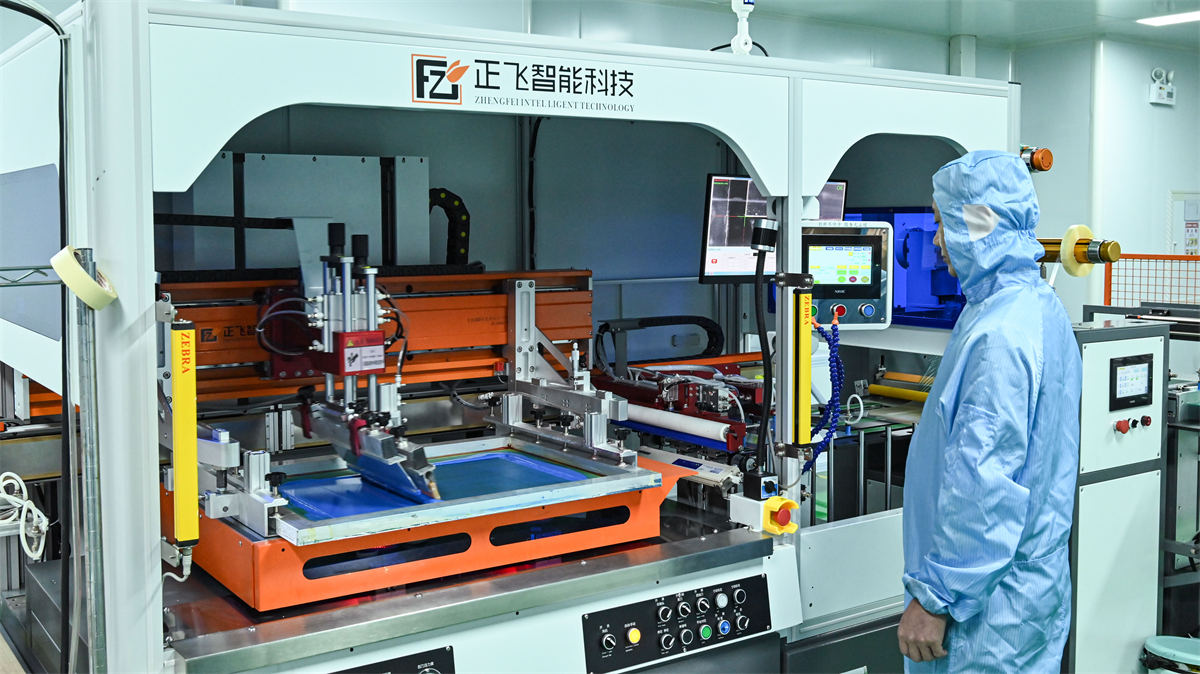
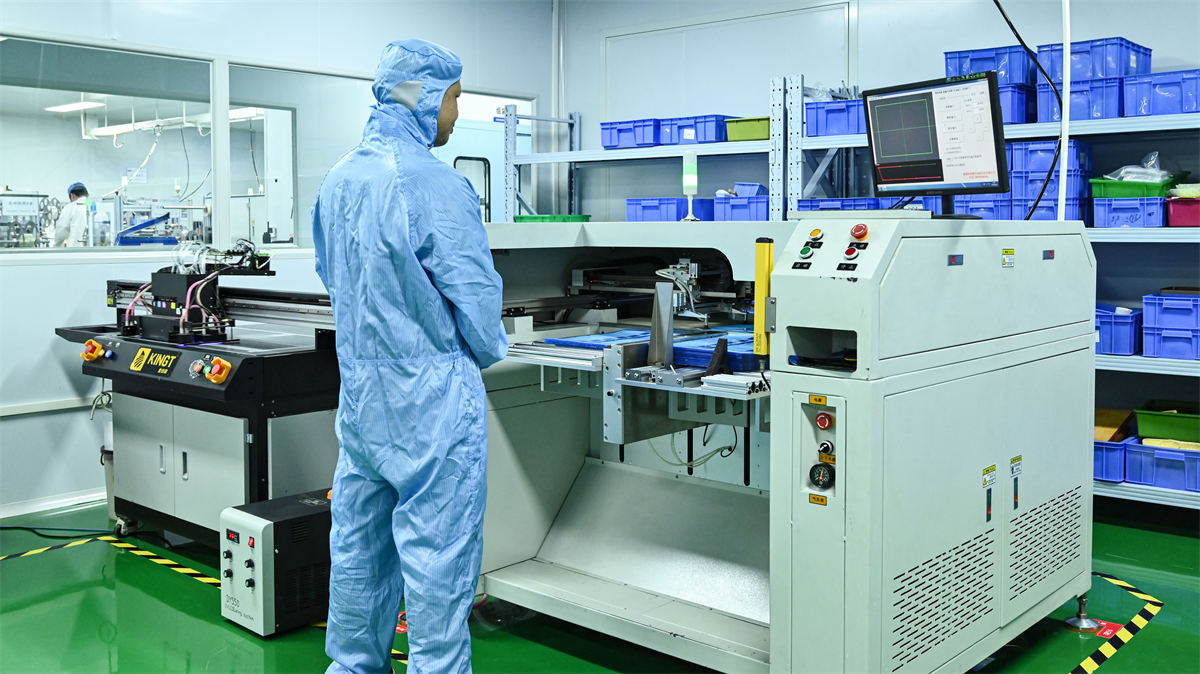
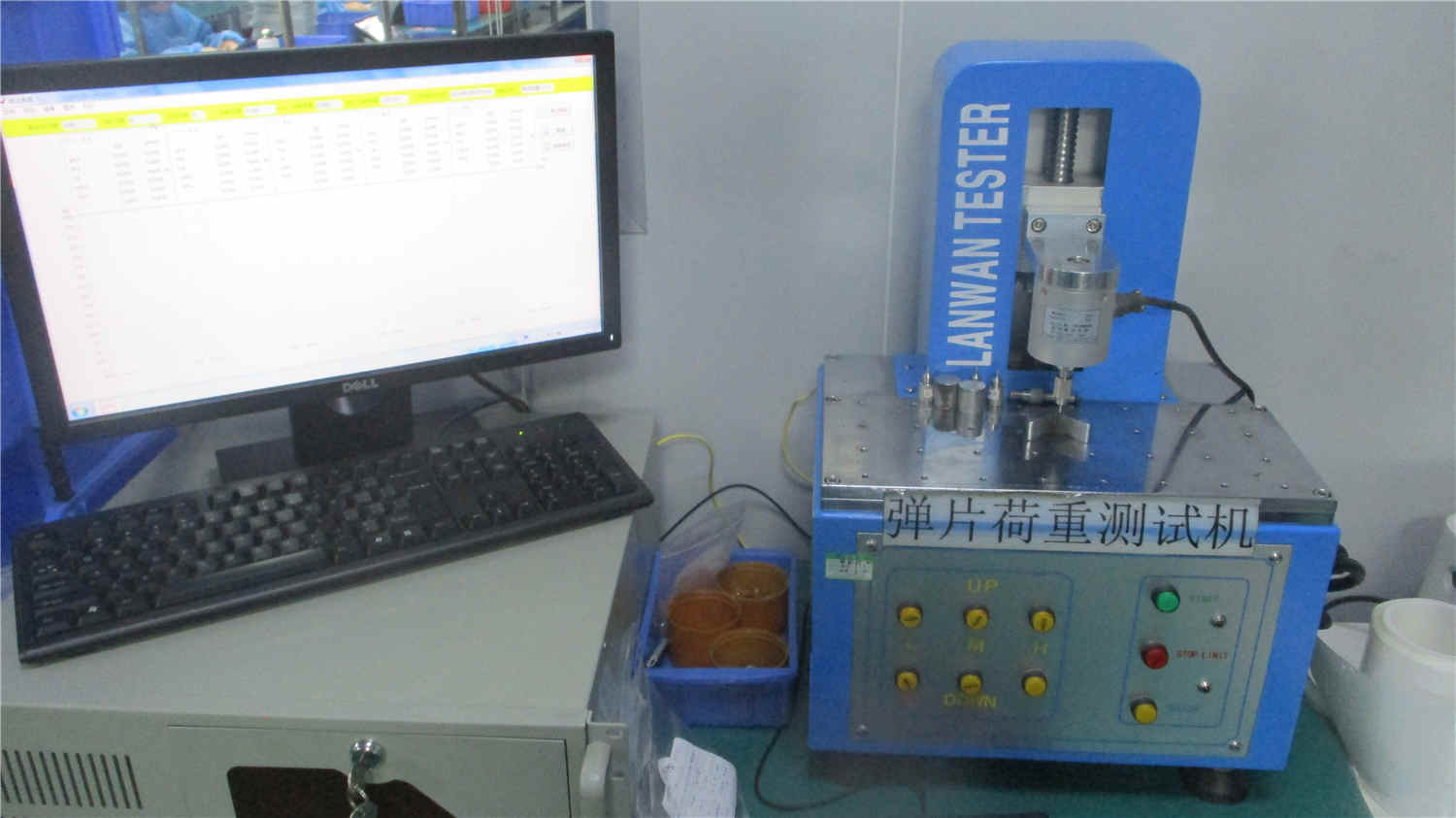
Established in March 2009 in Dongguan, Guangdong, China, Dongguan Cevra Electronic Technology Co., Ltd. represents the gold standard in vertically integrated membrane switch, metal dome array, and acrylic interface manufacturing. Spanning 2,600 square meters of specialized production floor with independent cleanroom assembly zones, our facility is verified onsite by the global inspection authority SGS Group and managed under an accredited ISO 9001:2015 Quality Management System.
Frequently Asked Questions: Sourcing Acrylic Membrane Switches from China
Direct answers from our senior engineering team to assist hardware development teams, component engineers, and international procurement professionals:
What technical specifications and CAD files are required to initiate custom acrylic switch production?
How do you guarantee long-term adhesion between rigid PMMA acrylic and flexible PET circuitry?
Can acrylic membrane switches incorporate capacitive sensing and tactile feedback simultaneously?
What is the standard tooling lead time and Minimum Order Quantity (MOQ) for custom OEM projects?
How does Cevra ensure optical window clarity without distortion or rainbow effect (Newton rings)?
Ready to Build Your Custom Acrylic Membrane Switch?
Collaborate directly with our Dongguan engineering team. Receive complimentary Design for Manufacturability (DFM) feedback, complete material stack-up recommendations, and prompt pricing within 24 hours.