ISO 9001:2015 & SGS Onsite Verified Factory

China Best Waterproof Membrane Switch Manufacturers & Manufacturer

Precision IP65/IP67/IP68 sealed human-machine interfaces engineered with continuous perimeter gaskets, military-grade tactile metal domes, and advanced anti-migration conductive traces for harsh global operating conditions.

16+
Years Engineering Expertise (Est. 2009)
2,600㎡
Dongguan Cleanroom Facility
1,000,000+
Actuation Life Cycles Tested
100%
CCD Optical & Dielectric QA Pass
Engineered Product Portfolio

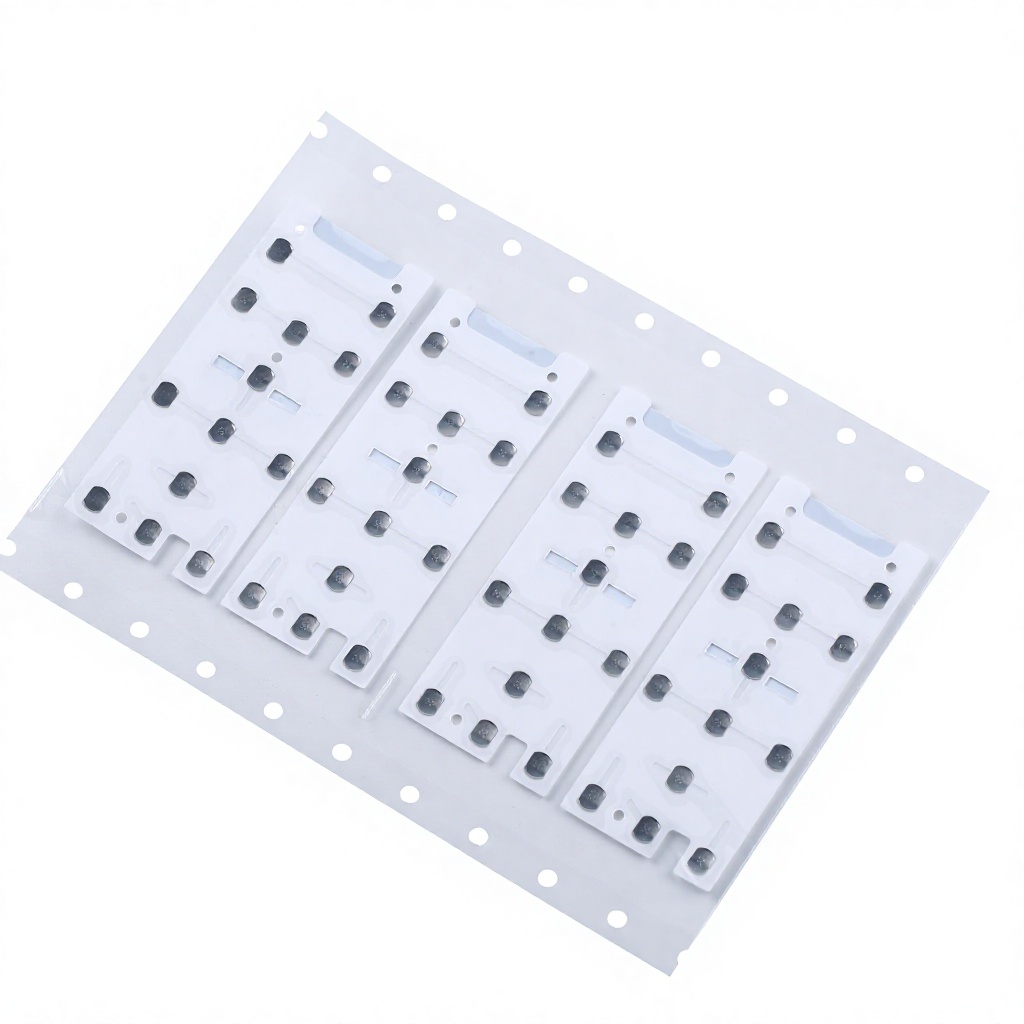
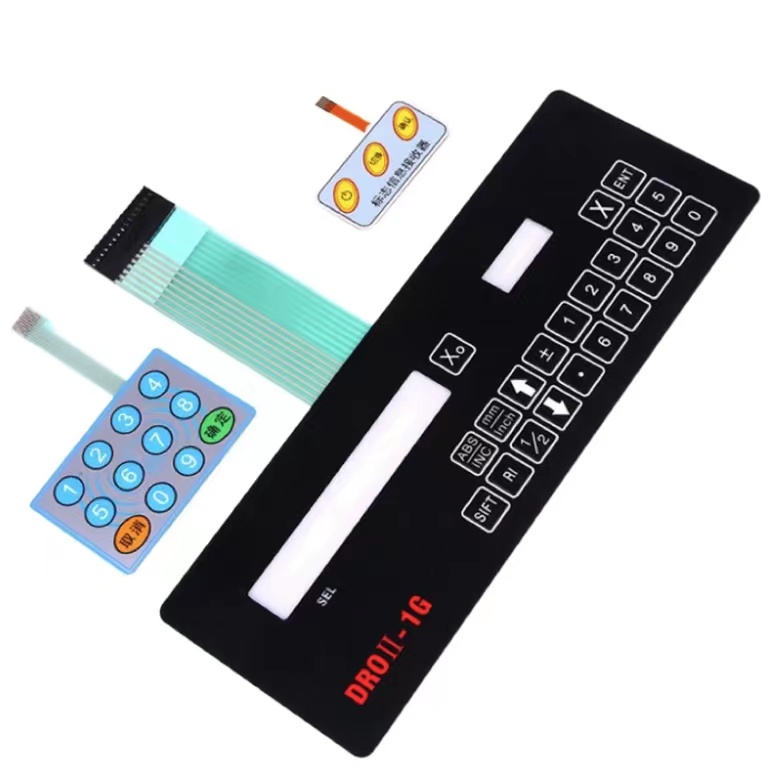
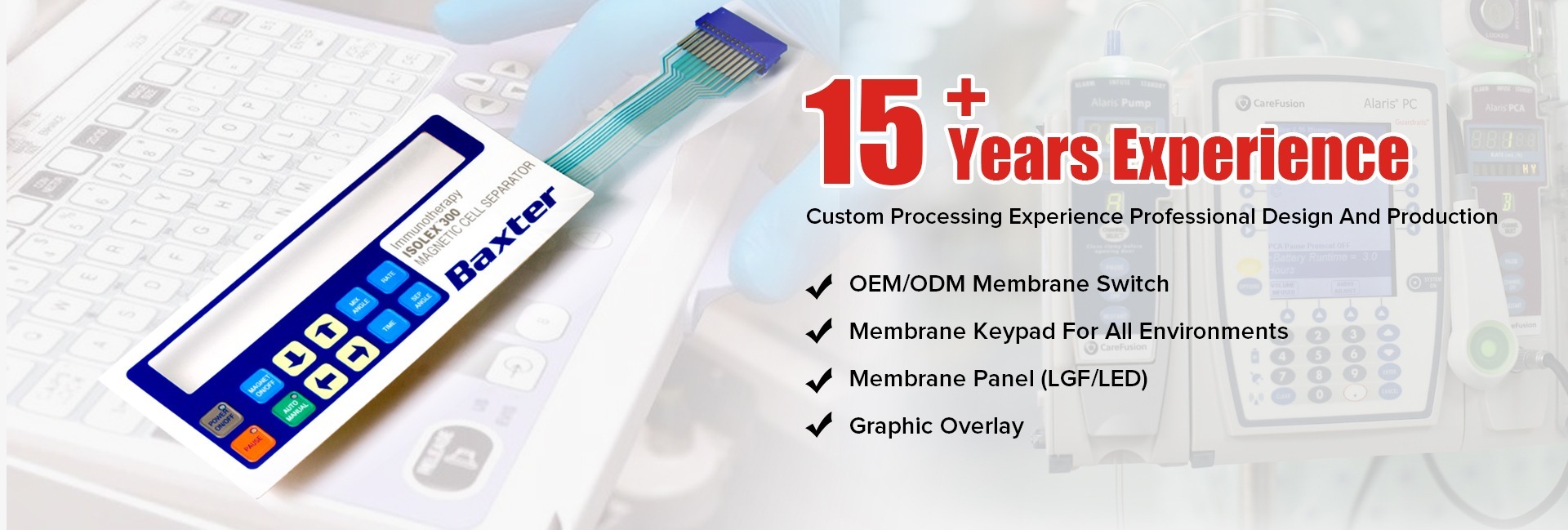
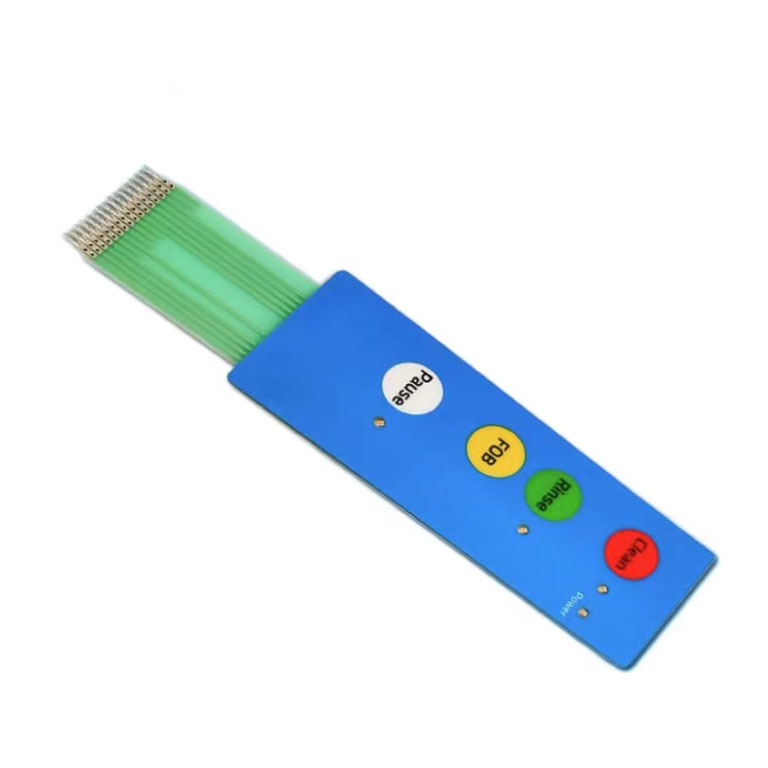
Precision Waterproof Membrane Switches & Tactile Dome Assemblies

Explore our SGS-audited range of high-reliability tactile dome arrays, flexible film circuits, and sealed membrane switch keypads tailored for harsh medical, consumer, audio, and industrial human-machine interfaces (HMI).

Engineering Whitepaper & Ingress Physics

Waterproof Membrane Switch Architecture: IP65 to IP68 Sealing Physics

In human-machine interfaces subjected to high-pressure washdowns, marine salt-fog, outdoor condensation, and sterilization chemicals, waterproofing requires more than just water-resistant adhesive. It demands a holistic multi-barrier mechanical and chemical defense architecture.

Continuous Perimeter Gasket Boundary

Traditional non-waterproof membrane switches utilize internal venting channels that exhaust trapped air out through the tail exit. When ambient temperatures plunge or moisture condenses, capillary pressure pulls liquid inward, triggering catastrophic silver electromigration. Cevra engineers an unbroken, wide-perimeter adhesive ring using modified acrylic 3M 200MP / 300LSE transfer tapes, forming a hermetic micro-barrier that prevents moisture ingress along all edge perimeters under complete hydrostatic immersion.

Zero-Capillary Gap 3M 300LSE / 468MP Die-Cut Tolerance ±0.05mm

Differential Pressure Breathing Vents

Sealed membrane keypads deployed in outdoor instrumentation experience dramatic diurnal thermal cycling. Without venting, changing cavity pressures induce ballooning (tactile feeling degradation) or negative vacuum suction. We incorporate waterproof, oleophobic microporous ePTFE (expanded polytetrafluoroethylene) membranes into rear vent channels. This equalizes atmospheric pressure while blocking liquid water droplets and airborne particulates down to 0.1 microns, preserving crisp tactile snap ratios.

Oleophobic ePTFE Air Permeability > 120 ml/min Water Entry Pressure > 60 kPa

Tail Potting & Silver Migration Prevention

The flex tail junction is universally the most vulnerable leak vector in membrane switch designs. Under DC voltage bias and micro-humidity, silver ions migrate rapidly across adjacent circuit traces, creating microscopic dendritic bridges that short circuit. Cevra counteracts this failure mode by printing carbon ink overprints over all exposed silver conductor tracks, applying UV-cured dielectric barrier masks, and potting the critical flex tail exit with flexible silicone elastomer glands.

Carbon Overprint Shield UV Dielectric Passivation Silicone Gland Potting
Ingress Standard Sealing Architecture Test Parameters & Verification Substrate & Adhesive Stack Typical B2B Applications
IP65 Washdown Standard perimeter boundary tape + sealed top overlay Water nozzle (6.3 mm), 12.5 L/min at 30 kPa for 3 min Autotex EBG180 PET + 3M 467MP adhesive spacer Commercial kitchen cooking appliances, CNC consoles
IP67 Immersion Continuous sealed perimeter gasket + ePTFE pressure vent Submersion at 1.0 meter liquid depth for 30 minutes continuous Polyester PET circuit + carbon overcoat + 3M 300LSE LSE bonding Rugged medical diagnostic carts, outdoor marine navigation
IP68 Continuous Hermetic secondary polyurethane potting + FPC copper flex Submersion at 2.0+ meters depth continuous for 24+ hours Polyimide FPC circuit + gold plated SUS301 domes + elastomer ring Submersible flow meters, chemical pipeline valves, pool controls
NEMA 4X / IP66 Corrosion-proof overlay + chemical-resistant perimeter edge Severe salt spray ASTM B117 (500 hrs) + hose-down test Autotex Steel textured PET + stainless steel rigid backing plate Offshore oil and gas rigs, wastewater processing consoles
Material Selection Science

High-Performance Polymer Substrates & Adhesive Systems

Selecting the optimal polymer substrate defines mechanical flex life, solvent resistance, and optical clarity. We evaluate the core engineering differences between biaxially oriented polyethylene terephthalate (PET), polycarbonate (PC), and flexible copper printed circuits (FPC).

Autotex® Polyester (PET) Overlays

For applications demanding repeated mechanical switch cycling, PET is the superior choice. Autotex XE and EBG polyester films deliver over 5,000,000 switch actuation cycles without embrittlement or surface fatigue cracking. Furthermore, PET boasts extraordinary chemical immunity against aggressive industrial washdowns, IPA, methyl ethyl ketone (MEK), and household cleaning bleach, making it the bedrock substrate for medical and laboratory interfaces.

> 5M Flex Cycles Chemical Washdown Proof Pencil Hardness 3H

Polycarbonate (PC / Lexan®) Overlays

Polycarbonate offers exceptional optical light transmission (>90%) for transparent display windows, LED status readouts, and dead-front backlighting graphics. PC is thermoformable, allowing complex 3D spherical embossing and deep tactile pillow keys. However, PC exhibits reduced solvent resistance compared to PET. At Cevra, we apply proprietary UV-cured hardcoats to achieve 3H scratch resistance while retaining crystal-clear clarity for rugged electronic instrument panels.

92% Luminous Clarity Deep 3D Key Embossing UL94 V-0 Flame Retardant

Polyimide (PI) Flexible Printed Circuits (FPC)

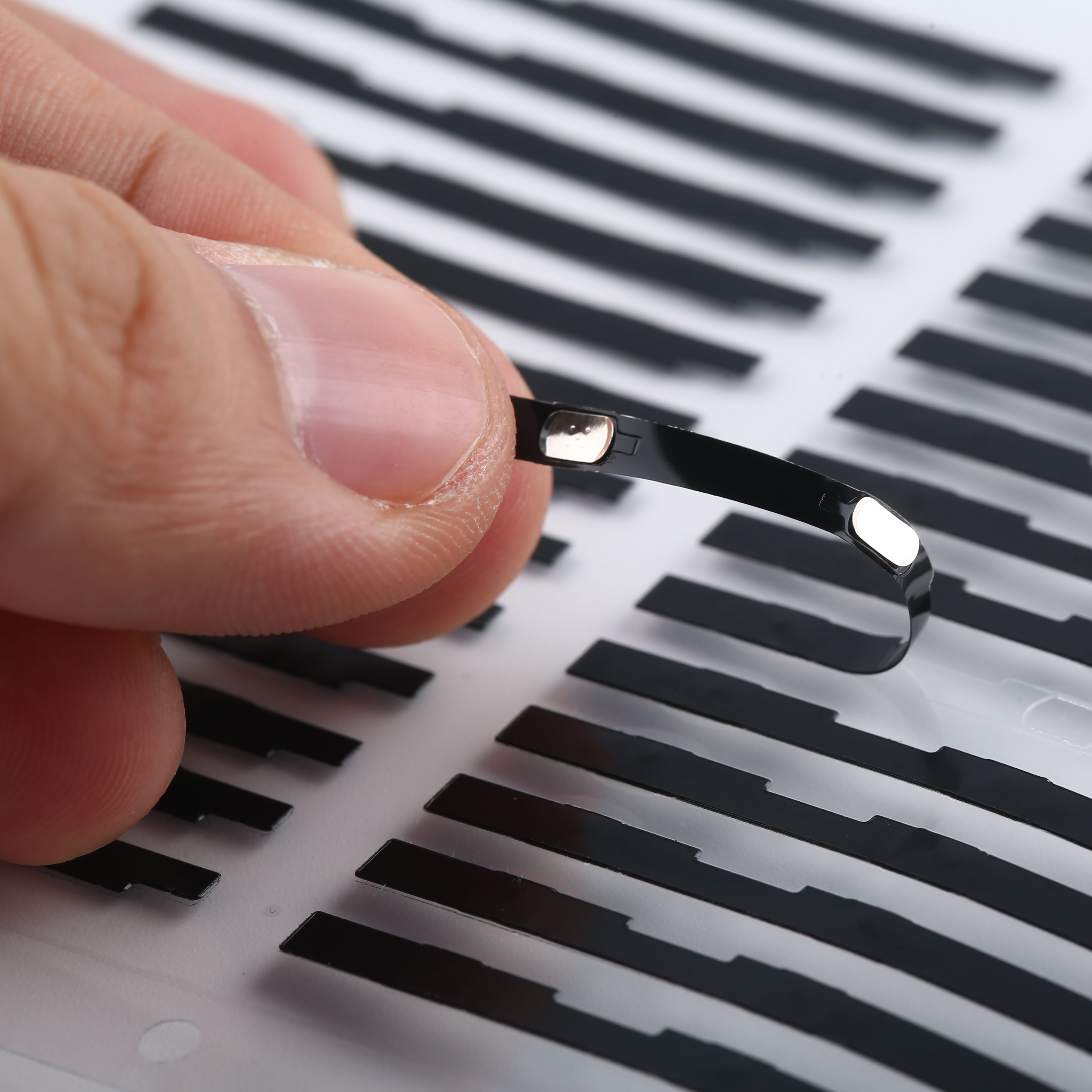
When customer applications involve ultra-dense pitch connector terminations (< 0.5 mm), surface-mount microscopic 0402 LEDs, or microcontrollers mounted directly within the switch stack, conventional screen-printed silver ink reaches its thermodynamic limit. Cevra laminates rolled-annealed copper foils onto polyimide flex cores, delivering trace impedances below 1.0 Ω and accommodating lead-free reflow soldering without delamination.

Copper Circuit Traces < 1 Ω High-Density SMT Component Zero Silver Migration
Future Technology Roadmap

Emerging Technology Trends in Waterproof Membrane Switch Manufacturing

The human-machine interface sector is transforming from passive mechanical contact assemblies into intelligent, illuminated, and aerodynamically contoured structural surfaces. Here are the core technological advances steering high-value OEM engineering.

Capacitive Sensing Integration

By blending traditional mechanical tactile metal domes with capacitive proximity sensor electrodes on the same flexible substrate, engineers create hybrid interfaces. Devices wake up instantaneously upon palm approach and register zero-force slide inputs, while critical safety functions (such as motor emergency stops) require positive mechanical snap confirmation.

Hybrid HMI Auto-Wake Sensors

In-Mold Electronics (IME / IMD)

IME eliminates discrete multi-layer adhesive lamination by printing conductive traces and conductive silver inks directly onto flat polymer film, thermoforming the film into complex organic 3D shapes, and injection-molding thermoplastic resin directly behind it. The result is a seamless, completely waterproof one-piece structural part impervious to fluid intrusion.

Structural Electronics Zero Seal Gaps

Micro-LED & Light Guide Films (LGF)

Electroluminescent (EL) lamps degrade rapidly in humid environments. Cevra implements ultra-thin (0.125 mm to 0.25 mm) precision micro-groove polycarbonate Light Guide Films (LGF) coupled with side-firing high-efficiency SMT LEDs. This delivers uniform, bright backlight diffusion across legends and key rings with minimal power draw and virtually zero heat generation.

Uniform LGF Diffusion Low-Power Micro LEDs

Antimicrobial Ag+ Nano-Coatings

In post-pandemic medical devices and shared touch consoles, hospital-acquired infections remain a vital concern. We integrate inorganic silver nano-ion additives into the textured top polyester lacquer. These ions disrupt bacterial cell wall respiration, yielding a permanent 99.9% reduction in MRSA and E. coli colonization without degrading over continuous sanitizing cycles.

ISO 22196 Verified Silver Ion Defense
Strategic Procurement Insights

Future Procurement Trends: Navigating Global Supply Chain Evolution

B2B electronics procurement heads and OEM supply chain directors face shifting geopolitical tariffs, nearshoring discussions, and stringent environmental mandates. Understanding these procurement trends is crucial for building cost-competitive, resilient hardware roadmaps.

The Resilience of China's Industrial Ecosystem

While nearshoring strategies emerge in Eastern Europe and Mexico for final box-build assembly, the upstream material supply ecosystem for high-precision membrane switches remains heavily concentrated in South China (Dongguan, Shenzhen, and Huizhou). From chemical formulating of specialized conductive carbon and silver inks to high-yield micro-stamping of SUS301 stainless snap domes and precision die-cutting, China's end-to-end component ecosystem delivers 40% to 60% tooling cost savings and 3x faster turnaround times than Western counterparts.

Comprehensive Supply Cluster Rapid Tooling Turnaround

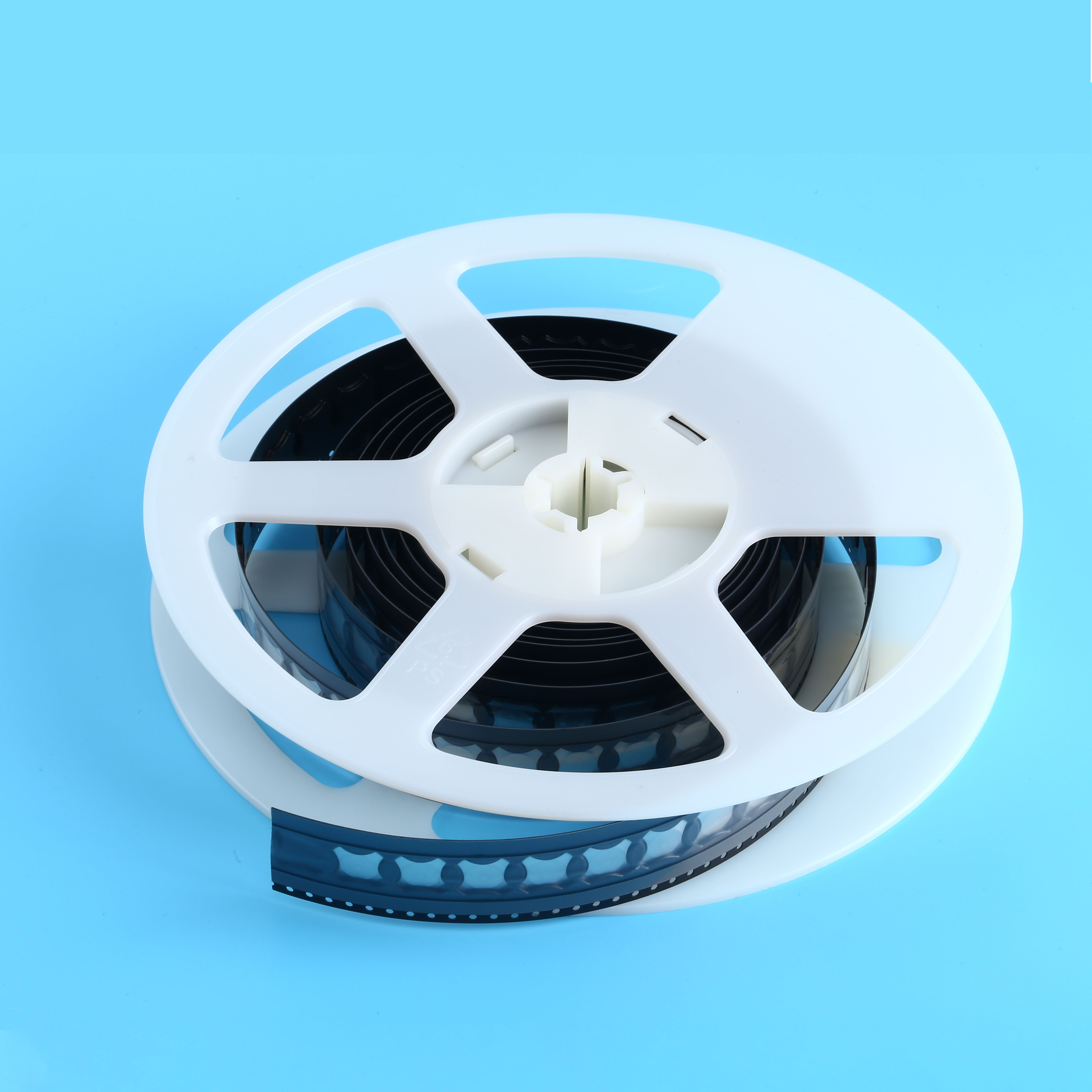
Automated Tape & Reel SMT Packaging

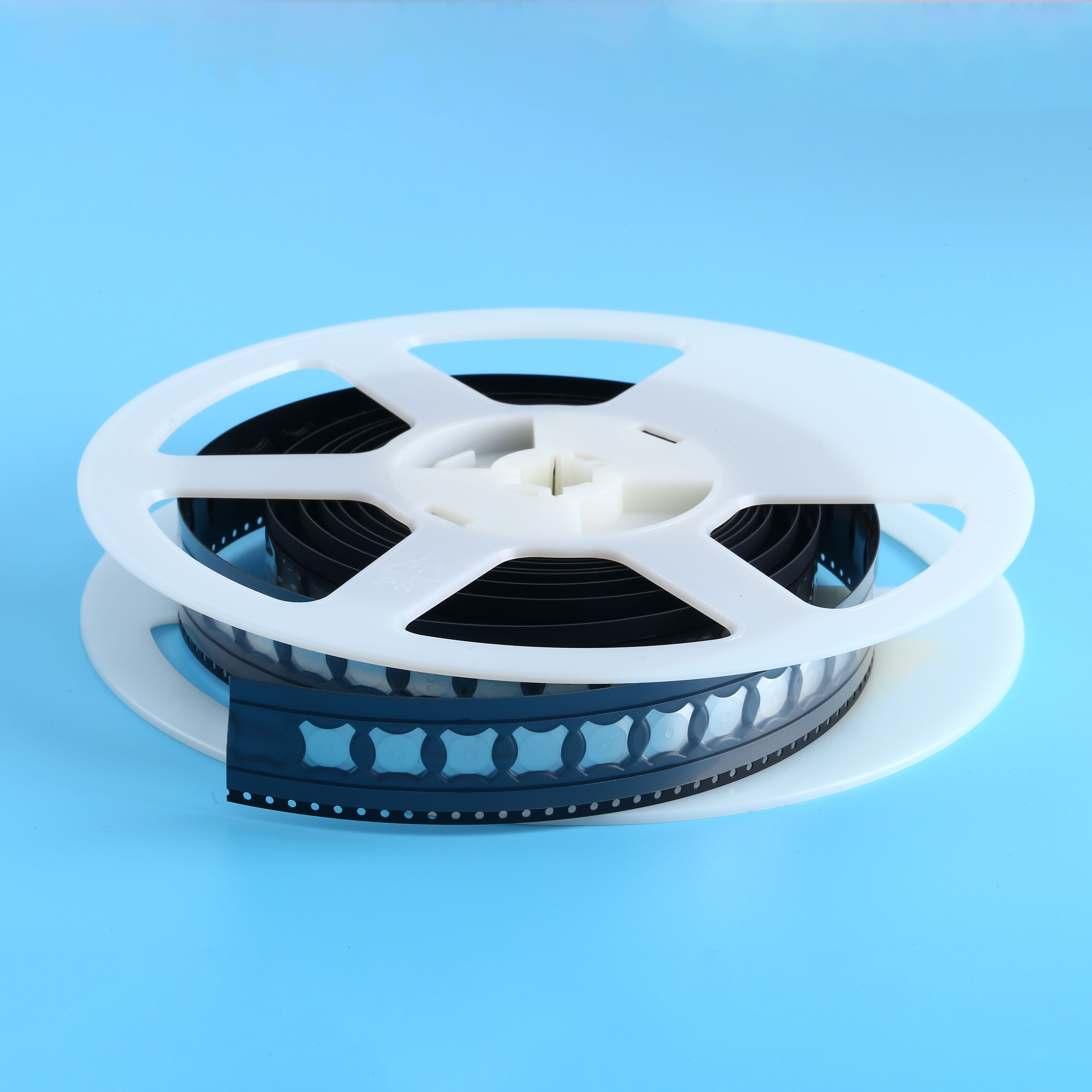
Historically, metal dome arrays and membrane switch circuits were applied manually onto PCB mainboards, creating variable alignment tolerances and high labor overhead. Sourcing trends show aggressive OEM migration toward poly-dome arrays packaged on continuous carrier tape and reel format (compliant with EIA-481 standards). This allows high-speed pick-and-place surface-mount machinery to place tactile dome switches at speeds exceeding 12,000 components per hour with zero human handling errors.

EIA-481 Reel Standard Pick-and-Place Compatible

Strict ESG, RoHS 3 & REACH Compliance

Global regulatory bodies continue enforcing stringent thresholds on hazardous substances. Forward-thinking procurement teams require suppliers to provide verified full material disclosure (FMD) declarations. Cevra utilizes halogen-free polyester substrates, lead-free conductive paste, and solvent-free waterborne acrylic adhesives, guaranteeing seamless compliance with EU RoHS Directive 2011/65/EU as amended by (EU) 2015/863, REACH SVHC candidate lists, and California Proposition 65.

RoHS 3 (EU 2015/863) REACH SVHC Compliant Halogen-Free Stackup
Enterprise Manufacturing Capabilities

Why Tier-1 OEMs Trust Dongguan Cevra Electronic Technology

Operating since March 2009 in Jinhe Community, Dongguan, Cevra is a bona fide custom manufacturer—not a commercial trading desk. Every critical process from artwork photolithography to final environmental stress testing takes place in our 2,600㎡ ISO 9001 certified plant.

Dongguan Cevra Membrane Switch and Metal Dome Assembly Production Floor

End-to-End In-House Verification & Testing Rigor

We safeguard your brand reputation by enforcing comprehensive physical, electrical, and optical inspection stations at every critical production gateway. Verified onsite by SGS Group, our engineering team ensures that your waterproof membrane keypads withstand severe thermal shocks, aggressive mechanical actuation, and chemical exposure before packing.

Automated CCD Alignment Sub-micron vision punching & precision screen printing registration
Dome Dynamic Load Tester Accurate force-displacement curve & snap-ratio validation
Thermal Shock Chambers -40°C to +105°C rapid temperature cycle reliability screening
180° Peel & Tack Testing Rigorous interfacial shear strength test on 3M adhesive bonds
Technical FAQ

Frequently Asked Questions in Waterproof Membrane Switch Sourcing

Direct answers from our senior HMI application engineers to help you eliminate risk during the design-for-manufacturability (DFM) phase and streamline global supplier qualification.

How does a truly waterproof membrane switch achieve IP67/IP68 rating without switch failure?

Achieving true IP67 or IP68 water ingress defense requires eliminating the internal air channels that standard membrane switches use to expel air when keys are depressed. Under water submersion, these open channels allow capillary suction that pulls fluid directly into contact with conductive traces.

At Cevra, we achieve IP67/IP68 hermetic sealing by: (1) Applying an unbroken, broad perimeter ring of high-performance acrylic adhesive (e.g., 3M 300LSE or 200MP) around the active circuit array; (2) Installing internal venting channels interconnected between keys inside the sealed boundary, preventing hydraulic pressure buildup without venting externally; (3) Utilizing waterproof, breathable ePTFE membranes if exterior pressure equalization is required; and (4) Protecting conductive traces with screen-printed carbon barrier overprints and polyurethane or silicone potting around the flex tail breakout.

Why is silver electromigration the primary cause of electrical failure in moist environments, and how do you prevent it?

Silver electromigration is an electrochemical phenomenon wherein silver particles dissociate into positive Ag+ ions in the presence of moisture and an applied DC voltage gradient. These ions migrate across the dielectric substrate toward the cathode, electrodepositing as microscopic metallic dendrites. Over time, these metallic trees span the spacing between adjacent tracks, causing irreversible electrical shorts.

Cevra eliminates silver electromigration using three distinct defensive layers: First, we strictly apply a 100% pinhole-free carbon conductive overprint over all silver traces, ensuring bare silver never interfaces with ambient humidity. Second, we apply a high-temperature cured UV dielectric solder mask over the entire circuit layout. Third, for mission-critical marine or medical devices, we replace printed silver with a rolled-annealed polyimide flexible copper circuit (FPC), which is physically immune to silver ion migration.

What are the engineering differences between stainless steel metal domes and polydome membrane switches?

Stainless steel metal domes (typically stamped from high-elastic SUS301) offer superior tactile feedback with high snap ratios (40% to 65%), click tactile forces ranging from 160g to 500g, and an operating lifespan exceeding 1,000,000 to 5,000,000 cycles across extreme temperatures (-40°C to +85°C). They can be nickel-plated or gold-plated to ensure negligible contact resistance (< 1 Ω).

Polydomes (embossed polyester domes with conductive printed silver underside) are formed directly into the PET film layer using thermal embossing. While polydomes reduce bill-of-material costs by eliminating metal components, they exhibit a softer tactile feel, lower snap ratios, shorter life expectancies (approx. 500,000 cycles), and are prone to plastic deformation and loss of tactile rebound when exposed to sustained operating temperatures above 60°C. For industrial, automotive, and medical grade waterproof keypads, metal domes are the industry standard.

Which adhesive system should be specified for mounting on low-surface-energy (LSE) plastic enclosures?

Many modern electronics housings are molded from low-surface-energy plastics such as polypropylene (PP), polyethylene (PE), or powder-coated cast aluminum. Standard acrylic adhesives (like 3M 467MP) will wet out poorly on these surfaces, leading to edge lifting, moisture ingress, and eventual delamination.

For LSE plastics, Cevra specifies 3M 300LSE or 3M 9472LE high-strength acrylic transfer adhesives. These specialty formulations achieve rapid bonding, reaching over 90% bond strength within 24 hours even on slippery olefin substrates. For slightly textured or powder-coated cast metal bezels, we utilize thicker 3M 468MP (0.13 mm) or closed-cell 3M VHB structural acrylic foam tapes to fill microscopic surface asperities and create an impervious environmental seal.

What design files and CAD documentation are required to initiate tooling and DFM review?

To provide a rapid, accurate Design-for-Manufacturability (DFM) review and quotation within 24 hours, our engineering department requests:

1. Graphic Overlay Artwork: Vector format files (.AI, .CorelDRAW, or vector .PDF) specifying exact Pantone Matching System (PMS) color codes, key embossing heights, and display window positions (clear, tinted, or frosted).
2. Mechanical Stack-Up Drawing: CAD files (.DXF, .DWG, or .STEP) indicating overall dimensions, cutouts, tail length, connector pitch (e.g., 2.54 mm, 1.0 mm, or 0.5 mm ZIF), and mounting hole locations.
3. Circuit Schematic: Wiring netlist, pinout assignment, matrix structure (e.g., 4x4 matrix or common bus), and SMT LED electrical parameters (forward voltage, current, wavelength).
4. Environmental Specification: Expected operating temperatures, IP ingress requirement, UV exposure demands, and chemical washdown agents.

What is your typical prototype lead time, sample policy, and mass production MOQ?

Because Dongguan Cevra maintains fully integrated in-house screen printing, CCD punching, laser profiling, and laminating equipment, our lead times are among the fastest in South China:

• Prototypes & First Article Samples: Typically 5 to 7 working days from formal drawing and artwork proof approval.
• Minimum Order Quantities (MOQ): We accommodate agile OEM development—custom graphic overlay keypads start from as low as 10 to 100 pieces for engineering prototypes, while standard membrane switch batches start at 100 to 500 pieces. Stamped metal domes in tape and reel start at 1,000 pieces.
• Mass Production Lead Time: Standard volume orders of 1,000 to 20,000 units are completed in 12 to 16 working days, backed by Alibaba Trade Assurance and SGS verified quality management.

Ready to Engineer Your Waterproof HMI Interface?

Collaborate directly with our senior application engineers. Submit your CAD vector drawings, discuss custom layer stack-ups, or request free metal dome array samples for testing in your prototype hardware.

✓ 24-Hour DFM Engineering Feedback ✓ Direct Factory Quotation ✓ Full NDA Confidentiality
Contact Us Instant Live Chat with Cevra Engineering Specialist