Precision Control Overlays & Tactile Membrane Interfaces
Factory-direct industrial interface assemblies engineered for severe environments, high lifecycle actuation, and optical clarity.
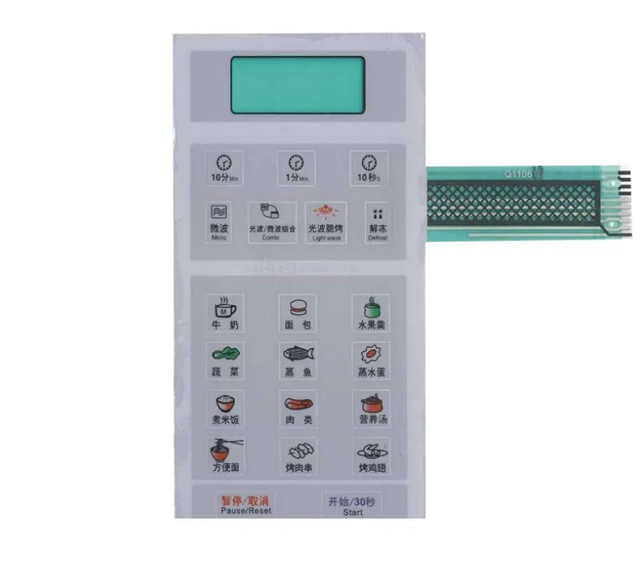
Factory Cheap Price Electronic Membrane Switch Control Panel
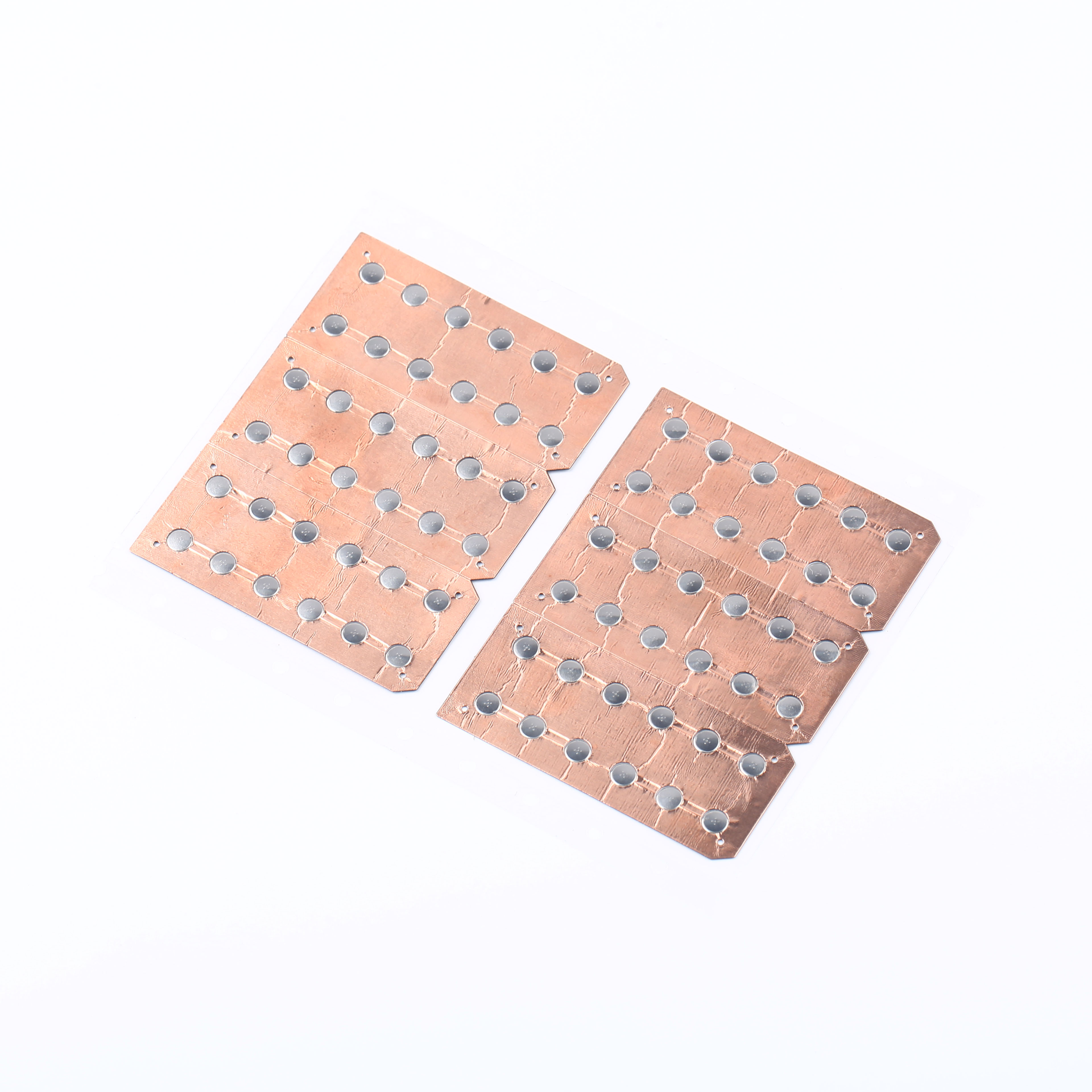
Round Metal Snap Dome Sheet with Adhesive Tape Copper Foil Dome Array
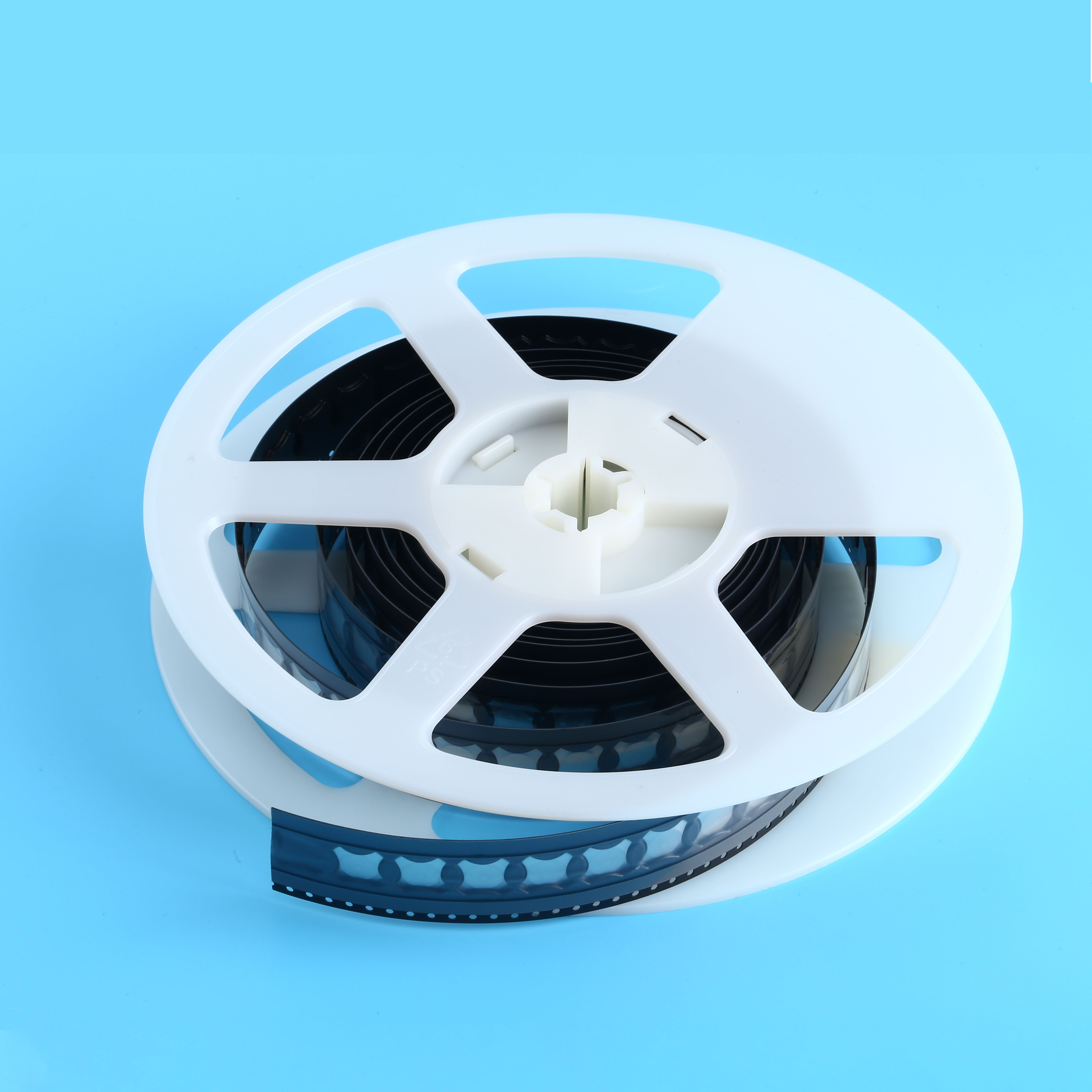
Custom Cross 4-Legged Snap Dome Poly Metal Dome in Reel Packing Array
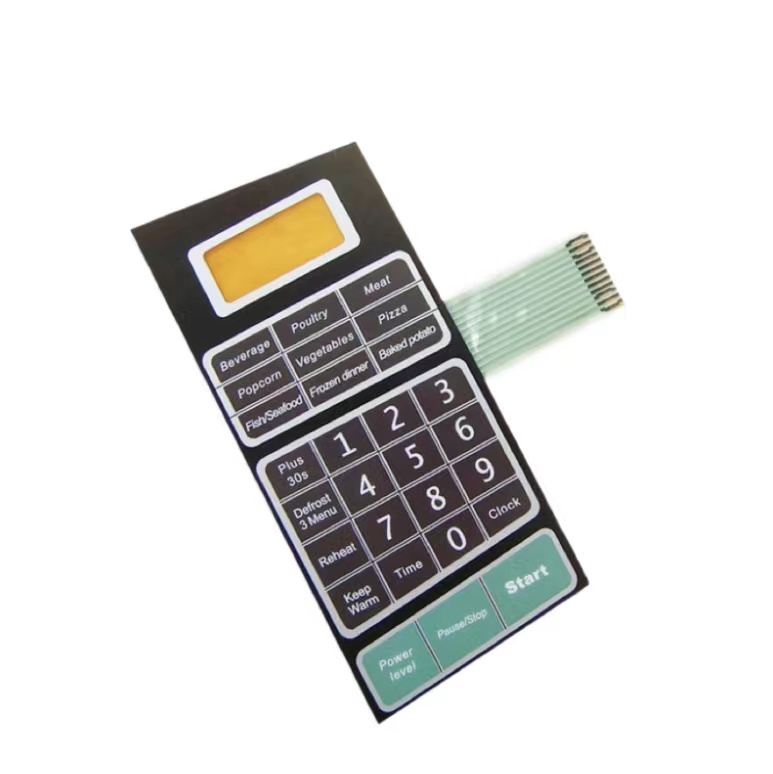
Low MOQ Custom Membrane Switch Panel Keypad Control
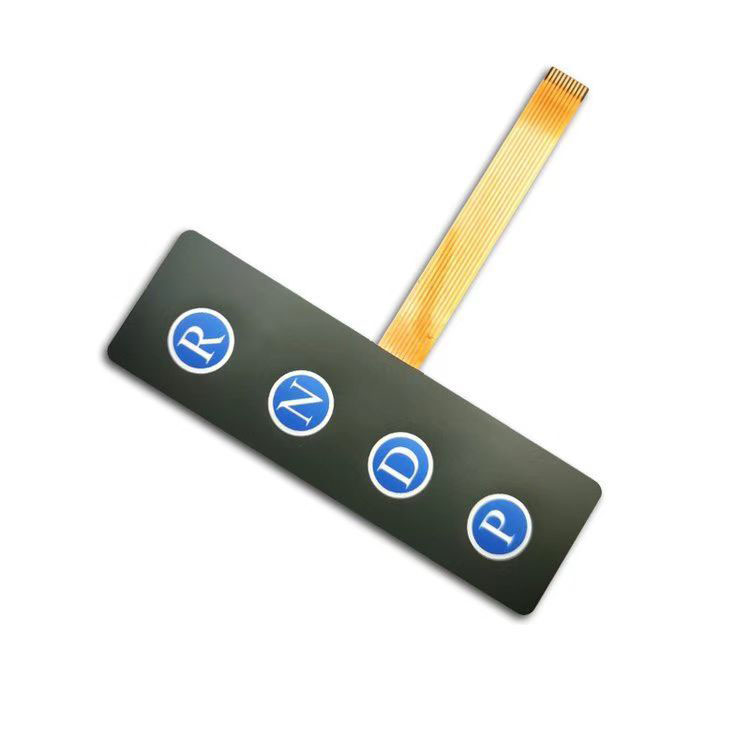
Embossing Backlit 3 4 5 Button Touch Controller Membrane Switch Keypad
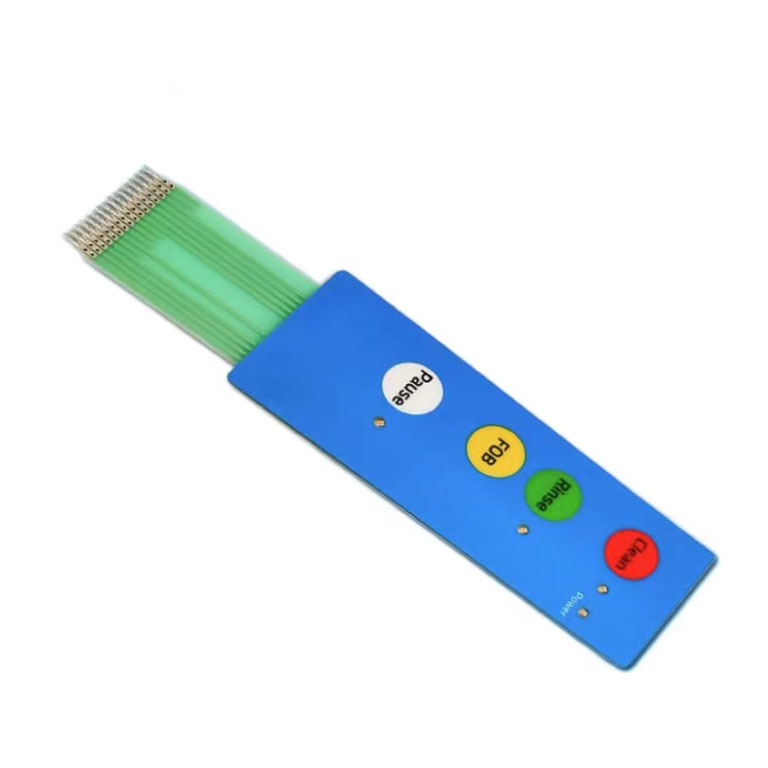
Electronic Film Circuit Waterproof Button Membrane Switch Panel
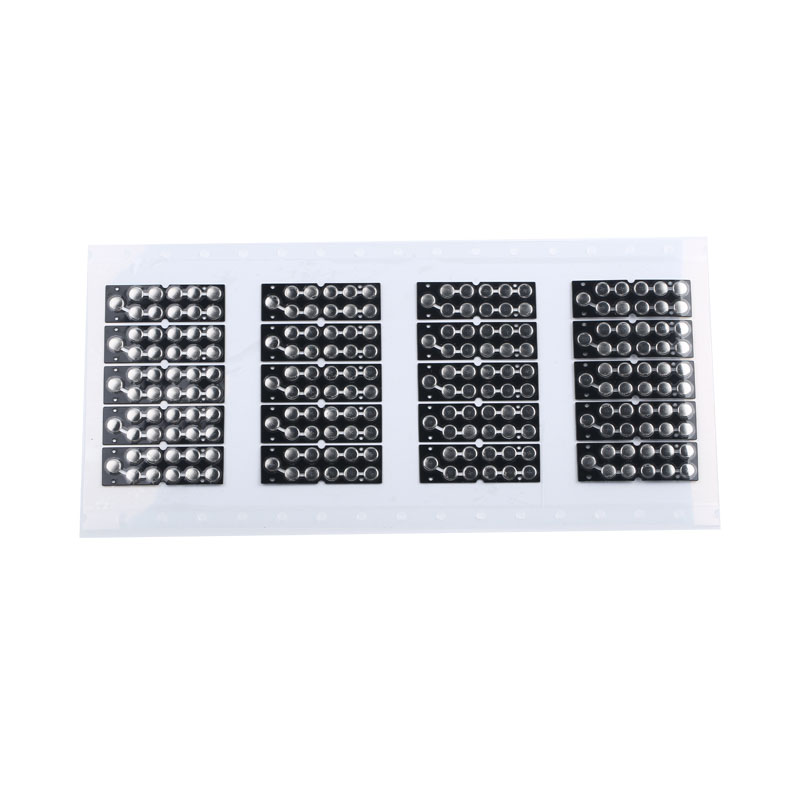
Single Layer Transparent PET Round Metal Dome Array with Adhesive
Engineering Anatomy of an Industrial-Grade Graphic Overlay
A control panel overlay serves as the direct interface between human operators and complex microelectronics. Superior performance requires tight thermodynamic tolerance, selective texturing, chemical inertness, and structural adhesion that resists shear loads across broad thermal spectrums (-40°C to +85°C).
1. Substrate Layer
Autotype/Toray optical-grade PET or Lexan PC featuring anti-glare, fine-matte textures, and UV-stabilized formulations resisting yellowing.
2. Sub-Surface Printing
Multi-pass sub-surface screen printing with UV curing inks, ensuring colors and graphic legends remain entirely impervious to mechanical friction and cleaning chemicals.
3. Actuation Layer
Embossed tactile rims or pillow profiles accommodating SUS301 stainless steel domes (nickel or gold-plated) delivering 250g–450g tactile snap response.
4. Bonding Adhesive
Structural high-performance acrylic adhesive (3M 467MP, 468MP, or VHB) ensuring hermetic seals rated up to IP67 against moisture and vapor intrusion.
Polycarbonate (PC) vs. Biaxially Oriented PET Substrates
Selecting the optimal core substrate is paramount for lifecycle endurance and environmental survivability.
| Performance Attribute | Biaxially Oriented PET (e.g., Autotex) | Polycarbonate (e.g., Sabic Lexan) | Anodized Aluminum / Metal Foil |
|---|---|---|---|
| Flexural Fatigue Life | > 5,000,000 Switch Cycles | ~ 100,000 Switch Cycles | Rigid / Non-Flexible |
| Chemical & Solvent Resistance | Exceptional (Alcohols, Ketones, Fuels) | Moderate (Sensitive to Harsh Solvents) | High Resistance with Sealant Coating |
| Embossing Longevity | Superior Shape Retention Over Temp | Good Initial Formability, Potential Creep | Laser Engraved / Hydro-formed Stamping |
| Impact & Thermal Resistance | Up to 120°C Continuous | High Impact / Up to 105°C Continuous | Extreme Impact & Thermal Tolerance |
| Optical Display Windows | High Clarity with Selective Gloss Lacquer | Crystal Clear, Water-Clear Transparent | Requires Cutout / Glass Insert Integration |
Future Technology Trends in Control Panel Manufacturing
How cutting-edge human-machine interface technologies are reshaping industrial equipment procurement.
Capacitive Sensing Integration
Transition from traditional electromechanical switch assemblies toward planar capacitive touch panels, pairing sub-surface printed dead-front overlays with active capacitive sensor foils for completely seamless, hygienic wipe-down surfaces.
Ultra-Thin Light Guide Films (LGF)
Replacing bulky legacy discrete LEDs with micro-etched Light Guide Films. Utilizing single side-firing SMD LEDs to uniformly propagate light across complex button legends without hotspots or high power consumption.
In-Mold Structural Electronics (IMSE)
Fusing 3D-formed graphic film skins directly with functional conductive traces and injection-molded resins, condensing multi-part assemblies into a single structurally integrated, ruggedized HMI component.
Anti-Microbial & Harsh-Wash Coatings
Engineered siloxane and silver-ion enriched hardcoats applied to medical-grade and food-processing overlays, preventing pathogen colonisation and repelling concentrated hypochlorite wash cycles.
Rapid Prototyping & Hybrid Tooling
Modern procurement demands accelerated time-to-market. Leveraging precision flatbed digital UV printing combined with CNC plotters allows OEM engineers to validate form and tactile feedback in days without hard steel tooling.
Supply Chain Traceability
Incorporating micro-laser etched matrix codes directly onto internal spacer substrates, enabling complete batch-level supply chain transparency, adhesive shelf-life verification, and quality audit trails.
Strategic Procurement Guide: Mitigating Risks in China OEM Sourcing
Procuring membrane switches and control panel overlays from Chinese manufacturers has matured from simple labor arbitrage into advanced manufacturing integration. International OEMs achieving the lowest total cost of ownership (TCO) prioritize specific factory qualification stages:
1. Engineering Stackup Validation
Do not rely solely on 2D visual layouts. Verify that the factory conducts thorough DFM (Design for Manufacturability) reviews, analyzing the vent path routing between dome chambers to prevent "oil-canning" or air trapping under temperature cycles.
2. Adhesive Matching to Enclosure Surface
Specify exact surface energy ratings of the mating enclosure. Low Surface Energy (LSE) plastics such as polypropylene or textured powder-coated castings require modified acrylic adhesives (such as 3M 300LSE) to prevent edge lifting over time.
Why Cevra Leads in Custom Control Panel Engineering
Headquartered in Dongguan, our fully integrated manufacturing lines control every variable from incoming raw polymers to automated electrical inspection.
SGS Onsite Audited
Physical plant operations, worker conditions, and high-precision equipment verified directly by SGS Group, giving global engineering teams audited confidence.
CCD Machine Precision
Automated CCD vision alignment punching and precision laser cutting maintain tighter than ±0.05mm tolerances across graphic windows, display lenses, and perimeter lines.
In-House Testing Lab
Complete lifecycle testing including dynamic dome force testers, high/low thermal chambers (-50°C to 150°C), pencil hardness testers, and 100% electrical circuit analyzers.
Turnkey OEM/ODM Engineering Under One Roof
From initial CAD/Gerber file consultation and custom color matching (Pantone/RAL spectrophotometry) through automatic lamination and Class 1,000 cleanroom assembly.
Frequently Asked Technical & Sourcing Questions
Direct answers from our engineering desk to streamline your quotation and production cycle.
What engineering documentation is needed to initiate an overlay or switch quotation?
To provide a precise DFM analysis and quotation, we require: (1) 2D vector files (DXF, DWG, AI, or PDF) detailing dimensioning, cutouts, and embossing profiles; (2) Artwork with defined Pantone/RAL color codes; (3) Schematic or netlist for switch matrix and connector pinouts; and (4) Environmental parameters such as UV exposure, operating temperature, and mating surface chemistry.
How do you ensure zero delamination between overlay layers under extreme thermal swings?
Delamination resistance depends on mechanical bonding and venting design. We use modified pure acrylic 3M adhesive systems matched to the specific surface energies of both the polyester/polycarbonate carrier and the housing. Furthermore, our automated laminating machines operate in temperature and humidity-controlled cleanrooms to eliminate micro-voids, and built-in micro-vent channels equalize internal pressure during thermal cycles.
What is the difference in tactile feel between nickel-plated cross domes and poly domes?
Stainless steel snap domes (cross 4-legged or round) provide a crisp, audible tactile snap with standard actuation forces from 220g to 450g and rated lifecycles exceeding 1,000,000 presses. Polyester embossed domes ("poly domes") are formed directly into the plastic layer, yielding a softer, non-metallic actuation with a lower acoustic signature and a lifecycle typically around 100,000 to 500,000 presses.
Can control overlays incorporate display windows for LCD, OLED, or 7-segment LEDs?
Yes. Transparent or tinted filter windows can be seamlessly integrated. By selectively applying transparent gloss inks or clear anti-glare coatings over anti-scratch substrates, we produce optically neutral display zones for LCD/OLED screens, or red/green smoke filters to enhance the contrast ratio of LED displays.
What are the typical prototyping lead times and Minimum Order Quantities (MOQ)?
For graphic overlay prototypes, laser cutting and digital UV flatbed proofs allow initial sample dispatch within 3 to 5 business days. Production runs with hard steel tooling generally require 10 to 14 days. Our flexible manufacturing setup accommodates low MOQ runs starting at 10 to 100 pieces for pilot batches, scaling up to high-volume output exceeding 100,000 units per month.
Connect Directly with Industrial Interface Engineers
Accelerate your project with DFM reviews, material sample books, and competitive direct-from-factory pricing within 24 hours.
Get Catalog