High-Reliability PET Membrane Switches & Metal Dome Assemblies
Manufactured under strict ISO 9001 and CE compliance standards, our PET membrane switches provide tactile feedback, environmental IP65/IP67 ingress sealing, and long flexural lifecycles exceeding 1,000,000 operations.
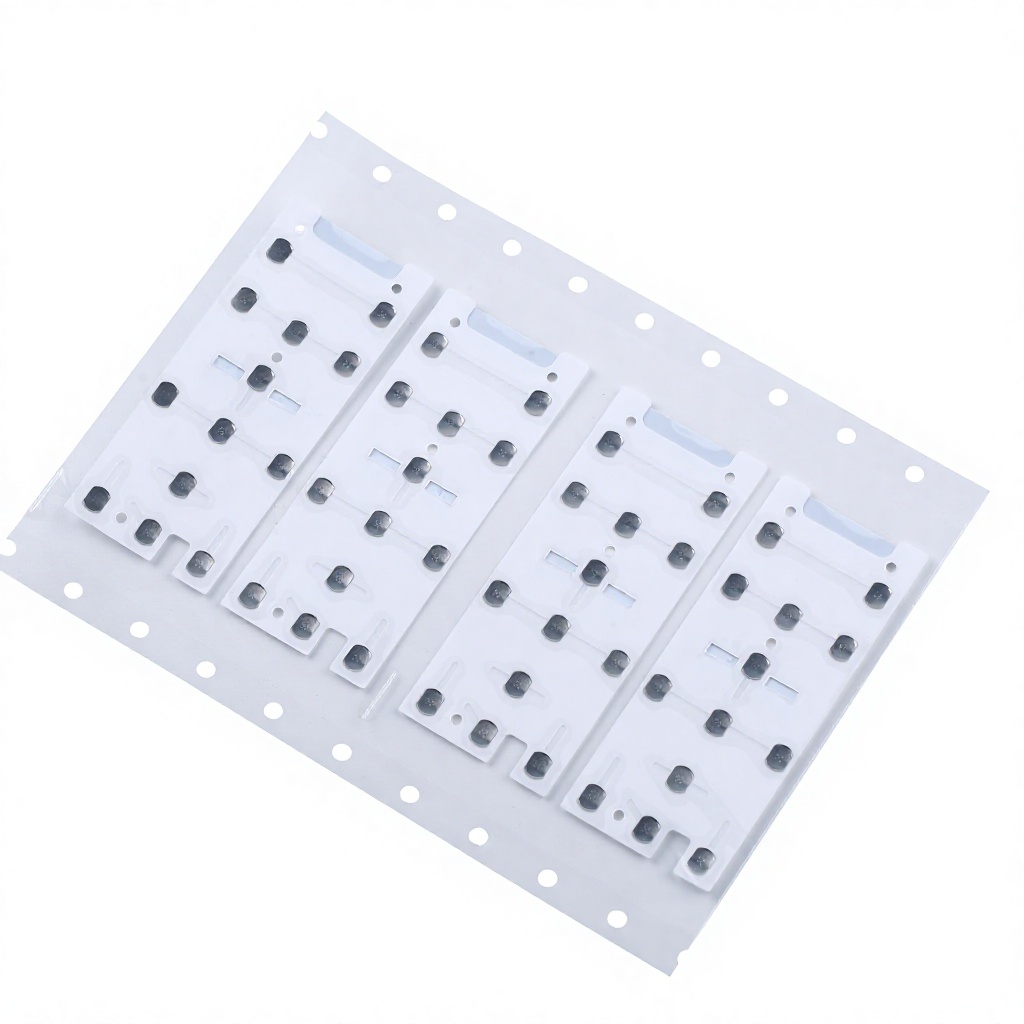
Double-sided Tape Single Layer SUS301 Stainless Steel Dome Array Remote Control Metal Dome Array
- Material: SUS301 Stainless Steel
- Trip Force: 160g – 350g Custom
- Adhesive Carrier: 3M Double-Sided / PET
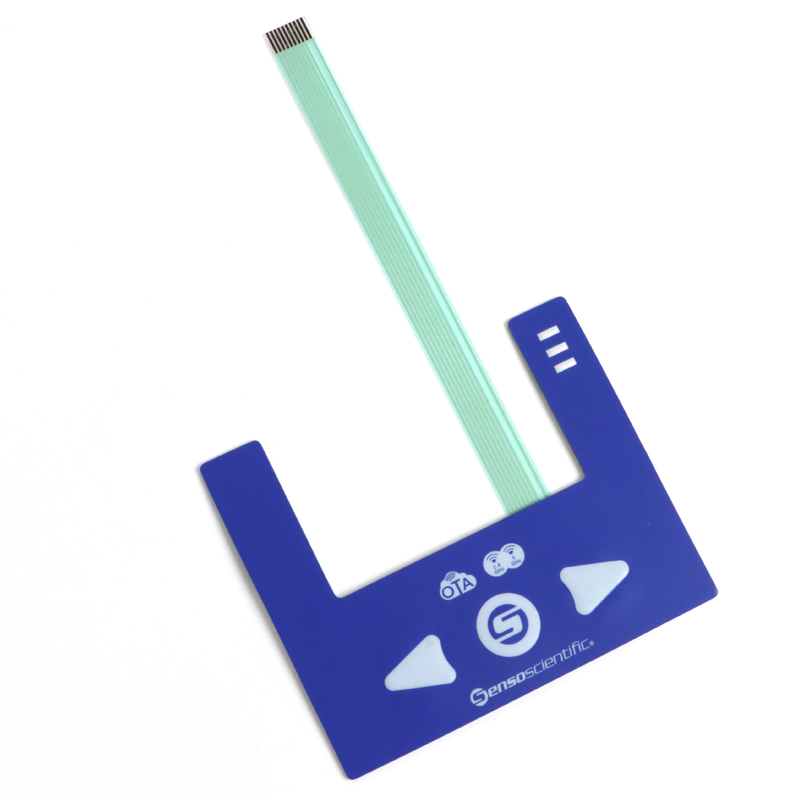
Manufacturer Custom Membrane Keypads Membrane Keyboard and Led Membrane Graphic Overlay
- Overlay Substrate: Autotype PET Film
- Backlight: SMD Surface-Mounted LED
- Actuation Life: > 1,000,000 Cycles
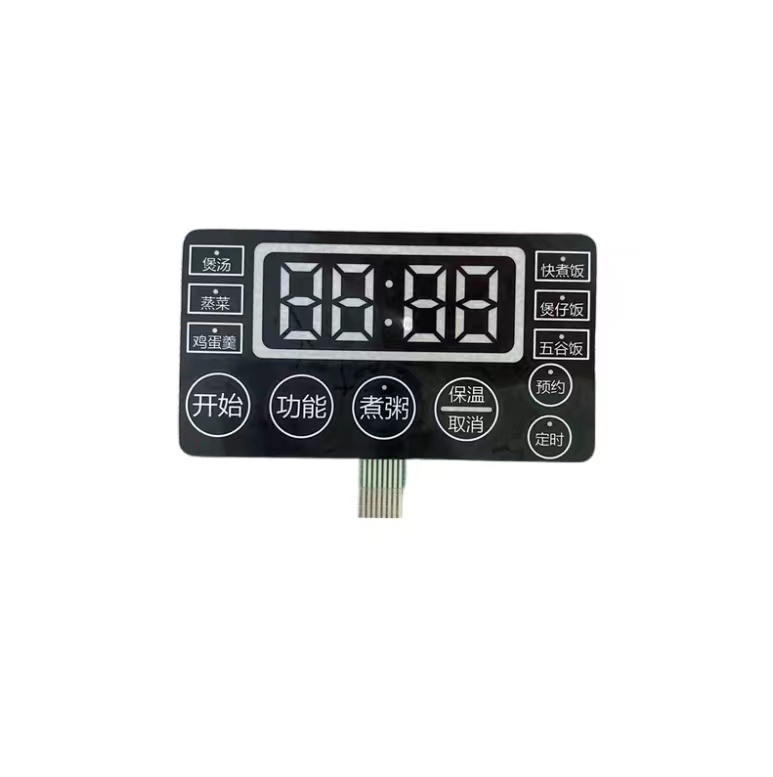
Hot Sale Factory Direct Membrane Switch Black Panel Control PC Membrane Switch Panel
- Front Facet: Matte Textured PC/PET
- Shielding: Carbon / Silver ESD Grid
- Ingress: IP65 Dust & Moisture Seal
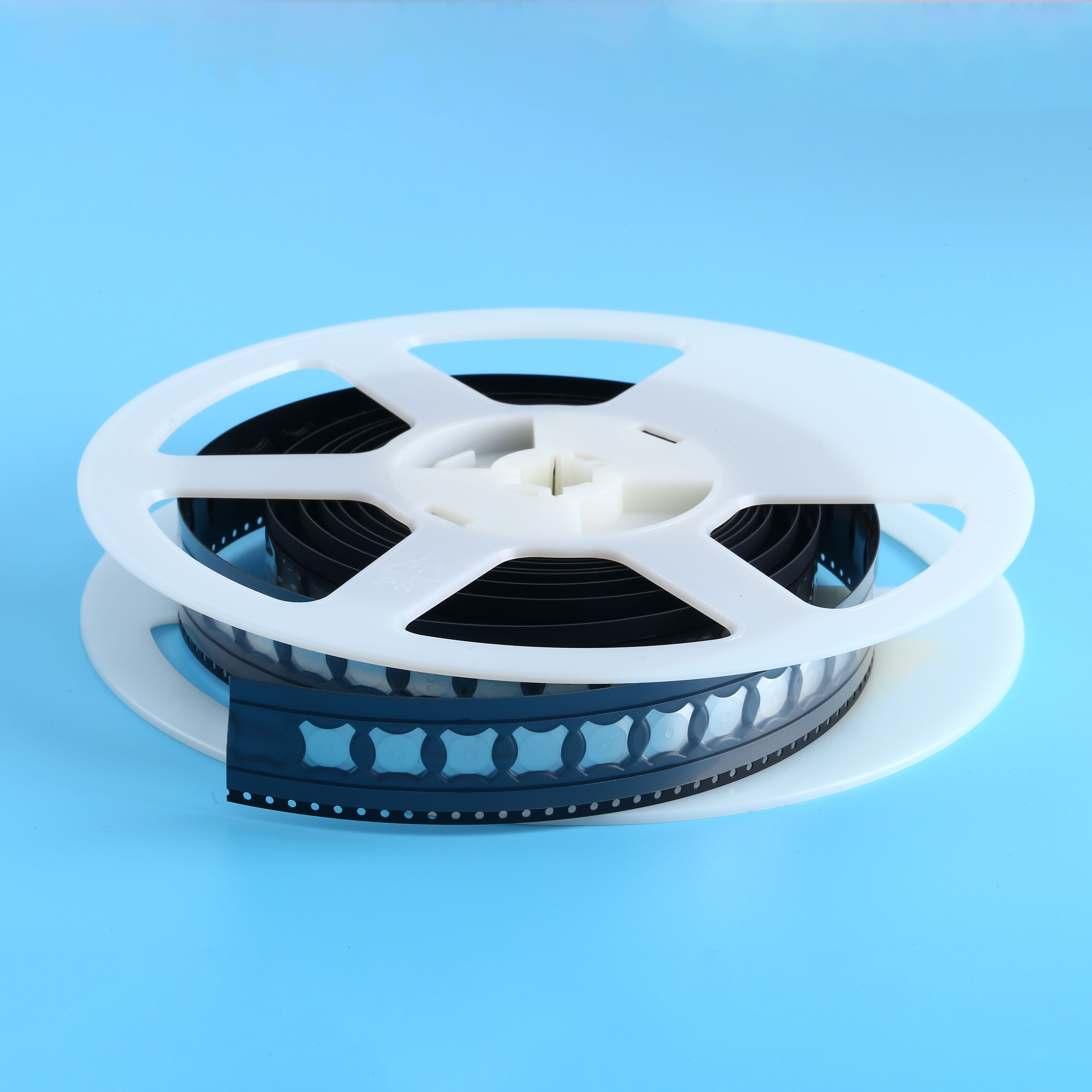
Free Sample Metal Dome Array Single Layer Transparent Pet With Adhesive for Television Remote Control
- Carrier: Optical Clear PET Film
- Plating: Nickel or Gold Flash
- Contact Resistance: < 1.0 Ohm
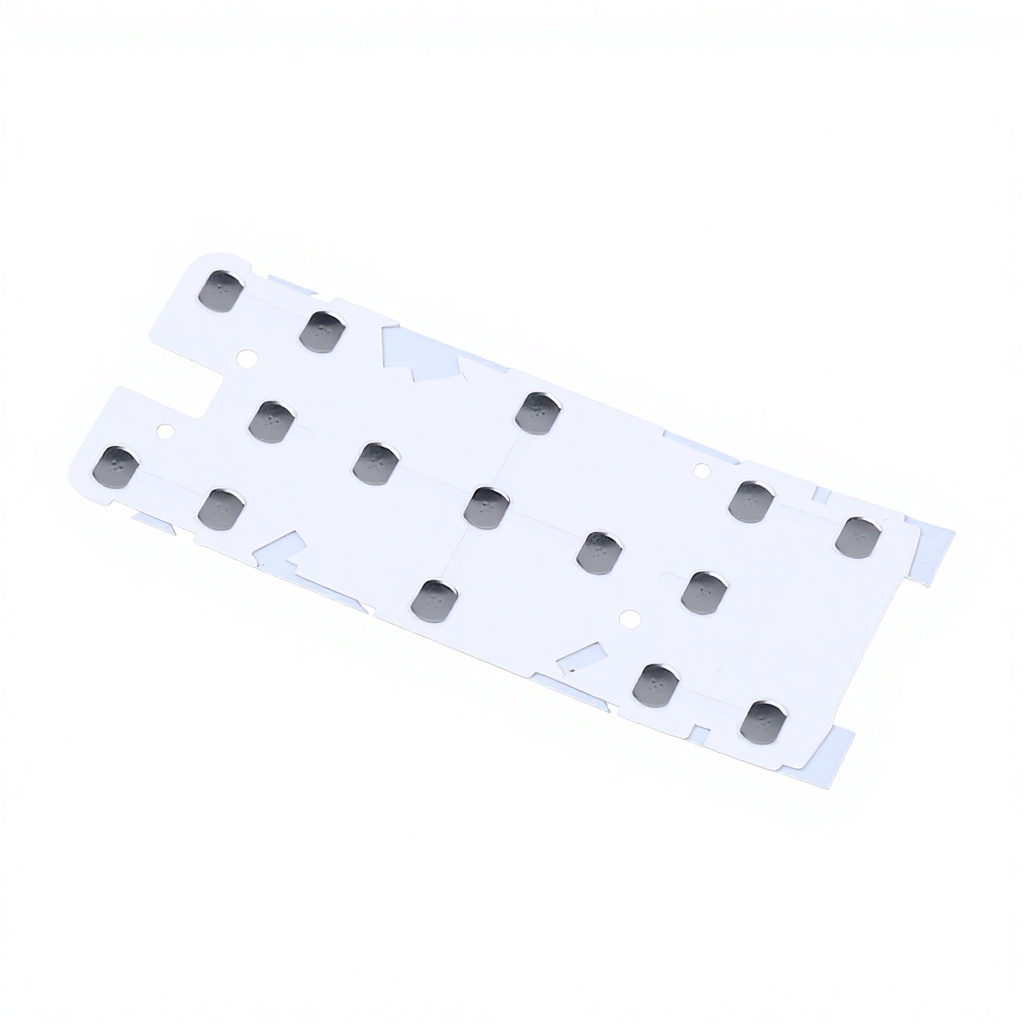
Customized White PET Waterproof Single Layer SUS301 Stainless Steel Dome Array Remote Control Metal Dome Array
- Film Type: Opaque White PET Foil
- Air Venting: Micro-Groove Vent Path
- Durability: > 500,000 Clicks
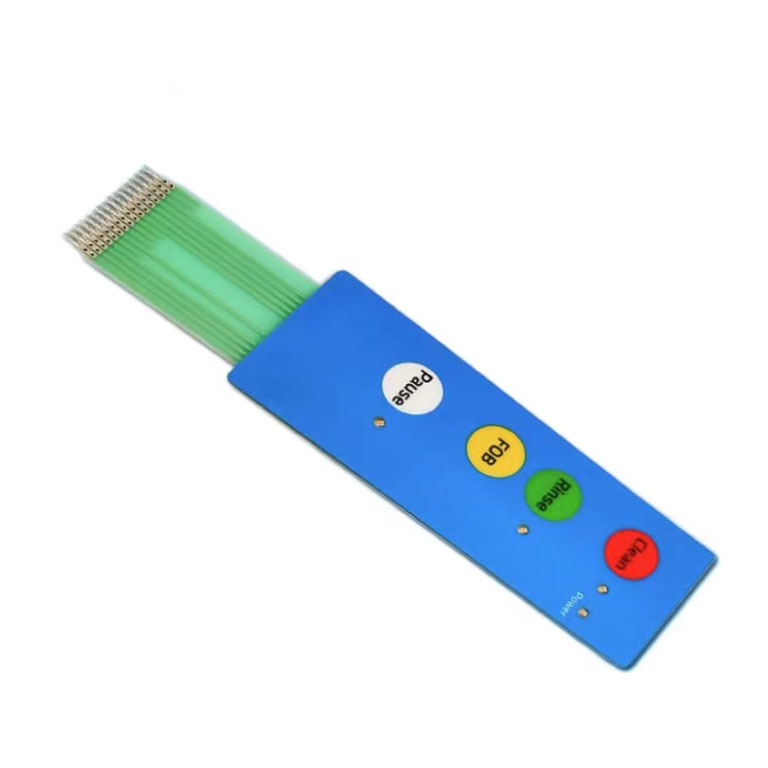
Electronic Toy Film Circuit Membrane Switch Waterproof Button Membrane Switch
- Conductor: High Conductive Silver Ink
- Insulation: UV Dielectric Overprint
- Tail Pitch: 1.0mm / 2.54mm Standard
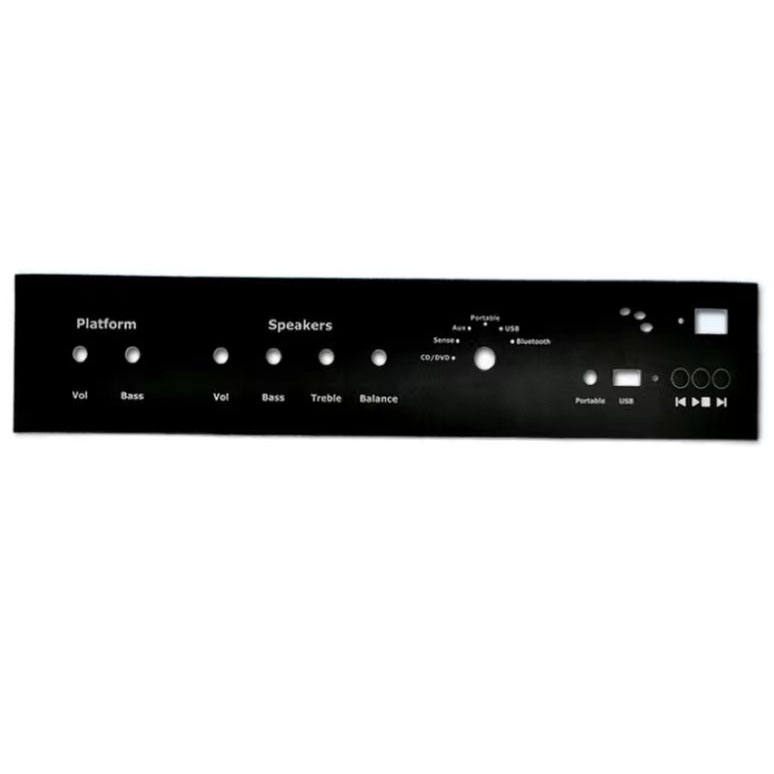
Intelligent Membrane Switch Panel, Washing Machine Touch Panel, Customized Membrane Switch
- Application: Smart Appliance Wash Cycle
- Sealing: Anti-Detergent Ingress Seal
- Display: Deadfront Optical Windows
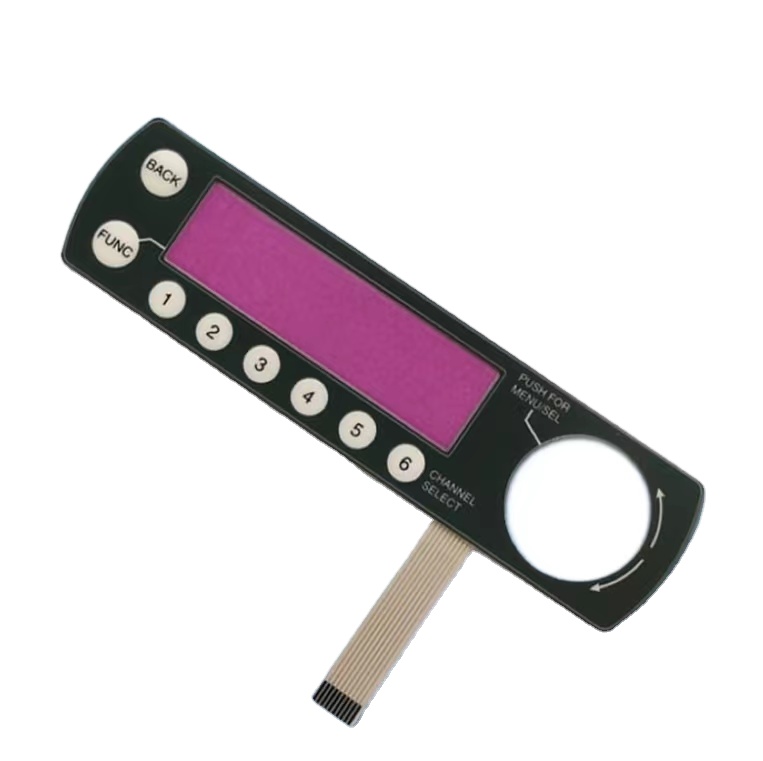
Customized Medical Instrument Membrane Switch PET Membrane Key PC Membrane Switch
- Biocompatibility: Antimicrobial Overlay
- Disinfection: IPA / Bleach Resistance
- Certification: CE Compliant / ISO 13485 DFM
Engineering Anatomy of CE Certified PET Membrane Switches
A high-performance PET membrane switch is a multilayer electro-mechanical composite. Each functional layer must be tuned precisely for chemical resistance, actuation elasticity, and low-impedance electrical interconnectivity.
Graphic Overlay & Key Embossing
The human-interfacing boundary layer. CE-certified assemblies utilize biaxially oriented polyethylene terephthalate (BOPET, such as Autotype Autoflex or MacDermid Autotex) instead of polycarbonate due to superior flexural endurance (>5 million actuations vs. 100k for PC). Features include pillow or rim embossing, selective anti-glare textures, and optically clear LCD/OLED display windows with anti-scratch UV hardcoating (3H hardness).
Tactile Metal Domes & Actuation Travel
Tactile crispness defines user experience. We stamp high-grade SUS301 stainless steel snap domes in 4-leg cross, circular, and triangular configurations (sizes: 6mm to 16mm; trip forces: 180g to 450g). Domes are electroplated with nickel or selective gold flash to inhibit oxidation and maintain a contact resistance below 1.0 Ohm across a dynamic thermal envelope (-40°C to +85°C).
Conductive Circuit & Anti-Silver Migration
Screen-printed conductive silver inks (Ag content >65%) formulate the circuit tracks on heat-stabilized PET films. To eliminate silver dendritic migration under humid bias conditions—a major failure cause in low-end switches—our factory prints a solid carbon-paste overprint layer topped with UV-curable dielectric polymers that insulate against pinhole breakdown up to 1,500V DC.
| Evaluation Parameter | Autotype Polyester (PET) Switches | Polycarbonate (PC) Keypads | Flexible Printed Circuit (FPC/PI) |
|---|---|---|---|
| Mechanical Flexural Fatigue | > 5,000,000 cycles (Superior) | ~ 100,000 cycles (Prone to micro-cracking) | > 10,000,000 cycles (Outstanding) |
| Chemical & Solvent Resistance | Resistant to IPA, Bleach, Acetone, Hydrocarbons | Vulnerable to aromatic hydrocarbons & esters | Excellent resistance to chemicals and industrial flux |
| Connector Pitch Density | Standard 1.0mm, 1.27mm, 2.54mm pitch tails | Limited to basic 2.54mm pitch headers | High-density pitch down to 0.5mm ZIF sockets |
| Thermal Stability Range | -40°C to +85°C continuous | -20°C to +60°C continuous | -40°C to +125°C automotive envelope |
| CE & RoHS Industrial Suitability | Full Compliance (RoHS, REACH, Low Voltage) | Compliant, but limited industrial durability | Full Compliance (Class III Medical / Mil-Std) |
Future Procurement Trends in PET Membrane Switch Manufacturing
Global procurement teams in medical, clean-tech, and defense automation are realigning their supplier matrices. Sourcing strategies are moving away from piecemeal part contracting toward integrated Human-Machine Interface (HMI) modules.
Tier-1 Vertical Consolidation
Procurement directors are reducing supplier footprint overhead. Instead of sourcing sheet metal backer plates, acrylic light panels, dome sheets, and flex circuits from separate vendors, buyers now mandate full box-build subassemblies. Cevra's vertical integration—combining laser CNC machining, automatic laminating, dome placement, and PCB integration—reduces total landing cost by 18–25% while streamlining warranty management.
Demand for Traceable Compliance
Western regulatory regimes (EU MDR 2017/745 for medical, UL 94 flame retardancy, and CE EMC Directives) require full component traceability. Procurement mandates are demanding lot-specific material certs: RoHS/REACH SVHC declarations, 3M adhesive certs of authenticity, and automated optical inspection (AOI) reports. Factories lacking ERP trace logs are rapidly removed from approved vendor lists (AVL).
Rapid Prototyping to Low-Volume Scalability
With product lifecycles shortening in smart IoT and commercial automation, buyers no longer accept rigid 5,000-piece Minimum Order Quantities (MOQs). Modern manufacturing requires agile DFM processes: digital plotter cutting and direct-to-substrate digital proofing that produce 10–50 functional prototypes within 5 working days before hard steel tooling is cut for high-speed mass production.
Technological Innovations & Emerging HMI Trends
Membrane switch technology is evolving beyond passive contact arrays into active, intelligent control surfaces engineered for smart factories, sterile medical theaters, and next-generation smart vehicles.
Capacitive & Tactile Hybrid Control
Engineers are combining the modern aesthetic of seamless touch panels with the safety of physical tactile clicks. By integrating capacitive proximity sensing with sub-surface metal dome switches, users receive wake-on-approach illumination followed by a physical snap for high-consequence actuations (e.g., medical dosage triggers or emergency motor stops).
Light Guide Film (LGF) & Dead-Front Graphics
Traditional discrete LEDs often create uneven hot spots. Next-generation PET switches use ultra-thin (0.125mm–0.25mm) micro-etched Light Guide Films (LGF) fed by side-firing surface-mount LEDs. This achieves uniform, edge-to-edge luminescence with 70% lower energy draw. Dead-front graphic windows remain completely opaque and unreadable until back-illuminated, keeping clean dashboard designs clutter-free.
Antimicrobial & Self-Healing Coatings
In response to infection control standards in medical diagnostic environments, graphic overlay films now incorporate silver ion (Ag+) additives within the textured polyester matrix. This active formulation inhibits bacterial growth (Staphylococcus aureus and E. coli by 99.9% under ISO 22196), while nano-silica polyurethane clearcoats withstand aggressive wipe-downs with hospital disinfectants.
Dongguan Cevra Electronic Technology Co., Ltd.
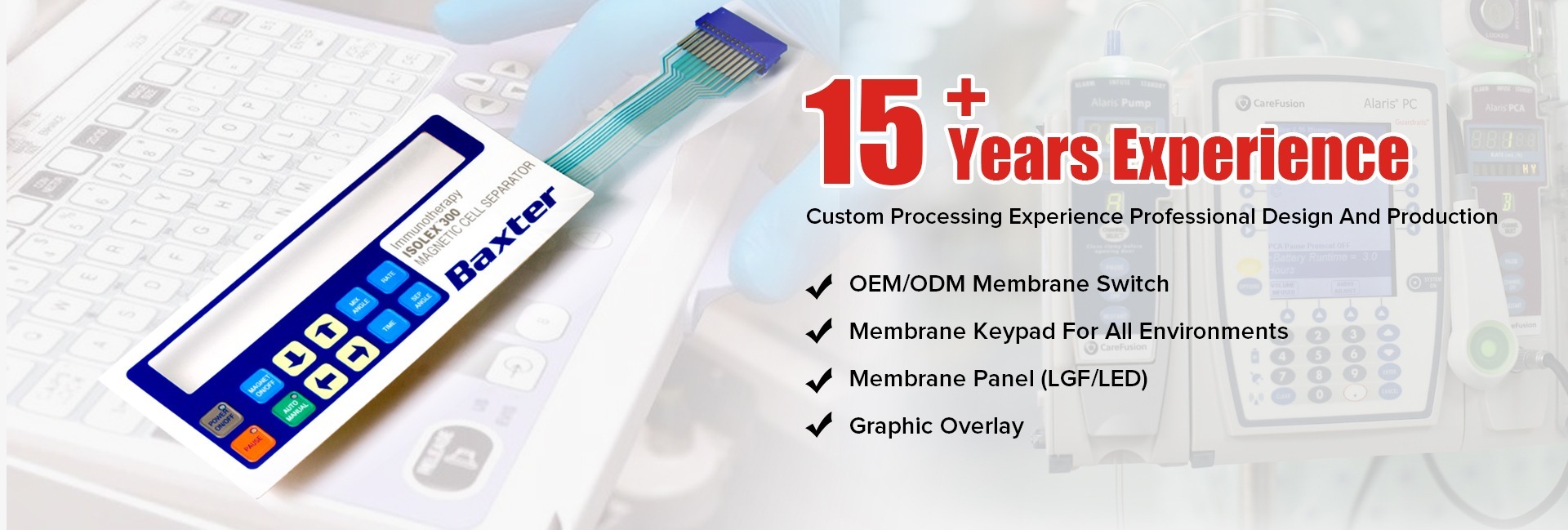
Founded in March 2009, Cevra is an ISO 9001 certified and SGS onsite-verified manufacturing enterprise. Operating out of our 2,600㎡ modern facility in Dongguan, China, we produce custom membrane switches, metal dome arrays, and precision HMI subassemblies.
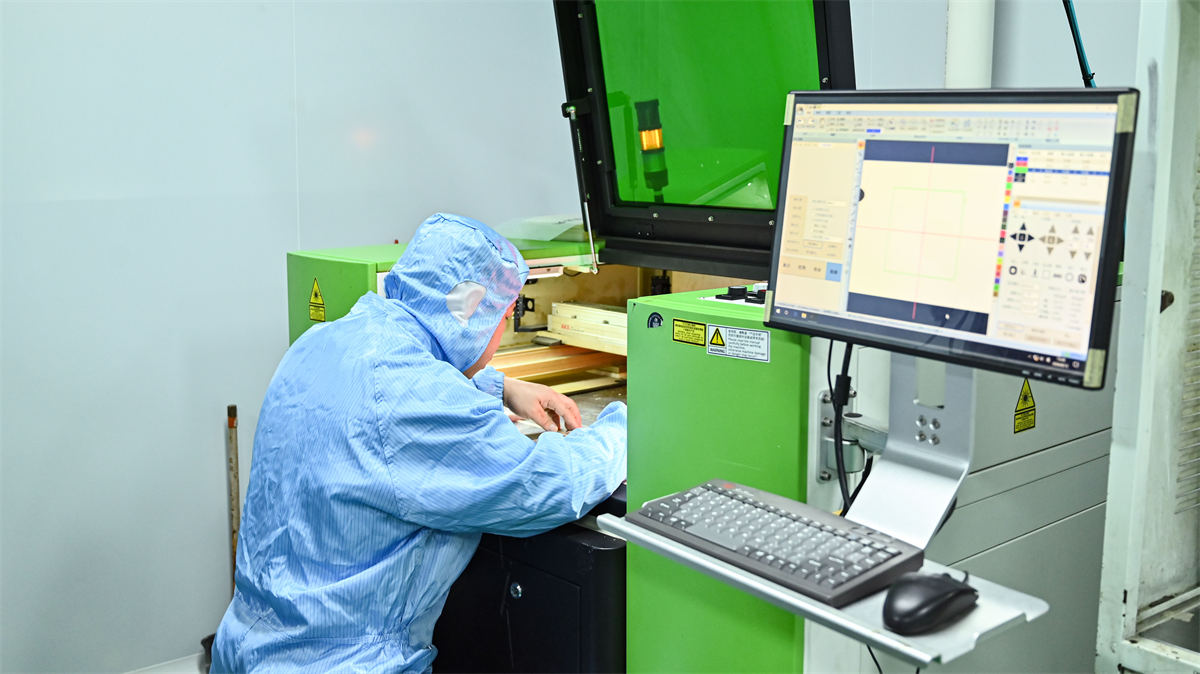

End-to-End Vertical Manufacturing
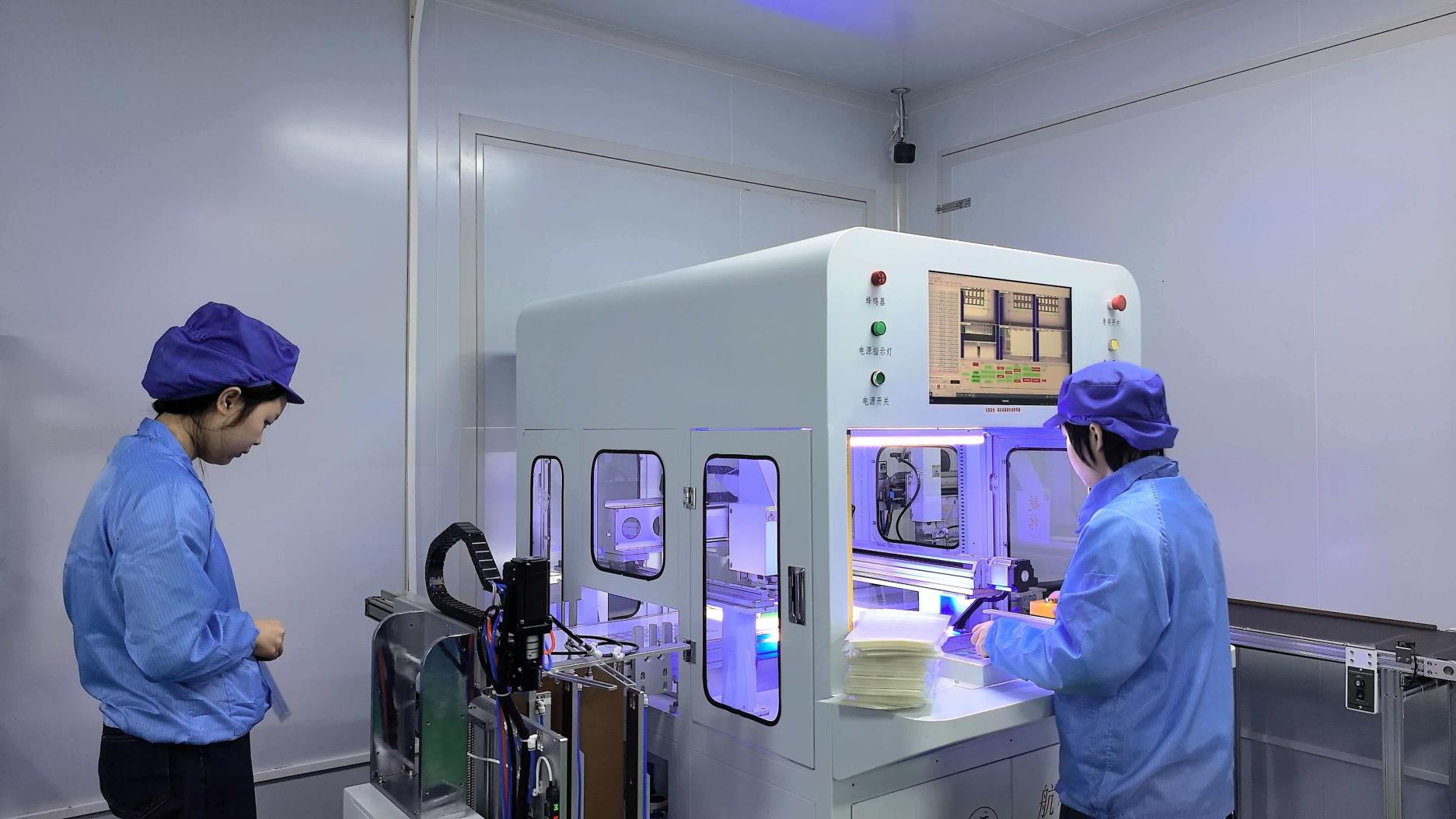
From graphic silk-screen printing, precision laser cutting, CCD camera drilling, automatic laminating, to dome placement and final pin crimping—all manufacturing processes occur within our Dongguan facility, ensuring total engineering accountability and rapid turnarounds.
SGS Verified & ISO 9001 Certified
Our quality management operations are independently verified onsite by SGS Group. Production aligns strictly with ISO 9001:2015 frameworks, incorporating IQC material incoming checks, in-process IPQC optical checks, and 100% electrical open/short testing before shipment.
Advanced In-House QA Testing Lab
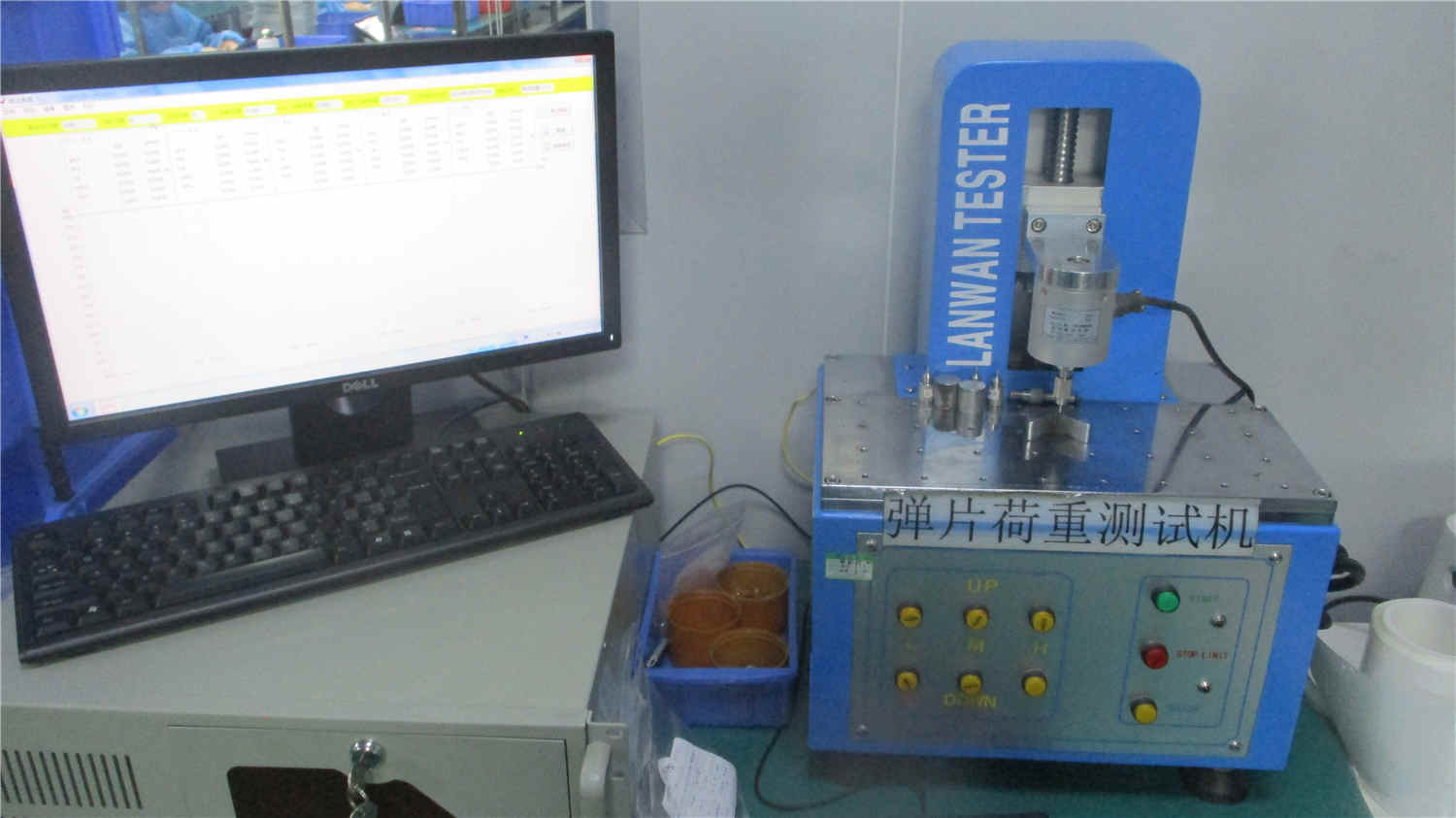
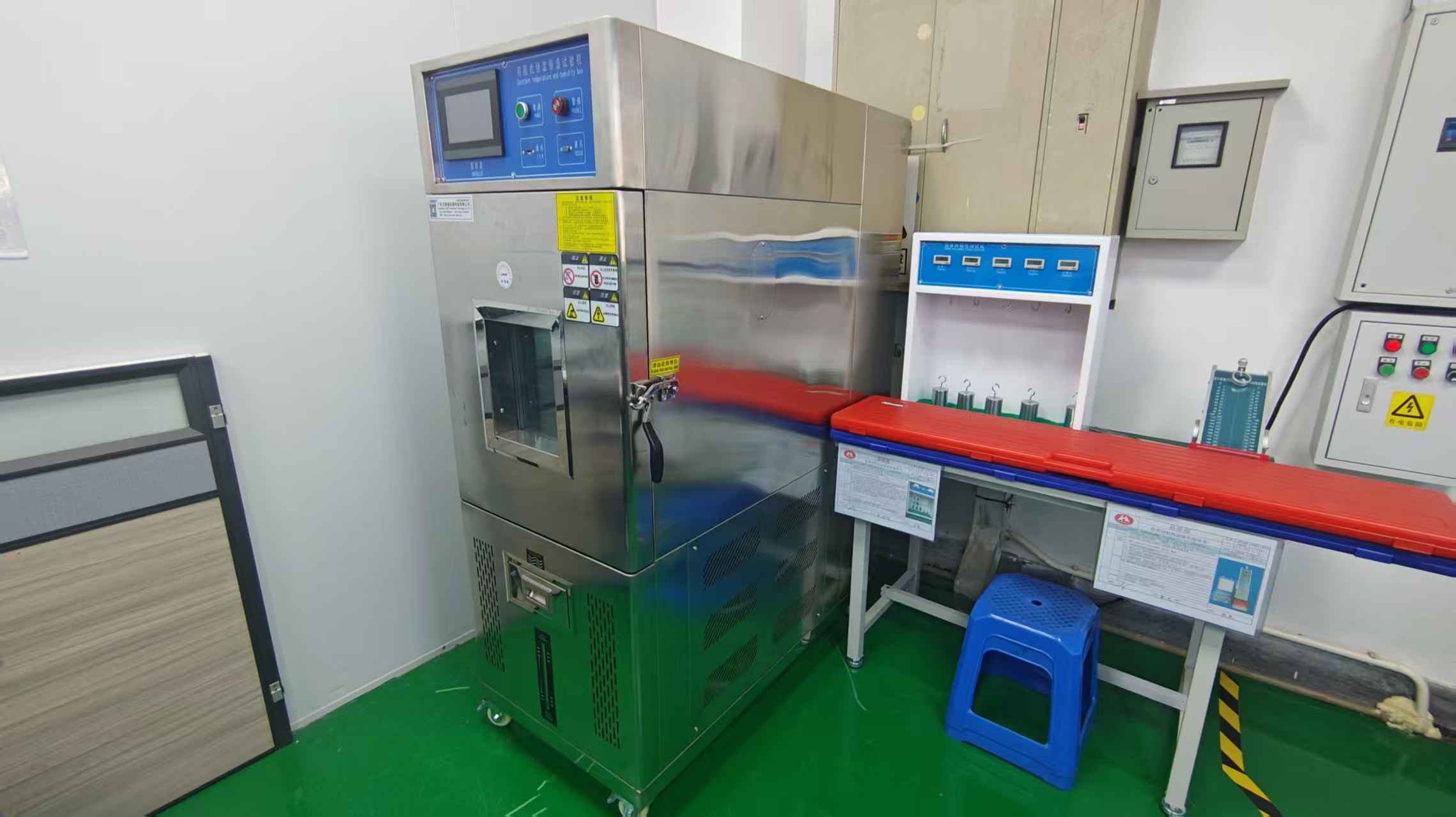
Our reliability lab operates calibrated instruments including: dome load force testers (for actuation force and click ratio verification), tension peel testers for 3M adhesive strength, holding tack testers, electric pencil hardness scratch testers, and high/low temperature humidity cabinets.
Global OEM/ODM Engineering Support
Ranked #5 in Keypads & Keyboards on Alibaba.com, our bilingual engineering department provides free Design for Manufacturability (DFM) reviews, Gerber/CAD layer stack-up guidance, flexible prototype MOQs starting from 10 pieces, and guaranteed trade assurance protection.
Frequently Asked Questions on PET Membrane Switch Sourcing
Key technical, quality, and commercial insights for hardware engineers, systems integrators, and procurement directors evaluating factory capability.
What exact criteria qualify a PET membrane switch factory as CE Certified?
While a membrane switch is technically a passive sub-component, CE marking compliance is essential when integrated into finished commercial, industrial, or medical equipment. A CE-compliant PET membrane switch factory must satisfy three core European Directives:
- 2014/30/EU (Electromagnetic Compatibility - EMC): Assemblies containing active LEDs, sensor lines, or capacitive ICs must not emit electromagnetic radiation or be susceptible to EMI. Factories must implement conductive carbon/silver ground planes or copper mesh shielding (attenuating >40dB between 30MHz and 1GHz).
- 2014/35/EU (Low Voltage Directive - LVD): Ensures insulation materials prevent dielectric flashover and breakdown up to rated surge limits, utilizing non-flammable dielectric layers certified to UL 94 V-0 or VTM-2.
- 2011/65/EU & 2015/863 (RoHS 3) & REACH: Complete chemical documentation verifying zero hazardous substances (lead, mercury, cadmium, hexavalent chromium, PBBs, PBDEs, and phthalates such as DEHP, BBP, DBP) across all raw polyester films, conductive inks, spacers, and 3M transfer adhesives.
Why is Autotype PET film preferred over Polycarbonate (PC) for tactile keypads?
The primary reason is flexural fatigue resistance. Polycarbonate (PC) is an amorphous polymer that performs well for flat, non-embossed graphic overlays and displays sharp clear windows. However, when PC keys are embossed or repeatedly actuated, localized molecular fatigue leads to micro-cracking and loss of spring rebound, typically failing around 100,000 cycles.
In contrast, biaxially oriented polyethylene terephthalate (PET, such as Autotype Autoflex) possesses a semi-crystalline microstructure. It delivers an operational lifespan exceeding 5,000,000 actuation cycles without delamination or cracking. PET also delivers superior resistance to harsh chemicals like isopropyl alcohol, aggressive hospital disinfectants, bleach, gasoline, and industrial cutting oils.
How does Cevra prevent silver migration in harsh, humid environments?
Silver migration is an electrolytic phenomenon where silver ions travel between positive and negative traces under moisture and DC voltage bias, creating dendritic short circuits. Cevra employs a three-tier mitigation strategy:
- Carbon Overprint Barrier: We print a conductive carbon-graphite paste layer directly over all active silver conductors. Carbon does not undergo ionic dendritic formation, isolating the silver from ambient humidity.
- Dielectric Isolation: Two coats of UV-curable, pinhole-free dielectric varnish are screen-printed over the circuit tracks, leaving only contact pads exposed.
- Perimeter Gasketing & Internal Vent Channels: We use premium acrylic adhesives (such as 3M 467MP or 3M 9472LE) with perimeter barrier rings, routing internal air-displacement vent channels back into dry host enclosure volumes rather than venting directly to the exterior.
What are the standard tolerances and DFM design rules for custom PET switches?
To ensure smooth manufacturing yields and tight mechanical tolerances, we apply the following Design for Manufacturability (DFM) guidelines:
- Outer Profile Dimension: ±0.15mm (laser cutting / CNC steel dies).
- Key Embossing Height: Typically 0.3mm to 0.5mm with a tolerance of ±0.05mm.
- Distance from Key Edge to Outer Border: Minimum 3.0mm recommended to maintain adhesive gasket sealing integrity.
- Conductive Trace Width & Spacing: Standard 0.5mm trace / 0.5mm space (ultra-fine silver printing capable of 0.25mm pitch).
- Flexible Tail Exit Clearances: Minimum 5.0mm relief notch from the outer housing opening to eliminate strain during field installation.
How do metal dome tactile feel and click ratio impact switch reliability?
Click ratio (tactile feedback efficiency) is defined mathematically as: Click Ratio (%) = [(Actuation Force - Return Force) / Actuation Force] × 100%. A click ratio between 40% and 65% is generally ideal for industrial keypads, delivering crisp sensory confirmation so operators wearing gloves avoid double-entry errors.
Our quality lab utilizes automated load testers to plot force-displacement curves for every production lot. We calibrate trip forces from 180g (consumer remotes and handhelds) up to 450g (rugged military/marine keyboards) to prevent accidental actuations caused by shock and vibration.
What are the Minimum Order Quantities (MOQs) and lead times for custom projects?
Our factory structure supports the entire product lifecycle from NPI (New Product Introduction) through mass volume manufacturing:
- Engineering Samples & Prototypes: MOQs start from 10–25 pieces, with delivery in 5–7 working days using digital plotting and soft-tooling processes.
- Standard Production Runs: 100 to 5,000 units typically ship within 12–15 working days after film artwork and sample sign-off.
- High-Volume Blanket Orders: Scalable capacity for 100,000+ units monthly with buffer stock management and Scheduled Delivery (Kanban/JIT) frameworks.
Request Engineering Review & Full Switch Catalog
Collaborate with Cevra's senior HMI engineering team. Upload your DXF/CAD drawings or mechanical outline for immediate DFM feedback, layer stack-up guidance, and comprehensive pricing within 24 hours.