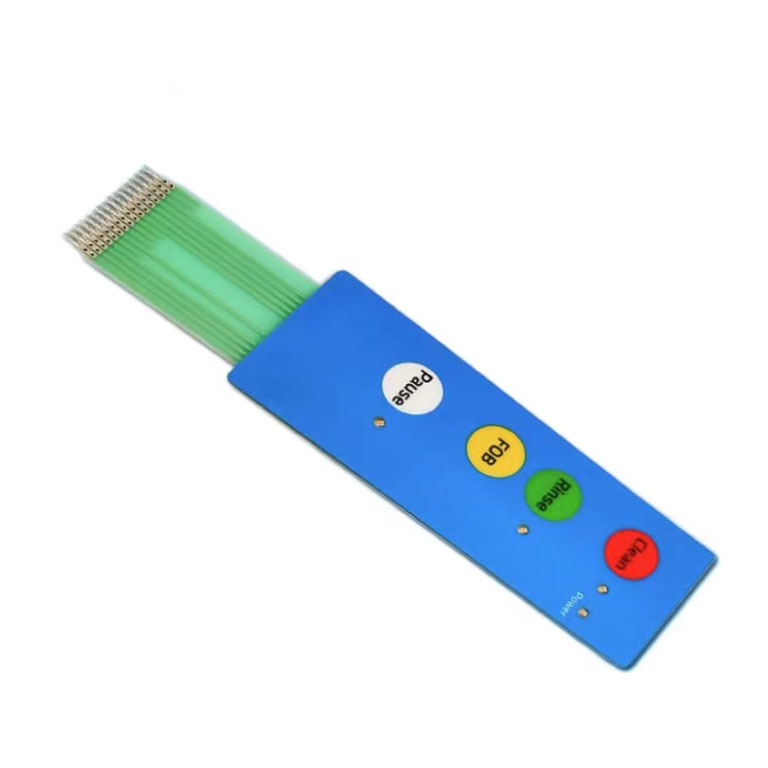
Electronic Toy Film Circuit Membrane Switch Waterproof Button Membrane Switch
- SubstratePolyester / PET Film
- Ingress RatingIP65 Liquid Sealed
- Contact Rating30V DC / 100mA max
Explore our industrial-grade switch configurations, copper-flex circuits, and custom metal dome arrays tailored to your mechanical envelope.
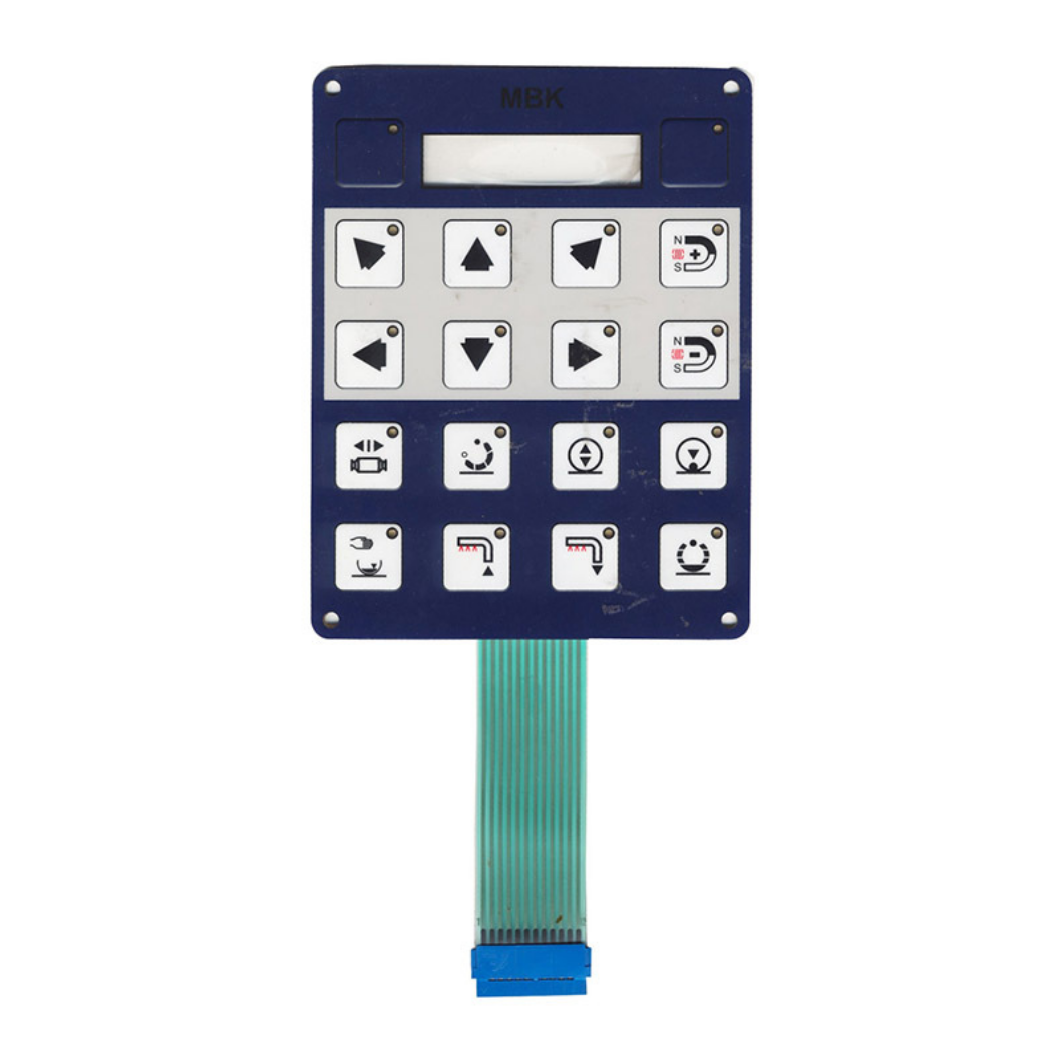
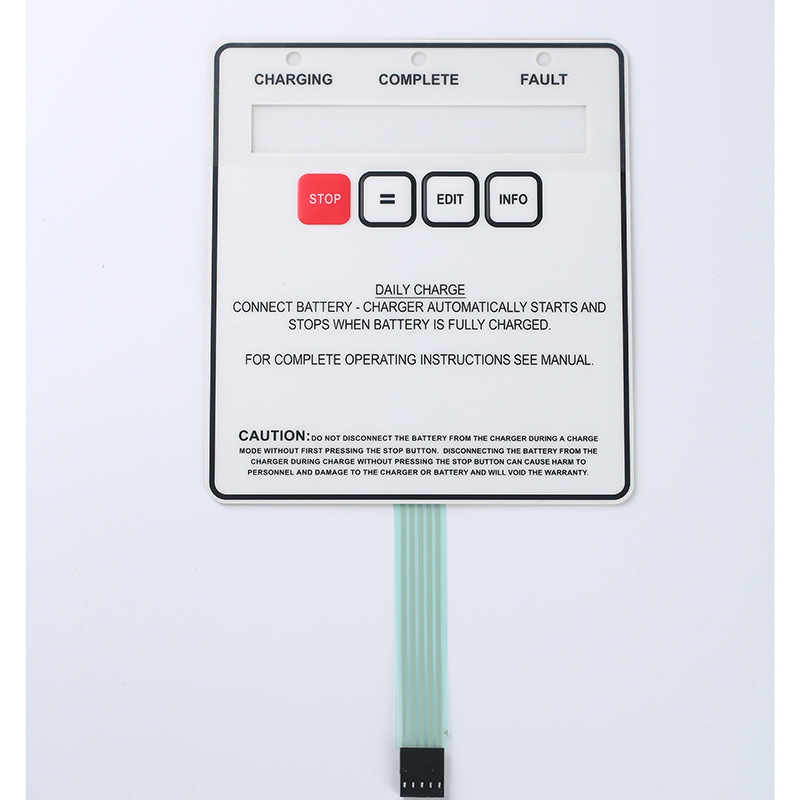
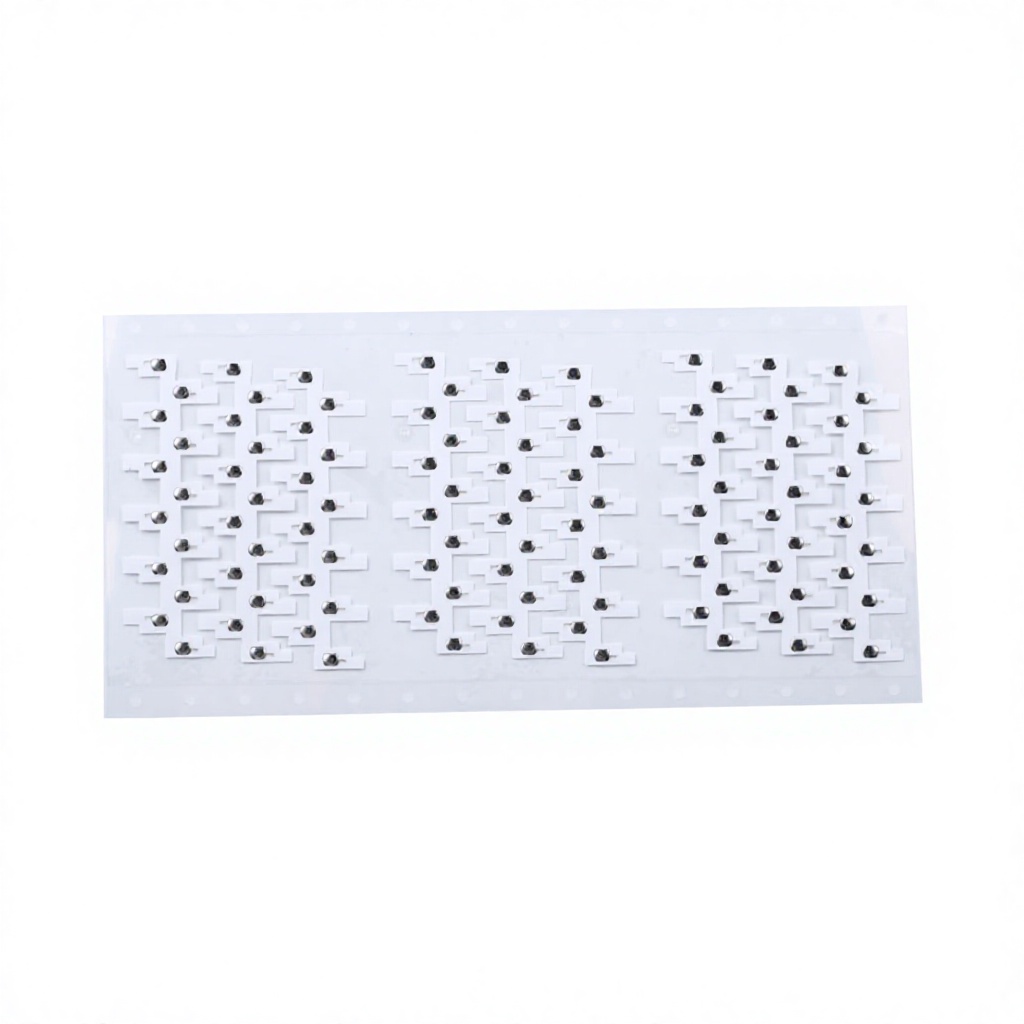
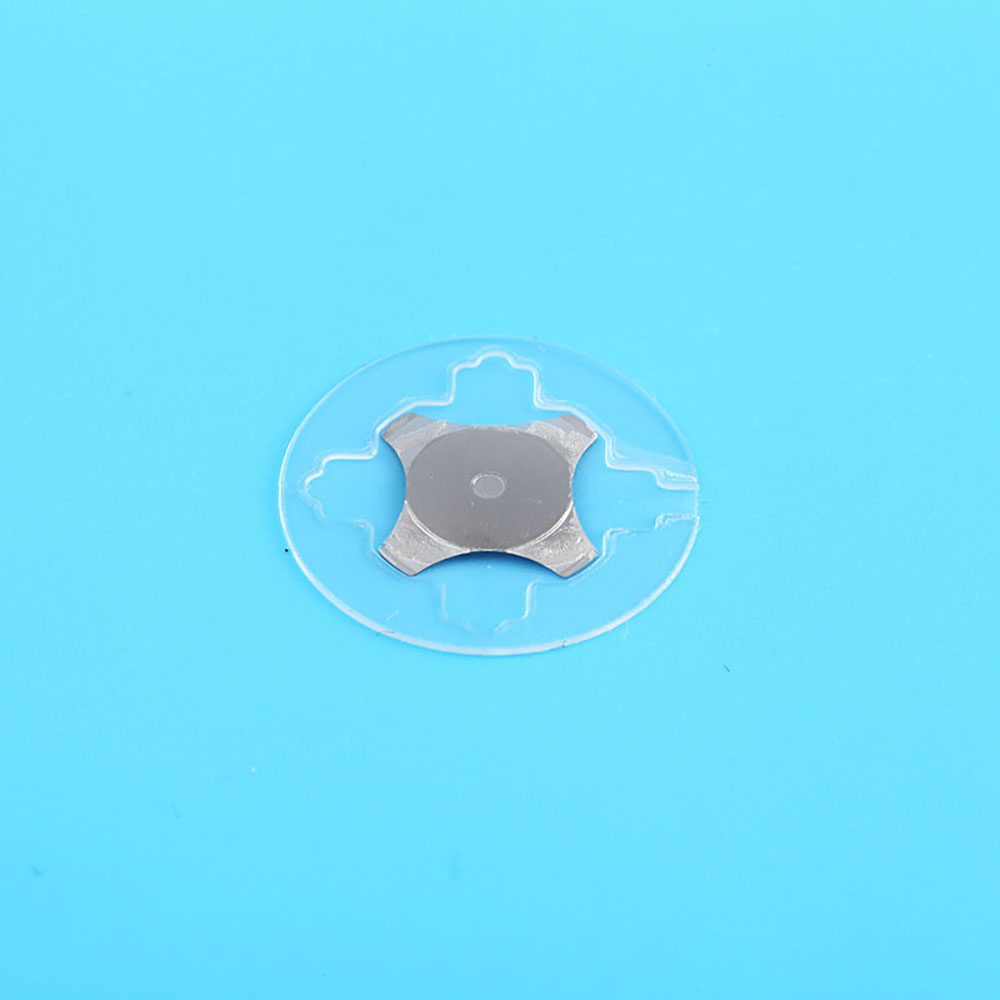
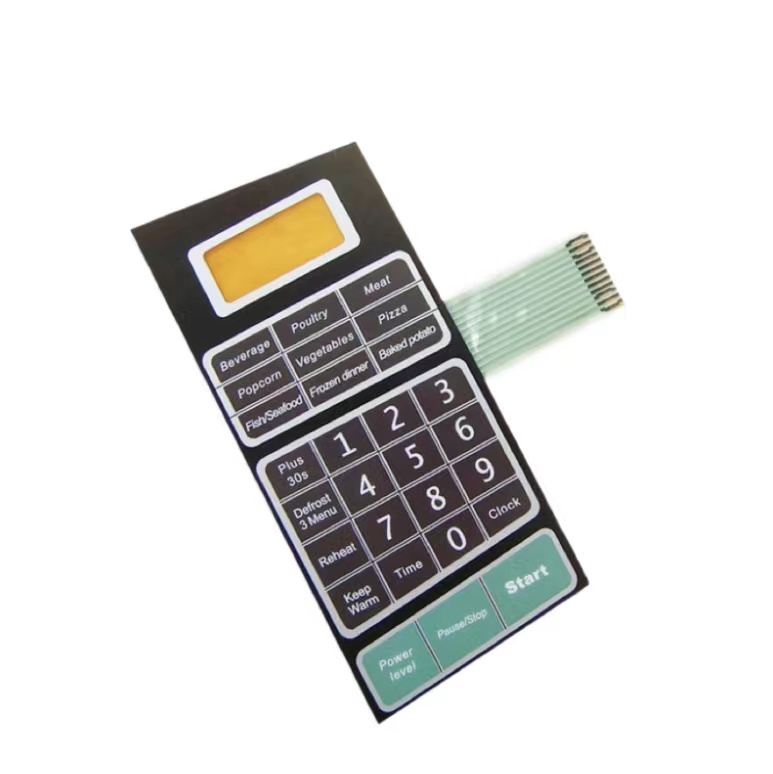
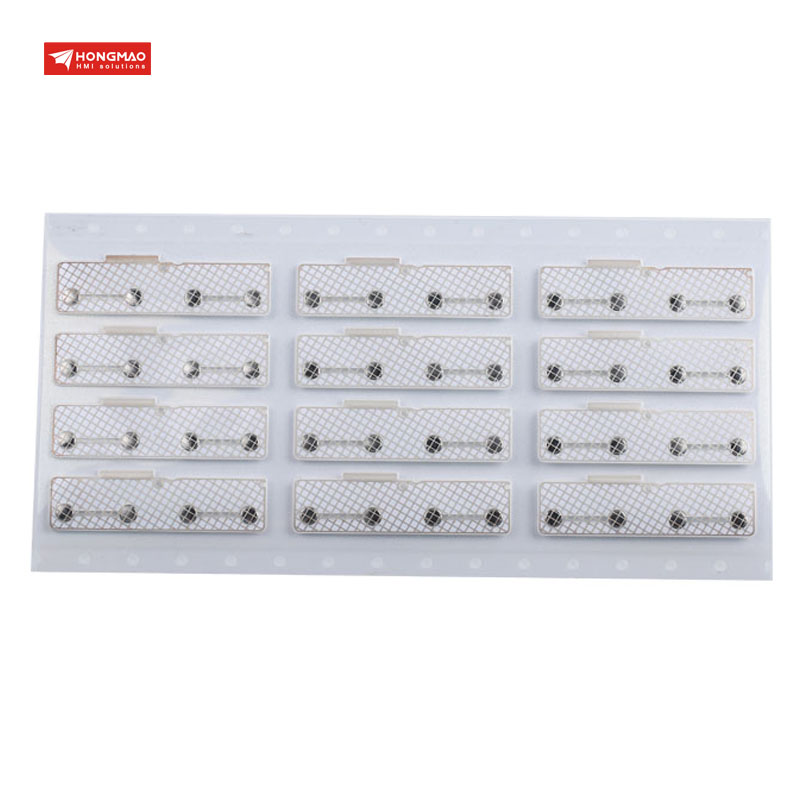
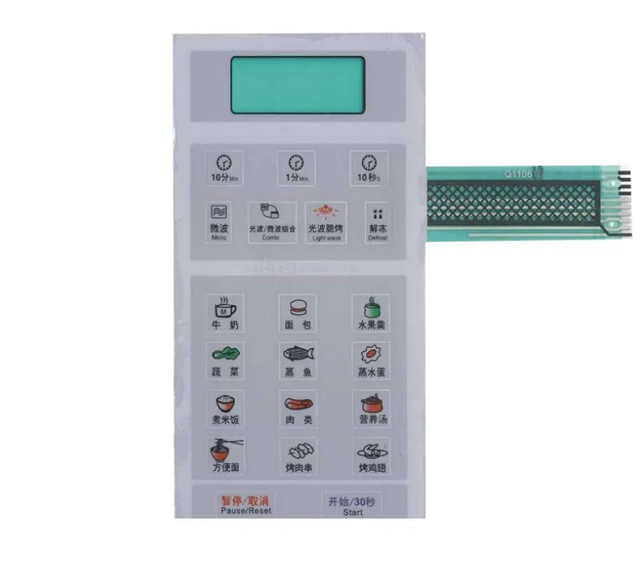
Comprehensive comparative analysis for procurement engineers specifying Human-Machine Interfaces in harsh industrial and medical environments.
Traditional PET membrane circuits use screen-printed conductive silver ink. In high-humidity environments (>85% RH) with continuous DC bias, silver ions migrate across dielectric spacers, causing dendritic short-circuits. FPC membrane switches utilize rolled annealed (RA) or electro-deposited (ED) copper etched on polyimide, providing 100% immunity to silver migration and ensuring continuous, fail-safe operation in clinical or outdoor deployments.
Polyimide substrates withstand high reflow temperatures (exceeding 260°C). Unlike heat-sensitive PET films requiring fragile conductive epoxy bonding, CE certified FPC switches accommodate direct lead-free reflow soldering. This enables rigid integration of dense 0402 micro-LEDs, constant-current ICs, phototransistors, and micro-controllers directly onto the flexible circuit layer without risking solder joint fatigue.
Silver paste conductors exhibit sheet resistances of 15–30 mΩ/sq, creating voltage drops on extended tail runs. Etched copper traces boast minimal resistance (<0.05 Ω/run), facilitating fine-pitch routing down to 0.1mm (4 mil) trace and space. This supports compact high-pin-count connectors (such as 0.5mm ZIF locking headers) critical for miniature medical instrumentation and tight hand-held electronics enclosures.
| Design & Physical Metric | Standard Silver-Printed PET Switch | CE Certified FPC Membrane Switch (Copper/PI) |
|---|---|---|
| Substrate Material | Polyethylene Terephthalate (PET) Film | Kapton Polyimide (PI) Film |
| Trace Conductor | Screen-printed Conductive Silver / Carbon Paste | Rolled Annealed (RA) / Electro-deposited Copper |
| Conductor Resistance | High (typically 20 – 100 Ω depending on tail length) | Ultra-low (<0.05 – 1 Ω per run) |
| Operating Temperature | -20°C to +65°C | -40°C to +105°C (Extended industrial range) |
| SMT Component Bonding | Anisotropic Conductive Film (ACF) / Conductive Epoxy | Automated SMT Lead-free Solder Reflow (Rigid bond) |
| Minimum Pitch & Spacing | 1.00 mm (Risk of micro-bridging below this) | 0.10 mm (High routing density for complex matrices) |
| Silver Migration Resistance | Requires strict dielectric spacing; fails under condensation | Completely immune (Zero silver ion content) |
| Bending Radius & Flex Fatigue | R ≥ 2.5 mm; susceptible to micro-cracking | R ≥ 0.8 mm; exceeds 2,000,000 continuous flex cycles |
Strategic purchasing insights for global supply chain leaders navigating touch revolution, regulatory mandates, and smart interface architectures.
Global procurement teams are shifting away from standalone mechanical switches toward hybrid interfaces. By integrating planar capacitive touch sensing electrodes directly onto FPC switch layers underneath an embossed snap dome, equipment designers achieve zero-travel silent touch navigation coupled with positive mechanical click feedback when safety-critical confirmation is executed.
Post-pandemic standards across medical, commercial kitchen, and lab instrumentation necessitate aggressive sanitation cycles using sodium hypochlorite, isopropyl alcohol, and quat solutions. Sourcing mandates now specify Autotex Hardcoated Textured Polyester (PET) and biocidal films with micro-matte finishes that resist chemical crazing, degradation, and yellowing over 10-year lifespans.
Bulky EL (electroluminescent) foils and high-energy-draw discrete backlight bulbs are obsolete. Modern engineering specifications demand Light Guide Film (LGF) layers measuring under 0.15mm thickness, side-fired by micro SMT LEDs on the FPC tail. This achieves uniform, hot-spot-free illumination across complex graphic legends while cutting DC power consumption by up to 80%.
Global OEMs are streamlining vendor matrices by replacing multiple sub-tier vendors (graphic printer + FPC vendor + metal dome supplier + plastics moulder) with single-source turnkey manufacturers. Cevra delivers the complete stack-up: aluminum backing plate, optical bonding, FPC switch, graphic overlay, and pre-programmed controller board tested as a complete sub-system.
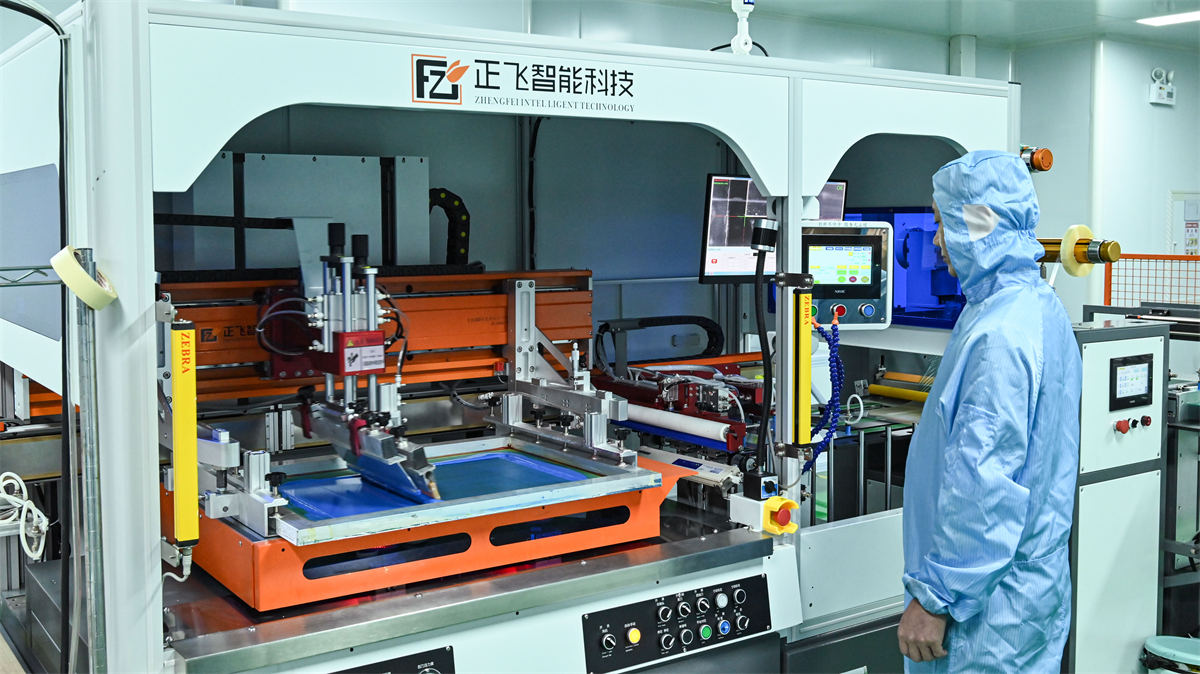
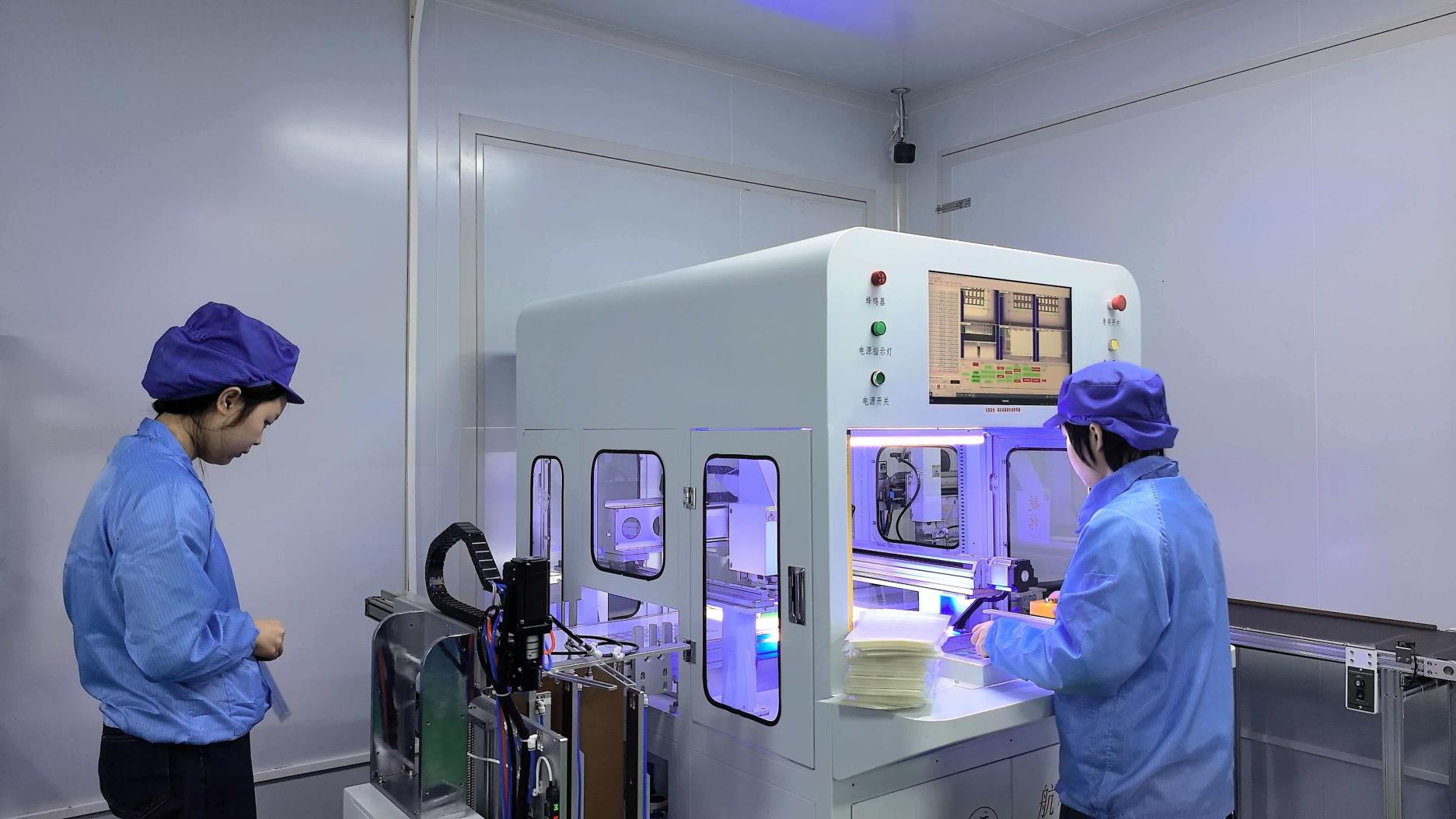
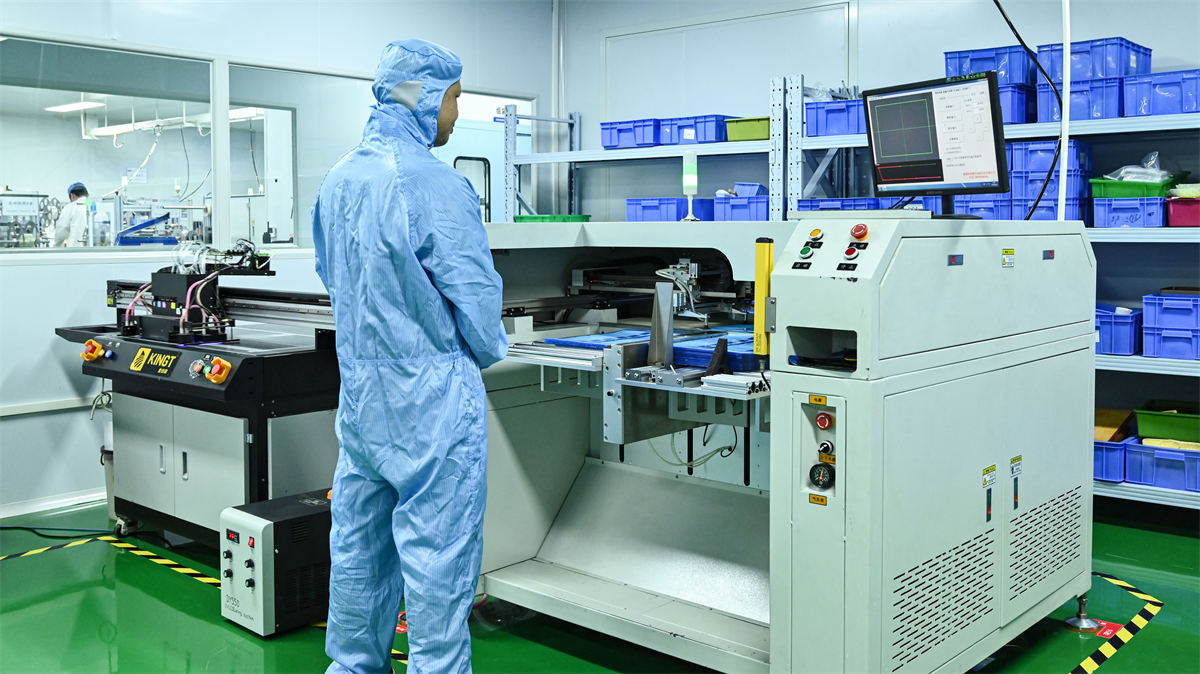
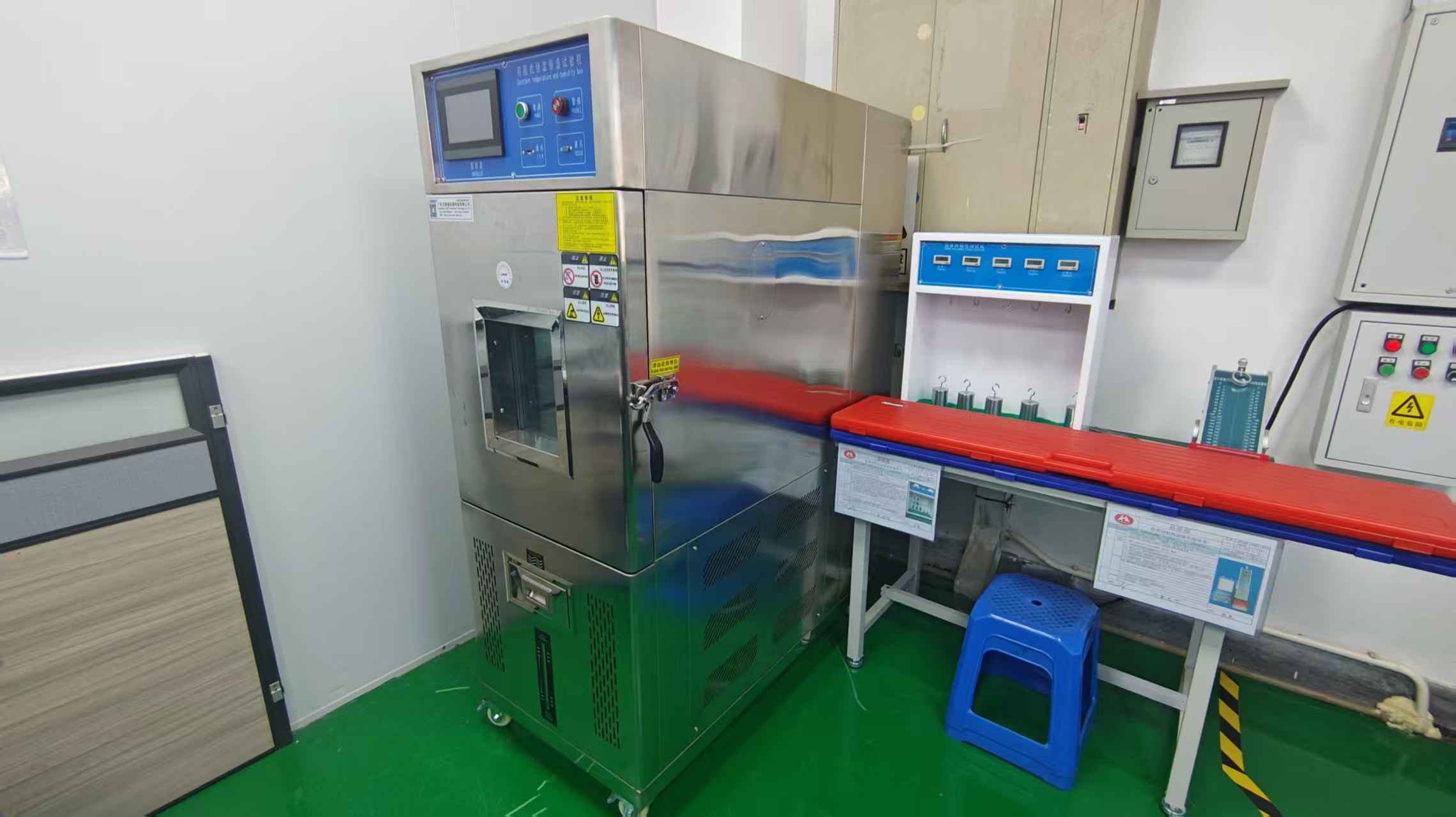
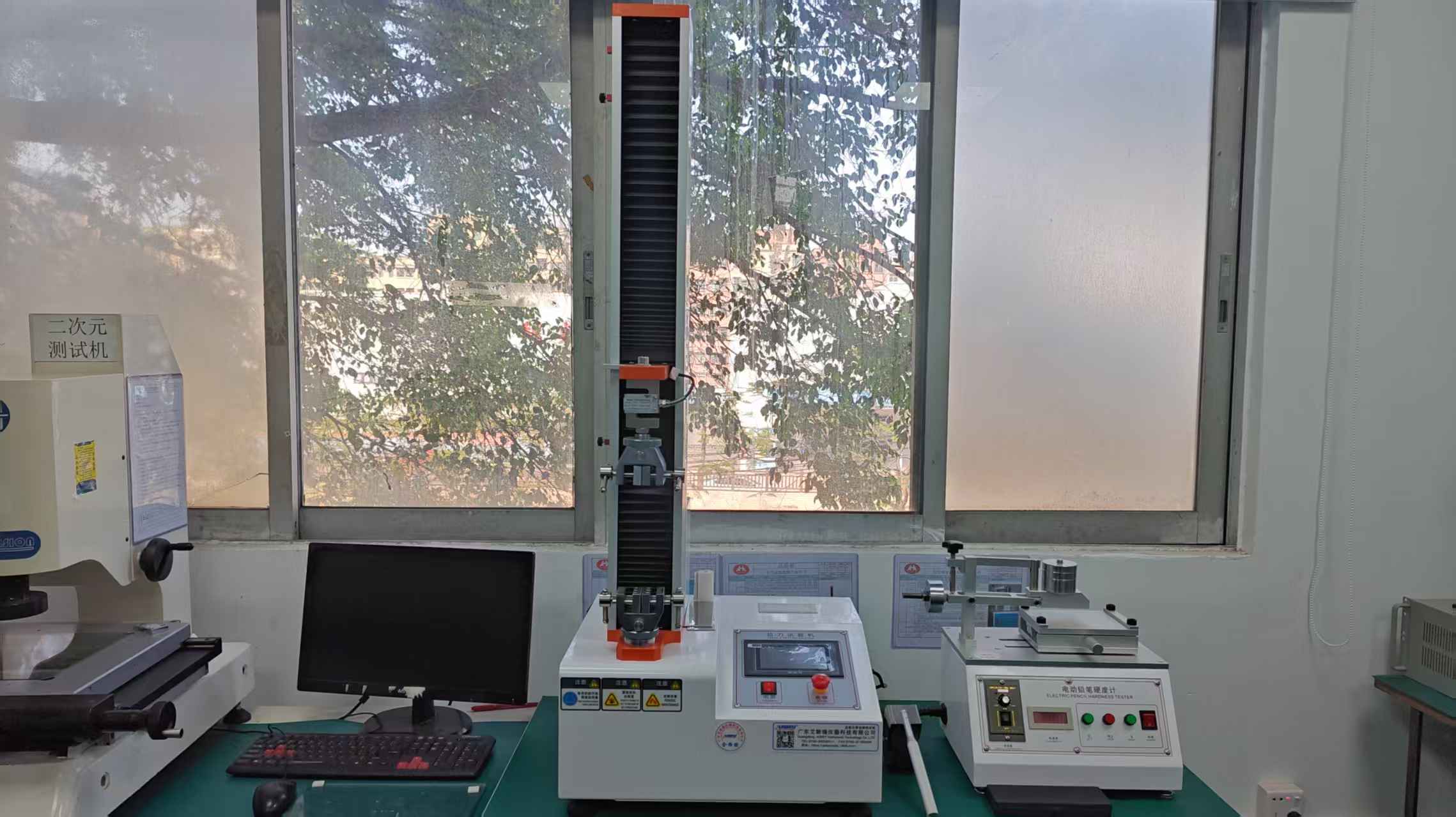
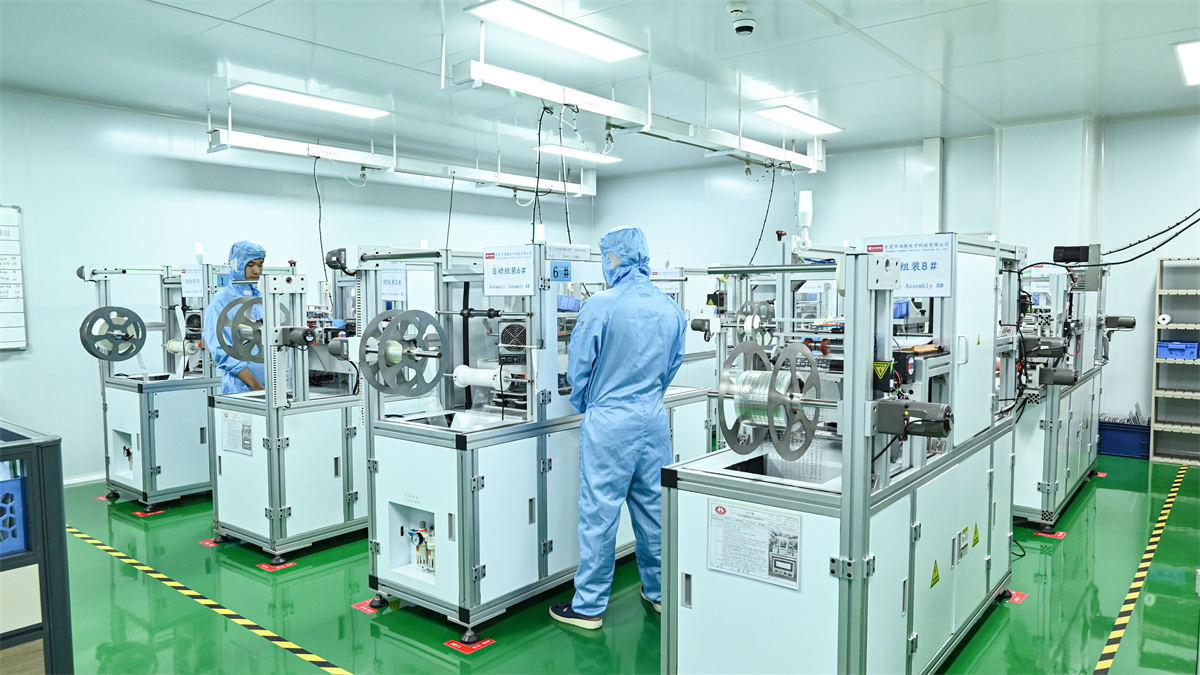
Operating since March 2009 in Dongguan, China. Complete vertical integration from CAD routing and silkscreen printing to automatic lamination and CCD optical inspection.

Direct technical answers addressing circuit layer stack-up, ingress protection, tooling setup, and compliance certifications.
Flexible Printed Circuits (FPC) use rolled-annealed or electro-deposited copper traces bonded to a Kapton polyimide dielectric substrate. Copper exhibits practically zero silver migration under electric bias and high humidity, eliminating a primary failure mode of conventional PET switches. Furthermore, FPC withstands high-temperature lead-free reflow soldering (allowing true SMT components and micro-pitch connectors down to 0.5mm) and has trace resistance under 0.05Ω/run compared to 20-50Ω on silver inks.
To deliver an exhaustive Design for Manufacturability (DFM) analysis and fast quotation, please provide: 1. Mechanical Outline & Key Dimensions in DXF, DWG, or STEP format. 2. Graphic Artwork Vector Files in Adobe Illustrator (.AI), CorelDraw (.CDR), or vector PDF with specified Pantone Solid Coated or RAL color codes. 3. Schematic & Pinout Matrix indicating switch contact logic, LED polarities, and connector pitch. 4. Environmental Specification Sheet including temperature extremes, ingress rating target (IP65/IP67/IP68), and preferred tactile actuation force (160g to 450g).
Ingress protection against pressurized water jets and immersion is achieved through three integrated features: 1. Full Continuous Perimeter Gasketing utilizing closed-cell acrylic foam adhesives (such as 3M 200MP series or 3M VHB) die-cut to maintain adhesive contact without air channel breaks. 2. Rear Breathing Vents routed internally through the connector tail into the host enclosure rather than venting to the ambient panel surface. 3. Embossed Hydrophobic Membranes that equalize internal pressure variations caused by thermal swings without permitting moisture ingress.
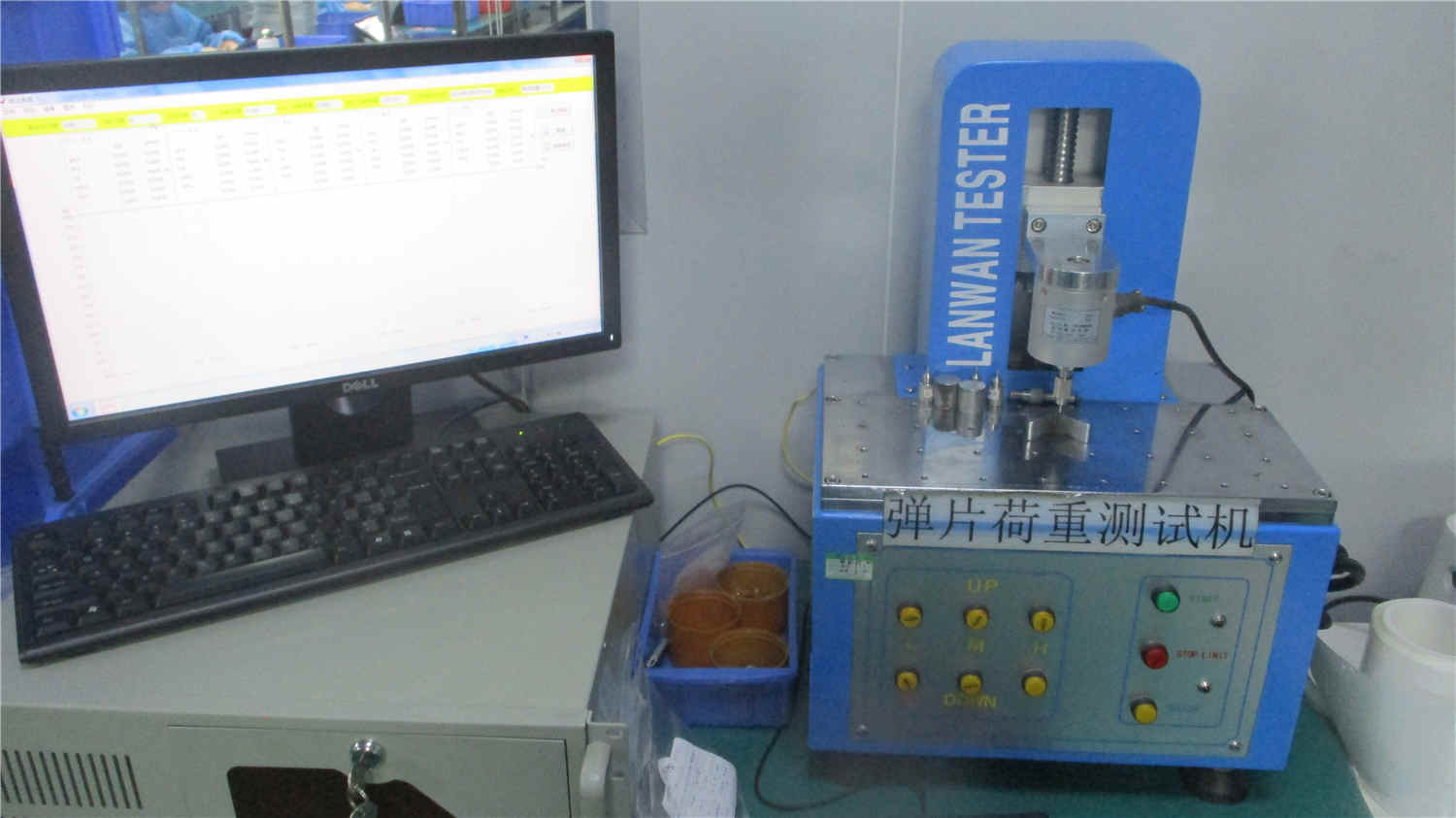
Every production batch undergoes 100% automated electrical testing for contact loop resistance, insulation impedance (>100MΩ at 100V DC), and contact bounce (<5ms). Mechanical sampling includes dome force-displacement curve analysis (trip force, return force, and tactile ratio calculation), automated 1,000,000-cycle life testing, 180° adhesive peel strength verification, and environmental exposure testing inside our high/low temperature humidity chambers (-40°C to +120°C).
For custom engineering prototypes, our standard turnaround is 5 to 7 working days following DFM approval and artwork sign-off. Mass production runs are typically completed within 12 to 18 working days. Prototyping MOQs start from as low as 10 pieces for graphic overlay panels and 50–100 pieces for full FPC membrane assemblies, scaling seamlessly to 500,000+ units per month.
Consult directly with our Dongguan engineering department for layout optimization, layer stack-up guidance, and rapid production quotation within 24 hours.