How is an IP67 or IP68 waterproof rating achieved in a membrane switch?
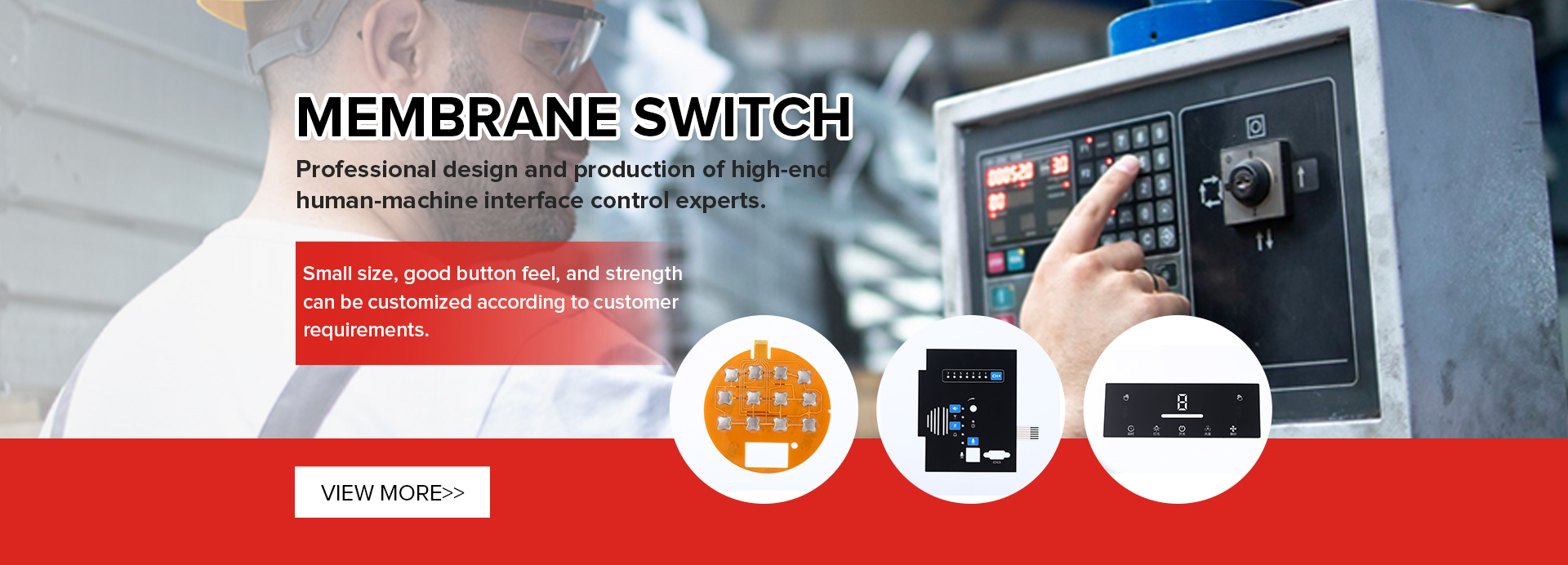
Waterproof performance is achieved through three coordinated mechanical layers: First, a completely continuous perimeter adhesive gasket (typically 3M 300LSE or 200MP series, 0.12mm to 0.25mm thickness) is applied around all circuit cavities without any break. Second, the flexible tail exit is protected by leading the traces through an internal rear-cut chamber with silicone encapsulation or hot-melt potting that prevents wicking. Third, internal chambers connect via channels to hydrophobic micro-porous ePTFE venting filters that equalize atmospheric pressure during tactile actuations while completely repelling pressurized water spray and submerged liquid ingress.
What causes silver migration in waterproof membrane switches and how do you prevent it?
Silver migration is an electrochemical dendrite growth phenomenon that occurs when conductive silver traces are subjected to continuous DC voltage in the presence of micro-humidity. The silver dissolves into positive ions, migrates toward the negative cathode, and forms microscopic metallic trees that short out adjacent circuits. Dongguan Cevra Electronic Technology Co., Ltd. eliminates silver migration by applying an impervious carbon-paste overcoat over all silver contacts, maintaining greater trace spacing (>1.0mm in high voltage zones), and utilizing copper-etched polyimide (FPC) flexible circuits for high-humidity mission-critical hardware.
How do temperature swings and atmospheric pressure variations affect sealed switches?
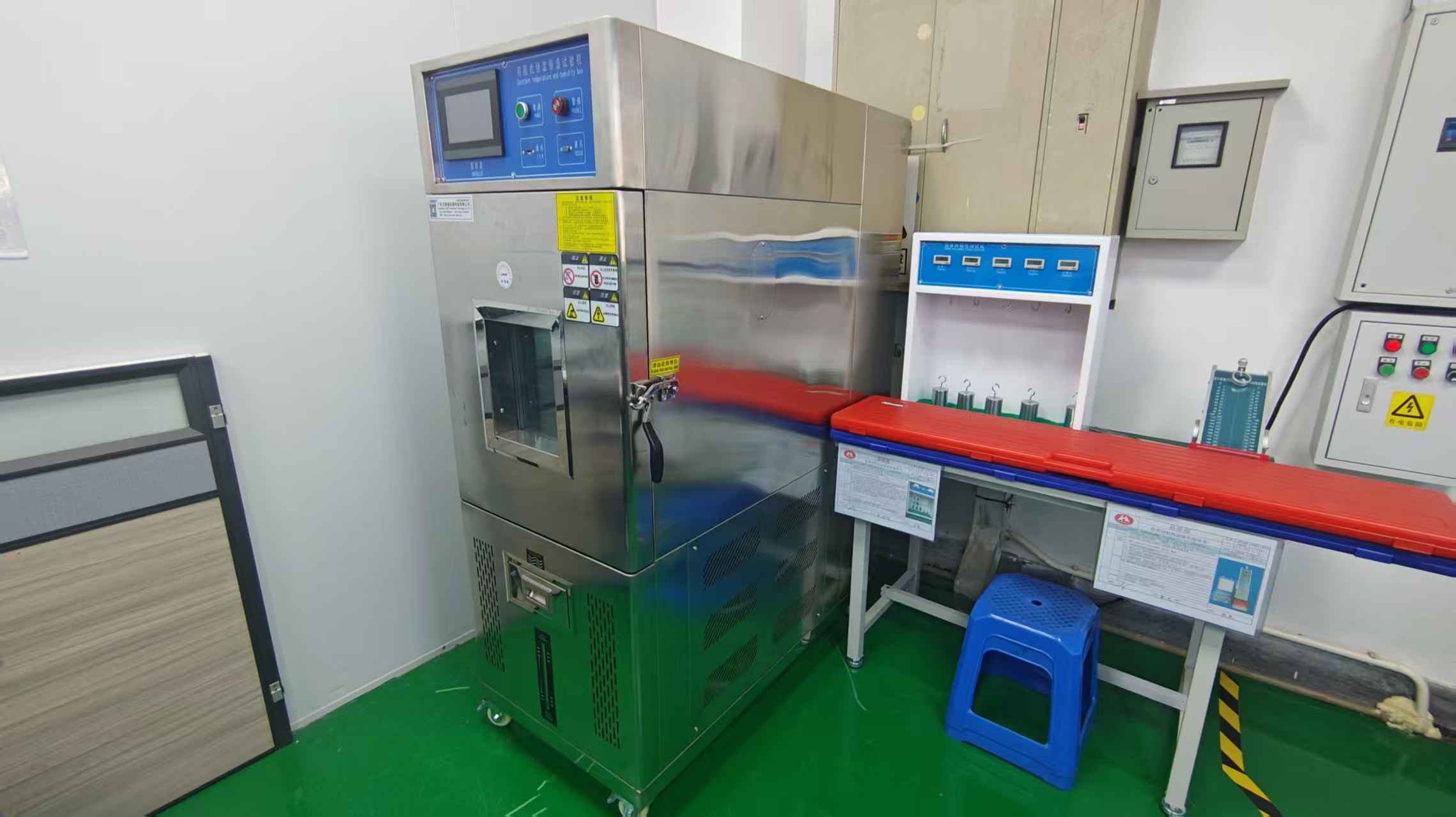
When an airtight membrane switch experiences temperature elevation (e.g., direct sunlight or solar load) or barometric pressure drops (such as altitude gain), the air sealed inside the tactile switch pockets expands. This creates outward "pillowing", reduces snap ratio, or causes spontaneous short circuits (ghost clicks). Conversely, severe cold creates a vacuum that collapses domes. We prevent this by engineering specialized internal labyrinth channels integrated with waterproof, gas-permeable PTFE membranes that allow instantaneous atmospheric breathability without allowing water, humidity, or contaminants to enter.
What is the lifespan and tactile actuation force range for waterproof switches?
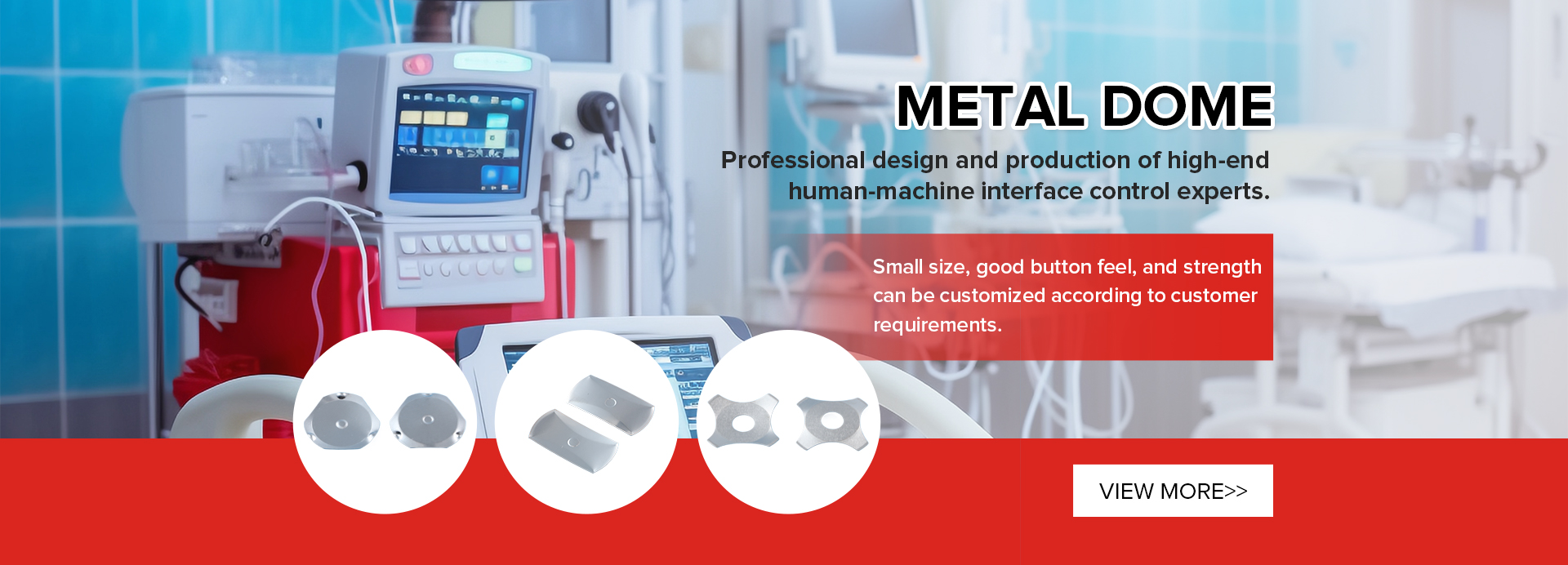
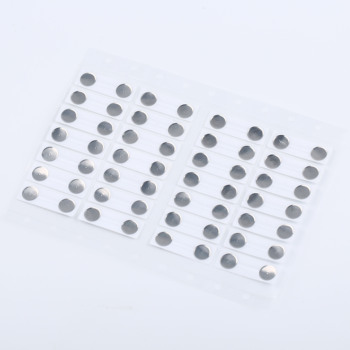
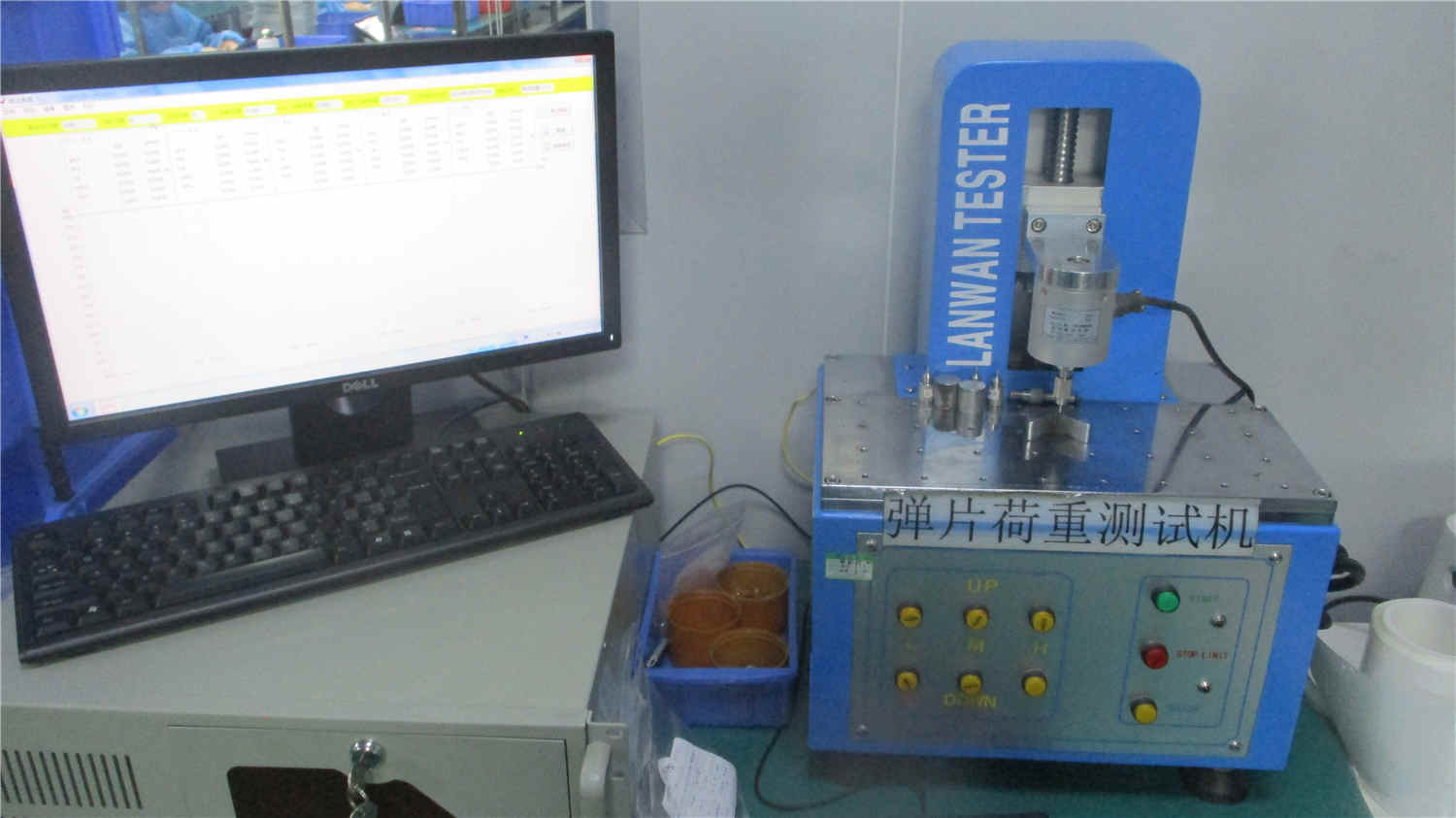
Our tactile waterproof membrane switches utilize custom-formed surgical-grade stainless steel snap domes (nickel-plated or gold-plated) tested to withstand over 1,000,000 to 3,000,000 actuations on our fragment load testers. Actuation forces can be configured from 200 grams up to 500 grams. For outdoor equipment or machinery where operators wear thick safety gloves, we recommend high-force 350g–450g domes with pronounced tactile snap feedback to avoid operator input errors.
Which overlay material is superior for outdoor waterproof equipment: Autotex PET or Polycarbonate (PC)?
For outdoor waterproof human-machine interfaces subjected to sunlight, UV exposure, and washdown chemicals, UV-stabilized polyester film (such as MacDermid Autotex XE) is superior to polycarbonate. Polycarbonate suffers from accelerated polymer chain scission under solar UV light, leading to yellowing, embrittlement, and surface micro-cracking that destroys waterproofing. Autotex XE PET retains exceptional tensile flexibility, withstands over 5,000,000 key flexes, and provides robust chemical barrier properties against fuels, cleaners, and oils.
What files and documentation are required to get an exact custom quote?
To begin a custom waterproof membrane switch project with Dongguan Cevra Electronic Technology Co., Ltd., please provide: mechanical drawings (PDF, DXF, or DWG) showing panel boundaries, embossing outlines, and tail dimensions; graphic artwork (AI, CDR, or vector PDF) with specified Pantone/RAL color codes; pinout schematic diagrams; required tactile snap force; target IP ingress rating (IP65, IP67, or IP68); and estimated order quantities. Our engineering team provides a full DFM stack-up drawing within 24 hours.