Precision Single Layer Metal Dome Array Manufacturing at Dongguan Cevra Electronic Technology Co., Ltd.
16+ Years HMI & Tactile Switch Engineering

Single Layer Metal Dome Array: Tactical Engineering, Life Cycle Durability & Global Sourcing Optimization

The definitive technical guide for hardware engineers, global procurement officers, and NPI managers sourcing reliable, high-yield tactile dome sheets directly from an ISO 9001 factory.

  • CCD Vision & Load Tested
  • SGS Audited Facility
  • >1,000,000 Actuation Cycles
  • Peel-and-Place Productivity
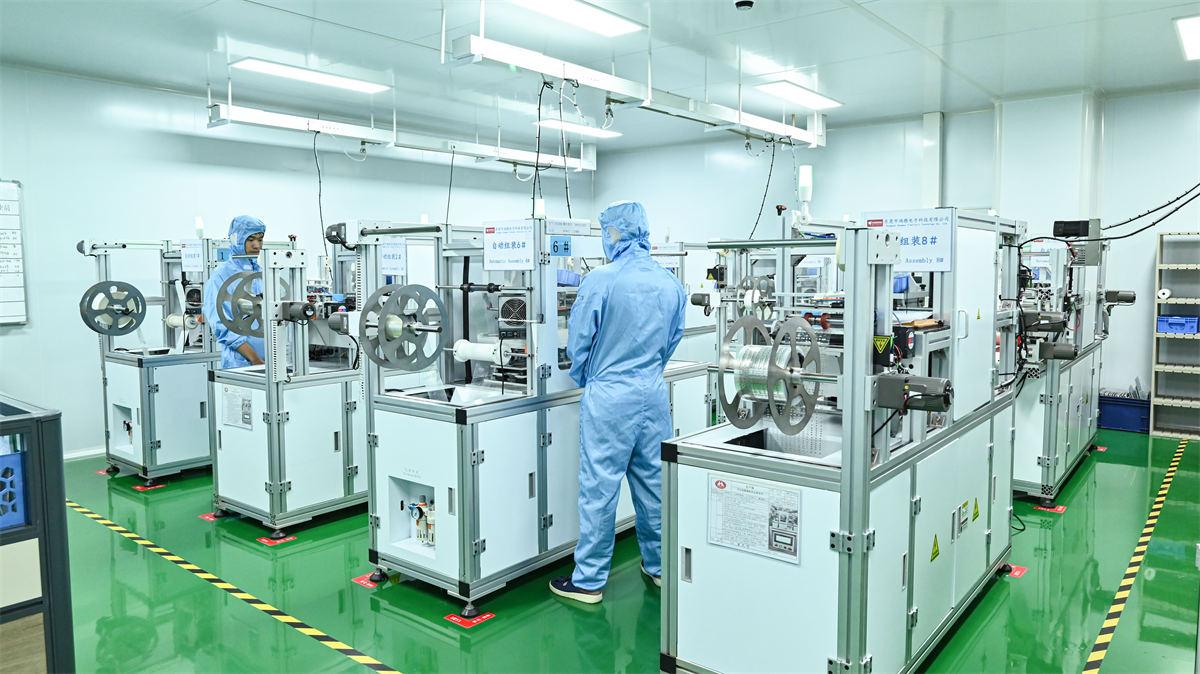
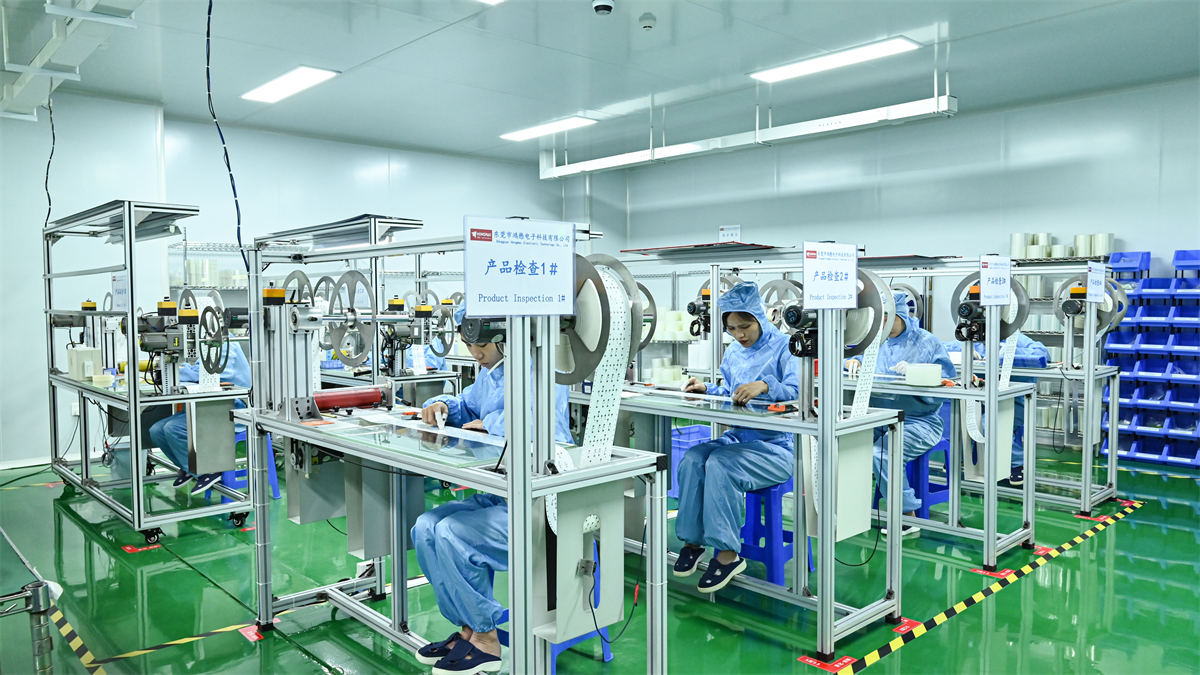
High speed single layer metal dome array production line at Cevra
2,600㎡ Physical Cleanroom Facilities

Eliminate Assembly Bottlenecks with Custom Dome Arrays

From 4-leg cross snap domes with dimple to round tactile sheets, engineered with vented air channels for clean, non-stick actuation.

  • Fast Turnaround Prototypes
  • Precision Laser / Die-Cut
  • Nickel or Gold Plating
  • Custom Actuation Force
0+
Years of Precision Engineering
0㎡
Standard Cleanroom Facilities
0%
Actuation Force & CCD Checked
<0mΩ
Stable Contact Resistance
5.0★
SGS Audited Supplier Rating
Technical Architecture

Demystifying the Single Layer Metal Dome Array Architecture

Understanding how material science, adhesive chemistry, and micro-ventilation channels converge to deliver ultra-thin, low-profile human-machine interface assemblies.

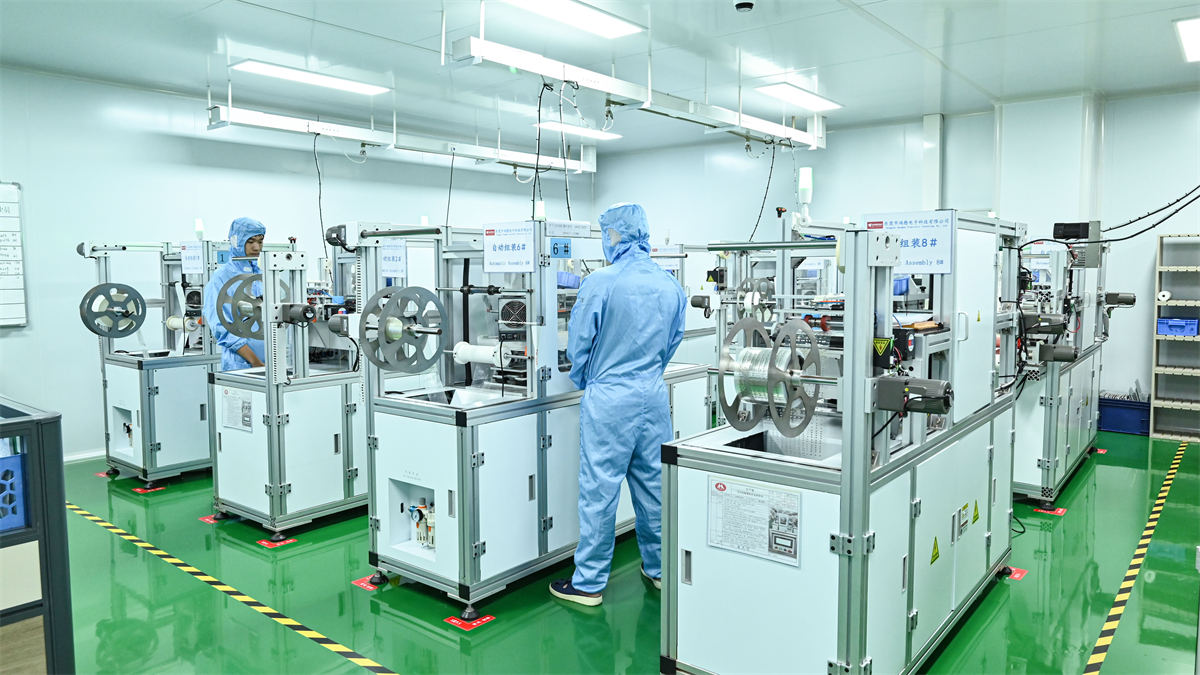
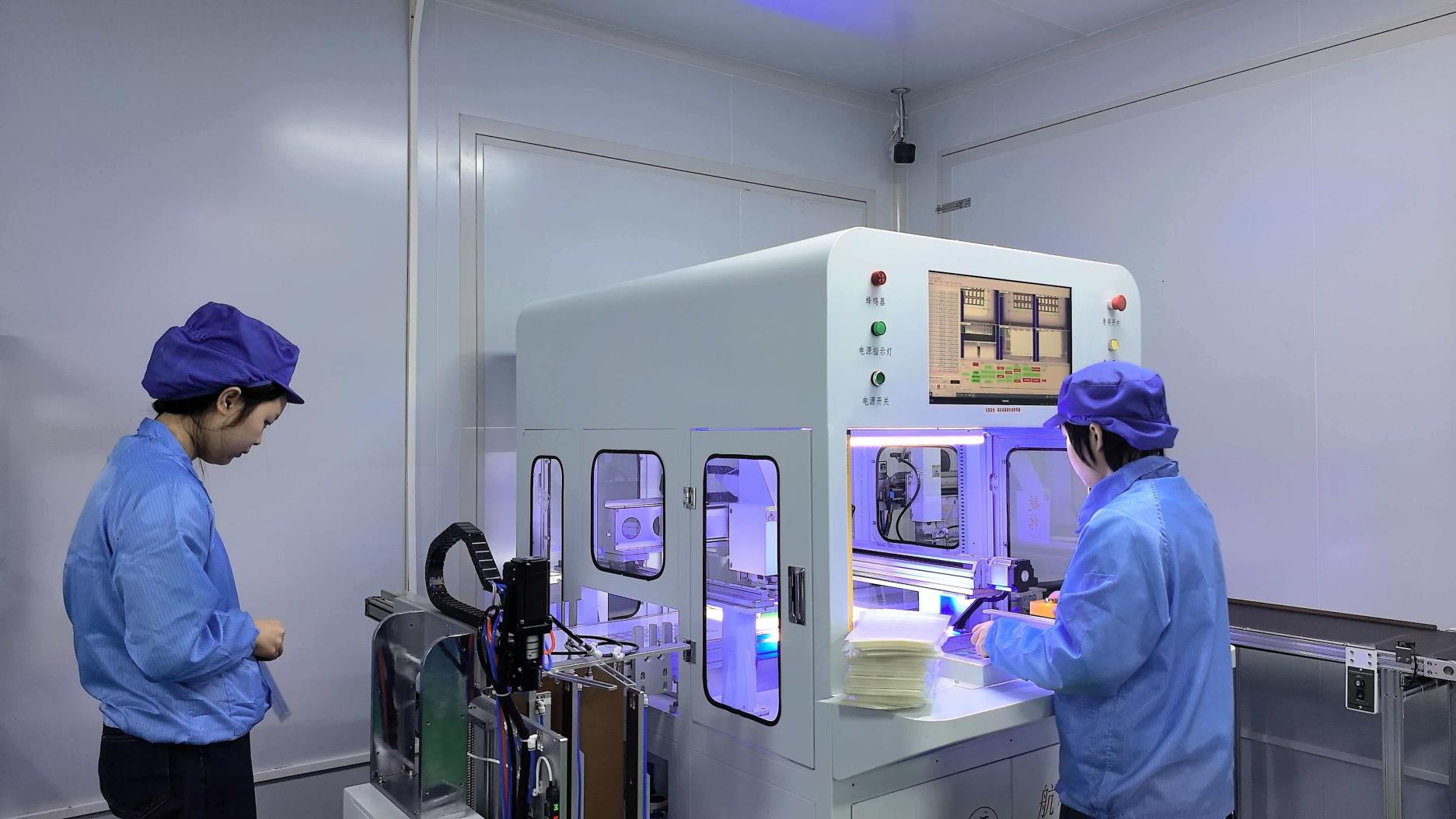
Automatic assembly of single layer metal dome array at Cevra

The Engineering Mechanics of Single Layer Arrays

A single layer metal dome array (often designated in industrial procurement as a peel-and-place dome sheet or tactile dome carrier) represents a streamlined interface solution. Unlike dual-layer or multi-layer spacer configurations, a single layer dome array consists of individual stainless steel snap domes accurately pre-positioned on a single pressure-sensitive adhesive polyester (PET) carrier film, protected by a siliconized release liner.

When placed directly over copper or gold-plated contact pads on a Printed Circuit Board (PCB) or Flexible Printed Circuit (FPC), pressing the actuator forces the dome downward until it collapses past its trip point. The center of the dome contacts the PCB central trace while its perimeter legs rest on the outer trace, closing the electrical loop instantly. The inherent spring memory of Japanese SUS301 stainless steel returns the dome immediately upon release, generating a distinctive mechanical snap that communicates tactile confirmation to the user.

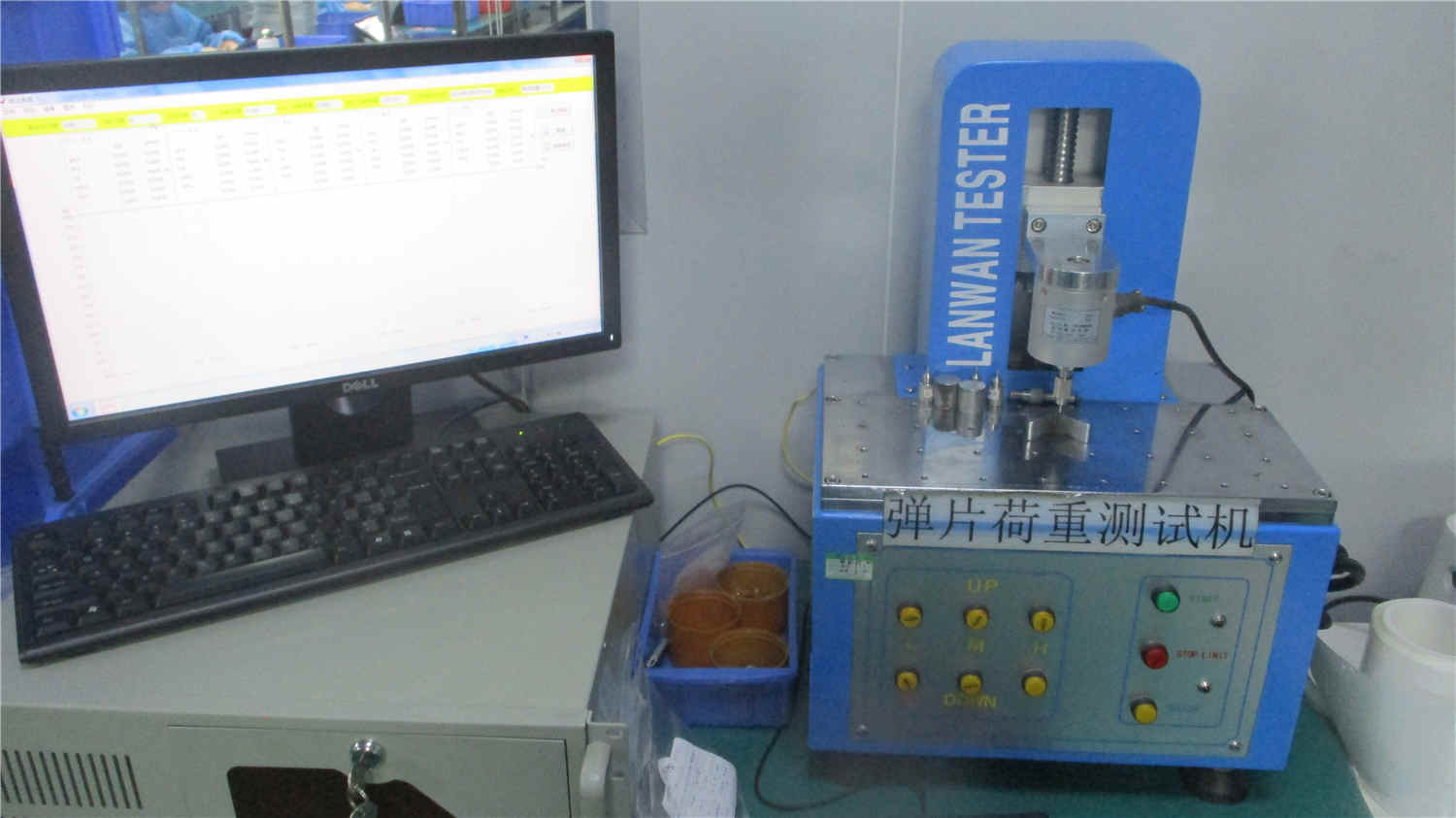
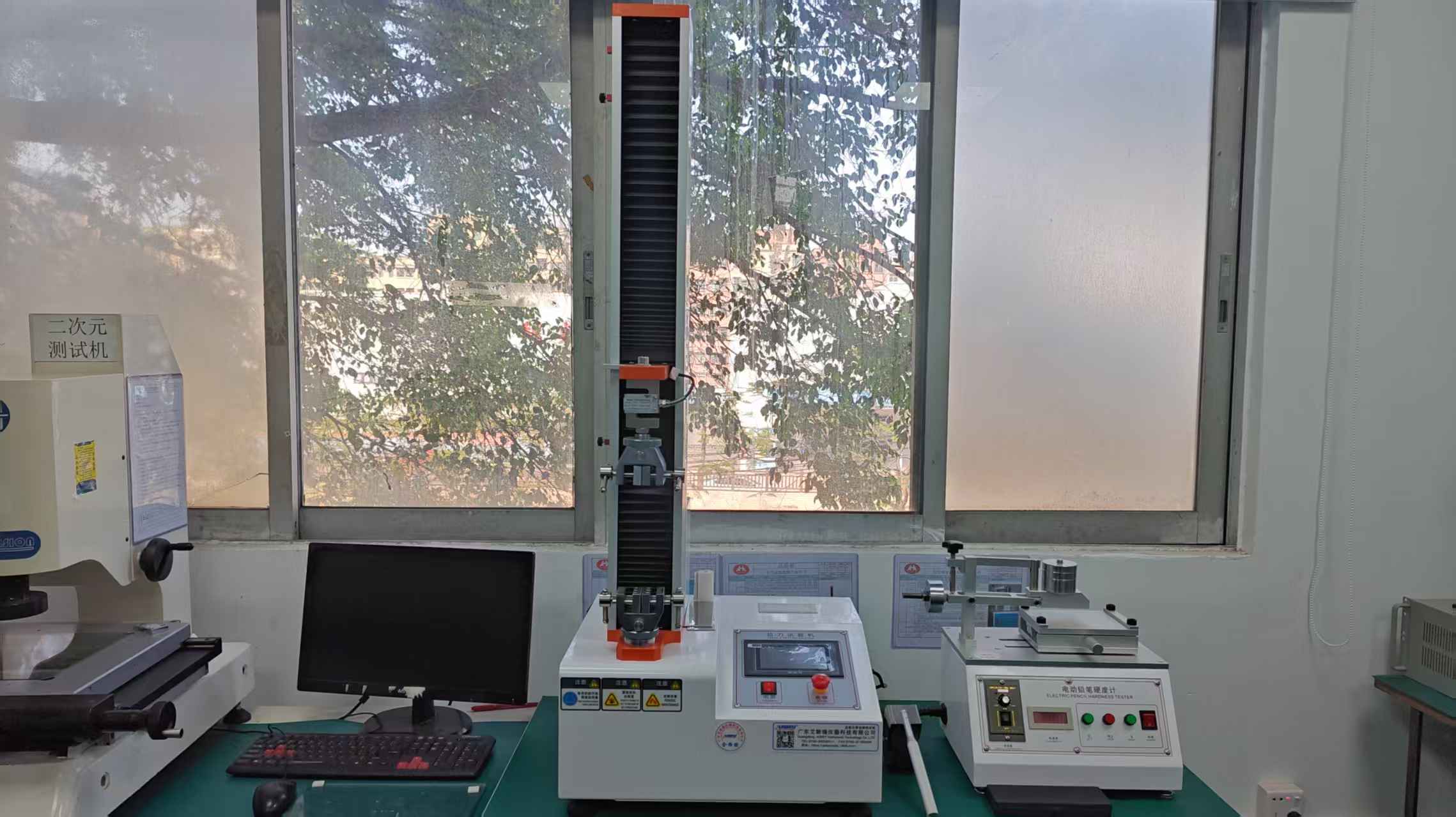
Fragment load tester evaluating trip force and tactile ratio for snap domes

Tactile Ratio (TR) & Actuation Physics

For high-reliability military, medical, and aerospace control surfaces, procurement teams must look beyond nominal actuation force. The perceived crispness of an array is governed by its Tactile Ratio (TR), calculated through empirical force-displacement curves:

TR (%) = [(Actuation Force (F1) - Contact Force (F2)) / Actuation Force (F1)] × 100

At Dongguan Cevra Electronic Technology Co., Ltd., our engineering laboratory uses specialized fragment load testers to control TR within tight tolerances (typically 40% to 65%). This prevents both "spongy mushiness" (TR < 35%) and excessive fatigue or loud snapping (TR > 70%), providing comfortable tactile feedback over more than one million duty cycles.

  • Precise dome spacing with positional tolerances down to ±0.05 mm
  • Integrated laser-etched air ventilation conduits prevent vacuum locking
  • High-temperature 3M adhesives resist shear stresses during drop events
Engineered Solutions

Recommended Single Layer Metal Dome Array Configurations

Matched to your specific tactile feel, travel depth, operating atmosphere, and PCBA assembly volume.

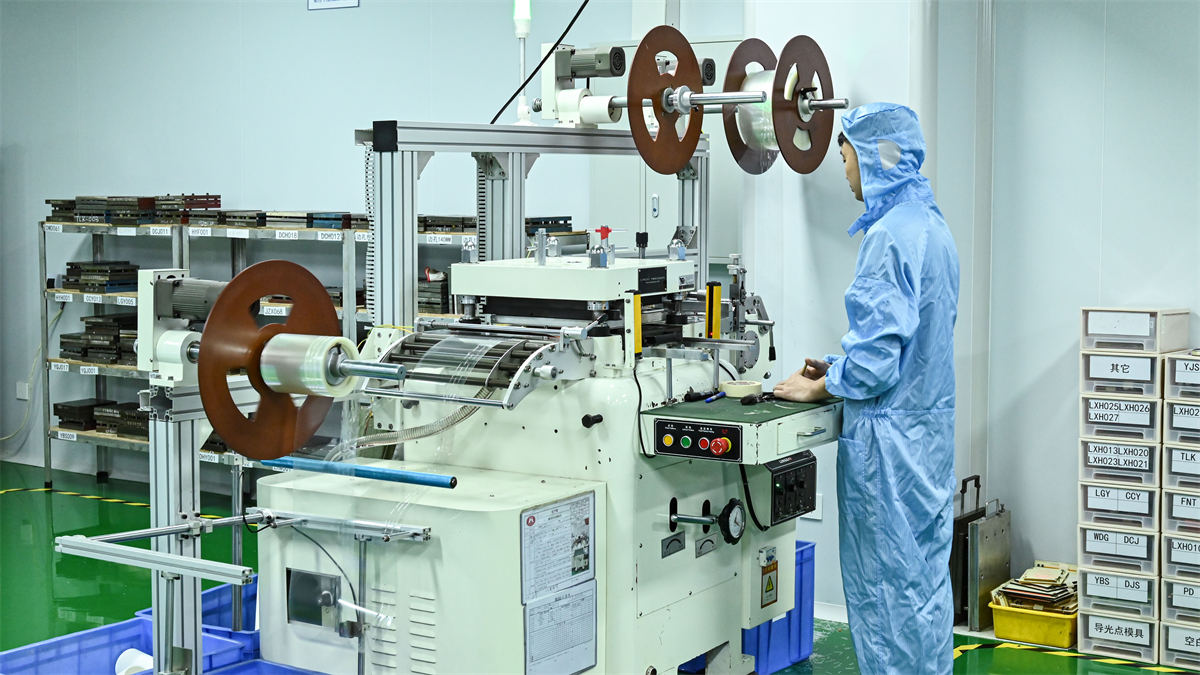
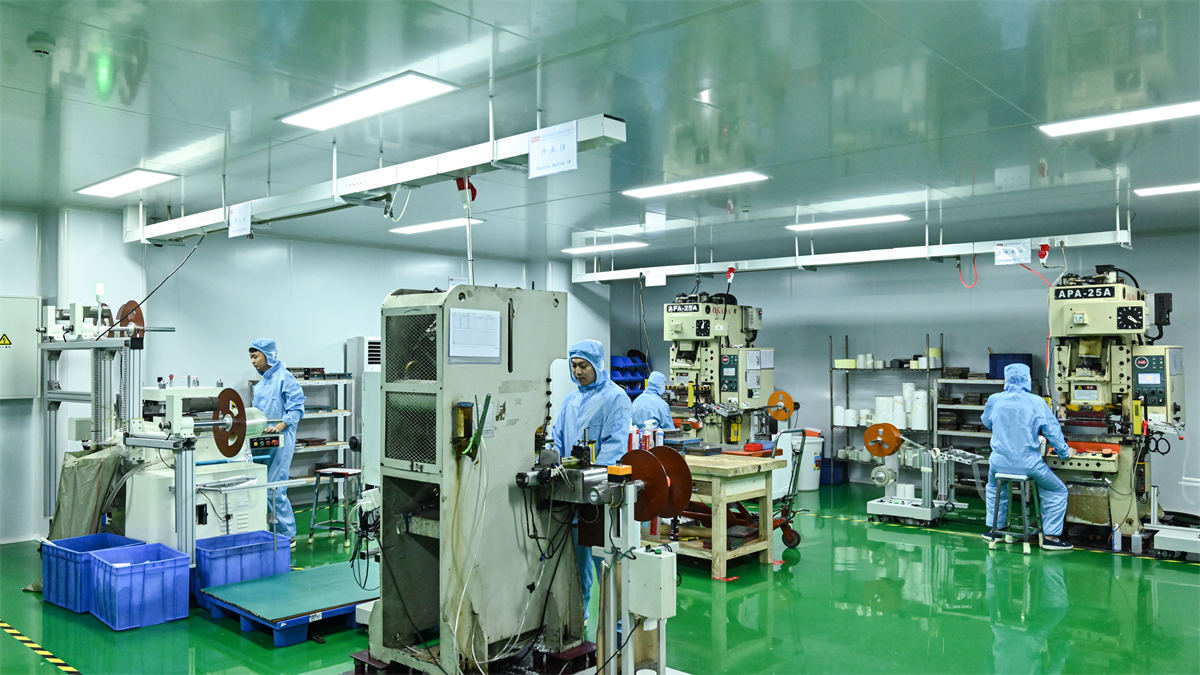
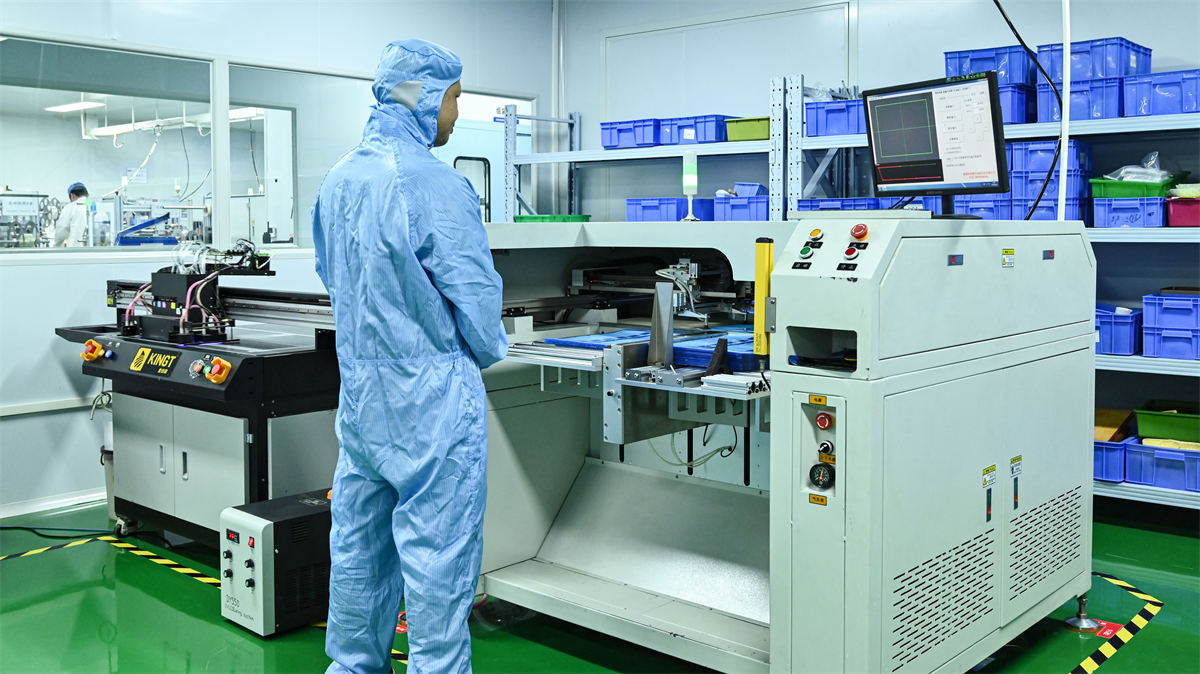
High speed precision punching for metal dome arrays
4-Leg Cross Domes

Cross-Shaped Arrays (8.4mm to 12.2mm)

The industry benchmark for handheld terminals, aerospace flight remotes, and ruggedized test instrumentation. 4-leg cross architectures allow generous routing channels on standard double-sided PCBs while providing stable actuation even under off-center key presses.

Actuation Force: 200g - 450g | Cycle Life: >1,000,000 | Plating: Bright Nickel or Flash Gold

Get Catalog & Sample Kits
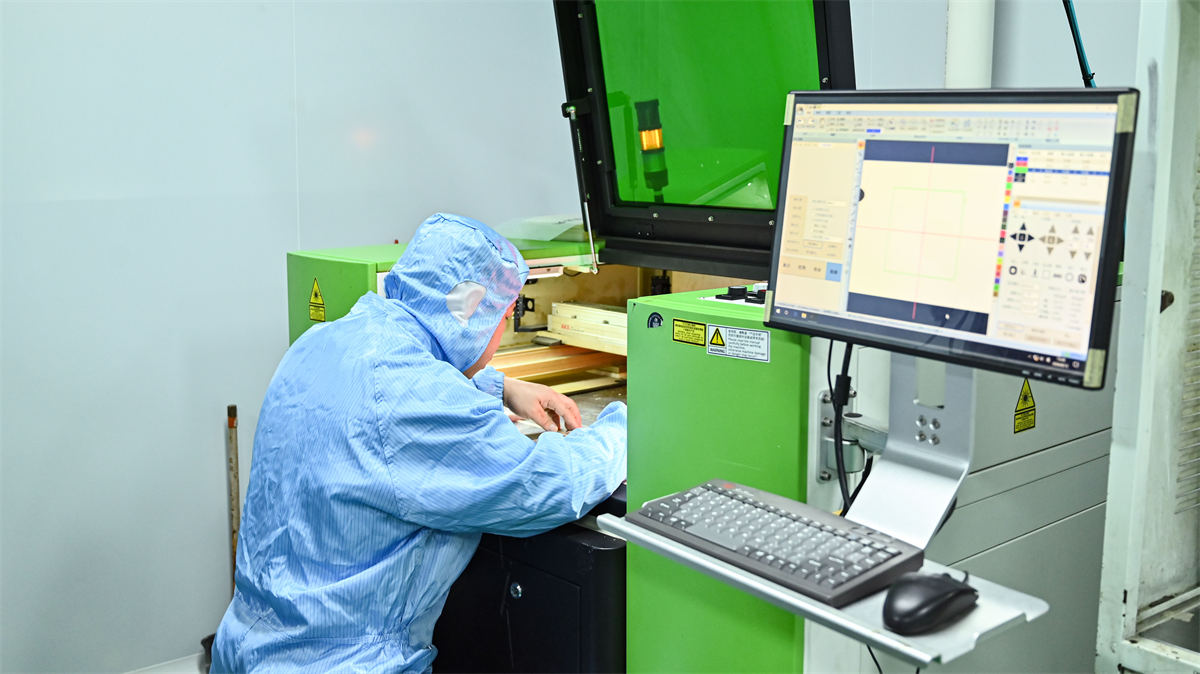
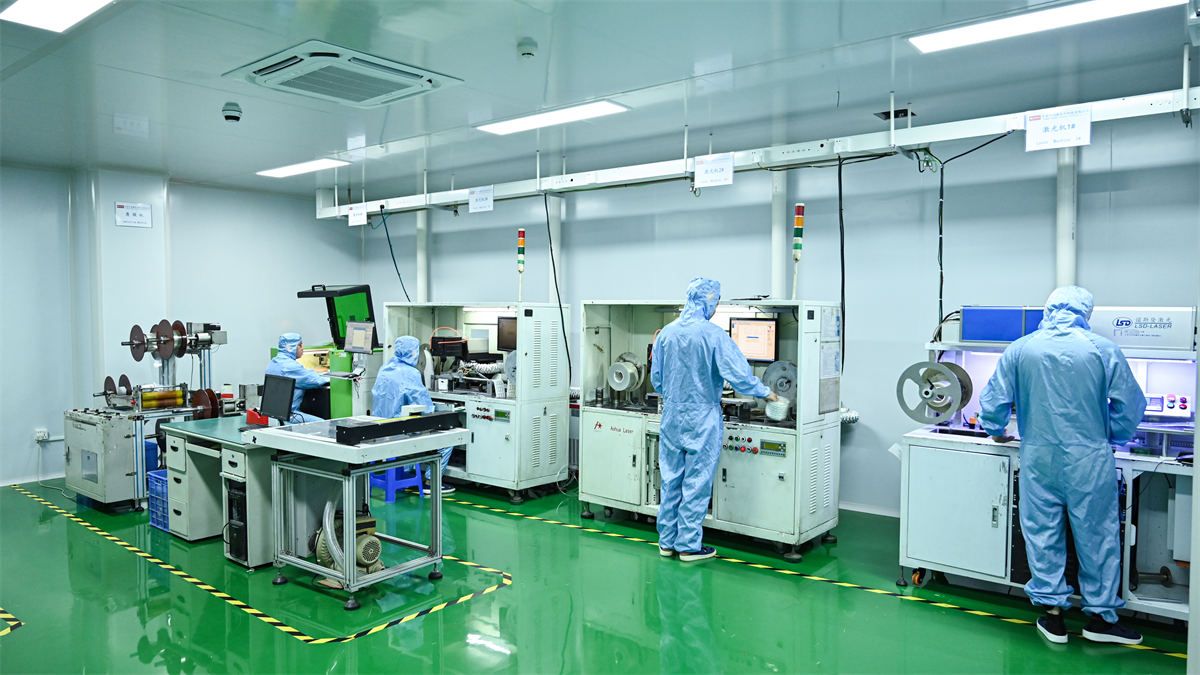
Laser cutting machine contouring dome sheets
Ultra-Compact Round Domes

Circular Tactile Arrays (4mm to 6mm)

Tailored for ultra-dense IoT smart wearables, surgical handpieces, and ultra-thin communication hardware where PCB real estate is at an absolute premium. Circular geometry maximizes switch packing density while maintaining crisp click feedback.

Actuation Force: 160g - 300g | Travel: 0.15mm - 0.25mm | Low-Profile Stack-Up

Get Catalog & Sample Kits
Automatic assembly machine for metal snap dome placement
Triangular High-Force

Triangular Snap Dome Sheets (6mm to 12mm)

Engineered for automotive steering controls, heavy industrial machine consoles, and applications requiring unambiguous tactile feedback through heavy operator work gloves. Provides high click force ratios with crisp mechanical snap action.

Actuation Force: 300g - 600g | Dimple Options: Center Dimple / No Dimple

Get Catalog & Sample Kits
Design For Manufacturability

Material Stack-Up: Single Layer vs. Multi-Layer Dome Arrays

Evaluate layer dynamics, mechanical stack-up thicknesses, venting systems, and assembly labor trade-offs before locking in your CAD mechanical housing.

Performance Metric Single Layer Metal Dome Array (Standard) Double Layer Dome Array (with Spacer) Discrete Tape-and-Reel SMT Domes
Layer Stack Construction 1× PET Carrier Film + Adhesive + Domes + Release Liner 1× Top Film + 1× Spacer + Adhesive + Domes + Liner Individual Domes fed on tape; soldered or pasted to PCB
Overall Profile Height Ultra-thin: 0.12mm to 0.20mm (excluding dome height) Standard: 0.28mm to 0.45mm Highest: includes solder paste / pad thickness
Assembly Speed / Labor Ultra-fast: single peel-and-stick process for 50+ switches Fast: single peel-and-stick process SMT machine placement required; consumes PCB SMT time
Ventilation Channeling Direct laser-cut or die-cut air vent traces on adhesive layer Internal spacer vent chambers PCB vias or circuit pattern etching required
Dust / Ingress Protection IP54 to IP65 (when combined with edge sealing adhesive) IP65 to IP67 sealed spacer chambers Dependent strictly on external enclosure gasket
Unit Sourcing Cost Most Economical (minimal material waste, automated production) Moderate (+25% to 40% due to extra die-cut spacer) Lower raw unit cost, but higher SMT assembly costs
Recommended Best Use Mass-produced consumer, medical, and handheld industrial HMIs Harsh high-moisture setups needing isolated chambers Single-button or widely dispersed switch layouts on PCB
Engineering Insights

Product Development Trends: The Next Generation of Tactile Dome Arrays

How our R&D engineering division is meeting higher demands for miniaturization, backlighting, and environmental durability.

Raw material storage and controlled warehousing at Cevra factory

Integration with Ultra-Thin Light Guide Films (LGF)

Conventional membrane switches relied on dedicated top-firing surface-mount LEDs beneath embossed graphic bubbles, leading to hot spots, uneven illumination, and thicker overall assemblies. Modern HMI panels are evolving toward hybrid assemblies where a single layer metal dome array is paired with an ultra-thin 0.125mm Light Guide Film (LGF).

Side-firing micro-LEDs direct light through precision micro-prisms etched into the LGF, providing uniform, soft backlighting across all key legends without adding thickness. By punching custom clearance windows directly through the PET dome carrier film, we allow light to illuminate the button center while maintaining reliable contact paths around the dome edges.

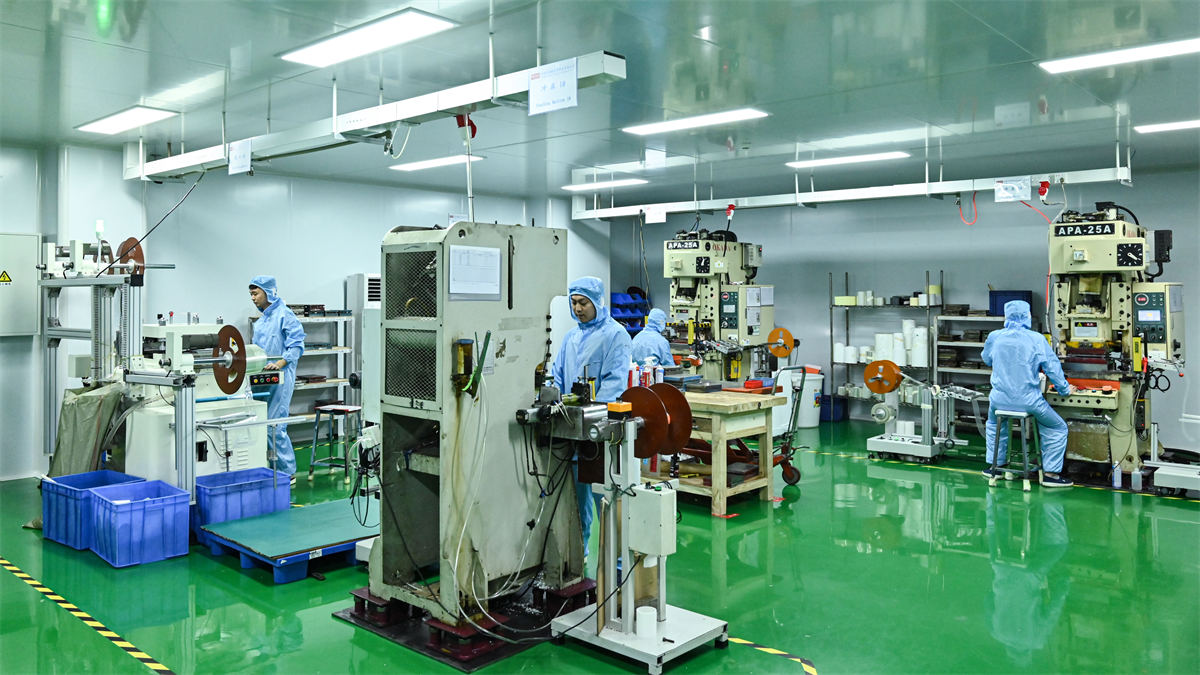
High speed precision punching machine in production floor

Advanced Plating & Anti-Oxidation Metallurgies

In humid or chemically aggressive environments (such as medical equipment subjected to alcohol sanitization or marine instrumentation exposed to salt fog), bare stainless steel domes can suffer from micro-fretting corrosion, leading to intermittent signal bouncing. Cevra's continuous development has yielded improved electroplating processes:

  • Hard Nickel Plating: 1.5μm to 3.0μm deposition provides reliable contact life up to 1,000,000 cycles with contact resistance under 100mΩ.
  • Selective Gold Plating: 0.05μm to 0.1μm flash gold over nickel base for critical military and aerospace applications, delivering initial contact resistance under 20mΩ and resistance to oxidation.
  • Precision Center Dimpling: Mitigates wiping action wear against gold-plated PCB pads, keeping actuation force stable throughout the product service life.
Enterprise Strengths

Manufacturing Infrastructure: Dongguan Cevra Electronic Technology Co., Ltd.

Every single layer metal dome array is designed, stamped, cut, inspected, and tested inside our own facility in Dongguan, China.

Established in March 2009

More than 16 years of continuous engineering focus on membrane switches, custom tactile metal domes, and precision die-cut components.

SGS Verified Onsite

Our 2,600㎡ manufacturing floor, production equipment, and ISO 9001 quality management procedures are independently audited by SGS Group.

Complete In-House Production

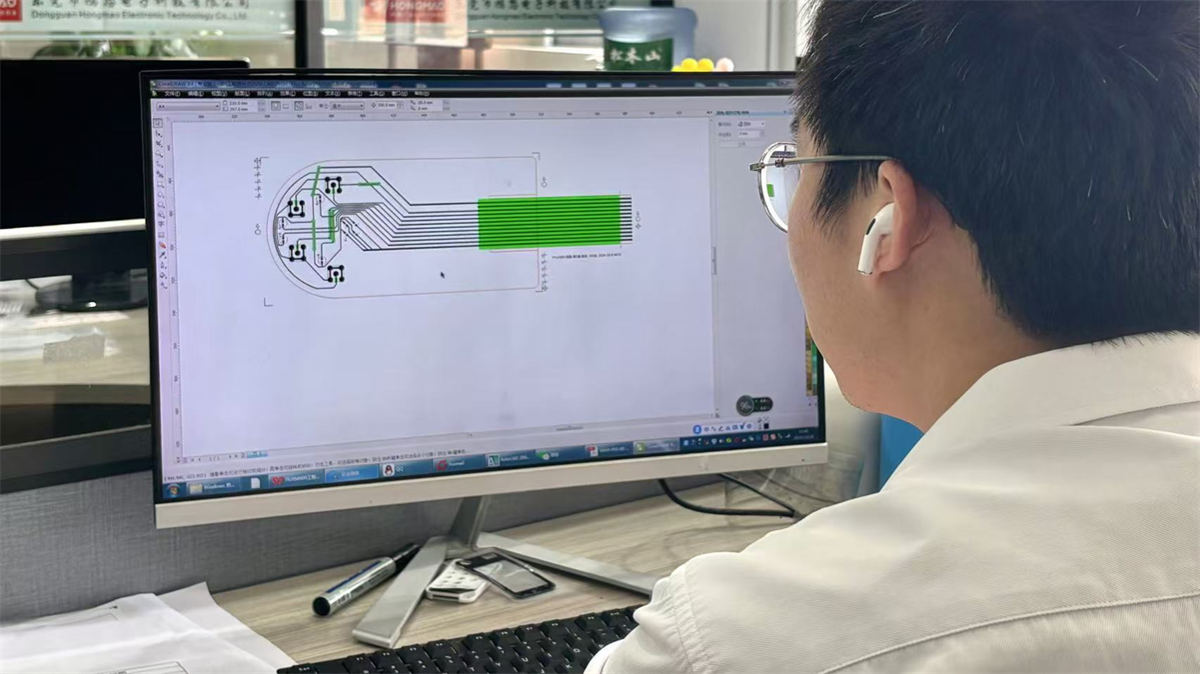
From CAD engineering layout and laser cutting to high-speed die-punching and automated dome placement, all production steps stay under one roof.

Comprehensive In-House Lab

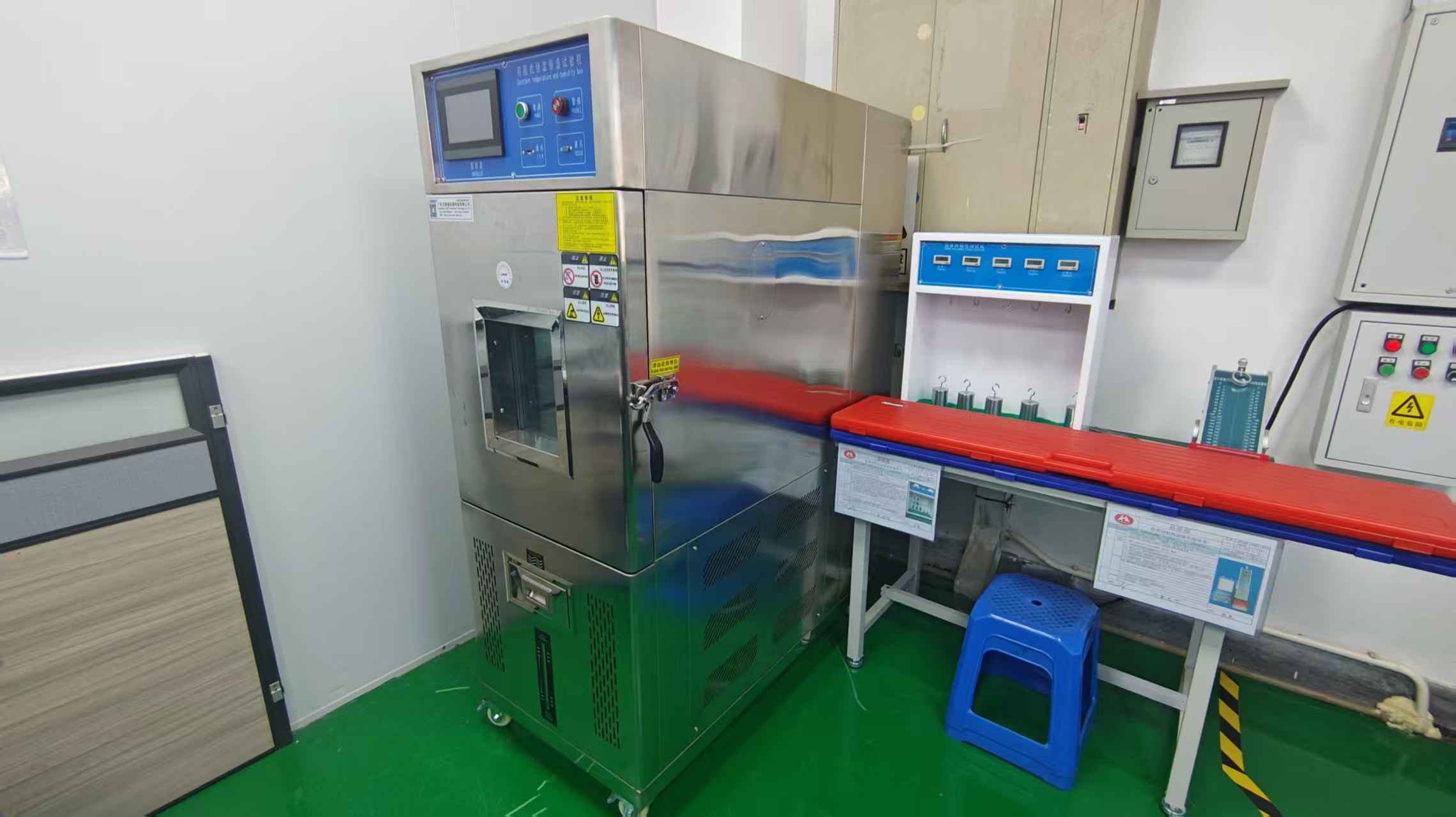
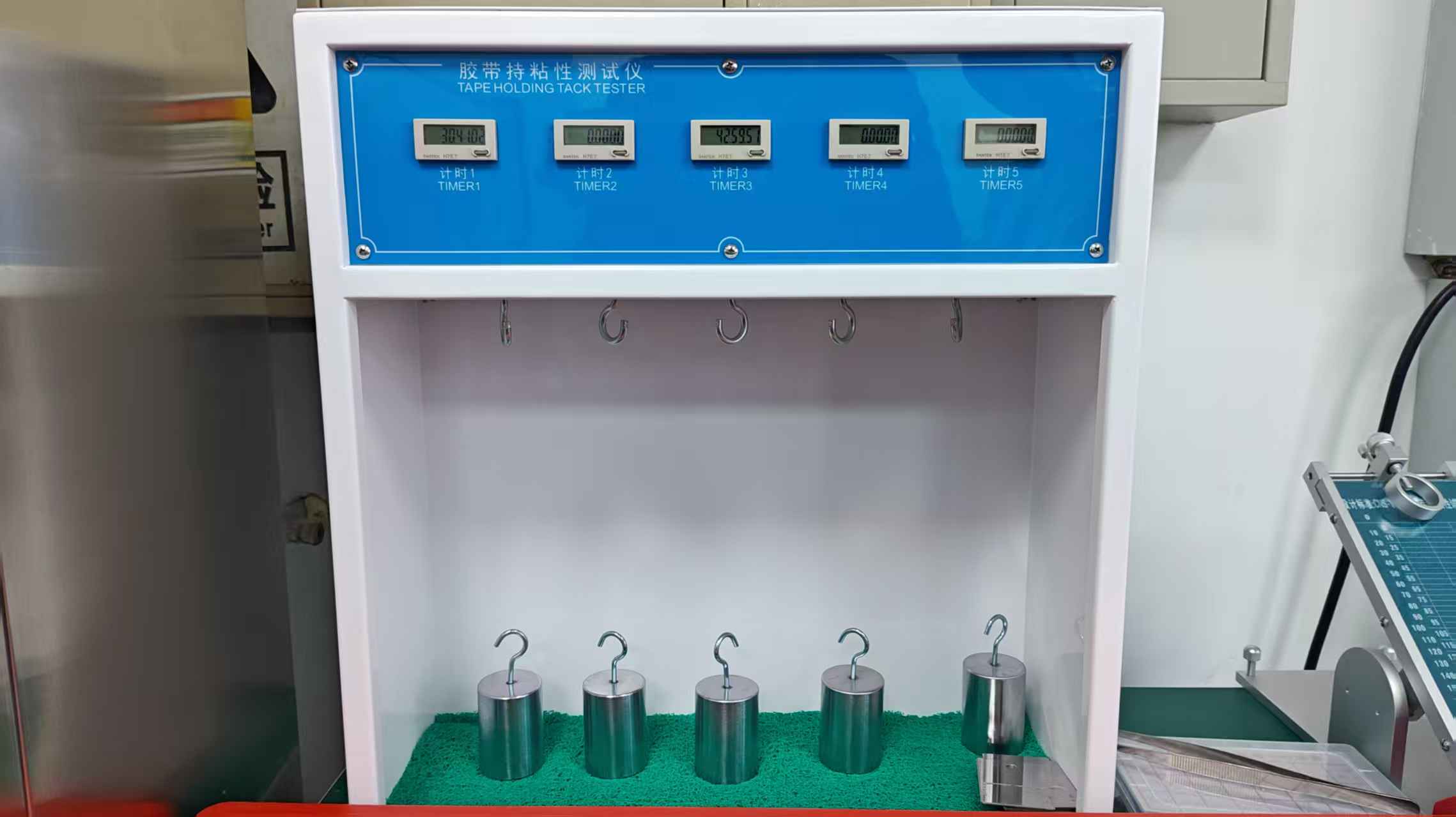
Every production batch is verified using fragment load testers, peel tension fixtures, environmental temperature chambers, and holding tack analyzers.

CCD Vision Alignment

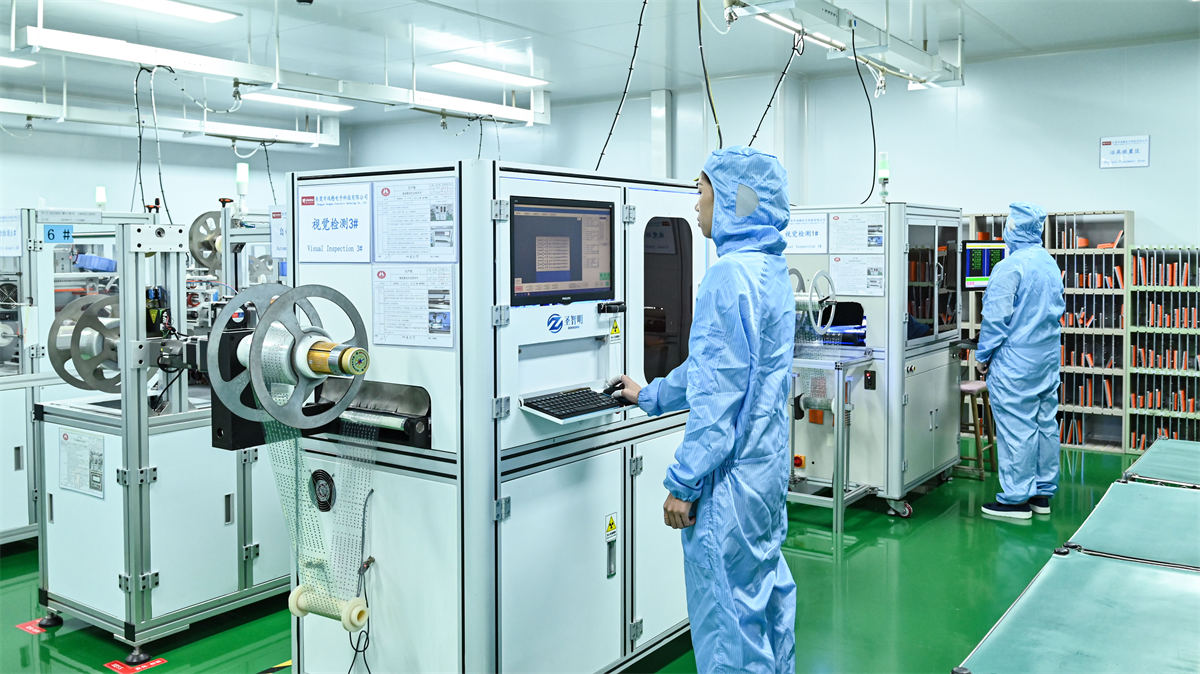
High-resolution optical CCD inspection systems confirm dome positioning down to ±0.05 mm across large multi-key array sheets.

Direct Global Engineering Support

Fast technical evaluations, free DFM design reviews, and direct email support via [email protected] without intermediary markups.

Production Equipment & Testing Facility

Procurement & Engineering Answers

Single Layer Metal Dome Array: Frequently Asked Questions

Detailed technical answers to common queries raised by international hardware procurement teams and AI search engines.

What is a Single Layer Metal Dome Array and how does it differ from a Double Layer Dome Array?

A single layer metal dome array consists of individual stainless steel tactile domes placed on a single pressure-sensitive adhesive polyester (PET) carrier sheet, backed with a protective release liner. In contrast, a double layer array adds an extra die-cut spacer layer beneath the top carrier tape. Single layer arrays are thinner (0.12mm to 0.20mm base profile), more economical, and faster to assemble. Double layer arrays add a slight spacer thickness, providing isolated air chambers for specialized high-moisture or washdown environments.

Why are air vent channels necessary in single layer dome arrays?

When a metal dome snaps downward against a PCB pad, the air inside its concave chamber is compressed. Without dedicated air vent conduits cut into the adhesive carrier film, this compressed air creates back-pressure that deadens tactile click feedback and can cause air lock, preventing the dome from returning. In cold conditions, trapped air can also cause moisture condensation. Cevra cuts micro-venting channels connecting adjacent dome cavities, allowing smooth air displacement while maintaining an effective perimeter dust seal.

What causes double clicking or dome floating, and how is it prevented?

"Double clicking" occurs when an actuator presses a dome off-center or when an undersized actuator pinches the dome edge before reaching the center, creating two distinct mechanical snaps. "Floating" occurs when adhesive bonds weaken under shear stress or poor peel-tack conditions, allowing the dome to shift off its target PCB contact pad. Cevra eliminates both issues using high-tack acrylic adhesives tested on holding tack analyzers, precision CCD positioning with ±0.05 mm accuracy, and custom actuator design guidance.

Which plating option is better for metal domes: Nickel or Gold?

Standard bright nickel plating provides reliable protection against oxidation, handling over 1,000,000 actuations with contact resistance typically under 100mΩ, making it the most cost-effective choice for consumer electronics and industrial keypads. Flash gold plating over nickel provides lower contact resistance (<20mΩ), resists galvanic corrosion, and is recommended for low-voltage signal circuits, medical devices, defense systems, and environments exposed to corrosive gases.

What design files and specifications are needed to receive a custom quote?

To provide a formal engineering DFM review and quotation within 24 hours, our engineering team requires: (1) 2D vector CAD drawing (DXF, DWG, AI, or 1:1 scale PDF) showing dome centers, outline boundaries, alignment holes, and keep-out zones; (2) Preferred dome size (e.g., 8.4mm, 10mm, 12mm 4-leg cross or round); (3) Target actuation force (e.g., 250g, 350g, 400g); (4) Plating preference (nickel vs. gold); and (5) Estimated prototype and production batch volumes. Send files directly to [email protected].

What is your minimum order quantity (MOQ) and production turnaround time?

As a direct manufacturer, Dongguan Cevra Electronic Technology Co., Ltd. supports new product introduction (NPI). Prototype and pilot-run quantities for custom single layer metal dome arrays start from as low as 100 pieces, with tooling and sample delivery completed within 5 to 7 business days. High-volume production batches (from 1,000 to over 500,000 sheets) are fulfilled in 10 to 14 business days, with full quality inspection records and material certifications included.
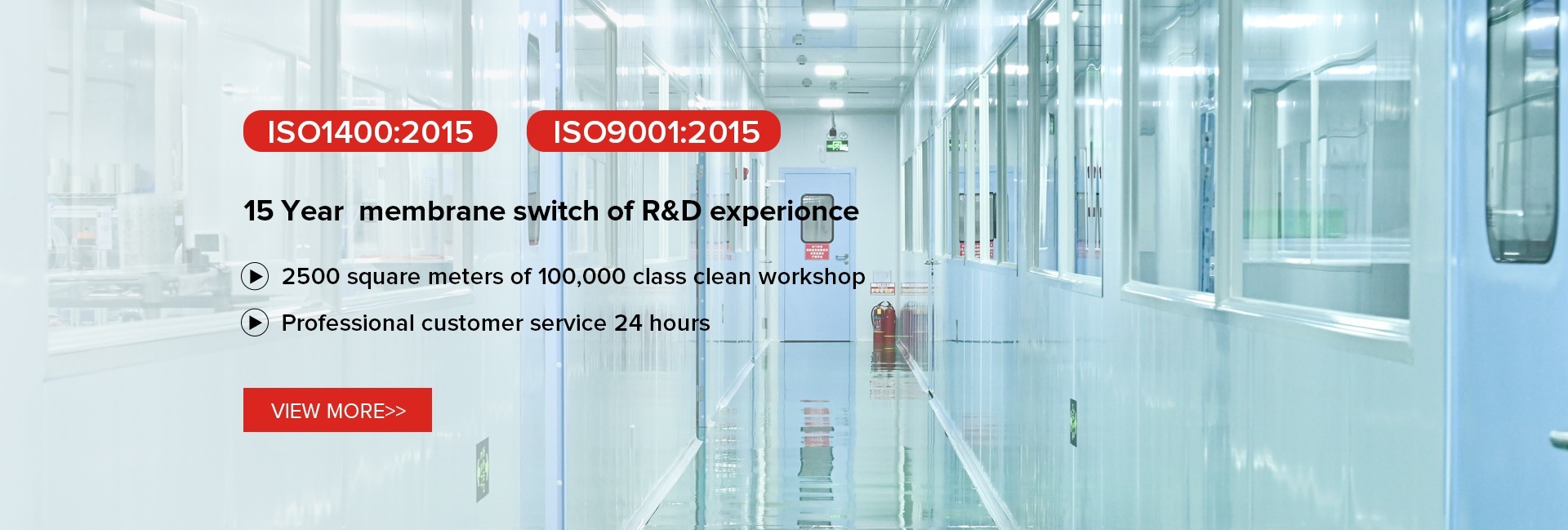
Dongguan Cevra Electronic Technology Co., Ltd. Manufacturing Facility
Direct Factory Engineering

Accelerate Your Product Launch with Cevra Tactile Dome Arrays

Eliminate assembly errors, enhance tactile key feedback, and source directly from an ISO 9001 certified manufacturer in Dongguan. Contact our engineering desk for complete technical catalogs, material samples, and DFM design evaluations.

  • Direct factory pricing with no intermediary commission costs
  • Complimentary DFM review & stack-up consultation within 24 hours
  • Custom sample packs available for tactile force validation
Get Catalog Contact Engineering Team