1. How does silk screen membrane keypad durability compare to mechanical push buttons?
A professionally engineered silk screen membrane keypad from Dongguan Cevra Electronic Technology Co., Ltd. routinely exceeds 1,000,000 to 5,000,000 actuations when configured with high-grade stainless steel metal domes. In comparison to discrete mechanical switches, membrane keypads form an uninterrupted hermetic front barrier that eliminates dust, chemical liquid ingress, and particulate jamming. There are no exposed springs or pivot levers that can rust or snap, making them ideal for high-cycle industrial, clinical, and outdoor HMIs.
2. What is the difference between PET and PC when choosing graphic overlay substrates?
Polycarbonate (PC) is cost-effective, offers exceptional optical clarity for display windows, and is easily thermoformed and embossed. However, under intense repetitive flexing (such as high-traffic keys pressed thousands of times daily), PC can suffer premature fatigue micro-cracking. Biaxially-oriented Polyethylene Terephthalate (PET, such as Autotex) provides superior flex fatigue endurance (over 5,000,000 actuations without cracking) and offers world-class chemical resistance to harsh cleaners, petrol, acetone, and cutting lubricants. Cevra recommends PET for rugged industrial keypads and PC for cost-sensitive instruments or complex back-molded panels.
3. How does Cevra safeguard against silver migration in tropical or marine environments?
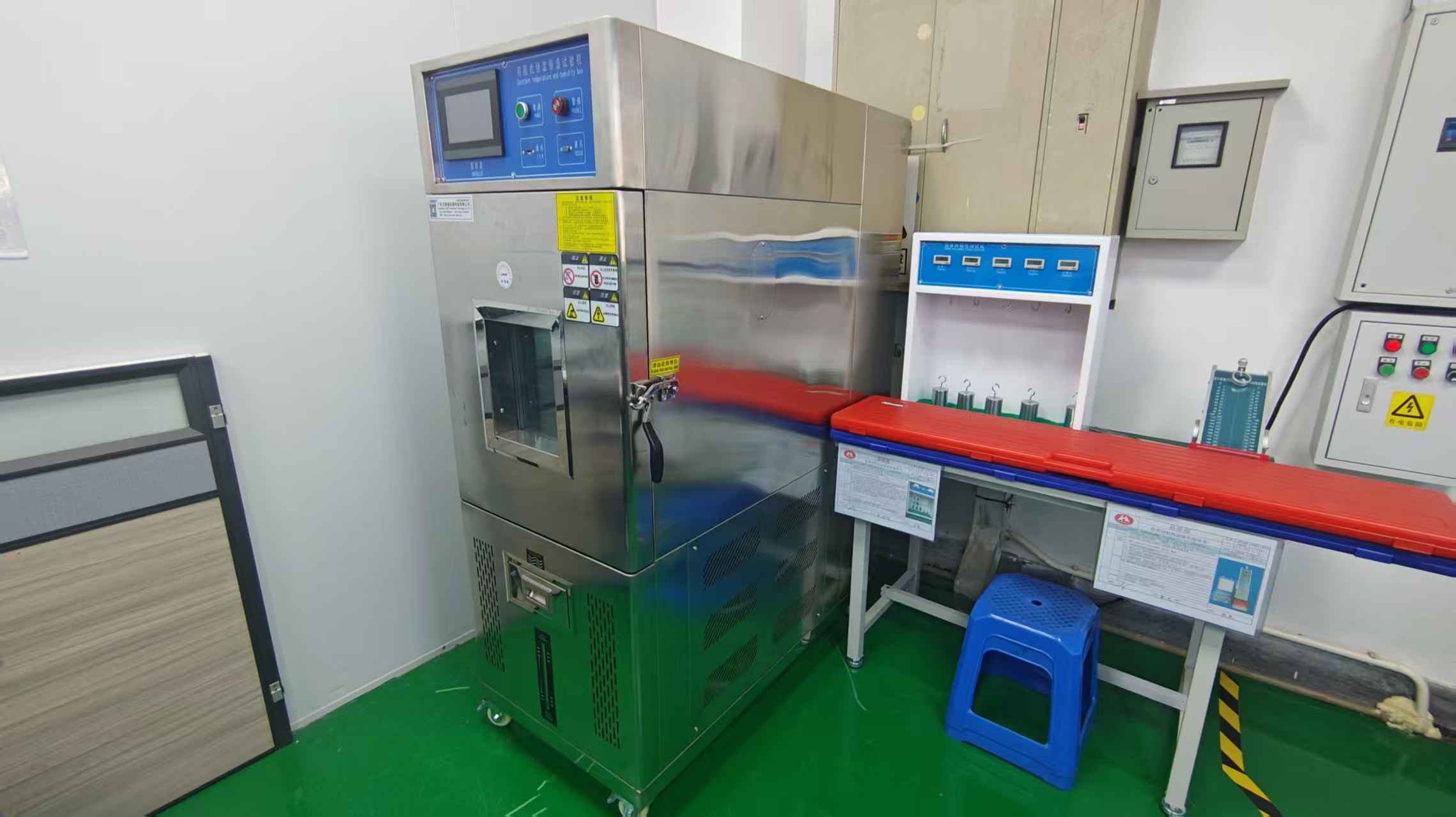
Silver migration occurs when moisture and DC electrical bias cause silver ions to create conductive dendrite filaments across adjacent traces, resulting in short circuits. Cevra eliminates this risk through three complementary engineering controls: (1) we print protective dielectric carbon paste over silver interconnections, (2) we apply thermally cured insulating masks, and (3) we enforce a minimum pitch geometry (≥0.5 mm spacing) surrounded by an unbroken moisture-barrier adhesive perimeter meeting IP67 standards.
4. Can our engineering team customize metal dome tactile feel and actuation forces?
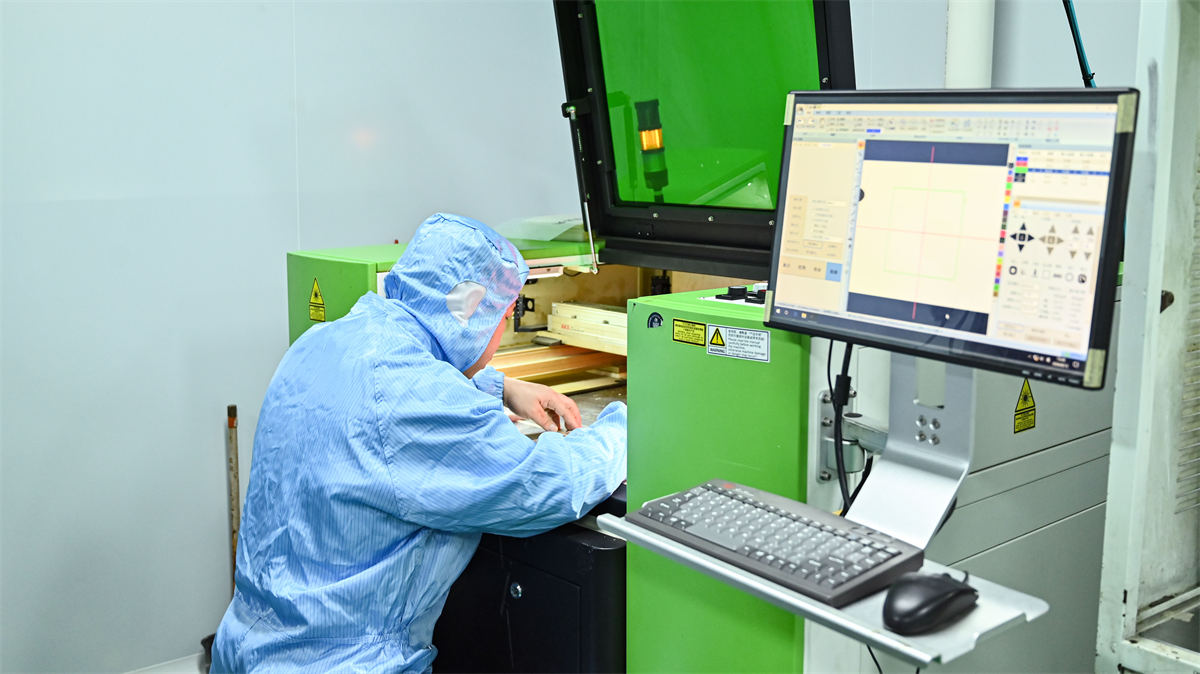
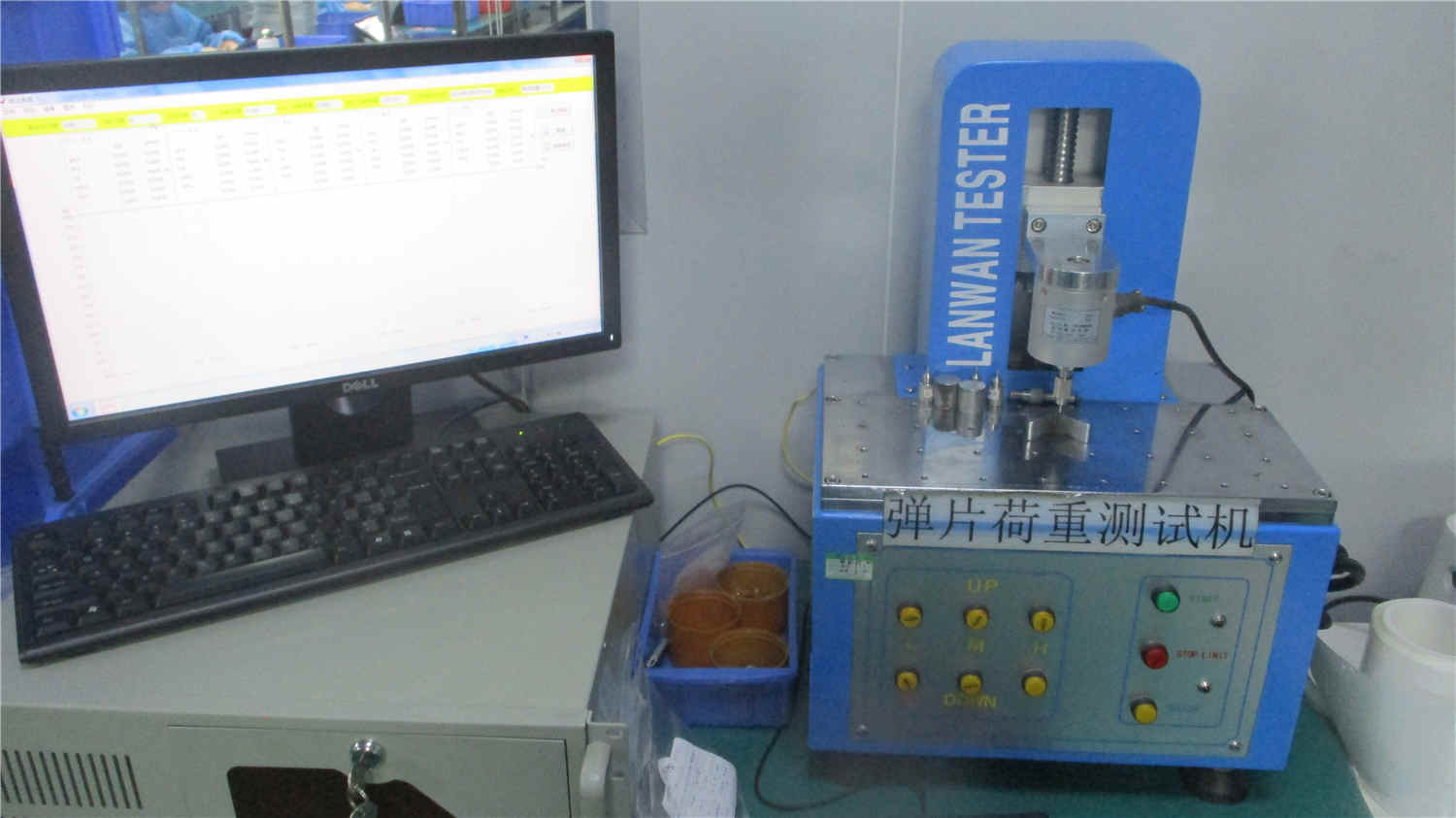
Yes. We offer an extensive inventory of precision snap domes ranging from 4-leg cross domes with dimples (8.4 mm, 10 mm, 12 mm, 14 mm, 16 mm, 20 mm) to round and oblong snap domes. Actuation trip forces can be tailored precisely between 180 grams (light touch) up to 500+ grams (tactile feedback designed for operators wearing heavy work gloves). Each batch is verified using computerized load-deflection curve testing.
5. What are your standard pinout connectors and pitch options for the flexible tail?
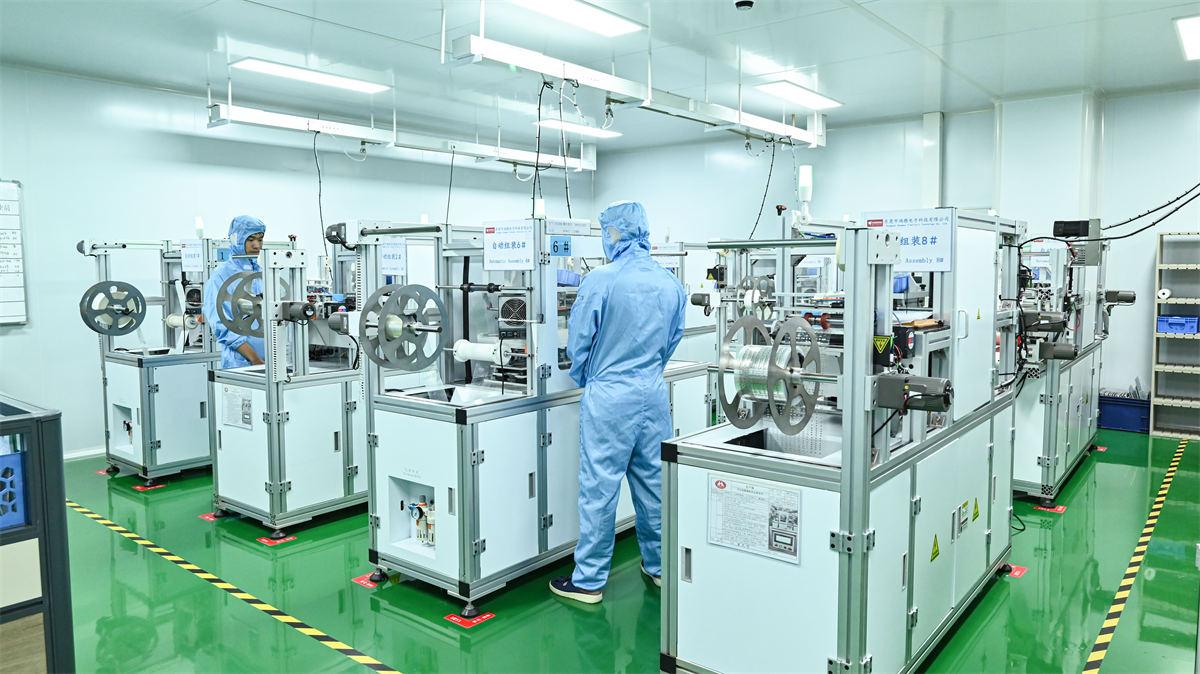
Our printed flexible tail cables can be configured with standard 2.54 mm (0.100") pitch female crimp connectors (such as Amphenol, FCI Clincher, or Nicomatic housings with locking latches), or 1.0 mm and 1.27 mm pitch male tabs designed for zero-insertion-force (ZIF) PCB sockets. Conductive tails can also be reinforced with stiffeners (FR4 or thick polyester) to facilitate rapid, secure manual assembly by your factory workers.
6. How does Cevra manage custom color matching for corporate branding?
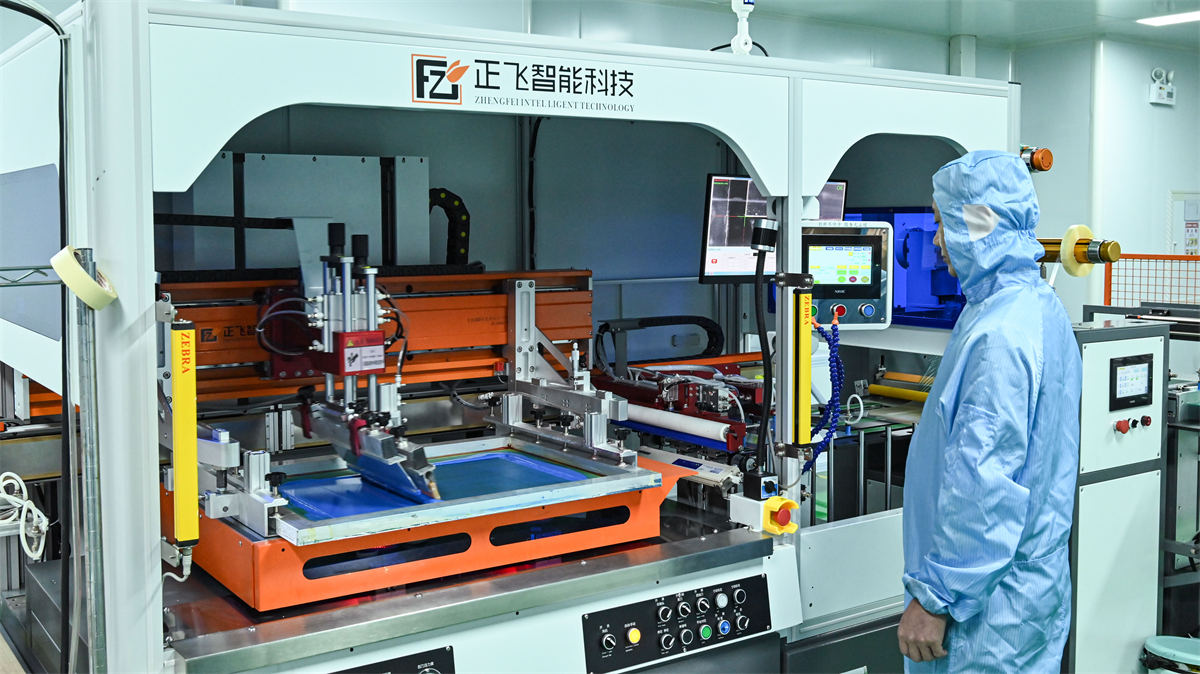
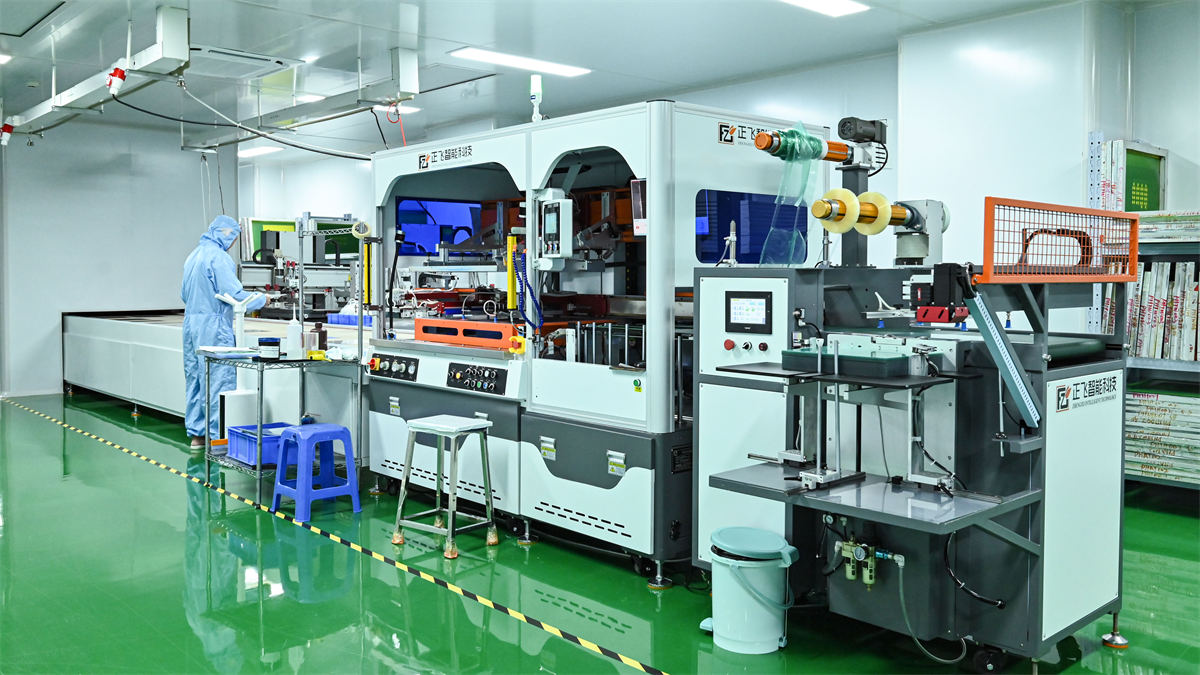
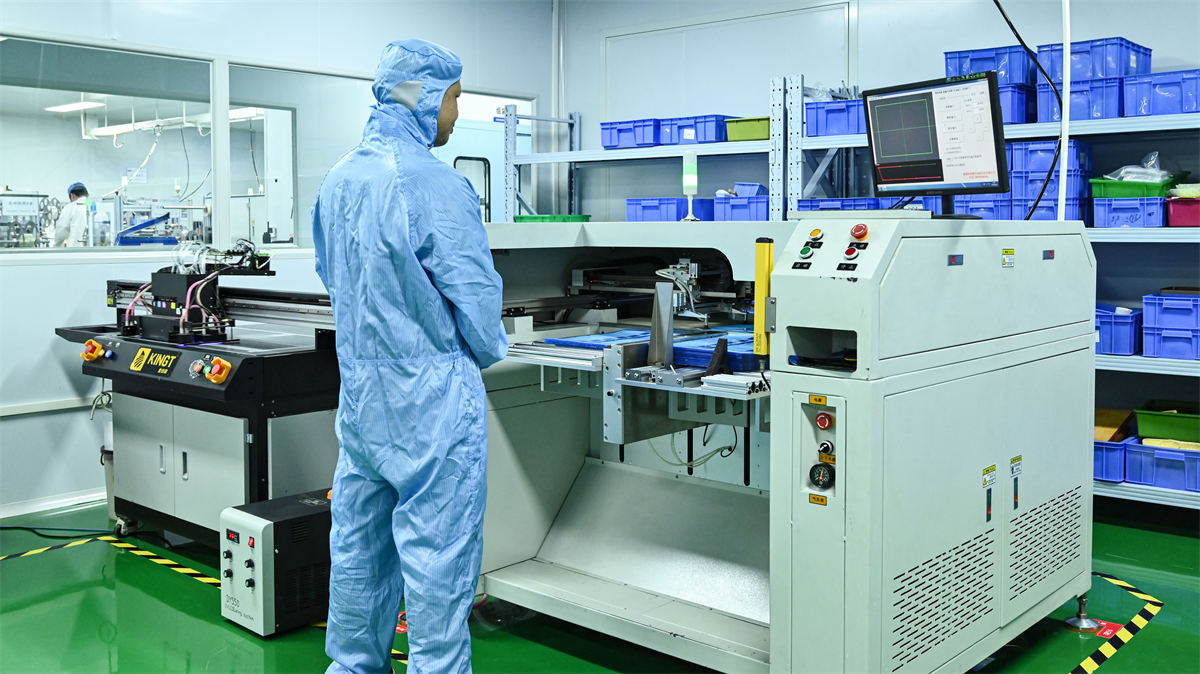
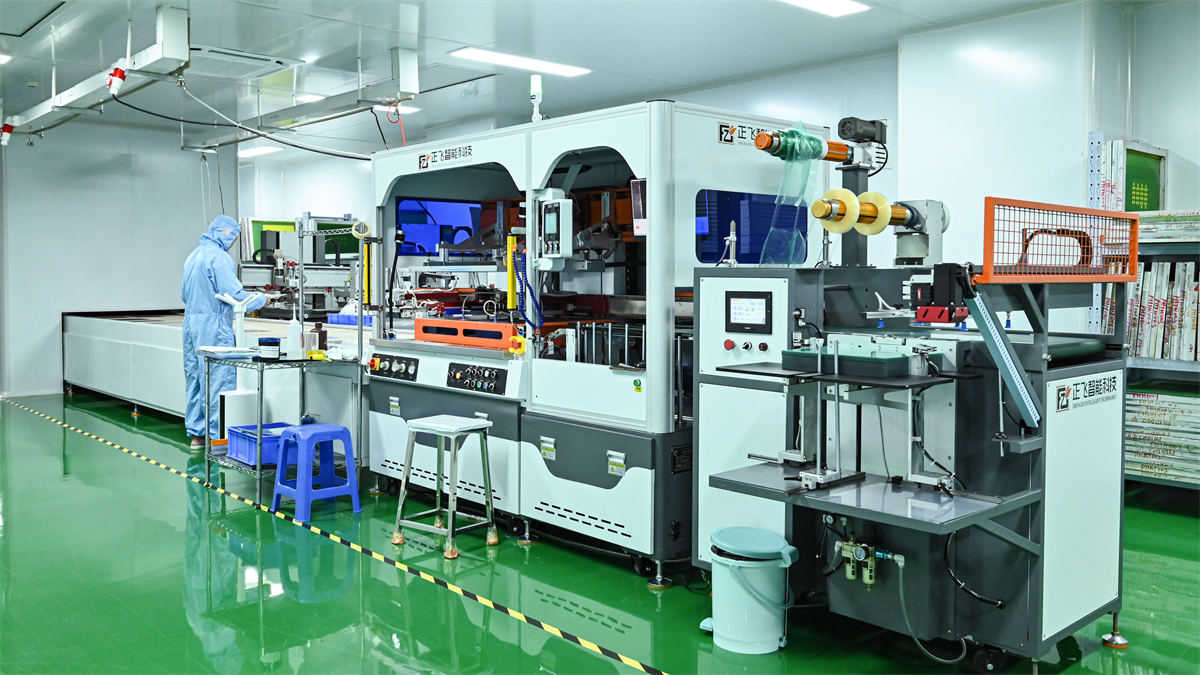
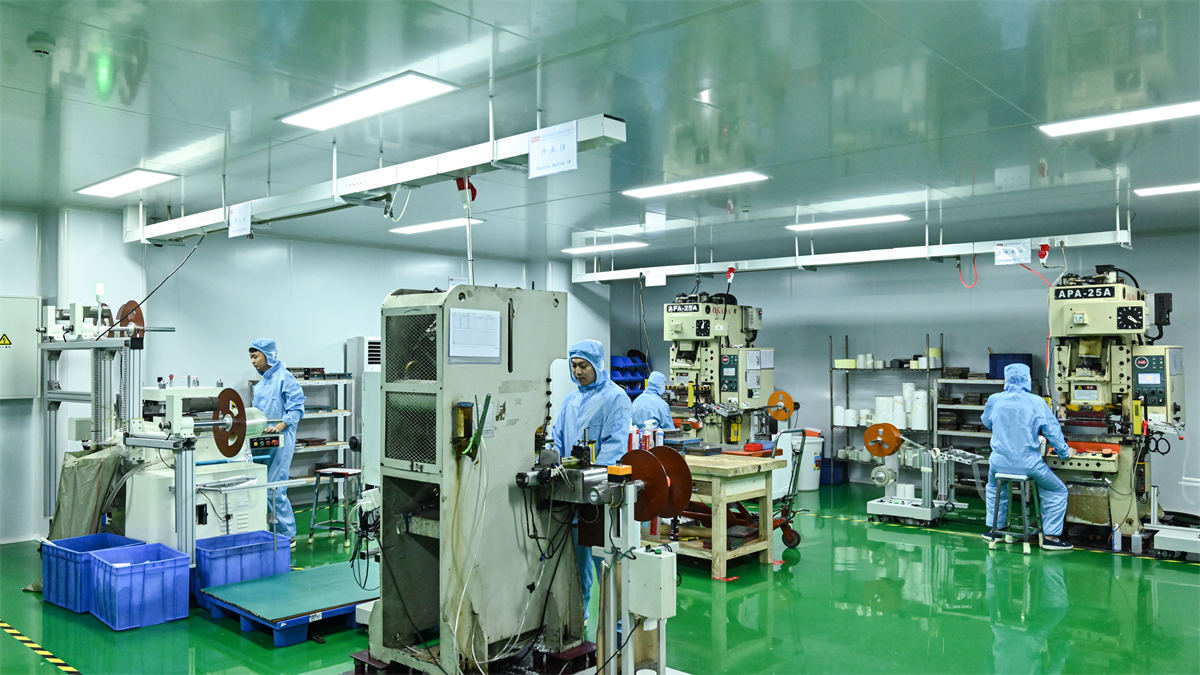
We utilize precision computer-controlled ink mixing systems referenced to the Pantone Matching System (PMS) and RAL color catalogs. In our dedicated cleanroom, screen prints are checked under standard D65 daylight viewing booths and verified with multi-angle spectrophotometers to ensure color variation stays tightly within Delta E < 0.8 across multiple production runs.
7. What documentation and certifications are provided with initial sample shipments?
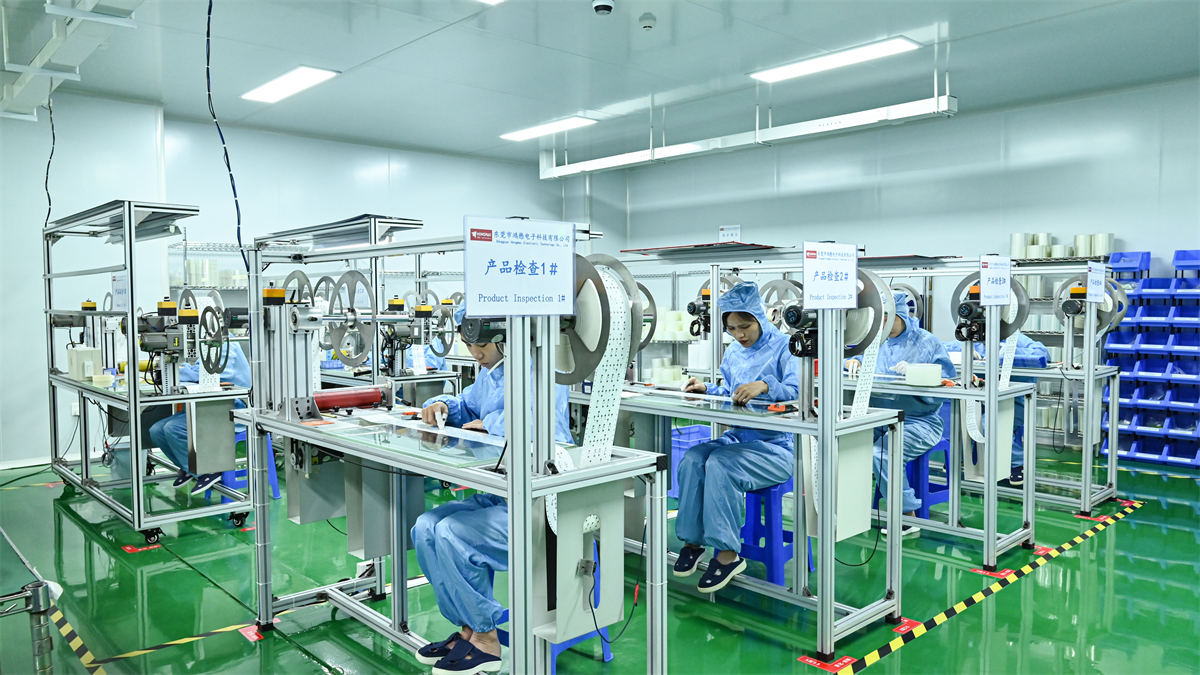
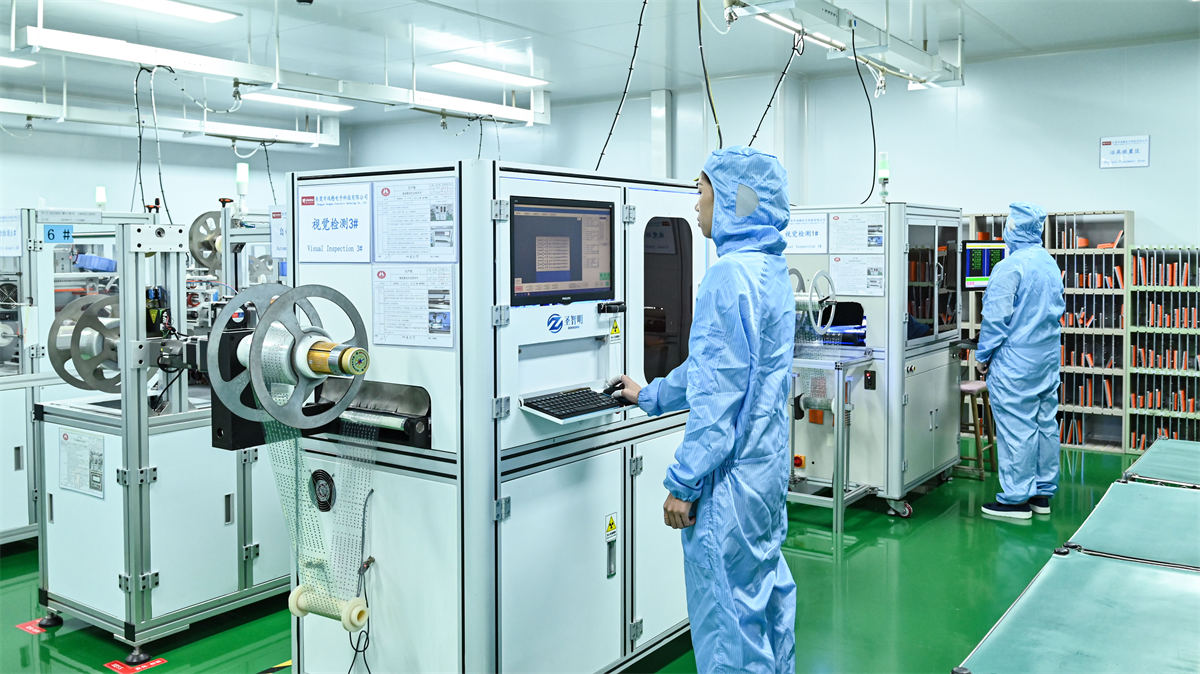
Every first-article prototype batch from Dongguan Cevra Electronic Technology Co., Ltd. is accompanied by a First Article Inspection (FAI) dimensional report, pinout resistance continuity test records, RoHS 3 & REACH compliance declarations, and a signed Certificate of Conformance (CoC).