Engineered Touch Switch Systems & Dome Arrays
Built for rigorous mechanical feedback, IP-rated environmental sealing, and sustained tactile actuation across Canadian severe operating temperatures.
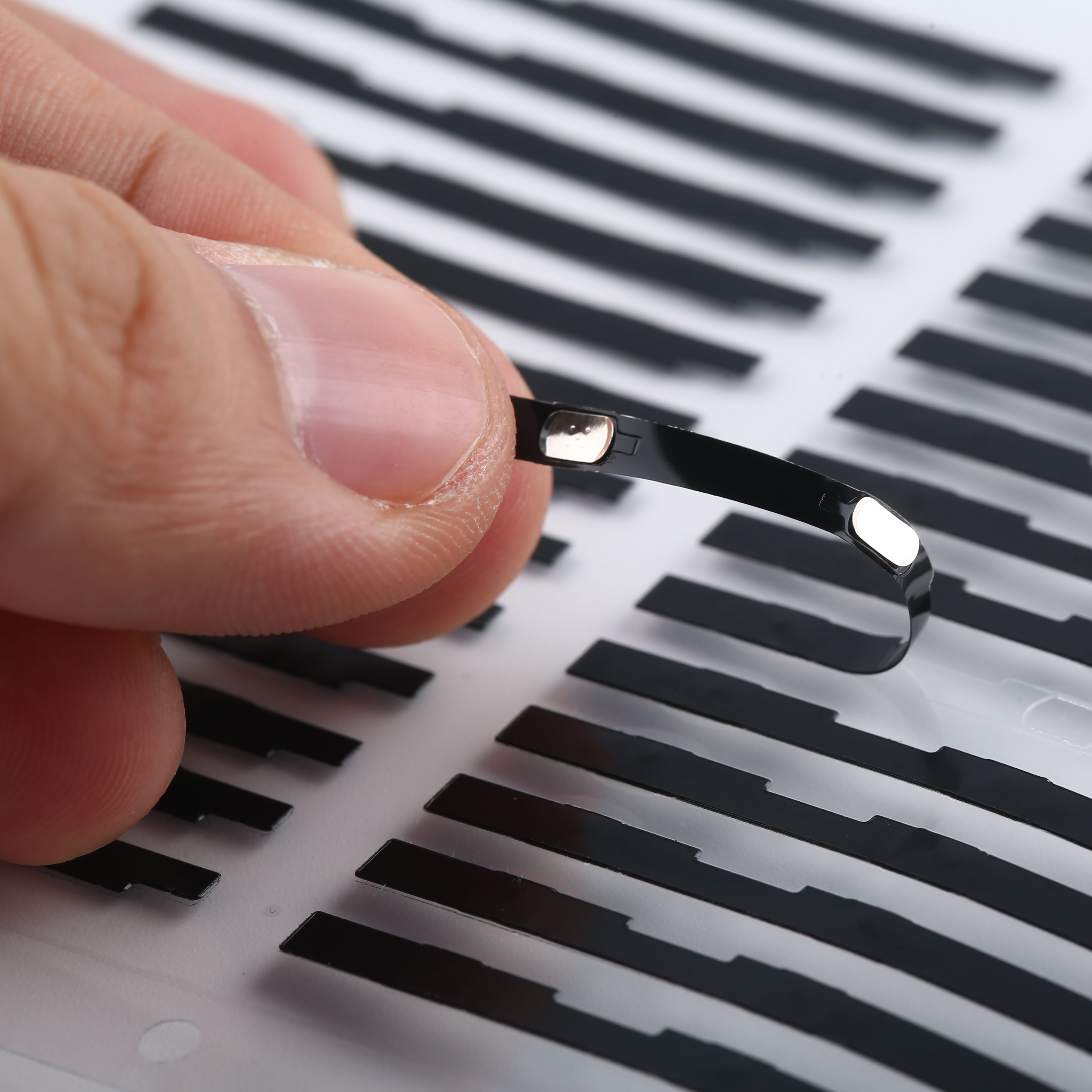
Free Sample Oval Metal Dome Array Single Layer Pet With Adhesive for Headphone Control Buttons
- StructureSingle Layer PET Array
- Actuation Force180g – 280g Customizable
- ApplicationAcoustics & Wearables
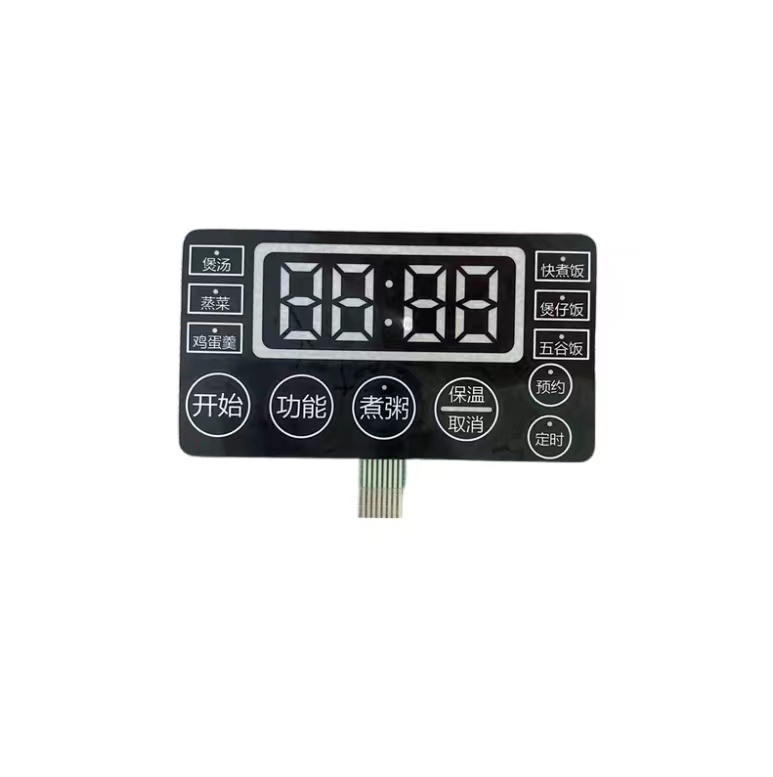
Hot Sale Factory Direct Membrane Switch Black Panel Control PC Membrane Switch Panel
- MaterialPolycarbonate (PC) Matte
- Sealing GradeIP65 Front Surface
- CircuitsScreened Conductive Silver
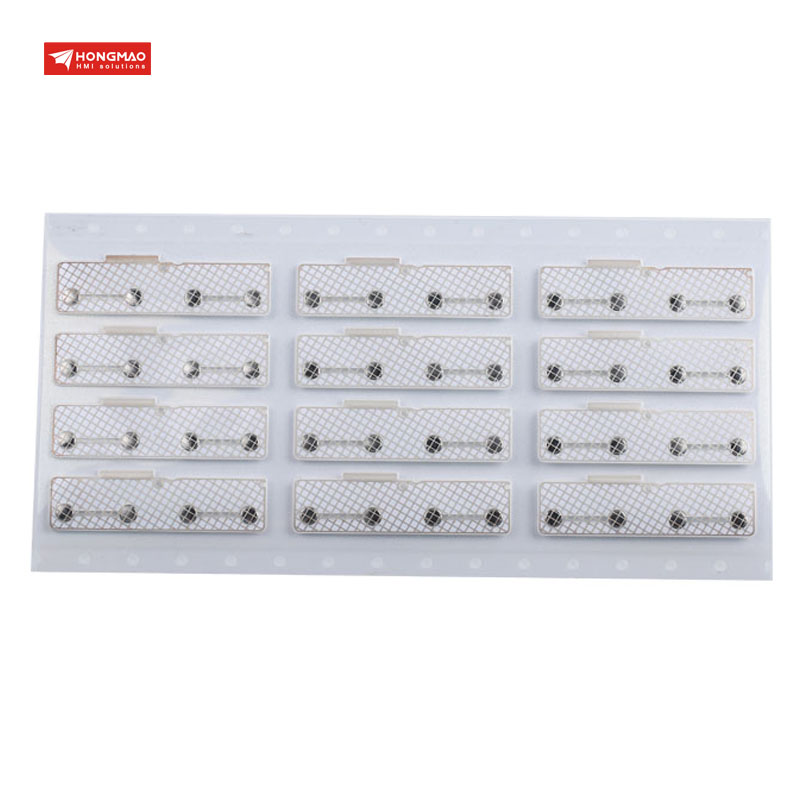
Double-sided SUS301 Stainless Steel Dome Array EMI Metal Dome Array
- Dome AlloySUS301 High Fatigue Life
- ShieldingIntegrated EMI / RFI Layer
- Contact Resistance< 1.0 Ohm Initial
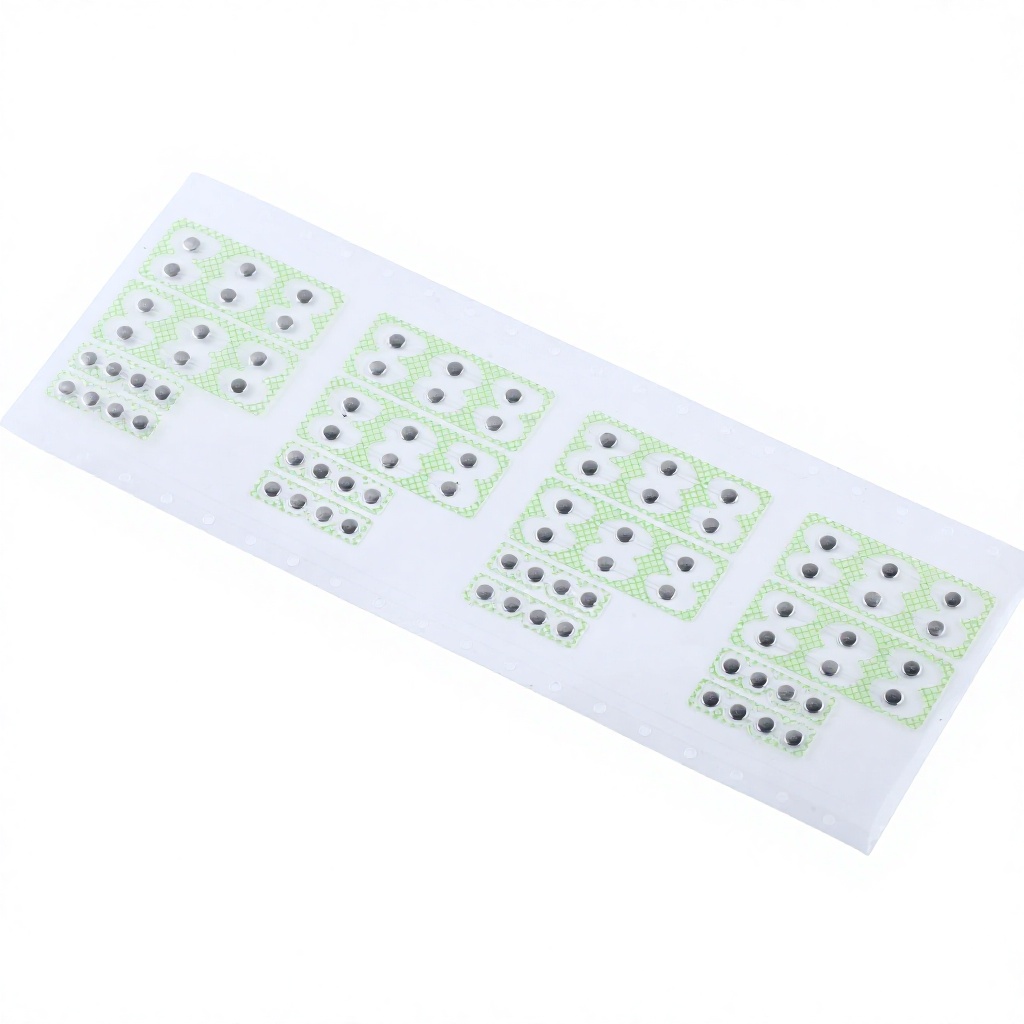
Waterproof Single Layer SUS301 Stainless Steel Dome Array Remote Control Metal Dome Array
- ProtectionVentless Moisture Barrier
- Durability> 1,000,000 Cycles
- TargetIndustrial Remote Controls
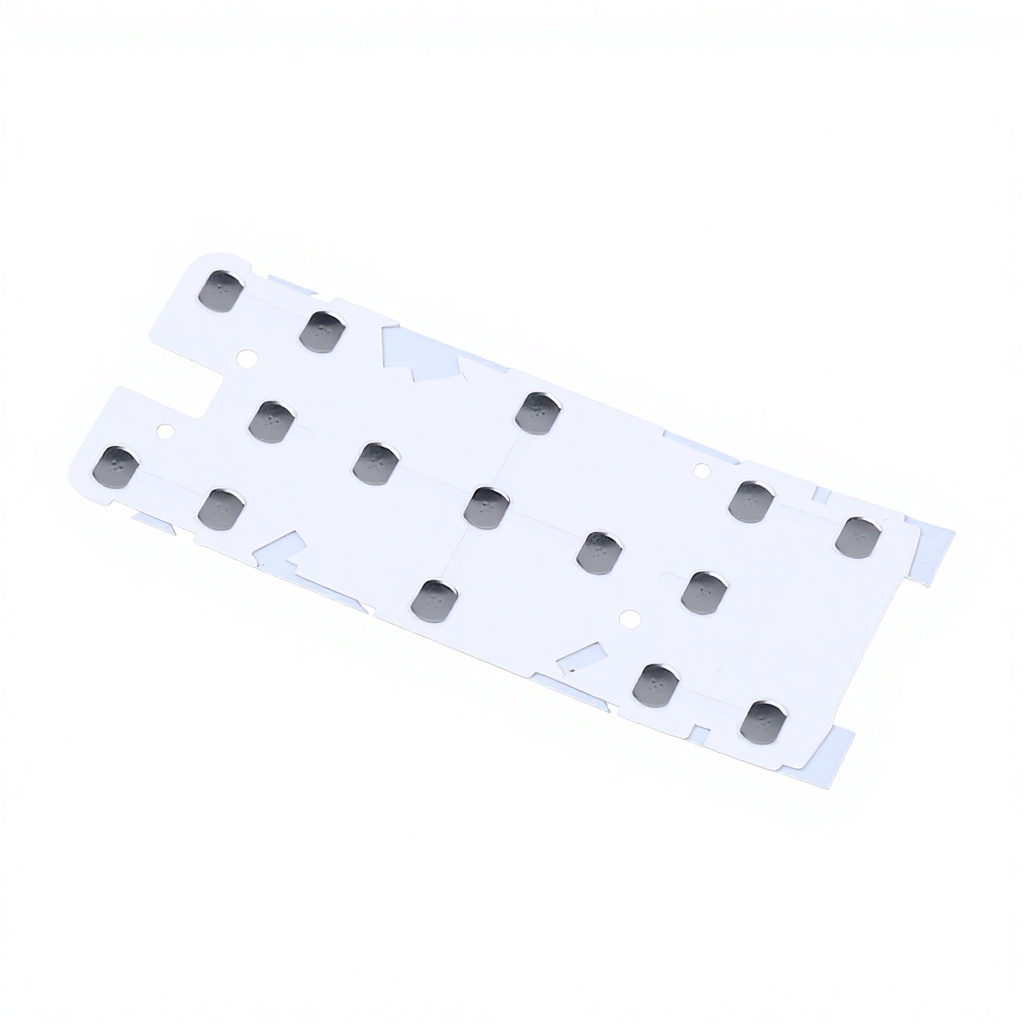
Customized White PET Waterproof Single Layer SUS301 Stainless Steel Dome Array Remote Control Metal Dome Array
- CarrierWhite Reflective PET Film
- PlatingNickel or Gold Plated
- Adhesive Layer3M 467MP / 468MP Rated
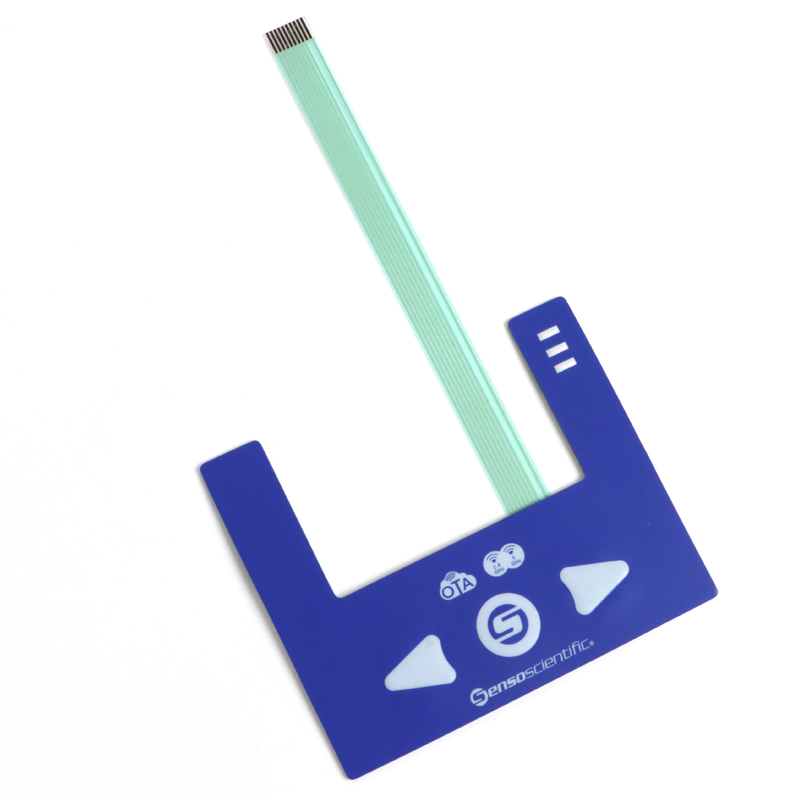
Manufacturer Custom Membrane Keypads Membrane Keyboard and Led Membrane Graphic Overlay
- BacklightingEmbedded SMD LEDs / LGF
- OverlayAutotype Anti-Glare PET
- Tail Type0.5mm / 1.0mm FPC or Silver

New Trend Factory Custom Cross 4-Legged Snap Dome Poly Metal Dome in Reel Packing for SMT Assembly on Membrane Switch
- PackagingTape & Reel for Pick-and-Place
- Configuration4-Legged Cross with Dimple
- AssemblySMT High-Speed Production
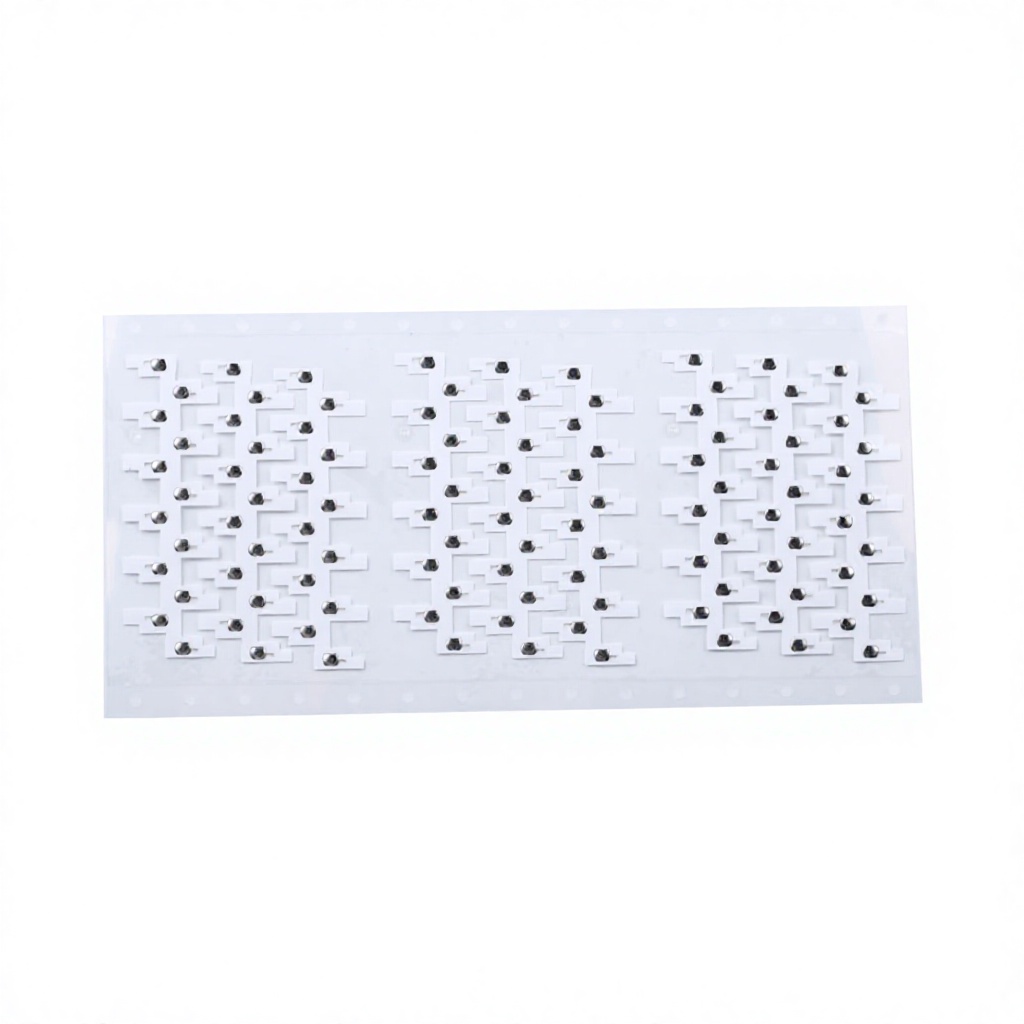
Single Layer SUS301 Stainless Steel Metal Dome Array for Earphone Mobile Phone Keypad Remote Control Switch
- DimensionUltra-Low Profile 4mm - 12mm
- Tactile RatioCrisp Snap > 45%
- ReliabilityClass 10,000 Assembly
Engineering Touch Switches for the Canadian Industrial Landscape
A technical evaluation of tactile ergonomics, freeze-thaw survivability, and capacitive drift control in high-latitude North American deployment.
1. The Sub-Zero Actuation Challenge: Mechanical Resilience at -40°C
Procuring touch switches and Human-Machine Interface (HMI) modules for Canadian industrial equipment presents engineering demands radically divergent from temperate regions. In provinces like Alberta, Saskatchewan, and Northern Ontario, equipment deployed in heavy machinery, mining stations, and petroleum processing must maintain crisp tactile responses and flawless contact resistance down to -40°C (-40°F). Traditional capacitive touch displays routinely struggle in sub-zero regimes due to dielectric shifts caused by atmospheric frosting and user glove insulation. Consequently, Canadian control system architects consistently specify hybrid tactile membrane switches utilizing SUS301 stainless steel metal dome arrays paired with specialized bi-axially oriented polyester (PET) graphic overlays.
Unlike standard polycarbonate (PC), which exhibits glass-transition embrittlement and catastrophic micro-cracking under intense cyclic stress below -15°C, high-grade treated PET retains its tensile modulus and dynamic flexural life upwards of 5 million actuations. Furthermore, when integrating metal dome arrays, differential thermal contraction between the flexible printed conductor, the acrylic PSA (pressure sensitive adhesive), and the substrate must be accounted for. Cevra employs high-shear 3M 467MP / 468MP cohesive transfer films, designed with internal venting paths that neutralize internal atmospheric pressure differentials across severe freeze-thaw cycles without permitting moisture capillary ingress.
2. Canadian Regulatory Alignment: CSA Group, NEMA 4X, and IP67 Hermetic Sealing
Whether manufacturing agricultural telematics in Manitoba or smart clean-tech building interfaces in Vancouver, compliance with CSA (Canadian Standards Association) requirements and stringent outdoor ingress protocols is non-negotiable. Standard commercial keypads degrade rapidly when exposed to road salt aerosols, hydraulic fluid splashing, and high-pressure washdown chemicals. Cevra manufactures tactile panels with continuous peripheral gasket seals, establishing a certified NEMA 4X and IP67 barrier that isolates electrical trace paths from high-humidity condensations and caustic agents.
Electromagnetic Interference (EMI) and Radio Frequency Interference (RFI) shielding constitute an additional layer of critical engineering. Canadian industrial installations near electric arc furnaces, telecommunication hubs, and heavy transformer banks demand robust shielding to prevent stray electrostatic discharge (ESD) from causing false key triggers. By depositing vacuum-metallized aluminum or continuous printed conductive carbon/silver ground grids, Cevra switches limit surface resistivity and dissipate up to 15kV ESD events harmlessly to the chassis grounding plane.
Targeted Deployments Across Canadian Growth Sectors
Engineered to resolve real-world mechanical and environmental constraints in key regional industries.
Clean-Tech & EV Charging Infrastructures
Public EV fast-chargers deployed in Montreal, Ottawa, and Calgary demand UV-stabilized, anti-vandal front interfaces. Autotype anti-glare coatings defend against optical yellowing from severe high-latitude UV radiation, while robust snap-acting metal domes guarantee tactile acknowledgment for drivers wearing heavy winter thermal gloves.
Mining, Forestry & Heavy Vehicle Telematics
Heavy machinery operating in British Columbia logging or Sudbury nickel mines experiences extreme harmonic vibration and mechanical shock. Our high-fatigue SUS301 cross-legged snap domes in reel packing allow precise automated SMT integration, withstanding shock loads surpassing 50G without contact chatter or premature spring failure.
Medical & Laboratory Diagnostic Panels
Canadian healthcare instruments require continuous sterile wipe-down compliance. We supply seamless, embossed capacitive touch switches and antimicrobial PET surfaces impervious to isopropyl alcohol, bleach, and hospital-grade sanitizers, ensuring no ingress behind display windows or key debossments.
Emerging HMI Engineering Trends in the Canadian Market
Four structural design advancements defining next-generation Canadian electrical and electromechanical products.
Capacitive Hybridization
Moving away from pure mechanical keyboards toward composite interfaces combining seamless capacitive touch keys for primary navigation with tactile metal dome stop switches for safety-critical operations.
Uniform LGF Backlighting
Light Guide Film (LGF) implementation is replacing discrete LEDs across Canadian instrumentation panels, achieving razor-thin 0.8mm package profiles with ultra-uniform light distribution across complex icons.
Direct PCB-to-Tail Consolidation
Shift toward Polyimide Flexible Printed Circuits (FPC) tails with gold-plated ZIF terminations rather than silver-ink trails, eliminating silver migration risks in coastal high-condensation environments.
RoHS 3 & REACH Compliance
Strict adherence to Canadian environmental protection acts (CEPA) by utilizing inert halogen-free curing adhesives, lead-free solder pastes for embedded SMDs, and non-toxic conductive pastes.
Why Canadian OEMs Partner With Cevra
Direct manufacturer accountability, cutting-edge laboratory metrology, and full vertical integration since 2009.
Integrated 2,600m² Dongguan Facility
Unlike domestic Canadian sourcing brokers or trading houses, Cevra controls the complete manufacturing stack: precision screen printing, automated CNC die-punching, CCD alignment drilling, laser profiling, and multi-layer laminating in a Class 10,000 cleanroom environment.
ISO 9001 & SGS Onsite Verified
Every production run adheres strictly to certified ISO 9001 protocols, reinforced by third-party onsite verifications from SGS Group. Buyers obtain authentic batch inspection records covering dimensional accuracy, key travel force curves, and trace isolation.
Comprehensive In-House Reliability Lab
Our engineering laboratory validates components before shipment using computerized Metal Dome Load Testers, High/Low Thermal Chambers (-50°C to +150°C), Adhesive Tension Peel Testers, Holding Tack Stations, and Electric Pencil Hardness verification instruments.
Frequently Asked Questions by Canadian Buyers
Addressing engineering files, customs duty clearance, cold-weather validation, and low-volume pilot runs.
► What CAD formats and design files are needed to quote and build our custom panel?
We accept DXF, DWG, STEP, vector AI, and high-resolution PDF engineering drawings. Your package should identify exterior outline dimensions, graphic legends, PMS/Pantone color designations, cutouts for displays or LEDs, circuit schematic routing, connector pitch, and designated snap dome trip forces.
► How do you validate membrane switches for Canadian sub-zero temperature deployment?
Our Quality Assurance department conducts continuous thermal shock cycling inside high and low temperature test chambers. Modules undergo multi-day conditioning down to -40°C followed by immediate tactile force evaluation, contact bounce verification, and layer delamination checks under extreme temperature differentials.
► What are the minimum order quantities (MOQs) for Canadian startups and prototyping?
We maintain highly supportive MOQ tiers for Canadian equipment builders. Selected graphic overlays and prototype samples start at just 10 pieces. Customized complete membrane keypads typically start at 100 units, and custom stainless steel metal dome arrays start at 1,000 units, enabling cost-effective pilot testing prior to mass production.
► How are international shipping, customs, and CBSA import documentation handled?
We provide full DDP, DAP, and FOB arrangements directly to major Canadian manufacturing hubs, including Toronto, Montreal, Vancouver, Calgary, and Edmonton. Commercial invoices, complete packing lists with accurate HS codes, Certificate of Conformity (CoC), and RoHS certifications are supplied to ensure rapid CBSA customs release.
► Should we specify PET or Polycarbonate (PC) for our graphic overlay front panel?
For high-cycle industrial, agricultural, or outdoor switches subjected to Canadian weather, Autotype polyester (PET) is strongly recommended due to its superior flexural life (>5,000,000 actuations) and solvent resistance. Polycarbonate (PC) is ideal for indoor instrumentation with complex embossing, optical display lenses, and cost-sensitive consumer panels.
► Can metal dome arrays be supplied in tape and reel for automated SMT pick-and-place lines?
Yes. In addition to custom single-layer and double-sided PET dome arrays with peel-and-place adhesive backing, we supply 4-legged cross and circular snap domes in embossed carrier tape and reel packaging, fully compatible with high-speed surface-mount assembly pick-and-place robotics.
Ready to Engineer Your Custom Touch Interface?
Consult directly with Cevra's senior HMI engineering team. Upload your schematics for rapid DFM evaluation, custom stack-up modeling, and an itemized factory quotation delivered within 24 hours.