High-Reliability Switch Assemblies & HMI Panels
Direct manufacturer supply for OEM equipment builders and automation retrofits serving Kingston, verified through strict ISO 9001:2015 engineering workflows.
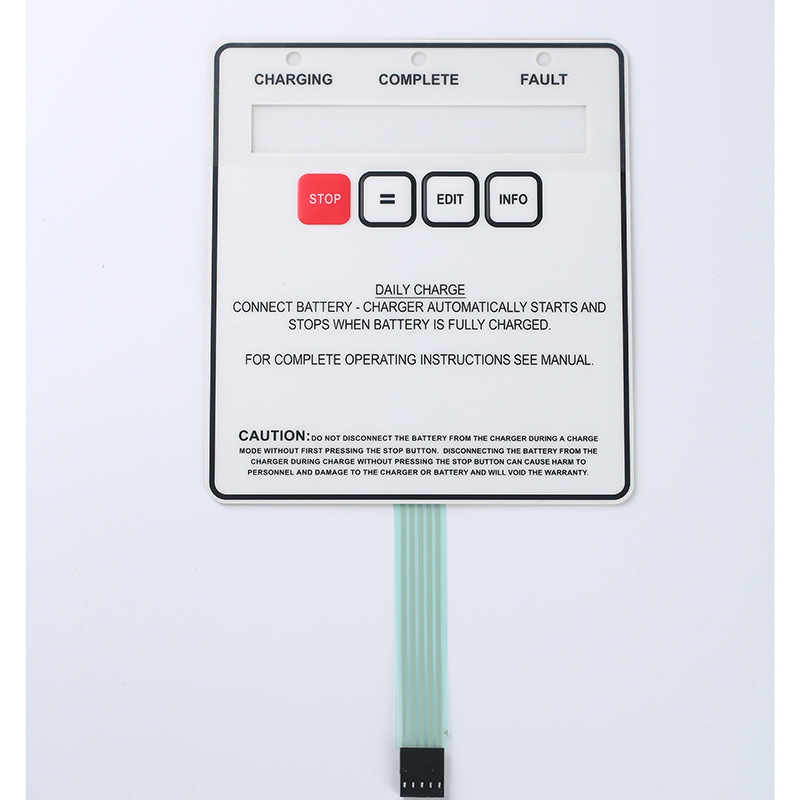
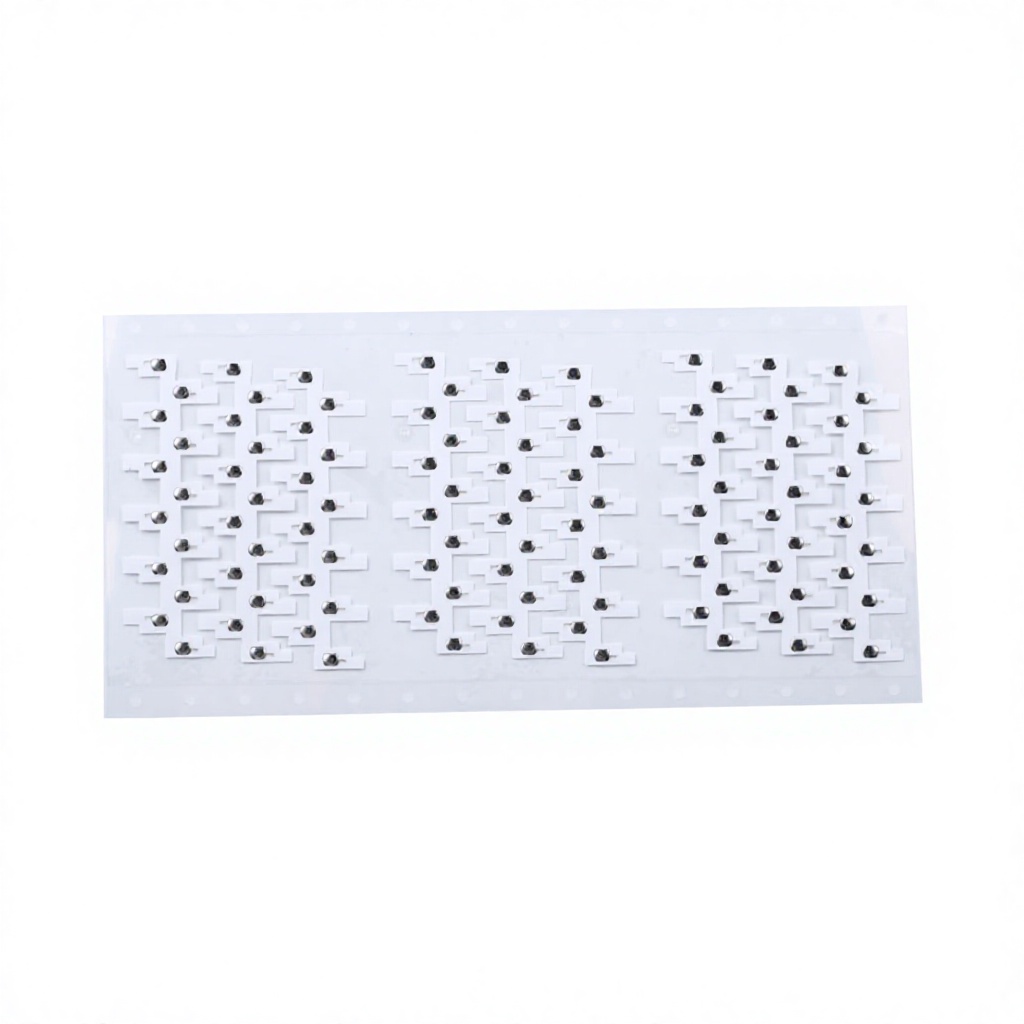
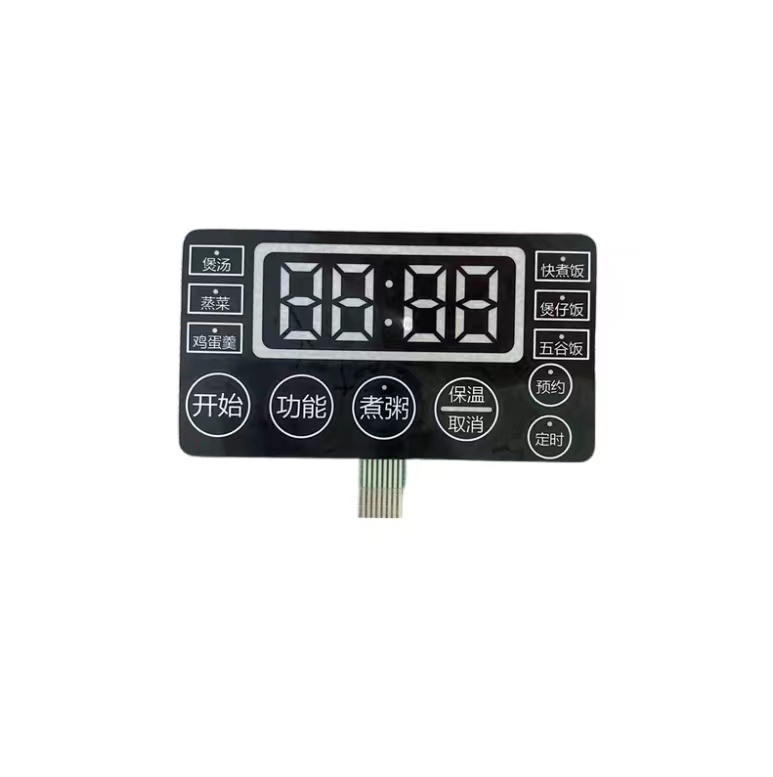
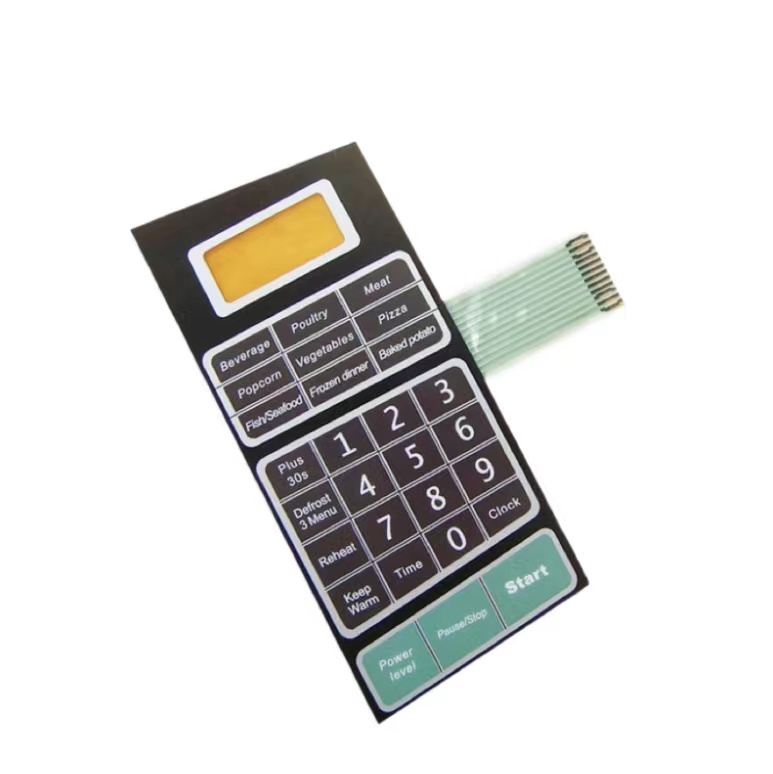
Architectural Foundations of Industrial Touch Panel Switches
A comprehensive examination of substrate stability, dielectric isolation, tactile feedback dynamics, and electrostatic dissipation for high-duty cycle human-machine interfaces.
Layered Topology and Materials Science: Autotype PET vs. Sabic Lexan PC
In high-performance control environments, human-machine interface (HMI) longevity relies fundamentally on empirical materials selection. A standard multi-layer touch panel switch incorporates distinct laminated polymer tiers: the graphic overlay, graphic adhesive, circuit spacer, circuit layer with screened conductive tracks, backer adhesive, and optional rigidizer. When designing switches intended for continuous operation, specifying between biaxially-oriented polyethylene terephthalate (PET) and polycarbonate (PC) represents the primary engineering fork.
Polycarbonate films such as Sabic Lexan offer optical clarity, high surface tension for crisp screen printing, and moderate heat deflection. However, under cyclic mechanical stress, PC exhibits micro-fissuring around switch perimeters after approximately 100,000 actuations. Conversely, high-grade PET substrates, such as MacDermid Autotype Autoflex, possess an engineered crystalline microstructure enabling flex fatigue endurance exceeding 5,000,000 actuation cycles. Moreover, PET exhibits chemical inertness against aggressive industrial reagents, including alcohol sterilizers, hydraulic washdowns, aliphatic hydrocarbons, and diluted alkaline solutions, making it an indispensable standard for industrial automation deployments.
Tactile Physics: Stainless Steel Domes (SUS301) vs. Capacitive Sensing
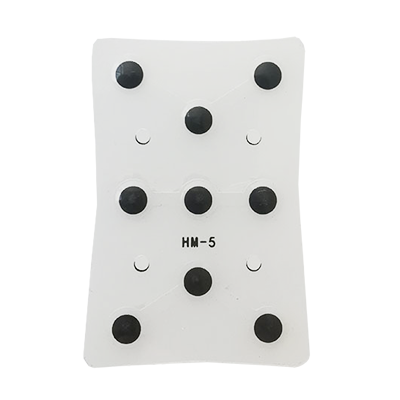
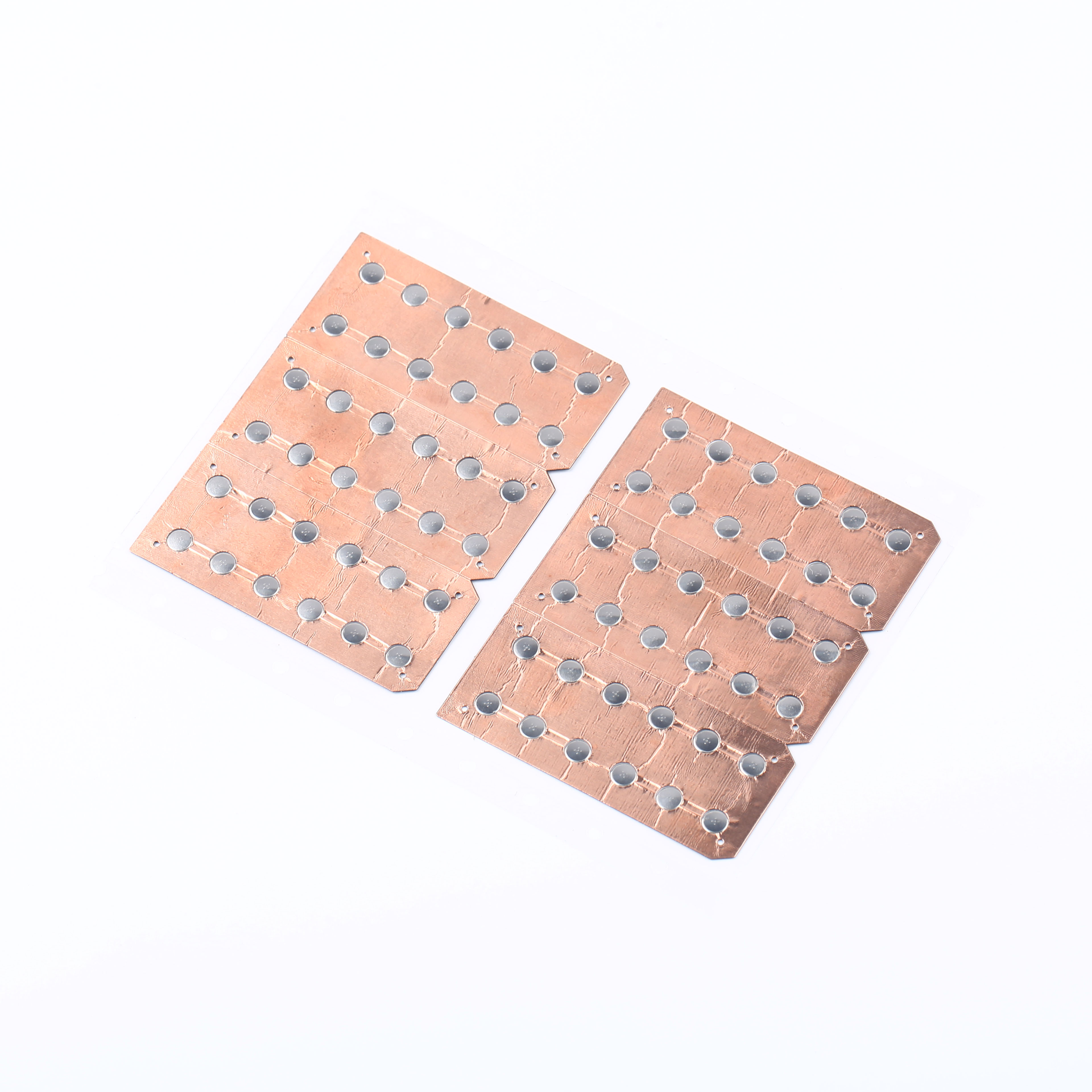
The choice between electro-mechanical tactile switches and solid-state capacitive touch panels defines the operational feedback profile. In high-vibration applications or environments requiring heavy work gloves, mechanical tactile feedback is mandatory to verify circuit closure without auditory confirmation. Our metal dome arrays use precision-stamped SUS301 stainless steel domes characterized by four-leg or oblong cross geometries, dimpled centers, and selective nickel or flash-gold plating.
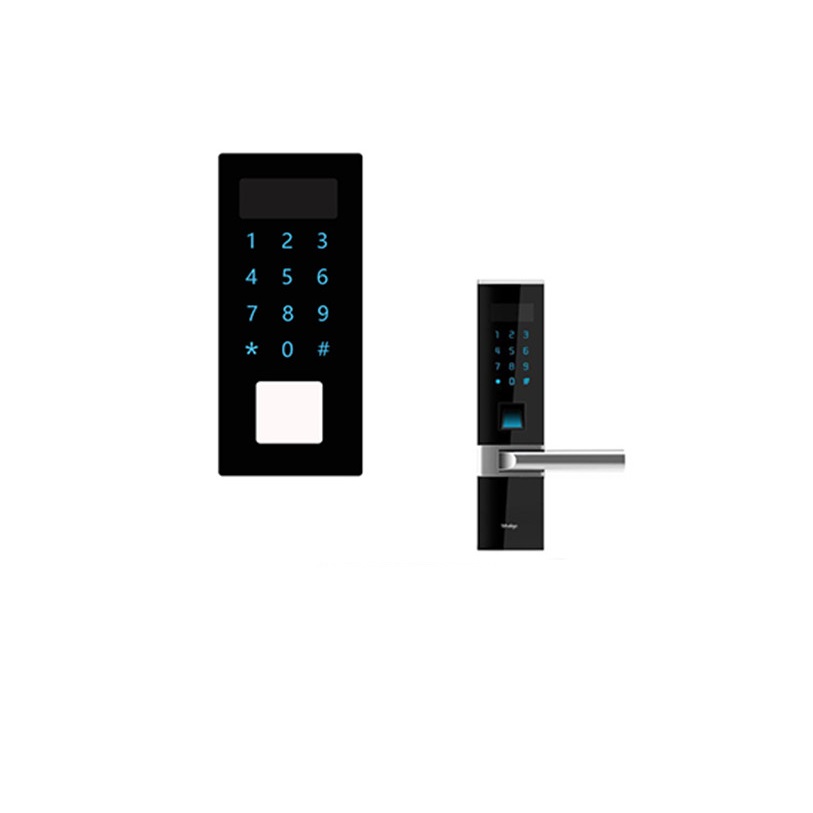
Actuation forces are tailored precisely between 180g and 450g with snap ratios maintained between 40% and 60% to mitigate operator fatigue while providing unambiguous click feedback. For sterile or hermetic environments, solid-state capacitive touch switches utilize printed indium tin oxide (ITO) or conductive polymer sensor nodes on PET backing. These detect the dielectric disturbance caused by human proximity, operating through decorative PMMA or tempered front glasses up to 4.0mm thick without physical contact wear.
| Performance Parameter | Polyester (PET) Tactile Switch | Capacitive PMMA Touch Panel | Rigid PCB Membrane Backer |
|---|---|---|---|
| Mechanical Actuation Life | > 1,000,000 cycles (SUS301) | Solid-state (Virtually infinite) | > 3,000,000 cycles |
| Operating Temperature | -40°C to +85°C | -20°C to +70°C | -40°C to +105°C |
| Chemical Ingress Resistance | High (Oils, Saline, Cleaning Solvents) | Immersion-Proof Front Face (IP68) | High (Epoxy encapsulated) |
| Circuit Conductivity | < 1.0 Ω/cm (Silver conductive ink) | Sub-ohm copper / ITO sensor tracks | < 0.05 Ω/cm (Copper FR4) |
| Tactile Feedback Index | Crisp snap (180g - 420g force) | Acoustic/Haptic (requires buzzer/actuator) | Heavy industrial tactile snap |
HMI Deployments Across Kingston’s Strategic Sectors
Engineering robust human-machine interfaces specifically qualified for the operational, environmental, and thermal challenges found in Kingston's regional industries.
Maritime Terminal Logistics & Port Infrastructure
Kingston's role as a major transshipment hub requires interface electronics that withstand high saline humidity, continuous salt-spray exposure, and intense UV irradiation. Our membrane touch panels utilize marine-grade 3M 300LSE adhesive gaskets and anti-UV polyester films, ensuring terminal gantry controls and vessel-tracking panels maintain optical clarity without delaminating or developing trace corrosion.
Biomedical Diagnostics & Healthcare Facilities
For research labs, clinics, and hospital centers across Kingston, contamination control is paramount. We supply flat, continuous-surface PMMA and PET overlays with embedded antimicrobial surface coatings. The completely sealed front architecture allows daily wiping with sodium hypochlorite, isopropyl alcohol, and quaternary disinfectants without liquid breaching the sensitive sensor matrix underneath.
Food & Agro-Industrial Processing Plants
Processing operations in the greater Kingston area involve high-pressure washdowns, elevated temperatures, and exposure to food acids. We engineer IP66 and IP67 sealed membrane switches featuring perimeter elastomer gaskets, hydrophobic vent filters, and embossed tactile buttons that operators can easily actuate while wearing thick, fluid-coated safety gloves.
Emerging HMI Engineering Trends in the Kingston Region
A strategic overview of how digital transformation, renewable systems, and harsh-environment durability are reshaping regional switch procurement.
Transition from Mechanical Toggles to Hermetic Solid-State Systems
Historically, industrial machinery throughout Kingston relied on discrete push-buttons, rotary cam switches, and mechanical toggles. While mechanically robust initially, these legacy units introduce multiple open seams prone to humidity condensation, particulate fouling, and internal oxidation under tropical and maritime coastal conditions.
The modern procurement trend favors integrated capacitive panels and unified membrane matrices. By condensing multi-point controls into a single low-profile assembly, machine builders eliminate mechanical switch chatter, streamline enclosure cutouts, and reduce field maintenance interventions by more than 70%.
Light Guide Film (LGF) & Solar-Resilient Smart Interfaces
With Kingston's intense daylight exposure and growing deployment of outdoor solar inverter controls, off-grid water pumping, and smart city infrastructure, visibility remains a primary engineering constraint. Legacy perimeter LEDs cause uneven hotspotting and excessive thermal dissipation within sealed cabinets.
Our ultra-thin Light Guide Film (LGF) switch assemblies route light from high-efficiency side-firing micro LEDs through micro-etched optical dot matrices. This yields completely uniform key backlighting with minimal thermal loading and low power consumption, maintaining legibility in direct sunlight as well as night shifts.
Dongguan Cevra Electronic Technology Advantages
Direct manufacturer capabilities founded on 16+ years of specialized membrane switch, metal dome array, and graphic overlay engineering.
SGS Onsite Audited Facility
Our operations, physical production lines, and QA/QC infrastructure have undergone comprehensive onsite audit and verification by SGS Group. Production complies strictly with an ISO 9001 certified quality management system.
End-to-End Vertical Integration
From CAD engineering, CCD alignment drilling, precision screen printing, laser die-cutting, to automatic lamination and high-speed dome placement, all 7 production stages are executed within our 2,600㎡ facility.
Laboratory Reliability Verification
Every switch lot undergoes exhaustive empirical verification: computer-controlled dome load profile testing, peel tension evaluation, holding tack analysis, electric pencil hardness testing, and climate cabinet thermal cycling (-40°C to +85°C).
Frequently Asked Questions for Kingston Buyers
Key technical and logistics inquiries addressed by our senior application engineering team.