Precision HMI & Dome Array Solutions for San Jose Hardware OEM Teams
From rapid NPI turnarounds to high-volume Tier-1 scalable manufacturing, explore our field-proven human-machine interface components designed for medical electronics, cleanroom equipment, and industrial automation.
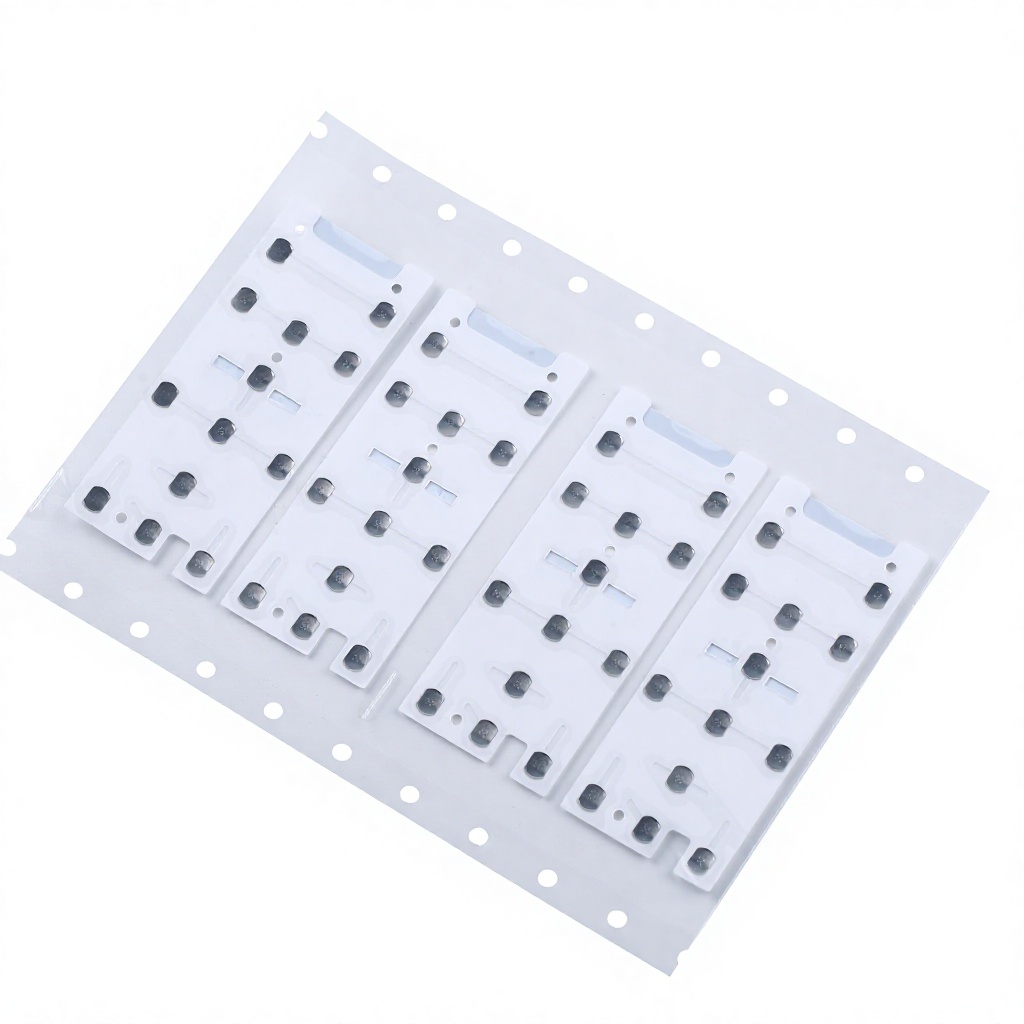
Double-sided Tape Single Layer SUS301 Stainless Steel Dome Array Remote Control Metal Dome Array
- MaterialSUS301 Stainless
- AdhesiveDouble-Sided 3M
- Contact Life> 1,000,000 Clicks
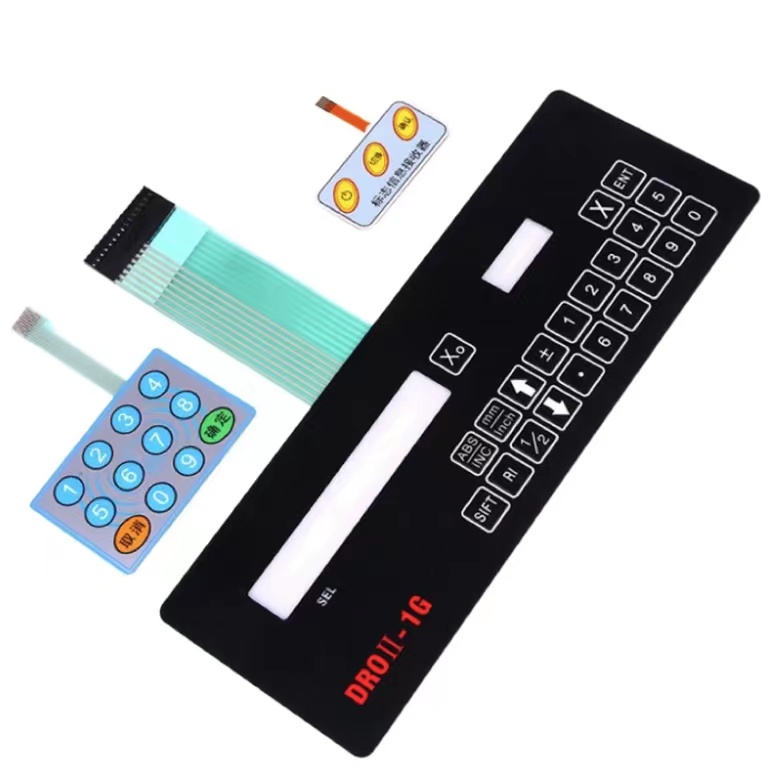
Factory Direct Graphic Overlay Custom Membrane Keyboard Switch Membrane Switch
- SubstrateAutotex PET / Lexan PC
- PrintingSubsurface Screen
- ResistanceUV, Solvent, Scratch
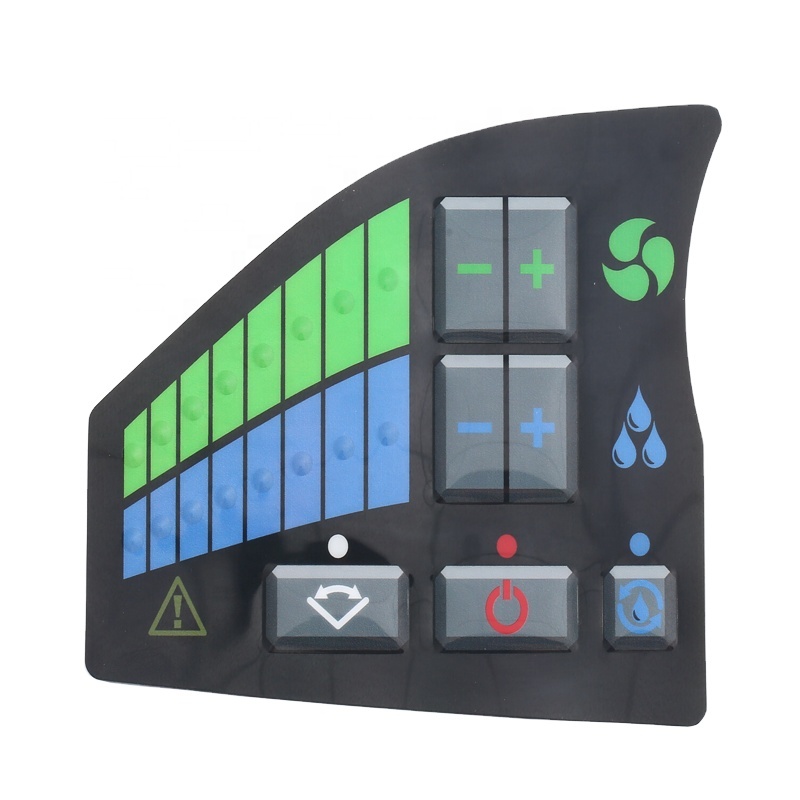
Custom Silk Printing Embossed Metal Dome Tactile Buttons Membrane Switch Control Graphics Overlay
- Key ProfilePill / Rim Embossed
- Trip Force250g - 450g Configurable
- SealingIP65 / NEMA 4X
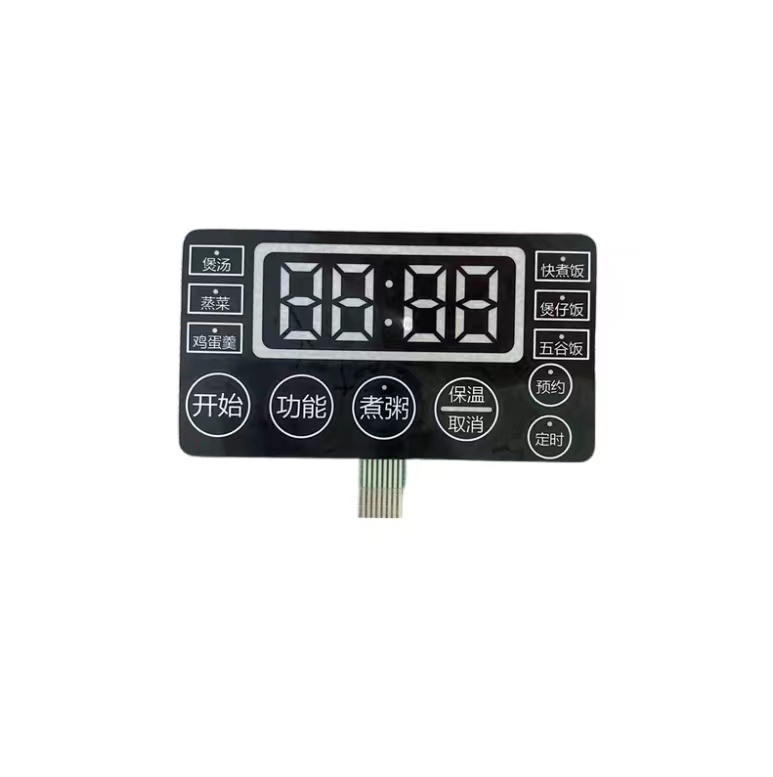
Hot Sale Factory Direct Membrane Switch Black Panel Control PC Membrane Switch Panel
- Circuit TypeSilver Flex Circuit
- Window FinishAnti-Glare Display
- Connector2.54mm / 1.0mm ZIF
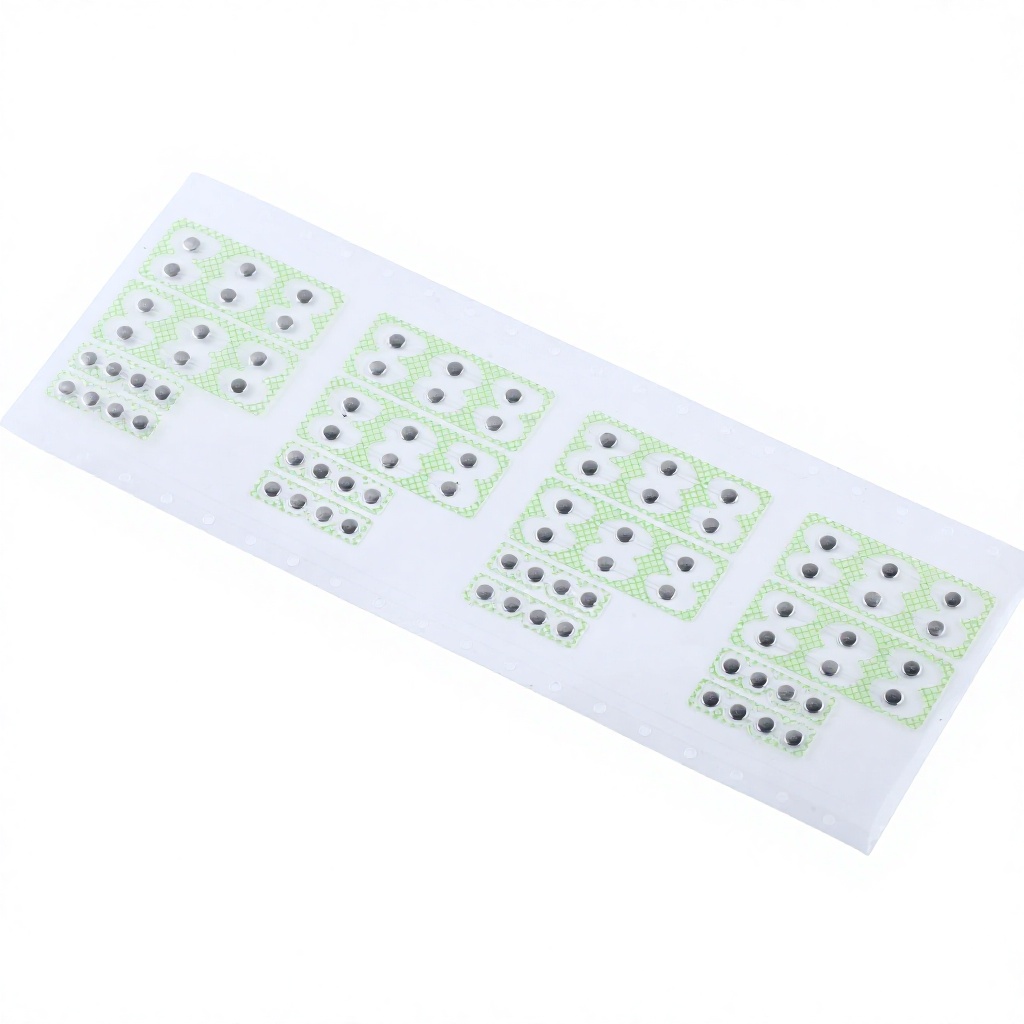
Waterproof Single Layer SUS301 Stainless Steel Dome Array Remote Control Metal Dome Array
- Ingress ProtectionHermetic IP67 Sealed
- Vent SystemMicro-Vented Channels
- AdhesionVHB High-Tack Layer
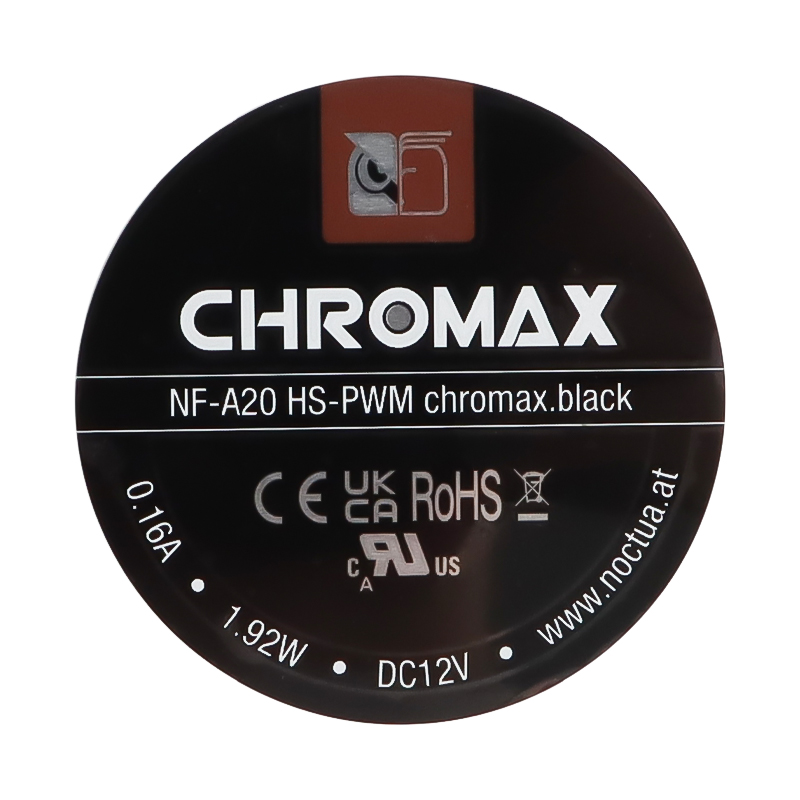
High Quality Customized Logo Stainless Steel Aluminum Metal Crafts Nameplate Round Number Model
- ProcessArtistic Laser Engraving
- Base MetalsAnodized Al / SUS304
- ApplicationChassis Branding
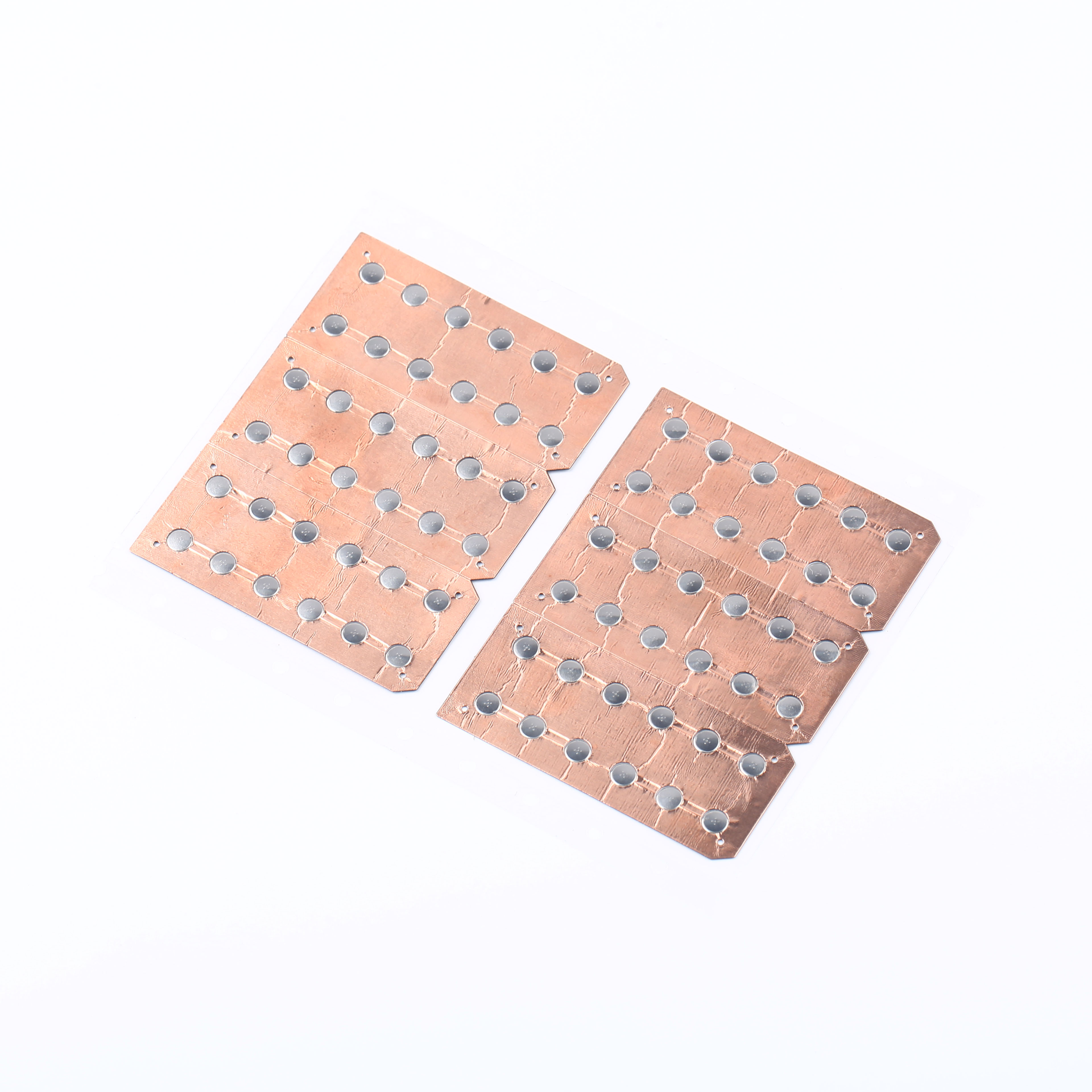
OEM/ODM Factory Direct Sales Round Metal Snap Dome Sheet with Adhesive Tape Copper Foil Dome Array
- EMI ShieldingIntegrated Copper Foil
- Dome ProfileRound Snap Domes
- Contact PlatingNickel / Pure Gold
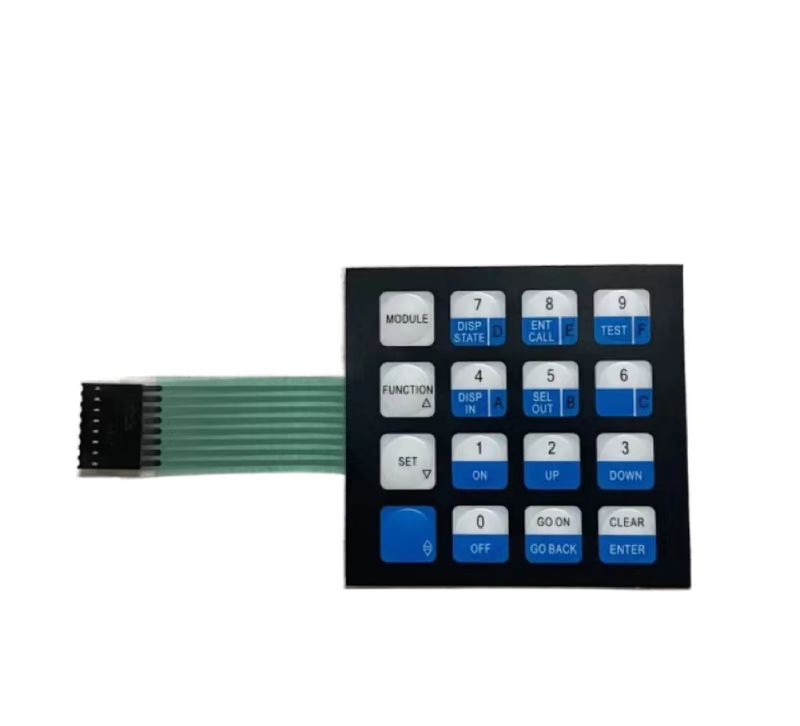
Custom Diy 4x4 Tactile Dome Flexible Membrane Switch Graphic Overlay Membrane Keypad
- Matrix Type4x4 Matrix Interface
- Tail ExitFlexible FPC / Silver
- Dome Sizes8.4mm / 10mm / 12mm
Mission-Critical HMI Touch Panel Applications Across San Jose & South Bay
From medical device hubs in North San Jose and Sunnyvale to robotics corridors in Fremont and Santa Clara, our engineering matches the stringent environmental, electrical, and tactile requirements of California's top hardware pioneers.
Surgical & Diagnostic Medical Instrumentation
San Jose and Silicon Valley MedTech leaders require completely sealed, antimicrobial front panels capable of withstanding daily sterilization using hospital-grade chemical disinfectants (bleach, IPA, glutaraldehyde). We manufacture continuous-surface IP67/IP68 tactile membrane switches with flush embossed keys that eliminate bioburden retention crevices.
Semiconductor Cleanroom Capital Equipment
Serving the massive semiconductor tool corridor from San Jose to Milpitas, our control panels are engineered for zero outgassing in vacuum and cleanroom chambers (ISO Class 5/6). Equipped with static dissipative coatings, ITO shielding, and grounded copper mesh, these panels prevent ESD events that jeopardize sub-nanometer wafer processing nodes.
Automotive, EV Charging & CleanTech Power Systems
Silicon Valley's electric vehicle startups and EVSE infrastructure developers deploy equipment into severe outdoor environments. We integrate UV-stabilized Autotex XE polyester films that resist yellowing and embrittlement under intense California sunlight, paired with wide-temperature (-40°C to +85°C) silicone and 3M 467MP/468MP laminates.
Autonomous Robotics & Warehouse Automation
Deployed throughout Bay Area logistics automation platforms and commercial robotics, our metal snap dome arrays provide unmistakable tactile confirmation for operators wearing heavy work gloves. With trip forces tuned up to 450g and actuation lifespans surpassing 1,000,000 cycles, our keyboards deliver failsafe operation on rough vibration terrains.
Industrial IoT Field Handhelds & Test Instruments
Engineered for portable spectrum analyzers, field calibrators, and smart agricultural sensors tested in Silicon Valley R&D centers. We combine ultra-thin Flexible Printed Circuits (FPC) with gold-plated SUS301 round domes to minimize enclosure depth while preserving high electrical conductivity under continuous mechanical flexing.
Aerospace & Defense Auxiliary Control Consoles
Contract manufacturers in San Jose supplying Tier-1 aerospace prime contractors demand absolute adherence to Mil-spec requirements. Our high-reliability panels utilize nickel-plated snap domes, RFI shielding meshes, and light guide film (LGF) backlighting that supports night-vision goggle (NVG) compatibility with zero electromagnetic emissions.
Emerging HMI Engineering Trends in the San Jose & Bay Area Hardware Market
As Silicon Valley companies push the boundaries of embedded computing and industrial design, touch interface technologies are undergoing profound architecture shifts.
1. Capacitive-Tactile Hybrid Architectures
Silicon Valley hardware architects are increasingly transitioning from purely visual touchscreens to hybrid interfaces. By integrating capacitive touch sensor films beneath tactile SUS301 stainless steel domes, engineers eliminate phantom touches in high-vibration aerospace or automotive scenarios while maintaining modern sleek aesthetics.
2. Hermetic Sealing for Sanity & Sterilization
Post-pandemic medical device standards in Northern California necessitate complete enclosure hermeticity. Liquid-proof perimeter gasket adhesives combined with die-cut vent channels allow internal air displacement during rapid button depression without drawing in ambient moisture or aggressive hospital disinfectants.
3. Ultra-Thin LGF Backlighting Integration
Instead of bulky discrete through-hole LEDs, San Jose portable device designs require thin Light Guide Films (0.125mm to 0.25mm). By side-firing ultra-compact SMD micro-LEDs through patterned optical micro-prisms, our panels achieve uniform key illumination with less than 20% of conventional power consumption.
4. Supply Chain Agility & DFM Derisking
Silicon Valley hardware teams operate on accelerated product introduction cycles (NPI). San Jose design centers demand DFM (Design for Manufacturability) iteration within 24 hours, rapid stereolithography and screen prototypes within 5 business days, and seamless migration into high-capacity ISO 9001 production lines.
Technical Architecture: Multi-Layer Stack-Up Engineering
A high-performance membrane switch or metal dome array is not merely a piece of printed plastic; it is a high-precision multi-layer electromechanical composite. Each sub-millimeter layer must be calibrated for mechanical flexural endurance, thermal expansion coefficient parity, and dialectric isolation.
At Dongguan Cevra Electronic Technology Co., Ltd., our engineering stack-up begins with premium MacDermid Autotex textured polyester or Sabic Lexan polycarbonate. Circuits are printed using high-purity micro-silver paste (sheet resistance <0.05 Ω/sq/mil) combined with carbon overcoat protection against silver migration.
Our stainless steel snap domes are cold-formed from Japanese fine-grain SUS301 strip steel, ensuring precise tactile feedback, crisp snap ratios (>45%), and guaranteed actuation exceeding 1,000,000 cycles under ASTM F1578 testing standards.
| Layer Property | Polyester (PET) Overlay | Polycarbonate (PC) Overlay |
|---|---|---|
| Flexural Fatigue Life | > 5,000,000 actuations | < 100,000 actuations |
| Chemical Resistance | Excellent (Alcohols, Acetone, Acids) | Moderate (Prone to solvent crazing) |
| Operating Temperature | -40°C to +85°C (-40°F to 185°F) | -30°C to +75°C (-22°F to 167°F) |
| Die-Cutting Precision | CCD Optical Laser / Punch (±0.05mm) | Punch / CNC Milling (±0.08mm) |
| Embossing Longevity | High retention at elevated temp | Susceptible to heat relaxation |
| Optical Clarity | Glossy, Anti-Glare, Fine/Velvet | Water-Clear (Optimal for LCDs) |
Why San Jose Hardware Engineers Trust Dongguan Cevra Electronic Technology
Established in March 2009, Dongguan Cevra Electronic Technology Co., Ltd. operates a 2,600m² purpose-built cleanroom production facility in Dongguan, Guangdong, China. We combine advanced Japanese fabrication equipment with rigorous Western quality auditing.
End-to-End Quality Management
Our facility runs under an internationally accredited ISO 9001 management system. Every production lot adheres to strict Statistical Process Control (SPC), incoming raw material quarantine, and traceable serial batch numbering for complete audit transparency.
Third-Party SGS Group Factory Audit
Unlike trading companies and broker desks, Cevra is an authenticated physical manufacturer. Our engineering offices, cleanrooms, and testing facilities have undergone stringent onsite inspection and verification by SGS Group, the world's benchmark inspection authority.
Precision Laboratory Validation
Every custom switch undergoes rigorous testing in our on-site lab: automated CCD optical inspection, 100% electrical continuity and open/short testing, dome force-displacement curve analysis, high/low temperature soaking (-40°C to 105°C), and holding tack testers.
CCD Precision Registration & Die Cutting
We deploy high-speed automatic CCD camera drilling and high-accuracy laser die-cutting machines. This guarantees overlay window alignment within ±0.05mm tolerances, preventing cosmetic light leaks around OLED, TFT, and 7-segment LED display windows.
Class 10,000 Dust-Free Assembly Lines
All sensitive membrane switch lamination, optical display window bonding, and metal dome array tape assembly take place within positive-pressure, ESD-controlled cleanrooms. This prevents airborne particulate entrapment and surface Newton rings.
Seamless California Time Zone Engineering
Our bilingual senior electrical and mechanical engineers review customer CAD, DXF, Gerber, and AI artwork with overlapping California business hours. San Jose clients receive comprehensive DFM reviews, stack-up recommendations, and quotes within 24 hours.
San Jose Procurement & Hardware Engineering FAQ
Key technical, regulatory, and supply-chain answers for Bay Area sourcing managers and hardware design teams.