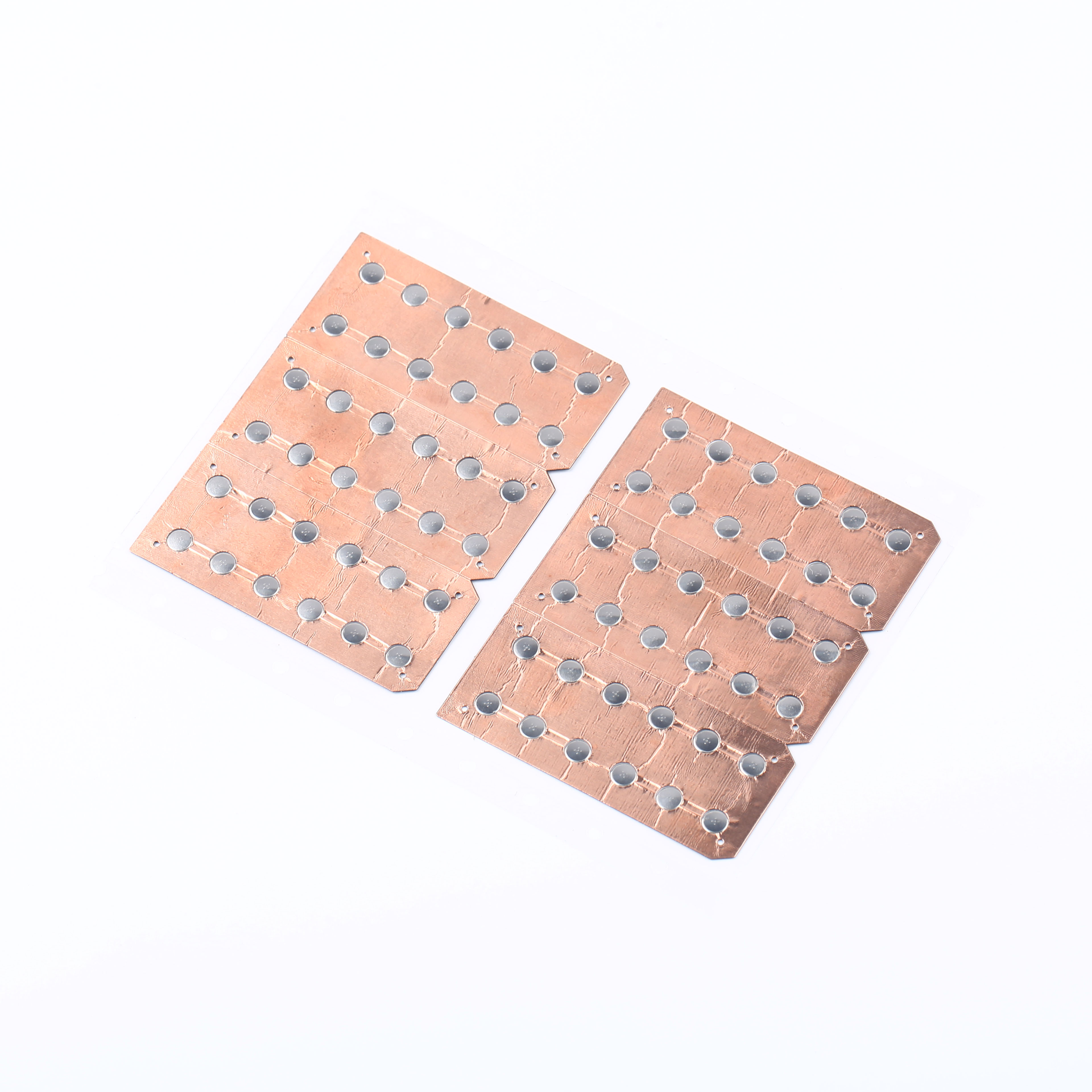
Engineered Assemblies
Precision HMI & Light Guide Film Product Portfolio
Direct from our certified fabrication plant to Ireland’s technology corridors. Explore our qualified membrane switch interfaces, tactile dome arrays, and thin-film backlight solutions.
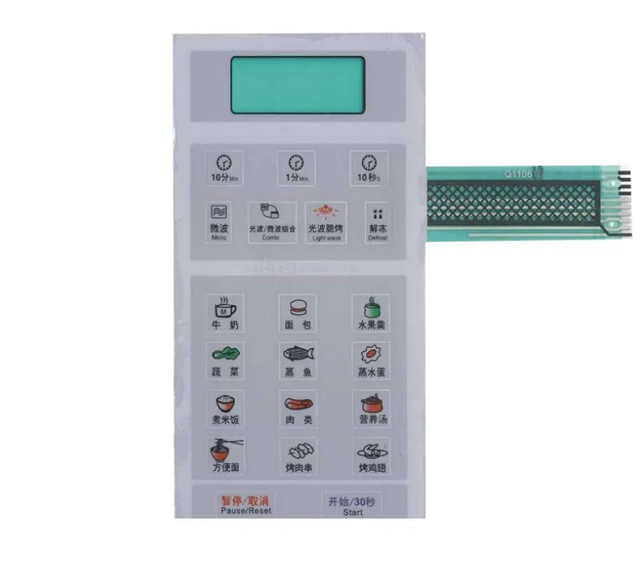
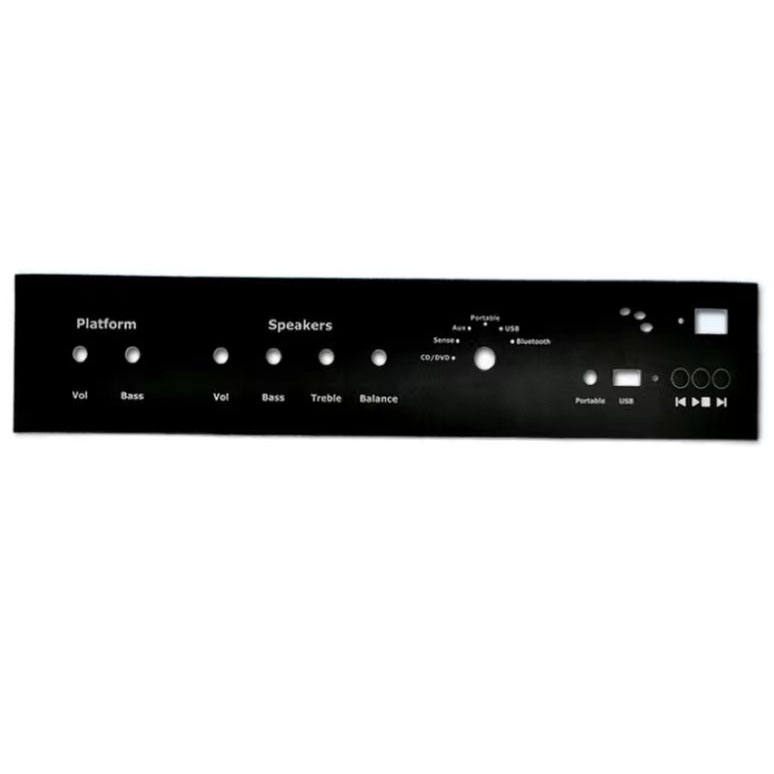
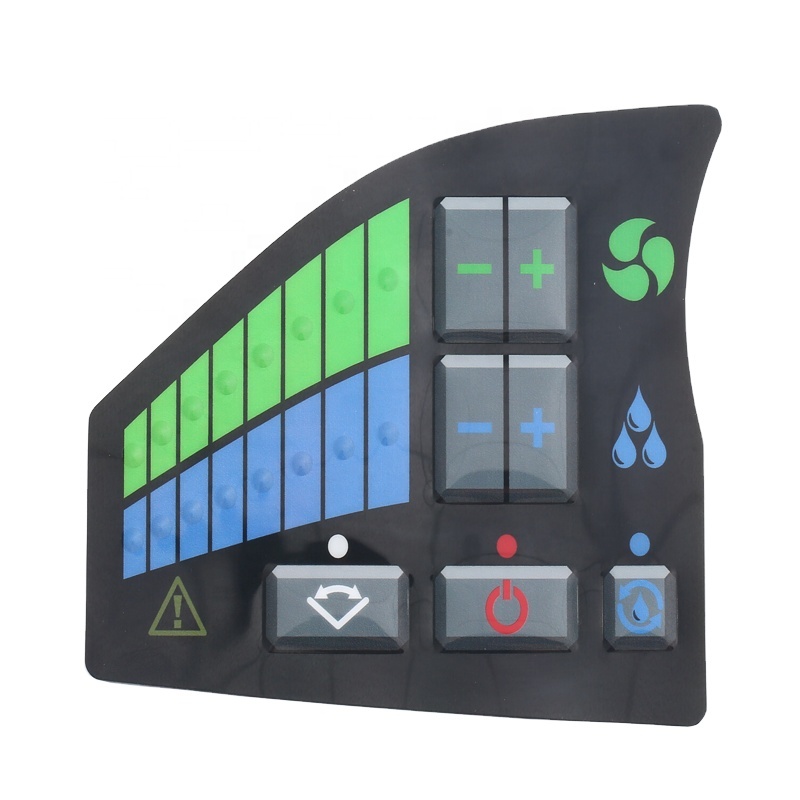
Industry Whitepaper Analysis
Engineering High-Efficacy Light Guide Film (LGF) for Dublin's Advanced Manufacturing Hubs
In Dublin’s high-precision industrial sectors—stretching from the Silicon Docks IoT hardware labs to the bustling medical technology clusters along the Dublin-Galway corridor—the demand for ultra-thin, low-power, and hermetically sealed Human-Machine Interface (HMI) solutions has never been more critical. As product designers move away from clunky, space-consuming backlighting architectures like bulky light-emitting diode (LED) diffusers or power-hungry Cold Cathode Fluorescent/Electroluminescent (EL) foils, Light Guide Film (LGF) technology has emerged as the definitive benchmark for sophisticated device illumination.
LGF functions upon the foundational physics of Total Internal Reflection (TIR). By deploying ultra-thin, optical-grade thermoplastic polycarbonate (PC) or biaxially-oriented polyethylene terephthalate (PET) sheets (typically ranging from 0.100 mm to 0.250 mm in nominal caliper), light radiated from low-profile, edge-mounted side-firing LEDs (such as 0603 or 0402 packages) is contained entirely within the planar substrate. The primary engineering bottleneck in classic backlighting has always been hot-spotting, chromatic deviation, and severe lumen degradation across distant actuating zones. Through proprietary micro-optical dot-matrix laser etching or precision micro-replication dies, we disrupt TIR at scientifically calibrated target coordinates, redirecting concentrated photon streams perpendicularly through graphic overlays, embossed key legends, and display apertures.
Micro-Prism Dot Matrix Density & Ray-Tracing Simulations
Unlike standard diffuse films that scatter light indiscriminately, our engineering process relies on rigorous non-sequential optical ray-tracing modeling (utilizing ASAP and LightTools algorithmic suites). Because side-emitting LEDs act as point sources that decay inversely with the square of distance, a linear dot layout creates uneven illumination. To counteract this physical law, our fabrication line dynamically gradients the micro-dot diameter (from 15 µm near the optical coupling entry up to 85 µm at peripheral key sectors) and varies spatial density. This produces a verified luminance uniformity ratio exceeding 85% across entire keypad interfaces, mitigating glare and dark zones while conserving battery reserves for Dublin's portable telemetry and diagnostic electronics.
| Evaluation Parameter | Cevra Precision LGF Solution | Electroluminescent (EL) Foil | Direct Backlit Surface LEDs | Fiber Optic Keypad Weave |
|---|---|---|---|---|
| Typical Thickness Profile | 0.125 mm – 0.200 mm (Ultra-flat) | 0.300 mm – 0.500 mm | 1.50 mm – 3.50 mm (Requires cavity) | 0.350 mm – 0.600 mm |
| Luminance Half-Life (L50) | > 50,000 Hours (Determined by LED) | 2,000 – 4,000 Hours (Rapid decay) | > 50,000 Hours | > 40,000 Hours |
| Power Consumption / Inverter | Low DC Voltage (No Inverter Required) | High AC Voltage (Requires Inverter) | Moderate to High (Multiple diodes) | Low DC (Single/Dual LED source) |
| EMI / RFI Radiation Risk | Zero EMI Emission | High (High-frequency AC hum/noise) | Low (Minimal switching noise) | Zero EMI Emission |
| Tactile Switch Dome Interference | Negligible actuation loss (< 5%) | Moderate dampening of snap force | High mechanical clearance needed | Stiffens snap response noticeably |
| Unit Cost in Mass Production | Highly Scalable / Cost-Optimized | High tool replacement costs | Excessive SMT labor overhead | Very High raw material cost |
Localized Applications
Tailored for Ireland's High-Tech & Life Sciences Ecosystem
From Dublin's corporate R&D laboratories to rugged offshore marine installations along the Irish Sea, our light guide films and custom membrane controls solve acute environmental challenges.
Class II & III Medical Diagnostics
Dublin serves as a global nerve center for medical technology firms. Our LGF-integrated membrane panels feature medical-grade, antimicrobial textured polyester (Autotex/Autoflex) faceplates resilient to rigorous isopropyl alcohol (IPA), bleach, and quaternary ammonium disinfectant wipes. By integrating ultra-thin LGF layers directly over gold-plated stainless steel metal dome arrays, surgical nurses and clinical operators obtain crisp tactile feedback with backlit status indicators that eliminate dosage or parameter errors in dim hospital theater suites.
IoT Hardware & Industrial Field Telemetry
Deployments in Irish agricultural telemetry, smart grid monitoring, and environmental sensing across Dublin County require weather-sealed enclosures capable of resisting constant damp, humidity, and wide thermal fluctuations (-20°C to +70°C). By sandwiching an optical-grade LGF with 3M 467MP/468MP acrylic adhesives, we achieve an unyielding IP65/IP67 ingress barrier that preserves nocturnal illumination without draining peripheral battery banks or suffering condensation fogging.
Aerospace, Avionics & Dublin Port Logistics
Equipment mounted inside logistics terminal tractors at Dublin Port, aviation test racks, or maritime radar consoles faces intense vibration and mechanical shock. Traditional solder-joint-dependent backlit LEDs quickly fail due to harmonic fatigue. Our LGF modules encapsulate light paths inside non-brittle optical films, eliminating solder fatigue while meeting strict night-vision lighting guidelines (NVIS compatible upon custom filtering requests).
Strategic Trajectory
Emerging Technology Trends in the Irish & European HMI Space
How cutting-edge materials science and European regulatory mandates are reshaping the procurement parameters for modern light guide films and human interface assemblies.
Hybrid Capacitive & Tactile Coexistence
Irish industrial design firms increasingly reject the binary choice between sleek capacitive touchscreens and clicky mechanical switches. The next decade belongs to hybrid architectures: surface capacitive touch tracking integrated seamlessly with localized, LGF-illuminated snap-dome keys that confirm safety-critical actions. Our R&D department produces multi-tier flexible printed circuit (FPC) stack-ups that integrate capacitive sensor pads, side-firing micro-LEDs, and LGF layers in under 0.85 mm total stack thickness.
EU MDR 2017/745 & RoHS/REACH SVHC Alignment
With Dublin acting as an operational bridge between European regulations and American multi-nationals, medical product components must endure strict biocompatibility and non-toxicity evaluations. We guarantee full alignment with EU RoHS Directive 2011/65/EU (and amendment 2015/863) and REACH Regulation (EC 1907/2006). Every batch of adhesive, printing ink, light guide polymer, and release liner is delivered with comprehensive chemical declarations and full traceability to guarantee compliance with the EU Medical Device Regulation (MDR).
Micro-Laser Perforation & Dynamic RGB Zone Isolation
Monolithic backlighting is being replaced by segmented, zone-isolated illumination. Using automated picosecond UV laser micromachining, we incorporate internal light-blocking barriers (printed optical baffles and physical isolation trenches) directly inside the 0.150 mm LGF. This prevents light bleed between neighboring keys—allowing Dublin engineers to program dynamic multi-color RGB operational states (e.g., green for standby, flashing amber for calibration, red for emergency halt) without requiring separate light piping.
Enterprise Manufacturing Engine
Why Dublin OEM Procurement Leaders Partner with Cevra
Since March 2009, Dongguan Cevra Electronic Technology Co., Ltd. has delivered precision manufacturing excellence from the world’s electronics epicentre straight to European supply chains.
2,600㎡ In-House Plant
No trading middlemen or shadow subcontracting. Our Dongguan production floor houses class 1,000 and 10,000 cleanroom printing lines, automated laminators, and high-speed CNC laser die-cutters, giving you total process accountability.
ISO 9001 & SGS Verified
Operating under certified ISO 9001 Quality Management Systems, with our factory physical capacity and trade compliance independently verified onsite by SGS Group. Every layer matches strict IPC HMI performance standards.
Complete Laboratory Testing
Our quality control laboratory includes automated dome load testers (measuring trip force and tactile ratio), environmental thermal shock chambers (-40°C to +85°C), peel tension gauges, tack testers, and surface pencil hardness rigs.
Rapid Prototype to Mass Run
We bridge the transition from rapid NPI (New Product Introduction) sample prototyping (typically 5–7 working days) to scalable high-volume rollouts exceeding hundreds of thousands of units, with frictionless air-freight logistics direct into Dublin Airport (DUB).
Engineering Guidance
Frequently Asked Questions by Dublin Procurement & Hardware Teams
Critical answers concerning optical parameters, mechanical stack-ups, minimum orders, and international transit to Ireland.
What CAD files and optical inputs are required to begin an LGF tooling quote?
To initiate a comprehensive DFM (Design for Manufacturability) review, we request your complete mechanical 2D/3D assembly drawing in DXF, DWG, STEP, or IGES format, along with graphic overlay artwork in scalable vector format (Adobe Illustrator .AI or vector PDF) with assigned Pantone or RAL color codes.
For the LGF integration, please specify the target illuminated key zones, available PCB clearance for side-firing LEDs (e.g., package 0603 with height under 0.6 mm), preferred LED supply voltage/current, target brightness in cd/m² (nits), and operating temperature extremes. Our optical engineering team will then calculate the micro-dot refraction layout and propose an optimized layer stack-up.
How does Light Guide Film affect the tactile snap ratio of underlying metal snap domes?
When poorly engineered, inserting an intermediate layer between a graphic overlay and a metal dome can attenuate tactile feel, dampening the crisp "snap" click required by operators. Our specialized LGF designs eliminate this problem through two proven methods:
1. Integral Actuator Dimples: We emboss micro-actuator plungers directly onto the underside of the LGF, concentrating the finger's downward pressure precisely onto the apex of the metal dome.
2. Internal Dome Relief Voids: For ultra-crisp tactile feel, we laser-rout micro-clearance apertures around the dome periphery, permitting unimpeded metal flexure. In lab load testing, our assemblies preserve > 50% tactile snap ratio with zero double-click anomaly.
What are typical sample turnarounds and courier transit durations into Dublin, Ireland?
Upon final sign-off of your engineering artwork and layer stack-up proof, rapid prototype samples are typically manufactured, laser cut, assembled, and 100% electrically tested within 5 to 8 working days. Mass production tooling and first article production typically require 12 to 16 working days depending on die complexity.
We ship daily via DHL Express, FedEx Priority, and UPS with direct air routes into Dublin Airport (DUB) or Shannon. Typical door-to-door transit from our Dongguan loading dock to facilities across Dublin (Sandyford, Blanchardstown, Citywest, or Dublin Enterprise Zones) takes just 3 to 5 business days, supported by full commercial invoices, HS commodity coding, and certificate of origin documentation.
Can Light Guide Film prevent optical cross-talk (light bleed) between adjacent icons?
Yes. Optical cross-talk is a common failure point in poorly planned keypad assemblies where a brightly lit "POWER" symbol illuminates a neighboring "ERROR" or "CONNECT" icon. We prevent this using a three-tier light management protocol:
• Opaque Optical Boundary Printing: Printing high-optical-density black/white reflective matrix walls between active light guides.
• Physical Laser Trenching: Micro-milling physical separation slots within the PET light guide to break internal reflection between channels.
• Selective Masking Adhesives: Deploying custom-cut black light-blocking adhesives (such as 3M 9495LE with black carrier) that absorb stray peripheral photons.
How do your assemblies withstand Ireland's high-humidity and marine atmospheric conditions?
Ireland’s Atlantic climate brings high relative humidity (frequently exceeding 80% RH) and airborne salinity along coastal zones. Standard silver-paste membrane switches can suffer from silver migration and dendritic short circuits under electrical bias in humid conditions.
To eliminate this failure mode, Cevra offers FPC (Flexible Printed Circuit) copper etched circuits with polyimide base and gold-plated switch contacts, completely impervious to silver electromigration. Coupled with peripheral continuous acrylic adhesive rings (IP67 certified) and internal venting channels equipped with hydrophobic, breathable ePTFE membranes, our keypads prevent moisture ingress while equalizing internal air pressure during rapid thermal cycling.
What are the minimum order quantities (MOQ) for custom-engineered prototypes?
We understand that Dublin's tech ecosystem thrives on lean, iterative development cycles. To support hardware incubators, university research spin-offs, and enterprise NPI teams, our sample MOQ starts from just 10 to 50 pieces for custom graphic overlays and membrane switch prototypes.
For standard metal snap dome arrays, sample production can begin from 100 units, scaling seamlessly to 10,000+ piece production runs with tiered volume discounts. You receive complete engineering DFM support regardless of whether you are commissioning a pilot evaluation or a mass rollout.
Accelerate Your Dublin HMI Project with ISO 9001 Factory Direct Precision
Consult directly with our senior application engineers. Submit your preliminary mechanical drawings, pinout schematics, or backlighting specifications for a confidential DFM analysis and quotation within 24 hours.