16+
Years Engineering Expertise
2,600㎡
ISO 9001 Production Center
1,000,000+
Switch Actuation Cycles
SGS
Onsite Verified Factory
Direct Factory Sourcing
High-Reliability LED Keypads & Tactile Membrane Arrays
Engineered for high ingress protection, salt-fog corrosion deterrence, and crisp tactile actuation under extreme mechanical cycles.
Deployment Scenarios
Engineering LED Keypads for Mulifanua’s Marine and Logistic Infrastructure
Mulifanua serves as Samoa's vital western transit lifeline, bridging Upolu and Savai'i through the high-frequency Mulifanua Wharf. The intersection of equatorial heat, salt mist, and mechanical vibration dictates rigorous HMI component parameters.
Inter-Island Ferry Bridge & Deck Consoles
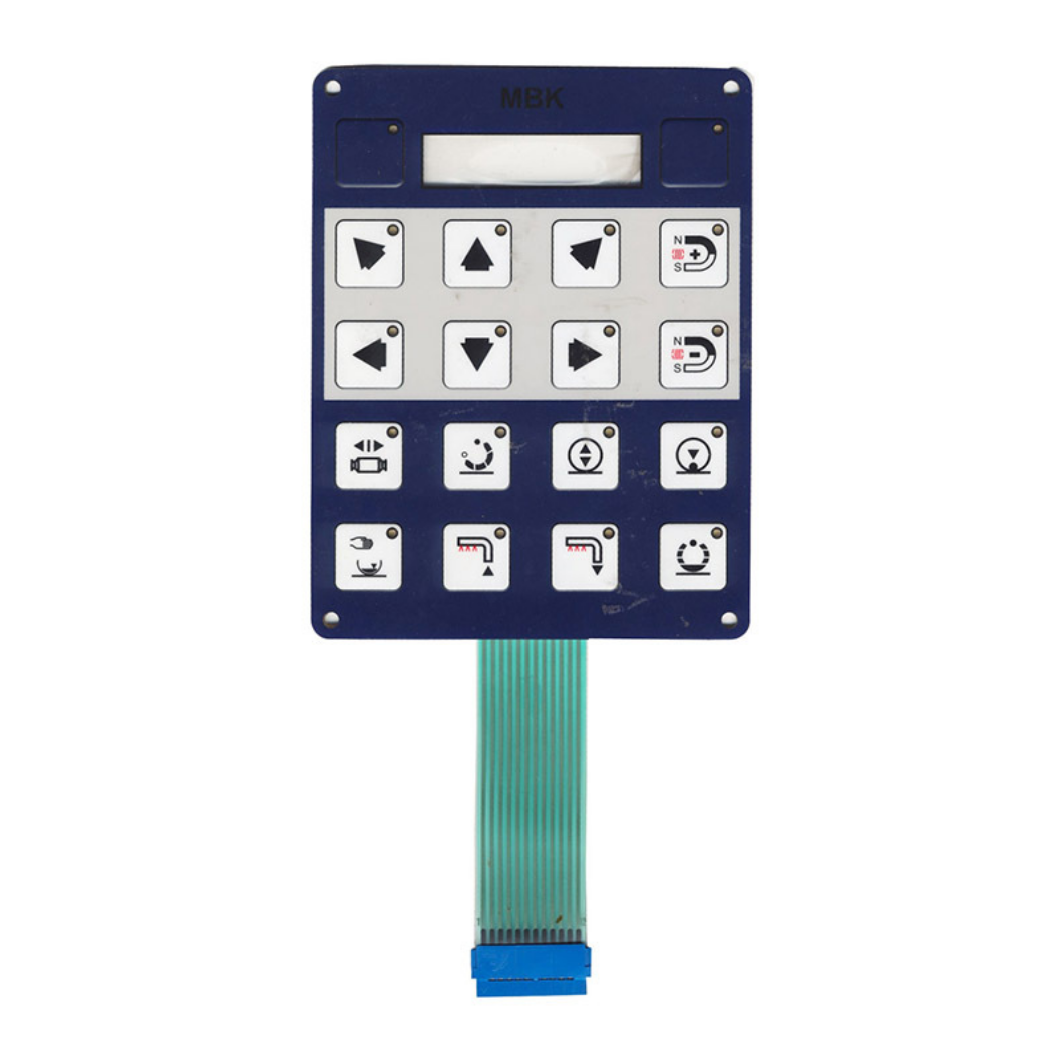
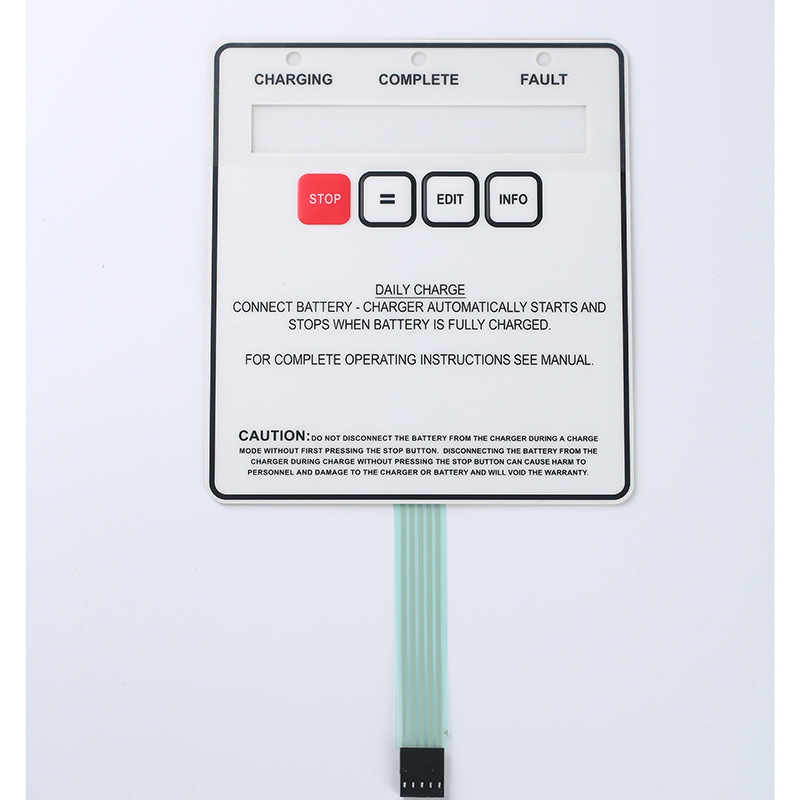
Ferry operations docking continuously at Mulifanua Wharf demand navigation, winch, and hydraulic control keypads impervious to ocean spray. Our IP67/IP68 sealed LED-backlit membrane panels prevent salt brine penetration, preventing trace oxidation on silver conductive circuits through micro-encapsulated perimeter gasketing.
Harbor Fuel Dispensers & Bunkering Terminals
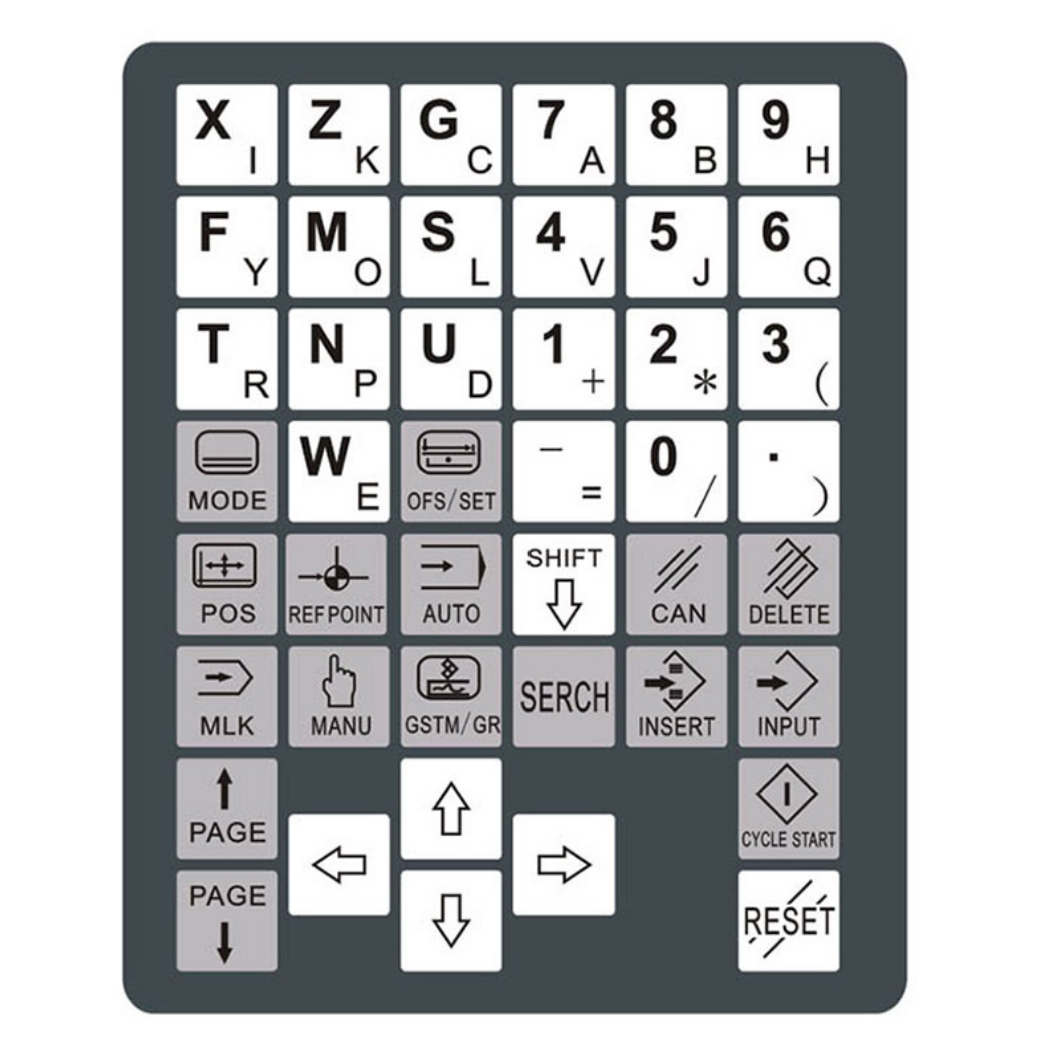
Fuel bunkering near open coastal waters exposes input keypads to aggressive hydrocarbon solvents, extreme UV indices, and constant sun exposure. Utilizing premium Autotex XE textured films and UV-cured graphical inks, our fuel dispenser matrix keyboards eliminate graphic degradation, peeling, or brittleness under tropical sunlight.
Cold-Storage Logistics & Agro-Processing Units
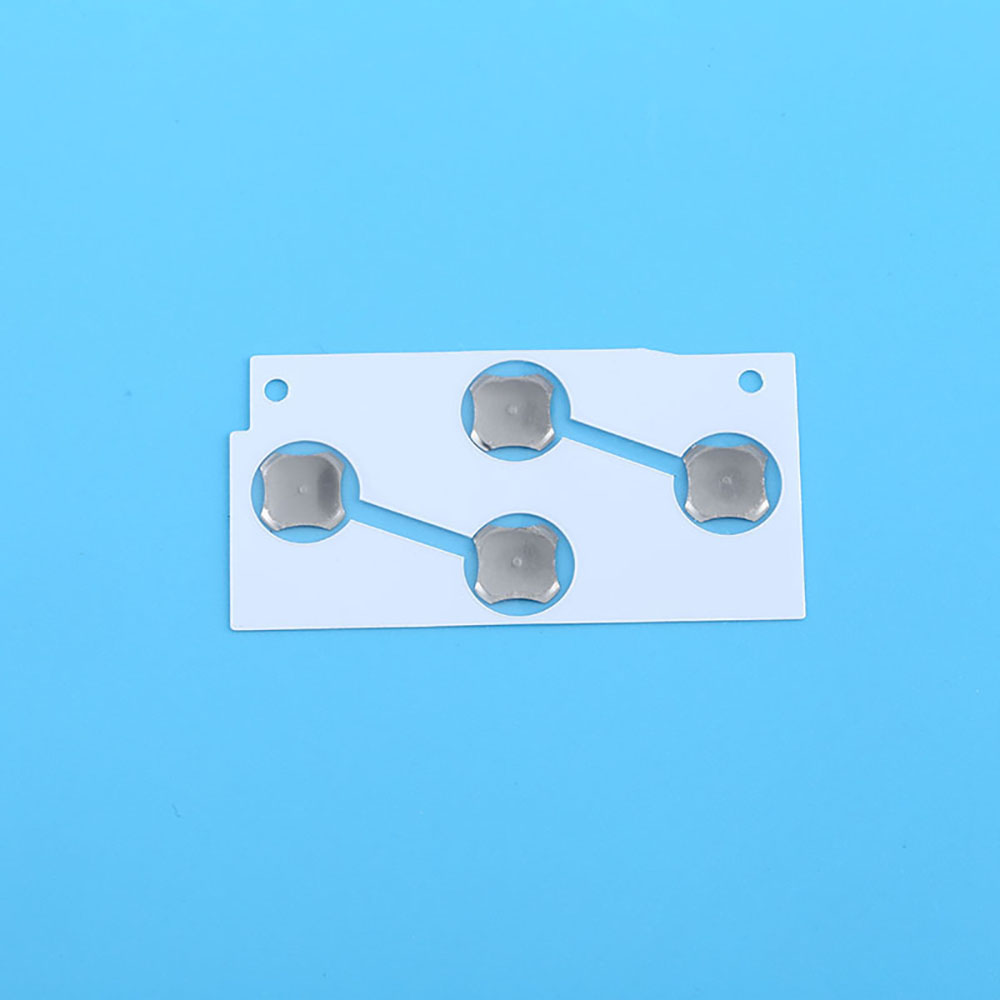
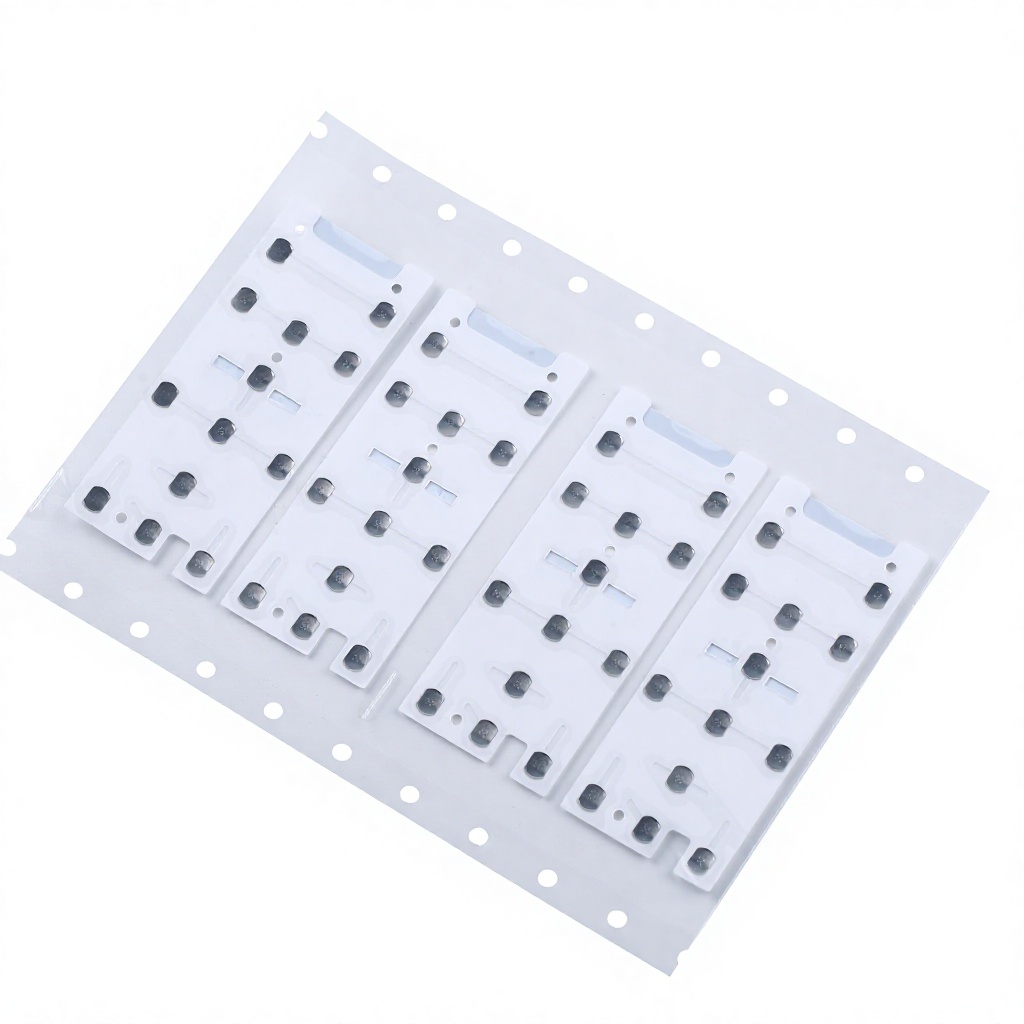
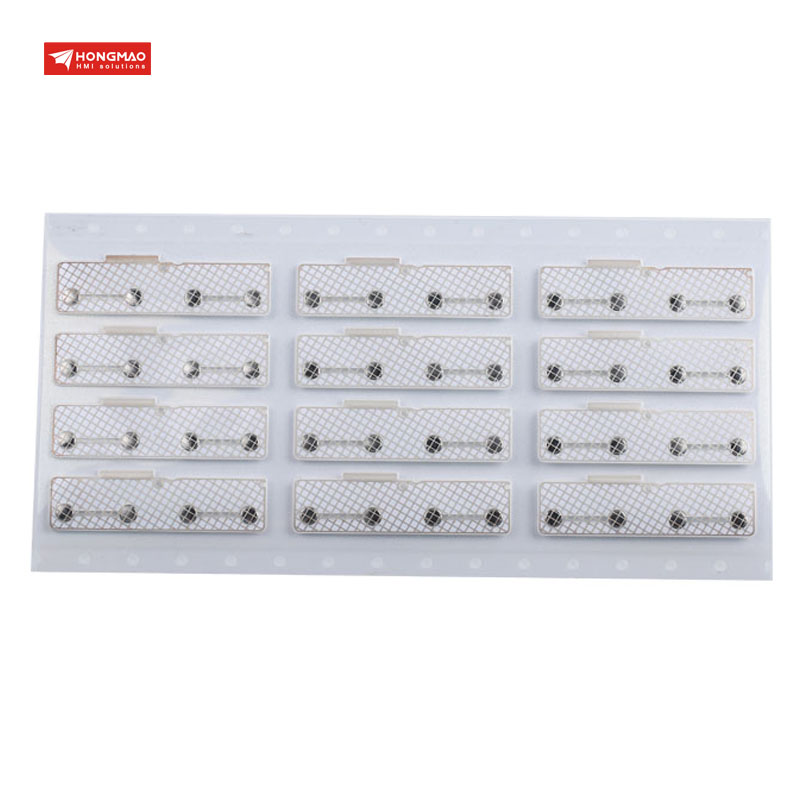
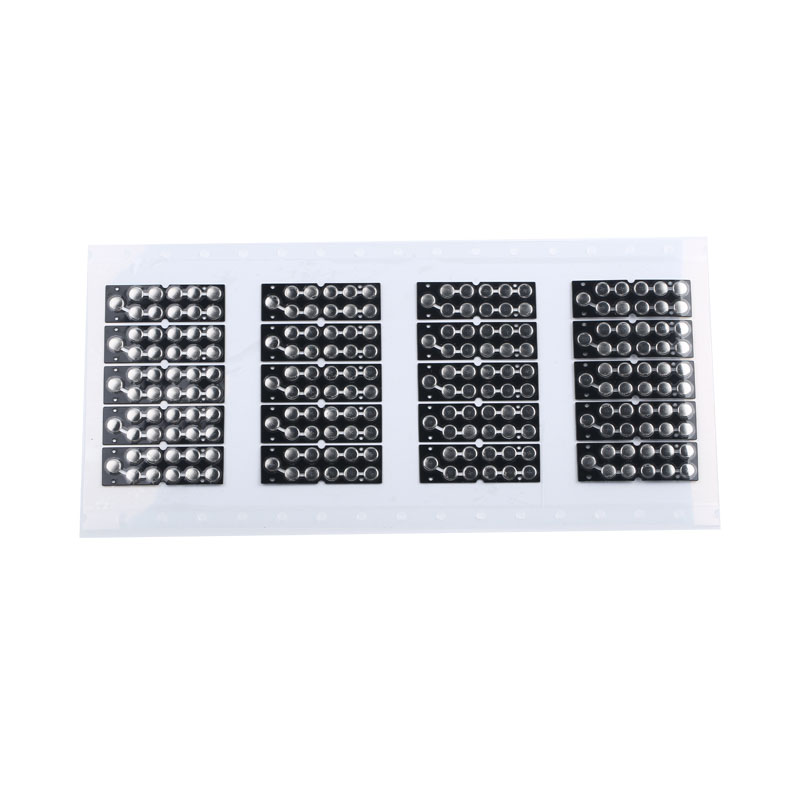
Produce packing and fish transit units operate under abrupt thermal fluctuations, ranging from refrigerated holding containers (+2°C) to open tropical quays (+32°C). Cevra’s metal dome arrays feature venting micro-channels that equilibrate barometric pressures, guaranteeing crisp tactile feedback without condensation entrapment.
Material Science
Comparative Architectural Analysis for Island Environments
Evaluating human-machine interface technologies against the distinct degradation vectors found across coastal Pacific operations.
| Performance Parameter | Cevra High-Spec LED Keypad | Standard Commercial Membrane | Mechanical Push-Button Array |
|---|---|---|---|
| Ingress Protection Rating | IP67 / IP68 with 3M 200MP / 300LSE perimeter weld | IP54 standard splash (prone to edge seepage) | IP40 (vulnerable to salt crystallization) |
| Salt Spray Resistance | Passed 96-hour continuous ASTM B117 salt fog | Fails within 24 hours due to trace sulfurization | Rapid spring failure and galvanic corrosion |
| Illumination Efficiency | Low-power SMD LEDs + Light Guide Film (LGF) | Point-source LEDs (uneven luminous intensity) | Incandescent / high-draw bulb indicators |
| Actuation Lifespan | >1,000,000 tactile clicks (SUS301 nickel-plated) | ~100,000 clicks (standard polydome switch) | ~50,000 to 200,000 cycles |
| Operating Temperature | -40°C to +85°C continuous thermal tolerance | -10°C to +55°C (delamination risk in high humidity) | -20°C to +70°C |
Why Material Selection Matters for Western Upolu
In equatorial maritime zones like Mulifanua, typical failures in input devices originate from chemical migration. Standard adhesives soften under prolonged heat, allowing moist, salt-laden sea air to breach switch cavities. When condensation occurs, high operating voltages create silver migration (dendrite formation), producing sudden short circuits. Cevra circumvents this entirely by utilizing double-sided adhesive gaskets, silver inks infused with carbon protective caps, and optional Flexible Printed Circuit (FPC) copper conductors that resist oxidation completely.
Future Trends
Emerging Trends in Local HMI Hardware Modernization
How next-generation human-machine interfaces are driving digital transformation across Pacific transport hubs.
Transition to Uniform Backlighting with Light Guide Film (LGF)
Traditional discrete LEDs create unsightly hot-spots on graphic overlays. Equipment manufacturers upgrading coastal transport consoles are shifting en masse toward ultra-thin Light Guide Films (LGF). With LGF technology, fewer side-firing micro-LEDs provide uniform, glare-free illumination across all key legends, ensuring maximum readability during night shifts on ferry decks without straining the vessel's low-voltage DC bus.
Hybrid Capacitive and Tactile Enclosures
While sleek capacitive touch surfaces dominate domestic appliances, mission-critical marine hardware requires physical confirmation to prevent misclicks caused by water puddling on the surface. Hybrid interfaces—integrating sealed capacitive slide zones with stainless steel snap dome switches for critical functions—are rapidly emerging as the gold standard for rugged maritime terminals.
Anti-Bacterial and Clean-in-Place (CIP) Medical Overlays
With greater scrutiny placed on public infrastructure health protocols across Samoa, public ticketing terminals and local clinical apparatus are adopting specialized textured polyester films embedded with microbicidal agents. These materials resist harsh quaternary ammonium cleaning chemicals without clouding or surface crazing.
Factory Credentials
Why International Engineers Rely on Cevra
A pure custom manufacturer established in 2009 in Dongguan, China—offering direct engineering collaboration, ISO 9001 governance, and zero broker markup.
16+ Years Specialization
Operating continuously since March 2009 in Dongguan, providing high-precision membrane switches, tactile metal dome arrays, and custom graphic overlays worldwide.
SGS Audited Facility
Verified on-site by SGS Group. Our 2,600㎡ manufacturing floor features clean-room environments, automatic screen printing, and CCD optical drilling machines.
Exhaustive Lab Validation
Every production batch passes strict inspection: Dome Trip-Force testing, High/Low Thermal Cycling (-40°C to +85°C), Adhesive Holding Tack, and Pencil Hardness tests.
Agile Prototyping
Flexible minimum order volumes starting from 10 pieces for functional prototypes, scaling seamlessly to hundreds of thousands of units with guaranteed batch consistency.
Buyer Knowledge
Frequently Asked Questions by Local Engineers & Buyers
Essential technical clarifications regarding logistics, environmental specs, and customization parameters.
How does Cevra ensure keypads withstand Mulifanua’s humid maritime air?
We employ an unbroken 360-degree perimeter adhesive gasket utilizing high-cohesion acrylic adhesives (such as 3M 300LSE or 200MP) that isolate internal contact traces from ambient atmospheric moisture. Furthermore, our silver circuit conductors are protected with a top carbon paste layer that prevents electrochemical dendritic growth even in the presence of micro-condensation.
What specific files are required to initiate an LED keypad quote and prototype?
To provide a formal DFM (Design for Manufacturability) review and rapid quote, we recommend providing mechanical outlines in CAD format (.DXF or .DWG) and graphic artwork in vector format (.AI or .PDF). Please specify your desired tactile actuation force (commonly 250g to 350g for industrial uses), LED colors, operating voltage, and pinout connector type (e.g., standard 2.54mm pitch female housing or ZIF tail).
Can we order low-volume custom batches for localized repairs or equipment retrofits?
Yes. Cevra strongly supports prototype runs and replacement parts for custom control panels starting from as low as 10 to 50 pieces. We utilize precision laser cutting for early iterations to eliminate costly blanking die tooling fees during your testing phase.
Which substrate is optimal for high UV island environments: PET or Polycarbonate (PC)?
For outdoor applications exposed to direct sunlight, chemically stabilized, UV-resistant PET (such as Autotex XE) is decisively superior to Polycarbonate. Polycarbonate exhibits higher clarity initially but suffers from UV yellowing, surface embrittlement, and cracking when subjected to years of intense tropical solar radiation.
What is the expected transit lead time from your Dongguan factory to Samoa?
Once engineering artwork is approved, prototype fabrication requires approximately 7 to 10 working days. Shipments to Samoa via express air courtiers (DHL, FedEx, or UPS) typically arrive at Faleolo International Airport within 4 to 7 business days, providing a fast turnaround for urgent maintenance and development schedules.
Ready to Engineer Your Custom LED Keypad Solution?
Consult with Cevra’s technical application team today. Receive complimentary DFM analysis, comprehensive layer stack-up guidance, and rapid factory-direct pricing for your project.