Core Interface Components & Graphic Keypad Overlays
Custom-engineered Human-Machine Interface (HMI) products engineered for mechanical flex durability, extreme industrial chemical resistance, and micro-precision tactile responsiveness.
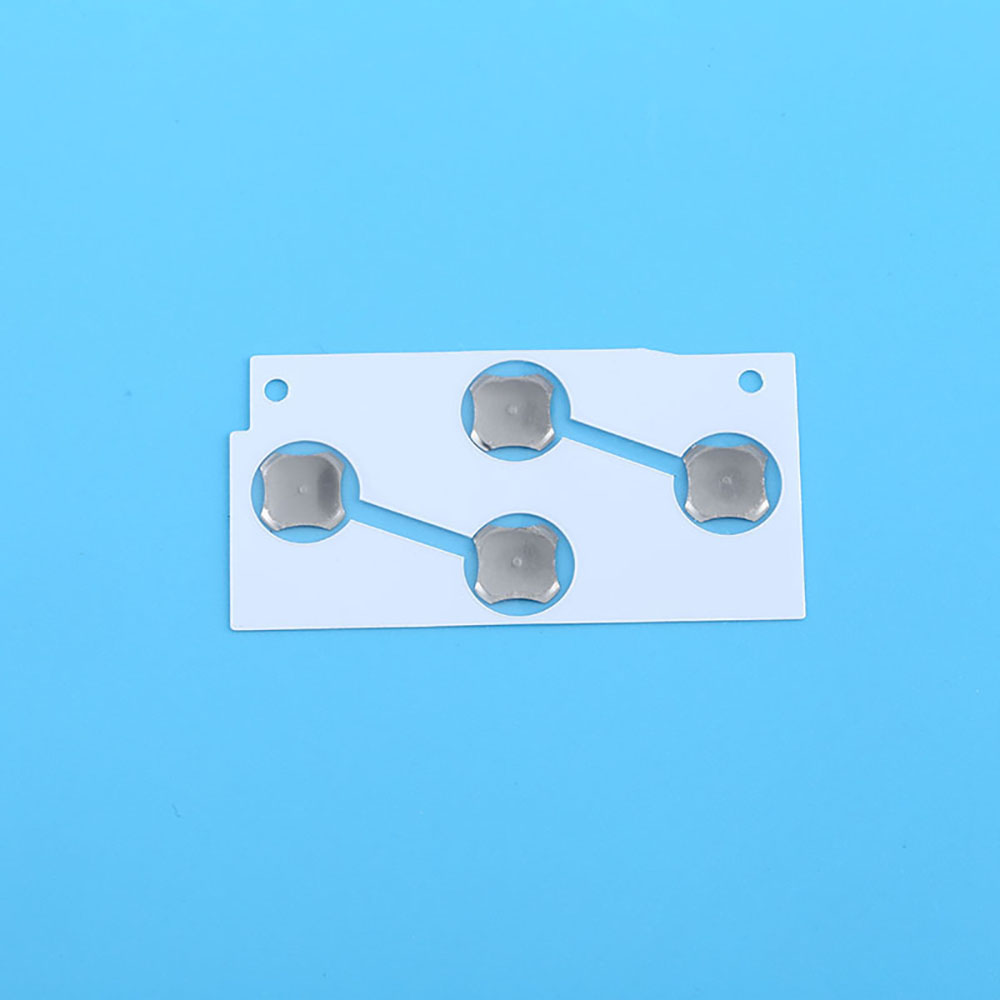
Customized Metal Dome Array
Pre-engineered tactile sheet assemblies positioned with micron accuracy on pressure-sensitive adhesive carriers. Ensures zero contact drift for high-speed terminal integration.
Explore Specifications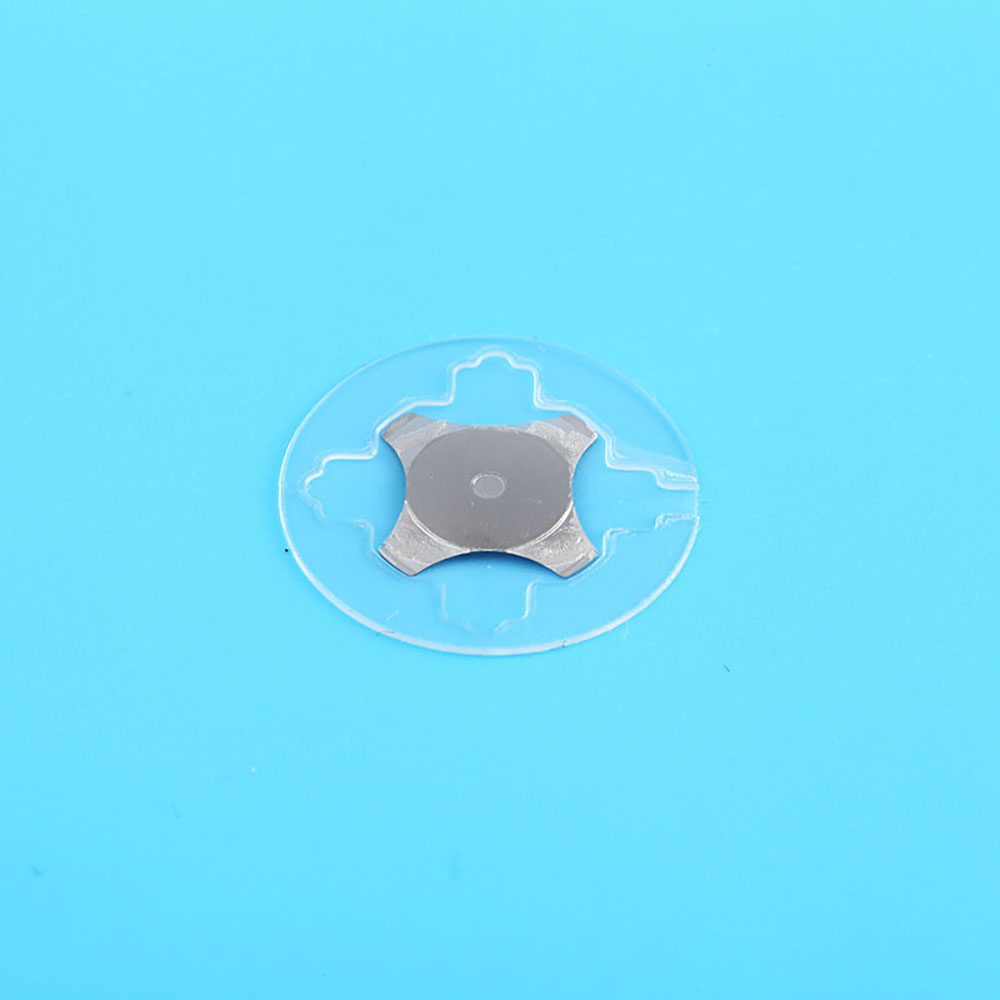
Single Layer PET Metal Dome Array
Ultra-thin single-layer polyester substrate with high-bonding adhesive backing and micro-vented air escape channels for stable tactile ratio dynamics under rapid actuation.
Explore Specifications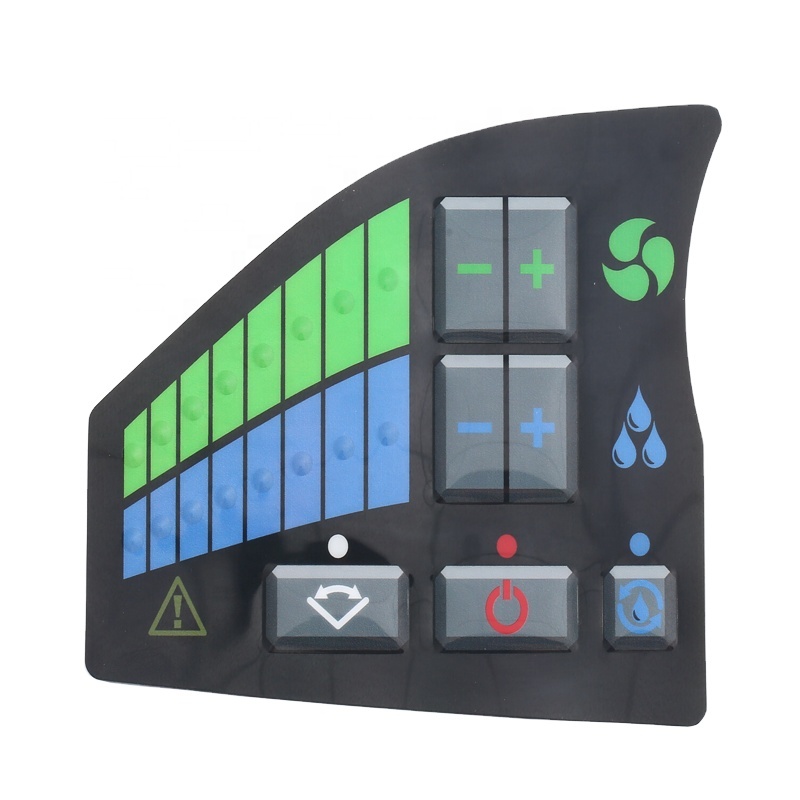
Embossed Tactile Graphic Overlay
Multi-color sub-surface screen printed Autotex PET overlay with precision perimeter-embossed keys, designed to withstand continuous contact with aggressive industrial detergents.
Explore Specifications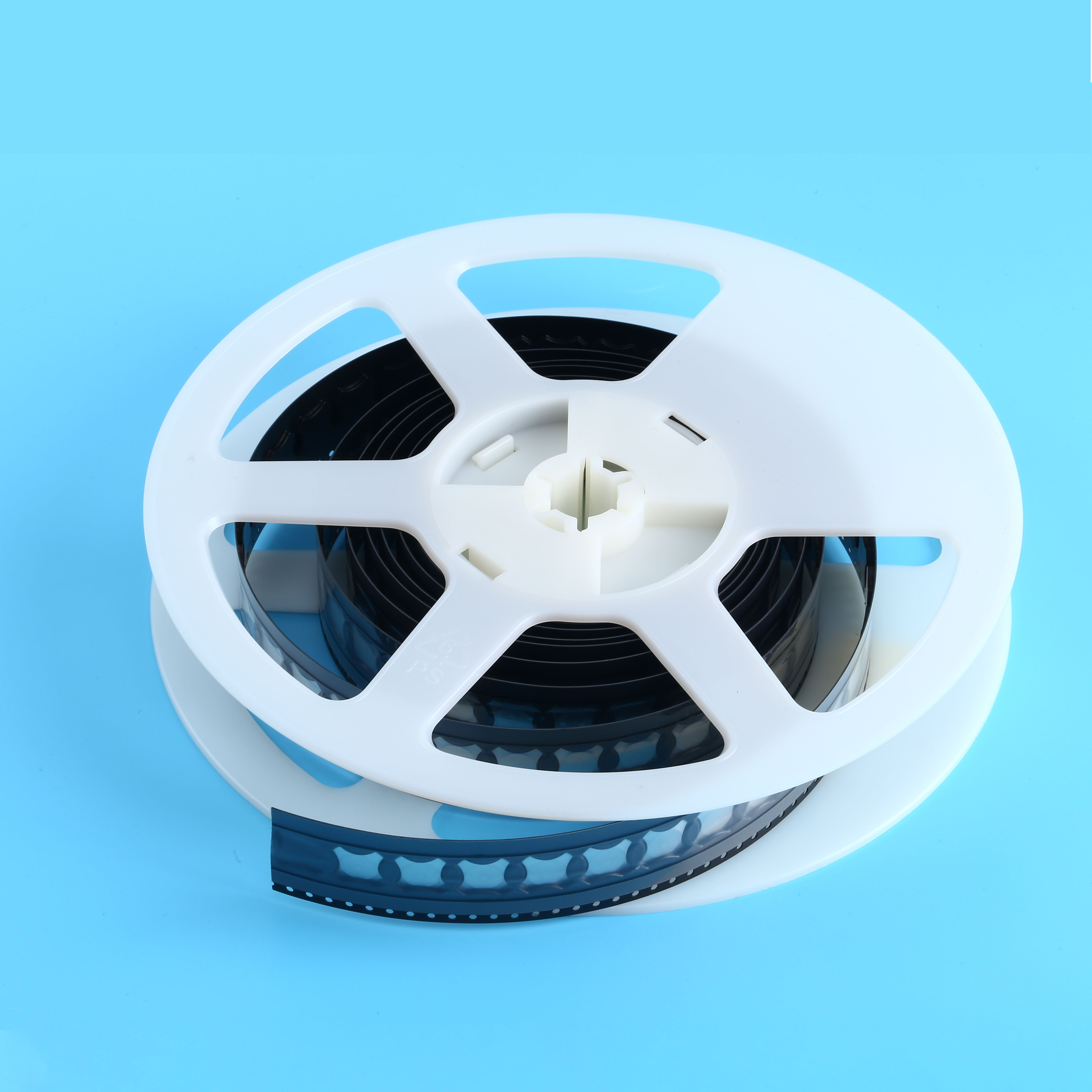
Cross 4-Legged Snap Dome in Reel
Precision-stamped four-legged snap domes in tape-and-reel packaging designed for automated pick-and-place high-volume SMT surface assembly on flex circuits.
Explore Specifications
SMT Cross Dome for Membrane Switches
High-reliability nickel/gold plated cross domes engineered specifically for reflow or surface mounting directly onto flexible printed circuits (FPC) or rigid FR4 boards.
Explore Specifications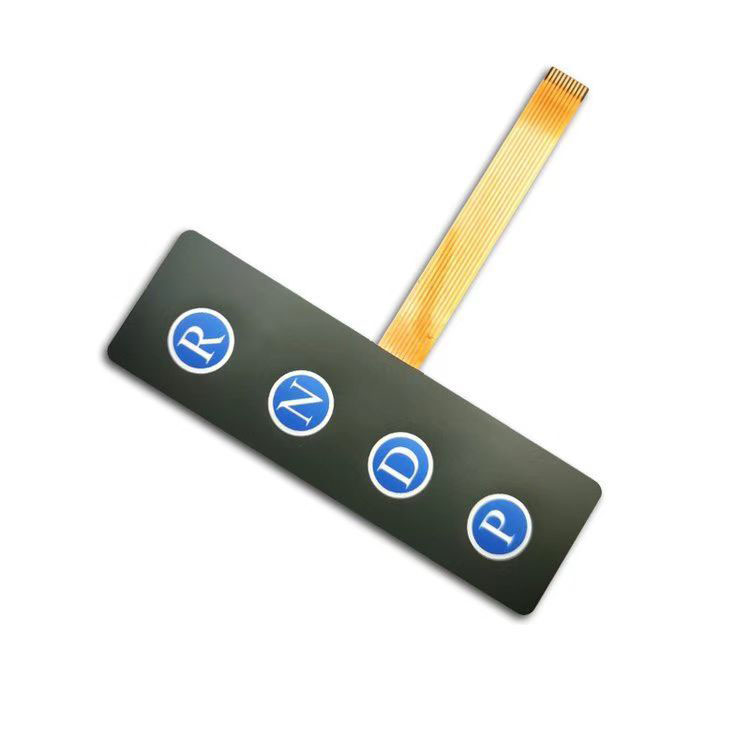
Backlit Multi-Keypad Control Panel
Integrated Light Guide Film (LGF) and surface-mounted micro LEDs provide uniform key illumination with zero light bleeding across control keys, even in dark warehouse conditions.
Explore Specifications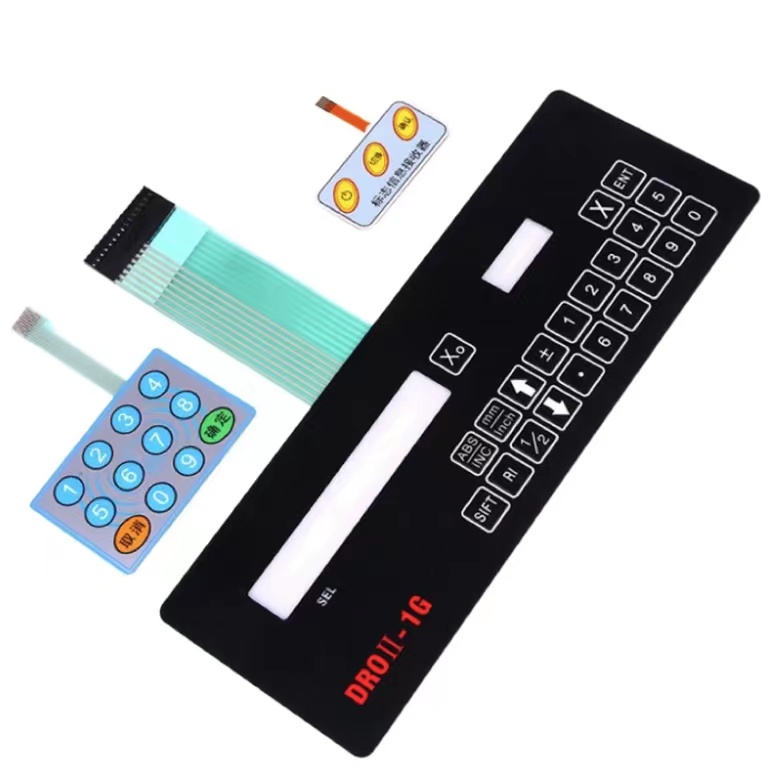
Industrial Direct Graphic Overlay
High-density polycarbonate and polyester front fascia overlays paired with heavy-duty 3M 467MP/468MP acrylic adhesive transfer tapes for harsh industrial machinery consoles.
Explore Specifications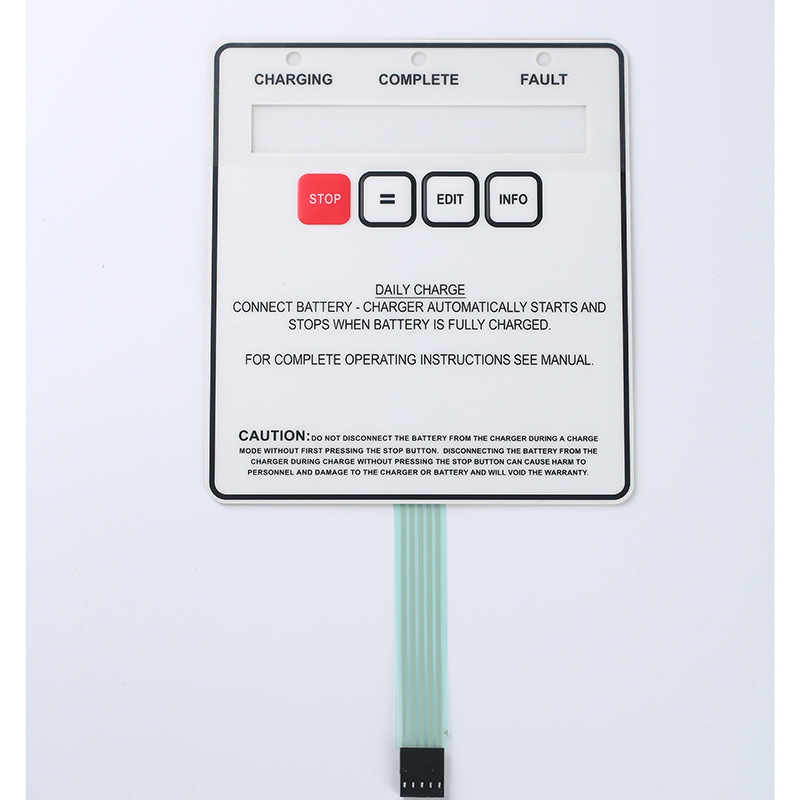
IP67 Medical Grade Sealed Control Panel
Antimicrobial surface-treated membrane keypad featuring hermetically sealed perimeter gaskets, engineered for sterile healthcare monitors and frequent hospital disinfection.
Explore SpecificationsEngineering Overview: Architectural Integrity of Industrial Keypad Overlays
In modern industrial systems, a keypad overlay is far more than a decorative graphic panel; it acts as the primary mechanical and environmental barrier protecting delicate electronics from moisture ingress, dust, chemical mist, and electrostatic discharge (ESD). For procurement teams and design engineers throughout the Columbus metropolitan area—spanning Franklin, Delaware, and Licking counties—specifying human-machine interface (HMI) sub-assemblies requires navigating a complex matrix of material science, actuation kinematics, and electrical barrier standards.
As Columbus expands as a critical hub for high-throughput logistics, autonomous industrial robotics, bio-pharmaceutical manufacturing, and automotive components, user interfaces are subjected to non-stop cyclical mechanical loads and harsh environmental conditions. Designing an overlay that delivers consistent tactile feedback across millions of operations requires deep control over layer stack-up thicknesses, selective adhesive profiling, surface texturing, and switch travel physics.
Graphic Overlay Substrates
Utilizing premium biaxially oriented polyethylene terephthalate (PET, such as MacDermid Autotex) and optical-grade Polycarbonate (PC, Lexan). Provides superior flexural fatigue strength, optical clarity for integrated LED displays, and high resistance to chemical plasticizers.
Tactile Dome Dynamics
Stamping precision stainless steel snap domes (SUS301/SUS304) with options for nickel, gold, or silver plating. Actuation forces calibrated between 180g to 500g with a sharp tactile ratio (typically 40%–60%) ensuring definitive user confirmation under industrial gloved operation.
Hermetic Environmental Sealing
Combining customized perimeter gasket routing with high-cohesion acrylic adhesives (3M 200MP series, 467MP, and 468MP) to achieve IP65, IP67, or NEMA 4X ingress protection ratings. Resists high-pressure water jets, steam sanitization, and ambient relative humidity up to 98%.
Material Selection Matrix: Polyethylene Terephthalate (PET) vs. Polycarbonate (PC)
Selecting the appropriate front-fascia polymer layer determines whether a keypad maintains operational integrity over 5 years or experiences premature delamination, embrittlement, or visual clouding. Below is an engineering comparison tailored to Central Ohio’s manufacturing environments:
| Evaluation Parameter | Autotex PET (Polyester) | Lexan PC (Polycarbonate) | Engineering Implication for Columbus OEMs |
|---|---|---|---|
| Mechanical Flex Life | > 5,000,000 switch cycles | ~ 100,000 switch cycles | PET is essential for high-frequency industrial sorting facilities along the Rickenbacker logistics corridor. |
| Chemical / Solvent Resistance | Superior against alcohols, MEK, cutting oils, bleach | Moderate; vulnerable to aromatic hydrocarbons | PET is recommended for clinical equipment in Dublin and Marysville machine tool interfaces. |
| Embossing Sharpness & Formability | Requires hydroforming or heated tooling | Exceptional cold-embossing and thermoforming | PC excels in decorative bezels, 3D contoured automotive panels, and complex curved casings. |
| Operating Temperature Stability | -40°C to +85°C continuously | -30°C to +75°C continuously | PET survives Midwest seasonal thermal swings without adhesive creep or localized buckling. |
| Optical Haze / Window Clarity | Clear gloss or selective print texturing | Naturally high clarity (VLT > 89%) | Both materials support anti-glare, scratch-resistant window coatings for OLED and LCD backer units. |
Localized Industrial Applications Across the Greater Columbus Ecosystem
The Columbus Region has evolved into an economic powerhouse driven by advanced manufacturing, logistics automation, medical technology, and smart mobility. Supplying keypad overlays to this market requires an acute understanding of each sector's specific regulatory compliance and operational rigors:
Smart Warehousing & Fulfillment Corridors
From Groveport to Lockbourne and the Rickenbacker International Airport logistics hub, material-handling systems and handheld scanners operate 24/7. Keypad overlays engineered for these environments incorporate anti-static silver-grid shielding, protecting sensitive CMOS controllers from damaging static charges generated by continuous conveyor friction.
Healthcare & Clinical Diagnostics
Serving biomedical clusters across Dublin, Grandview Heights, and the Ohio State University Wexner Medical Center network. Medical device overlays feature chemically inert, micro-textured polyester facings treated with antimicrobial biocidal agents, formulated to resist quaternary ammonium, glutaraldehyde, and active chlorine washdown protocols.
Automotive & Tier-1 Powertrain Equipment
Surrounding the Marysville automotive corridor, electronic interfaces require strict compliance with automotive flammability and volatile organic compound (VOC) outgassing standards. Keypad sub-assemblies must remain dimensionally stable under intense thermal cycling, automotive grease immersion, and vibration stresses.
Emerging Design Trends in Central Ohio's HMI Landscape
As industrial automation pivots toward intelligent edge devices and interconnected Industry 4.0 platforms, keypad overlay manufacturing is experiencing rapid technological evolution:
1. Capacitive Touch & Tactile Metal Dome Hybrids: Rather than relying solely on pure mechanical snap domes or pure glass capacitive displays, Midwestern engineers are specifying hybrid control fascias. Critical functions (such as Emergency Stop, Main Power, and Calibration) retain tactile metal domes with 350g snap forces for gloved operation, while secondary parameter adjustments utilize seamless capacitive slider regions on the same continuous graphic overlay.
2. Uniform Optical Light Guide Films (LGF): Eliminating uneven "hot spots" created by traditional point-source discrete LEDs, LGF integration relies on laser-micro-etched optical extraction dots. Light is laterally distributed across complex multi-key arrays from just two to four perimeter LEDs, significantly reducing assembly power consumption and overall thermal build-up inside tightly sealed enclosures.
3. Advanced EMI/RFI Attenuation Layers: With the rapid deployment of high-frequency wireless communications, robotics, and industrial IoT (IIoT) sensors on factory floors, electromagnetic noise poses a severe risk to signal integrity. Modern graphic keypad overlays incorporate selective sub-surface printed carbon or conductive silver meshes directly tied to the chassis ground terminal, attenuating radiated noise by up to 60 dB.
Why Global and Midwest OEMs Partner with Cevra
Founded in March 2009, Dongguan Cevra Electronic Technology Co., Ltd. has established itself as an authoritative leader in custom membrane switch manufacturing, tactile metal dome engineering, and front-panel graphic solutions. We eliminate the inefficiencies of trading desks by executing 100% of the manufacturing and verification in-house:
ISO 9001:2015 & SGS Onsite Audited
Our 2,600-square-meter facility operates under rigorous international quality management protocols, verified on-site by SGS Group. Full manufacturing traceability is maintained from raw film inspection down to final batch serialization.
Fully Integrated In-House Production
Equipped with semi-automatic and high-precision screen printing lines, precision CCD guide-hole drilling machines, computerized laser cutters, heavy-duty punch presses, and dust-free cleanroom laminating stations.
Exhaustive Analytical Laboratory
Every production run is evaluated with dome load curve testers (tactile feel verification), peel strength testers, 100% automated electrical continuity checks, high/low thermal cycling chambers, holding tack testers, and pencil hardness testers.
Frequently Asked Questions: Columbus Keypad Overlay Procurement
Direct technical answers addressing lead times, file formats, environmental ratings, and testing protocols for Midwest industrial purchasing departments.
What engineering documentation is required to generate a DFM analysis and quotation?
How do Cevra keypad overlays achieve an IP67 washdown rating for outdoor or wet environments?
What is the difference between rim embossing, pillow embossing, and flat overlays?
Pillow Embossing: The entire button surface is uniformly raised, accommodating taller metal domes or internal LEDs.
Flat Overlays: Non-embossed, flat fascias offer the easiest wipe-down surface, frequently preferred in strict medical environments to prevent bacterial accumulation along crease lines.
What are the typical prototyping turnaround times and air shipping windows to Columbus, Ohio?
How does Cevra guarantee tactile consistency across high-volume production batches?
Can backlighting be integrated directly into ultra-thin keypad overlays?
Engineering Best Practices Checklist for Keypad Overlay Layout
Before releasing your mechanical package to tooling, ensure your interface drawings align with these production tolerance standards:
Edge Margins & Cutouts
Maintain a minimum distance of 1.5mm between the edge of any graphic embossing or dome cavity and the outer edge of the die-cut profile to ensure complete adhesive gasket cohesion.
Display Window Treatments
For LCD, LED, and VFD windows, choose between transparent water-clear gloss, anti-glare matte, or tinted color filters. Always apply a clear protective transport masking on both front and rear window surfaces.
Adhesive Selection Guide
Specify 3M 467MP for smooth metal or polished plastic housings. Use 3M 468MP or 3M 300LSE for powder-coated, cast aluminum, or low surface energy (LSE) polypropylene plastics common in heavy machinery.
Ready to Engineer Your Custom Keypad Overlay?
Collaborate directly with our senior application engineers. Submit your technical drawings or functional specifications today for DFM feedback, material recommendations, and a competitive quotation within 24 hours.
Send an Inquiry