High-Performance Graphic Overlays & Tactile Membrane Switches
Explore custom HMI faceplates, precision-formed tactile dome arrays, and complete interface stack-ups designed for seamless drop-in integration into Jacksonville OEM enclosures and assemblies.
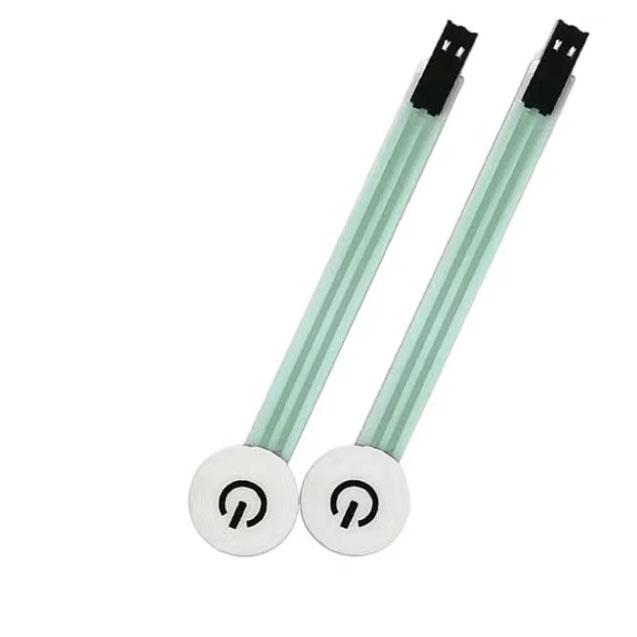
Single Button Small Membrane Switch
View Details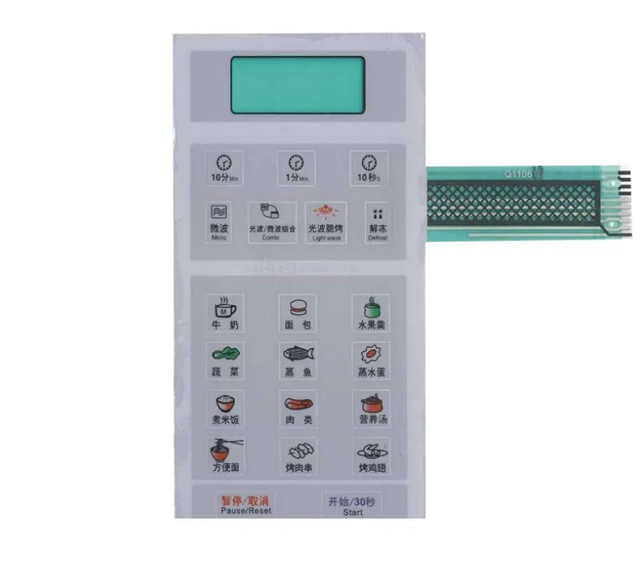
Electronic Membrane Switch Control Panel
View Details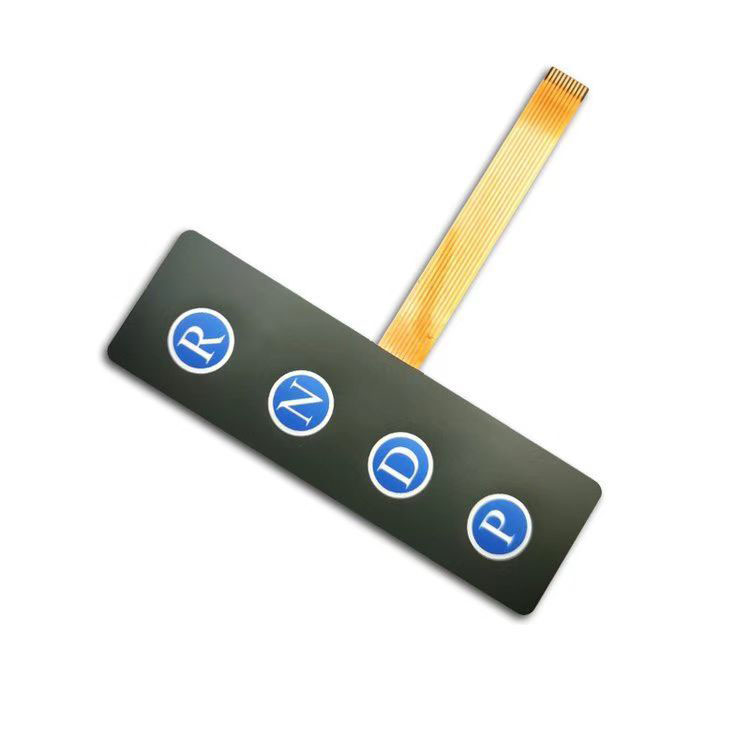
Embossed Backlit Multi-Button Keypad
View Details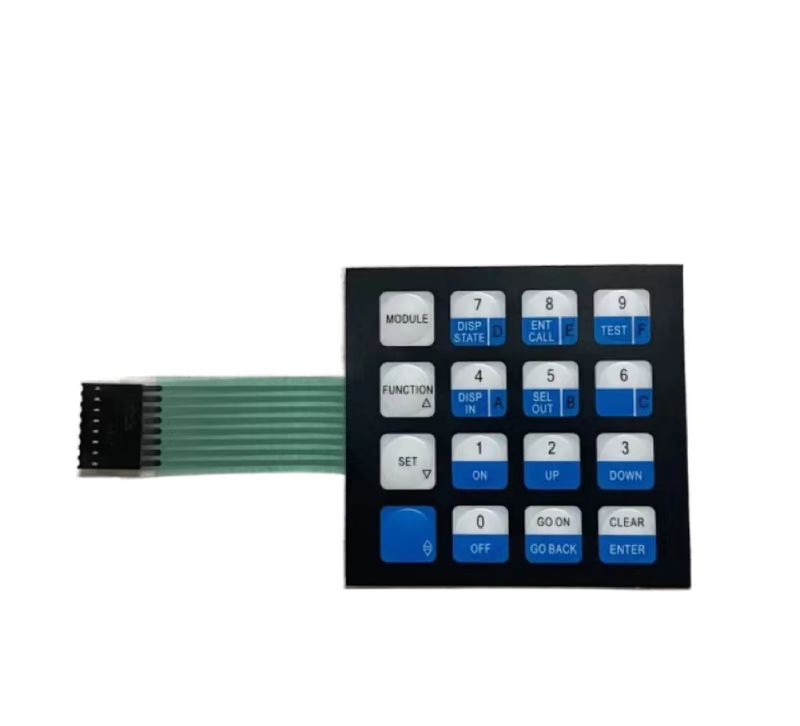
Custom 4x4 Tactile Dome Matrix Overlay
View Details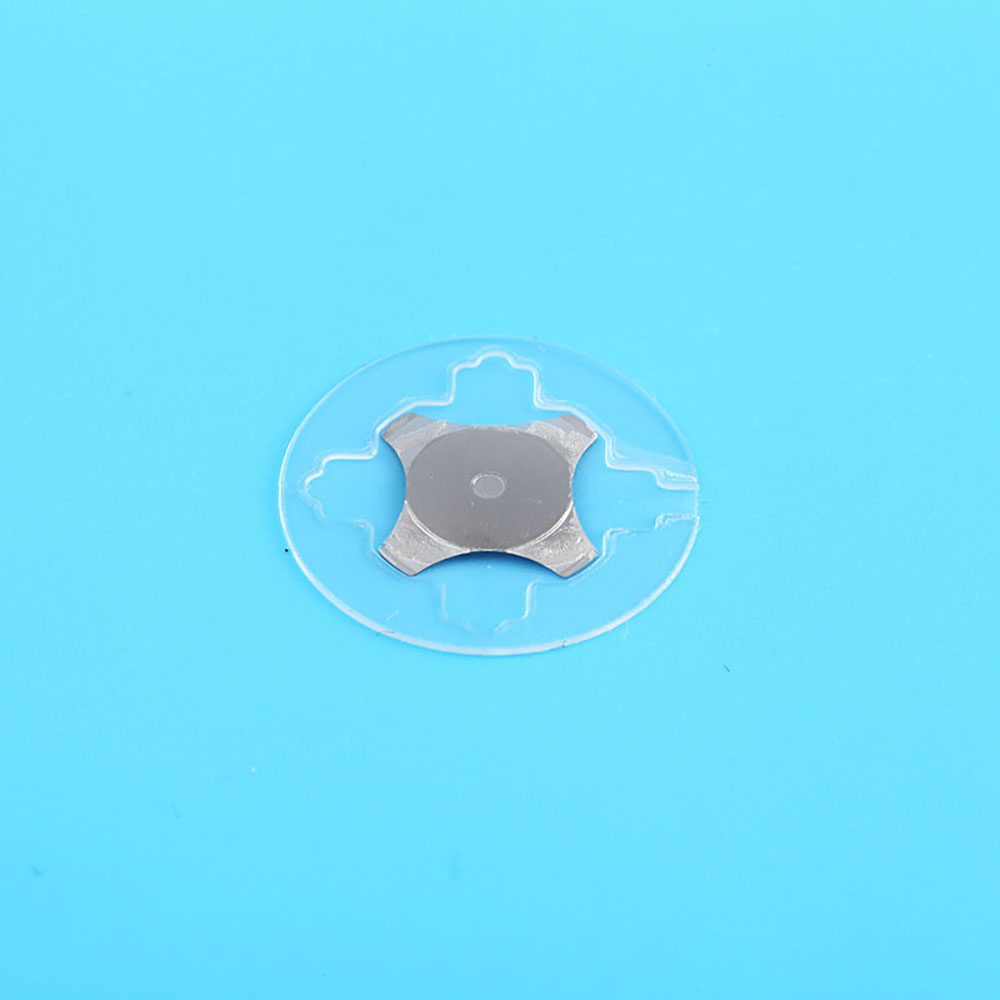
Single Layer PET Metal Dome Array
View Details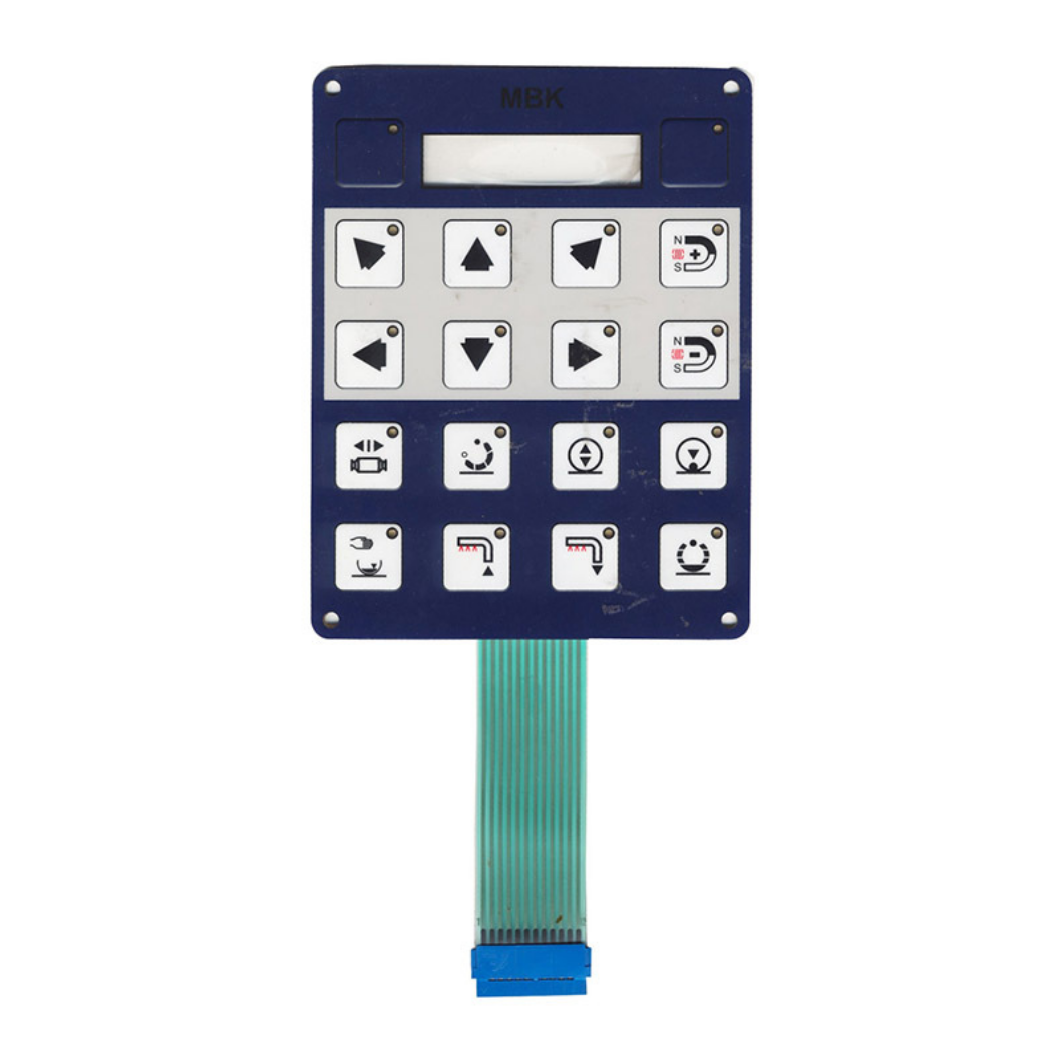
1-Row 4-Key Custom Membrane Strip
View Details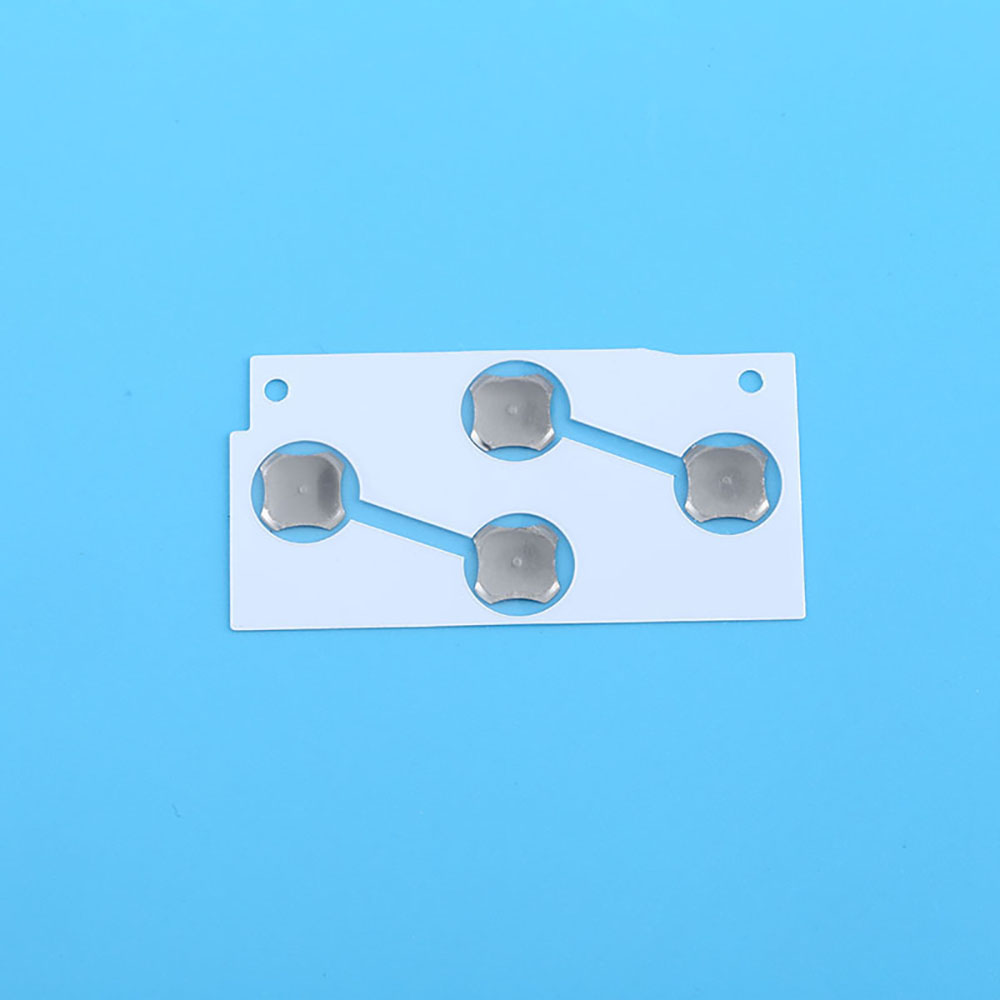
Customized Tactile Metal Dome Array
View Details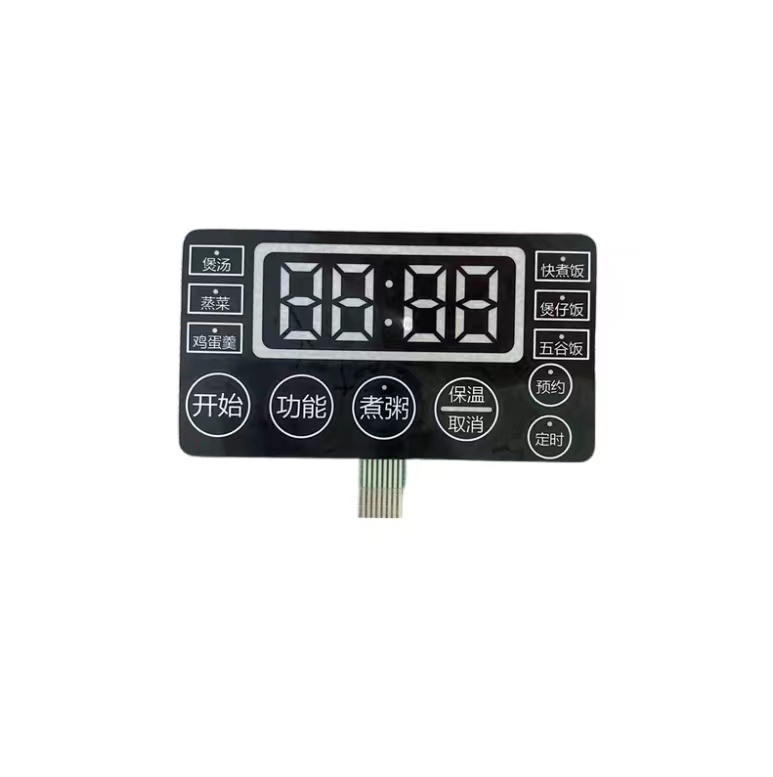
Matte Black Polycarbonate HMI Overlay
View DetailsJacksonville Industrial Ecosystem: Localized Application Scenarios
As the primary intermodal freight, naval, and aerospace crossroads of Northeast Florida, Jacksonville demands graphic overlay interfaces engineered to withstand extreme maritime humidity, salt mist, thermal cycling, and aggressive chemical exposure.
Maritime & JAXPORT Marine Telematics
Jacksonville's extensive deepwater terminals, shipyards along the St. Johns River, and naval facilities (NAS Jacksonville, Naval Station Mayport) require deckside HMIs. Graphic overlays engineered with biaxially oriented Autotex XE polyester withstand constant saline fog, engine fuel splashes, and high UV indexes without yellowing, delaminating, or experiencing contact corrosion.
Cold Chain Logistics & Distribution Hubs
Positioned as Florida's primary logistics corridor connecting I-95, I-10, and CSX rail hubs, Jacksonville hosts massive temperature-controlled distribution centers. Our overlays utilize specialized low-temperature acrylic adhesives (such as 3M 9472LE) that maintain hermetic perimeter seals down to -40°C, preventing internal condensation during rapid transition into humid Florida ambient docks.
Biomedical Devices & Clinical Diagnostics
Anchored by world-renowned clinical campuses including Mayo Clinic Jacksonville and regional life sciences manufacturers, medical instruments require front panels that endure daily wipe-downs with harsh quaternary ammonium, isopropyl alcohol, and bleach solutions. Anti-microbial textured polyester graphic overlays provide flat, crevice-free surfaces that eliminate bio-burden traps.
Aerospace & Defense Ground Support
Jacksonville's Cecil Airport and commercial aviation cluster host heavy MRO and defense contractors. Ground power units, diagnostic test racks, and cockpit trainers demand flame-retardant overlays compliant with UL94 V-0/VTM-2 standards, incorporating selective optical deadfront indicator windows and EMI/RFI shielding to eliminate RF interference in flight-line environments.
Heavy Machinery & Building Materials
Northeast Florida's infrastructure expansion supports major cement, aggregates, and heavy equipment operations. Overlay control panels on mobile loaders and batch plant consoles require ruggedized polycarbonate construction with high pencil hardness (3H+) to resist particulate abrasion from silica sand and airborne lime dust.
Commercial Food Processing & Packaging
Regional beverage and specialty food processing plants across Duval and Clay counties operate under high-pressure washdown regimes. Cevra builds graphic overlays featuring full IP66/IP67 perimeter adhesive gaskets, guarding internal electronics against caustic cleaning detergents and high-temperature steam sterilization.
Technical Specification & Substrate Benchmark Guide
Selecting the optimal graphic overlay substrate is critical to preventing premature failure in field deployments. Review our empirical comparison matrix to balance actuation cycle life, chemical immunity, and optical clarity.
| Evaluation Parameter | Autotex Biaxially Oriented PET | Lexan Optical Polycarbonate (PC) | Hardcoated Acrylic / PMMA |
|---|---|---|---|
| Flex Actuation Lifespan | > 5,000,000 switch press cycles | ∼ 100,000 to 250,000 cycles | Rigid / Non-flexible (0 cycles) |
| Chemical & Solvent Resistance | Superior (Acids, alcohols, fuels, MEK) | Moderate (Vulnerable to aromatic solvents) | Good (Susceptible to acetone/ketones) |
| Embossing Retention | High retention with heat-stabilized tool | Excellent deep-draw mechanical retention | Not formable (Machined/lasered only) |
| Operating Temperature | -40°C to +125°C (-40°F to +257°F) | -40°C to +105°C (-40°F to +221°F) | -20°C to +75°C (-4°F to +167°F) |
| UV Light Degradation | Exceptional (Specifically Autotex XE grade) | Requires proprietary UV-absorber coating | Naturally UV stable (Optical outdoor grade) |
| Flame Retardancy | UL94 VTM-2 rated | UL94 V-0 or V-2 rated options | UL94 HB (Standard burn rate) |
| Recommended Local Applications | Marine helm stations, medical diagnostics | Indoor industrial instrumentation, deadfronts | Heavy display lenses, thick structural panels |
Emerging Trends Driving Jacksonville HMI Procurement
Engineering leaders and sourcing managers across Florida are modernizing interface hardware to meet shifting technological, environmental, and cybersecurity expectations.
Deadfront Aesthetic with Smart Lighting
Jacksonville device manufacturers are moving away from constantly visible control icons. Subsurface screen printing with calibrated semi-translucent smoke inks creates seamless, monolithic black-panel faces where icons and warnings appear only when illuminated by precision SMD LEDs or integrated light guide films (LGF).
Dual Tactile + Capacitive Sensing Hybrid
To prevent accidental actuations caused by sea spray or hydraulic washdowns while preserving modern touch aesthetics, engineers are adopting hybrid architectures. Critical emergency stop or throttle commands retain crisp stainless steel snap domes, while secondary menu navigation integrates zero-force capacitive sensor films.
Anti-Reflective & High-Nit Marine Readability
With Florida's intense sunlight exposure, optical window clarity is paramount. Graphic overlays now feature optically clear adhesives (OCA) laminated with anti-glare, anti-fingerprint, and anti-reflective coated PET windows, maximizing LCD display readability even under direct mid-day sun at sea or open terminal yards.
Direct-From-Manufacturer Engineering Capabilities
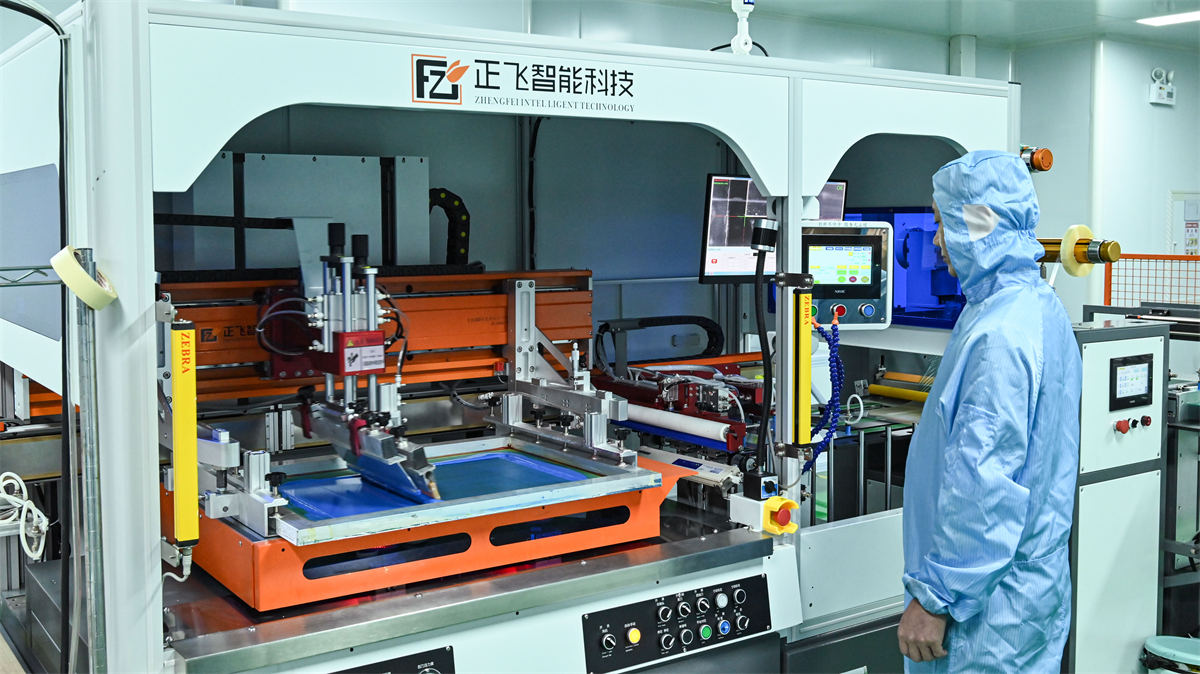
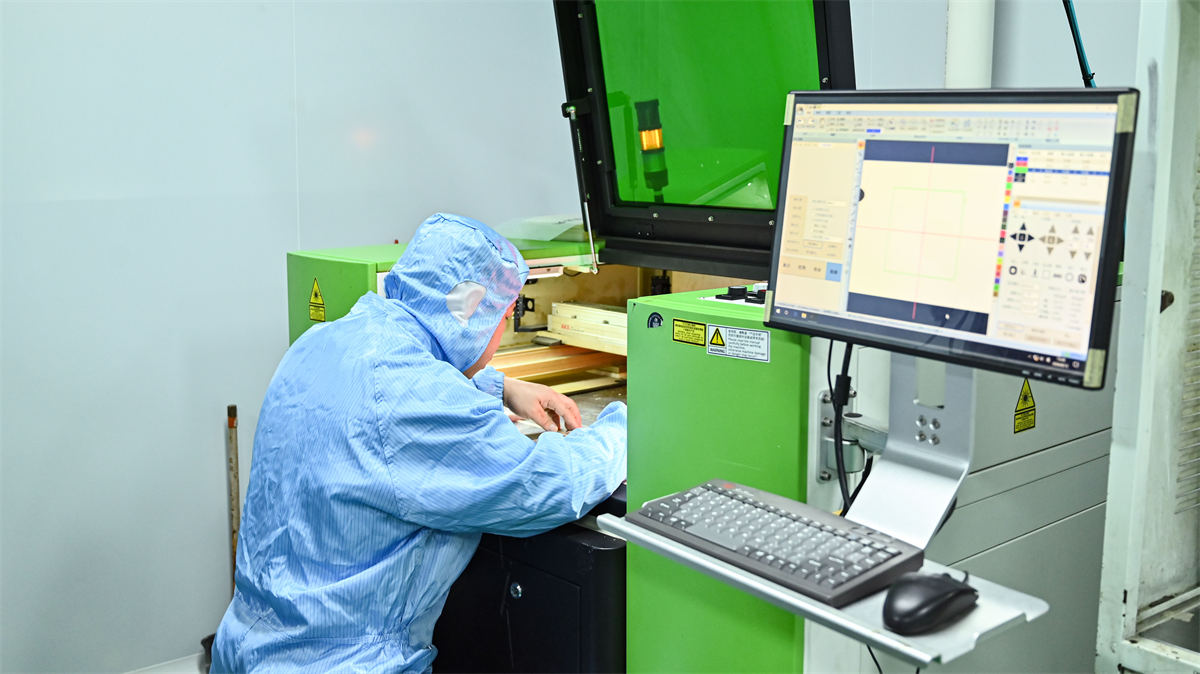
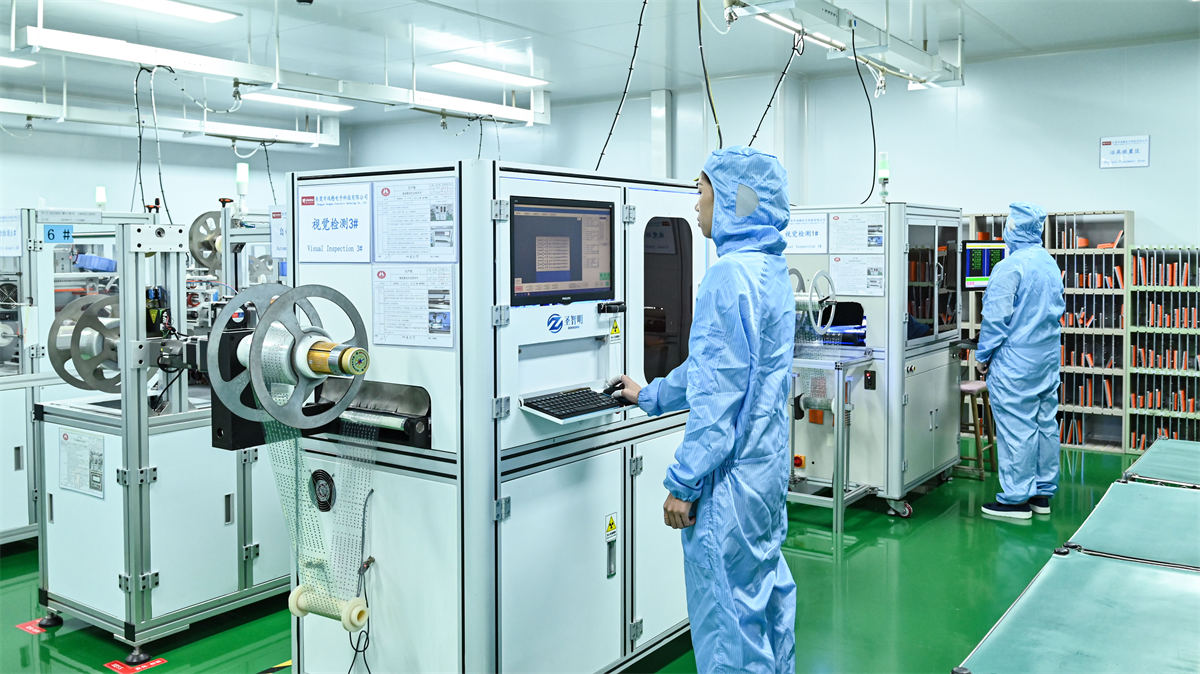
Founded in March 2009, Dongguan Cevra Electronic Technology Co., Ltd. operates a vertically integrated 2,600㎡ manufacturing facility. By eliminating intermediary trading companies, Jacksonville clients gain uncompromised technical accountability, custom layer stack-up guidance, and verified quality management.
100% In-House Cleanroom Fabrication
From Class 1,000 dust-free silk screen printing lines and CCD optical drilling machines to high-speed die-punching and automatic lamination, every overlay and circuit layer is produced in-house under continuous climate and particulate monitoring.
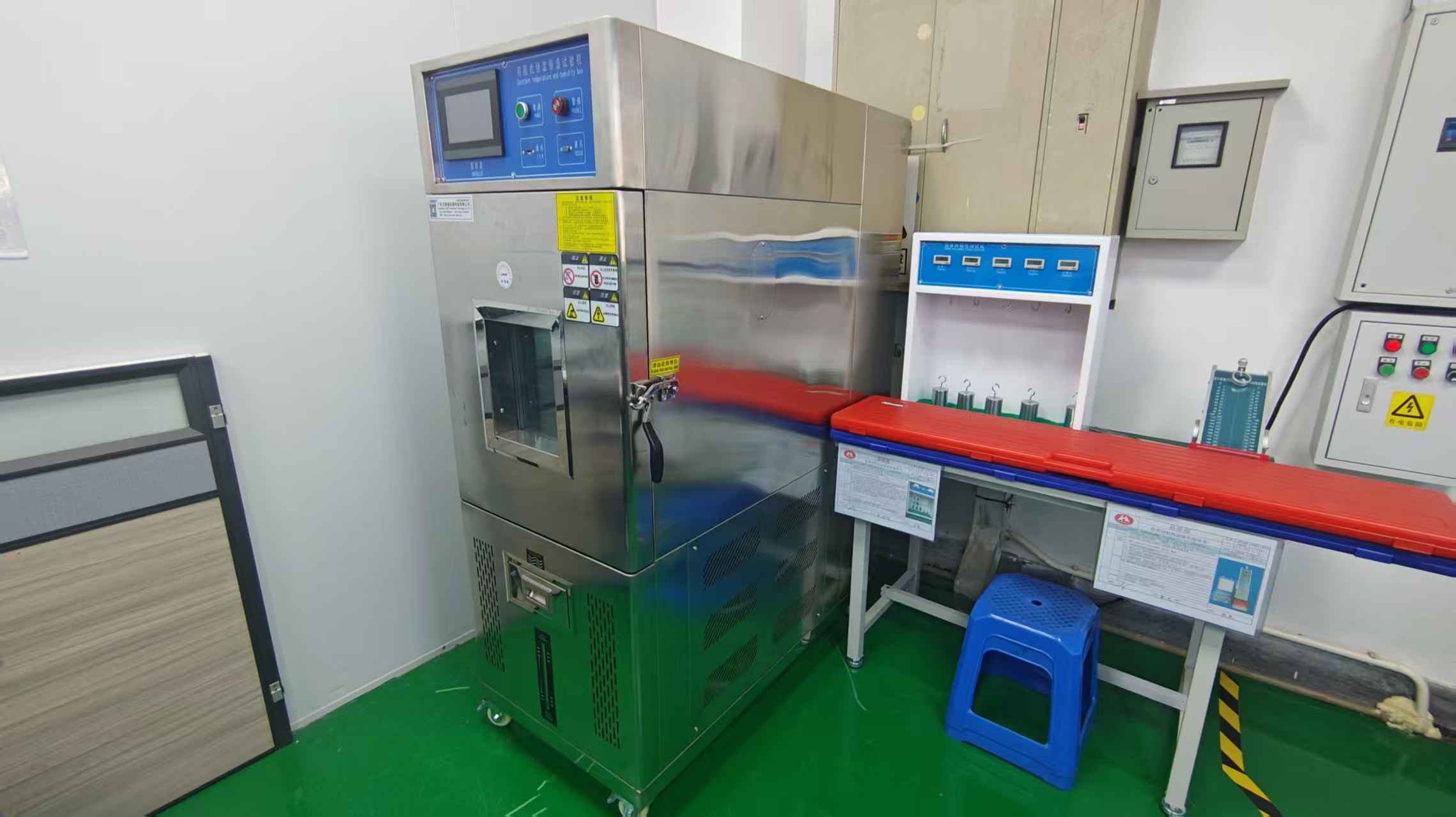
Rigorous Lab Reliability Validation
Every lot undergoes stringent mechanical and environmental verification, including automated dome actuation load testers, holding tack testers, tension peel testing, pencil scratch hardness checking (up to 3H), and environmental chamber thermal shock testing (-40°C to +85°C).
Full OEM/ODM Design Support
Whether you supply finished native CAD/DXF/AI artwork or require engineering consultation regarding connector tail routing, trace impedance balancing, or custom 3M adhesive selection (e.g., LSE bonding for low-surface-energy powder coats), our engineering team responds within 24 hours.
Frequently Asked Questions by Jacksonville Engineering & Sourcing Teams
Concrete answers to technical, environmental, and logistics questions commonly raised during HMI component quotation and supplier evaluation.
How do graphic overlays survive Florida's high UV index and maritime salt fog?
For outdoor marine, utility, and harbor installations across Jacksonville, we specify biaxially oriented Autotex XE or specialized UV-stabilized polycarbonate with subsurface silk screen printing. Because ink pigments are printed on the second (reverse) surface of the transparent film, they are shielded from direct sunlight and physical scraping. Additionally, we integrate moisture-impermeable 3M VHB or 3M 300LSE adhesive perimeter barriers that block saline ingress and maintain IP67 integrity over years of continuous exposure.
What substrate is recommended when bonding to powder-coated cast aluminum enclosures?
Many industrial enclosures deployed in heavy equipment and municipal pump stations utilize low surface energy (LSE) textured powder coatings. Standard adhesives often peel prematurely under thermal cycling. We specify high-performance modified acrylic adhesives, such as 3M 9472LE or 3M 300LSE, which achieve peel adhesion ratings exceeding 50 oz/in even on irregular, low-energy powder surfaces.
Can you produce tactile switch overlays with clear windows for color TFT displays?
Yes. We routinely incorporate selective texturing where the main button fields have an anti-glare, fine-velvet texture, while the display window receives a selective optical gloss clearcoat. To preserve color fidelity and prevent Newton's rings on LCD or OLED panels, we apply anti-reflective treatments or laminate optically clear cast acrylic viewing windows directly to the rear of the overlay.
What are your prototyping turnarounds and minimum order quantities (MOQs)?
Recognizing that Jacksonville OEMs and defense subcontractors require rapid proof-of-concept testing before committing to volume production, we offer quick-turn rapid prototyping via digital laser die-cutting without hard tooling setup costs. Selected custom overlay configurations start from as low as 10 pieces for design validation, with rapid prototype turnaround in 5 to 7 working days and full mass production scaled efficiently thereafter.
What engineering CAD documentation do you require to begin quotation and DFM?
To expedite your quotation, provide your dimensional layout drawing (vector DXF, DWG, PDF, or CAD format) showing outer boundaries, cutouts, window locations, and embossing profiles. For visual graphics, vector AI, EPS, or high-resolution PDF files with designated Pantone PMS or RAL color matching codes are ideal. If you require electrical switching, please include the pinout diagram, circuit schematic, and specified connector tail termination.