High-Reliability FPC, Tactile Arrays & Membrane Interfaces
Direct-from-factory tactile dome solutions, copper-clad polyimide FPC circuits, and hermetically sealed graphic overlays designed to meet rigid European DIN, CE, and RoHS standards for Tier-1/Tier-2 procurement in Poland.
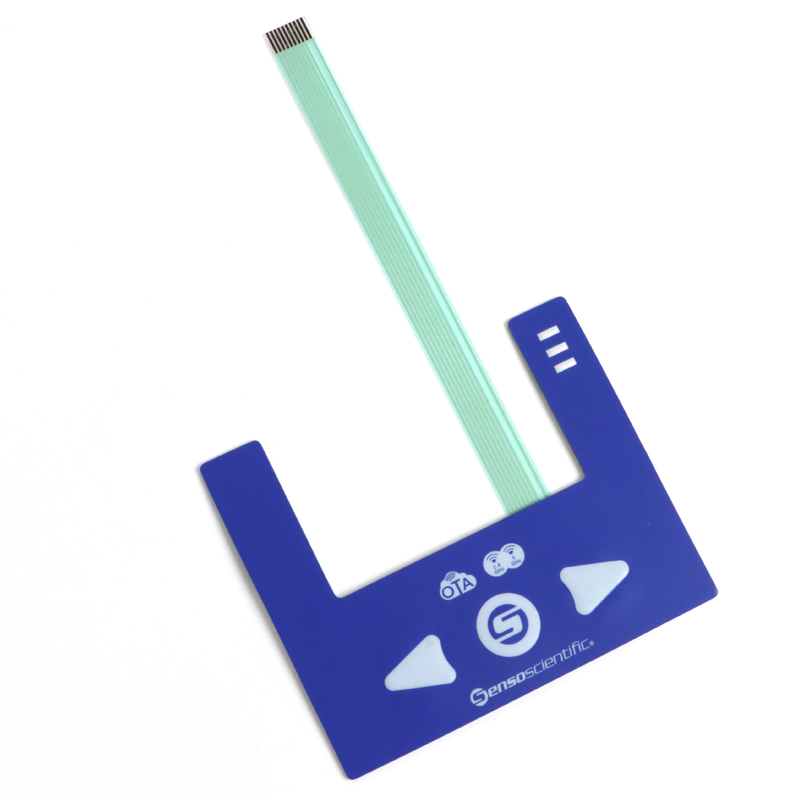
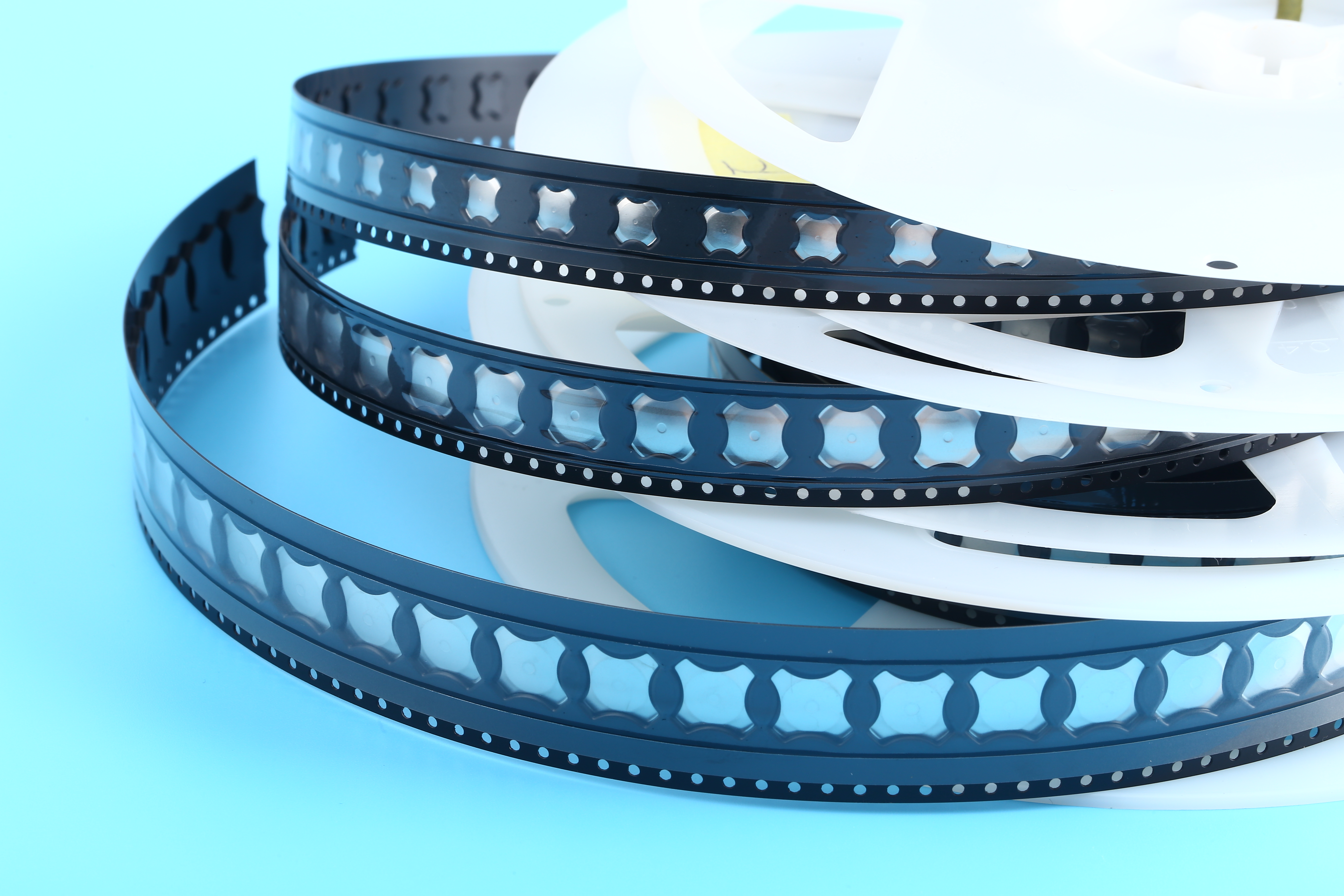
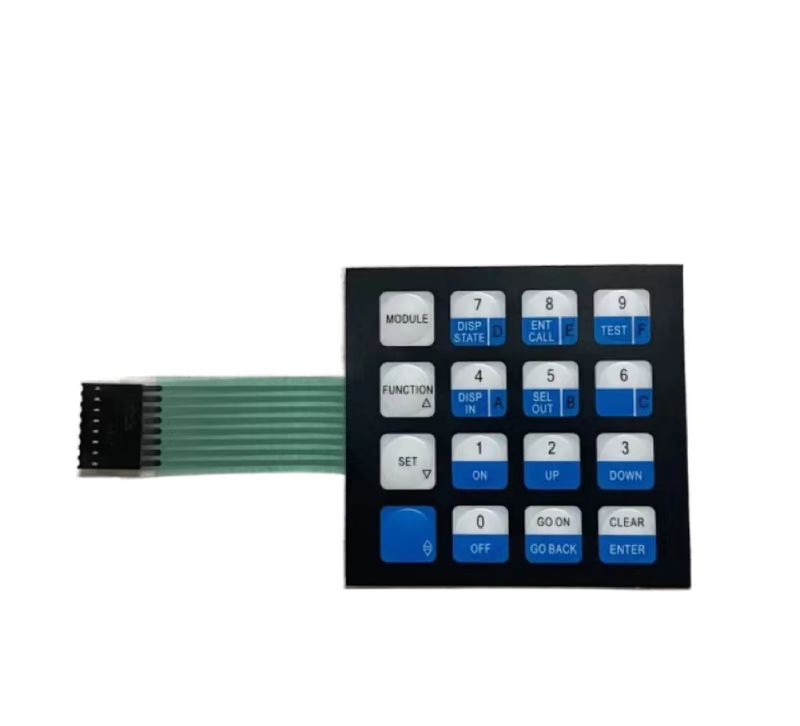
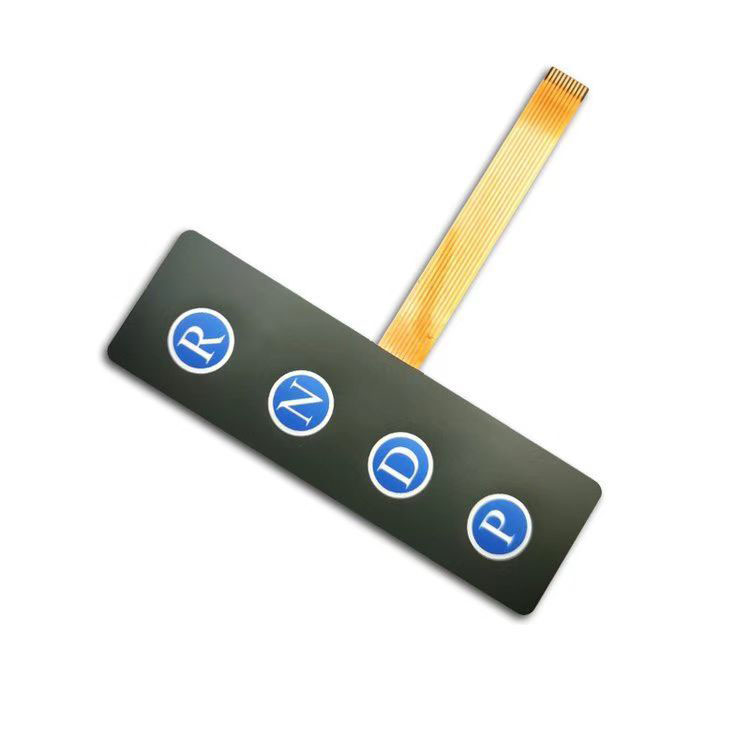
Precision FPC & Switch Integration in Łódź’s Industrial Heart
Located at the vital crossroads of the A1 and A2 motorways and anchored by the Łódź Special Economic Zone (Łódzka Specjalna Strefa Ekonomiczna - ŁSSE), Łódź has transformed from historic textile capital into Central and Eastern Europe’s prime production powerhouse for white goods, automotive mechatronics, and embedded electronics.
Home Appliance Hub (BSH, Whirlpool / Beko Cluster)
Łódź hosts Europe’s largest major domestic appliances (MDA) manufacturing cluster. Washing machines, dryers, dishwashers, and ovens produced across regional industrial parks require human-machine interfaces that survive constant moisture, steam, detergents, and aggressive thermal variations.
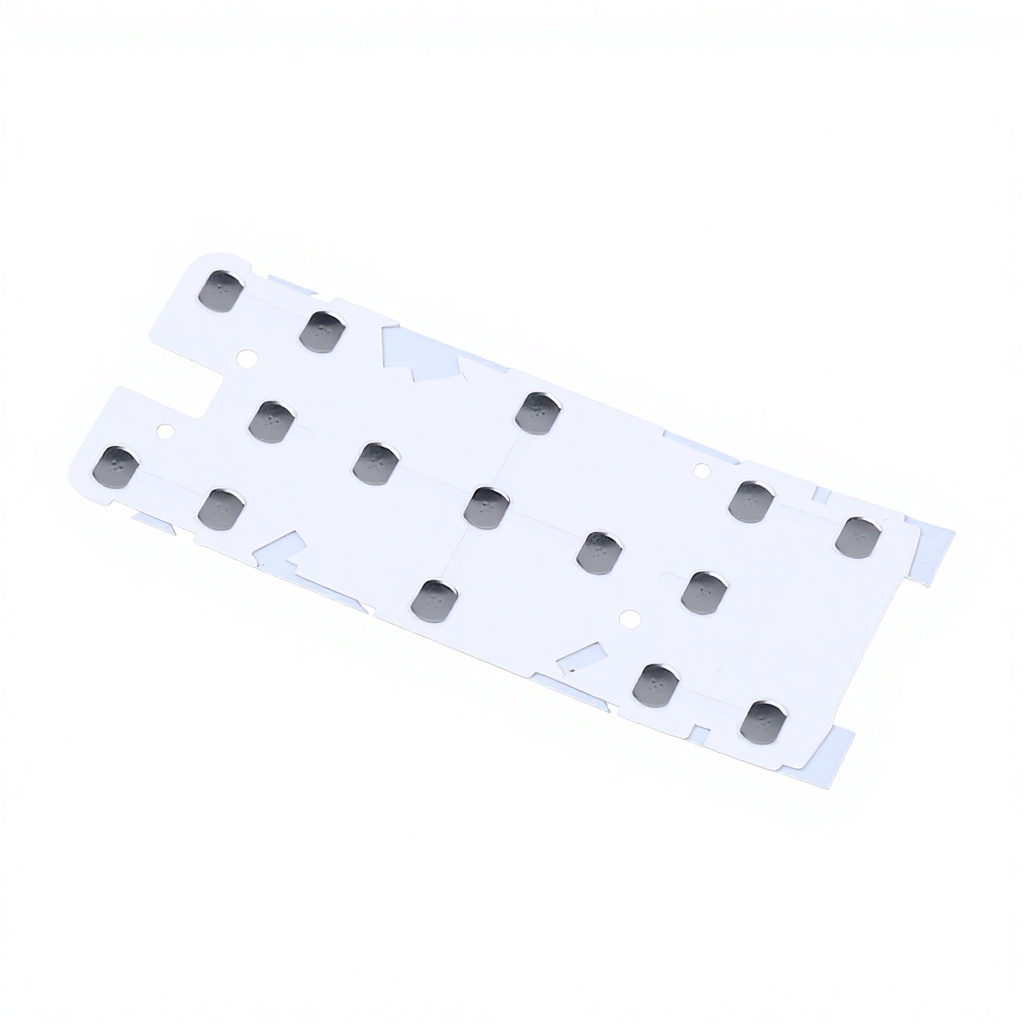
Our single-layer waterproof SUS301 dome arrays and hermetically sealed PET graphic overlays provide IP67 washdown protection and chemically inert surfaces, ensuring appliance control interfaces operate flawlessly across 10-year warranty lifecycles.
Automotive Electronics & EV Systems (Central Polish Corridor)
The automotive supply chain extending through Łódź, Stryków, and Radomsko supplies Tier-1 sub-assemblies for major European automotive OEMs. Flexible printed circuits (FPCs) are rapidly replacing bulky wire harnesses in steering wheel command modules, overhead consoles, battery management system (BMS) cell-monitoring arrays, and door lock sensors.
Our copper-clad polyimide FPC circuits offer tight dynamic bend radiuses (<2mm) and severe vibration endurance, matching ISO 16750 standards for road vehicle electronics.
Industrial Automation & Medical Diagnostics
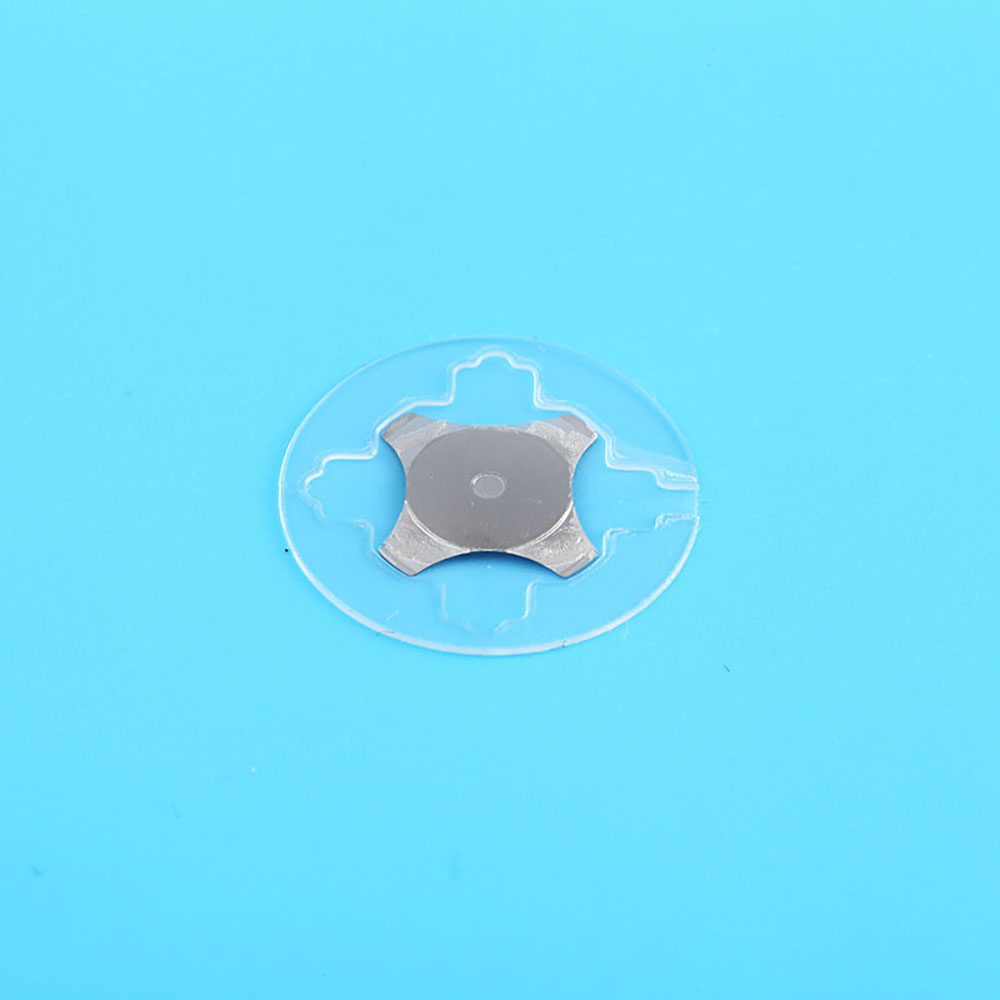
Łódź’s thriving mechatronics and medical robotics sectors demand human-machine interfaces with clear feedback and zero signal degradation. Handheld clinical analyzers and robotic control teach pendants rely on our 4-legged snap domes, which yield distinct tactile "clicks" even when operated by technicians wearing heavy nitrile or polyurethane safety gloves.
Optional integrated EMC/RFI shielding layers stop high-frequency industrial electromagnetic interference from corrupting critical sensor outputs.
Material Stack-Up Architecture & Electro-Mechanical Integrity
Achieving stable electrical conductivity and tactile longevity in demanding industrial environments requires a disciplined approach to layer stack-up, adhesive chemistry, and metal dome metallurgy.
Polyimide (PI) FPC vs. Screen-Printed Silver PET Circuits
When selecting flexible circuit interconnects for production lines in Poland, engineering teams must evaluate environmental extremes against overall bill-of-materials constraints:
- Copper Polyimide (PI) FPC: Utilizes rolled annealed (RA) or electro-deposited (ED) copper foil bonded to DuPont Kapton polyimide films. Capable of supporting automated SMT reflow soldering for active microcontrollers, resistors, and SMD LEDs. Operates continuously from -40°C up to +125°C with zero silver migration risks.
- Silver-Printed PET Membrane Circuits: Utilizes high-conductivity nano-silver conductive paste screen-printed onto heat-stabilized optical-grade polyester (PET). Best suited for static tactile matrix keyboards, capacitive touch buttons, and cost-sensitive user interfaces where soldering temperatures are avoided.
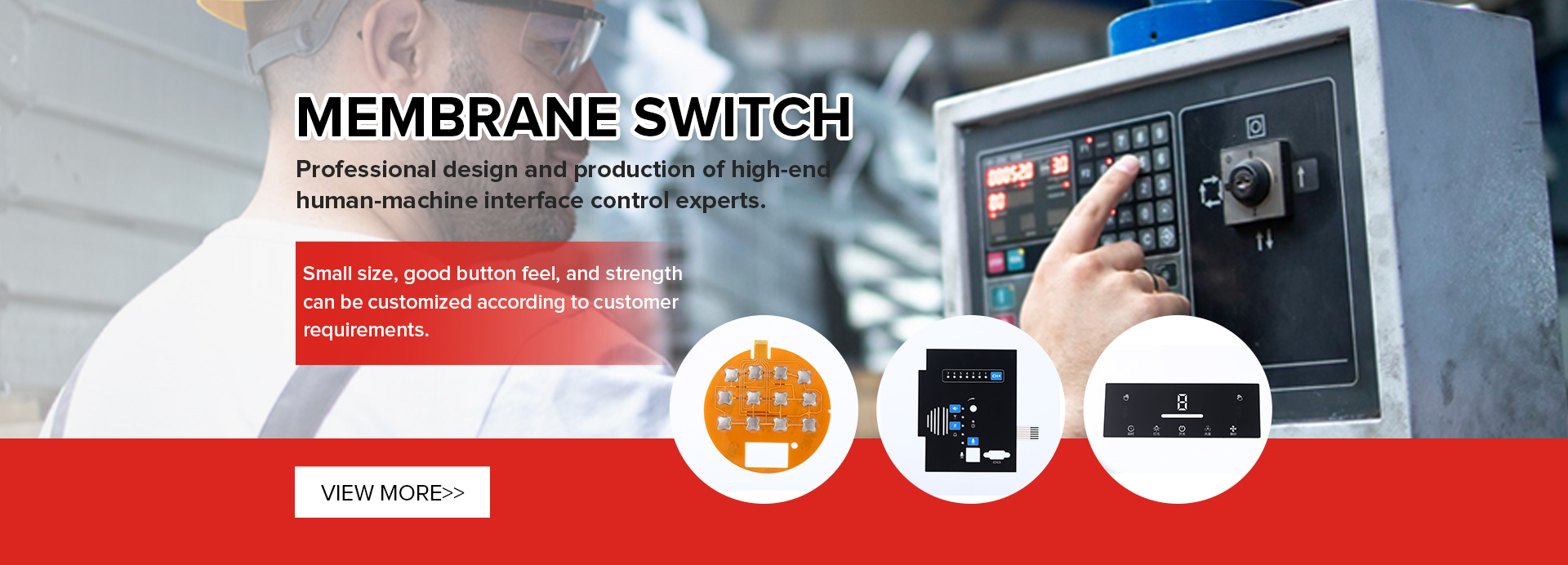
Dongguan Cevra delivers both technologies in-house, tailoring tail configurations, stiffeners (FR4 or Stainless Steel), and connector terminations (ZIF, crimp female housings, or solder pins) directly to your CAD specifications.
Tactile Snap Dome Kinematics & Plating Metallurgy
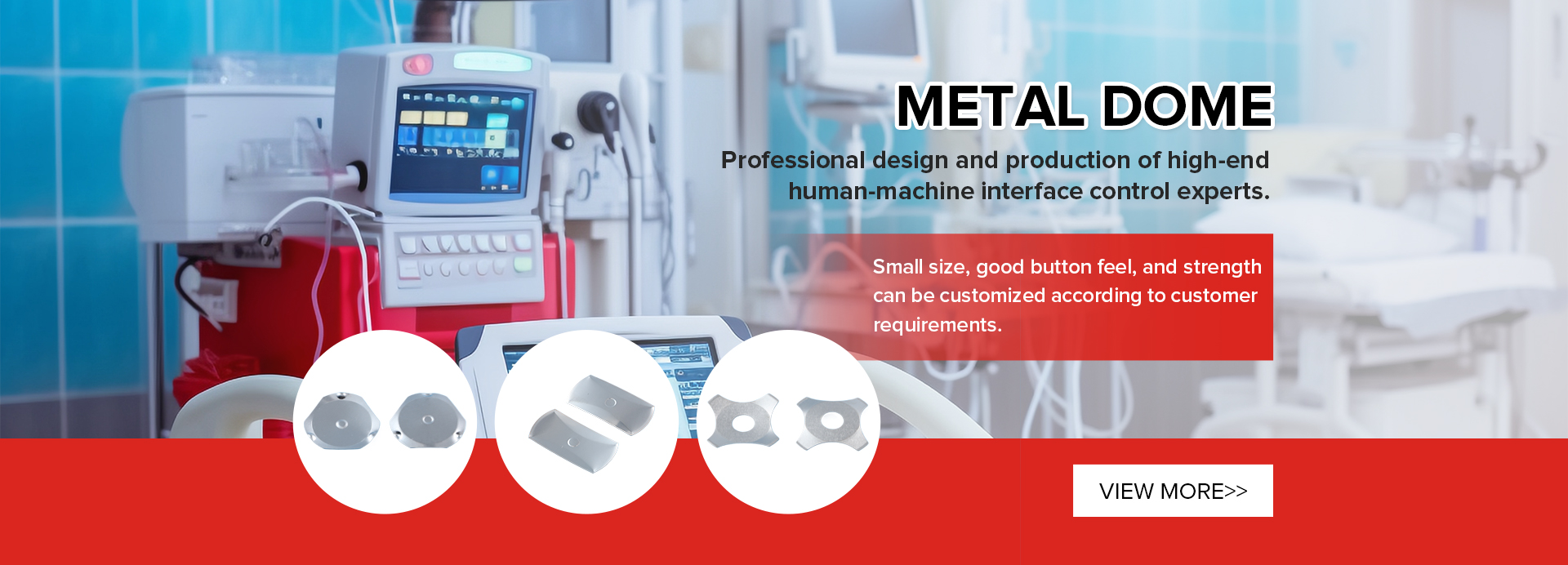
The tactile feedback of an operator switch is governed by the snap dome’s geometry and metallurgy. We fabricate snap domes from premium Japanese SUS301 stainless steel, heat-treated to exact tensile thresholds:
- Trip Force & Click Ratio: We engineer domes ranging from light actuation (160g) up to positive heavy actuation (450g+). With a calibrated click ratio exceeding 45%, operators perceive unambiguous tactile confirmation, preventing costly double-actuation errors in industrial plant settings.
- Corrosion Plating: Stainless steel domes are supplied bare, nickel-plated, or gold-plated. For low-voltage digital signaling (<5V DC), selective gold plating minimizes surface contact resistance down to <0.1 Ω, preventing contact oxidation across humid Polish seasons.
- Vented Dome Carrier Channels: Our die-cut spacer layers feature laser-etched micro-venting channels that balance internal atmospheric pressure during rapid key depression, eliminating dome "air-cushioning" and sluggish reset cycles.
| Evaluation Parameter | Copper-Clad Polyimide (FPC) | Silver Conductive PET Circuit | SUS301 Metal Dome Array | Rigid FR4 Backed Assembly |
|---|---|---|---|---|
| Operating Temperature | -40°C to +125°C | -20°C to +70°C | -40°C to +105°C | -40°C to +85°C |
| SMT Component Assembly | Full Reflow SMT | Conductive Epoxy Bonding | Tape & Reel SMT Placement | Standard Reflow & Wave |
| Bending & Flex Life | Dynamic (>10M cycles) | Static / Gentle Flex | N/A (Rigid/Flex Mount) | Rigid Support Base |
| Contact Resistance | <0.05 Ω/sq | <1.0 Ω/sq | <100 mΩ (Gold Plated) | <0.02 Ω/sq |
| Ingress Sealing (IP) | Enclosure Dependent | Up to IP67 with perimeter gasket | IP67 with waterproof adhesive | IP65 to IP68 hermetic |
| Typical Łódź Use Case | EV Battery BMS, Actuators | White Goods Touch Panels | Remote Controls, Matrix Keys | Heavy Machine HMI Terminals |
Modern Trends Reshaping Central Poland’s Electronics Procurement
Procurement teams and design houses in the Łódź Voivodeship are shifting strategies in response to European Union green directives, smart factory adoption, and demand for supply chain agility.
Flexible Hybrid Electronics (FHE) & Slimming
Industrial designers in Central Poland are prioritizing ultra-slim profiles. Bulky electromechanical rocker switches and wire harnesses are being replaced by integrated FPC membranes that combine capacitive proximity detection, embedded micro-LED backlighting, and tactile switches within a package thickness under 1.2mm.
This consolidation streamlines assembly lines, accelerates assembly cycle times, and slashes enclosure material weight.
Direct Freight Rail & Air Logistics Corridor
Łódź enjoys an unrivaled geographic advantage as a primary European terminal on the transcontinental New Silk Road rail network (Chengdu-Łódź express freight line). This enables bulk containerized deliveries of custom FPCs, dome reels, and raw components to arrive in Łódź within 12–14 days—drastically faster than standard 35-day maritime routes.
For rapid NPI (New Product Introduction) cycles, our close proximity to Shenzhen and Hong Kong international air hubs guarantees emergency prototype delivery directly to Łódź Władysław Reymont Airport (LCJ) or Warsaw Chopin (WAW) in just 3 to 5 business days.
Strict EU Environmental Mandates (RoHS 3 & REACH)
With European chemical restrictions tightening under REACH (EC 1907/2006) and RoHS 3 (Directive 2015/863), electronic components entering Poland must be fully certified halogen-free and lead-free.
Dongguan Cevra provides full traceability dossiers, raw material Mill Test Certificates (MTC), and SGS substance declarations for every batch of acrylic adhesives, PET films, polyimide substrates, and conductive inks shipped into Poland.
Why Tier-1 European Buyers Partner with Dongguan Cevra
Founded in March 2009 in Dongguan, China, Dongguan Cevra Electronic Technology Co., Ltd. operates a 2,600㎡ purpose-built manufacturing facility, combining 16+ years of specialized HMI engineering with an ISO 9001 certified quality infrastructure verified onsite by SGS Group.
Full In-House Manufacturing Chain
We do not broker your projects through trading desks. Every step is handled inside our controlled facility: precision screen printing, automated roll-to-roll laminating, laser cutting, CCD optical guide-hole drilling, high-speed dome placement, and custom die punching. This guarantees complete intellectual property protection and tight revision management.
Advanced Laboratory Testing Rigor
Every production batch undergoes comprehensive pre-shipment verification using calibrated test instruments:
- Automated Dome Load & Actuation Life Testers
- High and Low Temperature Thermal Shock Cabinets (-40°C to +150°C)
- Adhesive Tension Peel & 90°/180° Holding Tack Testers
- Electric Pencil Hardness Testers for Scratch Resistance
- 100% Computerized Circuit Open/Short & Resistance Analyzers
Verified European B2B Export Support
Rated among the Top 5 most trusted keypad and keyboard manufacturers on international trade registries, our fluent English-speaking engineering team understands European DFM conventions. We accommodate flexible volume requirements: prototype and pilot runs starting from 10–100 pieces up to scheduled high-volume monthly container releases.
Frequently Asked Questions by Polish Procurement Teams
Practical details concerning engineering files, customs import clearance into Poland, lead times, and reliability standards.
What files and specifications do you require to begin a custom DFM quote?
Please provide your 2D outline drawings (AutoCAD DXF or DWG), graphic overlay artwork (vector PDF or Adobe Illustrator with callouts for Pantone/RAL color codes), circuit schematic or netlist, and your required tactile specifications (actuation force in grams, metal dome size, and connector pitch). Our engineering team reviews manufacturability and returns a comprehensive DFM review within 24 hours.
How are import customs duties and VAT handled when shipping to Poland?
Orders can be shipped via DAP (Delivered at Place) or DDP (Delivered Duty Paid) to your facility in Łódź or neighboring logistics hubs (Stryków, Piotrków Trybunalski). Under DDP terms, all European customs tariffs, TARIC classification codes, and Polish 23% VAT are settled upfront by our freight partners, eliminating customs delays at the border.
Should our design use a Polycarbonate (PC) or Polyester (PET) graphic overlay?
For keypads subject to repeated mechanical button flexing or chemical washdown (such as household appliance control panels and medical devices), biaxially oriented PET (Autotype Polyester) is mandatory due to its outstanding flex fatigue resistance (>5 million switch cycles) and resistance to household detergents. Polycarbonate (PC) is ideal for flat, rigid display lenses, non-flexing decorative bezels, and budget instrumentation.
What is the typical turnaround time for NPI samples and high-volume production?
Rapid prototype samples and first-article qualification units are typically fabricated and shipped within 7 to 10 working days. Following engineering sign-off and golden sample approval, standard mass production batches require approximately 15 to 20 business days, depending on SMT component sourcing and tooling complexity.
Can you provide Reel-Packed Metal Domes compatible with our automated SMT pick-and-place lines in Poland?
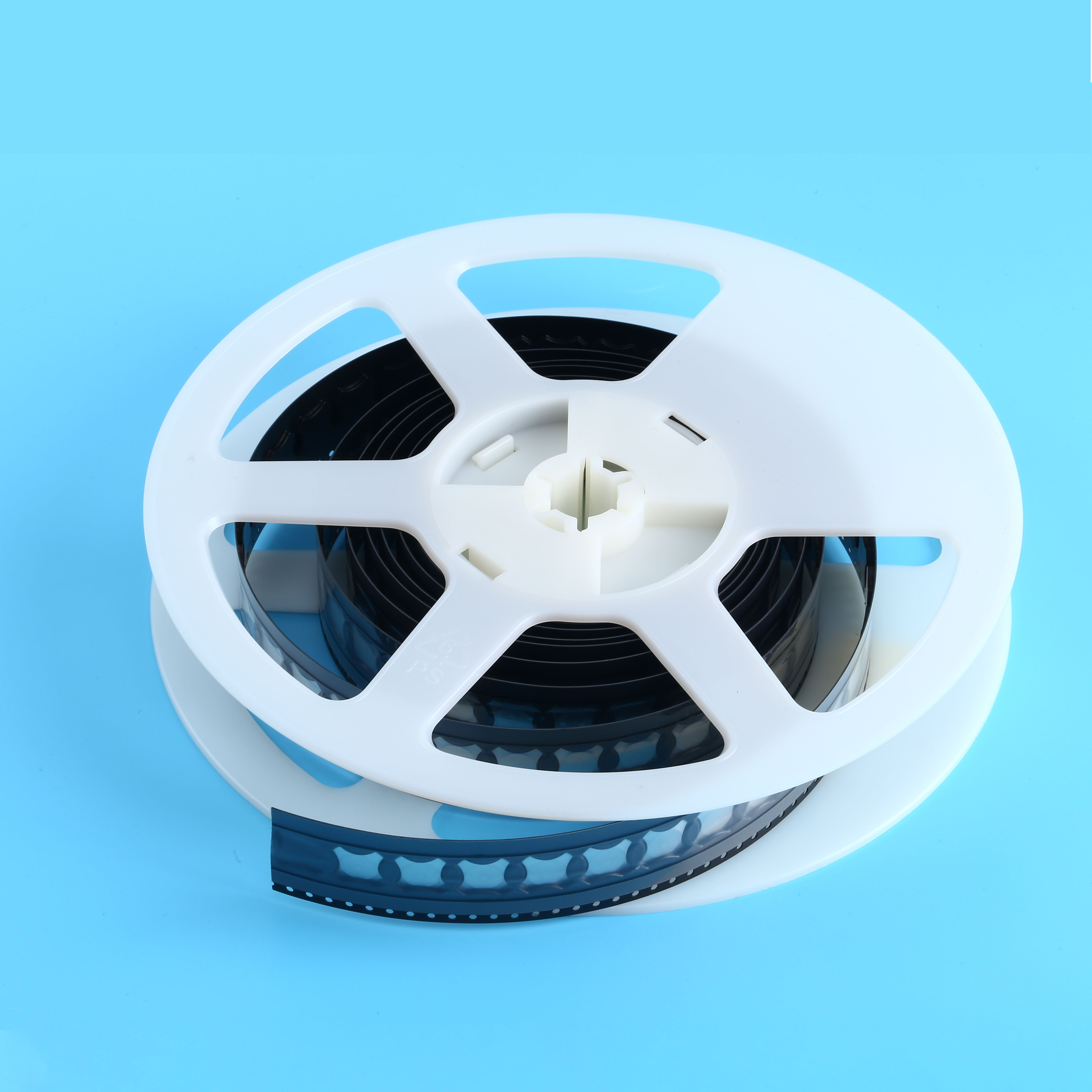
Yes. We produce 4-legged cross snap domes and round domes supplied in embossed carrier tape and reel packaging (compliant with EIA-481 standards). This allows contract electronics manufacturers (EMS) in Central Poland to feed tactile domes directly through high-speed Fuji, Panasonic, or ASM placement equipment, achieving precision automated assembly onto rigid or flexible boards.
How do you safeguard silver-printed traces against electrochemical migration?
For silver-printed membrane circuits operating in high-humidity or condensing environments, we apply a cross-linked carbon or UV dielectric protective overcoat across all silver traces. Furthermore, our engineering team ensures minimum trace spacing rules (≥0.5mm) and offers Cu-clad polyimide FPC alternatives for zero-risk mission-critical systems.
Accelerate Your Hardware Projects in Łódź
Connect directly with Cevra’s application engineers today. Send your CAD drawings, overlay designs, or technical inquiries to receive detailed DFM feedback, material recommendations, and a transparent factory-direct quotation within 24 hours.